News related to
security

The U.S. Senate has confirmed Kash Patel as the new Director of the Federal Bureau of Investigation with a narrow 51-49 vote. Patel, a long-time adviser to President Donald Trump, is set to lead the nation’s premier law enforcement agency, succeeding Christopher Wray, who resigned prior to the completion of his term.

Patel’s confirmation has been met with significant debate, primarily due to his close ties to President Trump and his previous criticisms of the FBI. Democratic senators have expressed concerns that his appointment could lead to the politicization of the bureau. Senator Dick Durbin highlighted Patel’s past statements and actions, suggesting they might compromise the FBI’s impartiality.

Adding to the controversy are Patel’s financial disclosures, which reveal substantial investments in the cryptocurrency sector. According to official filings, Patel holds up to $115,000 in Bitcoin and has invested between $50,001 and $100,000 in Core Scientific, a prominent Bitcoin mining company. These holdings have raised questions about potential conflicts of interest, especially given the FBI’s role in regulating and investigating cryptocurrency-related activities.

During his confirmation hearing, Patel addressed these concerns, stating that his investments are part of a diversified portfolio and asserting that they would not influence his duties as FBI Director. He emphasized his commitment to maintaining the bureau’s integrity and impartiality.

Republican senators have largely supported Patel’s appointment, viewing his leadership as an opportunity to reform the FBI and address perceived biases within the agency. Senator Chuck Grassley expressed confidence in Patel’s ability to restore public trust and ensure the bureau operates without political influence.

Patel’s professional background includes roles as a public defender, a trial attorney at the Department of Justice, and various positions during President Trump’s first term. His supporters cite this experience as evidence of his qualifications to lead the FBI.

However, critics remain skeptical. Concerns have been raised about Patel’s previous appearances on platforms known for promoting conspiracy theories and his past statements regarding internal FBI matters. Some former Justice Department officials have publicly opposed his nomination, suggesting that his leadership could undermine the bureau’s mission and integrity.

As Patel assumes his new role, he faces the immediate challenge of addressing internal morale within the FBI and external perceptions of the bureau’s impartiality. His approach to handling his cryptocurrency investments and potential conflicts of interest will be closely scrutinized by both lawmakers and the public.

The confirmation of Kash Patel marks a significant moment for the FBI, as the agency navigates complex political dynamics and emerging technological challenges. How Patel balances his personal investments with his professional responsibilities will play a crucial role in shaping the bureau’s future direction and public perception.

In the coming weeks, all eyes will be on Director Patel as he outlines his vision for the FBI and addresses the myriad issues facing the agency. His actions and decisions will be pivotal in determining the bureau’s trajectory during his tenure.

As the FBI embarks on this new chapter under Patel’s leadership, the interplay between personal interests and public duty will be a focal point of discussion and analysis among policymakers, law enforcement professionals, and the American public.

The Senate’s confirmation of Kash Patel as FBI Director underscores the deep divisions within the political landscape and highlights the ongoing debates surrounding the role of personal investments in public service. Patel’s tenure will undoubtedly be closely monitored as he steps into this critical position at a pivotal time for the nation.

As Director Patel begins his term, the balance between innovation in financial sectors and the ethical obligations of public office holders will remain a topic of significant importance and scrutiny.

The coming months will reveal how Patel navigates these challenges and whether his leadership will bring the reforms and renewed trust that his supporters anticipate. The outcomes of his decisions will have lasting implications for the FBI and its role in upholding justice and security in the United States.

Director Patel’s approach to his new role will be instrumental in shaping the future of the FBI and its relationship with both the government and the public it serves. His ability to address internal and external concerns will define his legacy and the bureau’s path forward.

As the nation watches, Director Patel’s actions will speak to his commitment to justice, integrity, and the principles that underpin the Federal Bureau of Investigation. The challenges ahead are significant, but so too are the opportunities for positive change under his leadership.

In this critical period, the direction set by Director Patel will influence not only the FBI’s operations but also the broader discourse on ethics, governance, and public trust in federal institutions. His tenure promises to be a defining chapter in the bureau’s storied history.

As Director Patel takes the helm, the interplay between his personal financial interests and his public responsibilities will be a key area of focus, with implications that extend beyond the FBI to the broader landscape of public service ethics.

The path Director Patel charts in addressing these complex issues will be closely observed, setting precedents for future leaders and shaping the narrative of accountability and transparency in government roles.

In navigating the responsibilities of his position, Director Patel’s decisions will resonate through the corridors of power, influencing policy, public perception, and the very fabric of the nation’s approach to law enforcement and justice.

As the FBI enters this new era under Director Patel, the balance he strikes between personal interests and public duty will serve as a barometer for the agency’s commitment to its foundational values and its adaptability in a rapidly evolving societal landscape.

The tenure of Director Patel is poised to be a transformative period for the FBI, with his leadership style and ethical considerations setting the tone for the agency’s future and its role in safeguarding the nation’s security and upholding the rule of law.

Nissan Motor Co. experienced an 11% surge in its share price on Friday following reports that a prominent Japanese consortium is formulating plans to attract investment from Tesla Inc. This development comes on the heels of Nissan’s unsuccessful merger discussions with Honda Motor Co., highlighting the automaker’s ongoing efforts to stabilize its financial standing. The initiative is spearheaded by Hiro Mizuno, a former Tesla board member, with […]

The United States government is escalating its demands for Ukraine to grant substantial mineral rights to American companies, a move that has led to heightened tensions between President Donald Trump and Ukrainian President Volodymyr Zelenskyy. The proposed agreement seeks to provide the U.S. with access to Ukraine’s vast reserves of critical minerals, valued at approximately $500 billion, in exchange for continued military and financial support amid Ukraine’s […]

Dubai Taxi Company has announced plans to launch its first autonomous taxi service in the emirate by the first quarter of 2026, aligning with Dubai’s strategic vision for advanced mobility. Chief Executive Mansoor Alfalasi confirmed that the company is actively collaborating with partners to expedite the project’s development. In an interview, Alfalasi emphasized the importance of working closely with the Roads and Transport Authority to address all […]

Canonical has officially announced that Ubuntu 25.04, codenamed ‘Plucky Puffin’, is scheduled for release on 17 April 2025. This upcoming version aims to build upon the foundations of its predecessors, introducing a series of enhancements in performance, security, and user experience. One of the most anticipated features in ‘Plucky Puffin’ is the integration of GNOME 48, the latest iteration of the GNOME desktop environment. This version is […]

The Central Bank of the United Arab Emirates has achieved a significant milestone with its 500 dirham banknote being recognised as the ‘Best New Banknote Issue’ for 2025 in the Europe, Middle East, and Africa region. This accolade was announced during the High Security Printing EMEA conference held in Basel, Switzerland, earlier this month.

The award-winning banknote, which entered circulation on 30 November 2023, is part of CBUAE’s third polymer series. It reflects the UAE’s commitment to sustainability and innovation in the financial sector. The note’s design incorporates advanced security features and three-dimensional elements, setting new standards in banknote aesthetics and security.

One of the standout features of the 500 dirham note is its use of the region’s largest surface-applied foil stripe, a pioneering move in Middle Eastern currency design. This security enhancement not only deters counterfeiting but also adds a distinctive visual appeal. The note was printed by Oumolat Security Printing, a fully owned subsidiary of CBUAE, underscoring the nation’s capability in high-security printing technologies.

The front of the banknote showcases the Terra Sustainability Pavilion from Expo City Dubai, symbolising the UAE’s dedication to a sustainable future inspired by the principles of the nation’s founding father, the late Sheikh Zayed bin Sultan Al Nahyan. The reverse side features the Museum of the Future in Dubai, an architectural marvel that bridges the past and future, along with iconic landmarks such as the Emirates Towers and the Burj Khalifa. Notably, the Burj Khalifa, standing at 828 meters with over 160 floors, is highlighted as a beacon of sustainability, deriving a significant portion of its energy from solar power.

In a strategic move towards environmental responsibility, CBUAE opted for polymer material in the production of the new banknotes. Polymer notes are more durable and have a longer lifespan than traditional paper notes, and they are fully recyclable, significantly reducing environmental impact. This initiative aligns with the UAE’s broader vision to transition to a green economy and ensure sustainable development for future generations.

This recognition follows a previous accolade where CBUAE’s 1,000 dirham banknote was awarded ‘Best New Banknote’ in 2023. The consistent acknowledgment of the UAE’s currency innovations highlights the nation’s leadership in adopting cutting-edge security features and sustainable practices in banknote production.

His Excellency Saif Humaid Al Dhaheri, Assistant Governor of Banking Operations & Support Services at CBUAE and Chairman of the Board of Directors of Oumolat Security Printing Company, expressed pride in this achievement. He emphasised that the award is a testament to the UAE’s dedication to sustainability and innovation, positioning the nation at the forefront of advanced security features and environmentally friendly materials in currency production.

The High Security Printing EMEA conference is a prestigious event that recognises excellence in the design and technical development of banknotes, passports, and identity cards across the EMEA region. The UAE’s accomplishment at this conference not only enhances the global reputation of its currency but also reflects the country’s broader commitment to innovation and sustainability in various sectors.

Rabdan Academy, a prominent institution specializing in safety, security, defence, emergency preparedness, and crisis management, has formalized a training agreement with INTERPOL. This collaboration aims to bolster cooperation in research, training, and the exchange of expertise between the two entities.

With the signing of this agreement, Rabdan Academy officially joins the INTERPOL Global Academy Network, a consortium dedicated to elevating training standards for law enforcement agencies worldwide through collaborative efforts and knowledge sharing among leading institutions.

The partnership outlines a framework for both organizations to identify and develop joint training activities and projects. These initiatives will encompass courses, seminars, conferences, curricula development, study tours, and train-the-trainer programs, all designed to enhance the capabilities of law enforcement personnel globally.

His Excellency James Anthony Morse, President of Rabdan Academy, emphasized the strategic importance of this alliance, stating that it aligns with the Academy’s mission to develop specialized skills and capabilities in relevant fields. He highlighted that collaboration with key international and local partners is essential for achieving this goal.

INTERPOL’s Secretary General, His Excellency Valdecy Urquiza, underscored the value of partnering with esteemed academic institutions like Rabdan Academy. He noted that such collaborations are vital for developing comprehensive global training methodologies and standards for law enforcement, benefiting INTERPOL’s member countries and enhancing the effectiveness of the Global Academy Network.

The agreement includes commitments to jointly develop training materials and curricula, exchange academic and training resources, and share expertise and faculty members. This cooperative approach aims to create robust training opportunities and foster applied research on topics pertinent to law enforcement.

Students at Rabdan Academy will gain access to courses and training tools from the INTERPOL Virtual Academy, enriching their proficiency in international policing. Additionally, Rabdan Academy’s training programs will receive accreditation from INTERPOL, ensuring they meet global standards of excellence.

This partnership was formalized during the International Defence Exhibition 2025, where Rabdan Academy is actively participating as an exhibitor. IDEX 2025 serves as a platform for showcasing the latest advancements in defence technology and fostering collaborations among global security stakeholders.

Rabdan Academy’s involvement in IDEX 2025 underscores its commitment to shaping the future of defence and security. The Academy is showcasing its specialized programs in safety, security, and crisis management, highlighting its role as a hub of expertise that brings together policymakers, defence leaders, and global experts to address evolving security challenges.

In addition to its partnership with INTERPOL, Rabdan Academy is set to announce new global collaborations aimed at strengthening its leadership in security and defence education. These initiatives reflect the Academy’s dedication to fostering expertise and cooperation to enhance global security efforts.

The INTERPOL Global Academy Network, established in 2019, is a collective of trusted law enforcement education institutions committed to providing a unified approach to law enforcement training. Rabdan Academy’s inclusion in this network signifies a significant step toward enhancing the quality and reach of specialized training programs for law enforcement professionals worldwide.

Through this partnership, both Rabdan Academy and INTERPOL aim to address contemporary challenges in law enforcement by leveraging their combined expertise and resources. The collaborative efforts are expected to result in the development of innovative training solutions that are responsive to the dynamic nature of global security threats.

As part of the agreement, there will be a concerted focus on applied research, enabling both institutions to contribute to the body of knowledge in law enforcement practices. This research component is poised to inform policy decisions and operational strategies, thereby enhancing the effectiveness of law enforcement agencies across different jurisdictions.

Advertisements

Ethereum is currently trading at $2,749.45, reflecting a modest increase of 0.36% over the past 24 hours. This performance is underpinned by a confluence of technical indicators and burgeoning institutional interest, suggesting a potential rally toward the $3,000 mark.

Technical analysis indicates that Ethereum’s price is approaching a critical resistance level at $2,800. A decisive break above this threshold could pave the way for further gains, with analysts projecting potential targets of $3,000 and beyond. Conversely, failure to surpass this resistance may result in a consolidation phase or a retracement toward support levels around $2,600.

Institutional adoption of Ethereum has been accelerating, contributing to its upward trajectory. The approval and subsequent inflows into Ethereum-based exchange-traded funds have played a pivotal role in this trend. Notably, Ethereum ETFs have experienced 17 consecutive days of inflows, now holding a record high of 3.5 million units. This surge in institutional investment underscores the growing confidence in Ethereum’s long-term value proposition.

The recent inauguration of a pro-crypto administration in the United States has further bolstered market sentiment. Analysts anticipate that the new regulatory environment will be more conducive to cryptocurrency innovation and adoption. The potential for clearer guidelines and supportive policies is expected to attract additional institutional participants to the Ethereum ecosystem.

Ethereum’s network fundamentals remain robust. The number of validators on the network has increased by over 30% in the past year, driven by the introduction of staking and liquid staking mechanisms. These developments enhance the network’s security and appeal to institutional investors seeking yield-generating opportunities.

PACT Protocol has officially launched on the Aptos Network, introducing over $1 billion in on-chain assets to the high-performance blockchain. This strategic move, following nine months of collaboration with the Aptos Foundation, aims to enhance financial inclusion by providing fully on-chain lending and securitization infrastructure for licensed lenders in emerging markets.

The integration enables lenders to originate, securitize, and service loans more efficiently, fostering a transparent and scalable financial environment for borrowers, originators, and institutional investors. As the inaugural participant in the Aptos Foundation’s incubation pilot, PACT Protocol benefits from strategic and technical support provided by Aptos Labs.

On-chain credit infrastructure is revolutionizing global finance, particularly in regions where traditional banking services are inaccessible to approximately 85% of the population. By leveraging Aptos’ sub-second finality and minimal transaction fees, PACT aims to reduce borrowing costs and expand credit access in underserved communities worldwide.

Ash Pampati, Head of Ecosystem at Aptos, expressed enthusiasm about the partnership, stating that it expands financial access to users in emerging markets globally. Solomon Tesfaye, Head of Capital Markets at Aptos Labs, highlighted that PACT’s integration offers a transparent and scalable solution, reducing costs and broadening credit opportunities for underserved communities.

PACT Protocol selected Aptos for its institutional-grade infrastructure, scalability, and adoption within the financial sector. The network’s support for native USDC and USDT, along with its capacity to handle high transaction volumes at low costs, ensures seamless credit flows while maintaining security and reliability through its Move programming language.

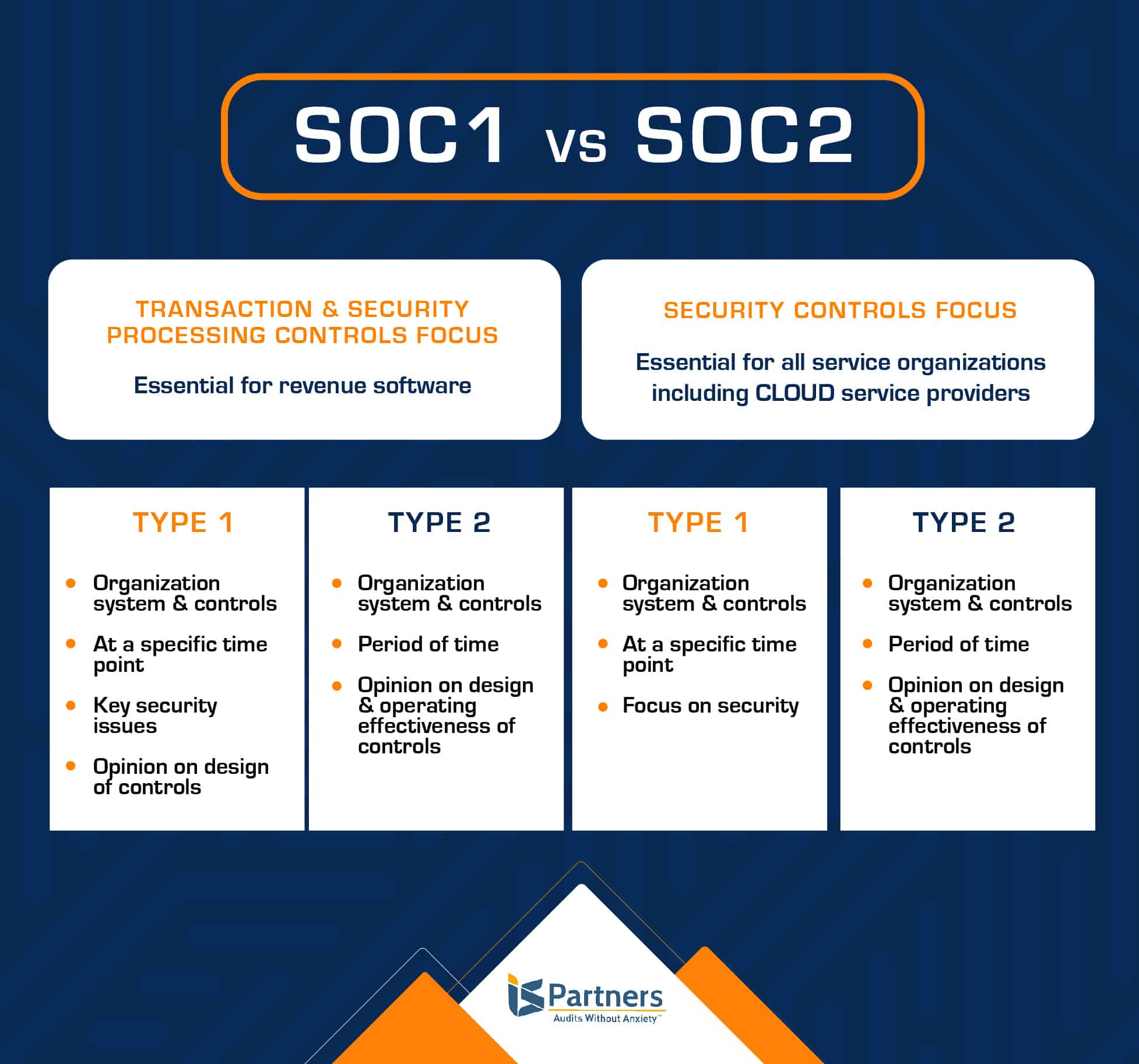
Cactus Custody, a prominent provider of institutional digital asset custody solutions, has achieved the SOC 1 Type 1 certification following an independent audit conducted by Deloitte. This accomplishment underscores the company’s dedication to maintaining high operational control standards and delivering secure, compliant custody services.

The comprehensive audit by Deloitte evaluated various aspects of Cactus Custody’s operations, including client account onboarding, fiat and cryptocurrency transactions, and internal system processes. The assessment confirmed the robustness of the company’s financial processing capabilities, encompassing settlement procedures, reconciliation, account management, fee processing, asset valuation, reporting, and the secure management of cryptographic keys throughout their lifecycle across diverse custody storage methods.

Wendy Jiang, General Manager of Cactus Custody, emphasized the significance of this certification: “Achieving SOC 1 Type 1 certification underscores our commitment to robust governance, precise financial management, and secure custody. We prioritize the security of our clients’ assets and maintain strict internal controls to deliver top-tier service. Moving forward, we will promote compliance and transparency, striving to set higher benchmarks in the evolving crypto asset space to enhance trust and satisfaction among our clients.”

The SOC 1 Type 1 certification serves as a benchmark for evaluating the effectiveness of an organization’s internal controls over financial reporting. By obtaining this certification, Cactus Custody demonstrates its capability to safeguard client assets and ensure the accuracy of financial information, thereby reinforcing trust with its clientele.

In addition to the SOC 1 Type 1 certification, Cactus Custody has previously attained the SOC 2 Type 1 certification, also audited by Deloitte. The company is actively working towards achieving the SOC 1 Type 2 report within the current year. These ongoing efforts reflect Cactus Custody’s dedication to enhancing digital asset custody standards, promoting industry compliance, and providing transparent, secure custodial services through regular, independent audits.

Cactus Custody is recognized as a trusted institutional digital asset custodian, holding ISO certifications and a license in Hong Kong . The company has also received a temporary exemption from the Monetary Authority of Singapore . Adhering to strict capital reserve requirements and Anti-Money Laundering and Counter-Terrorism Financing regulations, Cactus Custody is committed to the principle of “Security First, Integrity Always,” aiming to simplify crypto asset management for its clients with professionalism and confidence.

The attainment of the SOC 1 Type 1 certification is a significant milestone for Cactus Custody, reflecting its unwavering commitment to operational excellence, financial accuracy, and the security of digital assets. As the digital asset landscape continues to evolve, such certifications play a crucial role in establishing and maintaining client trust, ensuring that service providers like Cactus Custody meet and exceed industry standards for security and compliance.

President Donald Trump is actively promoting U.S. liquefied natural gas exports to Asian nations, aiming to strengthen economic ties and reduce their dependence on Middle Eastern and Russian energy sources. In a strategic move, Trump and Japanese Prime Minister Shigeru Ishiba have discussed Japan’s potential involvement in an Alaskan LNG project, highlighting the benefits of a direct energy route that bypasses traditional, and often volatile, sea lanes.

The administration’s focus is not solely on Japan. Other Asian countries, including South Korea and Taiwan, are also considering increased imports of U.S. LNG. This initiative is designed to enhance energy security across the region and diminish the influence of China and Russia. Trump’s energy advisor, Doug Burgum, emphasized the strategic advantages of these partnerships, noting that they offer a more stable and secure energy supply chain for U.S. allies in Asia.

In line with this strategy, Sentinel Midstream is advancing its deepwater oil export project, Texas GulfLink. Located approximately 30.5 miles off the coast of Freeport, Texas, the facility aims to fully load supertankers with up to 2 million barrels of oil per day. This capability is currently unique to the Louisiana Offshore Oil Port. Sentinel’s CEO, Jeff Ballard, expressed optimism about the project’s progress, citing the administration’s expedited approval processes as a significant factor in moving forward.

Despite initial market fluctuations following discussions between Trump and Russian President Vladimir Putin regarding the Ukraine conflict, energy markets remain cautious. The anticipated peace has not materialized, and experts suggest that if a resolution were imminent, a more substantial decline in oil and gas prices would be evident. This uncertainty underscores the importance of diversifying energy sources and reducing reliance on regions prone to geopolitical tensions.

Taiwan’s National Security Council head, Joseph Wu, highlighted the robust support from the U.S., noting that Taiwan is exploring increased purchases of American LNG. This move aims to balance trade and address criticisms from Trump regarding trade imbalances and the semiconductor industry’s dynamics. Wu emphasized Taiwan’s transparency in international business and expressed interest in future Alaskan LNG productions due to their quality and logistical advantages.

Denmark’s Prime Minister, Mette Frederiksen, shared insights into a recent intense conversation with President Trump concerning his renewed interest in acquiring Greenland. This discussion has added complexity to U.S.-Denmark relations, especially in the context of global security challenges posed by nations like Russia, Iran, and North Korea. Frederiksen underscored the necessity for Europe to bolster its defense investments and the importance of U.S.-Europe cooperation in addressing these global threats.

Cheniere Energy, a leading U.S. LNG exporter, plans to expand its capacity under the current administration. CEO Jack Fusco announced intentions to pursue new regulatory permits, aligning with Trump’s agenda to boost the U.S. energy sector. This expansion is poised to meet the growing demand from Asian markets seeking reliable and diversified energy sources.

The administration has also established a council dedicated to achieving “energy dominance,” focusing on increasing natural gas exports and offshore drilling. This initiative aims to capitalize on the U.S.’s abundant energy resources, providing allies with alternative energy options and reducing global dependence on adversarial nations.

The significance of U.S. LNG in global energy dynamics is multifaceted. It not only offers economic benefits but also plays a crucial role in the global energy transition. By providing a stable and cleaner energy source, U.S. LNG supports efforts to reduce carbon emissions and offers countries an opportunity to diversify their energy portfolios.

The European Central Bank has unveiled a comprehensive strategy to incorporate distributed ledger technology into its central bank settlement processes. This initiative aims to modernise Europe’s financial infrastructure by enhancing efficiency and security in transaction settlements.

In the initial phase, the ECB plans to develop a platform that links DLT-based transactions with its existing TARGET Services. TARGET is the Eurosystem’s real-time gross settlement system, facilitating the seamless flow of cash, securities, and collateral across Europe. By creating an interoperability link between DLT platforms and TARGET Services, the ECB seeks to enable the settlement of DLT-recorded transactions in central bank money. This approach ensures that innovative DLT systems can integrate smoothly with established financial infrastructures, maintaining stability while embracing technological advancements.

The subsequent phase involves exploring a more integrated, long-term solution for settling DLT-based transactions directly in central bank money. This comprehensive approach will consider the potential for international operations, including foreign exchange settlements. By delving into these possibilities, the ECB aims to position itself at the forefront of financial innovation, ensuring that Europe’s payment systems remain competitive and resilient in a rapidly evolving global landscape.

Piero Cipollone, a member of the ECB’s Executive Board, emphasised the significance of this development, stating, “This is an important contribution to enhancing European financial market efficiency through innovation.” His remarks underscore the ECB’s commitment to leveraging cutting-edge technologies to bolster the efficiency and security of Europe’s financial markets.

The ECB’s decision to expand its DLT initiatives follows a series of exploratory projects and consultations. In December 2024, the Eurosystem invited market participants to engage in trials examining the potential use of DLT for wholesale central bank money settlement. These trials, conducted between May and November 2024, provided valuable insights into how DLT platforms could interact with existing financial infrastructures. The positive outcomes of these experiments have informed the ECB’s current strategy, highlighting the practical viability of integrating DLT into central bank operations.

The ECB’s approach aligns with broader global trends, as central banks worldwide explore the potential of digital currencies and blockchain technologies. The Bank of England, for instance, has been investigating the development of a wholesale central bank digital currency aimed at facilitating large transactions between banks. Such initiatives reflect a growing recognition of the transformative potential of DLT and digital currencies in enhancing the efficiency and security of financial systems.

However, the ECB’s plans are not without challenges. The integration of DLT into existing financial infrastructures requires careful consideration of technical, regulatory, and security aspects. Ensuring interoperability between traditional systems and innovative DLT platforms is paramount to prevent fragmentation and maintain the integrity of the financial ecosystem. Additionally, the ECB must navigate potential concerns related to data privacy, cybersecurity, and the legal frameworks governing digital transactions.

The ECB has not yet announced a specific timeline for the implementation of the interoperability link with TARGET Services. A detailed schedule will be provided in due course, reflecting the ECB’s commitment to a meticulous and consultative approach. This cautious progression ensures that all stakeholders, including financial institutions, regulators, and the broader public, are adequately prepared for the forthcoming changes.

In parallel with its DLT initiatives, the ECB continues to advance its work on the digital euro. This project aims to provide a secure and efficient digital payment instrument, complementing cash and existing electronic payment methods. The digital euro is envisioned to enhance the accessibility and inclusivity of digital payments, ensuring that all segments of society can benefit from the digitalisation of the economy. The ECB’s efforts in this domain are part of a broader strategy to future-proof Europe’s financial system, ensuring it remains robust and competitive in the face of technological advancements and shifting consumer preferences.

Zain KSA and Dell Technologies have entered into a strategic partnership aimed at revolutionising Saudi Arabia’s cloud ecosystem. The collaboration seeks to position Zain KSA as the premier provider of seamless cloud solutions for businesses across the Kingdom.

The Memorandum of Understanding was formalised during the LEAP 2025 technology conference in Riyadh. The agreement was signed by Mohamed Talaat, Vice President for Saudi Arabia and Egypt at Dell Technologies, and Fahad Alsahmah, Chief Business Officer at Zain KSA. This partnership is set to leverage Dell’s extensive expertise in Infrastructure-as-a-Service , Software-as-a-Service , and Anything-as-a-Service models to enhance Zain KSA’s cloud offerings.

Under the terms of the MoU, Zain KSA will utilise Dell’s advanced cloud solutions to develop an open cloud architecture. This architecture is designed to provide businesses with unparalleled flexibility and choice in managing their cloud requirements. The automated platform will enable customers to seamlessly onboard, access services, and manage invoicing through a user-friendly interface. This initiative aims to simplify cloud adoption for enterprises of all sizes, thereby accelerating digital transformation efforts within the region.

Fahad Alsahmah expressed enthusiasm about the collaboration, stating, “By leveraging Dell’s technical expertise, we are poised to create a transformative platform that streamlines cloud adoption for businesses. This unified marketplace will grant access to premier cloud solutions from leading providers, empowering enterprises to manage their cloud services with ease and advance their digital transformation journeys.”

Mohamed Talaat highlighted Dell’s commitment to supporting innovation and digitalisation in Saudi Arabia. He remarked, “Our profound understanding of cloud technologies, coupled with our consultancy prowess, positions us to furnish Zain KSA with a cutting-edge cloud platform. We are eager to collaborate closely with Zain KSA to define and establish a comprehensive framework for these transformative technological solutions.”

This partnership aligns with Saudi Arabia’s Vision 2030 objectives, which emphasise the importance of digital transformation and technological innovation. By enhancing the cloud infrastructure, Zain KSA and Dell Technologies aim to provide businesses with the tools necessary to navigate multi-cloud environments effectively. This will enable organisations to bolster their digital strategies, optimise operational efficiency, and reduce costs through a flexible, pay-as-you-go model.

The introduction of Zain Multi Cloud, as part of this collaboration, signifies a significant advancement in Saudi Arabia’s cloud services landscape. This unified platform integrates public, private, and hybrid cloud environments, offering businesses a centralised system to manage their diverse cloud needs. Compatibility with leading cloud providers—including Alibaba Cloud, Google Cloud, Microsoft Azure, AWS, Oracle Cloud, Huawei Cloud, and Zain Cloud—ensures that enterprises can select services that best align with their specific requirements.

The user-centric design of the platform features an intuitive control panel, simplifying the management process and strengthening governance over cloud infrastructures. This approach not only enhances the user experience but also reinforces security and compliance measures, which are critical in today’s rapidly evolving digital landscape.

As cloud computing becomes increasingly integral to the strategic operations of both public and private sectors, this partnership is poised to play a pivotal role in driving the Kingdom’s digital economy forward. By providing robust, scalable, and efficient cloud solutions, Zain KSA and Dell Technologies are set to empower businesses to innovate and thrive in an increasingly competitive market.

Matein Khalid Who would have thought that an elegiac hillbilly like J.D. Vance would articulate the requiem for the Western Alliance and NATO at Munich even as Donald Trump prepares for his alpha male sword dance in the Saudi desert, though I really hope POTUS-47 does not try to take on Putin in judo because the little guy is a certified black belt, who can pulverize DonnyT […]

“Thermo Earth of Love Project” to Enhance Surface Temperature Observation and Advance its Solutions Further TOKYO, JAPAN – Media OutReach Newswire – 20 February 2025 – On January 27, 2025, Tenchijin announced the launch of “Thermo Earth of Love Project,” a proprietary satellite program aimed at enhancing surface temperature monitoring capabilities. The company’s satellite is scheduled for launch in 2027. Thermo Earth of Love Project – LST […]

Microsoft Corporation is currently navigating a complex situation involving DeepSeek, a Chinese artificial intelligence startup accused of misappropriating data from OpenAI, a company in which Microsoft holds a significant investment. The controversy centers on allegations that DeepSeek illicitly accessed OpenAI’s proprietary data to develop its own AI models, raising concerns about intellectual property theft and the security of AI technologies. In January 2025, reports emerged that Microsoft […]

The International Defence Exhibition 2025, held at the Abu Dhabi National Exhibition Centre from 17 to 21 February, has become a focal point for unveiling advanced artificial intelligence technologies poised to redefine modern warfare. Leading defense firms from around the globe have introduced cutting-edge AI-powered systems, emphasizing the transformative impact of AI on defense strategies and capabilities.

One of the prominent exhibitors, TAG Dynamics, a UAE-based defense manufacturer, presented a suite of advanced armored vehicles and defense solutions. Their lineup includes the Terrier X, ARX NS-II, SAIF ST-III, ROBUR LT-300, and BATT UMG ST-II, each designed to enhance battlefield effectiveness through AI integration. Notably, TAG Dynamics unveiled the AI-Enabled Agentic Guard Tower, an armored surveillance platform equipped with sophisticated threat detection systems, 360-degree cameras, and a remote weapon station, offering comprehensive situational awareness and autonomous response capabilities.

In a significant development, EDGE, an advanced technology group based in the UAE, launched a next-generation AI-powered geospatial intelligence platform at IDEX 2025. This platform is engineered to provide real-time analytics and situational awareness, enabling military forces to make informed decisions rapidly. By harnessing AI, the system can process vast amounts of geospatial data, delivering precise target tracking and enhanced operational planning.

The exhibition also highlighted the growing trend of AI integration in unmanned systems. Companies showcased autonomous drones and ground robots capable of executing complex missions without human intervention. These systems are designed to operate in high-risk environments, reducing the need for personnel deployment in hazardous zones. The AI-driven capabilities of these unmanned systems include obstacle navigation, target recognition, and adaptive mission planning, marking a significant leap in autonomous military operations.

Industry experts at IDEX 2025 emphasized the strategic importance of AI in modern defense. The integration of AI into defense systems is not merely a technological advancement but a strategic imperative, enhancing operational efficiency and decision-making speed. As AI continues to evolve, its applications in defense are expected to expand, encompassing areas such as cybersecurity, logistics, and intelligence analysis.

Lightchain AI has rapidly distinguished itself by seamlessly integrating blockchain technology with artificial intelligence. During its presale phase, the company has raised over $13.5 million, with tokens priced at $0.005625 each. This significant capital influx underscores strong investor confidence in Lightchain AI’s innovative approach.

The platform’s unique proposition lies in its fusion of blockchain’s decentralized ledger capabilities with AI’s data processing prowess. This combination aims to enhance transaction efficiency, security, and scalability, positioning Lightchain AI as a formidable contender in the tech landscape.

In contrast, established blockchain platforms like Ethereum, Solana, Cardano, and Polkadot have been pivotal in the industry’s evolution. Ethereum, for instance, boasts a robust developer community, with approximately 1,889 full-time developers contributing to its ecosystem. This extensive support has facilitated a wide array of decentralized applications and smart contracts.

Solana, renowned for its high transaction speeds, can process up to 65,000 transactions per second . This capability has attracted numerous projects, although the network has faced challenges due to the proliferation of meme coins, which have, at times, affected its reputation.

Cardano and Polkadot, both aiming for high scalability and performance, have seen varying levels of developer engagement. Cardano, for example, has around 153 full-time developers, while Polkadot has approximately 621. These figures highlight the competitive landscape in which Lightchain AI is emerging.

The recent resurgence of staking services by platforms like Kraken further indicates a dynamic shift in the cryptocurrency ecosystem. Kraken’s decision to reintroduce staking for U.S. customers, after a previous suspension due to regulatory challenges, reflects a changing regulatory environment. This move allows users to stake assets such as Ethereum, Solana, Polkadot, and Cardano, potentially increasing user engagement and network security.

President Donald Trump addressed a gathering of international financiers and technology leaders at the Future Investment Initiative Priority Summit in Miami Beach on Wednesday. The event, hosted by Saudi Arabia’s sovereign wealth fund, the Public Investment Fund , aimed to foster global investment partnerships and economic collaboration. In his opening remarks, President Trump declared, “The United States is back and open for business.” He emphasized his administration’s […]

The Central Bank of the United Arab Emirates has imposed a financial penalty of AED 3.5 million on an exchange house operating within the country. This action follows an examination that uncovered significant non-compliance with Anti-Money Laundering and Combating the Financing of Terrorism regulations. The CBUAE’s investigation revealed that the exchange house failed to implement adequate policies and procedures designed to prevent money laundering and terrorist financing […]

By Cihan Tuğal DAMASCUS: As the smoke settles on the fall of Bashar al-Assad’s regime in Syria and its replacement by Islamist leadership under Hayat Tahrir al-Sham (HTS), it is clear that Turkey’s far-right governing bloc has emerged from the tumult strong and emboldened. What is less clear is whether this will mean that Recep […]

Nigeria is intensifying its efforts to regulate and tax cryptocurrency activities, aiming to bolster national revenue and exert greater oversight over the burgeoning digital asset market. The Securities and Exchange Commission is revising regulations to encompass cryptocurrency transactions within the tax framework, reflecting a significant policy shift from previous restrictions to a more structured approach.

In a landmark legal move, Nigeria has filed a lawsuit against Binance, the world’s largest cryptocurrency exchange, seeking $79.5 billion in economic damages and an additional $2 billion in back taxes for the past two years. This lawsuit, as reported by Reuters, accuses Binance of tax evasion and attributes part of the nation’s currency challenges to the exchange’s operations. The legal action follows a series of regulatory crackdowns, including the detention of two Binance executives in 2024, highlighting the government’s intensified scrutiny of cryptocurrency platforms.

The SEC’s proposed amendments aim to bring eligible cryptocurrency transactions on licensed exchanges under the country’s tax regime. A bill outlining this tax structure is currently under review and could be enacted within the quarter. While specific revenue projections have not been disclosed, officials anticipate substantial gains, given Nigeria’s prominent position in global cryptocurrency adoption. According to Chainalysis, Nigeria ranked second on the Global Crypto Adoption Index, with approximately $59 billion in cryptocurrency value received between July 2023 and June 2024.

The Finance Act of 2023 introduced a 10% tax on profits derived from the sale of digital assets, including cryptocurrencies. This initiative, implemented in May 2023, aligns with the government’s broader objective to expand its revenue base by tapping into the digital economy. Emomotimi Agama, Director-General of the SEC, emphasized the potential of this sector, noting that Nigeria’s cryptocurrency transaction volume reached $56.7 billion between July 2022 and June 2023, representing a 9% year-over-year growth.

Despite these regulatory advancements, Nigeria’s relationship with cryptocurrency has been complex. In 2021, the Central Bank of Nigeria prohibited financial institutions from facilitating cryptocurrency transactions, a ban that was lifted in 2023. The current regulatory framework seeks to balance the benefits of digital assets with the need for oversight and security.

Casino games, while designed to offer fair entertainment, have long been targets for cheaters seeking illicit gains. Recent incidents highlight the vulnerabilities in certain games, prompting casinos to enhance security measures.

Poker has emerged as a prime target for sophisticated cheating methods. In a notable case, French police arrested two individuals at a casino in Enghien-les-Bains. The suspects employed modified smartphones equipped with miniature cameras to capture images of dealt cards. These images were transmitted in real-time to accomplices outside the casino, who then relayed critical information back to the players via concealed earpieces. This method allowed the cheaters to gain an unfair advantage, leading to significant financial losses for the establishment. The arrested individuals are believed to be part of a larger network targeting casinos across Europe.

Slot machines, despite their digital sophistication, have also been susceptible to manipulation. Historically, cheaters used physical devices, such as magnets, to influence the mechanical reels of older machines. While modern slot machines are equipped with advanced Random Number Generators to ensure fair play, vulnerabilities have been exploited. For instance, some individuals have attempted to use external devices or software hacks to predict or alter outcomes. However, casinos have implemented rigorous security protocols and regular audits to detect and prevent such tampering.

Blackjack, a game of skill and chance, has witnessed its share of deceitful tactics. One prevalent method is “card marking,” where players subtly alter cards to identify their values during subsequent deals. This can be achieved through various means, such as using invisible ink or minute scratches, allowing cheaters to gain an upper hand. Additionally, collusion between players and dealers has been reported, wherein dealers execute false shuffles or deal from the bottom of the deck to favor certain players. Such collusion not only defrauds the casino but also undermines the trust of other patrons.

Roulette, with its seemingly straightforward mechanics, has not been immune to fraudulent schemes. A tactic known as “past posting” involves placing bets on the winning number after the ball has landed, exploiting moments of distraction or inadequate supervision. Another method, the “top hat” technique, sees cheaters placing chips on winning numbers disguised under another player’s bet, attempting to claim winnings surreptitiously. These deceptive practices necessitate vigilant oversight from casino staff to ensure the integrity of the game.

The advent of online gambling has introduced new challenges in combating cheating. While reputable online casinos employ sophisticated encryption and RNGs to maintain fair play, vulnerabilities persist. Some players have exploited software glitches or employed bots to gain an unfair advantage. Moreover, collusion in online poker rooms, where players share information to outmaneuver others, has been a growing concern. Online platforms continuously update their security measures, utilizing advanced algorithms and monitoring systems to detect and prevent such fraudulent activities.

In response to these multifaceted threats, casinos worldwide are investing heavily in advanced surveillance technologies and staff training. High-definition cameras, facial recognition software, and artificial intelligence are being deployed to monitor gaming floors and identify suspicious behavior in real-time. Employees receive comprehensive training to recognize and counteract cheating methods, ensuring a secure environment for all patrons. Additionally, casinos collaborate with regulatory bodies and law enforcement agencies to share information and develop strategies to combat organized cheating rings.

By Ben Chacko LONDON: Donald Trump’s demand for a $500 billion “payback deal” forcing Ukraine to hand over control of its natural resources has been exposed by the Telegraph. As the newspaper’s columnist Ambrose Evans-Pritchard notes, proposed terms amount to a more punitive reparations package than was imposed on Germany after World War I. Not […]
VISHNU RAJA
RYO YAMADA
HITORI GOTOH
IKUYO KITA