News related to
security

M A Hossain As the United States approaches its 2025 presidential inauguration, the potential impact on US foreign policy is under close examination, particularly concerning the Global South. The countries in these regions—spanning across Latin America, Africa, and parts of Asia—face unique challenges and opportunities based on whether the next US president will be Donald Trump or Kamala Harris. The candidates’ distinct approaches to international relations, trade, […]

Exciting promotions across Arlo’s award-winning lineup of home security solutions SINGAPORE – Media OutReach Newswire – 31 October 2024 – This holiday season, share the gift of security with your loved ones with Arlo’s industry-leading home security solutions – from the best-in-class Arlo Ultra 2 4K Security Camera to the ever-popular Arlo Pro 5S 2K Spotlight Camera. With attractive holiday offers across their portfolio, starting with 11.11 […]

Saudi Arabia, as host of the 16th United Nations Convention to Combat Desertification (UNCCD) Conference of the Parties (COP16), is intensifying its call for comprehensive global efforts to address the escalating crises of land degradation, desertification, and drought. With a staggering 40% of the world’s land already classified as degraded, impacting around 3.2 billion people, Saudi officials have underscored the pivotal role COP16 could play in reshaping […]

Saudi Arabia and India have signed a Memorandum of Understanding (MoU) to jointly explore the potential of establishing a transnational electricity grid. The agreement, signed between Saudi Energy Minister Prince Abdulaziz bin Salman and India’s Power Minister Raj Kumar Singh, represents a significant step towards energy collaboration, aligning with both nations’ ambitions to foster energy security, reduce emissions, and support the production of green hydrogen. This MoU was formalized during the Middle East and North Africa Climate Week in Riyadh, a platform that convened leaders to discuss sustainability and climate action.

The agreement outlines plans for technical and economic feasibility studies to assess the viability of cross-border power connectivity. Officials from both sides have expressed optimism about the project’s potential, which would facilitate the exchange of electricity during peak periods and in emergencies. The grid is expected to allow for efficient electricity trade between the two nations, leveraging renewable energy sources to stabilize their respective grids and reduce reliance on fossil fuels. This partnership comes amid broader efforts by both governments to prioritize sustainable energy and manage peak energy demands through enhanced interconnectivity.

In addition to the grid, Saudi Arabia and India agreed to explore opportunities in green hydrogen production, aiming to establish robust supply chains for materials essential to the renewable energy industry. These initiatives will rely on both countries’ natural resources and technological capabilities. India, with its extensive renewable energy infrastructure, and Saudi Arabia, with its abundant solar energy potential, are seen as complementary partners in this endeavor.

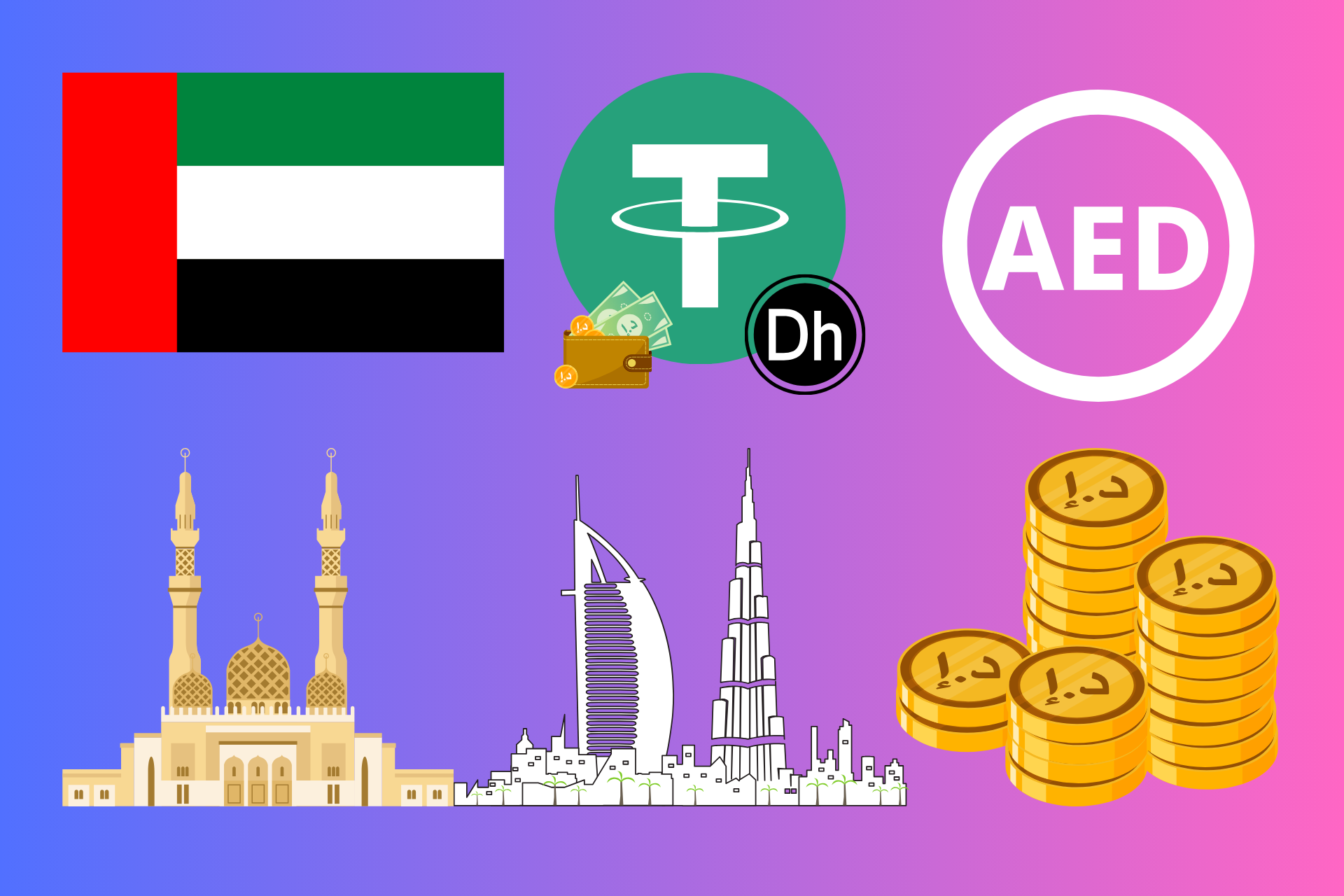
Tether, the prominent stablecoin issuer known for USDT, is set to roll out a new digital asset pegged to the United Arab Emirates Dirham (AED) on the TON blockchain. This strategic move reflects Tether’s ambition to diversify its offerings and capitalize on the Gulf region’s growing interest in stable digital currencies, offering an alternative to dollar-dominated assets. The development highlights the UAE’s evolving regulatory environment, which is increasingly favorable for cryptocurrency adoption, positioning the Gulf state as a major digital finance hub.

The proposed Dirham-backed stablecoin seeks to address the demand for a localized digital currency in the UAE, allowing for easier access to UAE Dirham transactions for users in the region. With full backing in AED reserves held locally, Tether is aiming to reassure users about the coin’s stability and security, a critical factor given regulatory scrutiny of stablecoins globally. Phoenix Group, a UAE-based tech and investment firm, is collaborating with Tether on this project, leveraging the UAE’s technological framework to build a secure ecosystem around the new stablecoin. Tether’s CEO Paolo Ardoino emphasized that the AED-pegged coin is set to cater to users within and beyond the UAE, meeting the increasing need for Dirham-denominated transactions in both personal and business spheres.

The launch on the TON blockchain is noteworthy, as TON has gained traction as a flexible and scalable blockchain platform, offering fast, efficient transactions that are increasingly attractive to enterprises looking for seamless digital payment solutions. This marks Tether’s first stablecoin on TON, adding to its existing range across other platforms. This Dirham-pegged coin will not only diversify Tether’s blockchain presence but also underscore the TON blockchain’s growing relevance in the crypto space, as more businesses seek adaptable infrastructure for their digital financial operations.

HONG KONG SAR – Media OutReach Newswire – 1 November 2024 – Lionrock Property is currently in charge of two student accommodation projects at 177 Prince Edward West and 56 Ma Tau Wai Road. Upholding the core concept of people-oriented, we located the student accommodation in a community with comprehensive facilities to provide long-term accommodation for students in need. 177 Prince Edward West was built in the […]

Top executives across various industries have expressed strong optimism about the role of artificial intelligence (AI) in driving decarbonization efforts and enhancing energy efficiency. As the world grapples with climate change and strives to meet net-zero goals, AI’s capabilities are being increasingly recognized as vital tools in this transformation. The discussions surrounding AI’s impact on energy and the environment have gained significant momentum in 2024, especially at […]

Advertisements

A significant emigration wave is reshaping Pakistan’s professional landscape, as growing numbers of highly skilled individuals seek opportunities abroad. The trend, fueled by a combination of economic challenges, political instability, and the quest for better living conditions, has raised concerns about the potential long-term impacts on the country’s development. Data from various sources indicate a dramatic increase in the number of educated Pakistanis leaving for foreign shores. […]

By K Raveendran With clear indications that Israel is sparing Iranian oil facilities from attack, the downward pressure on oil has further increased and there is renewed talk of oil settling down around the level of $50 to the barrel. Crude has already fallen to early 70s and the demand-supply equations have not been particularly […]

ORDOS, CHINA – Media OutReach Newswire – 31 October 2024 – On October 28, nearly 20,000 builders fought on the front line at the site of the 2.6 million tons of coal-to-olefins and supporting 400,000 tons of implanted green hydrogen coupling to olefins demonstration project in Baofeng, Inner Mongolia in Uxin Banner. In the past two days, the project has entered the final stage of equipment installation. […]

Diplomatic tensions have surged between Ethiopia and Somalia, sparked by Somalia’s decision to expel Ethiopia’s ambassador Ali Adan, accusing him of undermining its sovereignty. Ali Adan was formally declared persona non grata and given a 72-hour deadline to exit Somalia. This move comes amidst a backdrop of strained relations between the two nations, which have navigated complex political dynamics over shared borders, security cooperation, and regional influence. […]

New digital app allows for a more streamlined nurse sourcing and placement service, enhancing employment flexibility and addressing emergency staffing shortages HONG KONG SAR – Media OutReach Newswire – 30 October 2024 – As Hong Kong’s population continues to age, the shortage of healthcare manpower becomes increasingly pressing. In response, Quality HealthCare Medical Services Limited (QHMS) is pleased to launch the ‘Quality HealthCare Nursing Agency’ Mobile App […]

Bitcoin’s hashrate, an indicator of the computing power dedicated to its blockchain, reached a historic peak of 769.8 exahashes per second (EH/s) this month. This record figure represents a significant rise in mining activity and network security, underscoring a broader trend toward consolidation within the cryptocurrency mining industry. Major players in the field continue to expand their operations while smaller firms face mounting challenges driven by the rising operational costs and the impending 2024 “halving” event.

Since the onset of 2023, Bitcoin’s network has seen consistent hashrate growth, an outcome attributed to two main factors: advancements in mining hardware and the continuing global expansion of large-scale mining farms. Industry leaders have steadily invested in new, high-powered ASIC mining units, specifically designed to increase mining efficiency and profitability. As the network becomes more secure, smaller miners struggle to remain competitive, with analysts suggesting that the upcoming block reward halving may expedite a wave of industry consolidation. The halving, scheduled for April 2024, will reduce miner rewards from 6.25 BTC per block to 3.125 BTC, doubling the cost of producing each Bitcoin, thus favoring large mining entities with greater resources.

With Bitcoin’s rising computational power, the network becomes increasingly resilient to external attacks and manipulations. This enhancement reinforces investor confidence, given the decentralized system’s backbone of advanced security protocols. Such improvements in network integrity are drawing more institutional investors and firms seeking reliable blockchain technology for business applications. However, this strength also has implications for energy consumption, as the cumulative power required to maintain the network continues to climb. Bitcoin’s high electricity demands remain a focal point in debates about the environmental footprint of cryptocurrency mining.

Countries with historically low energy costs, including the United States, Canada, and Kazakhstan, have become attractive locations for mining companies. In the U.S., Texas has emerged as a prominent hub, largely due to favorable energy policies and renewable energy sources. However, fluctuating energy prices and increasing scrutiny over mining’s environmental impact have prompted some regions to reconsider their stance on Bitcoin mining.

The age of traditional keys is fading. With the rise of keyless entry technology, homeowners are experiencing a transformation in how they secure their homes. This modern convenience not only offers enhanced security but also simplifies our daily lives. From smart locks to app-based entry systems, keyless technology has become a must-have for those seeking convenience and peace of mind. In this blog post, we’ll explore the […]

Investing intelligently involves understanding the various asset classes and how they work together to create a well-diversified portfolio. A key element of successful investing is diversification, which helps reduce risk while maximizing returns over the long term. This guide explores different asset classes and their importance in building a balanced investment strategy. What Are Asset Classes? Asset classes are groups of investments that share similar characteristics and […]

The International Air Transport Association (IATA) has announced its plans to incorporate digital currencies into its financial settlement systems, signaling a significant shift in how the aviation industry conducts transactions. This move aims to enhance operational efficiency and cater to evolving consumer preferences in a rapidly digitizing world.

With a growing interest in digital currencies, particularly cryptocurrencies and stablecoins, IATA’s initiative addresses the need for more flexible payment methods within the airline sector. The association’s director general, Willie Walsh, emphasized that adopting digital currencies could facilitate quicker settlements, reduce transaction costs, and improve overall customer experience.

As airlines seek innovative ways to optimize their operations post-pandemic, integrating digital currencies presents an opportunity to streamline payment processes. Currently, many airlines and travel-related companies are grappling with the challenges of legacy systems that often hinder speed and efficiency. Walsh stated that integrating digital currencies aligns with the industry’s push towards modernization and technological advancement.

Digital currencies have gained traction in various sectors, but the aviation industry remains cautious due to regulatory uncertainties and the volatile nature of many cryptocurrencies. However, IATA believes that working closely with regulators will ensure that the introduction of digital currencies into financial systems complies with existing laws and regulations.

Emerging trends in the financial landscape are shaping the future of payments in aviation. With a significant portion of travelers expressing interest in using cryptocurrencies, airlines must adapt to meet this demand. Research indicates that younger generations, particularly millennials and Gen Z travelers, are more inclined to use digital currencies for purchases. By embracing these payment methods, airlines can attract a tech-savvy customer base that values flexibility and innovation.

IATA’s move also reflects a broader trend across various industries exploring blockchain technology and digital assets. Companies are increasingly recognizing the potential of blockchain to enhance transparency and security in transactions. This technology allows for secure, real-time processing of payments, reducing the risks associated with fraud and chargebacks.

Several airlines have already begun to experiment with accepting cryptocurrencies. For example, major carriers like AirAsia and Lufthansa have launched initiatives allowing customers to book flights using Bitcoin and other digital currencies. These pioneering efforts indicate a growing willingness among airlines to adapt to changing market conditions and consumer preferences.

The pandemic has accelerated the digital transformation across industries, with contactless payment options becoming a necessity rather than an option. IATA’s strategy to integrate digital currencies is in line with this trend, enabling airlines to offer a seamless and secure payment experience for travelers.

While the potential benefits are significant, challenges remain. Regulatory frameworks surrounding digital currencies vary widely across countries, creating complexity for airlines operating in multiple jurisdictions. IATA is actively engaging with international regulators to address these concerns and promote a cohesive approach to digital currency adoption.

Industry experts believe that for digital currencies to gain widespread acceptance in aviation, robust standards and guidelines must be established. These standards would address issues such as security, interoperability, and compliance with anti-money laundering regulations. Collaboration among stakeholders, including airlines, payment providers, and regulatory bodies, will be crucial in developing a sustainable framework for digital currency transactions.

As the aviation industry grapples with rising operational costs and fluctuating fuel prices, digital currencies may offer a more stable alternative for financial settlements. Stablecoins, which are pegged to traditional currencies or commodities, could provide airlines with a hedge against volatility, enabling more predictable budgeting and planning.

The adoption of digital currencies is not just about payment processing; it also opens avenues for innovative loyalty programs and customer engagement strategies. Airlines could leverage blockchain technology to create more transparent and efficient loyalty schemes, allowing customers to earn and redeem rewards in digital currency.

As IATA moves forward with its plans, collaboration with technology providers and financial institutions will be essential. By partnering with fintech companies, airlines can access the necessary infrastructure and expertise to integrate digital currencies seamlessly into their existing systems.

Customer education will play a vital role in the successful implementation of digital currency payment options. Airlines will need to inform travelers about the benefits, risks, and practicalities of using digital currencies for purchases. This initiative could also foster a greater understanding of blockchain technology and its applications in aviation.


DUBAI, UAE – Media OutReach Newswire – 29 October 2024 – During an official visit to the United Arab Emirates (UAE), Vietnamese Prime Minister Pham Minh Chinh witnessed the signing of Memoranda of Understanding (MOUs) between Vingroup, VinFast, and leading partners in the Middle East. These MOUs cover strategic areas, including maritime development and shipyard building capabilities, sustainable coastal land utilization, digital transformation, and collaboration in electric […]

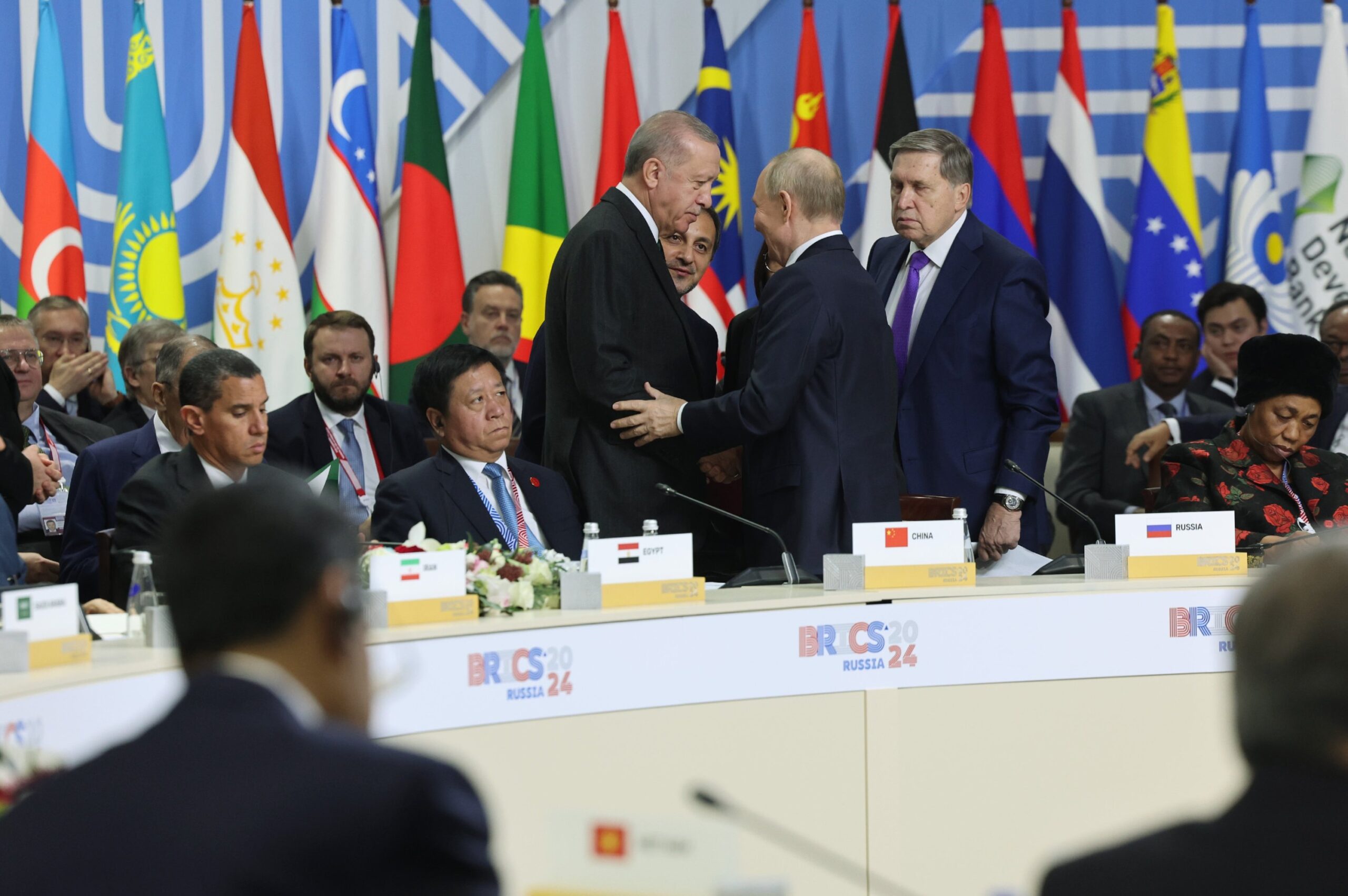
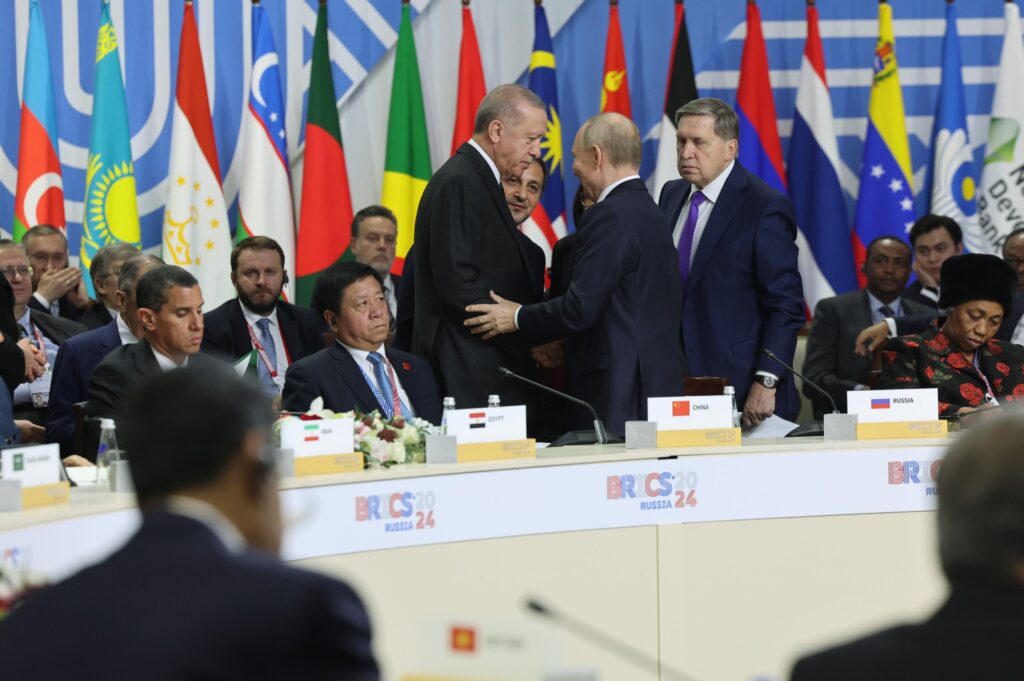
By Nitya Chakraborty The North Atlantic Treaty Organisation (NATO), the security alliance of the western nations led by the USA is having an uneasy period after celebrating its 75th year of founding in July this year with big fanfare. The recent summit of the BRICS in Kazan of Russia held on October 22 to 24 […]
As the security situation in Lebanon deteriorates due to the ongoing regional conflict, Citigroup has taken steps to relocate some of its staff from the country. This decision follows reports of heightened cross-border violence and rising concerns about potential escalation near the Lebanese-Israeli border. Such actions underscore the increasing risks that multinational corporations face while operating in Lebanon, which has been grappling with intensified instability in the region.

Citigroup’s decision is part of a larger pattern among multinational firms reassessing their Middle Eastern operations. The bank is implementing contingency plans to ensure the safety of its employees, reflecting a broader trend among foreign companies facing difficult operating environments. Citigroup’s relocation efforts align with its long-standing emergency preparedness measures, designed to protect employees and maintain critical operations during crises.

SINGAPORE – Media OutReach Newswire – 29 October 2024 – Workato, the leading Enterprise Automation platform, announced today that it will partner with Seaco, one of the largest shipping container lessors in the world, to drive agility and market responsiveness across its business. Caption: June Lee (left), SVP and GM Asia Pacific at Workato and Damian Leach (right), Chief Information Officer at Seaco, signed a partnership agreement […]

HONG KONG SAR – Media OutReach Newswire – 28 October 2024 – Hong Kong Science and Technology Parks Corporation (HKSTP) joined the FinTech Week 2024 in illuminating new pathways for fintech developments. Inclusive of a spectrum of fintech sectors, market-ready solutions of 41 startups gained traction from over 30 corporate partners at more than 100 business matching sessions, potential investors through immersive networking set-up, the exhibition received […]

French President Emmanuel Macron is set to arrive in Morocco on October 28, marking a significant effort to repair diplomatic ties that have been strained by a series of disputes and political frictions in recent years. The visit, spanning three days, comes at the invitation of Morocco’s King Mohammed VI and is positioned as an attempt to reinforce cooperation between the two countries amid rising regional challenges and shifting political dynamics.

Diplomatic relations between France and Morocco have been complex over the last decade, with periods of both cooperation and tension. Notable points of contention have involved policy disagreements regarding the Western Sahara, Morocco’s push for greater autonomy, and perceptions of French interference in North African affairs. A perceived coolness in bilateral ties reached a tipping point over the past year, as Morocco deepened its ties with other global powers, particularly the United States and Israel, indicating a shift away from its traditional reliance on France as a key ally and economic partner.

The French administration, aware of the economic and strategic value Morocco holds, has framed this visit as an opportunity for Macron to personally affirm France’s commitment to fostering a balanced and respectful partnership. The agenda is expected to address a range of topics crucial to both countries, including economic trade, security collaboration, and cultural exchanges, as well as a potential reset in policies affecting visa issuance for Moroccan nationals—a sensitive topic that has fuelled public resentment in Morocco. Macron’s planned public appearances, speeches, and bilateral meetings with Moroccan officials are anticipated to underscore shared interests while navigating areas of difference diplomatically.

A focal point of Macron’s visit is expected to be Morocco’s reconstruction and recovery efforts following the recent earthquake that devastated the Atlas Mountains region, leaving a trail of significant human and infrastructural damage. Although French relief support following the earthquake had been met with some criticism regarding its timeliness and adequacy, Macron’s engagement with reconstruction efforts may symbolize France’s willingness to assist its long-standing partner in this critical phase, despite prior political strains.

The visit will also provide a platform to address regional security, particularly as Morocco and France have historically shared concerns over terrorism and human trafficking across the Mediterranean. Both countries continue to be key players in counterterrorism efforts in North Africa and the Sahel region, where extremist groups pose a persistent threat. Macron’s discussions with Moroccan leaders are likely to revisit joint security strategies, including intelligence sharing and border control measures, which have served as pivotal elements of cooperation in past years.

Economic collaboration, too, will feature prominently on the agenda. France remains one of Morocco’s largest trading partners, with French companies heavily invested in sectors such as telecommunications, automotive manufacturing, and renewable energy in Morocco. Macron’s delegation includes business representatives aiming to explore new investments, especially in renewable energy projects, a sector where Morocco has established itself as a regional leader. Macron is expected to promote French participation in Morocco’s green initiatives, aligning with global climate commitments and France’s own economic priorities in clean energy transitions.

Observers believe Macron’s visit also reflects a broader objective: to recalibrate France’s influence in a region where economic and political alliances are rapidly evolving. Morocco’s engagement with other international partners, particularly the United States and China, has accelerated, with significant investment flows reshaping Morocco’s infrastructure and defense capabilities. Additionally, Morocco’s recent normalization of ties with Israel has diversified its diplomatic alliances, a move that France has viewed with cautious optimism, recognizing Morocco’s intent to play a more autonomous role in regional affairs.

Delta Air Lines has initiated legal proceedings against cybersecurity firm CrowdStrike, attributing a widespread system outage this summer to the company’s alleged oversight. The malfunction, reportedly triggered by an improperly tested software update, disrupted Delta’s operations during peak travel season, resulting in approximately 7,000 flight cancellations and extensive delays. Delta claims the incident led to over $500 million in revenue losses and additional operational costs, according to […]

A remarkable milestone occurred on October 26 when Base achieved a record in stablecoin trading volume, momentarily eclipsing major blockchain platforms such as Solana, Ethereum, and Tron. The platform accounted for an impressive 30.06% of the total stablecoin volume, marking a significant shift in the landscape of digital asset trading.

Base, a layer-2 solution built on the Ethereum blockchain, has gained traction for its scalability and low transaction fees, making it an attractive option for traders and developers alike. The recent surge in stablecoin activity can be attributed to a confluence of factors, including growing interest in decentralized finance (DeFi) and the increasing acceptance of cryptocurrencies by mainstream financial institutions.

Alongside the stablecoin volume milestone, Base also set a new benchmark in daily transactions, recording 5.6 million transactions on the same day. This figure represents a notable 20% increase from the previous month, underscoring the growing engagement of users with the platform. The impressive transaction volume reflects not only heightened trading activity but also a broader trend toward the adoption of blockchain technology.

Several key players have contributed to Base’s success in the stablecoin market. The integration of various decentralized applications (dApps) on its platform has enhanced user experience and attracted a diverse range of users. Developers are increasingly building on Base due to its compatibility with Ethereum, allowing for seamless integration of existing Ethereum-based dApps while benefiting from lower gas fees and faster processing times.

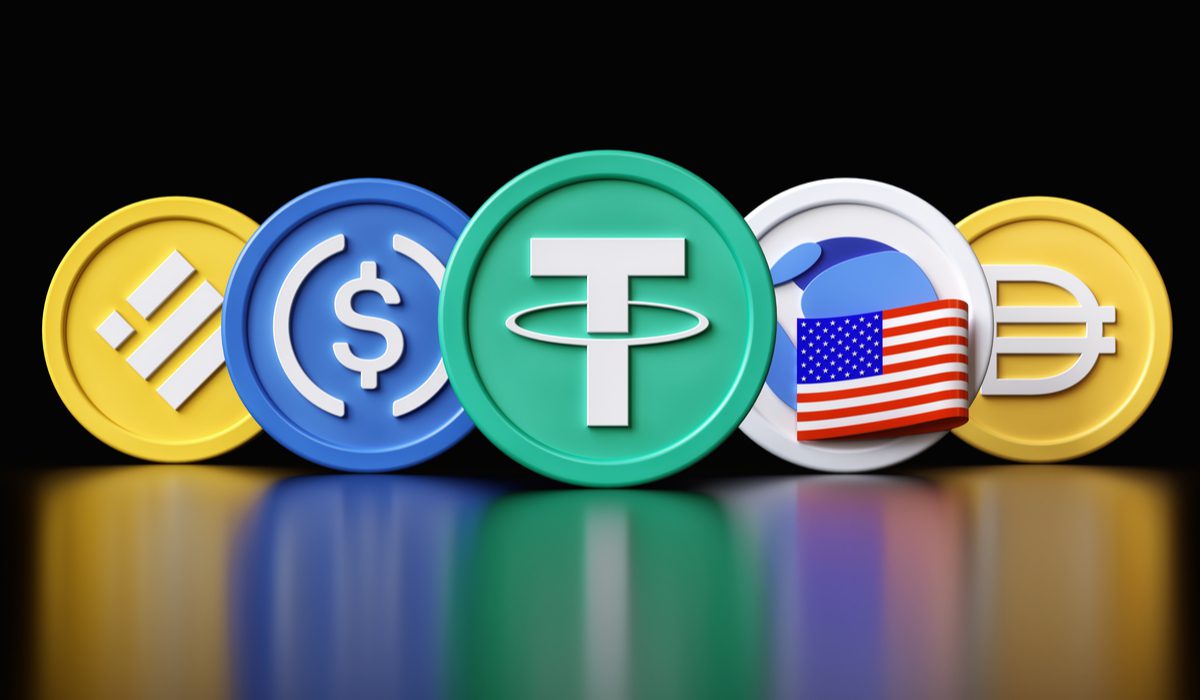
The momentum gained by Base comes in the context of an evolving stablecoin landscape. Traditional stablecoins like Tether (USDT) and USD Coin (USDC) continue to dominate, yet alternative stablecoins and newer entrants are making significant inroads. This shift illustrates the dynamic nature of the cryptocurrency market and highlights Base’s ability to position itself as a formidable player amid these changes.

Partnerships with financial institutions have played a crucial role in Base’s ascent. Collaborations with firms that support crypto transactions have bolstered user confidence and expanded the platform’s reach. As institutional adoption of cryptocurrencies continues to grow, platforms like Base are well-positioned to capitalize on the increased demand for efficient, reliable trading environments.

The surge in daily transactions can also be linked to the rising popularity of yield farming and liquidity provision within the DeFi space. Users are incentivized to engage with platforms that offer competitive yields, prompting a surge in transaction volume as liquidity pools are funded and manipulated to optimize returns. This trend reflects a broader shift toward decentralized financial services, where users can take greater control of their assets without intermediaries.

Market analysts observe that Base’s focus on user experience has been instrumental in its growth. Simplifying the process of trading and providing users with intuitive interfaces has lowered barriers to entry for newcomers to the crypto space. Educational initiatives and community engagement have also played a role in fostering a sense of trust and loyalty among users, which is vital in an industry often marred by volatility and uncertainty.

The competitive landscape for stablecoins and blockchain platforms remains fierce. As Base continues to expand its user base and enhance its offerings, attention must be paid to regulatory developments that could impact the broader market. The regulatory environment for cryptocurrencies and stablecoins is evolving, with various jurisdictions exploring frameworks that could affect operations and user engagement. This regulatory scrutiny emphasizes the importance of compliance and the need for platforms like Base to adapt to changing legal landscapes.

Innovative features are also on the horizon for Base as it looks to maintain its growth trajectory. Enhancements to its infrastructure, including scalability improvements and security measures, are in development to ensure that the platform can handle increasing transaction volumes without compromising performance. Continued investment in technology will be crucial for sustaining user trust and engagement, particularly as competitors vie for market share.

VISHNU RAJA
RYO YAMADA
HITORI GOTOH
IKUYO KITA