News related to
security

A significant cybersecurity breach has compromised the LockBit ransomware syndicate, exposing nearly 60,000 Bitcoin addresses and a trove of internal data, including affiliate credentials. This development marks a pivotal moment in the ongoing efforts to dismantle one of the most prolific cybercriminal networks operating globally.

The breach, orchestrated by an international coalition of law enforcement agencies, has provided unprecedented insight into LockBit’s operations. Authorities now have access to a vast array of information detailing the group’s financial transactions, operational structures, and the identities of its affiliates. This intelligence is expected to significantly aid in the prosecution of individuals involved in the ransomware activities.

LockBit, known for its “ransomware-as-a-service” model, has been responsible for over 2,000 attacks worldwide, extorting more than $120 million from victims across various sectors, including healthcare, finance, and critical infrastructure. The group’s business model involved leasing its ransomware tools to affiliates, who would then carry out attacks and share a portion of the proceeds with the core group.

The exposed Bitcoin addresses reveal the extensive financial network underpinning LockBit’s operations. Analysis of these wallets indicates that the group had amassed over $110 million in unspent cryptocurrency, highlighting the scale of their illicit earnings. The transparency afforded by blockchain technology has enabled investigators to trace these funds, potentially leading to further asset seizures and the identification of additional perpetrators.

The breach also uncovered detailed records of LockBit’s internal communications and operational protocols. This information sheds light on the group’s recruitment strategies, target selection processes, and the methods employed to launder ransom payments. Notably, the data suggests that LockBit maintained a hierarchical structure, with a core leadership team overseeing a decentralized network of affiliates.

In response to the breach, several countries have imposed sanctions on key figures associated with LockBit. These measures include asset freezes and travel bans, aimed at disrupting the group’s activities and deterring future cybercriminal endeavors. The sanctions underscore the international community’s commitment to combating ransomware threats and holding perpetrators accountable.

By Nitya Chakraborty More than forty hours have passed since the missile strikes by Indian military on the nine terror camp sites in Pakistan. The situation in both New Delhi and Islamabad is witnessing the same type of preparations indicating that Pakistan is getting ready for another military confrontation with India after the Kargil war […]

Leaders of the Group of Seven nations are set to address the escalating threat of North Korea’s cryptocurrency-fueled cybercrime at their upcoming summit in Alberta, Canada. The agenda reflects growing international concern over Pyongyang’s use of digital asset theft to circumvent sanctions and finance its weapons programmes.

North Korea has emerged as a dominant force in global cybercrime, with its state-sponsored hacking groups, notably the Lazarus Group and TraderTraitor, orchestrating sophisticated attacks on cryptocurrency platforms. In 2024 alone, these groups were responsible for stealing over $1.3 billion in digital assets, accounting for approximately 61% of the total crypto thefts that year. Such activities have significantly bolstered North Korea’s foreign currency reserves, with cyberattacks reportedly generating up to 50% of the country’s foreign exchange earnings.

One of the most significant incidents attributed to North Korean hackers was the $1.5 billion theft from the Dubai-based cryptocurrency exchange Bybit in early 2025. The attackers employed malware-laden trading applications to infiltrate the platform, subsequently laundering the stolen funds through a complex network of blockchain transactions. This breach not only marked the largest crypto heist to date but also underscored the regime’s advanced cyber capabilities.

Beyond large-scale exchange hacks, North Korean cybercriminals have diversified their tactics to include social engineering schemes. The “pig butchering” scam, for instance, involves operatives establishing fake online relationships to manipulate victims into investing in fraudulent cryptocurrency ventures. Such schemes have defrauded individuals, particularly retirees, of billions of dollars, further fueling Pyongyang’s illicit revenue streams.

The international community has responded with a series of sanctions and regulatory measures aimed at curbing North Korea’s cyber activities. In May 2025, the U.S. Treasury’s Financial Crimes Enforcement Network proposed banning Cambodia-based financial firm Huione Group from accessing the U.S. financial system. Huione is accused of laundering at least $4 billion in illicit funds, including $73 million in cryptocurrency linked to North Korean cyber heists. Similarly, South Korea imposed sanctions on 15 North Korean individuals involved in cyber theft and crypto heists, targeting their overseas operations that funnel funds back to Pyongyang’s weapons development programmes.

Despite these efforts, North Korea continues to refine its cyber strategies. The regime has reportedly infiltrated foreign companies by deploying operatives posing as freelance IT workers, thereby gaining access to sensitive systems and facilitating further cyberattacks. Such tactics not only enhance the regime’s ability to steal digital assets but also pose significant risks to global cybersecurity.

Stripe has unveiled stablecoin-powered financial accounts for businesses in 101 countries, enabling users to hold, send, and receive US dollar-pegged digital currencies. This development aims to provide a stable financial infrastructure in regions with volatile currencies and limited banking access.

The new accounts support Circle’s USD Coin and Bridge’s USDB, allowing businesses to manage balances similarly to traditional fiat bank accounts. Stripe’s acquisition of the Bridge platform in October 2024 facilitated this integration, enhancing its capabilities in the stablecoin sector.

These accounts are accessible to businesses in countries including Argentina, Chile, Turkey, Colombia, and Peru, where stablecoins are increasingly utilized as a store of value amid high inflation and capital controls. By offering a secure and efficient means of transacting in US dollar-backed digital currencies, Stripe seeks to empower entrepreneurs and companies in emerging markets.

In addition to stablecoin accounts, Stripe has introduced an AI foundation model for payments, trained on billions of transactions to improve fraud detection and authorization rates. This model has demonstrated a significant increase in the detection of card testing attacks, enhancing the security of Stripe’s payment processing services.

Stripe’s partnership with Visa further extends the utility of stablecoins. Through this collaboration, businesses can issue Visa cards linked to stablecoin wallets, enabling users to make purchases at any merchant that accepts Visa. Bridge manages the backend processes, converting stablecoin balances into local currencies during transactions.

Health professionals across Ethiopia have initiated widespread demonstrations, voicing demands for improved salaries, benefits, and working conditions. The Ethiopian Health Professionals Association has called on the government to address these concerns promptly, emphasising the urgency of the situation. The demonstrations, characterised as pre-strike actions, have seen health workers from various regions participating. Placards bearing messages such as “Enough with the silence!” and “We demand an urgent solution!” […]

US regulators have opened a new chapter in cryptocurrency regulation, allowing national banks and federal savings associations to engage with digital assets. The move, led by the Office of the Comptroller of the Currency , authorises banks to facilitate cryptocurrency transactions and offer custodial services for crypto assets at their clients’ request. This decision signifies a crucial shift in how traditional financial institutions handle digital currencies and their increasing role in mainstream financial operations.

The OCC’s approval comes after considerable deliberation on the evolving nature of cryptocurrency in the financial ecosystem. With cryptocurrencies now embedded in many aspects of commerce and investment, the regulator’s stance reflects an effort to balance innovation with security. Banks will now be able to buy, sell, and trade cryptocurrencies like Bitcoin and Ethereum, following client requests. This broadens their service offerings and integrates digital currencies into their broader financial products, which can include savings accounts, mortgages, and more.

Banks are also authorised to provide custodial services for digital assets. This means they can store cryptocurrencies on behalf of their clients, ensuring both security and compliance with existing regulatory frameworks. Given the rising demand for secure storage options due to the high value and volatility of cryptocurrencies, this step offers a vital service for both individual and institutional investors.

The OCC also permits banks to outsource certain functions tied to cryptocurrency transactions, such as trading, accounting, and taxation, to third-party providers. However, this outsourcing is subject to stringent risk controls. Banks must ensure that any third-party service providers are vetted thoroughly to safeguard customer funds and data. This measure aims to mitigate risks associated with cryptocurrency’s unpredictable market fluctuations and the increasing occurrence of cyber threats targeting digital assets.

While the new guidelines aim to bolster the legitimacy of cryptocurrencies within the traditional banking sector, they also bring to light various risks that come with such integration. Experts caution that the fast-moving nature of the cryptocurrency market means that banks must maintain a proactive approach to risk management. The volatility and lack of uniform regulatory oversight on digital assets have raised concerns among some financial analysts, who argue that further regulations may be necessary to protect both investors and the financial system at large.

Despite these concerns, the move has been welcomed by several key players in the financial sector, including major banks looking to diversify their offerings in response to the growing influence of cryptocurrencies. Bank executives have expressed confidence that the regulation will foster greater trust among consumers who are hesitant about engaging with digital currencies outside traditional financial institutions. Some argue that the entry of established financial institutions will provide more stability to the crypto market, given the banks’ expertise in risk management and customer protection.

One of the significant advantages of this new policy is its potential to attract institutional investors. Many hedge funds, asset managers, and family offices have been cautious about direct investments in cryptocurrencies due to the lack of a secure, regulated framework. With banks now offering custodial services and transactional capabilities for cryptocurrencies, these investors may find it easier to enter the market.

The move could pave the way for more regulatory clarity around digital assets. The OCC’s decision positions the US as a leading authority on integrating cryptocurrencies into the financial mainstream, setting a precedent that may influence other countries. As digital currencies continue to blur the lines between traditional banking and fintech, regulatory bodies worldwide are closely monitoring the US’s stance to understand its broader implications.

As this development unfolds, the ongoing debate around cryptocurrency regulations will likely intensify. While some advocate for increased oversight to protect consumers and reduce systemic risks, others warn that excessive regulation could stifle innovation and deter investment. The decision by the OCC to empower banks to handle digital currencies highlights the importance of finding a balanced approach, one that allows for innovation while addressing the inherent risks of the crypto market.

The integration of cryptocurrencies into the banking system represents a significant shift in both sectors, but it is unlikely to be without challenges. Financial institutions will have to invest in robust security measures to safeguard digital assets against theft and fraud, while also ensuring compliance with anti-money laundering and know-your-customer regulations. The complexity of cryptocurrency markets also means that banks will need to enhance their internal expertise in blockchain technologies and digital asset management.

The UAE’s blockchain market is expected to experience robust growth, with a compound annual growth rate of approximately 42% from 2025 to 2030. This surge is being driven by strategic government initiatives aimed at harnessing the potential of blockchain technology, positioning the UAE as a global leader in the sector.

The Emirates Blockchain Strategy 2021, alongside the Dubai Blockchain Strategy, has been a key factor in propelling the country’s blockchain ambitions. The UAE government aims to transform Dubai into the first city fully powered by blockchain technology, establishing the city as a central hub for digital innovation. The National Blockchain Strategy, launched to cover the period from 2021 to 2031, outlines a bold vision for the country, with a target to convert 50% of government transactions into blockchain-based systems. This initiative is set to fundamentally reshape the public sector, enhancing transparency, efficiency, and security in governmental operations.

At the heart of this growth is a clear government-driven commitment to blockchain, which has fostered a conducive environment for both local and foreign investors. By encouraging blockchain adoption across various sectors, the UAE has attracted substantial interest from international businesses seeking to tap into this emerging market.

Blockchain’s applications in sectors beyond government administration, such as finance, healthcare, and logistics, are seeing increased adoption across the UAE. The integration of blockchain into these industries promises to revolutionise processes, particularly in terms of data security and automation.

The rise in interest surrounding digital assets, especially cryptocurrencies such as Bitcoin and Ethereum, has further bolstered blockchain’s relevance in the UAE. As a growing hub for cryptocurrency, the UAE’s regulatory bodies have facilitated the establishment of secure environments where blockchain-powered digital assets can thrive. The Abu Dhabi Global Market and Dubai Multi Commodities Centre have set high standards for crypto businesses, ensuring that these ventures operate within a structured, regulated framework. This regulatory clarity has positioned the UAE as a safe and attractive destination for cryptocurrency investors and entrepreneurs.

The surge in blockchain-related developments has also had a ripple effect on startup ecosystems in the UAE. Many tech startups are focusing on blockchain innovations, tapping into the opportunities offered by a market eager for cutting-edge technology solutions. The government has offered various incentives to these startups, making it easier for entrepreneurs to develop and launch blockchain solutions across different industries. This includes support for research and development, tax incentives, and access to venture capital funding.

International investors have also shown significant interest in the UAE’s blockchain market. The country’s stable regulatory environment, coupled with its proactive stance on blockchain integration, makes it an attractive destination for global investors seeking exposure to the digital economy. The UAE’s financial and regulatory bodies, such as the UAE Central Bank, have been instrumental in ensuring that blockchain technologies are seamlessly integrated into existing financial infrastructure, laying the groundwork for future innovations in digital banking and transactions.

The UAE’s focus on blockchain adoption has resulted in collaborations with global technology giants. International companies, especially those from the fintech and tech sectors, are increasingly establishing a presence in the UAE, taking advantage of the region’s favourable business environment. These collaborations are not only elevating the UAE’s technological landscape but also contributing to the global development of blockchain technology.

One of the UAE’s strategic advantages is its ability to position itself as a gateway for the Middle East, Africa, and Asia in terms of blockchain technology. The country’s well-established infrastructure, highly developed financial services industry, and strong governmental support provide an ideal backdrop for the scaling of blockchain-related businesses and projects.

In addition, the UAE is committed to building a strong talent pool in blockchain technology. With the rapid rise of blockchain across industries, there has been a growing demand for professionals with expertise in blockchain development, smart contracts, and digital asset management. The UAE has introduced various educational initiatives to address this demand, including partnerships with international universities and the establishment of blockchain-focused training programmes.

Despite the promising outlook, the UAE’s blockchain market faces challenges, including the need for continuous technological innovation and regulatory adaptation to keep pace with the rapidly evolving sector. The country will need to ensure that its legal and financial infrastructure remains flexible and dynamic, catering to the needs of blockchain developers, crypto investors, and businesses seeking to integrate blockchain into their operations.

The adoption of blockchain technology across various sectors will require overcoming cultural and institutional resistance. Although the government has made significant strides in promoting blockchain, further education and awareness campaigns may be needed to ensure that blockchain’s potential is fully realised across all industries.


Advertisements

Ivory Coast has revised its 2025 cashew production forecast upward to 1.3 million metric tons, an increase from the earlier estimate of 1.15 million tons. This adjustment is attributed to intensified efforts to curb smuggling to neighboring countries and favorable climatic conditions. However, the sector confronts significant challenges due to prospective U.S. tariffs and a depreciating dollar, which have led to a sharp decline in exports and […]

Datadog, a prominent provider of cloud application monitoring and security solutions, has acquired Eppo, a San Francisco-based startup specialising in feature flagging and experimentation platforms. This strategic move aims to enhance Datadog’s product analytics and AI-driven experimentation offerings. The acquisition aligns with Datadog’s broader strategy to bolster its AI and analytics capabilities. The company has experienced a 25% year-over-year increase in first-quarter revenue, reaching $761.6 million. This […]

Dubai’s real estate market is poised for substantial expansion, with projections indicating a potential doubling of property values over the next five years, according to Abdullah Alajaji, CEO of Driven Properties. This optimistic outlook is underpinned by a combination of robust demand, strategic urban planning, and investor-friendly policies.

Average property prices in Dubai have surged by approximately 75% since early 2021, nearing the pre-2008 peak of AED 1,750 per square foot. This growth is attributed to a 50-month rally driven by economic resilience, liberalized visa regulations, and a significant influx of expatriates. The city’s population is projected to exceed 4 million by 2026, fueling sustained demand for residential properties, particularly in emerging areas such as Dubai South, Jumeirah Village Circle, and Dubai Hills Estate.

The luxury segment has witnessed remarkable activity, with sales of properties valued at AED 15 million and above reaching 948 transactions in 2024. Developments like Palm Jumeirah and Dubai Hills Estate have been at the forefront, attracting high-net-worth individuals seeking premium residences. The introduction of branded residences and ultra-luxury waterfront properties continues to appeal to affluent buyers.

Dubai’s government has implemented several initiatives to enhance the real estate sector’s appeal. Notably, policies allowing 100% foreign ownership of commercial companies outside free zones have been introduced, boosting investment in office and retail spaces. The expansion of the golden visa scheme has further attracted international investors, contributing to increased demand for high-end properties.

Sustainability and smart technology are increasingly influencing buyer preferences. By 2025, it is anticipated that 35% of new office spaces in Dubai will be LEED-certified, reflecting a shift towards eco-friendly developments. Smart homes equipped with IoT-enabled features, AI-powered security, and blockchain-based transaction systems are becoming more prevalent, aligning with the city’s commitment to innovation and sustainability.

The off-plan market remains a significant driver of growth, with 7,381 transactions recorded in January 2025 alone, totaling AED 15.1 billion. Flexible payment plans and attractive pricing continue to draw both foreign investors and end-users. Additionally, the redevelopment of areas like Sheikh Zayed Road and Al Jaddaf into freehold zones is expected to attract new investors and spur property value increases of 30-50% in these locations.

Despite the impressive growth, the market faces potential risks, including global economic fluctuations and oil price volatility. However, Dubai’s efforts to diversify its economy and attract foreign investment provide a solid foundation for long-term resilience. The city’s proactive approach to urban planning, coupled with its focus on sustainability and innovation, positions it favorably for continued growth in the real estate sector.

AdGuard has officially launched version 1.0 of its ad-blocking software tailored for Linux, marking the company’s first stable release for the open-source operating system. This development introduces a system-wide, command-line-based ad-blocking solution, expanding AdGuard’s reach beyond its existing platforms, including Windows, macOS, Android, iOS, and browser extensions. The Linux version distinguishes itself by operating entirely through the command line, lacking a graphical user interface. This design choice […]

TeleMessage, a messaging application employed by former U.S. National Security Adviser Mike Waltz, has suspended its services following a cyberattack that compromised sensitive government and corporate data. The breach has intensified scrutiny over the use of unofficial communication tools within high-level government operations. The application, known as TM Signal, is a modified version of the open-source Signal platform, developed by Israeli company TeleMessage and later acquired by […]

Tether, the issuer of the popular stablecoin USDT, is set to launch its token on the Kaia blockchain, marking a significant move into the ecosystem of LINE NEXT, the subsidiary of the messaging giant LINE Corporation. This new development will enable LINE users to access a range of blockchain-based financial services directly from their platform. Through this partnership, the USDT stablecoin will be integrated into LINE’s Mini Dapp platform and wallet, broadening the scope of services available to millions of users within LINE’s ecosystem.

The collaboration between Tether, Kaia, and LINE NEXT aims to leverage the fast-growing trend of integrating blockchain technology with mobile apps, particularly in Asia, where LINE has a dominant presence. LINE NEXT, which focuses on the development of Web3 and blockchain-related technologies, is poised to play a key role in facilitating the adoption of digital currencies within LINE’s ecosystem. By integrating USDT into its Mini Dapp platform, LINE hopes to attract more users to explore decentralized finance services, including payments, cross-border remittances, and token transfers.

The partnership is expected to provide LINE users with enhanced payment options, allowing them to transfer funds internationally with minimal fees. The use of USDT, a stablecoin pegged to the US dollar, offers an appealing solution for users who wish to avoid the volatility often associated with cryptocurrencies. Tether’s USDT is already one of the most widely adopted stablecoins, with billions of dollars in circulation, making it a reliable option for both retail and institutional users.

The inclusion of USDT on the Kaia blockchain represents a significant milestone for both Tether and the broader blockchain industry. The Kaia blockchain, which has been gaining attention for its focus on scalability and security, will benefit from the increased demand for its services through this partnership. The Kaia blockchain is expected to provide a robust and efficient infrastructure for Tether’s USDT transactions, offering users fast and secure transfers while ensuring that the scalability needs of the growing LINE ecosystem are met.

With the integration of USDT into LINE’s Mini Dapp platform, users will be able to engage in a variety of blockchain-based financial activities without leaving the LINE app. This includes paying for goods and services, making cross-border payments, and participating in DeFi services such as lending and borrowing. LINE has already made significant strides in incorporating blockchain technology into its platform, and this move is expected to further solidify its position as a leader in the Web3 space.

The timing of this partnership comes at a crucial moment in the evolution of blockchain technology, as more companies and platforms are exploring ways to integrate digital currencies into their services. The popularity of mobile payment systems and the growing adoption of DeFi services make this collaboration particularly noteworthy. By providing a seamless experience for users to access both traditional and decentralized financial services, LINE and Tether are tapping into a new wave of digital financial innovation.

SINGAPORE – Media OutReach Newswire – 7 May 2025 – Bee Choo Origin, Singapore’s leading herbal hair care brand that specialises in hair fall treatment and oily scalp treatment, has reaffirmed its commitment to corporate social responsibility (CSR) with the donation of an electric passenger van to The National Kidney Foundation (NKF). This marks a significant step in enhancing patient mobility while promoting sustainable transport solutions. Bee […]

Gavi, the Vaccine Alliance, has been a cornerstone in improving health outcomes in low-income countries, particularly across Africa. Since its inception in 2000, Gavi has facilitated the delivery of vaccines to more than 700 million children, saving millions of lives. However, with Gavi’s funding facing reductions, the continent is at a critical juncture that could reshape its approach to vaccine financing and health security. Historically, Gavi has […]

G42, an AI powerhouse based in Abu Dhabi, is embarking on an ambitious expansion into the United States. This move signals the UAE’s broader strategy to solidify its role as a global leader in artificial intelligence, a sector that has become a cornerstone of its economic vision for the future. The company, founded in 2018, has grown swiftly into a major player in the Middle East’s rapidly […]

Delivering peace of mind with layered security, co-managed services and a unified management platform, SonicWall is helping partners grow services profitably through its continued innovation leveraging next generation firewalls SINGAPORE – Media OutReach Newswire – 6 May 2025 – SonicWall today unveiled a full suite of products and services purpose-built to empower and meet the evolving needs of Managed Service Providers (MSPs) and their customers with end-to-end […]

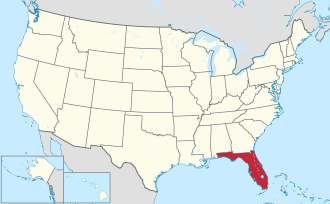
Florida’s legislative session concluded on May 2 without advancing two significant cryptocurrency investment bills, HB 487 and SB 550, effectively halting the state’s consideration of allocating public funds into Bitcoin. Both measures were indefinitely postponed and withdrawn from further deliberation, marking a notable pause in Florida’s exploration of digital asset integration into state financial strategies.

The proposed legislation aimed to authorize the state’s Chief Financial Officer to invest up to 10% of select public funds, including the General Revenue Fund and the Florida Retirement System, into Bitcoin and other digital assets. Proponents, such as Senator Joe Gruters and Representative Webster Barnaby, argued that such investments could serve as a hedge against inflation and diversify the state’s portfolio. They cited the growing institutional acceptance of Bitcoin by firms like BlackRock and Fidelity as indicative of its potential stability and value.

However, the bills faced substantial opposition from financial experts and lawmakers concerned about the volatility and regulatory uncertainties surrounding cryptocurrencies. Critics highlighted the risks of exposing public funds to an asset class known for significant price fluctuations and potential security vulnerabilities. They emphasized the responsibility of safeguarding taxpayer money through more traditional and proven investment avenues.

The failure of HB 487 and SB 550 reflects a broader hesitancy among U.S. states to embrace cryptocurrency investments for public funds. While some states have explored similar proposals, many have encountered resistance due to the inherent risks and lack of comprehensive regulatory frameworks governing digital assets. Florida’s decision underscores the challenges policymakers face in balancing innovation with fiscal responsibility.

Emirates Integrated Telecommunications Company has reported a strong financial performance for the first quarter of 2025, reflecting substantial growth in both net profit and revenues. The company’s net profit surged by 19.8%, reaching AED 722 million , while revenues increased by 7.4% year-on-year to AED 3.8 billion. The results highlight du’s resilience and strategic initiatives in a highly competitive telecom market.

The strong growth in net earnings is primarily attributed to du’s effective management of its revenue mix and operational costs. The company’s EBITDA also saw a notable increase of 15%, amounting to AED 1.8 billion. This growth in earnings before interest, tax, depreciation, and amortisation was aided by the improved cost management strategies and a more balanced revenue distribution, which contributed to an EBITDA margin of 47.4%. This marked a 3.1 percentage-point improvement from the same period last year.

du’s performance in Q1 2025 underscores the success of its ongoing transformation efforts aimed at strengthening its market position. The company has made significant strides in diversifying its product and service offerings, tapping into new revenue streams, and expanding its digital services portfolio. These measures have not only helped improve its financial outcomes but also bolstered its competitiveness in an evolving telecommunications landscape.

The telecom industry in the UAE, which continues to be driven by technological advancements and digital transformation, has seen both du and its competitors adapt to changing consumer demands. With an increasing reliance on mobile data, fibre optics, and digital platforms, du has managed to capitalise on this shift by enhancing its service delivery and improving customer experience. The company’s digitalisation strategy has been integral to this growth, positioning it as a strong player in both consumer and business sectors.

In terms of operational performance, du has placed a significant emphasis on network optimisation and infrastructure upgrades. This includes expanding its 5G capabilities, which have become a crucial part of the telecom landscape in the UAE. As 5G networks continue to roll out across the country, du’s investments in next-generation technologies are likely to provide a competitive edge, enabling it to meet the growing demand for faster and more reliable mobile connectivity.

The company has also focused on improving its cost management strategies, which have been a key factor in its improved profitability. By streamlining operations, reducing unnecessary expenditures, and optimising its resource allocation, du has been able to maintain a healthy margin despite the competitive pressures in the telecom sector.

Another factor contributing to du’s success has been its continued focus on expanding its customer base. The company has increased its customer acquisition efforts, both in the consumer and enterprise markets, offering tailored solutions to meet the needs of various segments. With a robust digital strategy, du has been able to deliver value-added services, such as cloud solutions, IoT, and advanced cybersecurity offerings, which are highly sought after by businesses and government entities.

Looking ahead, du’s financial outlook remains positive, with analysts forecasting continued growth in the upcoming quarters. The company’s strong market position, enhanced service offerings, and commitment to technological innovation are expected to support its long-term growth trajectory. Furthermore, the UAE’s ongoing infrastructure development and plans for economic diversification are likely to present further opportunities for du to expand its footprint.

Despite the challenging nature of the telecom industry, characterised by high competition and regulatory pressures, du’s performance demonstrates its ability to adapt and thrive. The company’s proactive approach to cost control, investment in technology, and customer-centric focus have proven to be effective strategies in maintaining profitability and growth.

Arlo Introduces the PoE Adapter, offering direct connectivity with existing ethernet switches HONG KONG SAR – Media OutReach Newswire – 6 May 2025 – Arlo Technologies, Inc. (NYSE: ARLO), a leading brand in smart home security, is thrilled to introduce its latest security camera accessory to the Hong Kong market—the Arlo PoE Adapter (VMA 3900-10000s). Designed for continuous power and internet with a recommended price at just […]

UAE Cybersecurity Powerhouse CPX Appoints Tenet as Digital Growth Partner to Accelerate Regional and Global Expansion Award-winning UI/UX and growth marketing agency Tenet (We are Tenet) selected to spearhead CPX’s digital transformation efforts and accelerate global market expansion following strategic G42 acquisition. Abu Dhabi, UAE – May 5, 2025 – Tenet (We are Tenet), a globally recognized growth marketing and UI/UX design agency, today announced its appointment […]

Dubai’s Fourth Criminal Court has sentenced Balvinder Singh Sahni, a prominent businessman known as “Abu Sabah,” to prison for orchestrating a complex money laundering operation involving shell companies and fraudulent financial transactions. The court found Sahni guilty of defrauding UAE banks of approximately AED100 million, marking one of the most significant financial crime convictions in the emirate.

Sahni, renowned for his extravagant lifestyle—including the purchase of a license plate for AED33 million—was arrested alongside several associates, including his eldest son and senior managers from his business ventures. The investigation revealed that Sahni and his network established multiple shell companies to facilitate the laundering of illicit funds, disguising them as legitimate business transactions.

The court’s ruling underscores Dubai’s intensified efforts to combat financial crimes. Authorities have been cracking down on money laundering activities, with the Dubai Public Prosecution and the Dubai Economic Security Centre leading operations against international networks. These efforts have resulted in the disruption of schemes involving the illegal transfer of funds and cryptocurrencies, amounting to hundreds of millions of dirhams.

In one notable case, authorities dismantled two major money laundering operations totaling AED641 million. The first involved an Emirati national, 21 British nationals, two Americans, a Czech national, and two companies owned by the Emirati. They were charged with possessing illicit funds of AED461 million and using forged documents to smuggle funds from the UK to the UAE. The second operation targeted a cryptocurrency-based scheme worth AED180 million, orchestrated by two Indian nationals and one British national, laundering proceeds from criminal activities through unlicensed intermediaries.

Dubai’s commitment to financial integrity has been further demonstrated by the establishment of a specialised court focused on combating money laundering within the Court of First Instance and Court of Appeal. This move aligns with the UAE’s National AML/CFT Strategy and National Action Plan, aiming to strengthen the integrity of the financial system and reinforce the rule of law.

TronZap, a non-custodial energy rental platform on the TRON blockchain, is streamlining the process of transferring USDT by offering instant energy rentals that significantly reduce transaction costs. By enabling users to rent TRON energy on demand, the platform addresses the issue of high fees associated with insufficient energy during transactions.

On the TRON network, USDT transfers require both bandwidth and energy. When a user’s wallet lacks sufficient energy, the network compensates by burning TRX, leading to higher transaction costs. For instance, transferring USDT without adequate energy can cost up to 13.4 TRX, whereas with sufficient energy, the cost drops to approximately 3.7 TRX. This discrepancy becomes more pronounced when sending USDT to a wallet that has never held the token, potentially doubling the energy requirement and increasing the fee to around 27 TRX.

TronZap simplifies the energy acquisition process by allowing users to rent energy instantly without the need for registration or wallet integration. Users send a specified amount of TRX to a designated address, and within 60 seconds, the corresponding energy is delegated to their wallet. This method ensures that transactions proceed smoothly without the risk of encountering “OUT_OF_ENERGY” errors, which occur when a wallet lacks the necessary resources to complete a transaction.

The platform’s non-custodial nature ensures that users retain full control over their wallets, enhancing security and user trust. By staking its own TRX to generate energy, TronZap eliminates the need for users to lock up their assets, offering a more flexible and accessible solution for managing transaction fees.

TronZap’s services are particularly beneficial for frequent traders, decentralized application users, and developers operating within the TRON ecosystem. The platform also provides an API and SDKs in various programming languages, enabling seamless integration for developers seeking to automate energy rentals within their applications.

By Nantoo Banerjee Amazing are the ways of the Indian government and the country’s political satraps to deal with frequent Islamist terror attacks on India’s innocent citizens. In the last one month or so, the organized Islamist terror in West Bengal’s Muslim-majority Murshidabad district had led to massive destruction and displacement of over 150 Hindu […]
VISHNU RAJA
RYO YAMADA
HITORI GOTOH
IKUYO KITA
Just in:
As AI Reshapes Education, Singapore Convenes Global Dialogue on the Future of Early Childhood Education // Cloudflare unveils Zero Wire vulnerability intelligence service // Ta’ziz finalises $1.39bn funding for Ruwais industrial facilities // ADIA and partners establish $1.4 billion aviation venture // Pinarayi faults UDF over mounting road crashes // Asia Left Behind: Ten international companies have yet to report delivering on their cage-free egg pledges across the region // Oil and chip shares retreat after Democratic victories // Anthropic to prohibit persistent abuse of Claude chatbot // Dubai boat show confirms international shipyard line-up for November // SC to examine students’ exam plea today // Democrats capture Senate majority with seven Republican seats // xCube Access Welcomes Entrust Capital Limited  Expanding Access to Professional Portfolio Management // U.S. Mid Term Result Is A Clear Verdict Against Trump’s Authoritarianism // e-Crime Bureau Signs Cybersecurity Partnership With Smart Africa, Reinforcing Its Global Expansion // Meraas showcases five residential zones at Dubai Design Week // AI trust gap reveals distinct retail priorities: Divergent paths to consumer growth in Hong Kong and the GBA // APT29-linked campaign exploits outdated Apple and Android software // Cyberport Venture & Capital Forum 2026 Grand Opening // OpenAI identifies 948 Linux privilege escalation flaws using AI // Hong Kong mandates crypto transaction disclosures to tax authorities //