News related to
should

Abu Dhabi National Energy Company PJSC, known as Taqa, has initiated discussions to acquire a stake in Spain’s Naturgy Energy Group SA. Taqa’s chairman and UAE Minister of Investment, Mohamed Hassan Alsuwaidi, traveled to Spain to meet with executives from CriteriaCaixa SA, Naturgy’s largest shareholder, to explore a potential deal. CriteriaCaixa holds a 26.7% stake in Naturgy and has expressed openness to negotiations under specific conditions: Taqa […]

Airlines across the globe are tightening regulations concerning the use and carriage of power banks on flights, following a series of incidents involving lithium-ion batteries. These measures aim to enhance passenger safety by mitigating the risks associated with battery malfunctions.

In January, an Air Busan aircraft in South Korea was engulfed in flames while preparing for departure. Investigations suggest that a power bank was the likely cause of the fire. In response, Air Busan revised its policies, now requiring passengers to carry power banks on their person rather than storing them in overhead compartments. By March 1, South Korean authorities mandated all national airlines to enforce stricter regulations, including prohibiting the charging of devices onboard.

Singapore Airlines and its budget subsidiary, Scoot, announced that from April 1, passengers would be prohibited from charging portable power banks via onboard USB ports or using them to charge personal devices during flights. The airline emphasized that safety remains its top priority and that in-flight procedures are regularly reviewed to ensure passenger well-being.

Kazakhstan’s Air Astana implemented similar measures on March 13, banning the charging or use of power banks during flights. The airline specified that lithium batteries, external batteries, and e-cigarettes must be kept in hand luggage and placed in the overhead bins.

Taiwanese carriers EVA Air and China Airlines introduced prohibitions starting March 1, disallowing the charging and use of power banks and spare lithium batteries during flights. Both airlines advised passengers to utilize the USB power outlets available at most seats for charging other devices.

Thai Airways followed suit on March 15, banning the use and charging of power banks and portable batteries during flights. The airline’s decision aligns with a broader industry trend aimed at reducing in-flight fire hazards associated with lithium-ion batteries.

Hong Kong’s Civil Aviation Department expressed significant concern over safety incidents involving passengers using lithium power banks during flights. Consequently, from April 7, passengers on Hong Kong-based airlines will be prohibited from using or charging power banks during flights and from storing them in overhead compartments. Instead, power banks should be kept under the seat or in the seat pocket in front of passengers.

These regulatory changes are in response to a rising number of incidents involving lithium-ion batteries. In 2024, the U.S. Federal Aviation Administration recorded three incidents of overheating lithium batteries on planes every two weeks, up from just under one per week in 2018. Such statistics underscore the growing concern within the aviation industry regarding the safety of these devices.

By Nitya Chakraborty Is the Bangladesh Army going to take over control of their politically turbulent country, either from front or behind, to precipitate the holding of early elections? This question is being raised by the seasoned political observers in Dhaka, as the whole of last week was dominated by highly controversial posts on Facebook, […]

President Donald J. Trump has initiated a significant overhaul of the United States Agency for International Development , rebranding it as the U.S. International Humanitarian Assistance and integrating blockchain technology into its operations. This restructuring places the agency under the direct authority of Secretary of State Marco Rubio, aiming to enhance transparency and efficiency in foreign aid distribution.

An internal memo circulating within the State Department outlines the administration’s plan to utilize blockchain technology to secure and trace aid disbursements. The objective is to improve the transparency, security, and efficiency of aid distribution by leveraging blockchain’s immutable ledger capabilities. However, the specifics of this integration—whether it involves the use of cryptocurrencies or solely blockchain ledgers—remain unclear. The administration emphasizes a shift towards outcomes-based funding, intending to ensure that aid programs deliver measurable results.

Despite these intentions, the proposed reorganization has encountered legal challenges. A federal judge recently ruled that the dismantling of USAID by the Department of Government Efficiency , led by Elon Musk, likely violates the Constitution. The court issued an indefinite injunction blocking further actions against USAID and mandated the reinstatement of email and computer access to affected employees. This ruling does not reverse all personnel changes or fully restore the agency but highlights concerns over the administration’s approach to restructuring.

Critics argue that while blockchain technology offers potential benefits, its application in humanitarian contexts may not be necessary or cost-effective. Some experts caution that such technological solutions could impose additional burdens on smaller non-governmental organizations and may not provide substantial advantages over existing systems. They suggest that the focus should remain on addressing the immediate needs of aid recipients rather than implementing complex technological frameworks.

The administration’s broader strategy includes reducing the size of the federal government and reallocating resources to align more closely with American geopolitical interests. This involves concentrating on areas such as global health, food security, and disaster response, while politically oriented programs may be redirected to other sections within the State Department. The restructuring plan also proposes the elimination of multiple regional bureaus, aiming to streamline operations and enhance efficiency.

Secretary of State Marco Rubio has indicated that the reorganization will proceed with input from Congress, underscoring the administration’s commitment to aligning foreign aid programs with the interests of U.S. taxpayers and strategic objectives. However, the legal setbacks and critiques from various stakeholders suggest that the path forward may be complex and contentious.

BEIJING, CHINA – Media OutReach Newswire – 22 March 2025 – Geely has long invested more than ten billion yuan ($1,381 million) in the education field, and established a total of seven colleges and universities, enrolling over 90,000 students and training more than 200,000 graduates, 80 percent of whom are employed in related industries in China. “I intend to dedicate more energy to education and nurturing talent, […]

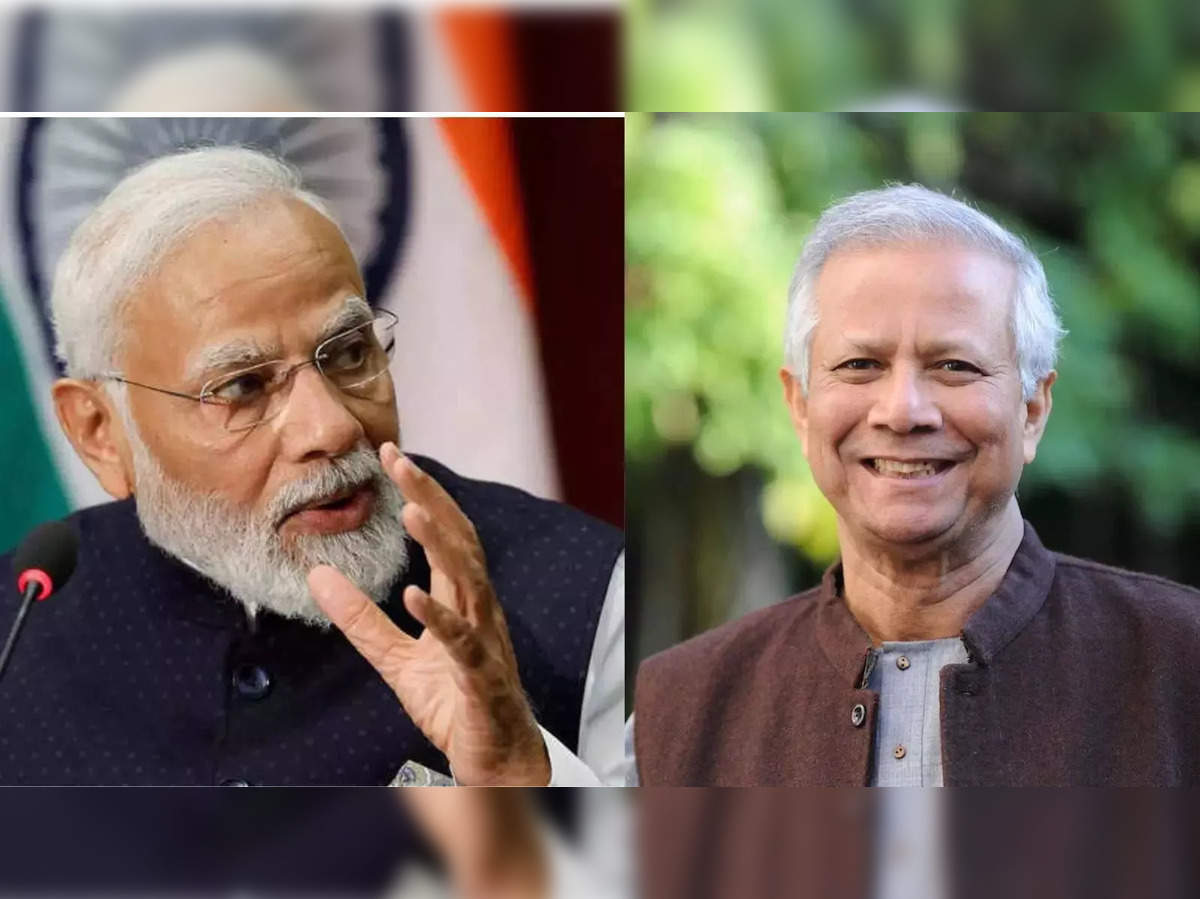
By Nitya Chakraborty Bangladesh has officially sought a meeting between their head of interim government Dr. Mohammad Yunus and the Indian Prime Minister Narendra Modi on the sidelines of the coming BIMSTEC meeting at Bangkok on April 2-4 next. Both countries are members of BIMSTEC. As per present schedule, both have confirmed their presence at […]

Chinese financial experts have raised concerns that US dollar-pegged stablecoins may strengthen the dollar’s global dominance by linking international credit to virtual economies. They advocate for China to develop its own stablecoins to enhance the yuan’s international standing.

A recent opinion piece published in several Chinese outlets considers how China should respond to the proliferation of US dollar stablecoins. The article suggests that China’s central bank should consider issuing its own stablecoins to counter the influence of dollar-pegged digital currencies.

Wang Yongli, former Vice President of the Bank of China, analyzed the position of the U.S. dollar as the world’s dominant currency and its implications for China’s monetary strategy. He pointed out that many countries, including China, have sought to internationalize their currencies and reduce reliance on the dollar, but these efforts face significant challenges. Despite China being the world’s second-largest economy and the largest trading nation in goods, the RMB’s share in global payments remains low, only around 4%, compared to the dollar’s nearly 50%. The RMB’s share in global reserves is also minimal, at just over 2%, while the U.S. dollar, despite declining from its peak, still accounts for nearly 60%.

China has been proactive in developing its own central bank digital currency , known as the digital yuan or e-CNY. This initiative aims to modernize the country’s payment systems and promote the yuan’s international use. The digital yuan is currently being tested in various regions and sectors within China, with plans for broader implementation in the future.

The internationalization of the yuan faces challenges, particularly due to China’s stringent capital controls, which limit the currency’s convertibility. These controls are in place to maintain financial stability but hinder the yuan’s acceptance as a global currency. Additionally, geopolitical tensions and U.S. sanctions add complexity to China’s efforts to promote the yuan internationally.

In response to these challenges, Chinese researchers have proposed the idea of a common Asian digital currency. Such a currency could reduce the region’s reliance on the U.S. dollar and enhance financial cooperation among Asian countries. This proposal reflects a strategic move to counter the dollar’s dominance and promote regional financial stability.

The proliferation of US dollar stablecoins presents both opportunities and challenges for global financial systems. While they offer efficiency and accessibility in digital transactions, they also reinforce the dollar’s hegemony, potentially undermining other currencies. China’s consideration of its own stablecoins and the development of the digital yuan are strategic efforts to enhance the yuan’s global standing and mitigate the risks associated with dollar-dominated digital currencies.

Advertisements

President Vladimir Putin has expressed openness to Western companies considering a return to the Russian market, provided they comply with Moscow’s terms. This stance comes amid ongoing geopolitical tensions and economic realignments following the Ukraine conflict.

In a recent address to the Russian Union of Industrialists and Entrepreneurs, Putin acknowledged the interest of foreign businesses in re-entering Russia but emphasized that any return would not entail preferential treatment. He stated that companies which had previously divested their Russian assets at discounted rates should not anticipate reacquiring them under similar conditions. Putin underscored the necessity of establishing a regulatory framework that preserves the competitive edge of domestic enterprises while accommodating foreign entities.

Despite these overtures, Dmitry Medvedev, Deputy Chairman of Russia’s Security Council, indicated that no formal applications from Western companies seeking to resume operations in Russia have been received. He noted that while there have been informal inquiries, official requests remain absent. Medvedev suggested that the absence of formal applications could be attributed to the complexities introduced by domestic businesses filling the void left by departing Western firms.

The exodus of Western companies from Russia, triggered by the onset of the Ukraine war and ensuing sanctions, led to significant shifts in the Russian market landscape. Major corporations such as McDonald’s and Starbucks ceased their operations, prompting local enterprises to step in and occupy the vacated spaces. This transition has fostered the growth of domestic brands, altering consumer dynamics and market shares within the country.

The prospect of Western companies returning to Russia is further complicated by the nation’s current economic conditions. Russia’s wartime economy is grappling with challenges including inflation and political instability, factors that could deter potential investors. Additionally, concerns over corporate nationalization and asset seizures have heightened apprehensions among foreign investors contemplating re-entry into the Russian market.

The broader geopolitical context also plays a pivotal role in shaping the investment climate. Recent developments, such as discussions around the potential return of blocked Russian foreign exchange reserves, have sparked debates within the European Union. Some analysts caution that releasing these reserves could inadvertently bolster Russia’s war efforts, thereby undermining Ukraine’s position and the EU’s strategic leverage. This underscores the intricate balance that policymakers must navigate in addressing the economic dimensions of the conflict.

Internal documents suggest that Russia may be strategizing to prolong the Ukraine conflict, potentially undermining peace negotiations led by international actors. A Kremlin-affiliated think tank report proposes extending the war and making demands that could derail diplomatic efforts. Such maneuvers add layers of uncertainty to the geopolitical landscape, influencing the calculus of foreign businesses considering a return to Russia.

By P. Sudhir As the year 2026 approaches, the issue of the delimitation of parliamentary and assembly constituencies is drawing public attention and controversy. This is the year when the freeze on the number of seats will end, and the next round of delimitation must be undertaken following the first census conducted after 2026. The […]

Organisations should balance optimisation and workforce expectations HONG KONG SAR – Media OutReach Newswire – 19 March 2025 – KPMG China announced today the release of its ninth annual Hong Kong Employment Outlook survey, providing insights into the latest trends and challenges facing the region’s employment market. The report covers the headcount expectations of Hong Kong professionals, a salary outlook with an analysis of compensation and benefits […]

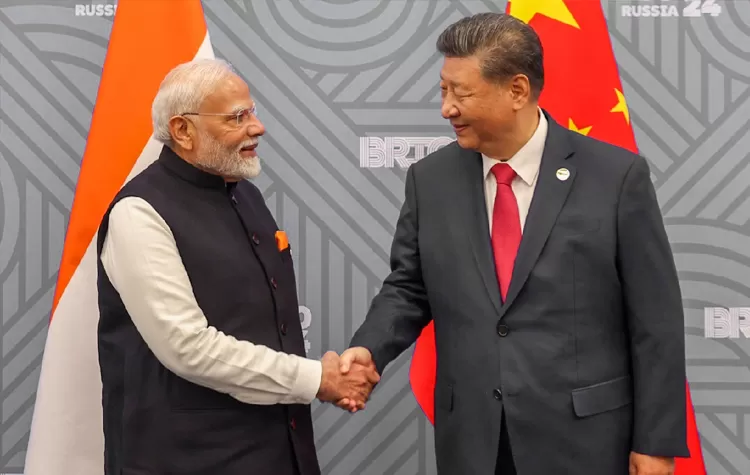
By Nitya Chakraborty Narendra Modi has been heading the Indian government as the Prime Minister since 2014. He has made so far many observations about the delicate India-China relations in the last nearly eleven years, but his observations on this issue made to the American journalist cum researcher Lex Fridman in his podcast released on […]

HONG KONG SAR – Media OutReach Newswire – 19 March 2025 – Jamf (NASDAQ: JAMF) the standard in managing and securing Apple at work, announced it has been included as a Representative Vendor in the 2025 Gartner® Market Guide for Endpoint Management Tools. As the report points out: “Using a unified endpoint management (UEM) tool remains the best approach to managing the entire employee device fleet. However, […]

The global economy is experiencing fresh waves of volatility as Trump’s second term reignites trade conflicts, currency battles, and inflationary pressures. Markets have already reacted—tariff hikes on Chinese goods, retaliatory measures from Beijing, and escalating tensions with Europe are shifting capital flows at a breakneck pace. Investors can’t afford to be complacent. They must position portfolios to withstand uncertainty, hedge against risk, and seize opportunities in this […]

Artificial intelligence search tools, once hailed as the future of information retrieval, are now under scrutiny for their alarming inaccuracy. A comprehensive study by the Tow Center for Digital Journalism at Columbia University reveals that these AI-driven search engines frequently provide incorrect information, raising concerns about their reliability. The study evaluated eight prominent AI search tools, including OpenAI’s ChatGPT Search, Google’s Gemini, Perplexity, DeepSeek Search, Grok-2 Search, […]

Bitso, a leading cryptocurrency exchange in Latin America, has added Toncoin to its trading platform, reflecting its commitment to broadening digital asset offerings. Users can now trade TON through the Bitso app, enhancing their access to The Open Network’s ecosystem.

To begin trading Toncoin on Bitso, users should:

1. Create a Bitso Account: Register and complete the verification process.
2. Fund the Wallet: Deposit local currency or other cryptocurrencies into the Bitso wallet.
3. Purchase TON: Navigate to the Buy/Sell section in the Bitso app, locate the TON trading pair, and execute the transaction.

This integration offers users seamless, efficient transactions within The Open Network’s ecosystem.

Toncoin, the native cryptocurrency of The Open Network , is designed to facilitate decentralized applications and services. The network aims to provide fast, secure, and scalable blockchain solutions, positioning itself as a significant player in the evolving digital landscape.

Founded in 2014, Bitso has emerged as a prominent cryptocurrency platform in Latin America, boasting over 7 million users globally. The exchange offers a variety of services, including a mobile app for buying, selling, and using cryptocurrencies, as well as Bitso Alpha, a platform tailored for traders seeking advanced tools and high liquidity. Bitso operates under regulatory frameworks in countries like Mexico, Brazil, and Argentina, ensuring compliance and security for its users.

The addition of Toncoin aligns with Bitso’s strategy to diversify its cryptocurrency offerings, catering to the growing demand for varied digital assets. This move not only enriches the trading options for existing users but also attracts new investors interested in exploring The Open Network’s capabilities.

In the context of the broader cryptocurrency market, Toncoin has been gaining attention. Technical analyses suggest potential price movements, with patterns indicating possible bullish trends. However, as with all cryptocurrencies, investors are advised to conduct thorough research and exercise caution due to the inherent volatility of the market.

Bitso’s continuous efforts to integrate diverse cryptocurrencies demonstrate its dedication to providing comprehensive services to its user base. By adding assets like Toncoin, Bitso enhances its platform’s appeal, offering users opportunities to engage with emerging technologies and blockchain innovations.

KUALA LUMPUR, MALAYSIA – Media OutReach Newswire – 14 March 2025 – Silver is attracting investor interest, with market analysts predicting a potential leap to $40 per troy ounce in 2025. The metal is rising in global investment portfolios, providing stiff competition to gold’s long reign over commodity markets. Kar Yong Ang, a financial market analyst at Octa Broker, explains why silver has a very good opportunity […]

By P. Sudhir The US President Donald Trump, in his first address to the US Congress following his election, has threatened to impose tariffs on countries that he considers are taking advantage of US trade policies. In his list is India, along with Canada, Mexico, China, Brazil and the European Union. Trump has repeatedly named […]

Garuda Linux, an Arch-based distribution renowned for its performance and user-centric design, has introduced a new edition featuring the COSMIC desktop environment. This development marks a significant expansion of Garuda’s offerings, incorporating the innovative COSMIC interface developed by System76. The COSMIC desktop environment is currently in its alpha stage, with the Garuda team integrating COSMIC alpha 6 into their distribution. This integration provides users with an opportunity […]

The European Union has announced plans to impose tariffs on $28 billion worth of U.S. goods starting April 1, 2025, in direct response to the United States’ recent implementation of a 25% tariff on steel and aluminium imports. This move marks a significant escalation in trade tensions between the two economic powerhouses.

The U.S. tariffs, championed by President Donald Trump, took effect on March 12, 2025, targeting steel and aluminium imports globally. The administration justified these measures as necessary to protect national industries and bolster domestic employment. However, the EU has criticized these actions as unjustified and harmful to international trade relations.

In retaliation, the EU’s countermeasures will affect a diverse array of American products. Notably, iconic items such as Kentucky bourbon, Harley-Davidson motorcycles, and various agricultural products are on the list. The selection of these goods appears strategic, aiming to exert political pressure on key U.S. constituencies, particularly in states that supported President Trump. For instance, bourbon production is a significant industry in Kentucky, the home state of Senate Majority Leader Mitch McConnell.

European Commission President Ursula von der Leyen emphasized that while the EU’s response is robust, it remains proportionate. She stated, “We do not seek escalation, but the U.S. tariffs leave us no choice but to defend our industries and uphold the rules of international trade.” The EU’s approach underscores its intent to protect its economic interests without further destabilizing global trade dynamics.

The targeted U.S. products span various sectors, including industrial goods, textiles, and agriculture. This broad spectrum indicates the EU’s strategy to distribute the impact across multiple industries, thereby minimizing potential adverse effects on European consumers and businesses. The list of goods subject to tariffs was compiled after thorough consultations with EU member states to ensure a balanced and effective response.

The U.S. administration has defended its tariffs as a means to revitalize domestic manufacturing and safeguard national security interests. President Trump argued that the influx of imported steel and aluminium poses a threat to these sectors, necessitating protective measures. However, critics argue that such tariffs could lead to increased production costs for American industries reliant on these raw materials, potentially resulting in higher prices for consumers and strained relationships with key trading partners.

The EU’s decision to implement counter-tariffs is rooted in World Trade Organization rules, which permit such measures when a member country’s actions are deemed unjustifiable and harmful. By adhering to these international guidelines, the EU aims to reinforce the legitimacy of its response while highlighting the perceived illegitimacy of the U.S. tariffs.

The brewing trade dispute has raised concerns among global economic analysts. There is apprehension that this tit-for-tat escalation could lead to a broader trade war, negatively impacting global economic growth and stability. Both the EU and the U.S. are integral players in the international economy, and prolonged tensions between them could have ripple effects worldwide.

Despite the firm stance, the EU has expressed a willingness to engage in dialogue to resolve the dispute. Von der Leyen remarked, “Our door remains open for discussions. It is in the interest of both sides to find a mutually agreeable solution that preserves the integrity of our economic relationship.” This openness to negotiation suggests that while the EU is prepared to defend its interests, it also recognizes the value of maintaining a cooperative transatlantic partnership.

In the United States, reactions to the escalating trade tensions have been mixed. Some industry leaders have voiced support for the administration’s protective measures, citing long-standing challenges posed by foreign competition. Conversely, others express concern over potential retaliatory actions and their impact on export-dependent industries. The agricultural sector, in particular, fears that the EU’s tariffs could significantly reduce demand for American produce in European markets.

The unfolding situation underscores the complexities inherent in global trade relations. As both sides brace for the implementation of these tariffs, the international community watches closely, hoping for a resolution that averts further economic disruption. The coming weeks may prove pivotal in determining whether the EU and the U.S. can navigate this impasse through negotiation or if the world is on the cusp of a more pronounced trade conflict.

In light of these developments, businesses on both sides of the Atlantic are advised to monitor the situation closely. Companies involved in the production, export, or import of the affected goods should prepare for potential disruptions and consider strategies to mitigate the impact of the tariffs. This may include exploring alternative markets, adjusting supply chains, or engaging in advocacy efforts to influence policy decisions.


By K Raveendran President Trump’s repeated assertions that India has agreed to reduce tariffs “way down” have sparked a predictable wave of denials from New Delhi, underscoring the fraught and often opaque nature of trade negotiations between the two countries. While Trump’s tendency to make exaggerated or even unverified claims is well-known, in this particular […]

Three Iconic Stages Feature a Spectacular Celebration of Music and Entertainment MACAU SAR – Media OutReach Newswire – 12 March 2025 – Galaxy Macau™, the world-class luxury integrated resort, has become a popular choice for visitors to Macau, offering a one-stop leisure vacation experience. Especially with its three iconic performance venues — Galaxy Arena, Broadway Theatre, and the newly launched G Box — each venue radiates unique […]

At the CERAWeek conference in Houston, Saudi Aramco’s President and CEO, Amin Nasser, delivered a sharp critique of current global energy transition strategies, labelling them as “self-destructive” and warning of potential economic and energy security consequences. Nasser emphasized that the prevailing approach, which aims to rapidly phase out conventional energy sources in favour of immature alternatives, is flawed. He argued that such strategies are not only unrealistic […]

SINGAPORE – Media OutReach Newswire – 10 March 2025 – SKINARMA has doubled up their seasonal drop this season of pairing with the Apple Watch strap GEMINI and Apple Watch case ATOM. Made to coordinate and complement each other, both products fashioned for the latest Apple Watch Series 10 and Ultra 2 are dressed in dual colors for endless combinations—so you never have to settle for a […]

By Nantoo Banerjee Returning empty-handed and crestfallen from his meeting with United States President Donald Trump, popular satirical comedian turned Ukraine President Volodymyr Zelensky looks more like a totally confused person now. He doesn’t know whom to trust — highly peeved US President Donald Trump or the leaders of the EU-UK combine, the backstage instigators […]

VISHNU RAJA
RYO YAMADA
HITORI GOTOH
IKUYO KITA