News related to
should

Perfumes are produced in different scents and models for various uses, like the memories of a romantic evening with a special person that often includes the lingering trace of a captivating fragrance. That’s why perfumes have a notable role in romantic and friendly dates. Due to their long lasting and pleasant scents, best Perfume for date is highly recommended. In addition, the notes of night time perfume […]

A clash between former president Donald Trump and tech mogul Elon Musk could be imminent, according to experts tracking the dynamics of their relationship. Despite Musk’s enthusiastic support for Trump’s 2024 presidential campaign, some predict that a power struggle may arise, driven by their competing ambitions for dominance in the public sphere. Kara Swisher, a well-known tech journalist and columnist, has voiced concerns that, while Trump has […]

By K Raveendran Trump divides people like nobody else does. The liberal Left all over the world are united in their assessment that there would be a presidential onslaught against whatever they stand for. It is not just people who detest Trumps return; even the elements are affected. Gold is particularly allergic to Trump, as […]

A second term for Donald Trump could usher in significant changes for investors in the Middle East, with the potential for both increased economic opportunities and geopolitical instability. Trump’s return to the presidency would likely revive his administration’s assertive economic policies, reshaping U.S. foreign relations, particularly toward China, Europe, and Middle Eastern nations, while possibly impacting global market dynamics in ways that will directly affect Gulf economies.

Trump’s “America First” approach, previously marked by attempts to realign American foreign policy priorities, could lead to heightened trade tensions with major global economies, including the European Union and China. During his previous term, the Trump administration imposed steep tariffs on Chinese goods and withdrew from the Trans-Pacific Partnership, signaling a shift from multilateral agreements to bilateral deals with clear U.S. advantages. These policies could place Middle Eastern investors in a challenging position, especially those with extensive ties to both Western and Asian markets. His re-election could rekindle these policies, affecting key industries and the economic strategies of regional stakeholders, who may need to reassess their portfolios to navigate potential trade disruptions.

One area of likely change would be Trump’s approach to the U.S.-China trade war, which saw tariffs as high as 25% imposed on hundreds of billions in imports. The escalating tariffs strained trade flows globally, and with Trump’s potential return, the continuation or expansion of such tariffs could push China to deepen its ties with Gulf nations as it seeks alternative partners. The Middle East, particularly Saudi Arabia and the UAE, has already seen increased investment from China under the Belt and Road Initiative, and a further intensification of U.S.-China rivalry could strengthen these relations. Additionally, Gulf economies that depend heavily on oil exports may find opportunities as China looks for secure energy suppliers outside of the American sphere.

Simultaneously, Trump’s proposed policies are expected to drive further U.S. disengagement from traditional allies in Europe, compelling these countries to secure alternative economic partnerships. This shift could create an environment where European countries turn to the Middle East to establish closer trade relations, viewing Gulf states as critical energy providers and investment hubs. Regional investors could benefit from an increased inflow of European capital seeking to mitigate the effects of U.S. tariffs.

In terms of defense, Trump has consistently voiced support for reducing U.S. military commitments abroad, urging allies in Europe and the Middle East to shoulder more responsibility for their own defense. This could result in reduced U.S. military presence in Gulf nations, which may encourage these states to expand defense partnerships within the region and seek additional security alliances beyond the U.S. This shift could spur an increase in local defense spending and the development of domestic defense industries, presenting investment opportunities in these sectors. However, it may also bring heightened insecurity, which could lead to market instability, especially in oil-dependent economies that rely on stable energy production and export environments.

The Middle East’s energy sector might experience new pressures and opportunities under a Trump administration focused on American energy independence. Trump has previously supported policies that increase domestic oil and gas production in the U.S., which could lead to a drop in oil prices globally, impacting the revenue of oil-exporting countries in the Gulf. To counter this, Gulf economies may be motivated to diversify and boost non-oil sectors such as technology, real estate, and tourism, creating new avenues for regional and international investors.

Trump’s stance on Iran could also lead to renewed tensions in the region. During his first term, the administration’s “maximum pressure” campaign aimed at curbing Iran’s nuclear ambitions led to economic sanctions and heightened regional conflicts. If reinstated, such policies could escalate instability in areas around the Strait of Hormuz, a key chokepoint for global oil exports. Middle Eastern markets might face disruptions if these tensions spill over, particularly for industries dependent on steady energy flows and safe trading routes. Yet, defense and energy infrastructure investments may see a boost in response to these renewed geopolitical challenges.

Trump’s previous involvement in brokering the Abraham Accords set a precedent for Arab-Israeli normalization. A return to power could see a renewed push for expanded economic ties between Israel and more Arab states, following the precedent of UAE, Bahrain, Morocco, and Sudan establishing official relations with Israel. Investors across the Gulf could benefit from these expanded commercial ties through greater market access, technology transfers, and joint ventures, particularly in high-growth sectors like technology, renewable energy, and tourism. The prospect of regional integration holds promise for attracting further foreign direct investment (FDI) and bolstering Middle Eastern economies.

Middle Eastern investors, therefore, may need to prepare for a mixed impact, balancing potential market volatility with strategic opportunities. Gulf Cooperation Council (GCC) countries, particularly the UAE and Saudi Arabia, may find themselves in a pivotal position, with increased leverage in securing favorable trade agreements as both Western and Eastern economies seek partnerships in response to Trump’s policies. Yet, they may also have to contend with the risks of being on the frontline of fluctuating U.S. policies toward the region, especially regarding defense and energy.


By Anjan Roy Never before, an American presidential election evoked such widespread interest and concern across the world. This is because the presumptive president has given rise to fears and concerns about America’s policies which do not promise to follow the scripted lines. There is a sense of uncertainty all the way in the power […]

Motorcycling offers an exhilarating blend of adventure, freedom, and community. This blog post provides essential guidance for beginners, covering the benefits of motorcycling, necessary gear, tips for choosing your first bike, and safety measures. It also includes advice on basic maintenance and accident preparedness, helping you start your motorcycling journey with confidence and excitement. Why Motorcycling is the Perfect Hobby Motorcycling is more than just a mode […]

KUALA LUMPUR, MALAYSIA – Media OutReach Newswire – 6 November 2024 – Asian financial markets are experiencing increased interest from novice traders. In Southeast Asia, online trading has expanded rapidly, driven by growing internet access and an increasingly digital-savvy population. In Indonesia, active online traders grew by 18%, supported by a thriving e-commerce sector and rising financial literacy. Across Southeast Asia, the digital economy is projected to […]

Advertisements

Tajul Islam Donald Trump’s recent critique of Bangladesh on social media, branding it as a nation rife with “barbaric violence” against religious minorities and claiming it exists in a “total state of chaos,” has drawn significant attention. This statement, made just days before the US presidential election, appears to be an effort to appeal to Hindu-American voters, a demographic that has increasingly urged Trump to address issues related […]

Revolutionizing Home and Commercial Cleaning with Aqueous Ozone Solutions that are hypoallergenic & eco-friendly QUEENSLAND, AUSTRALIA – Media OutReach Newswire – 5 November 2024 – OZONO, the eco-conscious brand spearheading the movement towards chemical-free cleaning solutions, is thrilled to announce its official launch in Australia. Established in 2021 in Singapore, OZONO aims to transform the cleaning industry by offering a chemical-free cleaning device. OZONO OZPro is the […]

The world’s most successful investor, Warren Buffett, is making headlines again by significantly reducing his stake in Apple, selling approximately 100 million shares—about 25% of his company’s holdings. This move, which brought Berkshire Hathaway’s holdings of Apple shares down to roughly 300 million, is emblematic of Buffett’s long-standing philosophy of risk management and prudent investing. As of now, Berkshire’s remaining stake in Apple is valued at $69.9 […]

The ongoing geopolitical tensions, particularly related to the Russia-Ukraine conflict, have started to seep into the development of open-source software, notably the Linux kernel. A significant decision by prominent developers to exclude contributions from Russian individuals has sparked debate about the implications of political affiliations in software development. Following the onset of the conflict in Ukraine, the open-source community has grappled with ethical considerations regarding the involvement […]

A disturbing new phishing scam is targeting individuals by leveraging personal information, including home addresses and images of their residences, to instill fear and demand money. The email typically comes from an unknown sender and features a menacing message claiming the recipient is under surveillance and that the sender possesses compromising footage. This alarming tactic aims to pressure victims into paying sums of money, often requested in […]

OPEC+ has announced a delay in the anticipated resumption of oil supply cuts, reflecting the ongoing challenges within the global crude market as prices continue to struggle. This decision follows a meeting of the coalition’s Joint Ministerial Monitoring Committee, where key players voiced concerns over persistent low oil prices and their impact on market stability.

In its recent deliberations, OPEC+ leaders emphasized the need for a strategic approach to support oil prices, which have seen significant fluctuations in the past year. Current benchmarks for crude oil have hovered around $80 per barrel, well below the levels needed for many member countries to balance their budgets. The ongoing geopolitical tensions and the potential economic fallout from inflationary pressures have further complicated the landscape, prompting OPEC+ to reconsider its production strategy.

The decision to delay the resumption of supply cuts is particularly notable given that earlier predictions had pointed towards an increase in production levels by the end of the year. Several member states, particularly those reliant on oil revenue, had anticipated a gradual easing of the cuts implemented to stabilize the market amid the COVID-19 pandemic. Instead, the coalition now appears to be adopting a more cautious stance, prioritizing price recovery over volume increase.

Saudi Arabia, the de facto leader of OPEC, has been vocal in advocating for measures to sustain oil prices. The Kingdom’s Energy Minister, Prince Abdulaziz bin Salman, reiterated the importance of market stability, emphasizing that the organization must remain vigilant in its assessment of global demand and supply dynamics. His remarks highlight the broader sentiment among OPEC+ members regarding the delicate balance required to navigate current market conditions.

Market analysts have pointed to several factors contributing to the ongoing volatility in oil prices. Demand forecasts have been revised downward, largely influenced by slowing economic growth in major economies such as China and Europe. Additionally, concerns regarding a potential resurgence of COVID-19 variants and their impact on global mobility have added to the uncertainty. As a result, some analysts project that oil demand may not rebound to pre-pandemic levels for some time.

Iran’s position within OPEC+ has also added complexity to the group’s dynamics. With ongoing negotiations surrounding the Joint Comprehensive Plan of Action, there is speculation about Iran’s potential return to the market. Should sanctions be lifted, the influx of Iranian oil could further exacerbate supply challenges, undermining efforts to stabilize prices. The coalition remains divided over how to handle Iran’s situation, as some members fear that increased production from Iran could lead to an oversupply, thereby pushing prices lower.

U.S. shale production continues to be a significant player in the global oil market. The American shale industry has proven to be remarkably resilient, adapting quickly to changing price environments. As crude prices struggle, shale producers have ramped up production, providing a counterbalance to OPEC+’s efforts to restrict supply. This dynamic has led to a tug-of-war in the market, with OPEC+ trying to manage its output while the U.S. shale industry responds to price signals by increasing production.

As OPEC+ deliberates its next steps, the energy market is also keeping a close eye on the potential impacts of environmental policies and the transition towards renewable energy sources. The global shift towards sustainability and decarbonization is expected to influence long-term oil demand. Many analysts predict that the transition could accelerate, particularly as countries commit to more aggressive climate goals. This has raised questions about the future role of oil in the global energy mix and how OPEC+ will adapt to these changes.

Looking ahead, OPEC+ faces the challenge of balancing its traditional role as a stabilizer in the oil market with the evolving landscape of energy consumption and production. The coalition’s next meeting, scheduled for December, will be crucial in shaping its strategy. Participants will likely focus on assessing both the short-term market outlook and the long-term implications of the ongoing transition towards alternative energy sources.

With the upcoming U.S. presidential election casting a shadow over global financial markets, cryptocurrency stands out as an asset class poised for high volatility based on the election’s outcome. As former president Donald Trump reenters the electoral scene against Vice President Kamala Harris, crypto investors are paying close attention to how a Trump win could reshape cryptocurrency regulation and performance, particularly for Bitcoin and other key digital assets.

Historically, presidential election cycles have shown significant influence on cryptocurrency market behavior, especially for Bitcoin. Data from previous elections indicates that Bitcoin prices tend to experience substantial movements post-election, irrespective of the winning candidate. Following the 2020 election, for example, Bitcoin’s value surged, marking an increased interest among investors amid the heightened economic uncertainty tied to COVID-19 relief measures and concerns over inflation. However, as the 2024 election approaches, Trump’s potential return to the presidency introduces a new level of uncertainty that differs markedly from 2020. According to a report by Bitwise Asset Management, Bitcoin’s value could rise by an estimated 10.7% should Trump secure victory. Conversely, a Harris win is forecasted to prompt a similar decline, likely due to her administration’s alignment with current regulatory approaches under President Joe Biden.

Regulatory policies in the U.S. have tightened considerably over the past year, with the SEC leading several enforcement actions aimed at crypto firms, exchanges, and initial coin offerings (ICOs). As such, Trump’s stance on cryptocurrency, which has previously wavered, now appears more lenient compared to Harris. During Trump’s previous administration, oversight was relatively hands-off, providing crypto investors a fertile environment for market growth, albeit without structured guidelines. In contrast, Harris is expected to continue Biden’s approach, emphasizing consumer protection through regulatory frameworks, a trend currently contributing to restrained market enthusiasm among retail investors. Observers suggest that Trump’s promise to relax crypto regulations could rekindle enthusiasm among retail and institutional investors, who view clearer guidelines and reduced scrutiny as conducive to growth in both valuation and adoption rates of cryptocurrencies.

Crypto market responses are also anticipated to align with Bitcoin’s Halving cycle, a built-in scarcity feature that reduces block rewards by half approximately every four years, with the most recent event occurring in April 2024. Historically, Bitcoin rallies have closely followed Halvings, influenced further by investor interest in assets with perceived scarcity. Analysts expect this dynamic to be heightened under a Trump presidency, as reduced regulation coupled with supply restrictions could make Bitcoin a more attractive inflation hedge. Conversely, a continuation of current regulatory trends under a Harris administration might suppress these price escalations, as crypto businesses face heightened scrutiny and potential restrictions on stablecoin and DeFi protocols.

Market watchers note that alongside Bitcoin, certain altcoins such as Dogecoin and Cardano could be notably impacted by the election result. Both coins have shown sensitivity to Trump’s political narratives, especially as Dogecoin, with its origins as a meme asset, often aligns with social and speculative trends. Cardano, known for its environmentally-conscious proof-of-stake model, may also benefit from a shift in sentiment toward alternative digital assets under Trump’s policy approach, which is expected to favor financial deregulation broadly. Meanwhile, Ethereum and other blockchain projects emphasizing regulatory compliance may perform better under Harris’ administration, whose regulatory approach aligns with a systematic scrutiny of decentralized finance ecosystems.

Despite these speculations, experts caution that market sentiment may experience only short-lived spikes based on the election outcome. The long-term impact, they argue, hinges on substantial regulatory actions and the economic policies pursued post-election, especially concerning inflation and recessionary pressures. Crypto market reactions have been muted in the face of uncertainty over potential policy shifts, given that many investors prefer tangible policy enactments over rhetoric.

Economic fundamentals also play a role in investor strategies, with inflation rates, interest rate hikes, and the potential for recession forming a significant backdrop. Analysts at Coinbase Research point to the likelihood of heightened volatility for both traditional and digital assets amid interest rate adjustments and global economic challenges. The Federal Reserve’s monetary policy, particularly regarding interest rate hikes, remains a critical factor, as crypto’s inverse relationship to interest rates often leads to valuation adjustments in line with broader financial markets. Should a Trump administration adopt an expansionary fiscal stance, this may lower interest rates, encouraging borrowing and spending in financial markets, including crypto. A more cautious fiscal policy from Harris could contribute to slower crypto market growth, potentially accelerating a shift toward stablecoins as a hedge against market swings.

Divya Malhotra Middle East has turned into a ticking time bomb as Iran and Israel stand on the verge of a full-blown war. A lot has transpired between the two countries since the October 2023 Hamas attack on Israel and the ensuing Gaza war. Israel is more than a thousand miles away from Iran. They do not share any border and there are no significant bilateral claims […]

By Anjan Roy Although ice has apparently been broken between India and China over conflicts and confrontations in Demchok and Depsang areas in eastern Ladakh, tensions have not been eliminated fully. The hurriedly announced agreement, in the hours before BRICS summit in Russia’s Kazan on October 22-24, was directed more at the international audiences than […]

HONG KONG SAR – Media OutReach Newswire – 24 October 2024 – HKFindLawyer.com has officially launched a new AI legal judgment tool designed to provide citizens with a convenient way to determine whether their actions violate the law. This tool can not only answer specific legal questions but also analyze users’ situations based on current Hong Kong laws to determine whether their actions constitute a crime. The […]

KUALA LUMPUR, MALAYSIA – Media OutReach Newswire – 25 October 2024 – In trading, as in many other spheres of life, minor incremental changes lead to substantial differences. In many cases, traders don’t have to come up with innovative approaches to improve their financial outcomes. It may suffice for them to apply the everyday life hacks they have used for ages in their trading. Octa, a global […]

HONG KONG SAR – Media OutReach Newswire – 24 October 2024 – We are delighted to inform that on the occasion of the celebration of the 75th anniversary of the founding of the People’s Republic of China and the 27th anniversary of establishment of HKSAR, the JMHO Siu Szeto Kit JP MBE Training Centre (the”Centre”) opened on 24 October 2024. This Centre is a pivotal step in […]

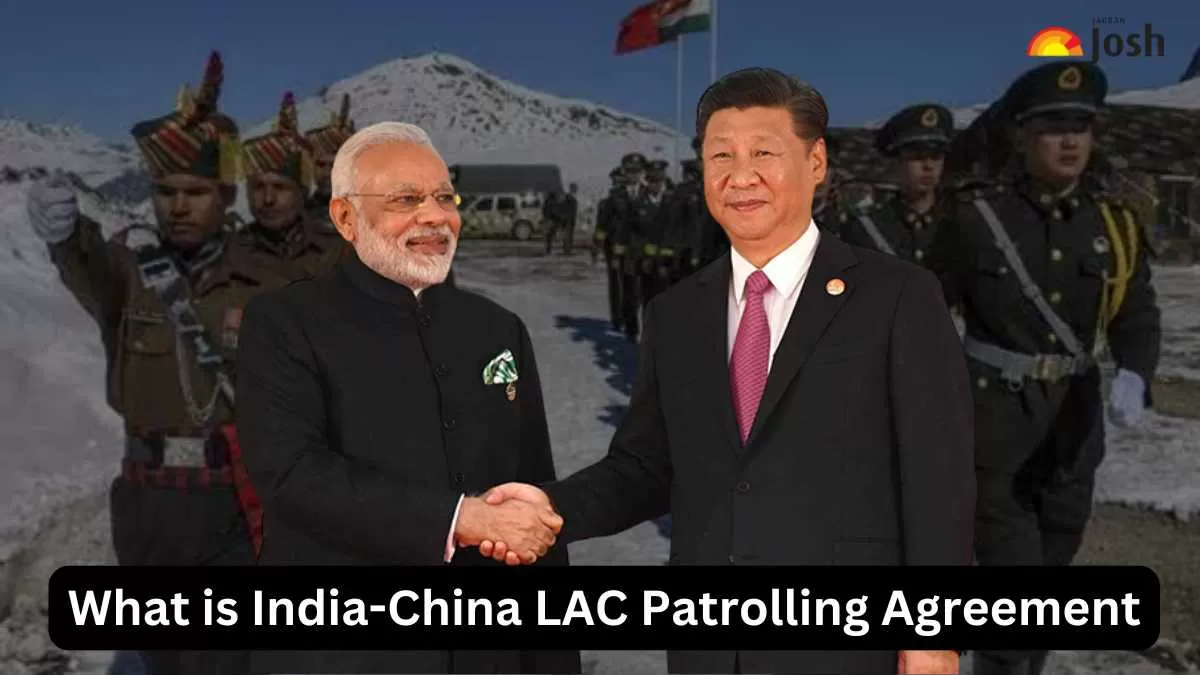
By Nitya Chakraborty The one-hour meeting between the Indian Prime Minister Narendra Modi and the Chinese President Xi Jinping on October 23 on the side lines of the BRICS summit at Kazan, has signalled a breakthrough in the bilateral relations between the two largest nations of Asia and the world. What was of significance of […]

  By K Raveendran Successive pronouncements by the Supreme Court have revealed a growing judicial sense against the potential for abuse in the draconian anti- money laundering laws. This has an important bearing on the pending petitions for the review of the apex courts verdict in the 2022 verdict by a three-member bench upholding all […]


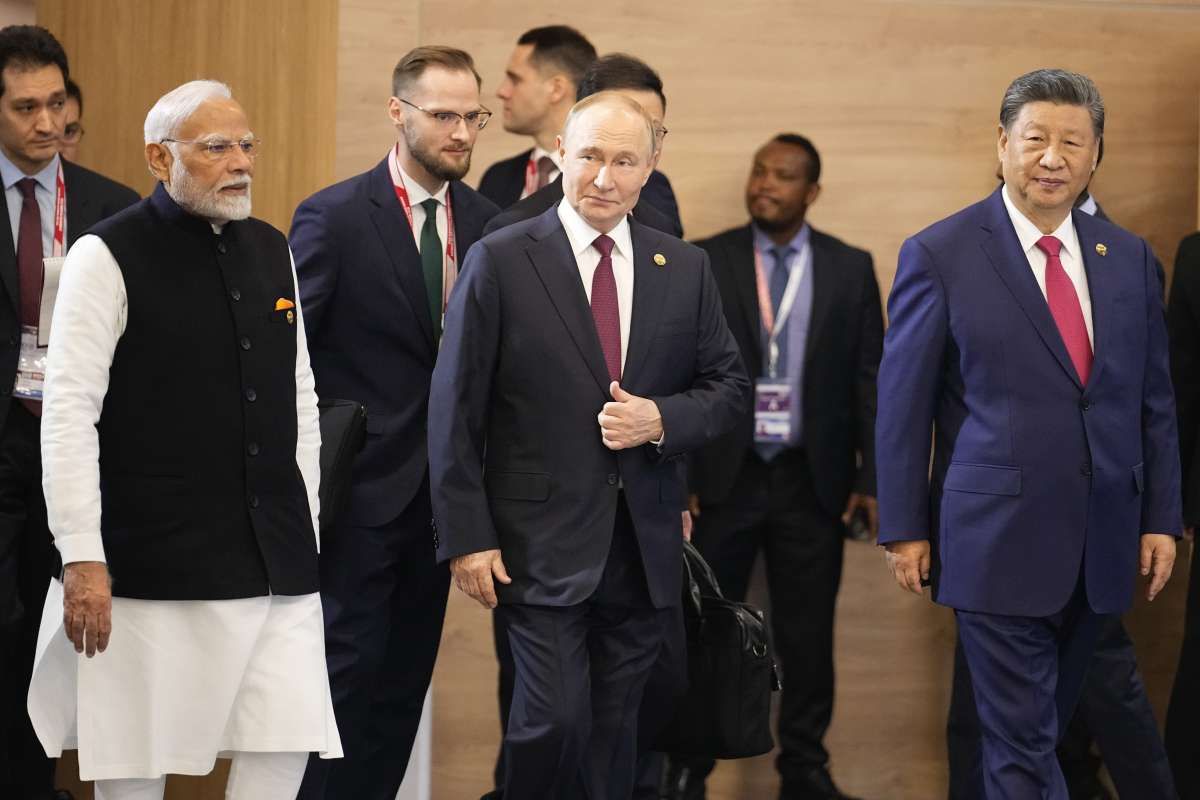
Russia is hosting the latest BRICS summit in a strategic demonstration of strength and unity as it seeks to challenge the geopolitical dominance of the West. The BRICS group – comprising Brazil, Russia, India, China, and South Africa -has evolved beyond its original purpose as a coalition of rapidly developing economies. Initially founded to represent economic growth prospects, BRICS has since transformed into a powerful geopolitical forum, […]

Shuaa Capital, a leading investment company based in Dubai, is poised to convene its board of directors to deliberate on a significant proposal for the issuance of Mandatory Convertible Bonds (MCBs) amounting to $175 million. This meeting, set against a backdrop of evolving financial strategies within the region, aims to explore potential avenues for enhancing the firm’s capital structure and investor appeal.

The proposed issuance of MCBs is seen as a strategic move to raise funds that can be deployed towards bolstering Shuaa’s core business activities and expanding its investment portfolio. These financial instruments, which offer investors the option to convert their bonds into equity after a specified period, can provide both liquidity and flexibility. MCBs have become an attractive choice for companies seeking to optimize their balance sheets while also catering to investors looking for growth opportunities.

Market analysts view this potential issuance as part of a broader trend among Gulf Cooperation Council (GCC) companies that are increasingly turning to hybrid financial instruments to navigate economic uncertainties. With oil prices stabilizing and global markets fluctuating, firms across the region are adapting their financing strategies to ensure sustainability and growth. Shuaa’s proactive approach in considering MCBs reflects its commitment to remaining competitive in a dynamic financial landscape.

Shuaa Capital’s management has expressed optimism regarding the approval of the MCB issuance, citing a favorable investment climate and the firm’s robust performance in various sectors, including asset management, capital markets, and advisory services. The company has made significant strides in enhancing its service offerings and expanding its client base, positioning itself as a key player in the regional investment space.

The decision to issue MCBs could be bolstered by Shuaa’s recent financial results, which indicate a steady growth trajectory. In its latest earnings report, the firm highlighted increased revenues driven by strong performance in its investment management division, alongside strategic partnerships and acquisitions that have expanded its market reach. This positive momentum has prompted discussions within the board about leveraging additional capital through innovative financing options.

The approval of the MCB issuance aligns with Shuaa’s long-term growth strategy, which emphasizes sustainable development and diversification of its investment portfolio. The firm has been keen on exploring new markets and sectors, particularly in technology and renewable energy, areas that are expected to experience substantial growth in the coming years. With capital raised through MCBs, Shuaa aims to capitalize on these emerging opportunities while enhancing shareholder value.

As the board meeting approaches, stakeholders and investors will be closely monitoring the outcomes and implications of the proposed bond issuance. Should the board approve the MCBs, it could signal a shift in Shuaa’s approach to capital raising, potentially influencing similar strategies among its peers in the investment sector.

Industry experts have noted that the demand for MCBs may also be driven by changing investor preferences, with many looking for securities that offer both fixed income and potential equity upside. The convertible nature of these bonds allows investors to participate in the growth of the company while still receiving periodic interest payments, making them an appealing option in uncertain market conditions.

Shuaa’s consideration of MCBs comes at a time when the GCC’s capital markets are witnessing a revival, characterized by a surge in initial public offerings (IPOs) and bond issuances. This resurgence is largely attributed to the economic recovery following the pandemic, coupled with ongoing government initiatives aimed at boosting private sector participation and foreign investment. As companies across the region assess their financing strategies, the MCB issuance could emerge as a popular choice for those looking to enhance liquidity without diluting existing equity.

The upcoming board meeting will not only address the MCB proposal but also evaluate the broader implications for Shuaa’s financial strategy moving forward. With a focus on maintaining strong governance and aligning with investor interests, the board is tasked with ensuring that any capital-raising initiative is consistent with the company’s vision and operational goals.

By Rabindra Nath Sinha KOLKATA: “We have no inhibition in socialising over a bowl of soup or a cup of tea or coffee; but thereafter it is ‘thus far and no further for us’. We have our long-standing demands and we are firm on pursuing those”, important Kuki and Naga leaders told IPA when asked […]
VISHNU RAJA
RYO YAMADA
HITORI GOTOH
IKUYO KITA
Just in:
xCube Access Welcomes Entrust Capital Limited  Expanding Access to Professional Portfolio Management // Meraas showcases five residential zones at Dubai Design Week // Ta’ziz finalises $1.39bn funding for Ruwais industrial facilities // Pinarayi faults UDF over mounting road crashes // Cyberport Venture & Capital Forum 2026 Grand Opening // Democrats capture Senate majority with seven Republican seats // Emirates Group records AED 4.1 billion half-year profit // Burying Head In “India Made Poverty Reduction” Data Is Dangerous // OpenAI identifies 948 Linux privilege escalation flaws using AI // Asia Left Behind: Ten international companies have yet to report delivering on their cage-free egg pledges across the region // Cloudflare unveils Zero Wire vulnerability intelligence service // Utilities pursue ₹1,992 cr in unpaid bills // CR Longdation Aethereal Cybersecurity × Global Cybersecurity Alliance (GCSA) Join Hands to Establish the “AI and Cybersecurity Research Centre” // ADIA and partners establish $1.4 billion aviation venture // Arrow Electronics showcases technologies advancing intelligent robotics, mobility and digital infrastructure // Fast Just Got Fastest: STING Energy Boost™ Celebrates Kimi Antonelli’s Formula 1® World Championship and the Fan Energy Behind It // SC to examine students’ exam plea today // Vance attributes Republican midterm defeats to Iran conflict // As AI Reshapes Education, Singapore Convenes Global Dialogue on the Future of Early Childhood Education // Oil and chip shares retreat after Democratic victories //