News related to
should

The possibility of Dan Gallagher, Robinhood’s Chief Legal Officer, becoming the next SEC chair is gaining traction, particularly in the event of a Donald Trump presidency. His candidacy signals a shift in regulatory priorities, especially concerning the highly scrutinized cryptocurrency sector. Gallagher, who previously served as an SEC commissioner, has expressed clear opposition to the SEC’s current stance on crypto enforcement, arguing for more nuanced, tailored regulations that support market growth while ensuring investor protection.

As discussions about the leadership of the SEC intensify, Gallagher’s approach to cryptocurrency regulation has garnered support among certain industry players. His emphasis on creating crypto-specific regulations contrasts sharply with the current SEC chair Gary Gensler’s aggressive enforcement of registration requirements for crypto platforms. Gensler has focused heavily on pursuing platforms like Binance and Coinbase, accusing them of offering unregistered securities, a stance Gallagher views as a misapplication of regulatory authority. He contends that such efforts stifle innovation and fail to recognize the unique nature of crypto assets.

The SEC’s crypto enforcement actions have triggered heated debates within the industry. Gallagher has been vocal about the need to differentiate fraud prevention from registration violations, arguing that targeting platforms purely for registration failures doesn’t address the real risks in the crypto market. This perspective has resonated with crypto advocates who view the SEC’s current actions as excessive. Should Gallagher assume leadership, it is expected that the SEC would take a more crypto-friendly approach, reducing its focus on punitive enforcement and prioritizing fraud-related cases.

Gallagher’s potential leadership also raises questions about the future of cryptocurrency exchange-traded funds (ETFs). Under Gensler, the SEC has been reluctant to approve spot Bitcoin ETFs, citing concerns about market manipulation and investor protection. However, there is speculation that a Gallagher-led SEC would be more open to approving these financial instruments, which are seen as crucial for providing retail investors with safer exposure to cryptocurrencies.

The broader implications of Gallagher’s potential appointment extend beyond crypto regulation. His past tenure at the SEC was marked by a strong pro-business stance, advocating for policies that would increase market access and reduce regulatory burdens. This outlook aligns with the broader deregulatory agenda expected from a Trump administration, which would likely seek to roll back several Biden-era policies across financial regulation, including ESG (Environmental, Social, and Governance) disclosure requirements that have been a point of contention.

Industry insiders have pointed out that if Gallagher takes the helm, he may also influence the SEC’s stance on initial public offerings (IPOs) and special purpose acquisition companies (SPACs), which have faced stricter scrutiny under Gensler. Gallagher’s leadership could usher in a period of relaxed oversight, encouraging more companies to go public through traditional IPOs or SPACs without facing stringent SEC regulations.

The SEC, historically structured to maintain a balance between political affiliations, could see a significant shift if Gallagher assumes the role. Currently, only two of the five commissioners are Republicans, with the remaining three appointed by Democratic administrations. However, should a Republican win the presidency, the SEC’s composition would likely change, with more appointees favoring Gallagher’s pro-business, market-friendly regulatory approach. His nomination would also mark a departure from the leadership of Gensler, who has been criticized by both Republican commissioners and crypto proponents for his enforcement-heavy approach.

Meanwhile, Gallagher’s critics argue that a more lenient regulatory approach could pose risks, particularly in a sector as volatile and rapidly evolving as cryptocurrency. They point to the collapse of major crypto firms like FTX, emphasizing the importance of stringent oversight to protect investors. Skeptics warn that weakening the SEC’s enforcement actions could leave gaps in investor protection, potentially leading to fraud and market manipulation.


By Nitya Chakraborty Monday October 7 2024 marks the completion of one year of the Israel-Palestine war which started with the brutal attack on the citizens of Israel by the militant Palestine group Hamas and the more severe retaliation by the Israel Defence Forces (IDF) and the complete annexation of the Gaza area along with […]
By Sushil Kutty Uttar Pradesh Chief Minister Yogi Adityanath will be in Prayagraj on October 6 with the stage set for the next explosive episode of ‘Hindu-Muslim’. Prayagraj is anticipating a monstrous ‘Maha Kumbh’ in 2025 and preparations are in swing. Chief Minister Yogi Adityanath will announce the dates for the major “baths”, which is […]

By Sant Kumar Sharma JAMMU: In something that is happening for the first time in its electoral history, Lieutenant Governor Manoj Sinha will soon nominate five members to the Legislative Assembly of Jammu & Kashmir. These nominated MLAs will have voting rights and can play an equal role as their elected counterparts in the formation […]


You can exchange Tether ERC20 cryptocurrency for AED cash using an electronic exchanger. This service will allow you to organize a quick and profitable transaction, and it is as simple as possible. You just need to find a reliable contractor. But the solution to this problem will not be difficult. The monitoring portal BestChange will help you with this. The page bestchange.com/tether-trc20-to-dirham-in-dubai.html contains all offers to Cash out Tether […]

KUALA LUMPUR, MALAYSIA – Media OutReach Newswire – 4 October 2024 – Trading in the financial markets offers a valuable opportunity for supplementary income. Still, there is a caveat: the learning curve can be steep for new traders, which, combined with high ambitions, can result in a frustrating experience. Octa, a global broker with more than 13 years in the markets, offers some time-proven tips for traders […]

flydubai has confirmed that it will resume operations to key Middle Eastern destinations—Iran, Iraq, Israel, and Jordan—starting from October 4, 2024. This announcement follows temporary suspensions caused by the escalating geopolitical tensions, particularly the outbreak of hostilities between Israel and Hamas on October 1. The airline is closely monitoring the situation and has stated that it will remain flexible with its schedule should circumstances change.

While services to Iran, Iraq, Israel, and Jordan are set to resume, flights to Beirut remain grounded until at least October 7 due to the volatile security environment. Other UAE carriers, including Emirates and Etihad Airways, have extended their suspension of Beirut-bound flights until October 8. Emirates also announced the temporary halt of its flights to Baghdad, Basra, Tehran, and Amman for October 4 and 5, citing security concerns across the region.

Advertisements

Coinbase has taken legal action to compel the U.S. Commodity Futures Trading Commission (CFTC) to release communications with the issuers of specific tokens at the center of a lawsuit brought by the U.S. Securities and Exchange Commission (SEC). The cryptocurrency exchange is requesting documents that it believes are pivotal to defending against the SEC’s allegations, which accuse Coinbase of listing tokens that should have been registered as securities.

The SEC’s case, filed earlier this year, centers on the claim that several tokens listed on Coinbase’s platform qualify as securities under the Howey Test, a legal framework used to determine whether a financial asset constitutes an investment contract. Coinbase, however, disputes this classification, arguing that the tokens in question do not meet the criteria for securities and should be treated as commodities or other types of financial assets not subject to the same regulatory requirements.

Coinbase’s legal team is now pushing for the CFTC’s communications with the token issuers, which they argue will provide key insights into whether these assets should be categorized as securities. Paul Grewal, Coinbase’s Chief Legal Officer, stated that these documents are essential to determining whether the development and use of the tokens align with the definition of investment contracts. The exchange had previously succeeded in a similar effort to compel the SEC to provide communications with token issuers, which could shed light on how these assets were treated by regulatory bodies before the lawsuit.

While the CFTC has resisted complying with Coinbase’s subpoena, citing the broad scope of the request and the burden of producing the documents, Coinbase remains adamant about the importance of this information. The exchange has even offered to cover the costs associated with retrieving and reviewing the requested materials, highlighting the urgency and significance of the case.

The lawsuit against Coinbase is part of a broader regulatory crackdown on the cryptocurrency industry by the SEC. The commission has been scrutinizing the classification and regulation of digital assets, leading to legal challenges for several major crypto exchanges. Coinbase’s defense hinges on proving that the tokens listed on its platform do not meet the legal definition of securities, and obtaining the CFTC’s communications could help establish this argument. The tokens involved in the SEC’s lawsuit are central to the case, and Coinbase hopes that the CFTC’s documents will reveal whether they were viewed or treated differently by the agency, which regulates commodities.

This legal battle is just one of many facing the cryptocurrency industry as regulators tighten their oversight of digital assets. The SEC’s lawsuit against Coinbase follows a series of enforcement actions aimed at ensuring that cryptocurrency exchanges comply with U.S. securities laws. However, Coinbase and other industry players have argued that the regulatory framework is outdated and does not account for the unique nature of digital assets, leading to confusion and legal disputes.

Coinbase’s move to involve the CFTC in its defense strategy underscores the complex regulatory landscape that the crypto industry is navigating. While the SEC has taken a strict stance on digital assets, viewing many of them as securities, the CFTC has historically focused on commodities and derivatives markets. The overlap between these regulatory frameworks has created uncertainty for companies like Coinbase, which are seeking clarity on how their platforms and listed assets should be classified and regulated.

This development is being closely watched by other cryptocurrency exchanges and stakeholders, as the outcome of the case could set a precedent for how digital assets are regulated in the U.S. If Coinbase is successful in obtaining the CFTC’s communications, it could bolster its defense against the SEC’s allegations and potentially reshape the regulatory approach to cryptocurrencies.

Despite the ongoing legal challenges, Coinbase continues to operate its platform and maintain its position as one of the largest cryptocurrency exchanges in the world. The exchange has been vocal about its commitment to working with regulators to establish clear and fair rules for the crypto industry. However, the company has also been critical of what it sees as inconsistent and overly burdensome regulations, which it argues stifle innovation and hinder the growth of the digital asset market.

Dubai’s luxury real estate market is witnessing a significant surge in property sales, driven by a growing demand that currently outstrips available listings. In the first half of the year, the emirate saw a remarkable increase in transactions for high-end properties, underscoring the resilience of its real estate sector amidst global economic uncertainties. Recent reports highlight that Dubai has become a magnet for affluent buyers, particularly from […]

HANOI, VIETNAM- Media OutReach Newswire – 3 October 2024 – Vinhomes has elevated the standard of urban living in Vietnam with its all-in-one residential developments. Building on a successful track record and the country’s thriving economy, Vinhomes is now seeking international customers for its world-class projects. The company’s strategic vision and commitment to quality and innovation have positioned it as a key player in both the Vietnamese […]

SINGAPORE – Media OutReach Newswire – 1 October 2024 – The Agency for Integrated Care (AIC) unveiled its “Break the Silver Ceiling: One Photo at a Time” Exhibition today at Our Tampines Hub. Held in conjunction with the International Day of Older Persons, the event will run until 6 October 2024. The “Break the Silver Ceiling: One Photo at a Time” Exhibition was launched by AIC Chairman […]

HONG KONG SAR & SINGAPORE – Media OutReach Newswire – 1 October 2024 – A new study released by leading personal finance portal MoneySmart reveals the impact that disagreements about money can have on relationships and how better communication about money can bring couples closer. The study, which interviewed 2,000 adults in Hong Kong and Singapore who are currently in a heterosexual relationship, found that almost a […]

Concerns are mounting for French equities as speculation intensifies regarding potential tax increases aimed at blue-chip companies. Analysts from Barclays Plc have raised alarms, suggesting that these proposed hikes may exacerbate the already sluggish performance of the French stock market. This forecast comes as the French government grapples with a growing budget deficit, prompting considerations for fiscal measures that could have far-reaching implications for corporate profitability and […]

By Nitya Chakraborty In the first battle between the interim Government of Bangladesh and India in the international forum — that is the United Nations, Bangladesh interim government chief adviser Dr. Muhammad Yunus had a clear victory over Prime Minister Narendra Modi without having any one on one meeting between the two. Dr. Yunus was […]

As the Halloween horror budget approaches in the UK, scheduled for October 30, an ominous cloud looms over wealthy Britons, prompting many to consider leaving the country. This migration trend began under the Conservative government, which pushed UK taxes to a staggering 70-year high. The situation has escalated dramatically, with reports indicating that last year alone saw 4,200 millionaires departing the UK. With Labour now in charge, […]

By Kalyani Shankar When controversy and suspicion surround an innocuous sweet like Srivari Laddu sold by the Tirumala Tirupathi Devasthanam, it does not stop there. It has gone much further in the past week and become a political weapon for Andhra Pradesh Chief Minister Nara Chandra Babu Naidu to beat his predecessor, Jagan Mohan Reddy. […]

Tenth anniversary of the KPMG CEO Outlook shows that despite CEO confidence in the growth prospects of the economy declining since 2015, 72 percent of CEOs remain confident. Ninety-two percent of CEOs are looking to increase the overall headcount of their workforce – the highest since 2020. AI remains the top investment priority for most CEOs (64 percent), with a significant majority (76 percent) believing that it […]

By Rabindra Nath Sinha KOLKATA: Tripura’s most prominent TIPRA Motha leader Pradyot Kishore Manikya Debbarman (ex-royal scion) and Chakma student outfits are in limelight following their successful protests to highlight atrocities against minorities and indigenous people in Chittagong Hill Tracts (CHT) in Bangladesh. The interesting part is that Debbarman himself leads from the front but […]
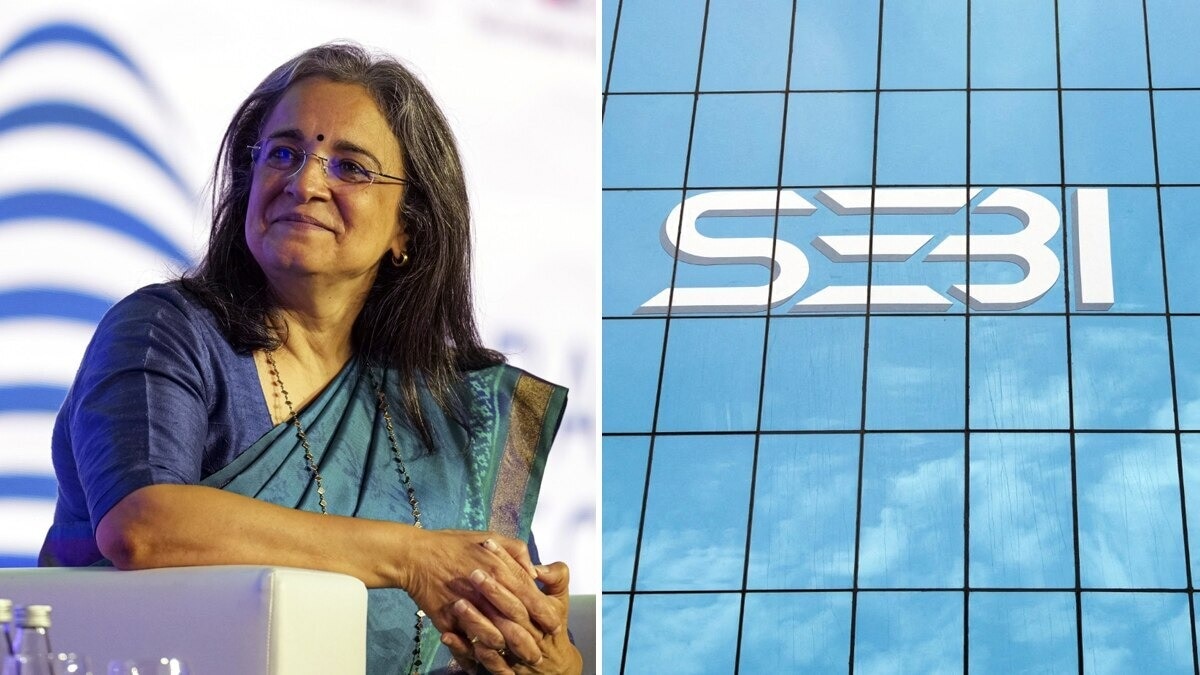
By K Raveendran SEBI chairperson Madhabi Puri Buch has revealed her mantra: regulatory humility. “Markets today are so complex; any arrogant regulator is doomed to fail,” she said addressing an event in Mumbai, held by the Association of Mutual Funds of India this week. Obviously, she has seen how a ‘friendly neighbourhood regulator’ is the […]


Gautam Adani’s plans to manage Kenya’s largest airport have led to growing unrest, triggering protests, legal challenges, and scrutiny in the nation’s Senate. The Indian billionaire, known for his sprawling business empire, has found his latest venture in Africa facing significant opposition, as concerns mount over the transparency of the agreement and its potential implications for Kenya’s economy.

The controversy centers on Adani Group’s proposal to take over the operations of Jomo Kenyatta International Airport (JKIA), a crucial hub in East Africa. This proposed deal, part of the company’s larger strategy to expand its airport management portfolio globally, has ignited widespread opposition in Kenya. Many argue that handing over control of such a critical national asset to a foreign entity could undermine local interests and jeopardize the country’s sovereignty.

Protests against the deal have intensified, with demonstrators calling for the government to halt the negotiations and protect national assets from foreign dominance. While the Adani Group has stated that the deal would modernize JKIA’s infrastructure and increase its capacity, critics have questioned the lack of transparency in the process and fear that the airport’s control may shift into the hands of private foreign investors without due oversight.

The public unrest surrounding the airport deal has led Kenya’s Senate to hold hearings, seeking clarity on the details of the agreement and its potential economic consequences. Senators have raised concerns about the legality of the proposed transaction, demanding to know how the deal would impact Kenya’s financial commitments and employment opportunities for locals. They argue that while foreign investment is crucial for development, deals involving key national infrastructure should be handled with utmost caution to ensure that the country does not become overly reliant on external entities.

Lawsuits have also been filed against the Adani Group and government agencies involved in the negotiations. The legal challenges cite violations of Kenyan law, particularly in relation to public procurement processes. Lawyers representing the plaintiffs claim that the government did not follow proper procedures, raising questions about the legality of the deal and its long-term impact on the country’s aviation sector.

Despite the growing opposition, the Adani Group has remained confident about the project’s potential to benefit Kenya. The company has expressed its commitment to making significant investments in upgrading JKIA’s facilities, enhancing passenger services, and turning the airport into a regional aviation hub. The group has also stressed that the partnership would create jobs for Kenyans and stimulate economic growth.

However, critics argue that the deal could lead to higher costs for travelers and airlines, as well as a reduction in local control over the airport’s operations. There are concerns that foreign investors, driven primarily by profit, might prioritize financial returns over public interest, potentially increasing tariffs and reducing the quality of service.

Adani Group’s entry into the Kenyan aviation sector is part of a broader trend of Indian conglomerates expanding their presence in Africa. With investments in multiple sectors, including infrastructure, mining, and telecommunications, Indian companies have been deepening their ties with African nations. However, these partnerships have not been without challenges, with critics warning of the risks of foreign dependency and the potential for economic imbalances.

The Kenyan government, while acknowledging the concerns raised by the public and lawmakers, has maintained that the deal with the Adani Group is still under review. Officials have emphasized the importance of foreign investment in driving development and improving infrastructure, but they also assure that the final decision will be made with Kenya’s best interests at heart.

This situation has become a significant test of Kenya’s commitment to balancing foreign investment with the protection of national assets. While the government seeks to attract international investors to fund critical projects, it must also navigate the political and legal complexities that arise from deals involving strategic national resources.

Observers have noted that the outcome of the JKIA controversy could set a precedent for how Kenya handles future agreements with foreign companies, particularly in sectors vital to the country’s development. As the Adani Group’s bid faces mounting resistance, the debate over the control of public infrastructure by foreign entities is likely to intensify, with implications not only for Kenya but for other African nations grappling with similar challenges.

For Adani, whose business empire spans across multiple industries including ports, energy, and infrastructure, the Kenyan airport deal is seen as a key part of his strategy to expand the group’s global footprint. However, the legal and political hurdles that have emerged in Kenya could pose significant obstacles to the company’s ambitions in Africa.

Navigating the complexities of artificial intelligence (AI) adoption requires a distinctive skill set, especially for those in leadership roles such as the Chief AI Officer (CAIO). As organizations increasingly recognize the transformative potential of AI, the demand for skilled professionals who can guide their integration and implementation becomes paramount. This role entails much more than overseeing technological innovations; it involves steering strategic initiatives that align with organizational goals, ensuring ethical considerations, and fostering a culture of continuous learning and adaptation. To thrive in this dynamic landscape, a CAIO must possess several essential skills.

First and foremost, a profound understanding of AI technologies is critical. This includes not only a grasp of machine learning, natural language processing, and data analytics but also an appreciation of how these technologies can be effectively deployed within various business contexts. A CAIO should not only be technically proficient but also capable of translating complex AI concepts into understandable terms for stakeholders at all levels. This skill ensures that everyone, from board members to frontline employees, can appreciate the potential and limitations of AI initiatives, fostering a shared vision for the organization’s AI strategy.

Strategic vision is another key competency for a CAIO. The ability to anticipate future trends in AI and recognize opportunities for innovation is essential for any leader in this space. This involves not only staying abreast of technological advancements but also understanding how these advancements can drive business objectives. A successful CAIO must be able to align AI initiatives with the broader strategic goals of the organization, ensuring that investments in AI deliver tangible benefits. This requires a proactive approach to identifying areas where AI can create efficiencies, enhance customer experiences, and ultimately contribute to revenue growth.

A CAIO must exhibit exceptional leadership and communication skills. Leading AI initiatives often involves cross-functional collaboration, requiring the CAIO to work closely with various departments, including IT, marketing, operations, and human resources. The ability to communicate the vision and potential impact of AI projects across diverse teams is essential for gaining buy-in and fostering a collaborative environment. A successful CAIO will also inspire and motivate teams to embrace AI technologies, cultivating a culture that encourages experimentation and learning from failure.

Ethical considerations surrounding AI adoption are increasingly important in today’s business environment. A CAIO should be well-versed in the ethical implications of AI technologies, including issues related to data privacy, algorithmic bias, and transparency. This knowledge enables the CAIO to develop policies and frameworks that prioritize ethical AI usage while ensuring compliance with relevant regulations. By fostering an ethical approach to AI, the CAIO can build trust with stakeholders, including customers and employees, which is vital for the long-term success of AI initiatives.

Adaptability is another crucial skill for a CAIO. The landscape of AI is rapidly evolving, with new technologies and methodologies emerging at a breakneck pace. To remain competitive, a CAIO must be willing to adapt strategies and approaches as needed, demonstrating flexibility in the face of change. This might involve revisiting AI roadmaps, adjusting priorities based on emerging trends, or even pivoting to new technologies that offer superior capabilities. An adaptable CAIO will not only help their organization stay ahead of the curve but also foster a culture that embraces change and innovation.

In addition to technical and strategic skills, a successful CAIO should possess a strong business acumen. Understanding the organization’s financial health, market position, and competitive landscape is essential for making informed decisions about AI investments. A CAIO with strong business acumen can effectively communicate the value proposition of AI initiatives to stakeholders, ensuring that resources are allocated effectively and that projects are prioritized based on their potential return on investment. This financial literacy is particularly important when justifying AI expenditures and demonstrating their impact on the bottom line.

Collaboration is a cornerstone of successful AI implementation. A CAIO should be adept at fostering partnerships both within and outside the organization. Internally, collaboration with data scientists, engineers, and other technical teams is essential for ensuring that AI solutions are developed and deployed effectively. Externally, a CAIO may need to engage with technology vendors, academic institutions, and industry consortia to leverage external expertise and resources. This collaborative mindset not only enhances the organization’s capabilities but also enables the CAIO to stay informed about industry best practices and emerging trends.

To navigate the complexities of AI adoption, a CAIO should also prioritize continuous learning and professional development. The AI landscape is characterized by rapid advancements, and staying informed about the latest research, technologies, and methodologies is vital for success. Engaging in ongoing education, attending industry conferences, and participating in professional networks can provide valuable insights and connections that enhance a CAIO’s effectiveness. By fostering a culture of continuous learning within the organization, a CAIO can ensure that teams are equipped with the knowledge and skills necessary to harness AI’s full potential.

Another important aspect of the CAIO role involves change management. Implementing AI technologies often necessitates significant organizational changes, including shifts in processes, workflows, and even corporate culture. A CAIO should be skilled in change management principles to guide the organization through these transitions smoothly. This includes effectively communicating the reasons for change, addressing employee concerns, and providing support throughout the implementation process. By successfully managing change, a CAIO can help mitigate resistance and ensure that AI initiatives are embraced rather than resisted.

A CAIO must be adept at risk management. AI projects inherently involve uncertainties and risks, including technical challenges, data quality issues, and potential impacts on workforce dynamics. A successful CAIO will be able to identify, assess, and mitigate these risks proactively. This includes implementing robust governance frameworks that ensure AI initiatives are monitored and evaluated effectively. By prioritizing risk management, a CAIO can build resilience within the organization and position it for long-term success in an AI-driven landscape.

Oil markets have experienced an unusual shift, with algorithmic trading exerting increasing influence on prices. What has been seen as a continuous slide in crude oil prices appears to be linked more to advanced trading programs than traditional market fundamentals. This shift highlights the growing dominance of algorithm-driven strategies, leaving oil increasingly vulnerable to swings driven by computer models rather than supply and demand factors alone. The […]

LinkedIn has rolled out an Aadhaar-based identity verification feature for users in India, a move it claims will enhance trust on the platform by increasing profile credibility. The new feature, available through its partnership with HyperVerge, aims to reduce the number of fake or misleading accounts by verifying the authenticity of user profiles. The decision has drawn mixed reactions from netizens, with some welcoming the initiative as a step towards more secure networking, while others have expressed skepticism about its impact on privacy.

The verification process is optional and allows users to authenticate their identity by linking their Aadhaar number to their LinkedIn profile. According to LinkedIn, the feature is expected to increase profile visibility and improve networking opportunities, as verified profiles will be seen as more trustworthy by recruiters and other professionals. The company emphasized that it will not store or share the Aadhaar numbers provided during the verification process, seeking to alleviate concerns about data privacy.

This new identity verification measure comes at a time when online platforms are under increasing pressure to tackle misinformation and fraud. Fake profiles have long been an issue on professional networking sites, with users often being misled by fictitious identities. LinkedIn’s move aligns with a broader push towards greater transparency and accountability in online spaces, a trend that has gained momentum amid growing concerns over data security and the spread of misinformation.

LinkedIn’s official statement claims that verified profiles are more likely to gain visibility, with studies indicating a higher level of engagement for accounts that display some form of identity validation. According to the company, professionals who complete the verification process can expect an increase in connection requests, message replies, and overall profile views. However, the platform has also clarified that non-verified profiles will not be penalized or see any reduction in their visibility.

While some users have embraced the new feature, seeing it as a means to ensure greater professionalism on the platform, others have voiced concerns. Several netizens have questioned the necessity of Aadhaar integration, expressing unease about sharing sensitive identification details with a global platform. Privacy advocates, too, have raised alarms about potential misuse of personal data, despite LinkedIn’s assurances that the Aadhaar information will not be stored or shared.

Experts in cybersecurity have weighed in on the development, noting that while the initiative could bolster security, it also raises important questions about data protection and user consent. One leading cybersecurity analyst remarked that the decision to introduce Aadhaar-based verification should be closely scrutinized, given India’s evolving data privacy laws. The analyst added that while the feature could potentially reduce fraudulent activity, there must be stringent measures in place to ensure that users’ personal information is not exploited.

India has been a key market for LinkedIn, which counts millions of users in the country, from young professionals to seasoned executives. This large user base is also one of the reasons the company has introduced localized features in the past, including Hindi-language support and job tools specifically designed for the Indian market. The Aadhaar-linked verification is seen as the latest in this series of India-specific initiatives.

Despite LinkedIn’s efforts to position the verification feature as a tool for enhancing professional credibility, public opinion remains divided. A large segment of users, particularly those in the tech industry, has voiced support, with some commenting on social media that this step could help filter out fake profiles and create a safer networking environment. Others, however, have expressed their amusement at the notion of Aadhaar verification for a professional platform, with some questioning its relevance in boosting profile views or securing jobs.

Among the critics, concerns about the centralization of sensitive data have taken center stage. Aadhaar, India’s national biometric identification system, has been subject to controversy and legal challenges in the past, with privacy experts warning against its use in private sector applications. LinkedIn’s initiative to use Aadhaar for verification may, therefore, reignite debates over data protection and the role of private companies in handling personal information linked to government-issued identification.

Beyond the privacy concerns, the feature also raises questions about inclusivity. Not all LinkedIn users in India possess an Aadhaar card, and some critics have argued that the feature could inadvertently marginalize those who cannot or choose not to link their Aadhaar details to their professional profiles. LinkedIn has assured users that verification is entirely optional, but the perception that verified profiles may have an advantage could create pressure for professionals to participate, even if they have reservations about sharing their Aadhaar information.

Legal experts have also noted that the introduction of Aadhaar-based verification may lead to new regulatory scrutiny. While the Indian government has actively promoted Aadhaar as a secure and reliable identification system, its use by private companies has raised concerns about potential overreach. LinkedIn’s move could prompt discussions about the extent to which companies should be allowed to use government-backed ID systems for verification, and whether additional safeguards should be implemented to protect users’ privacy.

Mark Cuban, the billionaire entrepreneur and owner of the NBA’s Dallas Mavericks, has set his sights on a new target: becoming the head of the U.S. Securities and Exchange Commission (SEC). His ambition to lead the regulatory body was unveiled during a recent podcast appearance, where Cuban expressed his desire to bring about significant changes in the way financial markets are regulated. Known for his outspoken views […]

VISHNU RAJA
RYO YAMADA
HITORI GOTOH
IKUYO KITA