News related to
should

KUALA LUMPUR, MALAYSIA – Media OutReach Newswire – 21 November 2024 – As a critical resource in the global economy, oil is integral not only to the energy sector but also to industries such as transportation, manufacturing, and agriculture. Changes in its prices impact inflation rates, production costs, and global trade. For instance, oil price increases can accelerate global inflation. This effect ripples through various sectors, with […]

KUALA LUMPUR, MALAYSIA – Media OutReach Newswire – 20 November 2024 – Bitcoin, the world’s most famous digital currency, has demonstrated an impressive performance following the U.S. presidential elections, in which Donald Trump, a Republican candidate, achieved a decisive victory. Although it has been widely speculated that Bitcoin would rally under Trump, a 30% rise in value in the course of just two weeks surprised even the […]

By Nitya Chakraborty The Ukraine war entered its 1000th day on Tuesday, November 19 and on the same afternoon, President Zelensky used for the first time high tech AATCMS missiles for striking inside Russia after getting green signal from the outgoing President Joe Biden only two days before. Soon after, President Putin announced lowering the […]

Nvidia, the dominant force in the AI revolution, and its growth trajectory continues to outshine even the most optimistic projections. As the company prepares to release its Q3 FY2024 results, investors are not merely asking if Nvidia can sustain its extraordinary momentum—they are pondering just how much further it can climb. After all, it has already surpassed a $3.5 trillion market cap and delivered revenue growth at […]

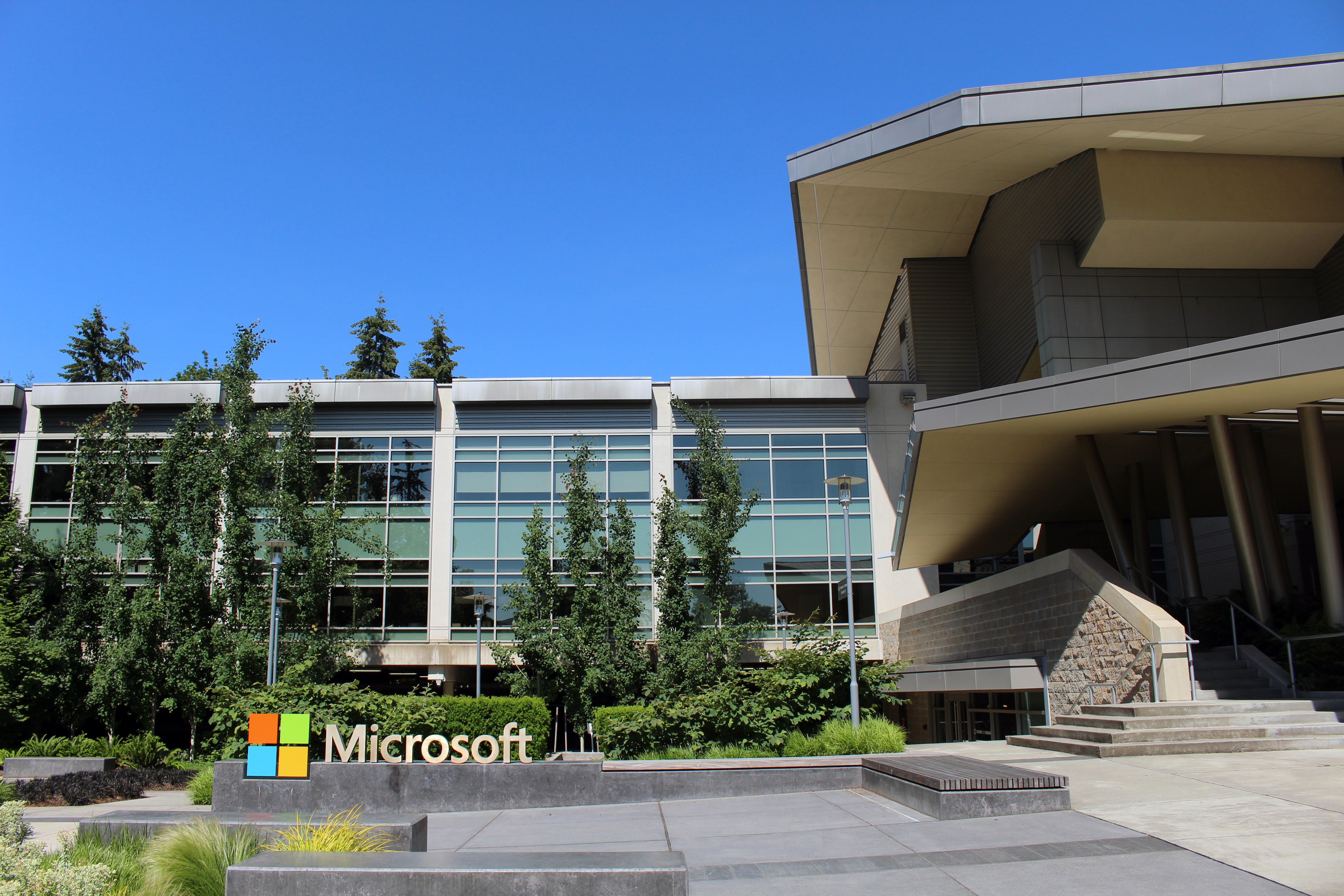
MicroStrategy’s founder, Michael Saylor, will address Microsoft’s board next month regarding the potential incorporation of Bitcoin into the tech giant’s corporate strategy. As the world’s largest software company continues to seek ways to leverage its $78 billion cash reserve, Bitcoin could become a cornerstone in their plans. However, reports indicate the board has already expressed skepticism, with several members raising concerns about the risks and volatility associated with digital assets.

Saylor, a vocal Bitcoin advocate, is expected to present a proposal that could see Microsoft join the growing number of corporate entities embracing cryptocurrency as part of their balance sheets. This follows a broader trend among tech companies, including Tesla and Square, that have invested in Bitcoin as both a hedge against inflation and as a means of aligning with the growing prominence of decentralized digital currencies.

The move by Microsoft, though not final, marks a significant moment in the ongoing evolution of corporate finance. While the company is sitting on a hefty cash reserve, which could potentially absorb the fluctuations of Bitcoin’s market, internal dissent underscores the divide between traditional financial strategies and the allure of digital currency. Microsoft’s board has been reluctant to adopt cryptocurrency, citing potential regulatory hurdles and concerns about the environmental impact of Bitcoin mining.

Despite the opposition, Saylor’s advocacy for Bitcoin remains unwavering. Since 2020, MicroStrategy has acquired over 150,000 BTC, making it one of the largest corporate holders of Bitcoin. The company has also committed to expanding its digital asset strategy, seeing Bitcoin not only as a store of value but also as a long-term investment that can yield substantial returns.

For Microsoft, the decision to integrate Bitcoin as part of its corporate strategy could be pivotal, especially as the company navigates the challenges of an evolving global economy. The ongoing discussions, set to culminate in the upcoming board meeting, come at a time when the financial world is increasingly debating the merits of digital currencies as an asset class. If the proposal is approved, Microsoft would join a small but growing group of traditional corporations making Bitcoin a central part of their financial structure.

In contrast, critics of cryptocurrency within the board have voiced concerns over Bitcoin’s volatility, which could undermine the stability of Microsoft’s cash reserves. These critics argue that the risks associated with such an investment could harm the company’s reputation as a reliable tech giant and create uncertainty for investors who have long viewed Microsoft as a safe haven in the stock market.

There are broader concerns about the regulatory environment surrounding cryptocurrencies. As governments worldwide grapple with the challenges of regulating digital currencies, the legal and financial uncertainties may deter some corporate leaders from taking such bold steps. Microsoft’s leadership, while innovative, has been historically cautious about ventures that could potentially invite scrutiny from regulators or affect the company’s relationships with stakeholders.

On the other hand, proponents of Bitcoin integration argue that Microsoft, with its vast financial resources, is well-positioned to weather the market’s fluctuations. Bitcoin’s rise in value over the past few years has proven that, despite its volatility, the digital currency holds significant long-term potential. With large tech companies and institutional investors like BlackRock increasingly backing Bitcoin, proponents believe that Microsoft’s endorsement could lend further legitimacy to the cryptocurrency market.

If Microsoft were to proceed with a Bitcoin investment strategy, the tech industry could see further moves from other major corporations exploring digital assets as a new avenue for growth. The decision would also reflect the changing mindset of corporate America, which is gradually warming to the idea of blockchain and cryptocurrencies as vital components of future business strategies.

Saylor, whose vision for Bitcoin as a central asset in corporate portfolios has often made headlines, will likely present a case focused not just on the potential upside of investing in Bitcoin, but also on its function as a store of value in an era of economic uncertainty. He argues that Bitcoin offers a unique value proposition compared to traditional assets like stocks or bonds, given its decentralized nature and the finite supply that protects against inflationary pressures.

The internal debate at Microsoft is just one example of how large corporations are grappling with the idea of digital currency integration. While some companies embrace Bitcoin as a forward-thinking investment, others remain wary, opting for more conventional approaches to managing their cash reserves.

As the tech world continues to wrestle with the implications of cryptocurrency, the decision Microsoft faces will serve as a barometer for the broader corporate landscape. Should the tech giant take the leap, it would signal a major shift in how corporations view digital currencies and their role in the future of business finance.


By Nitya Chakraborty The interim Government of Bangladesh which took office on August 8 this year completed its first one hundred days on November 16. On this occasion, head of the interim Government Dr. Muhammad Yunus in a televised address to the nation on Sunday urged the people to keep patience and promised road map […]

Donald Trump is set to hold a private meeting with Coinbase CEO Brian Armstrong to discuss key personnel appointments related to his vision for the cryptocurrency sector. The meeting, which marks a significant step in Trump’s growing interest in digital currencies, will also address plans for a potential presidential advisory commission focused on Bitcoin and other cryptocurrencies. This commission, if Trump secures a second term in office, could have a profound impact on U.S. crypto policy, aiming to provide clearer regulatory guidelines and bolster the integration of digital assets into the economy.

Trump’s vocal support for Bitcoin and its role in the future of finance has been consistent, with his proposals reflecting a desire to integrate digital currency into mainstream financial structures. The advisory commission, should it be formed, would likely influence major regulatory decisions, potentially reshaping how government agencies view cryptocurrencies and their role in global markets. Given Armstrong’s influence in the crypto world, his involvement signals a pivotal moment for both the industry and Trump’s campaign, aligning political support with the priorities of one of the world’s largest cryptocurrency exchanges.

The planned collaboration comes as Coinbase, under Armstrong’s leadership, has continued to push for greater regulatory clarity in the United States. The company has been at the forefront of the battle for clear and consistent crypto regulations, often vocal about the need for lawmakers to establish more defined rules that can foster innovation while safeguarding investors. Coinbase’s legal team has been embroiled in a high-profile lawsuit against the U.S. Securities and Exchange Commission (SEC), accusing the regulator of stifling the development of the cryptocurrency market with unclear and inconsistent guidelines.

The SEC’s position on cryptocurrencies, particularly its classification of certain digital assets as securities, has long been a point of contention within the industry. Coinbase’s legal challenge is one of several efforts to create a more predictable regulatory environment. Armstrong and other industry leaders argue that clearer regulations would help drive innovation in the sector, attract new investors, and support the wider adoption of blockchain technologies.

In addition to its legal battles, Coinbase has made strategic moves to influence policy decisions in the crypto space. The company launched Stand With Crypto, a nonprofit organization dedicated to advocating for pro-crypto policies and legislation. Stand With Crypto focuses on educating lawmakers, regulators, and the public about the potential benefits of cryptocurrencies and the need for a regulatory framework that supports growth while protecting consumers. The organization’s efforts have brought Coinbase into the heart of the debate on crypto regulation, aligning the company with others in the industry seeking to make their voices heard in Washington, D.C.

Armstrong’s private discussions with Trump may be part of a broader strategy to position the cryptocurrency sector more favorably within the next administration. If Trump moves forward with his plans for a Bitcoin and crypto-focused advisory commission, it could help reduce the uncertainty that has plagued the sector. This move would also underscore Trump’s interest in securing the support of tech and finance sectors, particularly as he seeks to widen his base of support among younger voters who are more likely to invest in or embrace digital currencies.

The meeting between Trump and Armstrong is also noteworthy in the context of the political climate surrounding cryptocurrencies. While some politicians view Bitcoin and other cryptocurrencies with skepticism, fearing that they could be used for illicit activities or undermine traditional financial systems, others see them as essential to the future of finance. Trump’s involvement could shift the narrative, casting digital currencies as an innovative force in the economy that deserves the same level of attention as traditional financial institutions.

However, the political and regulatory landscape remains complicated. The U.S. has struggled to balance the need for innovation with the potential risks associated with cryptocurrencies. Proponents argue that cryptocurrencies have the potential to enhance financial inclusion, reduce transaction costs, and offer new opportunities for economic growth. Critics, on the other hand, raise concerns about the volatility of digital assets, the environmental impact of Bitcoin mining, and the potential for fraud and market manipulation.

The cryptocurrency sector’s push for regulatory clarity is not confined to the United States. Globally, countries are taking varied approaches to managing the growth of digital currencies. Some nations, like El Salvador, have embraced Bitcoin as legal tender, while others have cracked down on its use. The lack of a unified global approach to crypto regulation has created challenges for companies like Coinbase, which operate across multiple jurisdictions and must navigate different legal requirements.

Trump’s proposed advisory commission could also help bring the U.S. in line with global trends, positioning the country as a leader in the cryptocurrency space rather than a passive observer. The commission could provide a forum for industry leaders, regulators, and lawmakers to work together on creating a regulatory framework that promotes innovation while addressing concerns about security, consumer protection, and market stability.

Advertisements

LIMA, PERU – Media OutReach Newswire – 18 November 2024 – Chinese President Xi Jinping has wrapped up his state visit to Peru, where he addressed the 31st APEC Economic Leaders’ Meeting and gave a written speech at the APEC CEO Summit. At these key meetings, President Xi emphasized China’s commitment to fostering an inclusive, balanced, innovative and green global economy. President Xi Jinping in Peru: China’s […]

Keeping seniors active is crucial for their health and well-being. Yet, many traditional group fitness drills can be too intense for older adults with limited mobility. The good news is, there are many fun, effective exercise routines for seniors. They can be easily adapted to meet their needs. If you’re a fitness instructor or a family member trying to help, knowing how to modify exercises can make […]

A new Linux distribution called AnduinOS has emerged, designed with a user interface aimed at mimicking the aesthetics and functionality of Windows 11. Developed by an independent team, AnduinOS seeks to offer the familiar experience of Microsoft’s latest operating system while maintaining the flexibility and open-source advantages that Linux provides. At first glance, AnduinOS might easily be mistaken for a variant of Windows 11. The user interface […]

The 2025 MICHELIN Guide Kuala Lumpur & Penang features a total of 143 establishments, including 56 Bib Gourmand and 80 MICHELIN Selected venues The first-ever MICHELIN Green Star goes to Dewakan, a two-MICHELIN-Starred restaurant The 2025 MICHELIN Guide Kuala Lumpur & Penang features a total of 143 establishments, including 56 Bib Gourmand and 80 MICHELIN Selected venues The first-ever MICHELIN Green Star goes to Dewakan, a two-MICHELIN-Starred […]

By Nitya Chakraborty Sri Lankan President Anura Dissanayake has led his leftist coalition of 21 parties National People’s Power (NPP) to power in the island nation with a massive victory in the elections to Parliament held on Sunday, November 14. With most of the ballots counted by Friday morning, the NPP was far ahead bagging […]

South Korea’s leading cryptocurrency exchange, Upbit, has come under intense scrutiny from the Financial Intelligence Unit (FIU) for allegedly failing to comply with key regulatory requirements related to Know Your Customer (KYC) processes. The FIU’s investigation uncovered a substantial number of potential KYC violations — estimated to involve up to 600,000 accounts. This review emerged as Upbit sought to renew its operational license, underscoring the growing regulatory pressures on South Korea’s crypto sector, especially as authorities tighten measures to combat money laundering and financial misconduct.

Regulatory authorities cited Upbit for allegedly neglecting to fully verify user identities, a fundamental requirement under South Korea’s Anti-Money Laundering (AML) regulations. Financial authorities in the country mandate that crypto exchanges like Upbit maintain strict KYC protocols to ensure that only legitimate transactions are processed, preventing criminal activities such as money laundering and fraud. This emphasis on KYC compliance follows a broader trend across South Korea’s financial ecosystem, where regulators increasingly demand transparency and rigorous operational standards in the virtual asset industry.

Upbit’s case highlights a significant challenge in balancing rapid growth in digital asset trading with compliance requirements. Industry analysts suggest that the reported KYC gaps could subject the exchange to hefty fines, potentially reaching millions of dollars if the FIU determines Upbit to be in severe violation. Legal experts in South Korea have indicated that the FIU may not only impose financial penalties but could also consider suspending Upbit’s operational license, depending on the severity and scale of the regulatory breach. This uncertainty could undermine investor confidence, as Upbit remains one of the most widely used cryptocurrency platforms in South Korea, holding significant sway in the country’s burgeoning crypto market.

While Upbit is not the only exchange in the regulatory spotlight, its high user volume and dominant market share make it a focal point for South Korea’s crypto regulations. In response to the FIU’s findings, Upbit has reportedly initiated efforts to improve its KYC protocols, though details on specific changes remain scarce. Observers believe that if Upbit fails to align its practices with the FIU’s expectations, it could face not only fines but also tighter regulatory controls that may restrict its operational flexibility.

The broader regulatory context in South Korea has grown notably stringent, particularly since the implementation of the Special Financial Transactions Information Act, which mandates full customer verification and reporting by virtual asset service providers (VASPs). This legislative framework, revised in 2021, was designed to safeguard the financial market from illicit activities. Exchanges now face a dual mandate: complying with both domestic laws and international standards set by bodies such as the Financial Action Task Force (FATF). Compliance has thus become a critical factor for the survival of crypto exchanges, as non-compliance risks both financial penalties and operational restrictions.

South Korea’s Financial Services Commission (FSC) has recently rolled out additional reforms aimed at curbing speculative trading and protecting users. In parallel, exchanges are required to notify users about upcoming verification mandates and transaction limits, effectively mandating them to educate users on compliance-related matters. The FSC’s initiatives underscore an intensifying crackdown on crypto firms that fail to abide by the stringent regulations, with an emphasis on maintaining robust security, transparency, and accountability within the industry.

Analysts contend that Upbit’s case could serve as a precedent for how South Korea’s FIU and FSC handle compliance violations in the crypto sector. Should the FIU penalize Upbit, other exchanges may face similar actions, potentially resulting in a ripple effect across the industry. Smaller platforms, in particular, might struggle to meet the financial and operational demands of these regulations, potentially leading to market consolidation where only the most compliant firms thrive. This increased regulatory pressure could ultimately reduce the number of exchanges in the market, affecting competitive dynamics and user access.

As the FIU’s review progresses, experts anticipate potential repercussions for the domestic crypto ecosystem. The growing regulatory focus on KYC compliance may compel exchanges to invest heavily in identity verification technologies and adopt advanced monitoring systems. In this climate, adherence to compliance standards will likely determine the longevity and credibility of cryptocurrency exchanges operating within South Korea.

By Dr. Gyan Pathak Though Prime Minister Narendra Modi and Union Minister of Home Amit Shah have extensively campaigned in Maharashtra on behalf of the ruling Mahayuti, and the Congress President Mallikarjun Kharge and the Congress Leader of Opposition in the Lok Sabha Rahul Gandhi on behalf of the opposition Maha Vikas Aghadi (MVA) the […]
By Anjan Roy As president elect Donald Trump is edging towards taking over powers in America on January 20 next year, the country is lurching towards becoming a typical case of a plutocracy. Money bags, as opposed to public spirited men and women who have devoted a life time in public affairs, are coming to […]


Dubai’s morning peak traffic has seen a significant reduction, with travel times decreasing by as much as 30%. This shift comes in the wake of widespread adoption of flexible working hours and remote work policies that have reshaped daily commutes across the city. The transformation highlights the growing impact of workplace changes on urban mobility patterns and traffic congestion.

The move towards more adaptable work schedules, accelerated by the pandemic, has seen a marked decline in the number of commuters rushing to the office during traditional hours. As companies continue to embrace hybrid work models, employees have greater autonomy over when they begin their workday, thus spreading out peak travel times.

Dubai, one of the world’s most bustling cities, had long struggled with traffic congestion. The morning rush hour often brought gridlock to key roads, with long waits on highways and delays in public transportation. However, the integration of flexible hours has provided a unique solution. According to traffic management experts, the reduction in office-bound commuters during the congested morning period has relieved pressure on the city’s infrastructure.

The Dubai government’s push for digital transformation and work flexibility has been central to this change. Various private and public sector organizations implemented remote work and staggered hours as part of their long-term business strategies. These policies have allowed workers to avoid the intense traffic rush typical of the early morning commute, particularly along major roads like Sheikh Zayed Road and Emirates Road.

For commuters, the effects of these changes are tangible. Daily travel times have shortened, not only for those who work from home but also for individuals who now choose to drive or take public transportation during non-peak hours. Traffic reports indicate a steady decline in congestion around office-heavy districts such as Business Bay and Dubai International Financial Centre (DIFC).

Dubai’s government has also introduced new traffic management strategies, which include rerouting certain traffic flows and expanding the metro network. These measures, combined with flexible work policies, have created a more efficient and less stressful commuting experience. Authorities have noted that traffic data collected over the past few months shows improved traffic speeds during the early hours of the workday, corroborating the positive effects of these adjustments.

Experts argue that this shift could have long-term benefits for the city’s infrastructure. By spreading out commuting times and reducing the number of vehicles on the road at any given moment, Dubai may be able to delay or even avoid costly investments in road expansions or additional public transport services. Furthermore, the environmental impact is expected to be favorable, with fewer vehicles idling during peak hours, reducing emissions and contributing to the city’s sustainability goals.

Flexibility in the workplace is also expected to continue influencing the way people travel. While Dubai has long been known for its emphasis on innovation, the trend of remote and hybrid working is likely to become a permanent fixture in the city’s labor landscape. This shift also aligns with global trends, as more businesses worldwide adopt similar policies in response to employee demands for better work-life balance.

Local businesses have taken notice of these changes and adjusted their operations accordingly. Companies are increasingly offering employees the option to work from home or choose flexible hours as part of their standard benefits packages. As a result, more people are opting to work remotely for at least part of the week, which further contributes to the reduction in commuter traffic during the busiest hours.

Public transport systems have also seen a positive shift, with trains, buses, and taxis benefiting from a more balanced distribution of passengers throughout the day. The Dubai Metro, which serves as a key mode of transportation for many, has experienced less overcrowding in the morning, offering a more comfortable ride for those who continue to commute to work.

The shift to remote work and flexible hours has also led to noticeable changes in the behavior of businesses. Firms in sectors like technology, finance, and consulting have been quick to embrace hybrid work models, recognizing both the benefits to employee satisfaction and the reduction in operational costs. For employees, this new approach to work offers greater autonomy, allowing them to optimize their schedules for productivity and personal well-being.

Despite these successes, some challenges remain. Although traffic congestion has been alleviated, certain areas of Dubai, particularly near popular commercial hubs, continue to see significant numbers of commuters at specific times of the day. Some business owners worry that widespread adoption of remote work could have unintended consequences, such as a decline in in-person collaboration and innovation. However, many firms are mitigating these concerns by establishing clear guidelines for when employees should be in the office, ensuring that face-to-face meetings and team-building activities continue to play a vital role in business operations.

Are you curious about how Roth conversion taxes impact your retirement savings? Converting to a Roth IRA can be a smart move for future tax-free growth, but understanding the taxes involved is key to maximizing the benefits. Roth conversion taxes can seem complex, yet with the right strategies, you can manage them effectively and set up your retirement for success. By learning how to navigate these taxes, […]

BEIJING, CHINA – Media OutReach Newswire – 11 November 2024 – On April 23, 1994, ten private entrepreneurs issued a call to action: “Let’s dedicate ourselves to the noble mission of poverty alleviation.” This marked the official starting point of China’s Guangcai (Glorious) Program initiative. The Glorious Program called on Chinese private entrepreneurs to play a part in the development-driven poverty alleviation projects that focus on helping […]

Perfumes are produced in different scents and models for various uses, like the memories of a romantic evening with a special person that often includes the lingering trace of a captivating fragrance. That’s why perfumes have a notable role in romantic and friendly dates. Due to their long lasting and pleasant scents, best Perfume for date is highly recommended. In addition, the notes of night time perfume […]

A clash between former president Donald Trump and tech mogul Elon Musk could be imminent, according to experts tracking the dynamics of their relationship. Despite Musk’s enthusiastic support for Trump’s 2024 presidential campaign, some predict that a power struggle may arise, driven by their competing ambitions for dominance in the public sphere. Kara Swisher, a well-known tech journalist and columnist, has voiced concerns that, while Trump has […]

By K Raveendran Trump divides people like nobody else does. The liberal Left all over the world are united in their assessment that there would be a presidential onslaught against whatever they stand for. It is not just people who detest Trumps return; even the elements are affected. Gold is particularly allergic to Trump, as […]


A second term for Donald Trump could usher in significant changes for investors in the Middle East, with the potential for both increased economic opportunities and geopolitical instability. Trump’s return to the presidency would likely revive his administration’s assertive economic policies, reshaping U.S. foreign relations, particularly toward China, Europe, and Middle Eastern nations, while possibly impacting global market dynamics in ways that will directly affect Gulf economies.

Trump’s “America First” approach, previously marked by attempts to realign American foreign policy priorities, could lead to heightened trade tensions with major global economies, including the European Union and China. During his previous term, the Trump administration imposed steep tariffs on Chinese goods and withdrew from the Trans-Pacific Partnership, signaling a shift from multilateral agreements to bilateral deals with clear U.S. advantages. These policies could place Middle Eastern investors in a challenging position, especially those with extensive ties to both Western and Asian markets. His re-election could rekindle these policies, affecting key industries and the economic strategies of regional stakeholders, who may need to reassess their portfolios to navigate potential trade disruptions.

One area of likely change would be Trump’s approach to the U.S.-China trade war, which saw tariffs as high as 25% imposed on hundreds of billions in imports. The escalating tariffs strained trade flows globally, and with Trump’s potential return, the continuation or expansion of such tariffs could push China to deepen its ties with Gulf nations as it seeks alternative partners. The Middle East, particularly Saudi Arabia and the UAE, has already seen increased investment from China under the Belt and Road Initiative, and a further intensification of U.S.-China rivalry could strengthen these relations. Additionally, Gulf economies that depend heavily on oil exports may find opportunities as China looks for secure energy suppliers outside of the American sphere.

Simultaneously, Trump’s proposed policies are expected to drive further U.S. disengagement from traditional allies in Europe, compelling these countries to secure alternative economic partnerships. This shift could create an environment where European countries turn to the Middle East to establish closer trade relations, viewing Gulf states as critical energy providers and investment hubs. Regional investors could benefit from an increased inflow of European capital seeking to mitigate the effects of U.S. tariffs.

In terms of defense, Trump has consistently voiced support for reducing U.S. military commitments abroad, urging allies in Europe and the Middle East to shoulder more responsibility for their own defense. This could result in reduced U.S. military presence in Gulf nations, which may encourage these states to expand defense partnerships within the region and seek additional security alliances beyond the U.S. This shift could spur an increase in local defense spending and the development of domestic defense industries, presenting investment opportunities in these sectors. However, it may also bring heightened insecurity, which could lead to market instability, especially in oil-dependent economies that rely on stable energy production and export environments.

The Middle East’s energy sector might experience new pressures and opportunities under a Trump administration focused on American energy independence. Trump has previously supported policies that increase domestic oil and gas production in the U.S., which could lead to a drop in oil prices globally, impacting the revenue of oil-exporting countries in the Gulf. To counter this, Gulf economies may be motivated to diversify and boost non-oil sectors such as technology, real estate, and tourism, creating new avenues for regional and international investors.

Trump’s stance on Iran could also lead to renewed tensions in the region. During his first term, the administration’s “maximum pressure” campaign aimed at curbing Iran’s nuclear ambitions led to economic sanctions and heightened regional conflicts. If reinstated, such policies could escalate instability in areas around the Strait of Hormuz, a key chokepoint for global oil exports. Middle Eastern markets might face disruptions if these tensions spill over, particularly for industries dependent on steady energy flows and safe trading routes. Yet, defense and energy infrastructure investments may see a boost in response to these renewed geopolitical challenges.

Trump’s previous involvement in brokering the Abraham Accords set a precedent for Arab-Israeli normalization. A return to power could see a renewed push for expanded economic ties between Israel and more Arab states, following the precedent of UAE, Bahrain, Morocco, and Sudan establishing official relations with Israel. Investors across the Gulf could benefit from these expanded commercial ties through greater market access, technology transfers, and joint ventures, particularly in high-growth sectors like technology, renewable energy, and tourism. The prospect of regional integration holds promise for attracting further foreign direct investment (FDI) and bolstering Middle Eastern economies.

Middle Eastern investors, therefore, may need to prepare for a mixed impact, balancing potential market volatility with strategic opportunities. Gulf Cooperation Council (GCC) countries, particularly the UAE and Saudi Arabia, may find themselves in a pivotal position, with increased leverage in securing favorable trade agreements as both Western and Eastern economies seek partnerships in response to Trump’s policies. Yet, they may also have to contend with the risks of being on the frontline of fluctuating U.S. policies toward the region, especially regarding defense and energy.

By Anjan Roy Never before, an American presidential election evoked such widespread interest and concern across the world. This is because the presumptive president has given rise to fears and concerns about America’s policies which do not promise to follow the scripted lines. There is a sense of uncertainty all the way in the power […]


Motorcycling offers an exhilarating blend of adventure, freedom, and community. This blog post provides essential guidance for beginners, covering the benefits of motorcycling, necessary gear, tips for choosing your first bike, and safety measures. It also includes advice on basic maintenance and accident preparedness, helping you start your motorcycling journey with confidence and excitement. Why Motorcycling is the Perfect Hobby Motorcycling is more than just a mode […]

VISHNU RAJA
RYO YAMADA
HITORI GOTOH
IKUYO KITA