News related to
should

By Satyaki Chakraborty U.S. President Donald Trump has started breaking all conventions about abiding by international laws b h announcing the U.S. government’s sanctions against the International Criminal Court (ICC) taking the plea that the ICC is biased against the U.S. and Israel. Donald Trump launched sanctions against the global body, which is seen as […]

SINGAPORE – Media OutReach Newswire – 6 February 2025 – Aon plc (NYSE: AON), a leading global professional services firm, today announced the appointment of Terence Williams as head of Commercial Risk Solutions for Asia Pacific, effective April 2025. Terence Williams Williams will be based in Singapore and report to Joe Peiser, global CEO of Commercial Risk Solutions and Anne Corona, CEO of Asia Pacific. He will […]

By Satyaki Chakraborty The Communist Party of India (Marxist) has released its draft political resolution for the 24th congress of the Party to be held in Madurai in April this year. The last party congress was held in 2022 and so the coming congress held after three years, is expected to make an appraisal of […]

Blue bonds, designed to finance marine conservation projects, are fast emerging as a promising avenue for investors and governments looking to meet environmental, social, and governance objectives. These financial instruments, closely linked to sustainable finance, hold great potential in the context of global climate change strategies. However, their effectiveness hinges on ensuring they align with broader net-zero policies and address the multifaceted challenges of marine ecosystems. In […]

Markets flourish with predictability. Companies require consistency to strategize effectively. However, the current US administration’s erratic approach to trade is fostering the opposite environment. Donald Trump’s eleventh-hour decision to postpone sweeping tariffs on Mexico and Canada provides temporary relief but does not address the core issue: the United States is becoming an increasingly erratic economic ally. Investors are already experiencing the repercussions. This latest suspension is the […]

Australia has moved to ban the DeepSeek AI system from all government devices due to escalating concerns over potential security threats. The decision, announced by the federal government, underscores growing fears surrounding the software’s links to the Chinese government and the risks it poses to national security and data privacy. DeepSeek, a powerful artificial intelligence tool used for data analysis and decision-making, has been increasingly scrutinised for […]

The Czech National Bank has agreed to assess the possibility of including Bitcoin in its foreign reserve strategy. This decision follows a recent meeting of the Bank Board, which reviewed a report outlining the bank’s plans for international reserve management in 2024. The move marks a significant step towards considering digital currencies, such as Bitcoin, as a potential asset in the country’s financial strategy.

As part of its ongoing efforts to modernise reserve management, the CNB has acknowledged the growing importance of cryptocurrencies in global financial markets. The move is aimed at diversifying the country’s reserves, which have traditionally been composed of more conventional assets like gold, foreign currencies, and government bonds. The bank’s evaluation will focus on the feasibility of incorporating Bitcoin, given its rising prominence in both investment and economic contexts.

The decision to review Bitcoin as an investment option reflects broader global trends. Central banks and financial institutions worldwide are increasingly exploring the role of digital currencies in their portfolios, with some even establishing direct ties to blockchain technology. The CNB’s assessment, however, is in its early stages and will require careful consideration of Bitcoin’s volatility, regulatory implications, and long-term stability.

For the Czech Republic, the potential inclusion of Bitcoin could enhance its international reserve strategy by introducing a new layer of diversification. This step could also signal the CNB’s proactive stance in adapting to the evolving landscape of global finance.

While the CNB’s proposal is yet to be formalised, the board’s willingness to examine Bitcoin is indicative of the growing recognition of cryptocurrencies as legitimate financial assets. A full review is expected to take place in the coming months, with experts predicting that the CNB could use this period to explore Bitcoin’s role within the broader context of digital finance.

Global interest in cryptocurrencies has surged over the past few years, with Bitcoin being the most prominent of the digital assets. As Bitcoin’s market capitalisation continues to grow, its appeal as a store of value has caught the attention of investors, central banks, and regulators alike. However, its inherent volatility remains a concern for many institutions considering its potential as part of official reserve holdings.

For the Czech National Bank, this proposal comes amid broader discussions on how central banks should respond to the rise of cryptocurrencies and the increasing use of blockchain technologies. Other central banks, including the European Central Bank , have expressed interest in researching the potential benefits and risks of incorporating digital currencies into their portfolios.

One of the main challenges for the CNB will be understanding how Bitcoin’s unpredictable price movements could impact its reserve strategy. Bitcoin’s value has experienced dramatic fluctuations, making it difficult for central banks to predict the asset’s future performance with any degree of certainty. Despite this, there is a growing belief that Bitcoin and other cryptocurrencies may become more stable over time, particularly as the market matures and becomes more integrated into the global financial system.

The CNB’s move also aligns with the broader shift towards digitalisation in the financial sector. The adoption of blockchain and digital currencies is reshaping traditional financial markets, with many institutions seeking to capitalise on the emerging technologies. Bitcoin’s decentralised nature and its ability to function outside of traditional banking systems are among the factors contributing to its growing popularity as an asset class.

Despite the potential benefits, several questions remain unanswered regarding the role of Bitcoin in reserve management. A key concern for the CNB will be the regulatory landscape surrounding digital currencies. As global regulators seek to establish frameworks for cryptocurrency markets, the CNB will need to carefully assess the legal and regulatory implications of holding Bitcoin as part of its official reserves.

In addition to regulatory concerns, the CNB will need to consider the impact of Bitcoin on the country’s broader monetary policy. Bitcoin’s decentralised nature means that it is not subject to the same policies as traditional currencies, which could complicate the CNB’s ability to manage the national economy in times of crisis or economic instability.

The proposal has sparked a broader debate among financial experts about the future role of cryptocurrencies in national reserve systems. While some experts view Bitcoin as a hedge against inflation and a potential safe haven asset, others caution that its volatility and lack of regulation could make it a risky addition to central bank reserves.

As the CNB moves forward with its evaluation, the decision will likely have wider implications for central banks across the globe. If successful, the Czech National Bank’s exploration of Bitcoin could serve as a model for other institutions considering the integration of digital assets into their financial strategies. It could also pave the way for greater acceptance of cryptocurrencies as a mainstream investment option, particularly in the context of government-backed reserves.

Advertisements

KUALA LUMPUR, MALAYSIA – Media OutReach Newswire – 4 February 2025 – Monash University Malaysia marked a milestone with the launch of the Southeast Asia Research Centre for Digital Tech and Society (SEADS). The launch of SEADS was inaugurated by the Honourable YB Hannah Yeoh, Minister of Youth and Sports, in a ceremony committed to promoting a safer digital future. From left: Professor Duncan McDuie-Ra (Head of […]

By Nantoo Banerjee It would be wrong to underplay the impact of rising foreign disinvestments from the country’s secondary market on the economy and the very stability of Indian Rupee (INR). Both the domestic economy and INR have been constantly under pressure from large deficit trade balances year after year, external borrowings, loan servicing, very […]

Downloading TikTok videos without the watermark has become a desire for many users who want to share or repurpose the content. Snaptik has emerged as a popular platform that enables users to easily download TikTok videos without the watermark, offering a solution to an issue that many face when saving videos from the social media app. TikTok, one of the leading platforms for short-form video content, has […]

Utah is on the verge of becoming the first state in the United States to officially establish a Bitcoin Reserve, marking a significant shift in the role digital currencies could play in state-backed financial strategies. The state’s legislative body has introduced a bill that would enable the state government to purchase and hold Bitcoin as part of its official reserve assets. If approved, this move could influence other states and global financial systems, potentially setting a precedent for the future of cryptocurrency integration in government reserves.

The proposed legislation reflects Utah’s growing interest in embracing cryptocurrencies as a legitimate asset class. Over the past few years, the state has fostered an environment conducive to blockchain innovation and digital currency adoption. With Utah’s reputation for being business-friendly and its tech-savvy population, this initiative has been met with considerable attention from both cryptocurrency enthusiasts and financial regulators.

The bill’s proponents argue that Bitcoin, with its decentralized nature and limited supply, could provide a hedge against inflation and currency devaluation. As the US dollar’s value fluctuates in response to domestic and global economic pressures, Bitcoin’s deflationary mechanics make it an attractive store of value. Supporters of the Bitcoin Reserve initiative believe that holding a portion of state reserves in Bitcoin could diversify Utah’s financial portfolio, safeguarding it against potential economic downturns.

Utah’s proposed Bitcoin Reserve is not a standalone development. Several other US states, including Wyoming and Texas, have also introduced bills in recent months that explore the integration of Bitcoin into state financial management. While these bills vary in scope, they share a common thread: the desire to position Bitcoin as an accepted, even integral, part of state-backed financial systems.

The move is also viewed as a response to the growing global interest in cryptocurrency as an asset class. Central banks around the world have begun exploring digital currencies, and private institutions have increasingly added Bitcoin to their balance sheets. Bitcoin’s price volatility has presented challenges, but its overall market capitalization has continued to rise, leading some analysts to predict that digital currencies could eventually play a major role in global financial systems.

For Utah, the decision to pursue a Bitcoin Reserve could also have political and economic implications. While the bill has strong support from libertarian-leaning lawmakers and blockchain advocates, it faces opposition from those who are cautious about the risks associated with Bitcoin’s volatility. Critics warn that integrating Bitcoin into the state’s reserve system could expose taxpayers to unnecessary financial risk, especially given the unpredictable nature of cryptocurrency markets.

Despite these concerns, Utah’s government is moving forward with the proposal, citing the potential benefits of Bitcoin as a long-term financial strategy. Utah’s Governor, Spencer Cox, has expressed his belief in the importance of innovation and staying ahead of technological trends, noting that the state should be open to exploring new financial systems that could provide stability and growth in an increasingly digital world.

Another important factor driving Utah’s push for a Bitcoin Reserve is its desire to remain competitive in the tech industry. Utah is home to a thriving technology sector, often referred to as the “Silicon Slopes” due to its proximity to Silicon Valley and its robust network of tech startups. By embracing cryptocurrency and blockchain technology, Utah aims to attract businesses and talent from the burgeoning digital currency industry, which could further strengthen its economy.

The Utah proposal also builds upon the state’s track record of blockchain adoption. In 2019, Utah became one of the first states to recognize blockchain-based signatures as legally valid, and it has since introduced measures to streamline the use of blockchain in state operations. This forward-thinking approach has positioned Utah as a leader in the cryptocurrency space, with the Bitcoin Reserve bill being seen as the natural next step in its ongoing efforts to innovate and modernize its financial system.

The bill’s passage would also be a milestone in the broader national debate over the regulation and integration of cryptocurrencies in government finance. While several states have taken steps toward cryptocurrency regulation, Utah’s Bitcoin Reserve initiative could set the stage for other states to follow suit. Lawmakers across the nation are closely watching the outcome of Utah’s proposal, as it could provide a blueprint for future state-level cryptocurrency legislation.

Opponents of the Bitcoin Reserve initiative argue that Bitcoin’s volatility presents a significant risk to state finances. While Bitcoin’s long-term growth prospects have been lauded by some, its short-term price fluctuations make it a risky asset for any state to hold in its reserves. Critics also point to the environmental concerns surrounding Bitcoin mining, which requires significant energy consumption and has been the subject of ongoing debate within the broader cryptocurrency community.

In response to these concerns, the Utah government has emphasized that the Bitcoin Reserve would represent only a small portion of the state’s overall financial assets. According to proponents, Bitcoin would be used primarily as a hedge against inflation, with traditional assets like gold and bonds continuing to comprise the majority of the state’s reserve holdings. This would allow Utah to take advantage of Bitcoin’s potential upside while mitigating the risks associated with its volatility.

Utah’s Bitcoin Reserve bill includes provisions for regular oversight and risk management protocols, ensuring that the state’s financial security would not be jeopardized by any potential market downturns. The bill also outlines a framework for purchasing and storing Bitcoin, with the state’s treasurer tasked with managing the asset. This added layer of oversight is designed to reassure critics and ensure that Utah’s involvement in cryptocurrency remains in line with traditional financial best practices.


By Anjan Roy The only big idea about the eighth budget of finance minister, Nirmala Sitharaman, is an announcement of an income tax exemption of upto Rs 12 lakhs. It is a big jump no doubt, from the exemption level of Rs 7 lakh earlier. There is a political catch in that though. But in […]


Dubai Financial Market reported a 24% increase in its pre-tax net profit for the fiscal year ending 31 December 2024, amounting to AED 409.3 million, compared to AED 329.6 million in 2023. This surge in profit highlights the market’s strength, underpinned by healthy trading volumes, increased capital inflows, and a surge in investor participation. The results reflect a solid performance driven by both retail and institutional investors. […]

KUALA LUMPUR, MALAYSIA – Media OutReach Newswire – 31 January 2025 – Memecoins were on the rise in 2024. Their overall market capitalisation increased from $20 billion last January up to $120 billion in December 2024. Such coins as DOGE, PEPE, or SHIB have thrived, primarily driven by community support and innovative strategies. Some experts have even acknowledged meme coins as a viable crypto trend. TRUMP, a […]

By Dr. Nilanjan Banik The Budget deals with allocating money towards areas where the government thinks it is essential to spend, and finding out ways such as taxes, to finance it. The government primarily requires money to spend on social infrastructure (such as schools, hospitals, water, sanitation, etc.), physical infrastructure (such as railways, roads, airports, […]

If you blinked, you might have missed the absolute market carnage Nvidia endured this week. A 17% plunge erased a staggering $589 billion in value in a single day, only for the stock to roar back almost 9% the next session. The culprit? A Chinese AI start-up, DeepSeek, that sent Silicon Valley into full-on existential crisis mode. Let’s break down the four major takeaways from this AI-fuelled […]

With the theme “Resource Wealth. Energy Access. Investment Opportunities” the two-day summit will explore what this means for private sector opportunities in depth ARUSHA, Tanzania – EQS Newswire – 30 January 2025 – The expansion of the East African regional energy sector is happening right now and is set for future growth. This was the clear message from the East Africa Energy Cooperation Summit (EA-ECS) as the […]

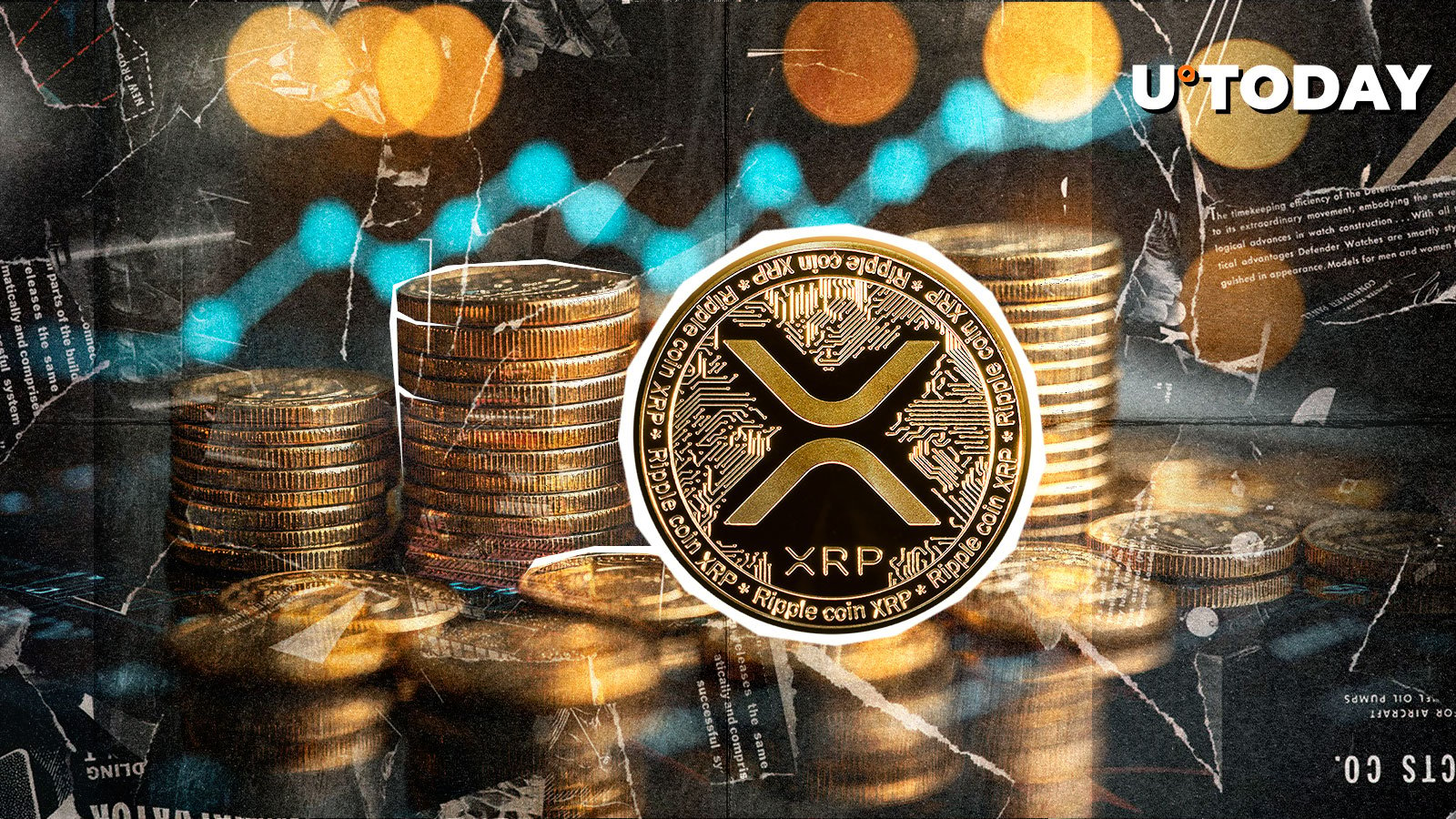
XRP’s price surge in 2025 has brought attention to the asset’s growing dominance on centralized exchange platforms, with more than 23% of the total circulating supply concentrated in the hands of just 11 exchanges. This significant shift raises concerns about liquidity and market control, particularly as XRP edges closer to its historic highs. As the cryptocurrency continues to see rising demand, a closer look at its distribution and trading volumes reveals the intricate relationship between exchange platforms and the price movement of the digital asset.

Data from prominent blockchain analysis firms show that XRP, with over 57 billion tokens in circulation, has seen a substantial amount of its supply centralized in the portfolios of top exchanges. The concentration of this cryptocurrency in a few hands is a critical factor in understanding its volatile price fluctuations. As the supply becomes more concentrated, it gives these platforms an increased influence over the market, potentially leading to artificial price movements or market manipulation concerns. This shift highlights the growing power of centralized entities within the largely decentralized cryptocurrency landscape.

The leading exchanges holding the bulk of XRP tokens include major players such as Binance, Coinbase, and Kraken, all of which are involved in substantial XRP trading volumes. With these platforms holding large percentages of the total supply, their actions—whether it be large-scale buying or selling—have the ability to drastically impact XRP’s price. The trend reflects a broader shift in cryptocurrency trading, where institutional involvement and the growing consolidation of supply on fewer exchanges are altering the dynamics of market liquidity and price stability.

The significant concentration of XRP on centralized exchanges has sparked debates about the risks and benefits of such an arrangement. Proponents argue that centralized exchanges provide the necessary infrastructure for retail investors to access and trade XRP, facilitating broader adoption. They also highlight that these platforms typically offer more robust security features, which may attract a broader base of traders seeking stability in the sometimes volatile world of cryptocurrencies. Furthermore, centralized exchanges can often offer quicker trade execution, which is vital for users seeking to capitalize on XRP’s price movements.

However, critics of the centralization trend express concerns about the potential for market manipulation. When large portions of a cryptocurrency’s supply are held on a limited number of exchanges, it increases the risk of coordinated actions that can influence the price, creating an uneven playing field for smaller investors. These exchanges, by virtue of their size and control over supply, have the ability to move the market by either buying or selling large quantities of tokens, which could lead to artificial inflation or deflation of XRP’s price.

The reliance on centralized exchanges raises questions about decentralization, a core value within the cryptocurrency community. While XRP itself is often viewed as a decentralized asset, its increasing concentration in the hands of centralized players seems at odds with the ethos that many in the cryptocurrency world champion. The trend challenges the notion that digital currencies should be accessible and controlled by individuals rather than large institutional players.

The increase in centralized exchange holdings of XRP coincides with a broader trend in the cryptocurrency market, where the role of institutional investors and exchanges has become more pronounced. In particular, the rise of institutional investment products like ETFs and futures contracts has contributed to the growing presence of centralized entities in the digital asset space. These developments suggest that the market may be moving toward greater institutional control, further distancing itself from the decentralized vision that once defined cryptocurrencies.

As XRP continues to attract attention from institutional investors, its price has experienced significant fluctuations. The cryptocurrency market, known for its volatility, is deeply influenced by factors such as regulatory developments, technological advancements, and large transactions by institutional traders. XRP’s price surge in 2025 can be attributed to multiple factors, including increased interest from retail investors, positive regulatory developments, and a more favorable market environment for cryptocurrencies as a whole. However, the dominance of centralized exchanges raises questions about the long-term sustainability of these price gains.

While XRP’s price may be reaching new heights, analysts are also focused on the underlying risks associated with the growing concentration of the asset in centralized platforms. As exchanges continue to hold more of the circulating supply, the potential for large price swings increases, particularly if these platforms decide to shift large amounts of XRP or if regulatory actions cause market disruptions. The market remains highly sensitive to external factors, with price movements often reflecting shifts in investor sentiment, technological advancements, and regulatory changes.

A new digital token, WallitIQ , has captured the attention of analysts and investors, with predictions suggesting it could achieve a massive 50,000% rally by mid-2025, eclipsing the popular cryptocurrency Dogecoin . The bold projections, which draw parallels between WLTQ and the early success of Dogecoin, have set the stage for what could become one of the most significant DeFi market shifts in the coming years.

WallitIQ, currently priced at approximately $0.0420 per token, has generated a considerable amount of buzz in cryptocurrency communities. Analysts are noting the token’s potential for rapid growth, especially in light of the ongoing boom in decentralized finance projects. Unlike Dogecoin, which initially gained popularity as a meme coin, WallitIQ is positioning itself as a functional asset within the expanding DeFi ecosystem, offering utilities that could drive its value through real-world adoption.

What differentiates WallitIQ from Dogecoin, and why are experts so optimistic? The DeFi sector, which WallitIQ is part of, has been on an upward trajectory, fueled by decentralized exchanges , yield farming, and liquidity pools. DeFi has redefined how digital assets are utilized, allowing for more utility and, by extension, more growth potential for tokens like WallitIQ. In contrast, Dogecoin, though immensely popular, remains limited in terms of real-world use cases outside of speculative trading and social media-driven movements.

The high expectations surrounding WallitIQ stem from its innovative features and its backing by a team of blockchain experts who have managed to secure strong partnerships within the DeFi space. This network of relationships could contribute significantly to the token’s adoption, boosting its value through greater use within decentralized applications and services. These developments are crucial, as cryptocurrencies with tangible applications tend to experience more sustained growth than those reliant solely on speculative interest.

The rise of WallitIQ has coincided with a growing interest in alternative cryptocurrencies to traditional tokens like Bitcoin and Ethereum. As investors look for new opportunities in the ever-evolving crypto space, many are turning their focus to promising altcoins, with WallitIQ being a prominent contender. The token’s relatively low price point also makes it an attractive option for those looking to capitalize on a potential long-term gain, especially given the expected surge in value predicted by leading market analysts.

Industry experts point to several factors that may contribute to WallitIQ’s rapid ascension. One of the most critical factors is the growing focus on token utility and the integration of real-world applications. WallitIQ’s team has reportedly been in talks with various companies across different sectors to integrate their token into products and services, potentially increasing its demand. This type of strategic partnership has been key to the success of other DeFi tokens, setting a strong precedent for WallitIQ’s potential growth.

The broader trend of increasing institutional interest in DeFi projects cannot be ignored. With major financial institutions and venture capital firms showing greater willingness to invest in decentralized finance, the influx of capital into promising projects like WallitIQ could drive its value to new heights. Unlike Dogecoin, which largely relies on community sentiment and social media trends, WallitIQ’s strong backing and institutional interest set it apart in a rapidly maturing market.

Despite the optimism surrounding WallitIQ, experts acknowledge that the cryptocurrency market remains volatile, and predictions of 50,000% returns should be viewed with caution. Historical trends show that while some tokens have achieved significant growth, the crypto market is still highly speculative and unpredictable. Investors are advised to consider the risks involved before diving into projects that promise astronomical returns.

However, the overarching trend of DeFi and the increasing acceptance of blockchain-based financial systems suggest that WallitIQ is well-positioned to capture a larger share of the market. As more individuals and institutions turn to decentralized platforms for their financial needs, WallitIQ’s utility could play a significant role in driving its value beyond even the most optimistic projections.

At the heart of WallitIQ’s anticipated growth is its potential to carve out a niche within the DeFi space that not only challenges Dogecoin’s dominance but offers a more robust, practical alternative for investors seeking tokens with long-term viability. If the predictions hold true, WallitIQ could soon become one of the most talked-about tokens in the cryptocurrency world, outpacing even the established giants of the market.

A growing body of evidence indicates that increased screen time among children is contributing to a decline in fine motor skills, essential for tasks such as zipping coats and turning book pages. Educators and health professionals are expressing concern over this trend, which has significant implications for child development. A survey conducted by Savanta for the early years charity Kindred2 revealed that some children in England and […]

Brad Garlinghouse, the CEO of Ripple, has expressed strong support for a diversified U.S. digital asset reserve, which would include a broad range of cryptocurrencies rather than focusing solely on Bitcoin or Ripple’s XRP. His remarks come amid growing discussions about the future of digital currencies and their role in the global financial system. In an interview, Garlinghouse underscored the importance of building a multi-asset reserve, arguing […]

By Nitya Chakraborty Narendra Modi government is due to present its second budget in the third term of the Modi regime on February 1 in an environment of domestic downturn in GDP growth along with global uncertainty in trade due to U.S. President Donald Trump’s disruptive trade and tariff programme. Latest official data show that […]


The Electronic Frontier Foundation has called for the dismissal of charges against Roman Storm, a key figure involved in the creation of the Tornado Cash cryptocurrency mixer. The EFF, a prominent digital rights advocacy group, argues that the prosecution of Storm and the broader case surrounding Tornado Cash represents a dangerous overreach of U.S. criminal law, extending far beyond its intended scope.

Tornado Cash, a decentralized, privacy-enhancing tool built on the Ethereum blockchain, has been a controversial figure in the growing debate over privacy and regulation in the cryptocurrency world. The platform allowed users to obscure the origin and destination of transactions, which made it popular for those seeking anonymity in their financial dealings. However, this anonymity has also made it a target for governments and regulators, who have voiced concerns about its potential use in illegal activities such as money laundering and terrorist financing.

In August 2022, the U.S. Treasury Department’s Office of Foreign Assets Control sanctioned Tornado Cash, effectively blacklisting the platform by prohibiting U.S. persons from interacting with it. This move was grounded in allegations that Tornado Cash had been used to launder over $7 billion, including proceeds from North Korean cyberattacks. Despite its focus on criminal activity, Tornado Cash’s developers, including Storm, have maintained that their platform was designed for privacy and had legitimate uses.

The legal battle escalated when Storm was arrested in the summer of 2023, charged with conspiracy to violate U.S. sanctions and facilitating the laundering of criminal proceeds. The prosecution has sparked widespread controversy in the crypto and privacy communities, with critics asserting that the case threatens to set a dangerous precedent for the broader tech and blockchain industries. The EFF’s involvement has underscored the growing concern about privacy rights and the reach of U.S. government actions over global technologies.

EFF’s stance in the case is rooted in its belief that the prosecution of Tornado Cash developers, and specifically Storm, ignores the fundamental principles of free speech and software development. The organization contends that creating open-source software, like Tornado Cash, is akin to publishing code that can be used for a variety of purposes, both legal and illegal. EFF’s legal experts argue that prosecuting developers for the potential misuse of their software would set a precedent where coders could be held liable for the actions of users, a stance they believe undermines the principles of free speech and innovation.

EFF also claims that the prosecution of Roman Storm stretches the scope of U.S. criminal laws beyond their original intent, potentially criminalizing activity that was not meant to be illegal. They point to the vagueness in the charges, asserting that the government has not demonstrated sufficient evidence to link the Tornado Cash protocol itself to any specific criminal activity. The EFF’s position is that the mere existence of a technology that can be used for illegal purposes should not result in criminal charges for its creators, especially when it is otherwise designed for legitimate use cases such as privacy protection.

The Tornado Cash case also highlights the broader tension between privacy and regulation in the digital age. Supporters of the platform argue that privacy-enhancing technologies are vital in an increasingly digital world, where financial transactions and personal data are increasingly vulnerable to surveillance. They emphasize that privacy is a fundamental right that should not be compromised, even in the face of potential misuse by criminals.

On the other hand, the U.S. government’s stance reflects growing concerns over the use of cryptocurrencies in illegal activities. The government has expressed its intent to regulate the cryptocurrency space more tightly, citing national security risks and the need to prevent financial crimes. The sanctions on Tornado Cash were seen as part of this broader effort to curb illicit activity in the crypto ecosystem. However, critics argue that such measures may inadvertently harm legitimate users who rely on privacy tools for lawful purposes.

As the case proceeds, it is expected to set a significant legal precedent for the regulation of privacy-focused technologies. The outcome could have wide-ranging implications for developers and users of privacy-enhancing tools, especially in the context of a rapidly evolving regulatory landscape surrounding digital currencies and blockchain technologies. The EFF’s push for dismissal emphasizes the need for clear legal boundaries that protect innovation and free speech while addressing legitimate concerns about criminal activity.

Roman Storm’s legal team has strongly denied the charges, maintaining that he was simply a developer of an open-source software project with no knowledge of any illicit use of Tornado Cash. They argue that the prosecution is an overreach that misrepresents the nature of the technology and the role of its developers. Storm’s case has drawn attention from a variety of legal and tech experts, many of whom argue that criminalizing the development of software based on its potential misuse is both legally and ethically problematic.

Website speed plays a critical role in customer retention and revenue generation, according to a comprehensive study by Liquid Web, a leading web hosting provider. The research highlights the often-overlooked impact of slow-loading websites on businesses, showing that delays of even a few seconds can have significant consequences. As online businesses increasingly rely on digital platforms, the speed at which their websites load is becoming a vital […]

VISHNU RAJA
RYO YAMADA
HITORI GOTOH
IKUYO KITA