News related to
threats

Finnish authorities have seized a tanker in the Baltic Sea suspected of causing significant damage to undersea power cables and internet lines. The vessel, carrying Russian oil, is believed to have been involved in an incident that led to a power outage affecting Finland and Estonia, as well as the disruption of four internet connections between the countries. The operation took place on Thursday when Finland’s coast […]

Dubai has launched the Dubai Resilience Centre, a new entity dedicated to strengthening the city’s ability to manage risks, emergencies, crises, and disasters. This initiative, established by a decree from Sheikh Mohammed bin Rashid Al Maktoum, Vice President and Prime Minister of the UAE and Ruler of Dubai, aims to position Dubai as a global leader in operational agility and crisis response. Operating under the Supreme Committee […]

Trend Vision One™ – Email and Collaboration Security is a critical part of Trend’s centralized attack surface risk management (ASRM) platform HONG KONG SAR – Media OutReach Newswire – 23 December 2024 – Trend Micro Incorporated (TYO: 4704; TSE: 4704), a global cybersecurity leader, today announced its positioning as a Leader in the 2024 Gartner® Magic Quadrant™ for Email Security Platforms (ESP). Rachel Jin, Chief Enterprise Platform […]

By K Raveendran While Prime Minister Narendra Modi’s ‘friend’, the US President-elect Donald J Trump, is set to move into White House, once again, it need not be particularly beneficial for India. If anything, Trump can be said to be “anti-India” even while remaining “pro-Modi”. The camaraderie contrasts starkly with the president-elect’s anti-India economic stance, […]

Oil prices have declined, with Brent crude futures dropping 41 cents to $72.47 per barrel, and U.S. West Texas Intermediate crude futures falling 39 cents to $68.99 per barrel. China’s oil demand is projected to peak by 2027, with fuel consumption slowing. The U.S. dollar has reached its highest value since November 22, making commodities more expensive for holders of other currencies. OPEC+ has reduced its 2024 […]

Kali Linux 2024.4, the latest release of the popular penetration testing and security auditing distribution, introduces several major changes that will impact security professionals and users alike. This new update focuses on improving the user experience, enhancing functionality, and expanding the toolset available to penetration testers. Among the most notable changes are the introduction of GNOME 47, updates to core tools, and the disabling of Pip for […]

Arelion has introduced a new Gulf Coast route aimed at bolstering its North American network, enhancing connectivity between major hubs. The route, connecting Houston, Texas, to Jacksonville, Florida, will traverse key cities along the Gulf Coast, including Slidell, Louisiana, and Mobile, Alabama, marking a significant expansion of the company’s infrastructure in the U.S. The launch reflects Arelion’s commitment to providing more diverse, efficient, and reliable network services […]

Advertisements

Zand, a prominent player in the digital finance sector, has been strengthening its custody services with advanced security protocols aimed at protecting client assets. This move highlights the increasing importance of safeguarding digital assets amid growing concerns about cyber threats in the evolving financial landscape.

The company has invested significantly in both technology and expert security teams to fortify its custodial framework, ensuring that it remains at the forefront of security in digital asset management. Zand’s approach combines state-of-the-art encryption methods, multi-layered security systems, and a continuous audit process to maintain asset integrity. These measures are intended to offer clients a high level of confidence in the safety of their holdings, even as global attention on cybersecurity intensifies.

A key component of Zand’s security architecture is its reliance on encryption technologies, which serve as the first line of defense against unauthorized access. The encryption processes are designed to ensure that sensitive data, such as private keys and transaction details, are only accessible to the rightful owners. These measures are backed by continuous real-time monitoring systems that detect and respond to any potential breaches, ensuring that the platform remains secure at all times.

Zand employs a robust audit process, working with third-party security firms to conduct regular evaluations of its systems. This independent verification ensures that the company’s security protocols are effective and compliant with the latest industry standards. The constant review of its custodial operations reflects the company’s commitment to transparency and operational integrity.

Zand’s security framework also includes a dedicated team of cybersecurity experts who provide ongoing oversight. These professionals are tasked with identifying vulnerabilities and responding to emerging threats in real time. By employing a proactive approach, Zand ensures that any potential risks are mitigated before they can affect clients’ assets.

In the rapidly expanding world of digital finance, the need for secure custodial services has never been more crucial. With the rise in cyberattacks targeting financial institutions and digital platforms, companies like Zand are under increasing pressure to adopt advanced security measures. As digital assets gain popularity among both individual investors and institutional players, the stakes are high. Any breach in security could undermine trust in digital finance platforms, making robust security a top priority for companies operating in this space.

Zand’s emphasis on continuous audits and expert oversight sets it apart from many of its competitors, who may not invest as heavily in regular system evaluations or specialized security teams. This distinction has made Zand a trusted name for those seeking secure storage and management of their digital assets.

Despite the sophisticated security mechanisms, Zand is not resting on its laurels. The company continues to evolve its systems to stay ahead of emerging threats in the cybersecurity landscape. As cybercriminals become more sophisticated, financial institutions must adapt rapidly to counteract new forms of attacks, which range from phishing schemes to more complex forms of hacking and fraud.

As part of its commitment to staying at the cutting edge of security, Zand has also begun exploring the integration of blockchain-based solutions for asset management. The decentralized nature of blockchain offers an additional layer of security, as it makes it harder for attackers to alter or corrupt data. By incorporating these technologies into its existing security framework, Zand aims to offer clients an even more resilient solution to protect their assets.

Zand’s efforts reflect broader trends within the financial services industry, where the demand for secure and efficient digital asset management continues to rise. The growing involvement of institutional investors in the digital finance space has placed increased pressure on custodians to adopt best practices in security. These investors require assurance that their assets are being managed by platforms with stringent controls in place, and Zand’s comprehensive approach to security meets these high expectations.

The company has also worked to ensure that its custodial services are user-friendly, allowing both novice and experienced investors to manage their digital assets with ease. By prioritizing security without compromising on accessibility, Zand is positioning itself as a leading player in the evolving digital finance sector.

The UAE’s payment industry is on track for significant growth, projected to reach a value of $27.3 billion by 2028. This surge reflects the country’s increasing digital transformation, with innovative payment technologies gaining traction across multiple sectors. The shift toward a cashless economy and the growing demand for online and mobile payment solutions are key drivers behind this expansion. The shift to digital payments has been accelerated […]

By Nantoo Banerjee China’s sudden change of mind to uphold peace and tranquility with India at the Line of Actual Control (LAC) and work for early resolution of outstanding issues should not be read beyond these words as framed at the joint declaration at the end of the 30th meeting of the Working Mechanism for […]
By Dr. Nilanjan Banik On November 30, Mr. Donald Trump posted a threat on his social media, warning that if BRICS countries abandon the US dollar, they would face a 100% tariff. This is not a new threat; similar warnings have also been directed at other regions, including nearshore friendly countries such as Mexico and […]

Organizations Worldwide Brace for a Year of AI Transformation, Security Challenges, and Sustainability Imperatives SINGAPORE – Media OutReach Newswire – 11 December 2024 – NetApp® (NASDAQ: NTAP), the intelligent data infrastructure company, released its second annual Data Complexity Report, which examines how global organizations are navigating the increasing complexity of managing their data for AI. This year’s report provides a global view into how AI will impact […]

The Department of Government Efficiency (DOGE) disclosed that a significant portion of the U.S. federal government’s annual IT budget, approximately 80% of the total $100 billion, is allocated to maintaining outdated technology systems. This allocation raises concerns about the long-term sustainability of the federal IT infrastructure and its vulnerability to security threats.

Despite the substantial budget, the government faces a challenge in modernizing its technology while managing legacy systems that have become both inefficient and costly to maintain. Many of these systems were initially developed decades ago and have struggled to keep pace with rapid advancements in technology. As a result, maintaining these aging systems has grown more expensive, consuming a disproportionate share of the federal IT budget.

The situation has sparked debates about the federal government’s ability to balance its technological needs with its security priorities. Outdated systems are not only more costly to maintain but are also significantly more vulnerable to cyberattacks, raising concerns about national security risks. Experts argue that continued reliance on legacy systems could expose sensitive government data to increasing cybersecurity threats, further straining the government’s IT security efforts.

The revelation by DOGE comes at a time when federal agencies have faced criticism for their inability to modernize critical infrastructure quickly enough. A number of high-profile cyberattacks in recent years have underscored the urgency of addressing vulnerabilities in government systems. These incidents, which have targeted various agencies, have raised alarms about the resilience of federal IT networks and their capacity to defend against modern-day threats.

A primary issue is the government’s inability to fully transition from legacy technology to more secure, efficient, and adaptable systems. Experts argue that the high costs associated with maintaining outdated systems may be hindering the government’s ability to invest in cutting-edge technologies like artificial intelligence, cloud computing, and blockchain, all of which have the potential to enhance government operations and improve security.

There are concerns about the lack of skilled personnel required to manage these older systems effectively. Many IT professionals with expertise in outdated technologies are retiring or leaving the workforce, creating a knowledge gap that is challenging to fill. This lack of qualified personnel further complicates the effort to modernize federal IT infrastructure.

The burden of maintaining legacy systems has also led to inefficiencies within government operations. Modern systems are typically more agile, cost-effective, and scalable, which allows for improved service delivery and greater responsiveness to changing needs. However, due to the reliance on outdated systems, government agencies are often unable to take advantage of the efficiencies offered by newer technologies, leading to delays and increased operational costs.

In response to these challenges, DOGE has called for a reevaluation of how federal IT budgets are allocated. The department has urged a shift towards prioritizing investments in modernization initiatives, which could provide long-term savings by reducing the costs of maintaining legacy systems. Some experts suggest that adopting a more incremental approach to modernization—updating critical systems first while gradually phasing out older technologies—may offer a more practical solution.

The federal government’s struggle with outdated technology systems is not unique to the United States. Many governments around the world are facing similar issues as they attempt to navigate the complex landscape of digital transformation. However, given the scale of the U.S. government’s operations, the consequences of failing to modernize could have far-reaching implications, both in terms of efficiency and security.

Despite the challenges, there have been some steps taken towards modernization. Federal agencies have begun pilot programs to experiment with new technologies and test their applicability in government operations. Some agencies are already seeing positive results from these efforts, although the pace of change remains slow.

The financial implications of maintaining outdated systems are significant. According to estimates, the government spends billions annually on software upgrades, hardware maintenance, and security patches for legacy systems. As these systems continue to age, the costs associated with upkeep are expected to rise, further straining the federal IT budget.

As the government moves forward with its modernization efforts, the success of these initiatives will depend largely on the ability to balance cost, security, and innovation. A comprehensive, long-term strategy will be required to overhaul the federal IT infrastructure while addressing the immediate needs of maintaining legacy systems.

In light of the revelations by DOGE, there are growing calls for more transparency in the government’s IT spending, with some lawmakers pushing for increased oversight of federal IT contracts. Critics argue that without greater accountability, the government may continue to waste taxpayer dollars on outdated systems, undermining efforts to modernize and secure its infrastructure.

Fortinet has unveiled its new cloud-delivered platform, FortiAppSec Cloud, a cutting-edge solution designed to address the escalating complexities of securing modern web applications across multiple cloud environments. The launch marks a significant step in the cybersecurity provider’s ongoing efforts to offer a unified approach to web application security, ensuring businesses can safeguard their digital infrastructure in an era of rapidly evolving threats. The FortiAppSec Cloud platform is […]

The Caribbean and the United States are now seamlessly connected through the newly unveiled Caribbean Elite Alliance (CELIA) undersea cable, marking a transformative leap in digital infrastructure for both regions. This high-capacity cable, which spans more than 5,000 kilometers, promises to revolutionize data transfer and telecommunications, providing faster, more reliable internet access for millions of people in the Caribbean and on the U.S. East Coast. CELIA, which […]

Securonix, a leader in cybersecurity solutions, has appointed Dipesh Kaura as the new Head of India Sales. With over 23 years of expertise in the cybersecurity domain, Kaura is set to drive the company’s growth in the Indian market by expanding its footprint, fostering strategic partnerships, and delivering tailored security solutions. His appointment comes at a time when India is witnessing an increasingly complex cybersecurity landscape.

Kaura brings with him extensive experience from his tenure at Cyble Inc., where he played a pivotal role in driving CXO-level engagements and formulating growth strategies across South Asia. His background includes significant leadership positions at Kaspersky and PwC, where he focused on account planning, channel development, and relationship management, particularly in the cybersecurity and technology sectors.

In his new role at Securonix, Kaura’s primary focus will be on enhancing the company’s cybersecurity offerings to meet the unique challenges faced by organizations in India. His deep understanding of the region’s business and security needs is expected to position Securonix as a trusted partner for enterprises navigating the complex threat landscape. His strategic vision is aligned with Securonix’s goals of expanding its market reach and strengthening customer relationships across key sectors.

Commenting on his appointment, Kaura emphasized the growing sophistication of cyber threats and the need for organizations to implement robust, business-aligned security strategies. He expressed enthusiasm about working with Securonix’s team to address these challenges while driving the company’s growth in India.

The Permanent Account Number (PAN), long a cornerstone of India’s financial ecosystem, is undergoing a significant transformation with the launch of PAN 2.0, aimed at modernizing and streamlining taxpayer services. The revamped system is set to revolutionize how citizens and businesses interact with the country’s tax framework, enhancing transparency, accountability, and overall efficiency.

Traditionally, the PAN has served as a critical identifier for taxpayers, widely used for income tax purposes, financial transactions, and identity verification. It has been a pivotal tool in ensuring compliance and curbing tax evasion. However, as the nation continues to digitize its services and move toward a more paperless economy, the existing PAN system faced limitations. The introduction of PAN 2.0 addresses these challenges by integrating cutting-edge technology, aimed at simplifying the process for taxpayers while improving the accuracy of the system.

One of the key upgrades in PAN 2.0 is its deeper integration with digital platforms. The system now allows for easier access to tax records and services, making it possible for individuals and businesses to manage their financial obligations online more seamlessly. This digitalization has become particularly important as the Indian government continues to push for a cashless economy, promoting digital payments and reducing the reliance on traditional, in-person transactions.

Another significant improvement is the enhancement of PAN security features. With cyber threats becoming more sophisticated, the government has strengthened the encryption mechanisms surrounding PAN data, ensuring that individuals’ financial identities are protected against fraud and unauthorized access. The new PAN system uses advanced biometric data and digital signatures, allowing for better authentication processes. These security measures are expected to minimize cases of identity theft and fraudulent activities that have plagued the old system.

PAN 2.0 introduces a faster, more efficient system for taxpayers to apply for a PAN or update their details. The process, once bogged down by paperwork and delays, is now automated and simplified, reducing the time it takes to receive a PAN card. The online application process is intuitive, ensuring that even those with minimal digital literacy can easily access the services. These enhancements are designed to not only reduce administrative burdens but also ensure that people can quickly and easily resolve any issues with their accounts.

The revamped system is also tailored to assist non-resident Indians (NRIs) and foreign investors. By allowing them to track their tax obligations and make necessary amendments to their PAN details with ease, the new system fosters a more inclusive approach, particularly in attracting foreign investments. This change is expected to bolster the Indian government’s efforts to position India as a global financial hub. International businesses seeking to navigate India’s vast market will find the system more user-friendly and responsive, enhancing their overall experience with the country’s tax system.

As part of the ongoing modernization, PAN 2.0 also comes equipped with real-time data analysis and reporting tools for tax authorities. These tools allow for a more accurate and immediate assessment of taxpayers’ compliance with the country’s tax laws. The integration of artificial intelligence and machine learning into the system means that potential tax fraud and discrepancies can be identified more efficiently. The new system also incorporates features that automate tax filings and ensure that taxpayers remain up-to-date on their obligations without manual intervention.

The rollout of PAN 2.0 is part of India’s broader efforts to strengthen its tax administration and combat tax evasion. Over the years, the government has been working on initiatives like the Goods and Services Tax (GST) and the Digital India campaign, both of which aim to bring more of the economy under formal tax channels. The PAN system’s modernization serves as a key pillar in these reforms, helping to build trust in the tax system while improving tax compliance.

Despite these advancements, experts caution that the success of PAN 2.0 will depend on its adoption by the public and the business community. While the government has invested heavily in digital infrastructure and public awareness campaigns, there are still challenges related to internet access and digital literacy in some regions of the country. To address this, local support centers and helplines have been established to assist individuals who may face difficulties navigating the new system.

Human resources professionals play a critical role in managing employee data, making them a prime target for cyber threats. With businesses increasingly digitizing their operations, experts are emphasizing the importance of equipping HR professionals with the necessary skills to safeguard sensitive data and mitigate cyber risks. According to leading industry figures, the need for HR professionals to receive adequate cyber security training has become an urgent matter […]

Dubai-based billionaire Hussain Sajwani’s Edgnex Data Centers has entered a joint venture with PPC Group, a major European utility, to build and operate a state-of-the-art data center in Greece. This collaboration comes with an initial investment of €150 million ($157 million), marking a significant step in Edgnex’s expansion strategy into the European data infrastructure market.

The partnership between Edgnex, a leading data center provider in the Middle East, and PPC Group, a key player in Greece’s energy sector, aims to capitalize on the growing demand for cloud computing, data storage, and digital transformation services across Europe. The planned facility will offer high-performance data storage and cloud infrastructure solutions designed to meet the needs of businesses and government agencies in Greece and the broader region.

The data center, to be located in a strategic area in Greece, will be designed to provide a sustainable and scalable infrastructure to meet the growing demand for data services. Both Edgnex and PPC Group aim to position the new facility as a key asset in Europe’s digital economy, enabling businesses to operate more efficiently and support the region’s transition to a more digitally connected and technologically advanced landscape.

Edgnex’s investment in Greece follows the company’s recent push into international markets. The Dubai-based firm is focusing on expanding its footprint beyond the Middle East, responding to a surge in demand for robust digital infrastructure and advanced technology solutions. The decision to partner with PPC Group allows Edgnex to leverage local expertise and infrastructure, making the venture highly strategic as it seeks to capture a larger share of the European market.

PPC Group, for its part, brings significant experience in managing large-scale infrastructure projects, with a long history in the energy and utilities sector. Its involvement in the joint venture ensures that the project will benefit from Greece’s extensive energy network, ensuring that the data center operates sustainably and efficiently. With a commitment to supporting the energy transition in Europe, PPC Group’s contribution underscores the growing importance of sustainable energy practices in the development of modern data infrastructure.

This collaboration aligns with broader trends in the data center industry, where there is an increasing emphasis on environmental sustainability and energy efficiency. As data centers consume substantial amounts of energy, the sector has been under increasing scrutiny to adopt greener practices. Edgnex’s data center in Greece is expected to integrate cutting-edge technologies to minimize its environmental impact, positioning it as a leader in sustainable data infrastructure development.

Greece itself has become an attractive location for data center investments due to its strategic geographical position, favorable regulatory environment, and growing digital economy. The Greek government has been actively working to position the country as a hub for digital innovation and technology services, providing incentives for international investors to develop critical infrastructure. These efforts have been paying off, as more global players look to establish a presence in Greece to serve the region’s increasing demand for digital services.

The Edgnex-PPC Group venture is expected to further bolster Greece’s position as a key player in Europe’s digital economy. By attracting major investments in the data infrastructure space, the country is laying the groundwork for future growth in sectors such as cloud computing, artificial intelligence, and big data analytics. As these industries continue to evolve, the demand for secure, high-performance data centers will only increase, making Edgnex and PPC Group’s investment a timely and strategic move.

Edgnex’s foray into the European market reflects the growing trend of Middle Eastern companies expanding their presence globally. With its strong financial backing and expertise in data center operations, Edgnex is well-positioned to compete with other global players in the European market. The joint venture with PPC Group is expected to serve as a model for future collaborations, as both companies aim to capitalize on the burgeoning demand for digital infrastructure services across the continent.

The joint venture is also poised to generate significant economic benefits for Greece, creating jobs, boosting local economies, and supporting the country’s digital transformation. As the demand for data storage and cloud services continues to rise, the development of new, advanced data centers will play a crucial role in supporting the growth of industries such as e-commerce, finance, and telecommunications.

As data privacy and security concerns continue to grow, the joint venture is also expected to address the increasing need for secure data storage solutions. The data center will meet high international standards for cybersecurity, ensuring that the data hosted on the site remains protected against emerging threats. This focus on security is expected to make the facility particularly attractive to clients in highly regulated industries such as finance and healthcare.

Looking ahead, Edgnex and PPC Group’s venture in Greece is poised to be a catalyst for further investment in the data center sector, not only in Greece but across Europe. The ongoing digital transformation across industries makes the demand for reliable, efficient, and sustainable data infrastructure more critical than ever. As businesses increasingly rely on data-driven solutions to stay competitive, the need for cutting-edge data centers to support this growth will continue to rise, creating opportunities for companies like Edgnex to expand their operations and meet this demand.


Balancing Global Dynamics HONG KONG SAR – Media OutReach Newswire – 4 December 2024 – Today, KGI has released its 2025 Market Outlook, covering regions including Mainland China, Hong Kong, Taiwan, the U.S., Singapore, and Indonesia. (From left) Cusson Leung, Chief Investment Officer at KGI; James Chu, Chairman at KGI Securities Investment Advisory; James Wey, Head of International Wealth Management at KGI; Kenny Wen, Head of Investment […]

PHNOM PENH, CAMBODIA – Media OutReach Newswire – 3 December 2024 – Visa, a global leader in digital payments, hosted its first Open Payments Session in the Kingdom, bringing together regulators, subject matter experts, merchants, and financial services representatives to explore best practices and thought leadership shaping the future of payments. The forum focused on the evolving landscape of digital payments, driven by increased smartphone penetration and […]

Coinbase has launched a new feature, integrating Apple Pay into its platform through the “OneRamp” product, enabling users to make seamless fiat-to-crypto transactions. This move comes as part of Coinbase’s strategy to simplify cryptocurrency trading and expand access for everyday users. By integrating Apple Pay, Coinbase aims to offer a more efficient and user-friendly method for purchasing cryptocurrencies directly from fiat accounts.

OneRamp, designed to streamline the transaction process, allows users to connect their Apple Pay accounts with their Coinbase profiles. The feature enables the purchase of digital assets with a single click, providing an immediate, seamless bridge between traditional fiat currencies and the world of cryptocurrency. The integration comes at a time when many investors and users are seeking easier ways to participate in crypto markets without dealing with the complexities of traditional banking and crypto exchanges.

The collaboration between Coinbase and Apple Pay is expected to make crypto more accessible to mainstream audiences, particularly those who are already comfortable using Apple Pay for everyday transactions. Apple Pay is widely used for various purchases, from retail shopping to online services, and the integration into Coinbase provides a new, frictionless entry point into the cryptocurrency ecosystem. As the crypto market continues to evolve, such integrations are seen as vital for bridging the gap between traditional finance and the decentralized finance world.

For Coinbase, the introduction of OneRamp with Apple Pay represents a significant shift in how the platform approaches user experience. By eliminating barriers like cumbersome account setup processes or the need for multiple authentication steps, Coinbase hopes to attract a broader user base. One-click crypto purchases can appeal to individuals who are not well-versed in blockchain technology but are familiar with digital payment methods like Apple Pay.

This integration also positions Coinbase to compete more effectively with other crypto exchanges that are constantly working on improving ease of use and expanding payment options. Other platforms have made similar moves in recent months, integrating traditional payment systems into their crypto-buying processes. As a result, Coinbase’s new feature is part of a larger trend to democratize access to cryptocurrency, making it as easy to purchase as any other consumer good.

The broader implications of the Coinbase-Apple Pay collaboration also touch on the growing intersection of traditional finance and the evolving cryptocurrency space. Apple, with its large user base and robust payment infrastructure, brings credibility and convenience to cryptocurrency purchases, something that has long been a barrier for potential investors. Cryptocurrency still faces challenges in gaining widespread adoption, with concerns over security, volatility, and regulatory uncertainty. By partnering with a trusted name like Apple, Coinbase hopes to address some of these issues while encouraging more mainstream participation.

This development also highlights Coinbase’s ongoing efforts to improve its platform for a global audience. Apple Pay is available in multiple regions, and its integration with OneRamp is expected to facilitate crypto transactions in these markets. Expanding payment options and making crypto more accessible to users in various countries is part of Coinbase’s strategy to broaden its international presence and increase its user base beyond North America.

In addition to the technical improvements, this integration has the potential to drive increased liquidity in the crypto market. The ability to quickly convert fiat into cryptocurrency through widely recognized payment systems could boost market activity, as users will have easier access to buy and sell cryptocurrencies as they see fit. This could also lead to a more dynamic marketplace, where crypto trading becomes just as seamless as trading in other financial assets.

However, the success of this integration will depend on how well Coinbase and Apple Pay can manage issues such as fraud prevention and regulatory compliance. With governments and regulators around the world tightening their focus on cryptocurrency transactions, Coinbase will need to ensure that its platform remains compliant with both local and international regulations. The integration of Apple Pay, while simplifying the purchasing process, may also require Coinbase to maintain robust security measures to protect users from potential cyber threats.

From wars in Eastern Europe and the Middle East to rising tensions in the Taiwan Strait, geopolitical instability has become the defining characteristic of our time. There are now more active armed conflicts than at any point since World War II. Simultaneously, the digital realm has become a battleground, with cyberattacks escalating in frequency and sophistication, targeting both national infrastructures and private enterprises. While these developments are […]

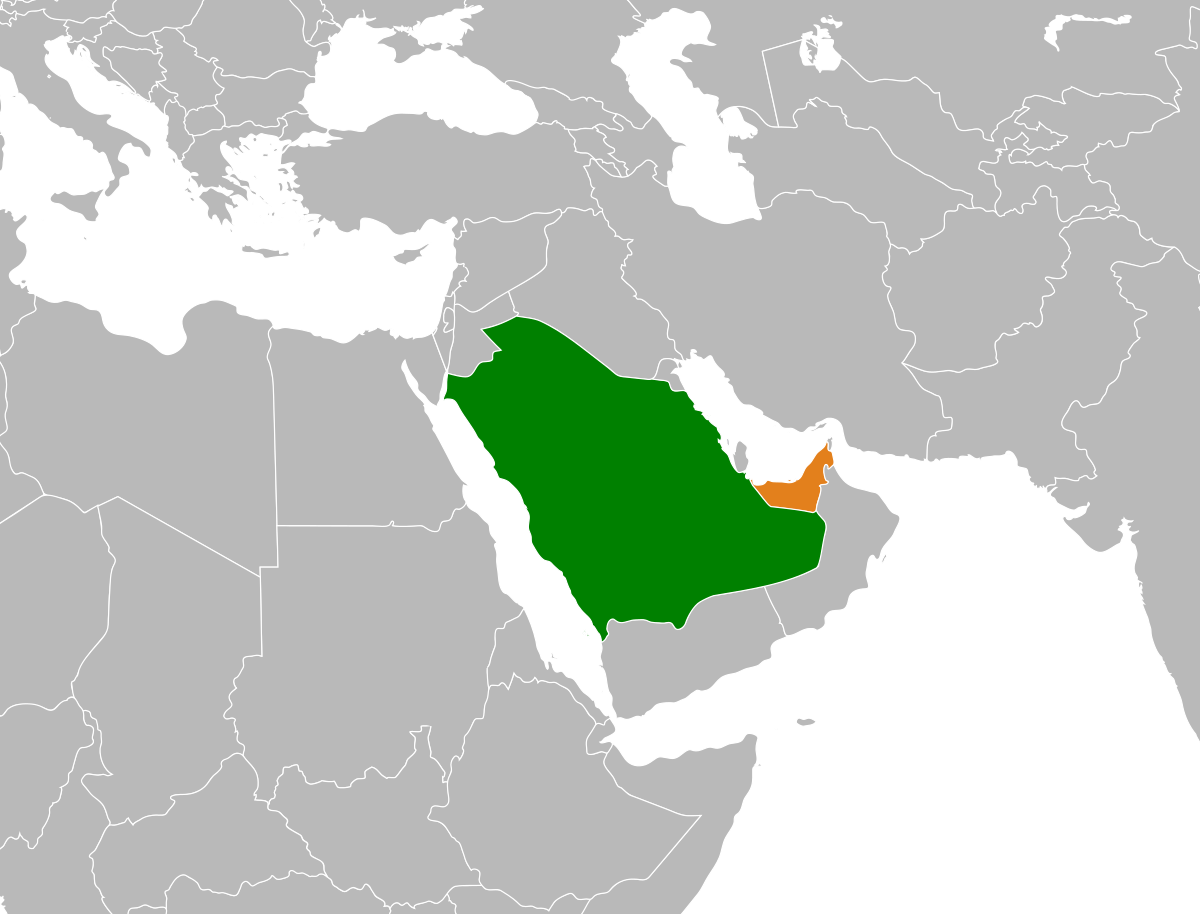
UAE President Sheikh Mohamed bin Zayed Al Nahyan and Saudi Crown Prince Mohammed bin Salman held a high-level meeting to further solidify their countries’ bilateral relations, underscoring the enduring strength of their partnership. The meeting comes as both nations navigate complex regional and global challenges, aiming to reinforce their cooperation in key sectors such as energy, security, and technology.

The summit, which took place in Abu Dhabi, reflects the growing strategic importance of the UAE-Saudi relationship. This alliance has been marked by a shared commitment to regional stability, economic growth, and development. The two leaders’ discussions have centered on deepening political and economic collaborations, enhancing trade, and exploring opportunities in emerging fields like renewable energy and space exploration.

The UAE and Saudi Arabia have long been influential players in the Gulf region, and their partnership is often seen as a counterbalance to external powers. Their collaboration spans beyond bilateral matters, impacting broader issues such as security in the Middle East, OPEC oil production agreements, and joint ventures in technological advancements. The convergence of their interests is aimed at positioning the two nations as global leaders in multiple sectors.

Trade relations between the UAE and Saudi Arabia have been growing steadily, with the UAE becoming one of Saudi Arabia’s largest trading partners. The two nations are focused on further facilitating economic integration through the Gulf Cooperation Council (GCC), which serves as a platform for harmonizing their policies on trade, investment, and infrastructure. Their concerted efforts are seen as crucial for advancing the region’s economic diversification and reducing dependence on oil.

In the realm of energy, the UAE and Saudi Arabia are working together to lead the charge on clean energy initiatives. Both countries have made significant strides in developing sustainable energy solutions, with large investments in solar power, nuclear energy, and hydrogen. Their collaboration in these sectors is intended to help the Gulf region transition toward a low-carbon future while maintaining energy security.

Security is another critical component of the UAE-Saudi partnership. Both nations have faced regional security threats, particularly from non-state actors and the geopolitical tensions surrounding Iran. As a result, the UAE and Saudi Arabia have worked in tandem to fortify their defense mechanisms and enhance intelligence sharing. Their coordinated efforts are also evident in joint military operations, particularly in Yemen, where both countries have been involved in the ongoing conflict as part of a Saudi-led coalition.

The leaders’ discussions also touched on the importance of technological innovation as a driver of future economic growth. The UAE has positioned itself as a hub for technological advancements in the Middle East, with initiatives like Dubai’s smart city projects and the UAE’s space program gaining international recognition. Meanwhile, Saudi Arabia has launched its own ambitious Vision 2030 initiative, which includes plans for transforming its economy through technology, including its investments in artificial intelligence, blockchain, and digital infrastructure.

The strategic alliance between the UAE and Saudi Arabia has not only helped shape the region’s economic and political landscape but has also made them key partners in broader international forums. Both nations have increasingly taken a proactive stance in addressing global challenges, including climate change, public health, and geopolitical tensions. Their efforts to collaborate on such issues signal a broader commitment to fostering stability and peace in the Middle East and beyond.

VISHNU RAJA
RYO YAMADA
HITORI GOTOH
IKUYO KITA
Just in: