France has moved to convene a meeting of Group of Seven finance ministers this week as tensions escalate with the United States over proposed tariffs linked to a high-profile dispute about Greenland. Paris is spearheading coordinated Western efforts to address what it and other European capitals describe as coercive trade threats from Washington, and to explore collective avenues for diplomatic and economic response amidst deepening strain in […]
ESET MDR delivers industry-leading real-time detection and a mean-time-to-respond (MTTR) of 6 minutes to keep businesses secure
SINGAPORE – Media OutReach Newswire – 19 January 2026 –ESET, a global leader in cybersecurity solutions, today announced the launch of two Managed Detection and Response (MDR) subscription tiers: ESET PROTECT MDR for small and medium businesses (SMBs) and ESET PROTECT MDR Ultimate for enterprises in Singapore.
Bridging the gap with MDR
ESET PROTECT MDR delivers a comprehensive cybersecurity package, offering 24/7/365 superior protection. This includes modern protection for endpoints, email, and cloud applications, vulnerability detection and patching, and managed threat monitoring, hunting, and response. For enterprises, ESET PROTECT MDR Ultimate offers continuous proactive protection and enhanced visibility, coupled with customised threat hunting and remote digital forensic incident response assistance.
ESET’s APAC SMB Cybersecurity Report 2024 revealed that 49% rate lacking a dedicated cybersecurity team and 52% rated keeping up with the latest threats as one of the top three cybersecurity challenges in Singapore. 31% also cited alert fatigue as the biggest challenge. Incidentally, APAC also faces the largest shortage of cybersecurity experts in the world. These highlight the urgent need for skilled cybersecurity professionals and managed services that can help bridge the country’s growing talent gap. ESET’s MDR services ensure organisations of all sizes and cybersecurity maturity to stay one step ahead of all known and emerging threats, effectively closing the cybersecurity talent gap, and facilitating expert consultations for incident management and containment in a fully managed experience.
ESET MDR delivers a remarkable 6-minute Mean Time to Respond (MTTR) — the fastest in the industry*. In comparison, the median time for organizations to detect a breach is 24 days**, leaving critical systems and data exposed for weeks. Every hour that a breach goes undetected dramatically increases the risk of data loss, operational disruption, and financial damage.
“Cyber threats are becoming more sophisticated and more time-critical, especially in highly connected digital economies like Singapore,” said Pamela Ong, Country Manager of Asia and Singapore at ESET. “Our AI-powered MDR services combine automation, human expertise, and global threat intelligence to help organisations move beyond reactive security. The ability to detect and respond within minutes can make the difference between a contained incident and a major breach.”
ESET’s MDR services Meet the Unique Challenges of MSPs
ESET recognises the growing pressures facing MSPs who must balance the critical task of securing clients’ complex IT environments with their own business growth and operations. With threat actors going heavy on supply-chain attacks and abusing MSP tooling, MSPs too find themselves fixed in the crosshairs of cybercriminals. Simply put, MSPs are not only potential victims, but also potential accessories to a crime. To help MSPs fulfill their security potential, ESET’s MDR is also designed to be deployed in an MSP environment with a single solitary security service, available 24/7 that help MSPs to secure themselves as well as their clients.
*Based on publicly available information as of 1 October 2025. **Verizon 2025 Data Breach Investigations Report Hashtag: #ESET
The issuer is solely responsible for the content of this announcement.
About ESET
ESET® provides cutting-edge digital security to prevent attacks before they happen. By combining the power of AI and human expertise, ESET stays ahead of known and emerging cyberthreats — securing businesses, critical infrastructure, and individuals. Whether it’s endpoint, cloud, or mobile protection, our AI-native, cloud-first solutions and services remain highly effective and easy to use. ESET technology includes robust detection and response, ultra-secure encryption, and multifactor authentication. With 24/7 real-time defense and strong local support, we keep users safe and businesses running without interruption. An ever-evolving digital landscape demands a progressive approach to security: ESET is committed to world-class research and powerful threat intelligence, backed by R&D centers and a strong global partner network. For more information, visit www.eset.com or follow us on LinkedIn, Facebook, and X.
Alarmist predictions about artificial intelligence wiping out humanity are diverting attention from tangible harms already unfolding across workplaces, courts and online platforms, according to a senior academic who says the fixation on speculative futures is allowing powerful technology firms to sidestep accountability for present-day abuses. Speaking amid intensifying debates over AI governance, Professor Tobias Osborne argues that the dominance of “doomsday” narratives has distorted public understanding of […]
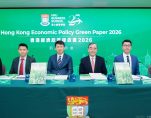
HONG KONG SAR – Media OutReach Newswire – 15 January 2026 – HKU Business School unveiled the “Hong Kong Economic Policy Green Paper 2026” (“Green Paper”). This comprehensive document delves into various facets of Hong Kong’s economic domain, covering everything from trade finance and Hong Kong’s role in the Greater Bay Area (GBA) startup ecosystem to green finance, the IP economy, social and shareholder value for Hong Kong-listed companies, and pressing social issues such as housing affordability and overcrowding in emergency departments. Moreover, with the emergence of AI, the Green Paper examines the impact of AI on the labour market, cybersecurity, and the development of a Web 3.0 ecosystem.
This is the fifth edition of the Hong Kong Economic Policy Green Paper, released by HKU Business School, with the aim of providing recommendations on how Hong Kong can effectively tackle these challenges.
HKU Business School today unveils the Hong Kong Economic Policy Green Paper 2026. From left: Prof. Huiyin Ouyang, Associate Professor in Innovation and Information Management of HKU Business School, Prof. Dragon Tang, Professor in Finance in HKU Business School, Professor Hongbin CAI, Dean and Chair of Economics of HKU Business School, Prof. Richard Wong, Provost and Deputy Vice-Chancellor of The University of Hong Kong and Director, Hong Kong Institute of Economics and Business Strategy, Prof. Heiwai Tang, Associate Vice-President of The University of Hong Kong and Associate Dean of HKU Business School, and Dr. Tingting Fan, Principal Lecturer in Marketing of HKU Business School.
Prof. Richard Wong, Provost and Deputy Vice-Chancellor of The University of Hong Kong and Director, Hong Kong Institute of Economics and Business Strategy said, “This Green Paper was released after months of rigorous research by the scholars from HKU Business School. Grounded in an academic perspective and guided by a pragmatic, problem-solving approach, we have conducted objective analyses and in-depth investigations into core issues and real-world challenges currently facing Hong Kong’s development in political and economic operations, people’s livelihood, and industrial upgrading. Our aim is to provide the Government and relevant authorities with valuable insights and actionable policy recommendations.”
Professor Hongbin Cai, Dean and Chair of Economics of HKU Business School, said, “As a ‘super-connector’ bridging China and the world, Hong Kong’s unique role remains indispensable. Looking ahead, Hong Kong must deeply integrate into China’s national development plans, and also take a more prominent role on the international stage, with an in-depth understanding of the global market and active engagement with its international collaborators.
With campuses in Beijing, Shanghai, and Shenzhen, and an expanding presence in Vietnam and Europe, HKU Business School embodies our unique proposition: deeply rooted in Hong Kong, fully engaged with the Chinese Mainland, and truly international. This year’s Green Paper reflects our dedication to inspiring solutions based on rigorous research. As a world-class institute of higher education, we are committed to enabling Hong Kong to further unleash its core values and usher in a new era of high-quality development.”
Prof. Heiwai Tang, Associate Vice-President of The University of Hong Kong and Associate Dean of HKU Business School, added, “This Green Paper features research papers from ten teams of scholars with diverse backgrounds and varied expertise. Based on profound insights into Hong Kong’s development, they offer unique and targeted policy recommendations, building a rich and multifaceted framework of issues for the Green Paper. At the same time, behind these research achievements lies the scholars’ deep affection for and sense of responsibility toward Hong Kong.”
Regarding how digital technology can boost Hong Kong’s trade finance, he emphasised: “Both data and industry feedback clearly demonstrate the core value of trade finance. However, we need more synergy in the trade finance ecosystem and to catch up in digitisation. To address this, we must strengthen the governance and standard promotion of digital trade platforms and tools, deepen the cross-border interoperability of trade data, expand the functions of the Hong Kong Export Credit Insurance Corporation, focus on high-value-added trade enterprises, extend the coverage of Free Trade and Double Taxation Avoidance agreements, and promote responsible stablecoin adoption and Renminbi internationalisation.”
Prof. Dragon Tang, Professor in Finance at HKU Business School, stated, “Hong Kong is uniquely positioned to lead in the integration of blockchain technology within green finance, exemplified by our pioneering issuance of the world’s first tokenised green bonds, totalling HKD 6 billion in February 2024. With green finance representing a critical avenue for sustainable development, the global market is projected to grow significantly, emphasising the importance of transparency and trust. To capitalise on this opportunity, we must enhance our blockchain infrastructure, establish clear regulatory standards, and promote cross-border integration with initiatives like Core Climate. By leveraging blockchain’s capabilities, we can significantly reduce costs, improve transparency, and engage a broader investor base, ultimately driving our transition to a sustainable finance future.”
Prof. Huiyin Ouyang, Associate Professor in Innovation and Information Management, HKU Business School, commented on her study, saying, “Two weeks post-implementation of the hospital fee reform, the media reported no significant change in emergency department crowding, which aligns with what our analysis predicted. Overcrowding isn’t simply about patient behaviour – it’s a structural issue. Demographics are shifting, capacity is constrained, and alternative treatment options remain limited. What we now need is a careful, systematic evaluation of the fee changes. Where are vulnerable patients going for care? Are some patients delaying treatment? What unintended effects are emerging? Effective reform requires pairing fee adjustments with expanded primary care access. We can’t solve a capacity problem with pricing alone.”
Dr. Tingting Fan, Principal Lecturer in Marketing at HKU Business School, presented as well, spoke on her study and asked, “Why did Pop Mart go public in Hong Kong but register IP in Singapore? Or why was Molly ‘born’ in Hong Kong but did not go viral from Hong Kong? Why have local companies not managed to turn these homegrown IPs into major business triumphs? Learning from the past and looking forward, Hong Kong can leverage its financial market, legal system, as well as talents to build a comprehensive IP industry infrastructure and become an IP hub.”
The Green Paper includes ten articles; the key points are as follows:
Empowering Merchandise Trade Finance with Digital Technology in Hong Kong Author: Prof. Heiwai Tang, Associate Vice-President (Global), The University of Hong Kong; Associate Dean (External Relations), HKU Business School; Associate Director, Hong Kong Institute of Economics and Business Strategy; Victor and William Fung Professor in Economics
Trade is an essential lifeline for Hong Kong; its total merchandise trade was three times the city’s HKD3.2 trillion GDP in 2024. Trade finance is thus equally important, yet research shows that the total loans extended for trade finance have been declining.
As geopolitical and technological shifts reshape trade, Hong Kong must upgrade its trade finance services. With consumer-goods trade shifting to smaller, more frequent orders and shorter cycles, financial institutions need to streamline approvals and develop flexible products for e-commerce and logistics-driven cash cycles. Banks also need to digitise core processes in fund settlement. The article cautions that platforms directly connecting mainland manufacturers with overseas buyers disintermediate Hong Kong’s traditional hub-and-spoke role.
To address this, the article suggests the government leverage digital technologies to elevate the adoption of Hong Kong’s digital trade platforms through unifying core digital trade functions. Moreover, speeding up interoperability of trade data platforms with the Chinese Mainland and other economies will enable seamless data exchange.
Rebuilding Hong Kong as the Catalyst to the Greater Bay Area (GBA) Startup Ecosystem Prof. Alberto Moel, Professor of Practice in Finance, HKU Business School Prof. Joseph Chan, Associate Professor of Practice in Management and Strategy, HKU Business School; Associate Director, Centre for Innovation and Entrepreneurship
Offering a quantitative analysis of the evolution of Hong Kong’s startup landscape, the article found that post-2019 activity has slowed, mirroring global venture capital trends, with most failing to grow beyond 50 employees due to scarce late-stage capital despite early-stage availability. While fintech and logistics dominate and AI/blockchain grow quickly, deep tech lags—authors view this as temporary and highlight Hong Kong’s alignment in financial innovation, regtech, and GBA supply chains to attract investment and support corporate transformation.
To strengthen Hong Kong as the GBA’s premier startup hub and international financial centre, the article recommends nine policies—including fixing funding gaps, closing academia-market divides through industry-focused research for tech transfer, attracting/retaining talent, integrating Northern Metropolis with GBA supply chains, pivoting to high-value services, and drawing large tech platforms to incubate local startups.
The Applications of Blockchain in Green Finance: Hong Kong’s Experience and Opportunities Author: Prof. Dragon Tang, Professor in Finance, HKU Business School; Associate Director, Centre for Financial Innovation and Development
The green finance market has entered an important new phase. Hong Kong became the world’s first issuer of sovereign tokenised green bond when it priced an HKD800 million one-year note in February 2023. Despite this, Hong Kong faces several challenges in the practical implementation of using blockchain to advance green finance. This is due to the limited interoperability between blockchain platforms and existing financial infrastructure, which hinders cross-market transactions. Real-time settlement for tokenised assets is also difficult because of scalability constraints.
The article argues that the future success of blockchain development in green finance will depend on progress in three areas: standardisation, scalability, and security. Clear regulatory frameworks and common technical protocols are needed to provide legal certainty and interoperability across platforms. While collaboration among regulators, technology providers, and energy-market participants can align rules for tokenisation. Blockchain can also connect Hong Kong’s Core Climate platform with overseas counterparts, as cross-border integration is crucial to the inherently international nature of climate finance.
Can Hong Kong be an IP hub for Future Labubu? An Overview of Hong Kong’s IP Industry Dr. Tingting Fan, Principal Lecturer in Marketing, HKU Business School Prof. Heiwai Tang, Associate Vice-President (Global), The University of Hong Kong; Associate Dean (External Relations), HKU Business School; Associate Director, Hong Kong Institute of Economics and Business Strategy; Victor and William Fung Professor in Economics
As Labubu’s success turns the spotlight on the growing importance of the IP industry, the authors propose that this can inspire more creators and businesses to invest in branding, licensing, and cross-border collaborations. This can also attract policymakers’ attention to the emerging IP sector as a key driver of innovation and economic growth.
To position Hong Kong as a leading regional IP trading centre, the authors recommend that stakeholders—including IP developers, entrepreneurs, and government agencies—coordinate efforts across key areas. These include building a robust IP financing ecosystem, such as through government-issued IP bonds replicating the green finance model; enhancing infrastructure and platforms to support IP development; developing specialised talent and professional services in the IP sector; promoting IP initiatives throughout the Greater Bay Area; and strengthening IP protection alongside a solid legal framework.
Thematic Research: Maximisation of Social Value and Shareholder Value – Insights from Hong Kong-listed Companies Across Sectors Author: Prof. Sean Chang, Associate Professor of Practice in Finance, HKU Business School
Through a triangulation research approach, the article examines how social policies, international frameworks, and corporate social responsibility influence a company’s valuation and capital budgeting decisions. Using insights from major Hong Kong-listed companies across nine sectors—spanning transport, utilities, financials, banking, conglomerates, technology, real estate, consumer, and hotel servicing—the research highlights CSR’s role in enhancing long-term firm performance.
Key findings show that corporate risk assessment, company valuation, and stock performance are significantly influenced by CSR-linked socially responsible investing (SRI) factors. Hong Kong-specific social values, such as equality and sustainability, shape investor preferences, guiding finance managers to tailor solutions and adapt regulatory standards. While conventional metrics remain dominant, incorporating social value boosts long-term firm value by building shareholder trust and mitigating risks; companies can pursue CSR projects financed via SRI bonds to create dual economic and societal benefits.
The study recommends embedding core values like equality and sustainability into corporate strategies, aligning budgeting processes with social objectives to pinpoint investments yielding both returns and positive impacts, and urging Hong Kong-listed firms to sustain capital budgeting aligned with enduring societal values.
Housing Affordability and Homeownership in Hong Kong, 1985-2023 Mr. Allen W. Huang, Student Researcher, Hong Kong Future Economy Institute Mr. Alex Ngau, Research Associate, Hong Kong Future Economy Institute Prof. Michael B. Wong, Assistant Professor in Economics, Management and Strategy, HKU Business School
Hong Kong’s housing market has grown increasingly unaffordable, hindering upward mobility for younger generations. Main findings from the research reveal that since the 2002 suspension of the Home Ownership Scheme (HOS), homeownership has declined sharply, rendering private housing “impossibly unaffordable” for median-income households. A wide public-private rent gap drives young people to accept lower-paying or part-time jobs to qualify for public rental housing (PRH), distorting labour supply, stifling human capital investment, and fuelling a surge in adult co-living with parents; younger cohorts (born 1980-1999) face far lower access to public housing and ownership than prior generations at the same age.
Taking Hong Kong Island as an example, between 2003 and 2024, the rent-to-income ratio for a typical 400-sq-ft private unit jumped from 35% to 60% of median household income, peaking at 65% in 2015 and 2019—far exceeding the UN-Habitat and World Bank’s 30% affordability threshold. Public housing rents stayed dramatically lower at just 7%–11% of median household income from 1985 to 2024. For home purchases, it now takes 18.2 years of median income to buy a 500-sq-ft private unit (up from 7.4 years in 2003), placing it in the “impossibly unaffordable” zone per the Demographia International Housing Affordability report, where ≤3.0 years is considered affordable and 9.0+ years is impossibly unaffordable. After the 2002 Home Ownership Scheme suspension, even subsidised HOS units now require 15.8 years of income on Hong Kong Island (up from 7.4 years in 2007), shifting them from moderately unaffordable to severely or impossibly unaffordable in urban cores.
To reverse these trends, the authors recommend ramping up production of high-quality ownership units, easing resale and leasing restrictions on existing subsidised sale flats to boost residential mobility and enable “trading up” the housing ladder, setting housing price and affordability targets over mere supply goals, and adopting responsive mechanisms to balance demand and supply.
Beyond Crisis Management: Structural Reform for the Overcrowding in Hong Kong’s Emergency Departments Prof. Huiyin Ouyang, Associate Professor in Innovation and Information Management, HKU Business School Ms. Yiran Zhang, PhD student, HKU Business School
Hong Kong’s public emergency departments (EDs) handle over 2.14 million annual attendances. This crisis, exacerbated by an ageing population, results from a structural mismatch: the majority of the attendances are for non-emergency conditions, leading to staff burnout and compromised care.
The article proposes three comprehensive structural reforms. First, improving operational efficiency with accurate wait time information systems is crucial. Second, increasing the ED fee (categories III–V) aims to divert non-critical patients. Success for this hinges on assumptions about patient responses, particularly how varied population segments will react to the price signal. International evidence raises concerns, showing that higher ED fees can reduce overall utilisation, but with the decrease primarily occurring among price-sensitive groups who may risk delays in receiving serious care. Therefore, for this reform to succeed, the public must have genuine access to alternative care pathways that can accommodate acute but non-emergency needs outside regular business hours, with pricing acceptable to price-sensitive populations. Third, AI can augment the workforce and manage demand (e.g., through telemedicine).
Ultimately, sustainable reform demands robust evaluation, political courage, and a commitment to address root causes, not just symptoms.
Initial Efforts to Empirically Measure AI Activity and Its Impacts on Hong Kong’s Labour Market Prof. Alan Kwan, Associate Professor in Finance, HKU Business School Prof. Mingzhu Tai, Associate Professor in Finance, HKU Business School; Associate Director, Institute of Behavioural and Decision Science Mr. Zihan Wang, Master student, HKU Business School
In an effort to empirically measure the impact of AI on Hong Kong’s labour force, the researchers observe that firms with a higher adoption of AI experience lower headcount growth. However, the scale of impact appears small in the city, which could be due to several potential reasons. One of these is the different composition of Hong Kong’s labour force compared with other countries. For instance, Hong Kong has a high proportion of finance or managerial talent, which is harder to displace; the city also features older or more elite workers. On the other hand, much of the impact of AI, particularly generative AI, is on the less elite and younger populations.
As such, the authors recommend policymakers produce more labour market statistics that track the impact of AI, particularly by occupation. On the rate of AI adoption in Hong Kong through innovation, the authors find that the city is heavily skewed towards research, but not commercialisation. This means that the quality and quantity of academic research is not translating to commercial use. To address this decoupling, the authors propose that the government tweak its existing early-stage startup funding platforms to encourage streamlining and higher utilisation of existing government resources.
The Impact of Generative Artificial Intelligence on Cybersecurity in Hong Kong Author: Prof. Michael Chau, Professor in Innovation and Information Management, HKU Business School
As GenAI can produce human-like text, code, images, and audio, cybersecurity crimes have become easier and faster to perpetrate. Not only have data leaks and hacks into security systems led to significant financial losses in Hong Kong, but they also hurt confidence in the city’s digital infrastructure.
The article recommends using AI to fortify Hong Kong’s cyber defence, such as using biometric verification and deepfake detection technologies, especially in areas involving critical infrastructure and high financial stakes. It is also important to prevent data leakage and other threats in using GenAI.
Hong Kong’s Next Growth: Pioneering the Web 3.0 Ecosystem Prof. Yulin Fang, Professor in Innovation and Information Management, HKU Business School; Director, Institute of Digital Economy and Innovation Mr. Yangchen Mou, PhD student, HKU Business School
Given the inherent risks in Web 3.0 operational models—most notably within Decentralised Finance (DeFi) systems—striking a balance between fostering the development of the Web 3.0 ecosystem and implementing appropriate regulation to maintain financial stability is and should be a key priority for Hong Kong authorities. To support this, the article categorises the industry into three distinct systems—Centralised Finance (CeFi), the integration of Traditional Finance and Centralised Finance (TradFi-CeFi), and Decentralised Finance (DeFi)—and put forward targeted policy recommendations for each.
For the CeFi system, the authors recommend creating a more conducive environment for development by refining specialised auditing frameworks, promoting a local Web 3.0 talent certification system, and introducing global leading CeFi institutions to the local market. For the TradFi-CeFi system, they suggest upgrading audit standards for traditional firms holding digital assets and upskilling traditional finance professionals with Web 3.0 expertise. In contrast, for the DeFi system, which carries higher inherent risks and poses greater regulatory challenges, the authors advise authorities to adopt a prudent stance while keeping monitoring its latest technological developments.
The full version of the Green Paper can be accessed here. Hi-res photos are available here.
Hashtag: #HKUBS
The issuer is solely responsible for the content of this announcement.
About HKU Business School
Established in 2001, HKU Business School is one of the youngest and most dynamic members of The University of Hong Kong (HKU). The School strives to nurture first-class business leaders and foster academic and relevant research that serves the needs of Hong Kong, China and the rest of the world in the new Asia-led economy. As a top international business school, the School has established its place as a globally impactful institution that leads the way through timely thought leadership, pioneering research, and educational excellence. Deeply rooted in Hong Kong and fully engaged with China, the School’s world-class faculty equip students with global knowledge and perspectives.
HKU Business School offers business education across a full range of disciplines, while achieving remarkable growth in faculty strength and research capabilities. The School ranks Asia’s No.1 in Financial Times’ Aggregated Research Ranking for two consecutive years, 2024 and 2025, while the University of Hong Kong ranked 11th in the world and No. 1 in Asia according to the QS World University Rankings 2026. The School has strategic partnerships with world-renowned universities and corporate partners, providing market-oriented content, superior learning, and instrumental resources.
To better serve our students and alumni in various cities and regions, and to facilitate collaboration opportunities with business communities around the globe, HKU Business School has established a unique international network that extends to Beijing, Shanghai, Shenzhen and Ho Chi Minh City.
HKU Business School is fully accredited by the European Quality Improvement Systems (EQUIS) and the Association to Advance Collegiate Schools of Business (AACSB).
Instagram moved to contain concerns over account security after confirming it had corrected a password reset flaw that cybersecurity firm Malwarebytes described as a breach, signalling a swift response as scrutiny of social media safety intensifies. The platform, owned by Meta Platforms, said the issue affecting its password recovery process had been fixed after being flagged by researchers at Malwarebytes, who warned that the vulnerability could have […]
Bengaluru | Banking-as-a-Platform is moving from concept to commercial backbone across the country’s financial system, as lenders open their digital rails to fintech partners and reposition themselves as infrastructure providers rather than closed institutions. The model allows banks to expose core capabilities—accounts, payments, lending, compliance and data—through secure application programming interfaces, enabling third parties to build, distribute and monetise financial products at speed.
This shift has gathered momentum as regulatory digital public infrastructure, rising smartphone penetration and instant payments have converged. Unified Payments Interface volumes continue to expand across peer-to-peer and merchant transactions, while account aggregation frameworks allow consent-based data sharing that reduces onboarding friction and credit assessment time. Against this backdrop, platform-led banking is emerging as a scalable engine for fintech growth, changing how products are designed, priced and distributed.
Large lenders and new-age banks have invested heavily in API layers that sit atop legacy cores, separating product logic from distribution. This architectural change allows fintechs to “plug” into regulated balance sheets without becoming banks themselves, “play” by composing features such as KYC, payments or credit scoring, and “scale” nationally without building costly compliance stacks. For banks, the appeal lies in fee income, wider distribution and better utilisation of capital through co-lending and embedded finance.
Executives across the sector say the platform approach has shortened product launch cycles from months to weeks. Consumer lending, merchant credit, wealth distribution and cross-border remittances have been early beneficiaries, with embedded finance extending to ride-hailing, e-commerce, logistics and software-as-a-service platforms. Small enterprises, long constrained by paperwork and collateral requirements, are gaining access to working capital through cash-flow based underwriting that draws on real-time transaction data.
The commercial logic is reinforced by economics. API monetisation—charging per call, per transaction or via revenue sharing—creates annuity-like income streams for banks. Fintechs gain variable cost structures that align expenses with growth. Analysts note that platforms with high uptime, predictable latency and robust documentation are attracting repeat developers, creating network effects similar to cloud marketplaces.
Regulatory guardrails remain central to the model’s credibility. Data localisation rules, customer consent standards and outsourcing guidelines shape how banks expose systems and how partners handle information. Supervisors have emphasised accountability, making licensed entities responsible for customer outcomes even when services are delivered through partners. This has pushed banks to strengthen vendor risk management, audit trails and incident response, while fintechs have had to mature governance and security practices.
Competition among banks has intensified around developer experience. Dedicated sandbox environments, self-serve onboarding and standardised APIs are becoming differentiators. Some lenders have carved out platform subsidiaries to attract talent and ring-fence technology risk, while others have partnered with specialist middleware firms to accelerate rollout. Public sector banks, once seen as slow movers, are also modernising stacks to participate in ecosystem distribution rather than cede ground.
The platformisation trend is reshaping balance-sheet strategies. Co-lending arrangements allow banks and non-bank financiers to share risk, with fintechs originating and servicing loans using data-driven models. In payments, banks are focusing on high-volume, low-cost rails while fintechs compete on user experience and value-added services. Wealth platforms are distributing mutual funds, bonds and insurance through APIs that streamline compliance and reporting.
Challenges persist. Legacy core systems can constrain throughput, requiring phased migrations that test execution discipline. Cybersecurity threats rise with greater connectivity, demanding continuous monitoring and zero-trust architectures. Pricing APIs too aggressively risks discouraging innovation, while underpricing leaves money on the table. There is also the question of differentiation: as APIs commoditise, banks must decide where to invest for unique value, whether in data analytics, sector-specific products or risk pricing.
Talent remains a pressure point. Demand for engineers fluent in financial protocols, security and scalable systems outstrips supply, pushing up costs. Cultural change inside banks—shifting from project delivery to product thinking—has proven as important as technology. Successful platforms tend to empower cross-functional teams, publish clear roadmaps and treat external developers as customers.
SELANGOR, MALAYSIA – Media OutReach Newswire – 10 January 2026 – Etiqa has launched Etiqa’s Project Firefly a new environmental initiative dedicated to conserving one of Malaysia’s iconic firefly habitats while uplifting the livelihood of the communities living along Sungai Panjang in Sabak Bernam, who rely on eco-tourism and the mangrove ecosystem. The programme was carried out in collaboration with the Malaysian Nature Society (MNS), Universiti Kebangsaan Malaysia (UKM), and the Sabak Bernam District Council.
(L to R) Raffi Ismail, Marketing & Partnership Manager, Malaysian Nature Society; Fukhairudin Mohd Yusof, CEO of Etiqa General Insurance Berhad; Zaki Parmin, Assistant Agricultural Officer, Sabak Bernam District Council; Amran Hassan, Chief Strategy Officer, Etiqa
Through Etiqa’s Project Firefly, Etiqa is taking proactive steps to preserve and sustain the ecosystem by planting 130 Sonneratia Caseolaris or locally known as Berembang saplingsand 200 Sonneratia Caseolaris seeds, undertaking habitat restoration works, and mobilising 50 Etiqa volunteers for a community-driven initiative along Sungai Panjang, covering a total stretch of 10 kilometres. In addition, an awareness session was conducted by Universiti Kebangsaan Malaysia’s Faculty of Science which aimed to educate participants on the ecological importance of fireflies and the need for long-term conservation.
Fireflies play an important role as indicators of mangrove ecosystem health, which in turn supports environmental balance and benefits surrounding communities. However, across Malaysia, firefly populations are declining due to rapid habitat loss caused by river pollution, deforestation, and increasing light pollution along mangrove-lined rivers. These threats not only endanger native species but also affect the livelihoods of local fishermen and villagers who rely on healthy river ecosystems and firefly-based eco-tourism. Protecting congregating firefly zones through the preservation of adequate vegetation buffers along riverbanks is therefore critical to ensuring the long-term survival of these species and the sustainability of local livelihoods.
Fukhairudin Mohd Yusof, CEO of Etiqa General Insurance Berhad (EGIB) said, “We initiated Etiqa’s Project Firefly as conserving native firefly species is deeply connected to the well-being of the communities that co-exist around them. By conserving firefly habitats, we are not only protecting an irreplaceable part of Malaysia’s biodiversity but also helping sustain the eco-tourism and river-based livelihoods of Sungai Panjang residents. This reflects Etiqa’s purpose in Making the World a Better Place that includes meaningful environmental action which strengthens both nature and society, creating long-term value for future generations.”
Mr. I.S Shanmugaraj, Executive Director of Malaysia Nature Society says, “Fireflies are natural indicators of a healthy mangrove ecosystem, and their presence reflects the overall condition of our rivers and surrounding environments. We commend Etiqa for taking proactive steps through Etiqa’s Project Firefly to address the growing threats of habitat degradation along fireflies corridor. Meaningful conservation requires collective action, and we hope this initiative will inspire more companies to collaborate with environmental organisations and local communities to protect biodiversity while supporting sustainable livelihoods for the long term.”Hashtag: #Etiqamy
The issuer is solely responsible for the content of this announcement.
About Etiqa
Etiqa is a multi-channel distributor of Insurance and Takaful products via its 10,000 agency force, 44 branches and 17 offices, over 490 bancassurance network (via Maybank branches, third-party banks, as well as co-operatives and brokers) through its presence in Malaysia, Singapore, the Philippines, Indonesia and Cambodia.
In striving to make the world a better place, Etiqa’s Sustainability journey focuses on internal initiatives that reduces its carbon footprint and increases its social impact, as well as external solutions that allow its clients to do the same.
Riyadh is moving to sideline Abu Dhabi’s influence in Yemen as strains deepen between the two Gulf neighbours, according to people familiar with the matter, marking a sharper turn in a rivalry that has simmered alongside years of cooperation. The push centres on bringing armed factions backed by the Emirates under Saudi control while reshaping the balance of power along vital shipping lanes stretching from the Red […]
By K Raveendran The sharp criticism mounted by Opposition leaders against the Supreme Court’s refusal to grant bail to Umar Khalid and Sharjeel Imam in the 2020 Delhi riots conspiracy case has been foregrounded as a defence of constitutional liberty. Yet, when examined closely, the argument appears driven more by political optics than by a […]
World leaders have mounted robust diplomatic resistance against Washington’s unprecedented military operation that ousted Venezuelan President Nicolás Maduro and brought him to the United States to face federal charges. Amid escalating rhetoric from President Donald Trump’s administration about extending U. S. influence beyond Venezuela, governments in Latin America, Europe and Asia have criticised what they view as a breach of international norms and a threat to national […]
U. S President Donald Trump intensified geopolitical tensions by openly warning of possible military action against Colombia following a dramatic U. S. operation that resulted in the capture of Venezuela’s president, Nicolas Maduro. Trump made the comments aboard Air Force One, accusing Colombian President Gustavo Petro of presiding over a “sick” government and suggesting Colombia could be targeted if illicit drug and security concerns were not addressed, […]
Europe’s ambitions in semiconductors, embedded software and advanced electronic systems have been sharpened with the release of the Electronic Components and Systems Strategic Research and Innovation Agenda 2026, a document that sets priorities for research, industrial deployment and public investment across the continent’s technology base. The updated agenda outlines how Europe plans to strengthen technological sovereignty in electronic components and systems at a time of intense global […]
Finnish authorities have detained two crew members from a foreign-flagged cargo vessel as part of an expanding criminal investigation into damage to an undersea telecommunications cable linking Helsinki and Tallinn, sharpening security concerns across the Baltic Sea region at a time of heightened geopolitical tension. The sailors were taken into custody following the seizure of the vessel Fitburg, which Finnish officials believe may be connected to the […]
Donald Trump issued a stark warning to Iran, declaring the United States was “locked and loaded” should Tehran threaten American interests, as deadly protests inside the country intensified pressure on its leadership and sharpened an already volatile regional standoff. The remarks, delivered during a briefing in Washington, followed days of unrest across several Iranian cities after demonstrations turned violent, leaving dozens dead and hundreds injured, according to […]
OpenAI chief executive Sam Altman has publicly acknowledged the expanding impact of artificial intelligence on mental health and cybersecurity, signalling a shift in how one of the world’s most influential AI developers frames the social risks of its technology. The remarks came alongside an announcement that OpenAI is seeking a Head of Preparedness, a role designed to anticipate and mitigate potential harms as AI systems grow more […]
Air raid sirens sounded across Caracas on Friday as parts of the Venezuelan capital experienced electricity outages, triggering widespread concern and a swift response from authorities who said the alarm reflected a security drill amid heightened tensions rather than an external attack. Officials said the sirens were activated in several districts shortly after dawn, coinciding with intermittent power losses that affected residential neighbourhoods, transport links and mobile […]
European Space Agency officials are assessing the impact of another cyber intrusion after a criminal group claimed it is offering around 200 gigabytes of agency data for sale on underground forums, raising fresh questions about the resilience of public-sector space infrastructure to sustained digital threats. The alleged breach, disclosed by the attackers through dark-web postings and shared among cybersecurity monitoring firms, is described as involving internal […]
Remarks attributed to cybersecurity entrepreneur Shlomo Kramer have ignited a broader debate in technology and legal circles over how far governments and platforms should go in policing online speech, touching a sensitive nerve in the United States where the First Amendment sits at the centre of public life. Video clips and quotations circulating on social media platforms this week show Kramer arguing that authorities need to “control […]
A sweeping federal decree-law has set out a unified legal framework aimed at protecting minors from online harm across the UAE’s fast-expanding digital ecosystem, placing clear duties on internet service providers and digital platforms that operate within the country or target users based there. The legislation signals a tougher regulatory posture as children’s screen time rises and online services become more embedded in everyday life. The decree-law […]
Infleqtion has secured a $2 million contract from the United States Army to develop artificial intelligence systems that can navigate and make decisions in environments where communications are degraded, denied or entirely unavailable, underscoring the military’s accelerating interest in edge-based AI for future operations. The award focuses on advancing autonomous navigation and sensing technologies that can function without constant access to cloud computing or satellite links. For […]
By Ashis Biswas How serious is the slogan for wresting the seven sister states in India’s northeast region, raised by Islamic extremists in Bangladesh, for New Delhi? For a proper assessment of the political challenge this poses for India, a brief study of background information is necessary. Bangladesh sought to revive old links with Pakistan […]
By Nitya Chakraborty The political developments in Bangladesh including violence against any one opposing the fundamentalists are having dangerous consequences for India involving the security and geopolitical stability in the sub continent. According to this writer who has been following the churnings in the newly liberated nation since 1971, the outlook for India in terms […]
Red Hat has acquired Chatterbox Labs, a specialist in artificial intelligence safety and security tooling, aiming to embed advanced risk-testing and guardrails into its enterprise AI platform to help organisations deploy trustworthy, production-grade AI at scale. The deal, announced this month by the hybrid cloud and open source software provider, expands Red Hat’s AI portfolio, which now includes bespoke safety capabilities designed to address vulnerabilities inherent in […]
Two former employees of cybersecurity firms have pleaded guilty in a United States federal court to criminal charges after admitting they secretly carried out ransomware attacks against companies they were supposed to help protect, a case that has sent shockwaves through the cyber-security industry and reignited concerns about insider threats. Prosecutors said the defendants used their technical knowledge and access to professional tools to identify vulnerabilities in […]



 www.eset.com
 LinkedIn
 Facebook
 X



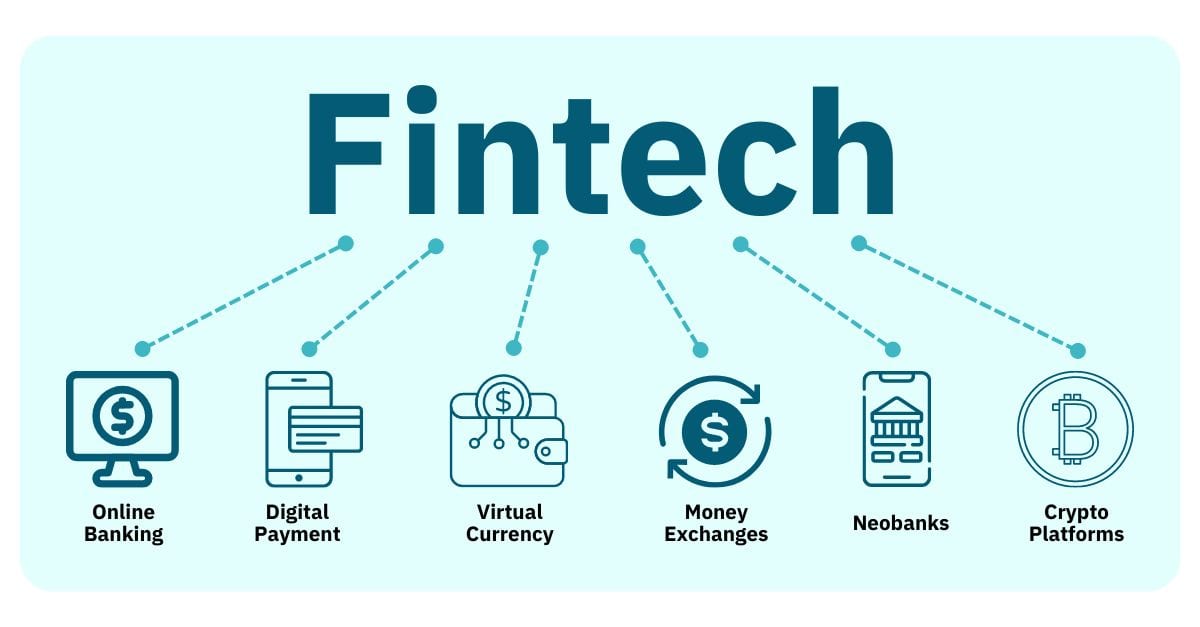 Bengaluru | Banking-as-a-Platform is moving from concept to commercial backbone across the country’s financial system, as lenders open their digital rails to fintech partners and reposition themselves as infrastructure providers rather than closed institutions. The model allows banks to expose core capabilities—accounts, payments, lending, compliance and data—through secure application programming interfaces, enabling third parties to build, distribute and monetise financial products at speed.



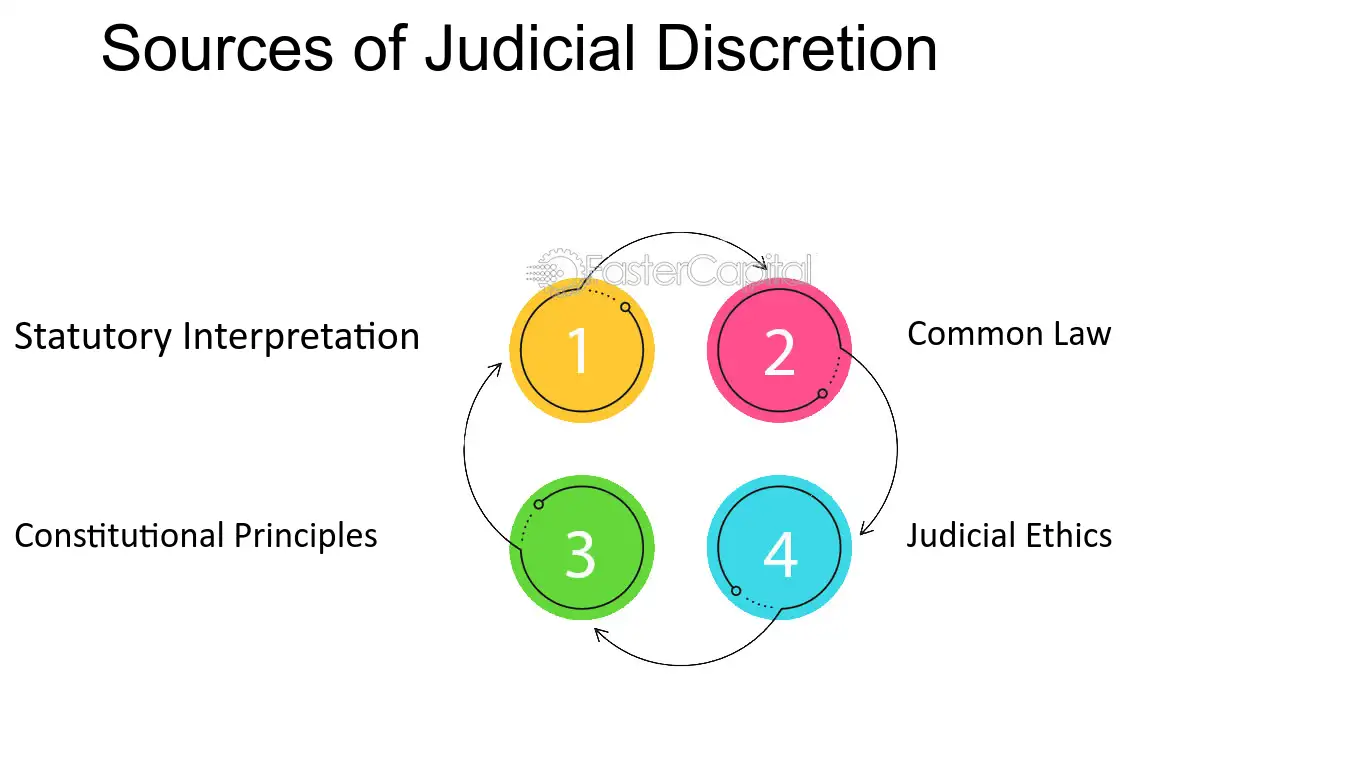
 By K Raveendran The sharp criticism mounted by Opposition leaders against the Supreme Court’s refusal to grant bail to Umar Khalid and Sharjeel Imam in the 2020 Delhi riots conspiracy case has been foregrounded as a defence of constitutional liberty. Yet, when examined closely, the argument appears driven more by political optics than by a […]

 By Nitya Chakraborty The political developments in Bangladesh including violence against any one opposing the fundamentalists are having dangerous consequences for India involving the security and geopolitical stability in the sub continent. According to this writer who has been following the churnings in the newly liberated nation since 1971, the outlook for India in terms […]



