News related to
threats

Estonia has lodged a formal diplomatic protest after three Russian MiG-31 fighters entered its airspace near Vaindloo Island, above the Gulf of Finland, without clearance for twelve minutes. The Estonian government described the incursion as “unprecedentedly brazen” and requested alliance consultations under NATO’s Article 4.

The three jets flew without flight plans, had their transponders switched off, and failed to communicate with Estonian air traffic control, according to official statements. Italian F-35s stationed under NATO’s Baltic Air Policing Mission intercepted and escorted them out. Estonia claims these flights mark the fourth known violation of its airspace by Russia this year.

Margus Tsahkna, Estonia’s Foreign Minister, stressed that while earlier violations had occurred, this one stood out in scale and coordination. He called on political and economic allies to respond forcefully to what he labelled an escalation.

Russia’s defence authorities countered that the mission was “scheduled” and followed agreed routes, asserting that the aircraft remained over neutral waters and did not cross Estonia’s borders. The claim disputes Estonia’s account, insisting no laws or flight path rules were broken.

Following the incursion, Estonia summoned the Russian chargé d’affaires and formally submitted a protest. NATO has agreed to convene under Article 4, allowing member states to discuss perceived threats to security, territorial integrity, or political independence. The North Atlantic Council is expected to deliberate early next week.

European Union officials, including EU foreign policy chief Kaja Kallas, condemned what they described as a dangerous provocation that heightens regional tensions. Estonia’s Prime Minister, Kristen Michal, echoed these concerns, saying Moscow’s actions test the limits of NATO’s resolve.

Abu Dhabi’s XRG, the ambitious investment arm of ADNOC, has abandoned its US$18.7–19 billion bid to acquire Australia’s Santos Ltd after failing to agree on key commercial terms, while its takeover attempt of German chemicals firm Covestro AG faces serious threats from an EU competition and subsidy probe. The Santos takeover fell apart largely over valuation disagreements and tax liabilities, according to people familiar with the negotiations. […]

/India Press Agency/

By Nitya Chakraborty Prime Minister Narendra Modi has stepped into his 75th year on Wednesday, September 17.His birthday is being celebrated by the BJP nationally. The significance is much more as PM’s 75th birthday celebrations have coincided with the centenary programmes on the founding of the RSS in 1925.On October 2 this year, Vijaya Dasami […]

The article Decoding Prime Minister Narendra Modi As A Political Leader On His 75th Birthday appeared first on Latest India news, analysis and reports on IPA Newspack.

Curve DAO is considering a proposal to pre-mint 60 million crvUSD to support its new Yield Basis AMM, a mechanism designed to use leveraged Bitcoin pools to eliminate impermanent loss while boosting yield. The crvUSD would be borrowed and paired with BTC in liquidity positions rather than sold on the open market, avoiding direct dilution of circulating stablecoin supply.

Proposed by Curve founder Michael Egorov, Yield Basis is expected to launch with three capped pools, each for BTC wrappers, with deposit limits of about US$10 million per pool. The proposal claims that Yield Basis returns value to both veYB holders and to Curve / veCRV holders through trade-and-fee flows, vote incentives, and other revenue mechanisms.

However, the plan has met with resistance in Curve’s governance forums. Critics warn that pre-minting unbacked crvUSD introduces systemic risk, including potential for unmanageable supply growth, governance overreach, and threats to the peg of crvUSD. One commenter described the risk of minting “out-of-thin-air, unbacked, 60M crvUSD”. Some community members argue the DAO’s current permissions already allow arbitrary minting of crvUSD, a concern in light of past vulnerabilities.

Risk mitigation is a major topic of debate. Suggestions include turning the pre-mint into a strict credit line structure, with per-pool limits, a governance-controlled kill-switch, staged rollout starting with a single BTC wrapper, insurance or first-loss vaults, and better transparency via telemetry dashboards. Yield Basis proponents have responded by noting that the protocol has passed six audits to date, is running a Sherlock bug bounty, and intends to enforce caps at launch. They emphasise that crvUSD in Yield Basis is minted only when BTC is deposited.

Scale and revenue projections form a core of the discussion. The proposal argues that Yield Basis solves what’s known as the demand-side absorption issue for crvUSD: rather than minting tokens that are sold, pairing them internally with BTC leverages LP positions, creating supply sinks and revenue flows. Fee distributions—from arbitrage trades, stablecoin pair pools involving crvUSD, and trading commissions—are structured to benefit veCRV holders, veYB holders, and liquidity providers. The DAO ecosystem is slated to receive a share of YB token inflation for vote incentives in major stablecoin pools.

Stakeholders are closely watching governance dynamics. veCRV voting power is fragmented, voter turnout on high-stakes proposals is variable, and some members say optics could affect market confidence. The precedent set by this mint could influence how future protocol decisions are made.

ManageEngine has rolled out substantial enhancements to its unified security solution, Log360, aimed at reducing the volume of false alarms faced by security operations centre teams. The upgraded detection system introduces over 1,500 prebuilt, cloud-delivered detection rules mapped to MITRE ATT&CK and SIGMA frameworks, along with advanced filtering and prioritisation features. The alert fatigue that has long plagued SOC analysts is being addressed through a reengineered detection […]

Security systems observed a sharp increase in API incidents in the first half of 2025, with over 40,000 security events targeting more than 4,000 environments globally. These incidents indicate that APIs — the unseen conduits connecting apps, payments and authentication — are now at the forefront of cybercriminal strategies. Thales’ API Threat Report for H1 2025, built on Imperva telemetry, shows APIs represent about 14 percent of […]

On a global scale, the Gulf might not be the gambling hotbed we see in North America and Europe. However, it is a growing market in an area of the world where there is plenty of investment and capital. Obtaining and maintaining trust in any industry is tricky, but in the world of casino gaming, where there’s an international market, multiple cyberthreats and dozens of operators looking […]

Advertisements

Financial institutions across the Middle East are grappling with a sharp increase in fraud driven by synthetic identities and AI-powered deepfakes, placing traditional verification systems under intense strain. Rob Woods, director of fraud and identity at LexisNexis Risk Solutions, says fraudsters are now exploiting a mix of demographic complexity and regulatory fragmentation in the region to bypass security checks. The region’s high number of expatriates and frequent […]

Poland’s President Karol Nawrocki has approved the deployment of NATO forces on Polish territory as part of Operation Eastern Sentinel, authorising foreign allied units to bolster national defences. The approval came through a decree issued by the National Security Bureau, granting permission for allied troops from other NATO member states to be stationed in Poland. The decree is classified, and precise details—such as numbers, locations, or which […]

An Israeli airstrike in Doha targeting Hamas leaders and a large drone incursion by Russian forces into Poland have severely challenged the United States’ standing among allies and adversaries alike. These events have intensified debates over Washington’s influence and reliability in preserving international norms and regional security. The Doha attack struck a compound used by senior Hamas political figures, including some negotiating with Qatar over a proposed […]

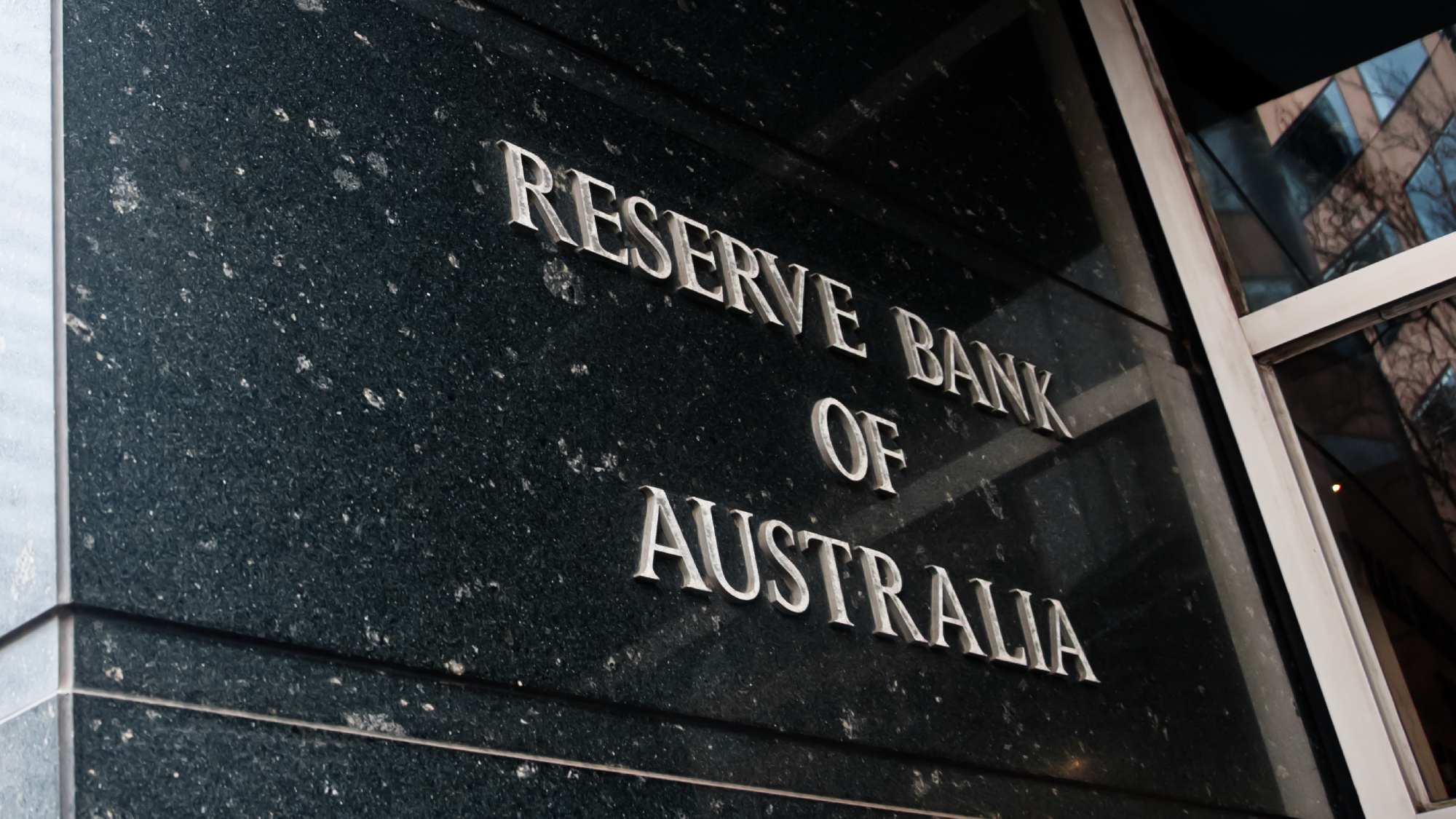
Australia’s Reserve Bank, through Assistant Governor Brad Jones, has warned that the era of stability and integration following the Cold War has given way to a more contested strategic environment that carries elevated risk for governments, financial institutions, and markets. At a FINSIA event in Sydney on 12 September, Jones declared that “the era of the peace dividend is over,” citing geopolitical, technological and operational disruptions reshaping the global financial order.

Jones described the international security and economic system as undergoing “seismic adjustment — on a scale and speed unseen in eight decades.” He flagged multiple forces contributing to instability: rising strategic rivalry, weakening tenets of the rules-based order, frictions in globalisation, and increasing emphasis on self-insurance by nations and firms against a broader set of possible harms.

Technological advances form one front of the risk profile. Jones spoke of an expanding surface for cyber-attacks driven by digitalisation, concerns over concentration risk in cloud services, and quantum computing’s looming threat to encryption systems. Artificial intelligence, while promising productivity gains, poses risks of misinformation, fraud, and systemic instability due to herding behaviour.

Critical infrastructure exposures were cited as especially vulnerable: telecommunications networks, the electrical grid, payment systems, and market infrastructure. Jones referenced a recent example in Europe, where cascading power outages in the Iberian Peninsula disrupted both households and economic activity, pointing out that such disruptions would be far more dangerous if key financial infrastructure were affected.

To respond, the RBA is pressing for what it calls an “anti-fragile” financial system—one not simply capable of withstanding shocks but able to adapt and improve because of them. Innovation, competition, and efficiency are being positioned not as opposing goals to resilience but as complementary. Initiatives under way include work with industry to bolster payments resilience, frameworks to ensure that future payments systems embed reliability and recoverability, migration to quantum-safe encryption standards, and reforms aimed at enabling new entrants in financial market infrastructure to reduce concentration risk.

These concerns build on earlier warnings in the RBA’s Financial Stability Review, which noted that heightened geopolitical tensions, trade uncertainty, and technological vulnerabilities could interact with existing financial system risks. The review flagged operational risks from interconnectedness and dependency on third parties for infrastructure and services.

The shift has implications for monetary policy, regulatory oversight, and business strategy. Regulators are likely to place greater emphasis on risk scenarios involving geopolitics, cyber-threats and supply-chain disruptions; financial institutions will need to review and stress-test against non-traditional threats while ensuring agility; and policy frameworks may need to evolve to address threats outside standard macroeconomic shocks.

A surge in cyberattacks targeting U. S. schools and colleges is being met with increasing resistance, but experts warn that serious vulnerabilities remain. Data from multiple cybersecurity firms and institutions show that ransomware incidents rose by 23% year-on-year for the first half of 2025 among educational organisations—around 130 confirmed or probable attacks—at an average ransom demand of approximately US$556,000. Check Point Research finds that from January to […]

The cybersecurity community is confronting a highly evolved phishing campaign that exploits Google’s no-code AppSheet platform to harvest credentials and two-factor authentication codes. Attackers are sending authentic-looking emails from the legitimate domain noreply@appsheet. com—circumventing common defences such as SPF, DKIM and DMARC—and impersonating Meta to pressure users into submitting sensitive data. On 20 April 2025, AppSheet-originated emails made up 10.88 percent of all phishing attempts intercepted by […]

Security investigators uncovered a sweeping campaign named GhostAction supply chain campaign that compromised 327 GitHub user accounts across 817 repositories on 5 September 2025. Attackers inserted deceptive workflow files, disguised as security enhancements, into projects—including the open-source FastUUID library—extracting and exfiltrating 3,325 secrets such as PyPI, npm and DockerHub tokens to an external server. The campaign began when GitGuardian noted a suspicious commit on 2 September by […]

A wave of ransomware incidents has incapacitated over 300 co-operative banks across India, exposing deep vulnerabilities tied to outdated VPN-based security. These attacks underline the urgent need for a shift towards modern access frameworks such as Zero Trust Network Access. Operational disruptions began when C-Edge Technologies—a key IT provider to numerous co-operative banks—was targeted by ransomware on 31 July 2024. NPCI responded swiftly by isolating C-Edge from […]

Kathmandu blocked access on 4 September 2025 to 26 social media and communication platforms, including Facebook, X and YouTube, after they failed to register with the Ministry of Communications and Information Technology by a government-imposed deadline. Users attempting to reach these services have found them inaccessible, while the digital move has prompted intensified debate about regulation versus censorship. The government’s action stems from a directive issued on […]

A Chinese state-sponsored cyber-espionage group known as Salt Typhoon almost surely infiltrated Canadian telecommunications systems during the campaign that exfiltrated data belonging to millions of Americans. The intrusion, part of the broader Chinese-backed hackers almost certainly breached Canadian networks operation, raises alarm over the growing reach and sophistication of cross-border cyber-threats. The FBI and Canada’s Centre for Cyber Security have attributed the breach in Canada to Salt […]

By Dr Arun Mitra Unending armed conflicts are unfolding across various regions of the world. As a result the global security is perhaps facing a degree of uncertainty not witnessed since the Second World War. Crisis-ridden capitalist institutions may outwardly appear powerful and dominant, yet their inability to resolve the pressing problems of the people […]

Entrepreneurship is a challenge, especially when it comes to your own project: a small restaurant, a boutique, or an online store. For many women, starting a business feels like a personal trial, a test of resilience. But in reality, any business is a game, an opportunity to grow, create something of your own, and bring ideas to life. And yes, every business faces crises. But this is […]

Greenlogue/AP Dubai is gearing up to host the 11th World Green Economy Summit on 1–2 October 2025 at the Dubai World Trade Centre, where green finance will sit at the forefront of global climate discussions. Under the theme ‘Innovating for Impact: Accelerating the Future of the Green Economy’, the summit will convene policymakers, investors, business leaders, academics and innovators to mobilise capital toward equitable, sustainable growth. Organised […]

Kraken’s Chief Security Officer, Nick Percoco, has issued a warning to users about a sophisticated phishing campaign impersonating the platform. Attackers are dispatching emails that replicate Kraken’s branding—with near-identical logos, fonts and messaging—to pressure recipients into taking urgent action. The emails allege the need to accept “updated terms” within a two‑day window, a tactic intended to prompt hasty decisions. In nearly every instance, the sender urges recipients to download remote desktop software such as AnyDesk under the guise of offering support. Percoco emphasises that Kraken will never request installation of such tools from users.

Such phishing attempts exploit both visual authenticity and psychological manipulation—cultivating a sense of urgency to override caution. According to official guidance, Kraken will only use verified domains—including @kraken. com, @futures. kraken. com, @email2. kraken. com, @email. krak. app and other specific, approved addresses—to communicate with users. Any other source should be treated as suspicious.

This incident reflects a broader escalation in phishing tactics across the crypto sector. Industry data indicates that phishing attacks surged more than 200% in August, resulting in losses exceeding $66 million. One single breach accounted for $55 million in stolen funds. Abnormal AI, a cybersecurity firm, attributes the elevated threat level to more advanced techniques—emails originating from older, seemingly trustworthy domains, employment of social engineering, and polished language devoid of traditional red‑flag keywords. These newer attacks are designed to bypass legacy email filters and evade automated detection.

Users are urged to remain vigilant and adopt a security-first mindset. The most effective defence measures include verifying sender addresses, suspecting communications that evoke fear or demand immediate compliance, and avoiding email links entirely—especially those prompting software installation. Instead, users should always navigate directly to Kraken’s official URL (), ideally via a bookmarked link, and contact support through trusted channels if unsure.

Kraken’s approach is rooted not only in technological safeguards but also in cultivating user awareness. Percoco has previously underscored that phishing and social engineering are among the most common threats to both users and employees. Kraken’s layered filtering and a security-conscious culture help reduce risk, though no system is foolproof. Humans remain the critical last line of defence.

With trusts at stake, exchanges are under mounting pressure to enhance transparency and user education. Some platforms have introduced anti‑phishing codes or digital signatures to help users verify authenticity. While Kraken currently relies on verified domains and user education, the challenge continues to evolve as attackers adopt more deceptive techniques.

A wave of data indicates that staff reliance on informal messaging platforms, particularly WhatsApp, is opening critical cybersecurity gaps across organisations. The 2025 KnowBe4 Africa Annual Cybersecurity Survey shows that 93 per cent of African professionals use WhatsApp for work purposes—surpassing email and even messages sent via enterprise-grade tools. Alarmingly, up to 80 per cent of these users operate from personal devices that often lack proper management […]

Tuta has added a user-controlled key verification feature that brings heightened assurance to encrypted email and calendar exchanges. The feature allows senders and receivers to confirm the authenticity of public encryption keys—either by scanning a QR code or comparing a verification code—before communication begins. Once verified, the client safeguards future exchanges by ensuring the key remains unchanged, alerting users to any unexpected alteration that might signal interception. […]

WhatsApp has rolled out an urgent update for its iOS and macOS apps after detecting a zero‑click exploit—one that required no user interaction—to deliver spyware to a small number of targeted users. The vulnerability allowed attackers to bypass authorisation checks when processing linked-device synchronization messages—specifically in WhatsApp for iOS before version 2.25.21.73, WhatsApp Business for iOS before version 2.25.21.78, and WhatsApp for Mac before version 2.25.21.78. This flaw was chained […]

VISHNU RAJA
RYO YAMADA
HITORI GOTOH
IKUYO KITA