News related to
threats

Rackspace Technology has formalized a multi-year Strategic Collaboration Agreement (SCA) with Amazon Web Services (AWS), marking a significant expansion of their partnership. This agreement aims to enhance Rackspace’s ability to deliver a comprehensive suite of cloud services, including hybrid and multicloud solutions, as well as artificial intelligence capabilities to its clients. As enterprises increasingly pivot toward cloud-based infrastructures, this collaboration positions Rackspace to play a pivotal role […]

Establishing itself as a premier destination for cybersecurity innovation, the UAE has become a thriving hub for startups focused on securing digital assets. This surge in activity is fueled by the government’s commitment to enhancing national cybersecurity and supporting entrepreneurial ventures within this critical sector. The UAE Cybersecurity Council is pivotal in fostering this ecosystem, launching programs such as CyberE71, aimed at incubating promising cybersecurity startups. This […]

The age of traditional keys is fading. With the rise of keyless entry technology, homeowners are experiencing a transformation in how they secure their homes. This modern convenience not only offers enhanced security but also simplifies our daily lives. From smart locks to app-based entry systems, keyless technology has become a must-have for those seeking convenience and peace of mind. In this blog post, we’ll explore the […]

By Nantoo Banerjee Domestic issues often override international commitments in diplomacy. China’s preference of Kamala Harris to Donald Trump as the next US president may look unusual but not entirely illogical from the world’s second largest economy’s business point of view. China may not mind if such a possibility could enhance diplomatic discomfort to its […]

Amid growing environmental threats, BRICS leaders are pushing for urgent measures to combat land degradation, a phenomenon severely impacting ecosystems and communities worldwide. The upcoming UN Land Degradation and Drought conference, scheduled for early next year, aims to align global efforts to curb the increasing degradation of arable lands, which jeopardizes food security, contributes to climate change, and drives displacement. A 2022 report by the UN Convention […]

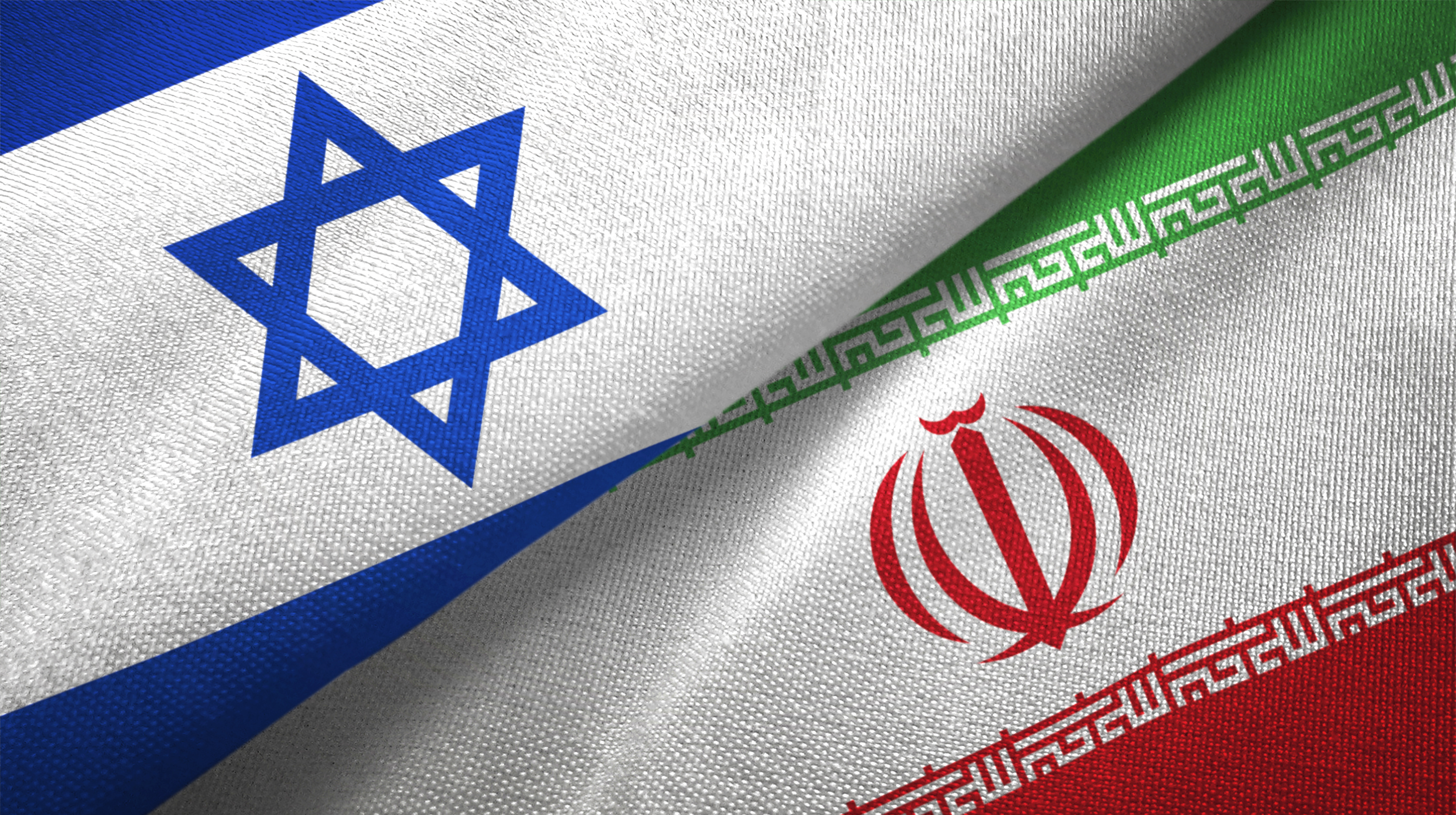
A significant decline in oil prices, exceeding 4%, has been observed after Israel conducted airstrikes in Iran, reportedly avoiding energy infrastructure. The unexpected military action has stirred uncertainty in the global oil markets, with analysts weighing the potential implications for future supply dynamics in an already volatile geopolitical landscape.

Crude oil futures, particularly West Texas Intermediate (WTI), fell sharply to around $83 per barrel, while Brent crude dipped below $87. The downward trend comes in the wake of heightened tensions in the Middle East, which had already led to fluctuations in oil prices due to fears of supply disruptions. Analysts had anticipated that military action between Israel and Iran could provoke a response that might impact oil production, but the avoidance of direct hits on energy facilities has seemingly mitigated immediate concerns.

Market sentiment turned bearish as traders reacted to the news. “The focus is on the geopolitical risks that have historically pushed oil prices higher. However, the fact that energy facilities were not targeted means that supply fears are somewhat alleviated, leading to this decline in prices,” commented David Wilson, a senior analyst at a leading energy consultancy. Investors now seem to be reassessing the risk factors that typically influence oil market volatility.

This latest escalation is part of a broader backdrop of ongoing hostilities between Israel and Iran, which have been characterized by intermittent exchanges of fire and military posturing. Iran’s Revolutionary Guard has warned that any attack on its soil will trigger severe retaliation. This historical animosity, coupled with Iran’s significant role as an oil exporter, continues to inject volatility into oil markets. Iran produces approximately 4 million barrels of oil per day, a vital contribution to the global supply.

The broader market reaction also reflects concerns regarding global economic performance, particularly in light of ongoing inflationary pressures and monetary policy tightening in several economies. Experts note that if economic growth slows, demand for oil may diminish, further complicating the price outlook. “Even with geopolitical tensions, the underlying economic indicators suggest a slowdown. If demand continues to weaken, we could see prices stabilize at lower levels,” stated Maria Chan, a commodities strategist.

In the wake of this geopolitical incident, analysts are also scrutinizing other potential threats to oil supply, including disruptions in other oil-producing regions. The Organization of the Petroleum Exporting Countries (OPEC) and its allies, including Russia, are continually adjusting their output strategies to stabilize prices, but such maneuvers become increasingly complicated amid geopolitical instability.

The ongoing conflict in Ukraine remains a significant factor influencing oil prices. Russia’s actions in Ukraine have led to widespread sanctions, disrupting energy supplies and complicating global market dynamics. While the current geopolitical climate suggests heightened risks, some analysts believe that the market has already factored in many of these risks due to the historical precedent of volatility in energy prices.

With the energy market closely monitoring developments in the Middle East, any signs of further escalation could quickly alter price trajectories. “The balance of risk has shifted slightly with this event, but we are still very much in a reactive mode as traders evaluate the ongoing situation,” remarked Samir Gupta, an oil market expert.

On a corporate level, oil companies are assessing how these geopolitical developments could impact their operations and investment strategies. Executives are increasingly focused on the dual challenge of navigating regulatory environments while managing geopolitical risks. “We have to remain agile. The situation can change rapidly, and we must be prepared to adapt our strategies accordingly,” noted Rachel Green, a chief financial officer at a major oil producer.

The situation remains fluid, with various stakeholders keenly observing the geopolitical landscape for further developments. Oil prices are expected to remain sensitive to news from the region, influencing not only immediate market reactions but also long-term strategic planning for oil companies and investors alike.

The online gambling industry continues to grow rapidly, with more operators seeking efficient ways to enter the market. Turnkey online casino software offers a comprehensive solution for those looking to launch their digital gambling platforms quickly and effectively. However, successful integration of these turnkey solutions requires careful consideration of several crucial factors. Regulatory Compliance and Licensing One of the most critical aspects of integrating a turnkey online […]

Advertisements

The International Monetary Fund has raised concerns that global markets are underestimating the potential economic impact of geopolitical tensions. Amid signs of improving economic stability, especially as global disinflation enters its final stages, the IMF has identified several medium-term risks that could significantly disrupt financial markets. According to its latest Global Financial Stability Report, while short-term global financial stability risks have receded, major vulnerabilities persist.

The IMF’s warning comes at a time when many market participants are hopeful about the prospects of a “soft landing” for the global economy, aided by disinflation and easing monetary policies. Emerging markets have shown resilience, and international debt issuance has picked up in some frontier economies. Despite these optimistic signs, there are concerns that the financial system remains fragile, especially in light of potential external shocks.

One of the key areas flagged by the IMF is the growing strain in the commercial real estate sector. Rising interest rates over the past year have exposed vulnerabilities within the sector, and further shocks could worsen these conditions. The IMF also points to signs of credit deterioration among corporations, which could intensify if adverse economic conditions continue.

The report highlights that geopolitical tensions remain a significant factor that global markets may be neglecting. Escalating geopolitical conflicts, such as the war in Ukraine and ongoing trade disputes between major economies, present long-term threats that could disrupt financial systems worldwide. These risks are further compounded by cyber threats, which the IMF notes have been on the rise. Although no major systemic disruptions have been caused by cyber incidents so far, the increasing probability of severe cyberattacks poses a looming threat to global macroeconomic stability.

In addition to geopolitical and cyber risks, the IMF underscores the vulnerability of the corporate credit market, which has expanded rapidly in recent years. This market, particularly in private credit, now rivals more traditional forms of lending, including commercial banking. While private credit markets have served as an important source of capital for mid-sized firms, they are also exposed to higher risks. A sudden downturn in economic conditions or a sharp increase in interest rates could leave many of these firms struggling to meet their debt obligations, creating ripple effects throughout the global financial system.

While the IMF acknowledges the progress made in global disinflation and the efforts of central banks to maintain stability, it is urging policymakers and financial institutions to remain vigilant. The report recommends that governments and central banks continue to assess and address medium-term risks while maintaining a focus on geopolitical and cyber threats that could lead to severe disruptions.

Global warming is reshaping ecosystems, with one of the more pressing concerns being its profound impact on aquatic environments. As water temperatures rise, fish diseases are proliferating at alarming rates, placing aquaculture and wild fish populations at greater risk. This issue, compounded by factors such as salinity and ocean acidification, has captured the attention of researchers worldwide, urging the need for strategic action in fisheries management. Researchers […]

Cisco signed a Memorandum of Collaboration with the Cyber Security Agency (CSA) of Singapore to enhance the nation’s cyber and digital resilience. Key areas of the collaboration include threat intelligence sharing, capacity building, and talent development to meet Singapore’s security and economic needs. Both parties will collaborate to enhance the nation’s cyber defense capabilities under Cisco’s Country Digital Acceleration (CDA) program in Singapore. SINGAPORE – Media OutReach […]

At GITEX Global 2024, Huawei showcased an extensive array of industrial digital and intelligent transformation solutions, emphasizing its commitment to driving technological advancements across multiple sectors. The company hosted the Industrial Digital and Intelligent Transformation Summit, bringing together industry leaders and partners to discuss the future of digital solutions in various fields. Huawei’s strategy focuses on empowering industries through cutting-edge technology, with an emphasis on collaboration and […]

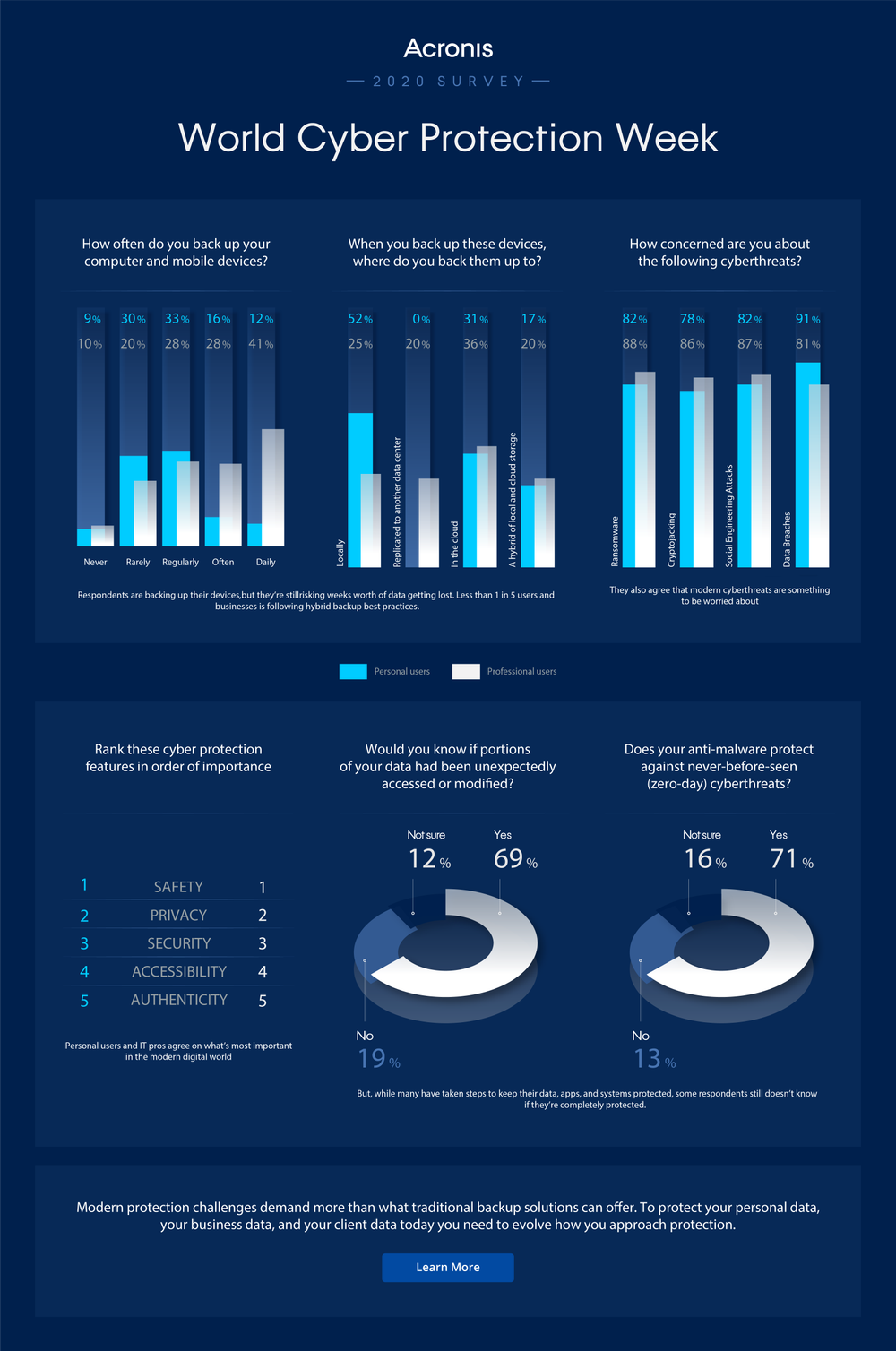
The cybersecurity sector in the UAE is experiencing unprecedented pressure, as highlighted by Acronis’ recent report indicating a staggering 68% revenue increase. This growth is attributed to the rising prevalence of cyber threats, which have intensified in 2024. Malware detections have surged by 65.3%, while URL-based threats have escalated by 36.9%, creating a pressing need for robust cybersecurity solutions across various industries.

Acronis’ findings come amid a backdrop of increased global cybercrime, with businesses in the UAE becoming prime targets. The growing digital transformation across sectors such as finance, healthcare, and government has expanded the attack surface for malicious actors. As organizations adopt cloud services and remote work policies, they inadvertently expose themselves to a myriad of vulnerabilities. The result is a burgeoning market for cybersecurity services, compelling companies like Acronis to adapt quickly to meet the evolving demands of clients.

This surge in revenue reflects not only Acronis’ successful strategic initiatives but also a broader trend within the cybersecurity industry. Organizations are increasingly prioritizing their cybersecurity frameworks, investing in comprehensive solutions to protect sensitive data and ensure business continuity. Acronis has positioned itself effectively within this landscape by offering integrated protection solutions, including data backup, disaster recovery, and cybersecurity services tailored to combat emerging threats.

Key players in the cybersecurity market are rapidly innovating to keep pace with the evolving threat landscape. The rise of sophisticated cyberattacks has prompted a shift toward proactive cybersecurity measures. Companies are now prioritizing advanced threat detection and response capabilities, leveraging artificial intelligence and machine learning to enhance their defenses. These technologies enable organizations to identify and neutralize threats before they cause significant damage, underscoring the importance of adopting a proactive rather than reactive approach to cybersecurity.

The implications of these developments are profound for businesses in the UAE. With cyber threats on the rise, organizations must reassess their cybersecurity strategies to ensure they are not only compliant with regulations but also adequately protected against potential breaches. Cybersecurity frameworks are evolving to encompass not just IT security but also physical security and personnel training, creating a comprehensive approach to risk management.

The UAE government has been proactive in addressing these challenges. Initiatives aimed at enhancing the nation’s cybersecurity posture include the establishment of the UAE Cybersecurity Council, which seeks to unify efforts across public and private sectors. This collaborative approach aims to create a resilient digital ecosystem, reinforcing the importance of cybersecurity awareness and education among employees and the wider community.

As Acronis continues to grow in this dynamic environment, its emphasis on innovation will be critical. The company has committed to enhancing its cybersecurity offerings by integrating cutting-edge technologies and expanding its global footprint. Such strategies are vital for maintaining a competitive edge and meeting the diverse needs of clients navigating this complex landscape.

The increase in cyber threats is also prompting a reevaluation of regulatory frameworks in the UAE. Businesses are now under greater scrutiny to comply with stringent cybersecurity regulations, emphasizing the need for transparency and accountability in their operations. Companies that fail to meet these requirements face not only financial penalties but also reputational damage, making cybersecurity a board-level concern.

Emerging trends indicate that small and medium-sized enterprises (SMEs) are becoming more aware of their cybersecurity needs. Historically, SMEs have been less equipped to handle cyber threats due to limited resources. However, with increased awareness and the availability of scalable cybersecurity solutions, these businesses are now taking proactive steps to safeguard their operations.

The challenge of recruiting and retaining cybersecurity talent continues to plague the industry, further complicating efforts to bolster defenses. As the demand for skilled cybersecurity professionals grows, companies face intense competition in attracting top talent. Educational institutions and training programs are responding by developing specialized curricula aimed at preparing the next generation of cybersecurity experts, a move crucial for addressing the skills gap in the sector.

Another critical aspect of the evolving cybersecurity landscape is the role of cyber insurance. As organizations recognize the potential financial impact of cyber incidents, interest in cyber insurance policies is increasing. These policies can help mitigate losses resulting from data breaches, ransomware attacks, and other cyber threats. However, the complexities involved in underwriting such policies highlight the need for comprehensive risk assessments, ensuring that organizations understand their vulnerabilities and the appropriate measures to address them.

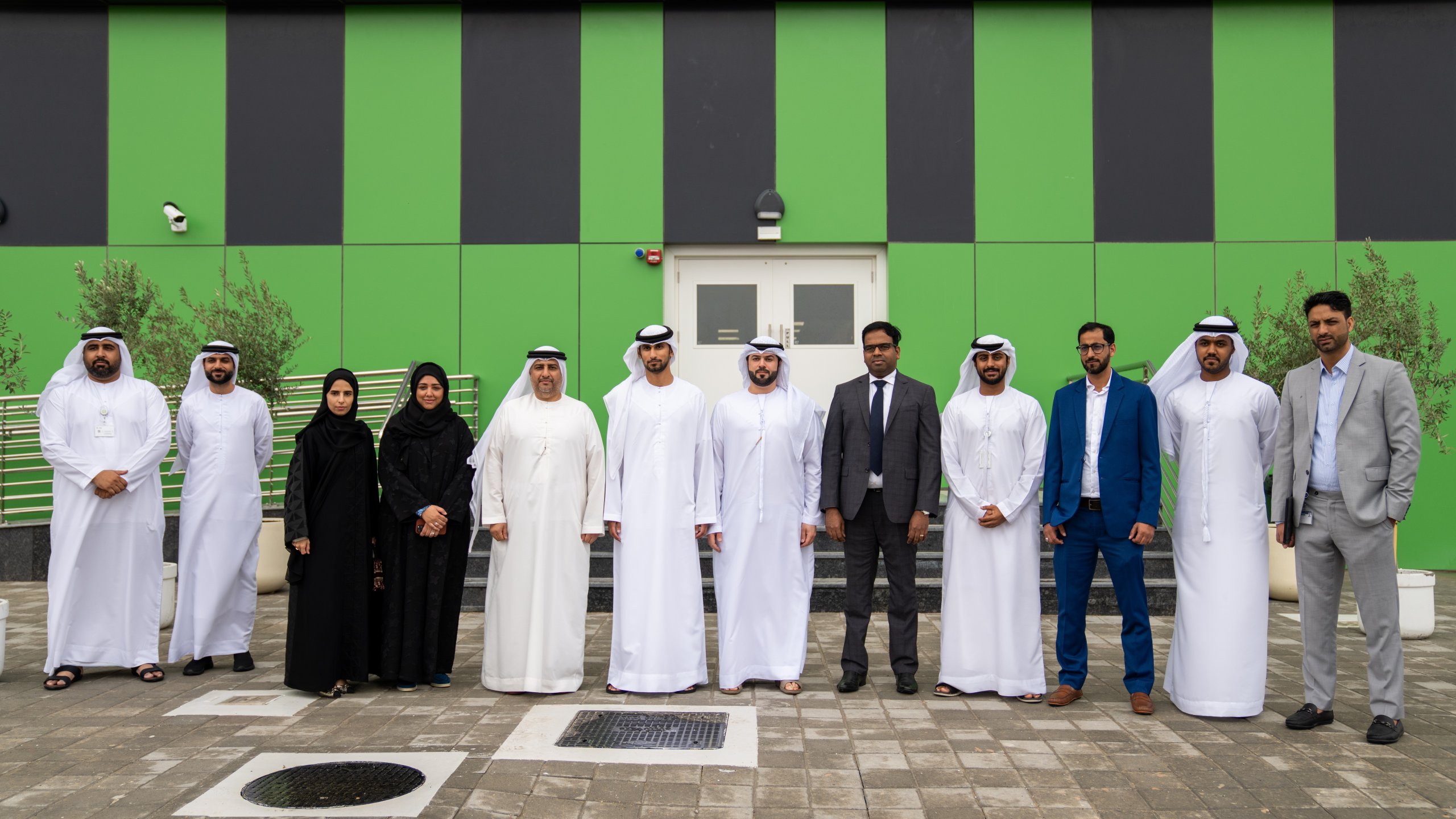
Moro Hub, a subsidiary of Digital DEWA, has formalized a partnership with Dubai Islamic Bank (DIB) aimed at enhancing the bank’s cybersecurity capabilities. The collaboration focuses on the provision of advanced colocation services and a comprehensive cybersecurity suite, ensuring the security and resilience of DIB’s IT infrastructure. This development is expected to boost Dubai Islamic Bank’s efforts to safeguard its operations and data against an evolving threat landscape while expanding its digital footprint.

The Memorandum of Understanding (MoU) signed between Moro Hub and Dubai Islamic Bank underscores the growing need for robust digital infrastructure in the financial sector. As part of the agreement, Moro Hub will provide DIB with secure colocation services in a state-of-the-art data center, alongside a suite of cybersecurity solutions tailored to meet the specific needs of the financial institution. These services aim to mitigate the risk of cyberattacks and ensure the bank’s compliance with regulatory standards, reflecting the increasing pressures on banks globally to adopt enhanced security measures.

Colocation, a service allowing businesses to rent space for their servers and other computing hardware within a third-party data center, offers banks like DIB the advantage of enhanced physical security, disaster recovery, and operational efficiency. Moro Hub’s colocation services will enable Dubai Islamic Bank to host its critical systems in a secure environment, benefiting from the company’s advanced infrastructure, which is designed to meet the stringent security requirements of financial institutions.

This partnership comes at a time when financial institutions in the UAE and around the world are grappling with a surge in sophisticated cyber threats. With the rise of digital banking services and the increased reliance on online platforms, banks have become prime targets for cybercriminals. By leveraging Moro Hub’s expertise in cybersecurity, Dubai Islamic Bank aims to strengthen its defenses against these threats, ensuring the protection of its clients’ sensitive information.

The global banking sector has witnessed a dramatic rise in cybersecurity incidents over the past few years, prompting financial institutions to invest heavily in protective measures. From phishing attacks to sophisticated ransomware campaigns, banks are constantly under siege by attackers seeking to exploit vulnerabilities in their systems. Dubai Islamic Bank’s decision to partner with Moro Hub reflects a proactive approach to dealing with these challenges, as the bank seeks to stay ahead of the curve in an increasingly digitalized world.

Moro Hub, established as part of Dubai’s broader Smart City initiative, has positioned itself as a key player in the region’s digital transformation efforts. The company’s data centers and cybersecurity services are aligned with international standards, making it a trusted partner for businesses seeking to secure their digital operations. For Dubai Islamic Bank, this partnership offers a significant opportunity to enhance the security and efficiency of its IT operations while also reducing the operational costs associated with maintaining in-house data centers.

Cybersecurity is no longer just a technological challenge; it has become a critical component of business strategy for banks and other financial institutions. Regulatory bodies in the UAE and across the globe have tightened their requirements for data protection, mandating that banks adopt stricter security protocols to safeguard customer data and prevent breaches. Failure to comply with these regulations can result in hefty fines and damage to the institution’s reputation. By partnering with Moro Hub, Dubai Islamic Bank aims to ensure full compliance with these regulatory standards while also minimizing the risk of operational disruptions caused by cyberattacks.

Beyond the immediate security benefits, this partnership is also expected to have broader implications for Dubai Islamic Bank’s digital transformation journey. The bank has been steadily expanding its digital services, offering customers a range of online banking options, including mobile banking apps and digital payment platforms. As customer expectations continue to evolve, DIB’s ability to provide seamless and secure digital services will be crucial to maintaining its competitive edge in the market.

The digital banking landscape is undergoing rapid transformation, with customers increasingly favoring online and mobile services over traditional banking methods. This shift has forced banks to rethink their operational strategies, with a focus on enhancing the digital experience for customers while ensuring robust security measures are in place. For Dubai Islamic Bank, the partnership with Moro Hub is a strategic move to ensure that its digital infrastructure is capable of meeting these demands while also safeguarding against the growing threat of cyberattacks.

Financial institutions across the UAE have been accelerating their investments in digital infrastructure in response to changing market conditions and regulatory pressures. With initiatives such as the UAE’s National Cybersecurity Strategy and Dubai’s push towards becoming a global fintech hub, banks are under increasing pressure to enhance their cybersecurity frameworks. Dubai Islamic Bank’s collaboration with Moro Hub is in line with these national priorities, positioning the bank as a leader in digital security within the financial sector.

While the specific financial terms of the MoU were not disclosed, the partnership between Moro Hub and Dubai Islamic Bank represents a significant step forward in the bank’s efforts to strengthen its IT infrastructure. The bank’s leadership has emphasized the importance of cybersecurity as a core component of its business strategy, and this collaboration with Moro Hub is expected to play a key role in achieving those objectives.

TRENDS Research and Advisory, a prominent think tank headquartered in Abu Dhabi, has launched a virtual office in São Paulo, Brazil. This move comes as part of a larger global expansion effort, reflecting the think tank’s growing presence in key international markets. With additional offices opening in Washington, Buenos Aires, Berlin, and Moscow, TRENDS aims to deepen its research capabilities and strengthen ties with academic, political, and technological institutions across continents.

The office in Brazil marks a significant strategic decision for TRENDS as it sets its sights on analyzing the evolving landscape of security threats and economic challenges in Latin America. São Paulo’s technological and industrial sectors have seen rapid growth in recent years, but with that expansion has come a rise in cybersecurity risks, prompting TRENDS to focus on proactive measures to address these vulnerabilities.

Awadh Al-Breiki, Senior Researcher and Head of TRENDS Global Sector, emphasized that the proximity to key global regions like Brazil will enhance the think tank’s role in fostering international dialogue. Brazil’s prominence in the tech sphere, combined with its connection to various global markets, makes it an ideal location for TRENDS to spearhead research on emerging technological threats and defensive strategies.

Cybersecurity is a growing concern for both private and public institutions in Latin America, with an increase in digital attacks posing significant risks. The opening of TRENDS’ office in São Paulo provides a unique opportunity to address these concerns by collaborating with local experts and governments, offering policy recommendations, and creating actionable strategies to combat the increasing number of cyber threats. This move reflects TRENDS’ dedication to being a thought leader in analyzing the economic and security dynamics of the regions it operates in.

The think tank’s presence in Brazil will also extend its reach into forums and global events, such as the Brazil-Africa Forum. At this event, TRENDS will contribute to discussions on geopolitical and economic challenges, emphasizing its focus on global knowledge exchange. As part of their engagement in Latin America, TRENDS researchers are set to present new findings on the vulnerabilities of emerging technologies, underscoring the need for greater cybersecurity frameworks.

By integrating local expertise with its broader research, TRENDS aims to bolster regional security measures, provide in-depth analysis of policy changes, and offer innovative solutions tailored to the challenges faced by Brazil’s booming tech industry. As cyber threats become more sophisticated, think tanks like TRENDS are positioning themselves at the forefront of mitigating the risks tied to rapid technological advancement.

This initiative reflects a broader trend among think tanks and research organizations aiming to enhance collaboration and information sharing to tackle global issues more effectively. TRENDS’ expansion in Latin America highlights its ongoing efforts to provide comprehensive research on critical topics such as cybersecurity, digital economy, and international cooperation.

With São Paulo serving as a key hub for research, TRENDS’ virtual office will act as a bridge, connecting Latin American insights to global policy dialogues. The think tank’s leadership emphasizes that this move is part of a long-term vision to create global knowledge bridges, furthering TRENDS’ mission to contribute to informed decision-making in both the public and private sectors.

This expansion comes amid broader discussions about global tech vulnerabilities, especially in emerging markets. As technology continues to advance at a rapid pace, regions like Latin America find themselves navigating a complex landscape of economic growth and security concerns. By establishing a dedicated presence in Brazil, TRENDS is taking proactive steps to offer in-depth analysis and support to institutions looking to safeguard their digital infrastructures.

The World Bank has adjusted its economic growth forecasts for the Middle East and North Africa (MENA) region, citing heightened uncertainties stemming from the ongoing Gaza conflict. This revised outlook reflects the significant impact of geopolitical tensions on the economic stability of nations within the region.

In its latest report, the World Bank projected that MENA’s economy would grow by 2.4% in 2024, a decrease from its previous estimate of 3.1%. This downgrade highlights the fragile state of the region’s recovery amid escalating conflicts and rising inflation. The report emphasizes that the disruption caused by the Gaza war could have ripple effects across the region, particularly affecting trade, investment, and tourism.

Countries in the Gulf Cooperation Council (GCC) are expected to demonstrate more resilience, with projected growth rates of around 4.1%. However, the report notes that even these nations may not be immune to the broader economic downturn. With a notable dependency on global oil prices, any fluctuations could hinder growth potential. The World Bank attributes the GCC’s relative strength to high oil revenues, which are supporting government spending and infrastructure development.

The impact of the Gaza conflict is significant for several reasons. The humanitarian crisis in Gaza has raised concerns about stability in neighboring countries, which could lead to an influx of refugees and strain public services. Additionally, the ongoing conflict has prompted discussions about energy security in the region, particularly given Europe’s efforts to reduce its reliance on Russian gas.

Analysts also point to the potential for increased military spending in response to the conflict, which could divert resources from social and economic development initiatives. Such shifts in government spending could hinder long-term growth prospects for nations striving to diversify their economies away from oil dependency.

Tourism, a critical sector for many MENA economies, particularly in the Levant and North Africa, is facing headwinds as well. The Gaza conflict has raised travel advisories from various countries, impacting visitor numbers and spending. Countries such as Egypt and Jordan, which rely heavily on tourism, are expected to see a decline in revenues. The report indicates that the tourism sector’s recovery may lag behind other industries, affecting job creation and economic stability in these nations.

The region faces persistent challenges related to inflation and food security. Rising global commodity prices, exacerbated by supply chain disruptions from the Ukraine conflict, are contributing to higher living costs. Many MENA countries are grappling with food inflation, which has emerged as a significant issue for households, particularly in countries with already high poverty rates.

The report identifies key players who are likely to shape the region’s economic landscape. Saudi Arabia, with its Vision 2030 initiative, continues to drive efforts to diversify its economy and attract foreign investment. The United Arab Emirates is also making strides in positioning itself as a global business hub, focusing on technology and innovation. However, the volatility created by geopolitical tensions could impede these efforts and delay the realization of ambitious economic goals.

Lebanon, meanwhile, remains in a precarious economic situation. The ongoing political instability and the fallout from the 2020 port explosion continue to affect economic recovery efforts. Inflation has skyrocketed, and essential services have deteriorated, leading to widespread discontent among the population. International support remains critical for Lebanon as it navigates this challenging landscape.

As the World Bank’s report underscores, addressing these challenges will require coordinated efforts among MENA nations. Investment in renewable energy, improvements in infrastructure, and enhancements in governance and institutional frameworks are essential for fostering sustainable growth. The current geopolitical landscape presents both risks and opportunities for the region, highlighting the need for adaptive policies that can respond to emerging threats.

Abu Dhabi-based artificial intelligence (AI) firm, Presight, continues its expansion into global markets, solidifying an agreement with a major US video surveillance company. The deal marks a significant step in Presight’s global AI strategy, positioning it as a leader in integrating cutting-edge technology into security infrastructure. This development comes as the global demand for AI-enhanced surveillance systems grows, driven by both public and private sector needs.

Presight’s partnership focuses on leveraging its AI-driven analytics capabilities, aiming to enhance the performance of video surveillance systems in diverse applications ranging from urban security to critical infrastructure protection. By embedding AI into these systems, the collaboration promises more accurate detection, efficient monitoring, and predictive capabilities, offering clients solutions to respond to security threats swiftly.

The move comes at a time when the market for AI-driven security solutions is experiencing exponential growth, spurred by increasing concerns over crime, terrorism, and urban safety. Major cities across the world have been adopting AI-enhanced surveillance technologies, particularly those powered by machine learning algorithms capable of real-time video analysis and predictive analytics.

Presight’s agreement with the US firm not only underscores its growing influence in the global AI sector but also reflects the company’s ambitions to expand beyond its home base in the UAE. The firm’s unique positioning, backed by both private investors and government initiatives, has enabled it to make significant inroads in international markets, despite geopolitical challenges that often accompany collaborations in sensitive tech sectors.

This expansion comes against the backdrop of rising scrutiny over the use of AI in surveillance, particularly concerning data privacy and the potential for misuse. Governments and regulatory bodies are closely monitoring AI deployments in public safety domains, ensuring that they comply with strict ethical guidelines and do not infringe on citizens’ rights. Both companies involved in the partnership have assured stakeholders that they remain committed to maintaining transparency and adhering to all local and international data protection laws.

The AI-powered surveillance market is projected to reach unprecedented heights in the next decade, with firms like Presight playing pivotal roles. Presight’s track record in developing AI solutions tailored for complex operational environments has been key to its success, with its tools being utilized not only for surveillance but also in fields like healthcare, finance, and energy.

Beyond the immediate scope of enhancing video surveillance systems, the partnership holds potential for further technological advancements. The integration of AI into security systems opens doors to new features such as automatic license plate recognition, crowd analysis, and even facial recognition—technologies that could transform public safety and law enforcement strategies worldwide.

However, this collaboration comes at a delicate time for the AI sector, particularly for UAE-based firms entering the US market. Global concerns regarding data security, particularly over AI technologies with links to China, have created an environment of heightened scrutiny for international tech partnerships. Although Presight has no direct ties to the Chinese tech sector, it is navigating a market wary of foreign AI influences due to broader geopolitical tensions.

This partnership exemplifies the UAE’s push to become a hub for advanced technologies. Government-backed initiatives and massive investments in AI have accelerated the country’s position as a leader in AI innovation, with companies like Presight spearheading these efforts. The UAE has set ambitious goals to integrate AI across its public and private sectors, aiming to leverage the technology for everything from national security to economic diversification.

In addition to its global aspirations, Presight’s parent organization, G42, has also been in the spotlight, particularly for its involvement in various high-profile AI projects. These include collaborations with other major tech players and ventures in healthcare AI, further cementing its reputation as a prominent player in the rapidly evolving AI landscape.

As global demand for AI in security continues to rise, Presight is likely to see further opportunities emerge. Its expanding network of international partnerships, coupled with its expertise in leveraging AI for complex environments, will be crucial in shaping its growth trajectory. The firm’s focus on innovation, ethical standards, and strategic alliances positions it well to lead the future of AI-enhanced surveillance.


GITEX Global 2024 has drawn the attention of the global tech community, making Dubai a focal point for innovation and collaboration. Held at the Dubai World Trade Centre, this year’s event is showcasing an array of cutting-edge advancements, including artificial intelligence (AI), cybersecurity, blockchain, and more. With over 6,000 exhibitors from 180 countries, GITEX is promoting key sectors like AI-driven healthcare, fintech, and climate tech. The event has also placed a spotlight on cybersecurity challenges and solutions, attracting top industry players to discuss the future of AI in various fields.

One of the central themes of this year’s GITEX is AI’s role in reshaping industries. “AI Everything,” a major attraction at the event, is focusing on integrating AI into sectors such as digital finance, healthcare, and education. With demonstrations of AI-driven technologies, attendees are gaining insights into how AI will continue to disrupt traditional models, providing more efficiency and data-driven decision-making.

In tandem with these developments, the fintech sector is experiencing significant attention. “Fintech Surge,” another highlight of the event, is hosting global fintech leaders to explore how blockchain and AI are pushing boundaries in digital finance. Investors and startups alike are eyeing new opportunities as digital currencies, decentralized finance (DeFi), and AI-powered financial services grow in prominence. Dubai, positioning itself as a hub for innovation, offers the perfect backdrop for these transformative conversations.

Cybersecurity has emerged as a key topic, as threats in the digital space continue to escalate. GITEX’s “Cyber Valley” is addressing the intersection of AI and cybersecurity, gathering top experts to explore ways to counter cyber threats in an increasingly connected world. High-profile cybersecurity executives and government leaders are collaborating to establish frameworks that can protect sensitive data, infrastructure, and networks from sophisticated cyber-attacks.

Startups and entrepreneurs are also finding GITEX to be a launchpad for growth. “Expand North Star,” a major startup event running alongside GITEX, is connecting founders with venture capitalists and tech leaders to foster partnerships and scale new ventures. The event highlights the increasing importance of fostering an entrepreneurial ecosystem that nurtures innovative ideas and gives rise to the next generation of tech giants.

The event’s focus on sustainability is evident through “Gitex Impact,” where climate-tech innovators are unveiling solutions for environmental challenges. AI-driven sustainable technologies, including advancements in waste management and conservation, are on display, emphasizing the role of technology in addressing global climate issues.

Dubai’s ambition to be a leading global tech hub is reinforced by the diversity of participants and the scale of innovations being showcased at GITEX. Government leaders, industry experts, developers, and investors are all converging to forge partnerships and explore how emerging technologies can drive future economic growth.

GITEX Global 2024 is not just about presenting technological advancements, but also about sparking discussions around the ethical implications of such technologies. From the regulatory challenges of AI to privacy concerns, these critical issues are being debated as technology continues to evolve rapidly. The convergence of AI, cybersecurity, and fintech underlines the complex, interconnected nature of modern digital transformations.

Nintendo and Game Freak have confirmed a significant data breach affecting the Pokémon franchise. The breach, which reportedly occurred earlier this year, compromised the personal information of both current and former employees, leading to widespread concern within the gaming industry. In a formal apology published on Game Freak’s official website, the developer studio acknowledged unauthorized access to its server, stating that sensitive data had been exposed. The […]

As tensions escalate between Israel and Iran, the world is watching with bated breath, and financial markets are bracing for a potential economic shock. The deployment of additional US troops and advanced anti-missile systems to Israel highlights how serious the situation has become. Recent unprecedented attacks from Iran and Israel’s potential countermeasures, particularly targeting Iran’s vital oil or nuclear facilities, could set the stage for a global […]

The Pentagon has announced the deployment of the Terminal High Altitude Area Defense (THAAD) missile defense system to Israel, reinforcing the nation’s defense capabilities against potential missile threats, particularly from Iran. This strategic move includes sending US military personnel to operate the system and comes amid escalating tensions in the region, notably due to Iran’s ongoing missile development and regional activities.

The deployment of the THAAD system, which is designed to intercept short- to intermediate-range ballistic missiles, marks a significant step in US-Israel defense cooperation. The system will enhance Israel’s already robust missile defense architecture, which includes the Iron Dome and David’s Sling systems. US Secretary of Defense Lloyd Austin emphasized the importance of this deployment, stating that it demonstrates the United States’ unwavering commitment to Israel’s security. He reiterated that the United States will continue to work closely with its allies to address shared security challenges.

Analysts suggest that this deployment is not merely a precautionary measure; it serves as a signal to both allies and adversaries that the US stands firmly with Israel in the face of rising threats. Iran’s missile program has expanded rapidly in recent years, with officials claiming capabilities to strike targets across the Middle East. Reports indicate that Iran is developing long-range missiles capable of reaching Europe and beyond, raising alarms not only in Israel but also among European nations and the Gulf states.

The THAAD system, operational since 2008, has been deployed in several locations worldwide, including South Korea and the United Arab Emirates, highlighting its role in US military strategy. This particular deployment is part of a broader framework of military support provided by the United States to Israel, which receives approximately $3.8 billion annually in military aid, as outlined in a 10-year memorandum of understanding signed in 2016.

Tensions have intensified in the region due to a range of factors, including Iran’s nuclear program and its support for militant groups like Hezbollah and Hamas. The Biden administration’s approach to Iran, characterized by attempts to re-engage diplomatically while maintaining a stance of deterrence, reflects the complexities of regional geopolitics. In the wake of stalled negotiations over the Iran nuclear deal, the deployment of THAAD serves as a tangible measure of deterrence.

Experts also note that Israel has been strengthening its own military capabilities, including advancements in aerial defense systems and cyber warfare. The Israeli military has been conducting various exercises to prepare for potential confrontations, ensuring that its forces are ready to respond to threats on multiple fronts. The addition of THAAD will complement these efforts, particularly in countering long-range missile threats.

The timing of this deployment coincides with heightened tensions between Israel and Palestinian factions in Gaza. Following a series of rocket attacks from Gaza, the Israeli military has intensified airstrikes, prompting fears of an escalation into broader conflict. The THAAD system is expected to provide an additional layer of defense against potential retaliatory missile strikes that could emerge from such clashes.

US officials have reiterated that the deployment does not signify an intention to escalate military involvement in the region but rather aims to bolster Israel’s defensive posture. This move reflects a strategic shift toward enhancing missile defense capabilities in an era marked by technological advancements in missile systems worldwide.

As the situation unfolds, the implications of this deployment will likely resonate beyond Israel, influencing the broader dynamics of Middle Eastern security. Regional actors, including Iran, will be closely monitoring the developments, assessing the implications for their own defense strategies and military posturing.

International reactions to the THAAD deployment have been mixed. While Israeli officials have welcomed the additional security assurances, some regional nations view the move with skepticism. There are concerns that increased US military presence could exacerbate existing tensions in an already volatile region.

As the Pentagon mobilizes resources to support Israel, the focus will also shift to diplomatic efforts aimed at addressing the underlying issues driving regional instability. Engaging Iran in constructive dialogue remains a challenge, with trust deficits complicating the prospects for meaningful negotiations.

EDGNEX, a prominent technology and data center service provider based in the UAE, has announced an ambitious investment exceeding $1 billion to establish data centers in Thailand. This significant financial commitment marks a strategic move into the Southeast Asian market, underlining Thailand’s growing importance as a hub for digital infrastructure. The initiative is anticipated to enhance the country’s capabilities in data management, cloud computing, and overall digital […]

WordPress.org has taken steps to assert control over a plugin developed by WP Engine, following a series of disputes between the two entities. The conflict, which started with criticisms from WordPress founder Matt Mullenweg, centers on trademark infringements and accusations of profiteering by WP Engine. The decision to restrict WP Engine customers from accessing updates and plugins has left many concerned about security vulnerabilities. Both parties have engaged in cease-and-desist actions, escalating tensions that have drawn widespread attention within the WordPress community.

The friction between Automattic, the company behind WordPress, and WP Engine has been intensifying over the past months. Mullenweg’s remarks at WordCamp USA sparked a broader debate, as he labeled WP Engine a “cancer to WordPress” and criticized the company’s lack of contributions to the open-source ecosystem. He accused WP Engine of placing commercial interests ahead of community welfare, despite the company generating substantial revenues from WordPress users.

In response to Mullenweg’s comments, WP Engine issued a legal warning, demanding the retraction of statements made by Mullenweg and Automattic. This led to a standoff, with both sides trading legal threats over the use of WordPress and WooCommerce trademarks. Mullenweg defended his stance by pointing out WP Engine’s continuous violation of the WordPress Trademark Policy, which prohibits using the “WordPress” name in product or service titles.

One of the key flashpoints in this confrontation has been the alleged impact on WP Engine customers. WordPress.org temporarily blocked WP Engine users from updating or installing plugins and themes, which raised concerns about site security and performance. WP Engine acknowledged these issues, assuring customers that efforts were underway to address the problem and restore plugin functionality.

The dispute highlights broader issues about control within the WordPress ecosystem. While WordPress prides itself on being open-source and community-driven, Mullenweg’s actions against WP Engine are being viewed by some as a move toward greater centralization. His criticism of WP Engine’s proprietary systems, which control various aspects of the WordPress experience for their customers, points to a deeper concern about third-party entities monopolizing certain elements of the open-source platform.

IIT Madras has inaugurated the Centre for Cybersecurity, Trust, and Reliability (CyStar), marking a significant step towards advancing India’s cybersecurity capabilities. The newly established CyStar is expected to play a pivotal role in fortifying the nation’s cyber defenses amid growing threats across various industries, including finance, healthcare, and critical infrastructure. The Center’s focus is both broad and ambitious, covering sectors from artificial intelligence to post-quantum cryptography, while aiming to create an ecosystem of innovation and collaboration.

Speaking at the launch, IIT Madras Director Prof. V. Kamakoti emphasized the increasing prevalence of cyberattacks, which are not limited to financial motives but often target key infrastructure sectors. To counter this evolving threat landscape, CyStar will focus on developing proactive defense mechanisms to safeguard the country’s digital assets. The initiative is part of the institution’s broader strategy to contribute to the global cybersecurity ecosystem, incorporating interdisciplinary research and technological advancement to meet today’s complex security demands.

CyStar has been structured with a vision to drive innovation through fundamental and applied research, fostering collaboration between academia, industry, and government. The Center will partner with prominent organizations, including the Ministry of Electronics and Information Technology, the Ministry of Education, Kaspersky, IDBI Bank, LG India, and numerous other local and international players. These partnerships aim to tackle a range of cybersecurity issues, from data privacy to the protection of critical infrastructure.

At the heart of CyStar’s mission is the desire to address cybersecurity challenges in India’s diverse social and business environments. The Center’s multi-disciplinary team will focus on developing cutting-edge solutions, including security frameworks for artificial intelligence, blockchain technology, and quantum computing. The ultimate goal is to secure vital sectors of the economy, especially those that rely heavily on digital infrastructure.

CyStar’s key coordinators, including Prof. Shweta Agrawal and Prof. Chester Rebeiro, outlined the Center’s approach, which spans fundamental research to practical applications. Agrawal stressed the importance of a collaborative environment that brings together experts from varied fields to tackle the complex problem of cybersecurity. Rebeiro added that the Center’s outreach programs and industry-academia relationships would help foster innovation and secure India’s critical industries.

By integrating cybersecurity advancements into real-world applications, the Center also aims to contribute to startup ecosystems, helping to cultivate new companies that focus on cybersecurity solutions. This aligns with India’s broader ambition to become a global leader in technology-driven innovation. Furthermore, the center will explore advanced cybersecurity applications in sectors such as healthcare, electronics, and automotive, industries that are highly dependent on secure and reliable digital systems.

In the keynote address, internationally renowned cybersecurity experts, including Prof. Shafi Goldwasser of MIT and Prof. Christian Scheideler of Paderborn University, emphasized the importance of innovative research to counter emerging cyber threats. They noted that as technology evolves, particularly in areas such as AI and quantum computing, cyber threats will become more sophisticated, requiring a comprehensive and forward-thinking approach. CyStar’s work, they suggested, is poised to meet these challenges head-on by developing next-generation solutions for AI security, quantum encryption, and IoT security.

A video featuring what seems to be a preview model of the forthcoming MacBook Pro M4 has sparked significant attention online, leading to warnings of a potential security threat. The leak, which originated from a Russian YouTuber, has reportedly led to a surge in fraudulent activities as scammers seek to exploit the excitement surrounding Apple’s latest release. Kaspersky, a cybersecurity firm with Russian origins, has indicated that […]

VISHNU RAJA
RYO YAMADA
HITORI GOTOH
IKUYO KITA