News related to
threats

Akamai Technologies has solidified its position as a major contender in the public cloud Infrastructure as a Service landscape, according to the latest vendor evaluation by a leading industry analyst. The assessment highlights Akamai’s strategic focus on expanding its datacenter footprint, advancing security technologies, and enhancing low-latency application delivery as key factors that strengthen its appeal to enterprises undergoing cloud transformation. The report underscores Akamai’s extensive expertise […]

The United Arab Emirates and Kuwait have cemented a series of bilateral agreements designed to enhance collaboration across vital sectors such as health, energy, education, and defence. These agreements were formalised during an official visit by UAE Vice President Sheikh Mansour bin Zayed Al Nahyan at Bayan Palace, where Kuwaiti Prime Minister Sheikh Ahmad Abdullah Al-Ahmad Al-Sabah also presided over the signing ceremony.

This diplomatic engagement reflects a shared commitment to deepen economic and political cooperation amid a shifting geopolitical landscape in the Gulf region. Both nations seek to leverage their strategic partnership to accelerate development goals and bolster regional stability.

The agreements encompass a broad spectrum of cooperation frameworks. In healthcare, the MoUs aim to facilitate joint initiatives in medical research, health services, and pandemic preparedness. This builds upon existing efforts to enhance public health infrastructure and improve access to advanced medical technologies within both countries. The collaboration is expected to include exchanges of expertise and the establishment of joint health projects, reinforcing resilience against future health crises.

Energy cooperation constitutes a central pillar of the accord, reflecting the growing importance of sustainable development and energy diversification in Gulf policies. Both nations have expressed intent to collaborate on clean energy projects, including renewable energy deployment and energy efficiency programmes. This aligns with wider regional ambitions to reduce carbon footprints and accelerate the energy transition, tapping into solar, wind, and hydrogen potential. The partnership aims to foster knowledge-sharing, joint investments, and innovation in sustainable energy technologies, signalling a clear move away from traditional hydrocarbon dependency.

Education and innovation sectors also feature prominently in the agreements. Kuwait and the UAE plan to develop cooperative education programmes, facilitate student and academic exchanges, and promote joint research ventures. These initiatives target strengthening human capital and nurturing a knowledge-based economy, crucial for long-term competitiveness. Special focus is placed on artificial intelligence and digital transformation, areas recognised for their transformative potential across industries.

Defence collaboration marks another significant dimension of the bilateral ties, with both countries pledging closer coordination in security and military affairs. This includes enhanced training cooperation, intelligence sharing, and joint exercises aimed at improving operational readiness and countering emerging threats in a volatile regional security environment.

Investment and infrastructure development feature heavily within the broader strategic framework. The agreements envisage boosting trade flows, encouraging cross-border investments, and facilitating infrastructure projects. These measures are expected to unlock economic opportunities, create jobs, and support broader Gulf Cooperation Council integration efforts.

Social development has not been overlooked, with the accords setting the stage for cooperative efforts in social welfare, cultural exchange, and community development. This demonstrates a recognition that sustainable progress extends beyond economic growth to encompass social cohesion and quality of life improvements.

This series of MoUs signals a concerted effort by the UAE and Kuwait to consolidate their partnership amid evolving regional and global dynamics. Both nations are navigating complex challenges, including economic diversification pressures, climate change imperatives, and shifting geopolitical alliances. The agreements reflect a proactive strategy to leverage bilateral cooperation as a stabilising and growth-enhancing force.

The visit by Sheikh Mansour underscores the UAE’s broader diplomatic outreach in the Gulf, aimed at strengthening ties with neighbouring states while advancing shared priorities. Kuwait, meanwhile, views this enhanced partnership as vital for reinforcing its role in regional affairs and securing avenues for economic resilience.

Experts note that such collaborations between Gulf states are increasingly critical as they face mounting global competition and internal transformation demands. By pooling resources, expertise, and political will, the UAE and Kuwait position themselves to address mutual challenges more effectively and harness new opportunities.

This development follows a pattern of intensified Gulf collaboration that has gained momentum following shifts in regional geopolitics. Enhanced bilateral relations are viewed as key to ensuring collective security and economic prosperity, particularly amid external uncertainties and emerging global power dynamics.

The agreements also reflect a clear alignment with the strategic visions of both countries, which prioritise innovation, sustainability, and regional integration. As the Gulf states pursue diversification and modernisation agendas, such partnerships become essential tools for advancing these objectives.

While the full scope and impact of the signed agreements will unfold over time, the foundations laid in this visit mark a significant milestone. The emphasis on critical sectors such as healthcare, clean energy, education, and defence highlights the comprehensive nature of the partnership.

The East African Crude Oil Pipeline , stretching 1,443 kilometres from Uganda to the Tanzanian port of Tanga, has passed the 60 percent completion mark, marking a significant step forward in one of Africa’s largest infrastructure projects. This progress highlights the accelerating momentum in the development of critical energy infrastructure in the East African region, with implications for the economies and geopolitics of multiple countries. The pipeline, […]

Matein Khalid Dr. Copper supposedly boasts a doctorate in economic forecasting because its price predicts inflection points in the global industrial cycle and Freeport-McMoRan (FCX) is the largest listed copper miner on earth, with gold and oil drilling businesses as ancillary SBUs. Dr. Copper is not exactly my fav prognosticator of the economic cycle but I do notice a mini price breakout of the red metal on […]

EDGE, the United Arab Emirates’ premier defence technology conglomerate, has secured a landmark AED 9 billion contract with the Kuwait Ministry of Defence for the supply of eight FALAJ-3 class missile boats. This agreement represents the largest naval shipbuilding export in the Middle East and ranks among the highest-value naval export deals globally.

Under the terms of the contract, EDGE will serve as the prime contractor, overseeing the design, construction, trials, and delivery of the 62-metre vessels. The agreement also encompasses integrated logistics support and in-service support, with EDGE providing ammunition for the ships. Abu Dhabi Ship Building , EDGE’s naval subsidiary, has been designated as the build subcontractor for the programme.

Hamad Al Marar, Managing Director and CEO of EDGE, described the deal as a significant milestone that deepens long-term defence ties between the UAE and Kuwait. He emphasised that the agreement brings a proven class of advanced vessels into regional service and reinforces EDGE’s position as a trusted international partner. Al Marar highlighted the rapid industrial and engineering progress achieved by EDGE, noting the company’s ability to design, build, and deliver complex naval platforms at scale.

The FALAJ-3 class missile boats are designed for high performance and advanced combat capabilities, tailored to meet Kuwait’s operational requirements. These vessels are equipped for littoral defence operations, featuring advanced combat systems and enhanced capabilities to safeguard Kuwait’s maritime interests.

The Kuwaiti Ministry of Defence stated that the acquisition of these vessels will contribute to raising the level of combat readiness, enhancing maritime security, and protecting the vital and strategic maritime interests of the State of Kuwait. The ministry highlighted that the contract aligns with Kuwait’s strategic objectives to bolster its naval capabilities and ensure the security of its territorial waters.

The FALAJ-3 class has also been adopted by the UAE Navy, with the first vessel, ALTAF, commissioned into service in February 2025. This operational deployment underscores the vessel’s proven capability and performance in regional waters.

The signing ceremony was attended by Sheikh Dr. Abdullah Meshal Mubarak Al Sabah, Undersecretary of the Kuwait Ministry of Defence; Dr. Matar Al Neyadi, UAE Ambassador to Kuwait; Hamad Al Marar, Managing Director and CEO of EDGE; and Omar Al Zaabi, President of Trading and Mission Support at EDGE.

This contract is not the first collaboration between EDGE and Kuwait. Previously, EDGE subsidiary ADSB delivered eight landing craft to Kuwait and provided maintenance, repair, and overhaul services to the Kuwaiti Coast Guard. The current agreement further solidifies the defence partnership between the two nations and demonstrates EDGE’s commitment to delivering comprehensive defence solutions.

The FALAJ-3 class vessels are based on the Fearless-class ships originally designed by Singapore’s ST Engineering for the Republic of Singapore Navy. EDGE has adapted and enhanced these designs to meet the specific needs of regional clients, offering a versatile platform capable of operating in both littoral and blue waters. The vessels can be equipped with a range of weapons, including missiles, rockets, and medium-calibre guns, providing robust defensive capabilities against various threats.

By Dr. Gyan Pathak The most vocal Hindutva face in the North-East India, the chief minister of Assam Himanta Biswa Sarma, having shown penchant for igniting communal fire in the past, now seems to have decided on playing with even more terrible fire of arms conflicts, if his new arms policy in the state is […]

Oil prices strengthened sharply as OPEC+ agreed to a modest increase in production, falling short of some market expectations, while escalating geopolitical tensions in Ukraine and Iran added further upward pressure. West Texas Intermediate crude futures climbed 2.8%, settling near $63 per barrel, reflecting a cautious market balancing supply concerns against demand uncertainties.

The Organisation of the Petroleum Exporting Countries and its allies approved a production boost of 411,000 barrels per day for July, a figure that surprised some analysts who anticipated a larger output increase. This decision followed extensive negotiations marked by dissent from several members, including Russia, which has historically played a pivotal role in the alliance’s supply management. The group’s choice to limit production growth indicates a strategic effort to maintain price support amid a volatile global economic outlook.

Within the alliance, certain countries advocated for a pause in the output hike, citing lingering uncertainties in global demand recovery and concerns over market oversupply. This internal division has led financial institutions to offer contrasting forecasts on OPEC+ policy direction for the coming months. Some banks now expect additional gradual supply increases to ease pressure on energy markets, while others warn of a more restrained approach to sustain price levels.

Market participants are also closely monitoring the geopolitical landscape, which has become a significant factor influencing oil prices. The conflict in Ukraine continues to disrupt supply chains and has led to concerns over potential shortages in European energy markets. The war has prompted a reconfiguration of energy trade flows, with European countries seeking alternatives to Russian crude and refined products amid sanctions and supply restrictions.

Meanwhile, escalating tensions surrounding Iran’s nuclear programme and regional activities have heightened fears of disruptions in the Middle East, a region critical to global oil supply. The possibility of renewed sanctions or military confrontation has contributed to risk premiums embedded in crude prices. Iranian officials have issued statements warning against external interference, further adding to the geopolitical uncertainties that traders are factoring into their decisions.

The market’s response to these developments reflects a complex interplay between supply management by OPEC+ and external geopolitical risks. While the alliance’s measured increase in output signals a cautious optimism about demand recovery, the persistent threats to supply continuity underscore the fragility of the current energy market balance. This dynamic has led to increased volatility in oil prices as traders weigh the prospects of tighter supply against potential disruptions.

Analysts note that global oil inventories remain a critical indicator of market health. Recent data show stocks in key consuming regions have fluctuated, influenced by varying rates of economic activity and shifts in fuel consumption patterns. The International Energy Agency has highlighted that while demand has strengthened, it faces headwinds from inflationary pressures and a slower-than-expected economic rebound in several major economies.

Energy firms and investors are responding to the evolving scenario by adjusting their strategies. Some producers are exercising caution in ramping up output, mindful of price swings and regulatory challenges. Investment in exploration and production continues to be scrutinised in light of global energy transition policies and commitments to reduce carbon emissions, factors that could constrain long-term supply growth.

The global energy market is also observing shifts in trade flows as refiners and consumers adapt to changing supply sources. Countries in Asia and Europe are recalibrating their crude procurement strategies to mitigate risks and capitalise on price movements. This realignment is creating new patterns of demand that could influence OPEC+ decisions and broader market trends going forward.

Despite these complexities, market analysts caution that the oil market remains sensitive to any significant geopolitical escalation or unexpected shifts in production policies. The interplay between supply discipline by producing nations and geopolitical developments will continue to be key drivers of price direction. The potential for further volatility remains high as global economic conditions evolve and political uncertainties persist.

Financial institutions remain divided on how aggressively OPEC+ will pursue production hikes in the coming months. Some expect a gradual easing of supply constraints if demand shows sustained improvement, while others predict continued restraint to maintain price support amid ongoing global uncertainties.

Advertisements

A significant portion of employee interactions with generative AI tools is inadvertently leaking sensitive corporate data, posing serious security and compliance risks for organisations worldwide. A comprehensive analysis by Harmonic Security, involving tens of thousands of prompts submitted to platforms such as ChatGPT, Copilot, Claude, Gemini, and Perplexity, revealed that 8.5% of these interactions contained sensitive information. Notably, 45.77% of the compromised data pertained to customer information, […]

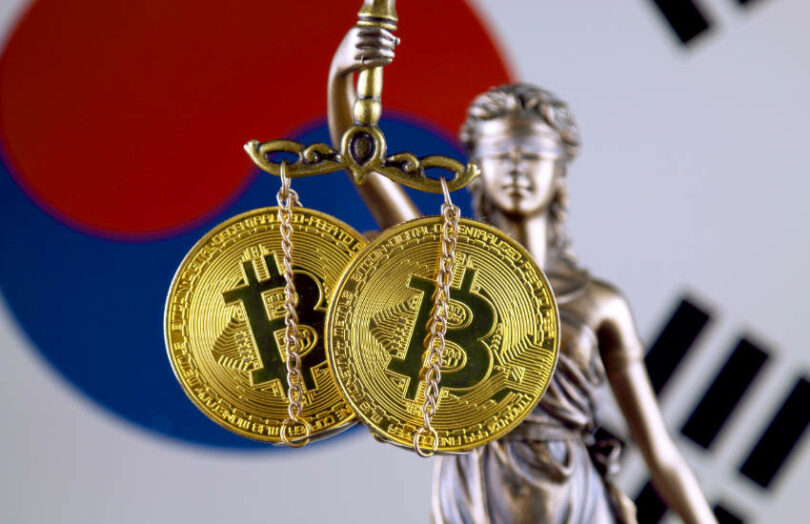
South Korea’s cryptocurrency industry appears poised for continued expansion despite uncertainties surrounding the upcoming presidential election. Analysts and market insiders suggest that while the election outcome may influence regulatory approaches, the overall trajectory for crypto adoption and innovation in the country remains largely positive. The nation, known for its advanced digital infrastructure and high rate of technology adoption, continues to be a key global hub for cryptocurrency trading and blockchain development.

Voters are set to choose their next president amid growing public interest in digital assets, a sector that has become deeply embedded in South Korea’s financial landscape. The outgoing administration has maintained a cautious but constructive stance on crypto, emphasising investor protection and regulation to curb speculative risks. However, there is widespread anticipation that the new leadership, regardless of political affiliation, will aim to strike a balance between fostering innovation and ensuring financial stability.

The South Korean crypto market ranks among the world’s largest, with retail investors accounting for a significant share of trading volumes. According to market data, the country’s exchanges handle billions of dollars in daily transactions, reflecting robust participation despite bouts of global market volatility. Industry experts highlight that the presence of a tech-savvy population and extensive mobile connectivity continues to drive demand for cryptocurrencies and related services such as decentralized finance and non-fungible tokens .

Recent policy discussions have centred on enhancing regulatory clarity without stifling growth. Authorities have been moving toward implementing stricter anti-money laundering measures and introducing licensing regimes for crypto exchanges. These steps are designed to increase transparency and build trust among investors, especially after high-profile hacks and fraud cases shook confidence in past years. Nonetheless, crypto entrepreneurs argue that overly rigid rules could hinder South Korea’s competitive edge in the fast-evolving digital economy.

The election campaign itself has seen varying perspectives on how best to approach the burgeoning crypto sector. Some candidates advocate for a more innovation-friendly environment, proposing incentives for blockchain startups and easing certain regulatory burdens. Others emphasise the need for rigorous oversight, citing concerns about market manipulation and consumer protection. This diversity of viewpoints underscores the complexity of integrating crypto assets into mainstream financial systems while safeguarding public interests.

South Korea’s financial regulators are also coordinating with international bodies to align standards and promote cross-border cooperation. This global approach aims to mitigate risks associated with illicit finance and to support legitimate crypto ventures. Moreover, collaboration with major markets like the United States and European Union seeks to harmonise regulatory frameworks, which could facilitate smoother operations for South Korean crypto firms on the world stage.

Despite occasional regulatory headwinds, venture capital funding in South Korea’s blockchain and crypto technology startups has surged. Investments are being channelled into innovative projects that range from smart contract platforms to digital identity solutions and tokenisation of real-world assets. This capital influx is driving research and development, helping local firms compete with international giants in areas such as security, scalability, and user experience.

Market participants also point to South Korea’s well-established IT infrastructure and educational emphasis on STEM disciplines as critical factors supporting the crypto ecosystem’s growth. The country’s universities and research institutions are actively engaging in blockchain research, producing talent that feeds into both the private sector and regulatory agencies. This synergy between academia, government, and industry forms a backbone for sustainable technological advancement.

Consumer attitudes toward cryptocurrencies have evolved significantly, with increasing acceptance among younger demographics. Surveys indicate that digital assets are now viewed not only as speculative tools but also as legitimate instruments for payments, savings, and investment diversification. This cultural shift has encouraged mainstream financial institutions to explore crypto-related products, including custody services, exchange-traded funds , and blockchain-based payment networks.

However, risks remain inherent in the sector, with price volatility, regulatory uncertainty, and cybersecurity threats continuing to challenge market stability. Industry leaders have called for ongoing dialogue with policymakers to ensure that emerging regulations are well-informed and adaptable. Transparency and investor education are emphasised as vital to fostering a resilient market capable of weathering shocks and sustaining public confidence.

The intersection of cryptocurrency and South Korea’s broader economic policy objectives is also under scrutiny. The government aims to position the country as a global innovation hub, leveraging digital technologies to boost productivity and competitiveness. Cryptocurrency and blockchain are seen as integral components of this strategy, with potential to revolutionise areas such as supply chain management, finance, healthcare, and public administration.

Global geopolitical tensions and financial market fluctuations have added layers of complexity to South Korea’s crypto landscape. Supply chain disruptions and inflation concerns worldwide have driven some investors toward digital assets as alternative stores of value. Yet, the international nature of cryptocurrencies requires regulatory frameworks that can keep pace with rapid technological changes and evolving market dynamics.

LightEdge, a provider of hybrid hosting solutions, has expanded its collaboration with Corero Network Security through a $1.2 million agreement aimed at enhancing its defence against distributed denial-of-service attacks. This strategic move involves the deployment of Corero’s SmartWall ONE platform across LightEdge’s global data centre network, replacing an existing competitor’s solution. The expanded partnership underscores LightEdge’s commitment to bolstering its cybersecurity framework, particularly as organisations increasingly adopt […]

SINGAPORE – Media OutReach Newswire – 30 May 2025 – Synology showcased its latest lineup of innovations at COMPUTEX 2025, Taiwan, presenting a comprehensive solution portfolio spanning enterprise storage, data protection, video surveillance, on-premise productivity suite, and personal private cloud. “At Synology, our goal has always been to build a data management ecosystem our customers can trust,” said Philip Wong, Chairman and CEO of Synology. “We design […]

A fully operational computer system that runs entirely within a web browser is reshaping the way users interact with technology, removing the need for traditional hardware or software installations. This breakthrough in cloud computing and browser technology delivers a complete operating system environment accessible from virtually any device with internet connectivity, opening new possibilities for both individual users and organisations. The web-based operating system offers a comprehensive […]

By K Raveendran The impeachment of Allahabad High Court judge Yashwant Varma in the wake of burnt notes being discovered from his residence appears to be a certainty. However, going by past experience, impeachment has rarely functioned as an effective deterrent against judicial misconduct in India. In the history of Indian judiciary, only five formal […]

Zscaler has announced its intention to acquire Red Canary, a leading Managed Detection and Response provider, in a strategic move aimed at enhancing its capabilities in AI-powered cybersecurity. This acquisition is poised to bolster Zscaler’s position in the cybersecurity landscape, particularly in the realm of AI-driven threat detection and response. The integration of Red Canary’s MDR expertise with Zscaler’s Zero Trust Exchange platform is expected to provide […]

Thailand has initiated a pilot programme enabling foreign tourists to make purchases using cryptocurrencies in Phuket, marking a significant step in integrating digital assets into the nation’s tourism sector. The initiative, announced by Deputy Prime Minister and Finance Minister Pichai Chunhavajira, allows visitors to register their Bitcoin through Thai exchanges and verify their identities before transacting. A designated clearinghouse will convert these digital payments into Thai baht, ensuring that local merchants receive funds in the national currency and are insulated from cryptocurrency price volatility.

This pilot operates within Thailand’s existing legal frameworks, requiring no amendments to current laws. The government aims to enhance convenience for tourists and expand business opportunities in the tourism sector, a critical driver of the nation’s economy. Phuket, attracting up to 14 million tourists annually, serves as an ideal location for this trial.

The programme builds upon Thailand’s growing acceptance of cryptocurrency. In Kalasin’s Huay Phueng district, dubbed “Bitcoin Town,” over 80 businesses, including noodle vendors and tuk-tuk services, accept Bitcoin payments. This grassroots adoption demonstrates the potential for broader cryptocurrency integration across the country.

Former Prime Minister Thaksin Shinawatra has advocated for using Phuket as a “Bitcoin sandbox” for tourism, suggesting that Thailand is well-prepared to advance cryptocurrency initiatives compared to other Southeast Asian nations. He also proposed the issuance of a government-guaranteed stablecoin to increase economic liquidity and potentially boost GDP growth.

Despite these advancements, challenges remain. The Bank of Thailand has previously expressed concerns about the use of cryptocurrencies for payments, citing potential threats to financial stability. However, proponents argue that a carefully controlled pilot could attract new capital inflows and liquidity into Thailand’s economy.

Allianz Safety and Shipping Review 2025: Trade conflict between the US and China and growing shadow fleet add to substantial challenges for the shipping industry. Despite geopolitical headwinds: only 27 large ships lost worldwide in 2024, down by more than 20%, the industry’s lowest-ever total. Progress made on traditional risks such as fires, collisions, and groundings, which are the main causes of losses, but potential for large […]

By Nantoo Banerjee Pakistan is back in the business of pushing Jihadists into India. It is the same old story. Last week, barely 12 days after the announcement of a ceasefire on 10 May, Pakistani terrorists in Jammu & Kashmir’s Kishtwar district killed an Indian soldier in an encounter with the security forces. When were […]

Webclei, a free online web vulnerability scanner, is gaining traction among cybersecurity professionals and developers for its robust capabilities in identifying security flaws in websites and web applications. Unlike many free tools that offer limited functionality, Webclei provides comprehensive scanning features typically found in premium solutions. At its core, Webclei operates on a template-based system written in YAML, allowing it to systematically test websites against a wide […]

Coinbase, the leading U.S.-based cryptocurrency exchange, is under intensified scrutiny as it confronts a new class-action lawsuit filed on behalf of investors who purchased company shares between April 14, 2021, and May 14, 2025. The lawsuit alleges that Coinbase and its executives failed to disclose critical information and did not adequately protect user data, leading to significant financial losses for shareholders following a sharp decline in stock value.

The legal action centers on claims that Coinbase misrepresented its ability to safeguard customer assets, particularly in the event of bankruptcy. Investors argue that the company did not sufficiently inform them that customer assets could be considered part of Coinbase’s bankruptcy estate, potentially making customers unsecured creditors. This concern was exacerbated when, on May 10, 2022, Coinbase disclosed in a regulatory filing that customer assets could be at risk in the event of bankruptcy, leading to a more than 26% drop in the company’s share price the following day.

Further compounding investor concerns, Coinbase recently revealed a significant data breach where cybercriminals bribed overseas support agents to access sensitive user information, including names, contact details, government ID images, and account histories. The breach affected up to 97,000 users and led to a ransom demand of $20 million, which Coinbase refused to pay. The company estimates the incident could cost between $180 million and $400 million in fixes and refunds. Following the disclosure, Coinbase’s stock dropped over 7%, shortly after it had surged 24% on news of its impending inclusion in the S&P 500.

The lawsuit also points to Coinbase’s alleged failure to disclose its engagement in proprietary trading. Despite public statements denying such activities, reports emerged in September 2022 indicating that Coinbase had formed a unit specifically for proprietary trading, investing $100 million in these trades. This revelation led to further declines in the company’s stock price, causing additional losses for investors.

In response to these allegations, Coinbase maintains that it has been transparent with its investors and is committed to addressing any concerns. The company has stated that it is cooperating with law enforcement regarding the data breach and has taken steps to enhance its security measures, including establishing a new U.S. support hub and implementing stronger protections against insider threats. Coinbase has also fired the implicated insiders and is pursuing criminal charges against them.

A critical vulnerability in GitLab’s AI-powered coding assistant, Duo, has exposed private source code repositories to theft through a sophisticated indirect prompt injection attack, cybersecurity researchers have revealed. The flaw, now patched, allowed attackers to embed hidden instructions within project content, leading the AI to leak sensitive data and manipulate its responses.GitLab Duo, introduced in June 2023 and built on Anthropic’s Claude models, is designed to assist […]

A sophisticated phishing group known as Inferno Drainer has capitalised on a recently implemented Ethereum feature to conduct large-scale wallet-draining attacks, exposing a novel vulnerability within the blockchain ecosystem. This new tactic leverages Ethereum Improvement Proposal 7702 , part of the network’s broader Pectra upgrade, which permits Externally Owned Accounts to temporarily emulate smart contract wallets during transactions.

EIP-7702 was introduced to enhance transaction efficiency and flexibility by allowing EOAs, typically controlled by individuals, to process complex batch operations usually reserved for smart contracts. However, this flexibility has opened unforeseen attack vectors that cybercriminals like Inferno Drainer are now exploiting to extract significant funds without alerting users.

The initial alert came from Scam Sniffer, a web3 anti-scam platform, which identified a wallet compromised through this method losing nearly $150,000. This incident underscores the growing sophistication of phishing techniques targeting crypto users, marking a shift from conventional scams that often rely on direct wallet hijacking or tricking users into revealing private keys.

Blockchain security expert Yu Xian, founder of SlowMist, a firm specialising in combating crypto threats, explained that Inferno Drainer’s method differs markedly from previous phishing scams. Instead of forcibly taking control of a wallet, the group operates through a delegated MetaMask wallet—one authorised under EIP-7702’s new permissions system.

This approach involves the hackers silently approving token transfers by executing a batch authorisation process. Through this mechanism, the victim unknowingly triggers an “execute” command within MetaMask, which processes malicious batch data quietly in the background, resulting in a stealthy but effective draining of tokens.

“The phishing gang uses this mechanism to complete batch authorisation operations on tokens related to the victim’s address,” Xian said, highlighting the threat’s subtlety and the challenge it poses to wallet security.

The shift towards batch authorisations was designed to streamline interactions on Ethereum by allowing users to manage multiple transactions or permissions in a single operation. Unfortunately, it also offers a cover for nefarious actors to bundle illicit commands within legitimate transaction flows, evading traditional detection methods.

Industry analysts observe that this new exploit underscores the delicate balance between innovation and security in blockchain technology. Ethereum’s continuous upgrades aim to enhance usability and scalability but often introduce complexities that can be manipulated if not carefully monitored.

Inferno Drainer has reportedly refined this phishing tactic over months, adapting to Ethereum’s evolving infrastructure. Their campaigns focus on victims who have already adopted wallets compatible with the Pectra upgrade, ensuring that the batch execution feature is active and exploitable.

The Pectra upgrade itself is a significant step forward for Ethereum, promising improved transaction throughput and user experience. Yet, as this case reveals, the implementation of powerful features without equally robust security safeguards invites exploitation. Wallet providers, particularly MetaMask, face mounting pressure to integrate advanced detection algorithms and user alerts to mitigate such silent batch authorisation abuses.

Security firms are recommending users exercise heightened caution when approving wallet transactions, especially those involving batch operations. Unlike straightforward transaction confirmations, batch authorisations may bundle multiple permissions, some of which could be maliciously crafted.

The incident also highlights the growing arms race in crypto security, where threat actors rapidly adapt to platform upgrades and exploit minor oversights or new functionalities. While blockchain’s decentralised nature offers transparency, the intricacies of smart contract and wallet interaction often elude average users, increasing their vulnerability.

MetaMask’s role in this exploit is crucial, as the wallet’s delegation and permission system under EIP-7702 allows the execution of complex commands with user consent. Experts suggest MetaMask and similar wallet developers could implement clearer prompts, disallowing batch authorisations that combine unexpected or unverified commands, thereby reducing risk.

Regulatory scrutiny around crypto security continues to intensify as attacks like those by Inferno Drainer demonstrate the potential for significant financial loss. Governments and industry bodies are increasingly focused on fostering secure protocols and pushing for better user education to counteract sophisticated phishing attempts.

Cryptocurrency exchanges and DeFi platforms may also need to review their integration with wallets supporting EIP-7702, ensuring that their transaction flows do not inadvertently facilitate or obscure malicious batch authorisations.

This emerging threat reiterates the importance of layered security measures, including hardware wallets, multi-factor authentication, and vigilant transaction monitoring. As phishing schemes grow more advanced, users must adopt a cautious stance towards authorisation requests, verifying each operation’s legitimacy, particularly when batch executions are involved.

Inferno Drainer’s exploitation of Ethereum’s latest upgrade serves as a stark reminder that innovation in blockchain technology must be matched by equally innovative security frameworks. The broader crypto community faces a critical juncture where safeguarding user assets depends on swift adaptation to both technological progress and the evolving tactics of cybercriminals.

Efforts to address such vulnerabilities are underway within Ethereum developer circles, with proposals to refine permissioning models and enhance wallet interfaces to better distinguish legitimate transactions from potentially harmful batch authorisations. Collaboration between security researchers, wallet providers, and the wider blockchain community is crucial to curtail threats exploiting the complex functionalities introduced by upgrades like Pectra.


Scammers operating in the UAE have increasingly exploited WhatsApp’s business platform to impersonate trusted contacts, aiming to extract sensitive personal and financial information from unsuspecting users. This surge in fraudulent activity has prompted Meta, WhatsApp’s parent company, to initiate a targeted public awareness campaign by directly messaging users in the UAE with detailed guidelines to distinguish legitimate business profiles from fake ones.

These deceptive practices often involve scammers creating profiles that mimic reputable companies or individuals, using official logos and business names to gain credibility. The impersonators then contact users, requesting confidential details such as passwords, banking information, or verification codes under various pretexts, including prize claims, urgent payments, or account verification. Such tactics prey on the trust that users place in familiar or official-seeming contacts, making it crucial to understand the warning signs of fraudulent profiles.

Meta’s communication emphasises several practical steps for users to verify the authenticity of business accounts on WhatsApp. Genuine business profiles typically feature a green checkmark badge, signifying that WhatsApp has verified the account’s authenticity. Additionally, the FAQ highlights that official business accounts often provide clear contact information, including physical addresses and email IDs, which can be cross-checked independently. Users are advised to be cautious of unsolicited messages from accounts lacking these markers, especially if they request personal or financial information.

The prevalence of such scams in the UAE reflects a broader global trend where digital fraudsters exploit popular communication platforms. The UAE’s rapidly expanding digital economy and high smartphone penetration have made it an attractive target for cybercriminals. Reports indicate that these scams have led to significant financial losses and identity theft cases, affecting both individuals and businesses. Authorities in the region have responded by increasing collaboration with technology firms and law enforcement agencies to identify, disrupt, and prosecute offenders.

Cybersecurity experts underscore the importance of user vigilance and education alongside technological safeguards. They advise that users should not share one-time passwords , verification codes, or bank details via messaging apps. Moreover, any unsolicited requests for payments or personal data should be treated with scepticism. Experts also recommend reporting suspicious profiles directly to WhatsApp and local cybercrime units to aid in swift action against scammers.

WhatsApp has implemented several backend security measures to combat such misuse, including automated detection of suspicious accounts and the ability for users to block and report fraudulent profiles easily. However, the dynamic nature of scams means that fraudsters continuously evolve their methods to bypass safeguards, making user awareness a critical line of defence.

The UAE government has been proactive in addressing cybercrime through legal and regulatory frameworks. The Federal Law No. 5 of 2012 on Combatting Cybercrimes stipulates stringent penalties for offences involving electronic fraud, impersonation, and data breaches. These laws are complemented by public education initiatives and partnerships with the private sector to enhance digital literacy and security awareness across the community.

Telecommunications providers in the UAE have also joined efforts to strengthen network security and raise awareness about phishing and social engineering attacks. Campaigns targeting both consumers and corporate clients aim to provide up-to-date information on the latest threats and prevention strategies. These initiatives are crucial as social messaging platforms like WhatsApp remain primary communication channels for many residents and businesses in the country.

Despite these efforts, challenges remain due to the anonymous and borderless nature of cybercrime. Fraudsters often operate from outside the UAE, complicating jurisdictional enforcement. International cooperation and intelligence-sharing between countries have become essential components of the global response to digital fraud schemes. UAE authorities participate actively in such cooperative frameworks, seeking to enhance their capacity to track and dismantle scam networks.

Users are increasingly urged to adopt best practices for online security, including enabling two-step verification on WhatsApp accounts, regularly updating app software, and avoiding clicking on suspicious links. Businesses are encouraged to educate their customers about official communication channels and verify any unusual requests through direct contact.

By K Raveendran In his relentless pursuit of what he calls economic nationalism, President Donald Trump’s ‘trade jihad’ is targeting newer and more diverse sectors of the global economy. The latest front in this campaign is the high-tech industry, with a particular focus on smartphone manufacturing. This marks a significant escalation both in terms of […]


KOLO, a prominent player in the web3 ecosystem, has introduced a next-generation digital wallet paired with a worldwide debit card designed to seamlessly bridge the gap between digital assets and everyday transactions. This development marks a significant step in expanding the usability of cryptocurrencies and blockchain-based assets in mainstream financial activities, targeting both seasoned crypto users and newcomers seeking practical applications of digital currencies.

The KOLO digital wallet enables users to store, manage, and transact with a broad range of digital assets, including popular cryptocurrencies and non-fungible tokens . Its accompanying debit card, which operates on a global scale, allows holders to convert their crypto holdings into fiat currency instantly, facilitating purchases and cash withdrawals wherever traditional debit cards are accepted. This dual functionality aims to enhance the liquidity and real-world accessibility of digital assets, which have often been limited by infrastructure and regulatory challenges.

KOLO’s platform capitalises on cutting-edge security protocols, including multi-factor authentication and hardware wallet integration, to protect user funds from common threats such as hacking and fraud. The wallet supports interoperability across multiple blockchain networks, including Ethereum, Binance Smart Chain, and Polygon, ensuring wide compatibility with a diverse array of tokens. Additionally, KOLO offers a user-friendly interface designed to simplify complex processes like token swaps, staking, and NFT management, appealing to users across different levels of technical expertise.

This launch comes amid growing global interest in cryptocurrencies as tools for everyday financial activities, beyond their traditional roles as speculative assets or investment vehicles. Industry analysts observe that bridging digital assets with conventional financial systems remains a critical hurdle for broader adoption. KOLO’s integration of a physical debit card backed by digital wallet balances presents a pragmatic solution to this challenge by enabling seamless real-time spending without the need for manual conversions or third-party intermediaries.

The global rollout of KOLO’s debit card features partnerships with major payment networks to ensure widespread acceptance. Cardholders can transact in multiple currencies, benefiting from automatic conversion rates managed by KOLO’s proprietary system. This eliminates the complexity and delays that typically accompany crypto-to-fiat exchanges, allowing for smoother consumer experiences in retail, online shopping, and ATM withdrawals worldwide.

Market experts highlight the significance of this move as competition intensifies among blockchain projects aiming to embed crypto payments in daily commerce. Other companies have launched crypto debit cards before, but KOLO’s approach focuses on enhanced security, broad token support, and user-centric design. It also addresses regulatory compliance across jurisdictions by implementing know-your-customer and anti-money laundering measures, ensuring adherence to financial regulations while maintaining user privacy.

KOLO’s leadership emphasises the product’s role in accelerating the transition toward a more inclusive financial system, where digital assets play a pivotal role in economic participation. The company has also announced plans to integrate decentralized finance features directly into the wallet, enabling users to access lending, borrowing, and yield farming services without leaving the platform. This integrated approach could reduce friction points that currently discourage mainstream users from engaging deeply with DeFi ecosystems.

In terms of adoption, KOLO targets a wide demographic including crypto enthusiasts, digital nomads, and merchants looking to accept digital currencies without complex setups. The debit card is available to users in key markets across North America, Europe, and Asia, with expansion plans for emerging economies where digital finance penetration is growing rapidly. Early user feedback praises the card’s convenience and the wallet’s intuitive design, with particular appreciation for transparent fees and fast transaction processing times.

Financial regulators remain cautious but generally open to innovation that adheres to legal frameworks and prioritises consumer protection. KOLO’s compliance strategy includes collaboration with regulatory bodies to ensure transparency and mitigate risks associated with digital asset transactions. This proactive approach aims to position KOLO as a trustworthy intermediary capable of navigating evolving regulatory landscapes without compromising on the decentralised ethos of web3 technology.

The broader digital asset industry is witnessing heightened demand for solutions that integrate blockchain technology with everyday financial use cases. KOLO’s entry into the market reflects an ongoing shift from niche crypto experimentation toward practical, user-friendly applications that can coexist alongside traditional banking infrastructure. This hybrid model could pave the way for new financial paradigms where digital wallets and physical payment instruments work in concert to offer greater flexibility and control to users.

VISHNU RAJA
RYO YAMADA
HITORI GOTOH
IKUYO KITA
Just in: