News related to
threats

Hurricane Francine made landfall in Louisiana as a Category 2 storm, packing winds up to 100 mph and leaving significant damage in its wake. The storm struck the coast near Terrebonne Parish late on Wednesday, with widespread power outages reported across the region, impacting more than 245,000 residents. The storm brought with it torrential rains, resulting in flash flooding and the threat of deadly storm surges across […]

WorkFusion, a leader in regtech, has teamed up with Advanced Financial Solutions, part of the MDS SI Group, in a strategic move to expand its AI-based Digital Workers in the Middle East. This partnership aims to strengthen the region’s efforts in combating financial crimes such as money laundering. Leveraging WorkFusion’s cutting-edge AI technology, the collaboration focuses on automating anti-money laundering (AML) processes and enhancing the detection of suspicious transactions in banking and financial sectors across the region.

Advanced Financial Solutions, with its deep regional expertise and infrastructure, will help accelerate the adoption of WorkFusion’s AI-powered Digital Workers. These advanced solutions are designed to improve compliance efficiency and streamline labor-intensive tasks such as transaction monitoring, customer identity verification, and due diligence procedures. The initiative is set to help Middle Eastern financial institutions navigate an increasingly stringent regulatory environment while cutting down on operational costs.

As financial crime grows more sophisticated, the demand for AI tools that can keep pace with evolving threats has risen sharply. WorkFusion’s Digital Workers, which are pre-trained to handle specific tasks in financial compliance, provide a scalable solution for institutions seeking to meet these challenges without overburdening their human workforce. The company’s AI technology is already widely used in global financial centers, and this partnership marks a key step in expanding its presence in the Middle East.

WorkFusion’s platform specializes in automating complex tasks that are critical in detecting fraud and non-compliance. With features such as adverse media screening and sanctions checks, these AI tools can quickly adapt to the diverse needs of different markets, providing a customizable approach to risk management. The partnership underscores the increasing reliance on artificial intelligence to not only detect financial crimes but also ensure regulatory compliance across multiple jurisdictions.

The Middle East has emerged as a growing market for financial technology innovations, particularly in areas related to anti-financial crime measures. As regional governments and financial institutions prioritize regulatory compliance, the introduction of AI-driven solutions like WorkFusion’s offers a timely response to these needs. Advanced Financial Solutions, already well-established in the local market, will play a pivotal role in deploying these tools and ensuring they meet the specific requirements of Middle Eastern banks and financial entities.

This partnership is part of WorkFusion’s broader strategy to expand its AI Digital Workers globally, with a focus on regions that face heightened regulatory pressures and a growing need for automation in financial services. The integration of AI in regulatory technology (regtech) not only enhances the ability to monitor large volumes of transactions but also reduces false positives, freeing up human resources for more strategic initiatives.

By focusing on automation, the collaboration aims to transform how financial crime prevention is managed, reducing the manual effort traditionally involved in AML compliance while increasing accuracy and efficiency. WorkFusion’s AI Digital Workers have already proven their ability to reduce false positives by up to 95% in other markets, and the company expects similar outcomes in the Middle East as its solutions become more widely adopted.

Standard Chartered has announced the introduction of digital asset custody services in the United Arab Emirates, marking a significant expansion in its financial offerings. This new service is set to cater to institutional clients and high-net-worth individuals looking to safeguard their digital assets in a region known for its growing interest in cryptocurrency and blockchain technology. The launch comes at a time when the UAE is emerging […]

Oracle co-founder Larry Ellison revealed plans to bolster cloud security by integrating AI-driven autonomous systems to preempt and neutralize cyberattacks. During Oracle CloudWorld, Ellison highlighted how these systems would revolutionize the industry by preventing data breaches like ransomware and identity theft. This move aligns with Oracle’s multicloud strategy, showcased by its partnership with AWS. Ellison emphasized the critical role of AI in ensuring a seamless, secure cloud […]

The first debate between Donald Trump and Kamala Harris sparked attention due to their sharp exchanges on leadership, national security, and the direction of the country. However, cryptocurrency, a growing concern in the global economy, was notably absent from the discussion. The debate, hosted as part of the ongoing 2024 presidential campaign, saw both candidates clashing on key issues while steering clear of this increasingly relevant topic. […]

M A Hossain Russian President Vladimir Putin’s recent two-day state visit to Mongolia was not only a significant moment in the bilateral relations between Moscow and Ulaanbaatar, but also an event that resonated on the international stage. Mongolia, a nation that ratified the Rome Statute of the International Criminal Court (ICC), became the subject of global attention due to its refusal to comply with the ICC’s warrant […]

The Second Circuit U.S. Court of Appeals has ruled against the Internet Archive in a long-standing copyright dispute with four major publishing houses—Hachette, HarperCollins, Penguin Random House, and Wiley. This decision marks a significant blow to the nonprofit organization, known for its efforts to provide free access to millions of digital materials, including books, music, and videos. The core of the legal battle revolved around the Internet […]

Advertisements

The global blockchain security market is poised for rapid expansion, projected to grow from $3 billion in 2024 to $37.4 billion by 2029, reflecting a compound annual growth rate (CAGR) of 65.5%. This surge is driven by increasing demand for secure digital solutions amid rising cyber threats. Blockchain’s decentralized nature is proving valuable across industries like finance, healthcare, and government, offering enhanced protection for sensitive data and digital identities. Companies such as IBM and Microsoft are investing heavily in blockchain innovations, aiming to cater to evolving market needs.

With sectors like financial services and healthcare adopting blockchain to address data protection challenges, the technology is expected to play a critical role in safeguarding identity verification, financial transactions, and more. Financial services, in particular, are leading in blockchain integration, leveraging the technology for secure transactions and efficient fund management. The digital identity segment is also anticipated to experience remarkable growth, fueled by blockchain’s ability to create tamper-proof identity systems.

North America continues to dominate the blockchain market due to a robust ecosystem of startups and established tech giants. The region’s early adoption of blockchain solutions in diverse sectors has contributed to its leading position. However, Asia-Pacific is expected to register the highest growth over the next five years, as governments in countries like China, Japan, and India invest heavily in blockchain initiatives aimed at boosting transparency and operational efficiency.

Ubuntu is set to unveil a significant enhancement in its security management with a new graphical user interface (GUI) tool designed to streamline and strengthen system protection. This upcoming tool aims to simplify access to security features, making it easier for users to monitor and manage their system’s security settings effectively. The proposed security center GUI tool will be integrated into the latest Ubuntu distributions, providing a […]

By P. Sudhir The situation in Assam has steadily deteriorated due to growing tensions between communities and certain incidents being used to divide people on communal and chauvinistic lines. The chief minister, Himanta Biswa Sarma, and the BJP-led government are solely responsible for the current state of affairs. Himanta Biswa Sarma has crossed all limits […]

The ongoing initiative to bolster Houbara bustard populations has seen a significant development with the release of half a million birds into their natural habitats. This ambitious project aims to address the declining numbers of this critically endangered species and restore ecological balance. The Houbara bustard, a bird native to the arid regions of North Africa and the Middle East, has faced severe population declines due to […]

Mastercard has teamed up with Mercuryo to unveil a new euro-denominated crypto debit card, aimed at revolutionizing the way cryptocurrencies are used for everyday transactions. This innovative card enables users to spend a range of cryptocurrencies, including Bitcoin, directly from their self-custodial wallets. The card is accepted at over 100 million merchants within the Mastercard network, providing an expansive reach for crypto enthusiasts. The collaboration between Mastercard […]

The UAE Cabinet has formally adopted a new National Strategy for Anti-Money Laundering, Countering the Financing of Terrorism, and Proliferation Financing (AML, CFT, and CPF) for the period 2024-2027. This strategic initiative, which received approval from the Higher Committee overseeing the National Strategy, marks a significant enhancement of the UAE’s efforts to safeguard its financial system from illegal activities.

The updated strategy introduces a multifaceted approach to address money laundering, terrorist financing, and proliferation financing. It aims to strengthen the UAE’s legal and regulatory framework, align with international standards, and improve the effectiveness of its financial oversight mechanisms. The move comes as part of the UAE’s ongoing commitment to maintain a robust financial system and to comply with global best practices in combating financial crime.

Key components of the new strategy include enhanced coordination among national and international bodies, advanced data-sharing practices, and the adoption of cutting-edge technologies for monitoring and enforcement. The strategy emphasizes a risk-based approach, focusing resources and efforts on high-risk areas to maximize the impact of preventive measures.

The UAE has been a prominent player in the global fight against financial crime, regularly updating its frameworks to reflect evolving threats and international standards. The previous strategy, which covered the years 2020-2023, laid the groundwork for significant improvements in the country’s anti-money laundering and counter-terrorism financing efforts. The new strategy builds upon these achievements by addressing identified gaps and incorporating feedback from stakeholders across the financial sector.

The implementation of the 2024-2027 strategy will involve a series of legislative and procedural updates. These include amendments to existing laws, the introduction of new regulations, and enhanced training programs for financial institutions and law enforcement agencies. By fostering a culture of compliance and vigilance, the UAE aims to further secure its financial system and bolster its reputation as a global financial hub.

International cooperation is a cornerstone of the new strategy. The UAE plans to strengthen its partnerships with other countries and international organizations to facilitate the exchange of information and best practices. This collaborative approach is essential for addressing the transnational nature of financial crimes and ensuring that the UAE’s measures are effective in a global context.

The UAE’s commitment to enhancing its anti-money laundering and counter-terrorism financing framework reflects broader global trends towards stricter regulatory environments and greater transparency. As financial crimes become increasingly sophisticated, countries worldwide are revising their strategies to stay ahead of emerging threats. The UAE’s proactive stance underscores its determination to maintain a secure and compliant financial sector.

The adoption of the new strategy also highlights the UAE’s role in supporting international efforts to combat financial crime. The country has been an active participant in global initiatives and organizations dedicated to addressing these issues. By aligning its national strategy with international standards, the UAE contributes to a unified global response to financial crime.

OneDegree, a pioneering force in digital asset insurance across Asia, has forged a strategic partnership with Walaa Cooperative Insurance Company, a prominent player in Saudi Arabia’s insurance and reinsurance sector. This collaboration aims to address the burgeoning needs of digital asset security, merging OneDegree’s innovative approach with Walaa’s established market presence.

The alliance between OneDegree and Walaa Cooperative Insurance Company marks a significant step in the evolution of insurance solutions tailored for digital assets. As digital currencies and blockchain technologies gain traction globally, the necessity for specialized insurance products to safeguard these assets has become increasingly apparent. This partnership leverages OneDegree’s expertise in the digital insurance space with Walaa’s robust infrastructure and regional market insights.

OneDegree has established itself as a leader in providing insurance solutions for digital assets, having received regulatory approval as Asia’s first licensed insurer for such assets. Their offerings cover a range of digital assets, including cryptocurrencies and blockchain-based investments, which are often vulnerable to cybersecurity threats and market volatility. By collaborating with Walaa, OneDegree aims to expand its reach and offer its innovative insurance solutions to a broader audience, particularly in the Middle East.

Walaa Cooperative Insurance Company, known for its comprehensive insurance and reinsurance services across various sectors, brings a wealth of experience to this partnership. The company’s established market presence in Saudi Arabia provides a solid foundation for the integration of digital asset insurance into its existing portfolio. This move is expected to enhance Walaa’s service offerings, addressing the growing demand for secure and reliable insurance solutions for digital assets in the region.

This partnership is timely, given the rapid growth in the adoption of digital assets and the corresponding need for protection against potential risks. The digital asset market has seen substantial growth over the past few years, with increasing interest from both individual and institutional investors. As this market continues to expand, the risks associated with digital assets, such as cyber attacks and regulatory changes, become more pronounced. Insurance products designed to mitigate these risks are crucial for fostering confidence and stability in the digital asset ecosystem.

The collaboration between OneDegree and Walaa Cooperative Insurance Company represents a forward-thinking approach to addressing these emerging risks. By combining OneDegree’s specialized expertise with Walaa’s extensive experience and regional knowledge, the partnership is poised to set a new standard in the insurance industry for digital assets. This integration not only broadens the availability of digital asset insurance but also enhances the overall security and reliability of the market.

As digital assets continue to gain prominence, insurance solutions tailored to this sector will play a pivotal role in mitigating associated risks. The partnership between OneDegree and Walaa Cooperative Insurance Company highlights the increasing recognition of the importance of specialized insurance products in the digital age. With their combined strengths, the two companies are well-positioned to meet the evolving needs of investors and stakeholders in the digital asset space.

The United States has launched a series of measures aimed at countering what it describes as Russian attempts to interfere in the forthcoming presidential election. This includes targeting Russian-operated fake news sites and unwitting influencers believed to be spreading disinformation. U.S. officials have identified a sophisticated network of misinformation campaigns orchestrated by Russian entities. These campaigns are designed to manipulate public opinion and sow discord among voters. […]

A high-level meeting between Saudi Arabia and the United States has underscored the deepening strategic partnership between the two nations, with a particular focus on the digital economy and fostering innovation. The discussions, which brought together top officials from both countries, aimed at exploring new avenues for collaboration in technology, cybersecurity, and artificial intelligence, areas that are rapidly becoming pivotal in the global economy.

Saudi Arabia, under the leadership of Crown Prince Mohammed bin Salman, has been aggressively pushing forward its Vision 2030 initiative, a comprehensive plan aimed at diversifying the nation’s economy away from its heavy reliance on oil. Central to this vision is the development of a robust digital economy, which the Kingdom views as essential for its future prosperity. The discussions with the U.S. were seen as a critical step in bolstering this aspect of Saudi Arabia’s long-term economic strategy.

The meeting, which took place in Riyadh, featured prominent figures from both the public and private sectors. Key topics included enhancing bilateral cooperation in the digital sphere, fostering innovation ecosystems, and addressing the challenges posed by the rapidly evolving technology landscape. Both sides expressed a strong commitment to working together to advance these objectives, recognizing the mutual benefits that such collaboration could bring.

Saudi officials emphasized the Kingdom’s ambitious plans to become a global leader in technology and innovation. The nation has already made significant investments in this area, including the establishment of tech hubs, the promotion of digital entrepreneurship, and the implementation of advanced technological infrastructure. The U.S., with its well-established tech industry and expertise in innovation, is seen as an ideal partner to help Saudi Arabia achieve these goals.

A key element of the discussions was cybersecurity, an area of increasing concern for both nations. With the rise of digital threats, protecting critical infrastructure and ensuring the security of digital assets have become top priorities. The U.S. has been a leader in cybersecurity innovations, and its expertise is expected to play a crucial role in helping Saudi Arabia develop its capabilities in this domain. The discussions highlighted the importance of sharing knowledge and resources to build resilient cyber defenses that can withstand sophisticated attacks.

Artificial intelligence (AI) also featured prominently in the talks. Saudi Arabia has shown a strong interest in AI, viewing it as a transformative technology that can drive economic growth and improve various sectors, including healthcare, finance, and transportation. The U.S., home to many of the world’s leading AI research institutions and companies, is well-positioned to assist Saudi Arabia in harnessing the power of AI. The two nations discussed potential joint initiatives to develop AI applications that could benefit both countries, as well as the broader global community.

Innovation ecosystems were another focal point of the meeting. Saudi Arabia has been actively working to create a supportive environment for innovation, including the development of new regulations, the promotion of research and development, and the establishment of innovation centers. The U.S. has a long history of fostering innovation through its vibrant startup culture and well-established tech industry. The discussions explored ways to integrate these strengths, with the aim of creating a dynamic innovation ecosystem in Saudi Arabia that could serve as a model for the region.

Both sides also addressed the broader implications of their collaboration on the global stage. The digital economy is increasingly seen as a critical driver of global growth, and partnerships like the one between Saudi Arabia and the U.S. could have far-reaching impacts. By working together, the two nations aim to set new standards for digital innovation and leadership, potentially influencing the direction of the global digital economy.


Microsoft Windows users are encountering a surge in malware threats following an extensive series of security updates on Patch Tuesday, as new warnings from U.S. government agencies highlight the growing risks. The heightened alert has underscored the critical need for continued security measures, as users grapple with the implications of the latest vulnerabilities and threats.

Patch Tuesday, a routine monthly event where Microsoft releases security updates, was unusually significant this month. The company rolled out a broad array of patches aimed at addressing a variety of vulnerabilities affecting Windows operating systems. However, this surge in updates has coincided with a noticeable increase in malware attacks, raising concerns among cybersecurity experts and government officials alike.

The U.S. Cybersecurity and Infrastructure Security Agency (CISA) and other federal entities have issued urgent advisories, emphasizing the importance of applying these patches to prevent potential exploits. These advisories come in response to a spate of sophisticated cyberattacks that have targeted both individual users and large organizations. The recent alerts reveal a pattern of aggressive malware campaigns that exploit vulnerabilities addressed in the latest updates.

Experts from the cybersecurity community have observed a marked uptick in threats, including ransomware and spyware, which have intensified following the Patch Tuesday updates. These malicious programs are designed to infiltrate systems, often leveraging the same vulnerabilities that Microsoft aimed to address. The increase in attacks highlights the persistent and evolving nature of cyber threats, emphasizing the necessity for vigilant and ongoing security practices.

The rising malware incidents have sparked significant concern about the potential implications for millions of Windows users globally. As users scramble to implement the latest patches, there are growing worries about the effectiveness of these updates against increasingly sophisticated threats. The cybersecurity landscape is evolving rapidly, with new attack vectors and techniques emerging frequently, making it crucial for users to stay updated and proactive in their security measures.

Security experts advise that users must not only apply the latest patches but also adopt comprehensive security practices, including regular system scans, the use of robust antivirus software, and cautious behavior online. These measures are vital in mitigating the risks associated with malware and ensuring that systems remain secure amidst the evolving threat landscape.

The situation has prompted discussions about the broader implications for long-term security support for Windows users. With the ongoing threat of malware and the need for constant updates, there is growing debate about the sustainability of security practices and the potential need for users to consider additional protective measures. As the landscape of cyber threats continues to shift, users and organizations must remain adaptable and proactive in their approach to cybersecurity.

As the cybersecurity community continues to assess and respond to these developments, the focus remains on ensuring that users are equipped with the tools and knowledge needed to defend against evolving threats. The situation serves as a stark reminder of the importance of maintaining robust security practices and staying informed about the latest developments in the field.

Rhino Linux has unveiled its latest major update for 2024, marking a significant milestone in its development cycle. This new release introduces several advanced features and improvements aimed at enhancing user experience and system performance. The update includes a revamped user interface that offers a more intuitive and streamlined navigation experience. The interface overhaul is designed to make accessing system tools and settings easier, catering to both […]

One of Ukraine’s F-16 fighter jets was downed while attempting to repel a large-scale Russian missile and drone attack earlier this week, marking the first loss of the U.S.-supplied aircraft since its introduction into the Ukrainian arsenal. The incident has sparked significant concern within Kyiv’s military leadership and resulted in the dismissal of the country’s air force commander, Lt. Gen. Mykola Oleshchuk.

The crash occurred amid an intensifying wave of Russian assaults across various regions of Ukraine. Although the exact cause of the crash remains under investigation, there have been unverified claims that the F-16 may have been mistakenly hit by a Patriot air-defense system. Ukrainian authorities have not confirmed this scenario, but the allegation has already led to heightened tensions within the Ukrainian government and military.

In a swift response, President Volodymyr Zelenskyy removed Oleshchuk from his position, citing the need to enhance the protection of military personnel and ensure stronger command-level decisions. Lt. Gen. Anatolii Kryvonozhko was appointed as the acting air force commander, with immediate tasks focused on reviewing the incident and maintaining operational effectiveness amidst the ongoing conflict.

The crash highlights the fragile balance in Ukraine’s efforts to counter Russia’s aerial superiority. While the introduction of F-16s from European allies has been hailed as a significant boost to Ukraine’s air capabilities, military analysts caution that these aircraft alone cannot drastically alter the course of the war. The Russian air force, backed by sophisticated defense systems, remains a formidable challenge, as evidenced by this latest loss.

On the ground, Russian forces have continued their offensive in eastern Ukraine, while Ukrainian troops strive to hold strategic positions. The F-16 crash underscores the broader difficulties faced by Kyiv in its efforts to sustain a robust defense against a well-equipped adversary.

Meanwhile, Russia’s attacks have also led to significant civilian casualties. A bombing raid on the northeastern city of Kharkiv resulted in the deaths of six people, including a 14-year-old girl, and left dozens wounded. Ukrainian officials argue that such attacks could be mitigated if Western partners further relaxed restrictions on the use of donated weapons, allowing Ukrainian forces to target Russian military assets more effectively.

As investigations into the F-16 crash continue, the incident serves as a stark reminder of the risks inherent in modern warfare and the complexities of coordinating an international coalition in support of Ukraine’s defense efforts. The outcome of this investigation could influence future military strategies and the deployment of critical air assets as Ukraine navigates its path through the ongoing conflict.

The downing of the F-16 and the subsequent shake-up in military leadership represent a critical moment in the war, highlighting both the challenges of integrating new technology into a warzone and the ongoing determination of Ukraine to adapt and respond to evolving threats.

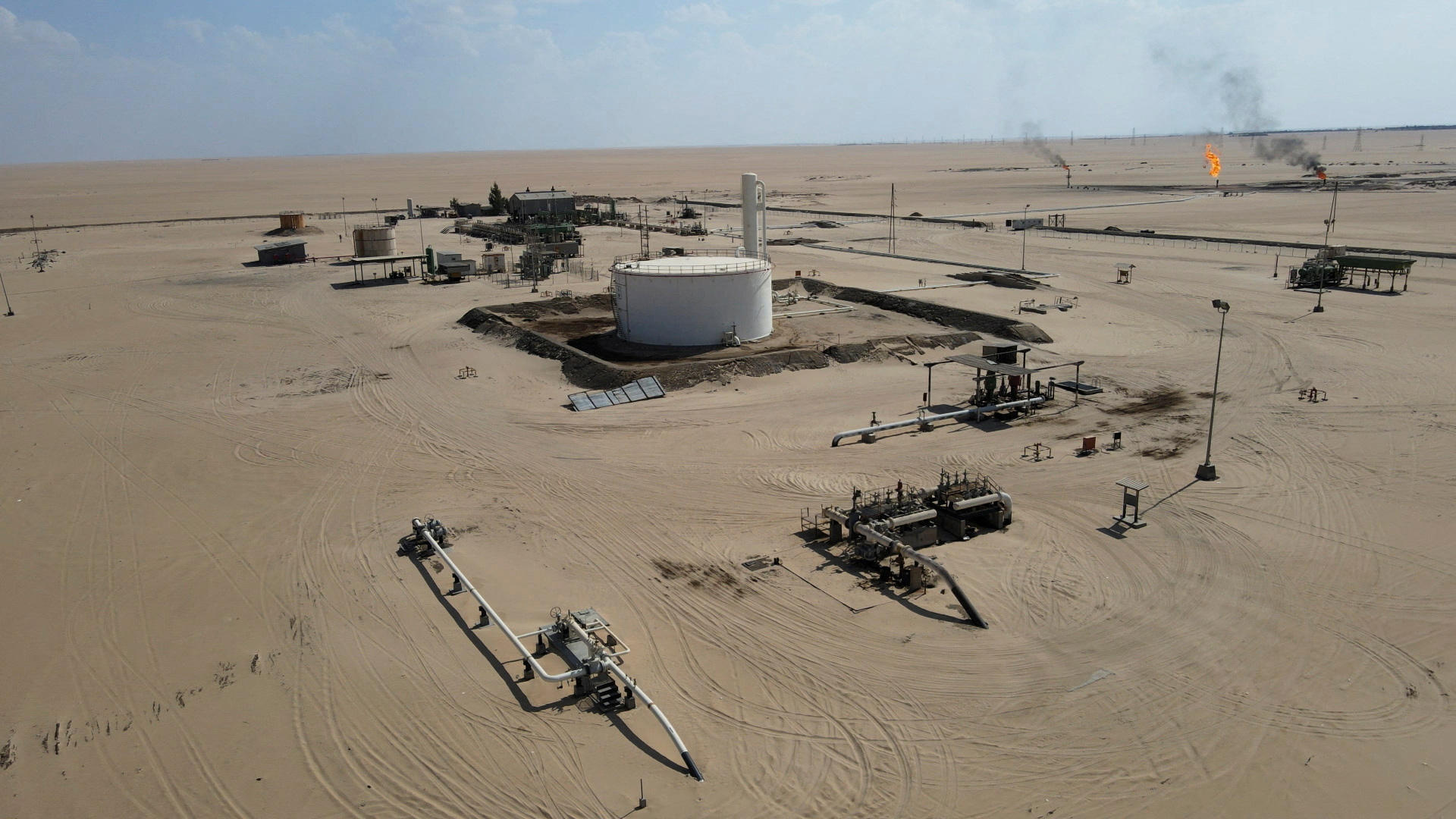
Libya’s ongoing political conflict is jeopardizing its vital oil production, potentially leading to severe disruptions in global supply chains. The strife between rival factions in the country has intensified, raising concerns about the stability of Libya’s oil sector, a crucial component of the global energy market.

The National Oil Corporation (NOC) has reported escalating security threats and operational interruptions at key oil facilities. Production at several major sites, including the Sharara and El Feel fields, has already experienced significant reductions. The disruptions are a direct result of the clashes between the Government of National Unity (GNU) and the House of Representatives (HoR), each backed by different armed groups.

The GNU, based in Tripoli, and the HoR, which controls parts of eastern Libya, have been embroiled in a protracted power struggle. This rivalry has led to a series of blockades and attacks on oil infrastructure, severely impacting the country’s output. The disruption comes at a time when global oil markets are already grappling with volatility due to various geopolitical tensions and economic uncertainties.

Libya’s oil sector, which accounts for approximately 90% of its revenue, has long been a target in the country’s broader conflict. The recent escalation has resulted in reduced exports and financial losses, exacerbating the economic strain on the nation. Analysts warn that prolonged instability could lead to a more prolonged and deep-seated disruption of Libya’s oil exports, affecting global oil prices and supply stability.

International stakeholders, including the United Nations and major oil companies, are closely monitoring the situation. The UN has called for a cessation of hostilities and a return to dialogue to mitigate the impact on oil production. However, the divided political landscape makes it challenging to achieve a consensus or enforce effective measures.

Libya’s oil industry was recovering from years of conflict and mismanagement when the current crisis hit. The industry had seen incremental improvements in production levels and infrastructure upgrades. Yet, the recent conflict threatens to reverse these gains, putting more strain on an already fragile sector.

The uncertainty surrounding Libya’s oil supply has prompted some countries and corporations to seek alternative energy sources or increase their reserves in anticipation of potential shortages. This shift could lead to changes in global energy markets, influencing everything from oil prices to energy policies worldwide.

Efforts to mediate the conflict and stabilize the oil sector have been ongoing, but the entrenched political divisions pose significant obstacles. The situation remains fluid, with potential for further escalation or, conversely, a resolution if diplomatic efforts gain traction.

As the international community watches closely, the immediate concern remains the security of Libya’s oil infrastructure and the broader implications for global energy stability.

A significant security vulnerability in the LiteSpeed WordPress cache plugin has exposed more than 5 million websites to potential cyber threats. This flaw, which has been identified and confirmed by cybersecurity experts, allows attackers to exploit the plugin’s weaknesses and potentially gain unauthorized access to sensitive information. The vulnerability lies within the plugin’s handling of user input, which can be manipulated to execute malicious code. This issue […]

Malaysia’s technology sector is grappling with significant challenges as the government pushes for stricter social media regulations. The new initiative, which mandates licensing for social media platforms, has sparked controversy and raised concerns among tech companies about potential impacts on digital freedom and business operations. Communications and Digital Minister Fahmi Fadzil emphasized the necessity of the licensing plan to ensure that social media platforms adhere to Malaysian […]

Investors are often spooked by market volatility, with recent events like the 1,000-point drop in the Dow Jones Industrial Average on August 5, serving as a stark reminder of the stock market’s inherent unpredictability. When headlines are filled with dramatic losses and tales of impending market crashes, it’s easy to see why some investors might feel the urge to flee to safer ground. But savvy investors, especially […]

The World Health Organization (WHO) has initiated a global response plan to address the mpox outbreak, seeking $135 million in funding to coordinate international efforts. This new initiative comes as mpox, previously known as monkeypox, has emerged as a significant health threat across multiple continents. Mpox, a viral disease with symptoms similar to smallpox, has been spreading rapidly since its reemergence. The outbreak has been classified as […]

VISHNU RAJA
RYO YAMADA
HITORI GOTOH
IKUYO KITA