News related to
unit

India is intensifying biosecurity measures across poultry farms and wildlife sanctuaries in response to the expanding reach of the H5N1 avian influenza virus, which has now affected domestic poultry, wild birds, and several mammalian species, including big cats and domestic cats.

The Ministry of Fisheries, Animal Husbandry and Dairying has issued directives to all states to bolster surveillance and implement stringent biosecurity protocols. This action follows reports of the virus infecting a diverse range of species, raising concerns about its evolving nature and potential implications for both animal and human health.

In Andhra Pradesh, eight outbreaks of highly pathogenic H5N1 bird flu were reported in farms and backyard poultry, leading to the death or culling of approximately 602,000 birds. These incidents underscore the virus’s persistent threat to the poultry industry.

The virus’s impact has extended beyond avian species. In Maharashtra, three tigers and a leopard succumbed to H5N1 at a rescue centre in Nagpur, prompting the central government to issue a red alert for zoos and animal rescue centres nationwide. Authorities have been urged to implement immediate measures to prevent further outbreaks among captive wildlife.

India’s first cases of H5N1 in domestic cats were confirmed in Madhya Pradesh’s Chhindwara district. The infected cats exhibited symptoms such as high fever, loss of appetite, and lethargy before dying within one to three days. Scientists identified 27 mutations in the virus found in these cats, highlighting the need for enhanced surveillance across domestic poultry, wild birds, and mammals, including pets and humans.

The cross-species transmission of H5N1 is not limited to India. Globally, the virus has been detected in various mammalian species, including tigers, leopards, and domestic cats, raising concerns about its ability to jump species barriers. In the United States, outbreaks have been reported among house cats, while in Canada, a teenage girl was severely affected by the virus, indicating its potential risk to human health.

In response to these developments, the Indian government is collaborating with international health organizations to monitor the situation closely. Efforts are underway to study the virus’s mutations and assess the risk of human transmission. Public health advisories have been issued, cautioning against contact with sick or dead birds and emphasizing the importance of hygiene and protective measures for those handling poultry.


The Nasdaq Composite Index entered bear market territory on Friday, April 4, 2025, closing over 20% below its December peak. This significant downturn was precipitated by President Donald Trump’s imposition of a 10% tariff on all imports to the United States, with additional substantial levies targeting technology-centric nations such as China, Taiwan, and Vietnam. China’s swift retaliation, announcing a 34% tariff on all U.S. imports, intensified fears of a global recession and inflationary pressures.

Major U.S. stock indices experienced sharp declines. The S&P 500 fell approximately 2.5%, while the Dow Jones Industrial Average dropped nearly 2.45%, shedding 994.46 points to close at 39,551.47. Technology stocks bore the brunt of the sell-off, with Apple Inc. shares declining over 4%, following a nearly 10% drop the previous day. Nvidia and Broadcom each lost more than 7%, and Tesla shares plummeted almost 10%.

The newly announced tariffs, dubbed “Liberation Day” tariffs by the administration, include a universal 10% tariff on all imports and higher targeted tariffs for numerous countries. Economists warn that these measures could disrupt global supply chains, particularly impacting the technology sector, which relies heavily on components from China and Taiwan. The Semiconductor Industry Association expressed concern that the tariffs could stymie growth and innovation within the industry.

International responses were swift. The European Union signaled readiness to implement countermeasures, while the International Monetary Fund cautioned that escalating trade tensions pose significant risks to global economic stability. In the U.S., political figures across the spectrum voiced apprehension. Senate Majority Leader Mitch McConnell and Senator Ted Cruz criticized the tariffs, warning of potential harm to American workers and farmers.

Despite a robust March jobs report indicating the addition of 228,000 new jobs and a slight uptick in unemployment to 4.2%, market sentiment remained negative. Investors are now looking to Federal Reserve Chair Jerome Powell’s upcoming speech for insights into potential monetary policy adjustments in response to the escalating trade conflict.

The CBOE Volatility Index, a measure of market anxiety, surged to levels not seen since August 2024, reflecting heightened investor concern. Oil prices also declined significantly due to fears of reduced global demand amid the escalating trade tensions.

President Trump defended the tariff strategy, asserting that the measures are necessary to address longstanding trade imbalances and would ultimately benefit the U.S. economy. He urged investors to view the market downturn as a wealth opportunity.

MIAMI, USA – Media OutReach Newswire – 4 April 2025 – Bigo Live’s Harmony Showdown talent competition will come to a thrilling conclusion on April 9, 2025, at BIGO Fest: Miami Live. Organized by global social livestreaming platform Bigo Live, Harmony Showdown is a head-to-head talent competition featuring musical acts and performers coached by celebrities with rigorous eliminations determined by fan voting. From an initial pool of […]

By Subrata Majumder The entire world is deepening into geopolitical tensions and increasing uncertainty in trade following the announcement made by the U.S. President Donald Trump the new tariff rates on April 2. The U.S. slapped 27 percent import tariff on India. President Trump exhilarated this as “discounted replication”, despite India imposing 52 percent and […]

Malta’s Financial Intelligence Analysis Unit has levied a €1.1 million fine against cryptocurrency exchange OKX’s local subsidiary for significant breaches of anti-money laundering regulations. The penalty follows an onsite compliance examination conducted in April 2023, which uncovered several failures deemed “serious and systematic” by the FIAU.

The FIAU’s investigation revealed that OKX’s business risk assessment failed to adequately evaluate potential money laundering risks associated with the products it offered. This deficiency impaired the company’s ability to implement effective measures to mitigate such risks.

In response to the FIAU’s findings, OKX has reportedly taken steps to address the identified shortcomings. The company has implemented remedial measures to enhance its AML compliance framework, aiming to prevent future violations.

Beijing has announced the imposition of a 34% tariff on all imports from the United States, effective April 10, 2025, in direct response to the sweeping tariffs introduced by U.S. President Donald Trump. The Chinese Ministry of Finance stated that this measure aims to counteract what it perceives as unjust and protectionist policies from Washington.

This development follows President Trump’s declaration of “Liberation Day” on April 2, during which he unveiled a universal 10% tariff on all foreign imports, with higher rates for specific countries. China was notably targeted with an additional 34% tariff, bringing the total levy on Chinese goods to 54%. The U.S. administration justified these tariffs as necessary to rectify longstanding trade imbalances and to protect domestic industries.

In a statement, China’s Ministry of Finance condemned the U.S. actions, urging Washington to immediately withdraw the imposed tariffs to prevent further escalation. The ministry emphasized that China’s countermeasures are a legitimate response to safeguard its national interests and the multilateral trading system.

The U.S. tariffs have been met with criticism from various quarters. Economists have expressed concerns over the methodology used to calculate these tariffs, arguing that the approach is overly simplistic and could lead to unintended economic consequences. They warn that such measures might not effectively address trade deficits and could harm consumers through increased prices.

The business community is also bracing for the impact of these tariffs. In New York City, retailers are encouraging consumers to make purchases before the new tariffs lead to price increases. Products such as electronics, appliances, and automobiles are expected to see significant price hikes, prompting a surge in sales ahead of the tariff implementation.

China’s retaliatory tariffs are anticipated to affect a wide range of U.S. exports, including agricultural products, automobiles, and technology goods. This move is expected to have significant implications for American farmers and manufacturers who rely heavily on the Chinese market. Analysts predict that the escalating trade war could disrupt global supply chains and dampen economic growth in both countries.

Governments worldwide have recouped nearly $2 billion in unpaid taxes and penalties following the Panama Papers revelations, which exposed extensive networks of offshore accounts and shell companies used for tax evasion and money laundering. The 2016 leak of 11.5 million documents from Panamanian law firm Mossack Fonseca has led to significant financial recoveries and ongoing investigations across multiple countries. In Spain, authorities have recovered over €200 million, […]

Advertisements

South Korea’s Constitutional Court has unanimously upheld the impeachment of President Yoon Suk Yeol, officially removing him from office. The decision follows Yoon’s controversial declaration of martial law in December 2024, which led to widespread political turmoil and public outcry. Acting Chief Justice Moon Hyung-bae stated that Yoon’s actions constituted a “serious challenge to democracy” and a “grave betrayal of the people’s trust.” He emphasized that the […]

President Donald Trump’s declaration of “Liberation Day” introduced sweeping tariffs on imports, triggering significant upheaval in global energy markets. The administration announced a baseline tariff of 10% on all imported goods, with elevated rates for specific countries accused of nonreciprocal or discriminatory trading practices. These measures have prompted widespread market volatility and raised concerns about potential economic slowdowns. Oil prices experienced a sharp decline following the tariff […]

President Donald Trump’s administration has announced sweeping tariffs, including a baseline 10% levy on all imports into the United States, with higher rates for specific countries. This development has prompted companies across the Middle East to evaluate potential repercussions and strategize accordingly. The Gulf Cooperation Council nations—comprising Saudi Arabia, the United Arab Emirates , Qatar, Kuwait, Oman, and Bahrain—are subject to the 10% tariff. Given that many […]

The Organization of the Petroleum Exporting Countries and its allies, collectively known as OPEC+, have announced a significant policy shift by accelerating oil production increases. This decision, made during a virtual meeting on Thursday, involves eight member countries—Saudi Arabia, Russia, Iraq, the United Arab Emirates, Kuwait, Kazakhstan, Algeria, and Oman—agreeing to boost output by 411,000 barrels per day starting in May. This adjustment consolidates three months’ worth of planned increases into a single month, surpassing the initially scheduled 135,000 bpd increment.

This move aims to discipline member nations that have been exceeding their production quotas and to address concerns over market stability. The coalition emphasized that these adjustments could be paused or reversed depending on evolving market conditions, underscoring their commitment to maintaining equilibrium in the global oil market.

The announcement had an immediate impact on oil prices. Brent crude futures dropped by 7.1%, settling at $69.63 per barrel, while West Texas Intermediate declined by 7.8% to $66.15 per barrel. These declines represent the steepest single-day percentage drops since mid-2022, reflecting market apprehension about potential oversupply amid existing economic uncertainties.

Compounding these market jitters are newly announced tariffs by U.S. President Donald Trump. The administration has imposed a baseline tariff of 10% on imports from several global economies, raising fears of an escalating trade war that could dampen global economic growth and, consequently, reduce energy demand. Analysts have noted that these tariffs could lead to increased inflation and slower economic expansion, particularly affecting emerging markets in Asia, which are pivotal centers for oil demand growth.

The timing of OPEC+’s decision aligns with these geopolitical developments. By increasing supply, the alliance appears to be responding to external pressures, including calls from major consumers for more affordable energy prices. However, this strategy carries risks, as it may exacerbate price volatility and strain relations within the group, especially with members that have been advocating for more conservative production increases.

Market analysts are closely monitoring the situation, noting that the combination of heightened supply and potential demand contraction due to trade tensions could lead to a surplus in the oil market. This scenario may prompt OPEC+ to reassess its strategy in the coming months to prevent a prolonged downturn in prices.

The United Arab Emirates’ non-oil private sector experienced a deceleration in growth during March, as indicated by the latest S&P Global Purchasing Managers’ Index . The index declined to 54.0 from February’s 55.0, marking the lowest point since September. Despite this dip, the PMI remains above the 50.0 threshold, signifying continued expansion in the sector.

The moderation in growth is primarily attributed to a slowdown in new order inflows, which have decreased for the third consecutive month. The new orders index fell to 56.3 in March from 57.3 in February, reaching its weakest level since October. This trend suggests a tapering in demand momentum within the UAE’s diversified economy.

In response to mounting backlogs, companies have accelerated their input purchases at the fastest rate since July 2019. This proactive approach aims to address operational pressures and maintain service levels. However, employment growth has softened, registering its slowest pace in nearly three years, as firms encounter challenges in recruitment and workforce expansion.

Input prices have seen a moderate rise, with some businesses facing increased material costs, while others benefit from reduced transportation expenses. This nuanced cost landscape reflects the complex dynamics influencing the sector’s operational environment.

Dubai’s non-oil private sector also mirrored this slowdown, with its PMI dropping to a five-month low of 53.2 from 54.3 in February. The emirate experienced a rare reduction in employment levels, despite a continued, albeit slower, increase in new orders.

Nevertheless, businesses across the UAE maintain a positive outlook regarding future growth prospects. This optimism is underpinned by robust project pipelines and ongoing national infrastructure developments, which are expected to bolster the non-oil sector’s performance in the coming months.

SINGAPORE – Media OutReach Newswire – 4 April 2025 – MyRepublic, one of Asia-Pacific’s leading digital-first telcos, announced the launch of Pocket Rocket Adventures, an industry-first initiative that introduces unique gamification mechanics into the customer experience journey for their broadband and mobile subscribers. The game, accessible via the MyRepublic mobile app available from April, marks a significant step in the company’s broader strategy to drive engagement, loyalty, […]

Valve Corporation has released an update to its Steam client, delivering several improvements aimed at enhancing the gaming experience for Linux users. Key among these is a significant boost in the download speed of client updates, addressing a longstanding concern within the Linux gaming community. The update also resolves a rare issue where non-Steam versions of Proton were being assigned incorrect compatibility tools. Proton, developed by Valve, […]

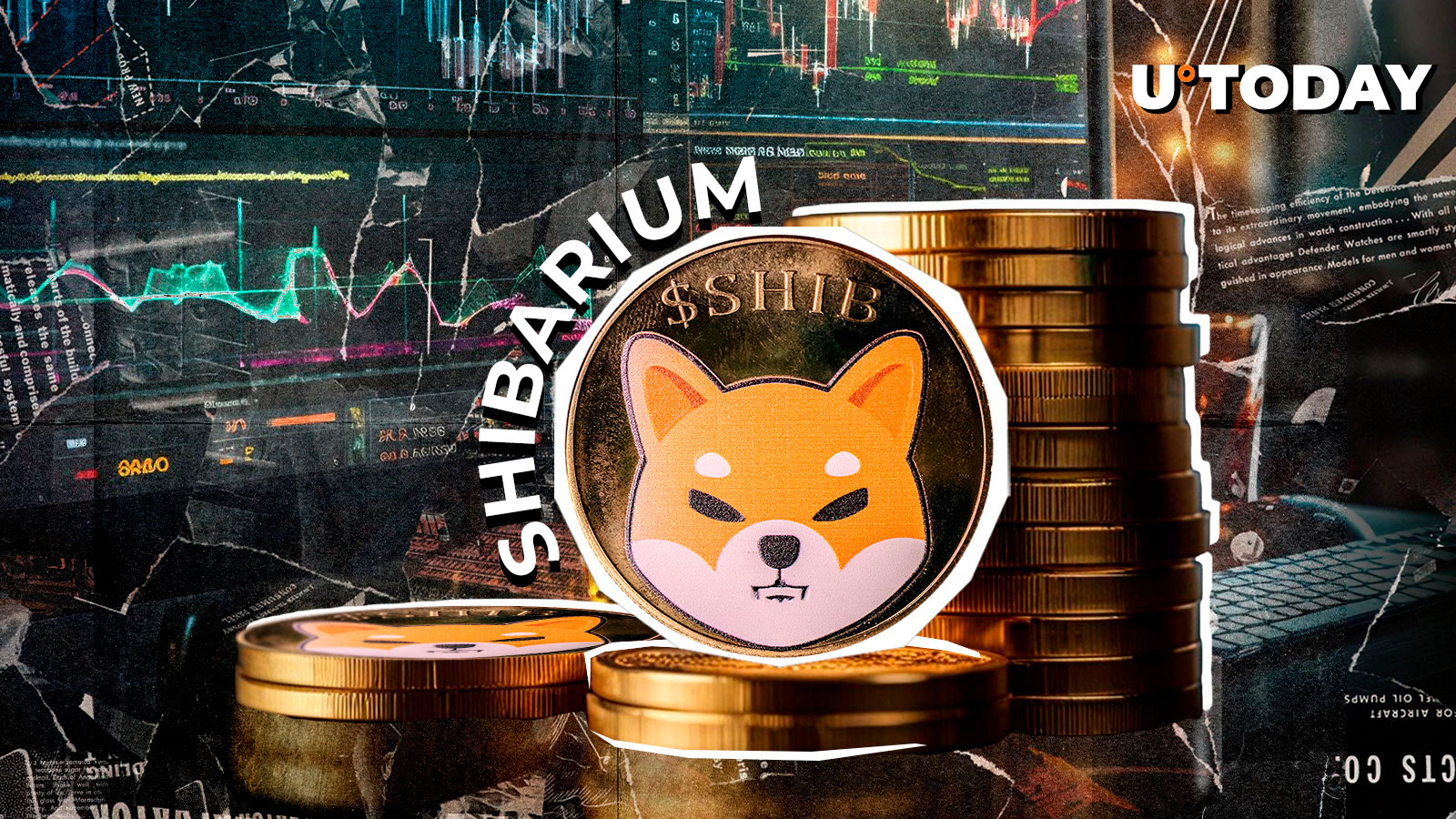
Shibarium, the Layer-2 blockchain designed to enhance the Shiba Inu ecosystem, has achieved a significant milestone by processing over 1 billion transactions since its launch in August 2023. This accomplishment underscores the network’s rapid adoption and robust performance within the cryptocurrency landscape.

Despite this technical achievement, the price of Shiba Inu’s native token, SHIB, has experienced a downturn. Over the past 24 hours, SHIB’s value declined by approximately 4.8%, trading at around $0.0000122. This decline extends to a 13% decrease over the past month, reflecting broader market trends.

The surge in Shibarium’s transaction volume is notable, especially when compared to established blockchains. For instance, Bitcoin required 15 years to reach a similar transaction count, highlighting Shibarium’s accelerated growth trajectory. The network’s ability to handle high transaction volumes without significant outages demonstrates its technical resilience and the active participation of the Shiba Inu community.

In addition to transaction volume, Shibarium has seen an increase in user engagement. The network boasts over 193 million unique addresses interacting with the platform, further indicating its expanding user base. The average block time remains at a swift 5 seconds, facilitating efficient transaction processing.

HO CHI MINH, VIETNAM – Media OutReach Newswire – 4 April 2025 – On April 4, 2025, OH!SOME officially enters the Vietnam market, with its very first store opening at Crescent Mall in Ho Chi Minh City. OH!SOME OH!SOME, as a one-stop trendy retail brand, benefits from primary business focus on fashion retail, IP, advanced technology and expanding into diverse family entertainment centers, powered by and efficient […]

Corporate events have long gone beyond simple team building activities. They address a wide range of tasks today: helping to accelerate onboarding, improving internal communications, increasing employee engagement and strengthening corporate culture. This is especially important for employees of remote teams who risk losing contact with each other and the company due to remote working formats. In recent years, online tools have made communication easier and virtual […]

Potential disposal reflects the Group’s strategic realignment to recycle capital to its other business segments Enterprise value for the Group’s two subsidiaries ranges between S$45 million and S$55 million SINGAPORE – Media OutReach Newswire – 03 April 2025 – Enviro-Hub Holdings Ltd (SGX: L23) (“Enviro-Hub” or the “Company“, and together with its subsidiaries, the “Group“) today announced that it has entered into a non-binding letter of intent […]

Greenlogue/AP Carbon Clean has announced the successful completion of the world’s first industrial deployment of its modular carbon capture technology, CycloneCC. Over a six-month period, the system achieved approximately 4,000 operating hours, delivering a high-purity carbon dioxide product. CycloneCC is designed to address key challenges in industrial carbon capture by offering a fully modular solution that reduces both cost and space requirements. The technology utilises rotating packed […]

Impressive technological applications win international praise, assisting enterprises in going global to explore more opportunities HONG KONG SAR – Media OutReach Newswire – 3 April 2025 – The Hong Kong Productivity Council (HKPC) debuted with a dedicated pavilion at Hannover Messe 2025 (Hannover Messe), showcasing a range of Hong Kong’s technological applications, which were highly regarded by international companies and investors. HKPC successfully showcased the impressive achievements […]

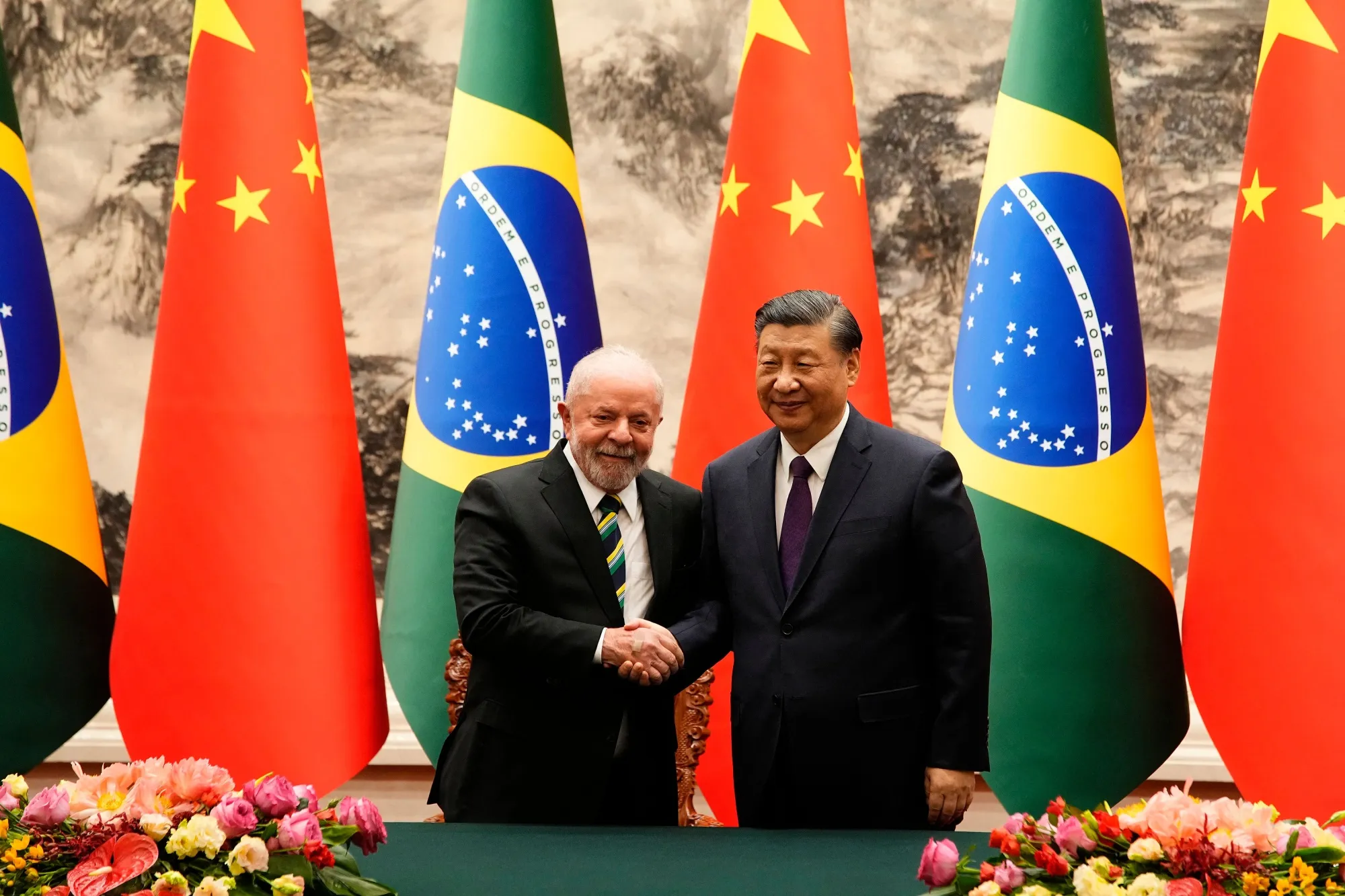
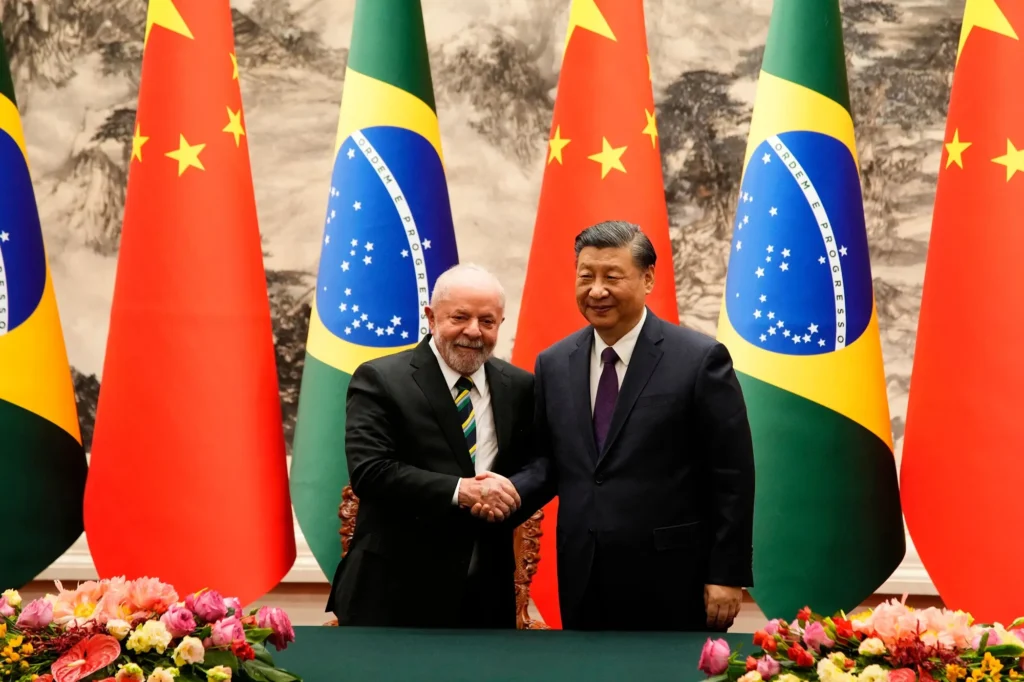
By Nitya Chakraborty Brazil’s President Luiz Inacio Lula da Silva, better known globally as Lula has launched a major initiative to meet the U.S. President Donald Trump’s unilateral tariff offensive by joining hands with Chinese President Xi Jinping and the Russian President Vladimir Putin, apart from taking assistance from South Africa and a few other […]
President Donald Trump’s administration has announced a sweeping tariff regime, imposing a baseline 10% duty on all imports into the United States, with significantly higher rates targeting specific countries. This move, described by Trump as a “Declaration of Economic Independence,” aims to rectify what he perceives as longstanding trade imbalances. However, the policy has elicited widespread concern, particularly regarding its impact on developing economies. Among the hardest […]

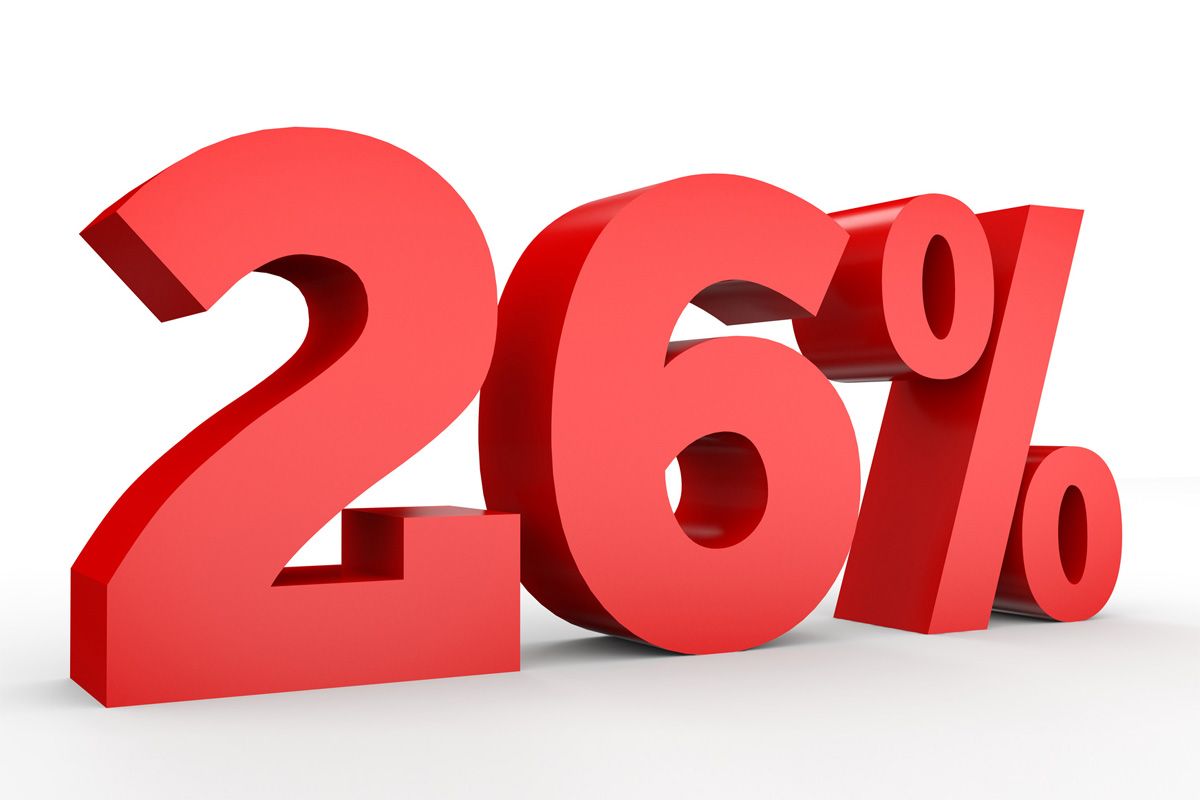
The United States has imposed a 26% tariff on Indian imports, intensifying trade tensions between the two nations. This measure, announced by President Donald Trump on April 2, 2025, is part of a broader strategy targeting countries with which the U.S. has significant trade deficits. The baseline 10% tariff will take effect on April 5, with the additional 16% following on April 9.

President Trump has consistently criticized India’s trade policies, labeling the nation as a “tariff king” and a “big abuser” of tariffs. The administration justifies the new tariffs by pointing to the disparity between the U.S.’s 2.5% tariff on passenger vehicle imports and India’s 70% tariff on similar American products.

Indian officials have expressed mixed reactions to the announcement. A senior government representative described the development as a “mixed bag,” emphasizing that it is not perceived as a significant setback. The commerce ministry is currently evaluating the potential impact of these tariffs on the Indian economy.

The sectors most vulnerable to the increased tariffs include pharmaceuticals, textiles, and automotive parts, which constitute a substantial portion of India’s exports to the U.S. Analysts predict that these industries may experience a decline in competitiveness within the American market, potentially leading to decreased export volumes and revenue losses.

In an effort to mitigate the impact of the tariffs and foster better trade relations, India has proposed reducing tariffs on certain U.S. agricultural products, such as almonds, cranberries, and bourbon whiskey. This initiative aims to facilitate a more favorable trade agreement between the two countries.

Despite these conciliatory efforts, the U.S. proceeded with the tariff imposition. The move has elicited concerns among Indian policymakers and industry leaders about the potential escalation of a trade war and its ramifications on the domestic economy. The Confederation of Indian Industry has urged the government to engage in diplomatic negotiations to resolve the dispute amicably.

The global community is closely monitoring the situation, as the U.S.’s tariff measures have affected multiple countries, including China, the European Union, and Japan. The European Commission has criticized the tariffs as a severe blow to the global economy, while other nations have signaled intentions to retaliate or seek negotiations.

Dubai’s Roads and Transport Authority has entered into a strategic partnership with Uber Technologies Inc. and autonomous driving technology firm WeRide to introduce self-driving taxis to the city’s transportation network. This collaboration aligns with Dubai’s ambition to transform 25% of all journeys into autonomous trips by 2030, as part of its Self-Driving Transport Strategy.

His Excellency Mattar Al Tayer, Director General and Chairman of the Board of Executive Directors of RTA, emphasized the significance of this initiative, stating that the partnership represents a crucial step in advancing Dubai’s autonomous transportation goals. Noah Zych, Uber’s Global Head of Autonomous Mobility and Delivery Operations, expressed enthusiasm about the collaboration, highlighting the company’s commitment to integrating autonomous vehicles onto the Uber platform in Dubai, with WeRide as the initial technology partner.

WeRide, a Guangzhou-based autonomous driving company, has been expanding its global footprint. The firm previously launched a commercial robotaxi service in Abu Dhabi in December 2024, marking Uber’s first deployment of autonomous vehicles outside the United States. The expansion into Dubai signifies the second Middle Eastern city to feature WeRide and Uber’s autonomous ride-hailing service, further solidifying their presence in the region.

The collaboration will commence with pilot programs utilizing Uber’s technology to connect riders with WeRide’s autonomous vehicles, ensuring a seamless user experience. Details regarding the pilot program and subsequent phases are expected to be disclosed in the coming months. The initiative aims to enhance urban mobility by providing reliable and forward-thinking transportation solutions that align with Dubai’s vision for smart cities and future transport.

In addition to this partnership, RTA has been actively expanding its global collaborations with leading autonomous driving technology providers. The authority recently announced a partnership with Baidu’s Apollo Go to deploy autonomous taxis in Dubai, further advancing the city’s autonomous transportation objectives.

The introduction of self-driving taxis is anticipated to transform Dubai’s transport landscape by improving connectivity and reducing accidents. Trials for the autonomous vehicles are scheduled to commence this year, with a safety driver present during the initial phase. Commercial operations are projected to launch in 2026, contributing to the city’s goal of achieving 25% autonomous trips by 2030.

WeRide’s involvement in Dubai builds upon its global expertise in autonomous driving and complements Uber’s leadership in ride-hailing and mobility solutions. The partnership positions Dubai as a pioneering hub for smart transportation, leveraging advanced technology to enhance the city’s public transit system.

VISHNU RAJA
RYO YAMADA
HITORI GOTOH
IKUYO KITA
Just in:
Pink Economy report puts equal rights at the heart of Thailand’s road to Bangkok WorldPride 2030 // UK privacy regulator flags GTA 6 phishing threats // Ukraine faces $32.6 billion financing gap amid legislative delays // Mexican journalists demand accountability after Acapulco reporter killed // Galaxy Resort Presents: “Plácido Domingo & José Carreras: The Legends United Opera Gala” // EU levies definitive duties on five steel suppliers // Takaichi exchanges greetings with Chinese minister at Manila summit // Regulator demands answers on controversial power deal // Google identifies autonomous AI systems conducting vulnerability attacks // ASEAN adopts binding pact on regional digital commerce // Broermann Medical Innovation Award 2026: Three Pioneers of Modern Obesity and Diabetes Therapies Honored // Ayara Kamala Reveals a Refreshed Vision for Wellness in Phuket // Dubai airport passenger traffic drops 28.1% amid conflict // Over 360 electricity distribution professionals meet in Seoul for CIRED’s first major event in the Asia-Pacific region // Mangroves Documentary Premieres, Exploring How Cities and Wetlands Coexist // Hong Kong schedules Gulf-Asia investment forum for 2027 // Bora Group 3Q26: Revenue and Net Income Expansion Continues U.S. Manufacturing and Biologics Footprint Complete; Margin Expansion to Follow as Utilization Improves // Ramayana triggers high tourist traffic to Jatayu rock centre // Mubadala and Centerbridge secure £1.17bn Canaccord wealth agreement // Row over Sabarimala toilet disruption //