News related to
unit

HO CHI MINH CITY, VIETNAM – Media OutReach Newswire – 4 June 2025 – After a successful launch in Los Angeles, Techcombank and ecosystem—One Mount and Masterise Group—are bringing the Overseas Talent Roadshow 2025 to Europe, with the next stop set for Paris on July 4–5. The Overseas Talent Roadshow attracted nearly 1,000 Vietnamese professionals in various majors. Los Angeles: A Kick-Off with Over 1,000 Talents Engaged […]

Abu Dhabi Global Market reported a 33% year-on-year increase in assets under management for the first quarter of 2025, reaching a total managed by 119 fund and asset managers across 184 funds. This growth underscores ADGM’s expanding role as a prominent international financial centre. The financial free zone experienced a 67% rise in new licences issued compared to the same period in 2024, bringing the total number […]

Huda Kattan has reacquired full ownership of Huda Beauty, the globally recognised cosmetics brand she founded in 2013, by buying back the minority stake held by US-based private equity firm TSG Consumer Partners. This move concludes an eight-year partnership initiated in 2017 when TSG acquired a minority interest to support the brand’s expansion.

With this transaction, Huda Beauty becomes one of the few major beauty brands entirely owned by its founder. Kattan, who serves as Founder and Co-CEO, will continue to lead the company alongside her husband, Christopher Goncalo, also Co-CEO, and her sister, Alya Kattan, who oversees social strategy.

In a statement, Kattan expressed the significance of this milestone: “Taking back full ownership of Huda Beauty is a deeply important moment for me. This brand was built on passion, creativity, and a desire to challenge the beauty industry.” She emphasised the brand’s commitment to innovation and authenticity, stating, “As we step into this new chapter, I’m more committed than ever to pushing boundaries, staying true to our roots, and showing up for our incredible community every step of the way.”

Founded in Dubai with a $6,000 loan from her sister, Huda Beauty gained initial acclaim with a line of false eyelashes that became a bestseller at Sephora in The Dubai Mall. The brand has since expanded its product range to include a variety of cosmetics and skincare items, earning a reputation for viral product launches and a strong digital presence. Its Instagram account boasts nearly 57 million followers, making it the most-followed beauty brand globally.

The decision to repurchase the stake from TSG aligns with a broader trend of founder-led buybacks in the beauty industry, reflecting a desire for greater control over brand direction and values. Kattan’s move underscores her commitment to maintaining the brand’s original vision and fostering deeper engagement with its global community.

Huda Beauty’s philosophy, “Beauty is Self-Made,” continues to resonate with a diverse audience, promoting inclusivity and challenging traditional beauty standards. Under Kattan’s leadership, the company has phased out the use of Photoshop and filters on social media, advocating for realistic representations of beauty.

EDGE, the United Arab Emirates’ premier defence technology conglomerate, has secured a landmark AED 9 billion contract with the Kuwait Ministry of Defence for the supply of eight FALAJ-3 class missile boats. This agreement represents the largest naval shipbuilding export in the Middle East and ranks among the highest-value naval export deals globally.

Under the terms of the contract, EDGE will serve as the prime contractor, overseeing the design, construction, trials, and delivery of the 62-metre vessels. The agreement also encompasses integrated logistics support and in-service support, with EDGE providing ammunition for the ships. Abu Dhabi Ship Building , EDGE’s naval subsidiary, has been designated as the build subcontractor for the programme.

Hamad Al Marar, Managing Director and CEO of EDGE, described the deal as a significant milestone that deepens long-term defence ties between the UAE and Kuwait. He emphasised that the agreement brings a proven class of advanced vessels into regional service and reinforces EDGE’s position as a trusted international partner. Al Marar highlighted the rapid industrial and engineering progress achieved by EDGE, noting the company’s ability to design, build, and deliver complex naval platforms at scale.

The FALAJ-3 class missile boats are designed for high performance and advanced combat capabilities, tailored to meet Kuwait’s operational requirements. These vessels are equipped for littoral defence operations, featuring advanced combat systems and enhanced capabilities to safeguard Kuwait’s maritime interests.

The Kuwaiti Ministry of Defence stated that the acquisition of these vessels will contribute to raising the level of combat readiness, enhancing maritime security, and protecting the vital and strategic maritime interests of the State of Kuwait. The ministry highlighted that the contract aligns with Kuwait’s strategic objectives to bolster its naval capabilities and ensure the security of its territorial waters.

The FALAJ-3 class has also been adopted by the UAE Navy, with the first vessel, ALTAF, commissioned into service in February 2025. This operational deployment underscores the vessel’s proven capability and performance in regional waters.

The signing ceremony was attended by Sheikh Dr. Abdullah Meshal Mubarak Al Sabah, Undersecretary of the Kuwait Ministry of Defence; Dr. Matar Al Neyadi, UAE Ambassador to Kuwait; Hamad Al Marar, Managing Director and CEO of EDGE; and Omar Al Zaabi, President of Trading and Mission Support at EDGE.

This contract is not the first collaboration between EDGE and Kuwait. Previously, EDGE subsidiary ADSB delivered eight landing craft to Kuwait and provided maintenance, repair, and overhaul services to the Kuwaiti Coast Guard. The current agreement further solidifies the defence partnership between the two nations and demonstrates EDGE’s commitment to delivering comprehensive defence solutions.

The FALAJ-3 class vessels are based on the Fearless-class ships originally designed by Singapore’s ST Engineering for the Republic of Singapore Navy. EDGE has adapted and enhanced these designs to meet the specific needs of regional clients, offering a versatile platform capable of operating in both littoral and blue waters. The vessels can be equipped with a range of weapons, including missiles, rockets, and medium-calibre guns, providing robust defensive capabilities against various threats.

Emerging markets are pushing higher again, and this time, the momentum isn’t misplaced. Behind the move is a growing body of evidence that the world’s most dynamic developing economies are demonstrating real economic resilience, despite a chaotic external backdrop. For investors, it’s a signal that deserves immediate attention. The surge in sentiment has been supported by improved financial market conditions, stronger currencies, and narrowing bond spreads. Business […]

By Saifur Rahman Nisus Finance Investment Consultancy FZCO (NiFCO Dubai), a subsidiary of India’s Nisus Finance Services Company Limited (NIFCO), said it will place funds and assets worth up to US$500 million (Dh1.83 billion) for tokenisation in the UAE. NiFCO Dubai said, it has signed a Memorandum of Understanding (MoU) with Xchain Technologies FZCO (Toyow), a leading blockchain-based forensic and advisory firm, for the tokenisation of funds […]

Lee Jae-myung assumed the presidency of South Korea on June 4, pledging to revitalise the nation’s economy and pursue dialogue with North Korea to ease tensions on the Korean Peninsula. His inauguration follows a period of political upheaval marked by the impeachment and removal of former President Yoon Suk Yeol, who attempted to impose martial law.

In his inaugural address, Lee emphasised the need to restore democratic institutions and address economic challenges exacerbated by global protectionism and domestic instability. He committed to a pragmatic, pro-market approach, aiming to deregulate industries to foster innovation and business growth. Lee also highlighted plans to implement a greener energy policy and strengthen ties with North Korea through peaceful diplomacy, while maintaining a solid alliance with the United States.

Lee’s administration faces immediate pressure to resolve trade disputes with the United States, particularly over tariffs impacting key industries. The Bank of Korea has projected a 0.8% growth rate for 2025, influenced by U.S. President Donald Trump’s tariff policies and domestic political instability. Lee’s presidency marks a crucial shift in South Korean politics and diplomacy, balancing international relations with China, North Korea, Japan, and the U.S.

The newly elected president also outlined his vision for social reforms, including increased welfare spending, corporate taxes, and regulatory oversight of conglomerates. Despite past skepticism of big business, he has signaled pro-market intentions to renew economic confidence following a crisis under former President Yoon Suk Yeol. Challenges await, including economic instability, rising U.S. tariffs, and strained foreign relations. Lee aims to renegotiate trade terms with the U.S. and recalibrate relations with China, Japan, and North Korea, favouring diplomacy and South Korea’s autonomy in international affairs.

Lee’s ascent to the presidency is notable for his background as a factory worker and human rights lawyer, symbolising resilience through adversity. His victory is largely attributed to public discontent with Yoon’s administration. However, Lee’s presidency begins under the shadow of legal challenges, including accusations of making false statements during a past campaign. While courts have postponed further hearings, any conviction could test constitutional protections that shield sitting presidents from prosecution.

The financial markets reacted positively to Lee’s inauguration, with the Kospi index rising over 2.4%. Meanwhile, the Bank of Korea downgraded the nation’s growth forecast significantly due to a slowing economy and declining exports.

Lee’s administration follows a political crisis sparked by former president Yoon Suk Yeol’s brief imposition of martial law. With control of both the presidency and national assembly, Lee’s left-wing bloc is poised to enact reforms, including corporate governance changes aimed at empowering minority shareholders.

Advertisements

KUALA LUMPUR, MALAYSIA – Media OutReach Newswire – 4 June 2025 – Octa, a global regulated broker since 2011, conducted a survey to learn more about Malaysian traders’ security habits and behaviours, both in everyday life and in trading. Below are some insightful takeaways on how traders approach one of the most crucial aspects of their craft. There is an old saying, ‘How you do anything is […]

Bitcoin’s network hashrate has reached a new peak, hitting a seven-day average of 942.6 exahashes per second , even as the cryptocurrency’s price dipped below $106,000. This milestone underscores the growing computational power dedicated to securing the Bitcoin blockchain, reflecting increased participation and investment in mining activities.

The network’s mining difficulty—a measure of how hard it is to find a new block—has also climbed to an all-time high of 126.98 trillion. This 4.38% increase indicates that miners are facing more competition, as more computing resources are being deployed across the globe. The adjustment in difficulty is a built-in mechanism to ensure that blocks are added to the blockchain at a consistent rate, approximately every ten minutes.

Despite the intensified mining landscape, the profitability for miners has seen fluctuations. The hashprice, which represents the revenue miners earn per unit of hashrate, fell to $52 per petahash per second following the difficulty adjustment. This decline erases much of the gains observed since early May, when the hashprice briefly spiked to $58 per PH/s amid Bitcoin’s price surge to $112,000.

The current market conditions present a complex scenario for miners. While the increased hashrate and difficulty suggest a robust and secure network, they also imply higher operational costs and thinner margins for mining enterprises. These dynamics may prompt smaller or less efficient miners to reassess their strategies or exit the market, potentially leading to further consolidation in the mining industry.

Bitcoin’s price volatility adds another layer of complexity. After reaching record highs, the cryptocurrency’s value has declined, trading around $105,000. Analysts attribute this downturn to a combination of factors, including global economic uncertainties and shifting investor sentiment. Some projections suggest that Bitcoin’s price could dip further, with potential support levels around $97,000.

Despite these challenges, the long-term outlook for Bitcoin mining remains cautiously optimistic. Advancements in mining technology, coupled with strategic investments and potential regulatory clarity, could enhance efficiency and profitability. Moreover, the sustained interest in cryptocurrencies and blockchain technology continues to drive innovation and adoption across various sectors.

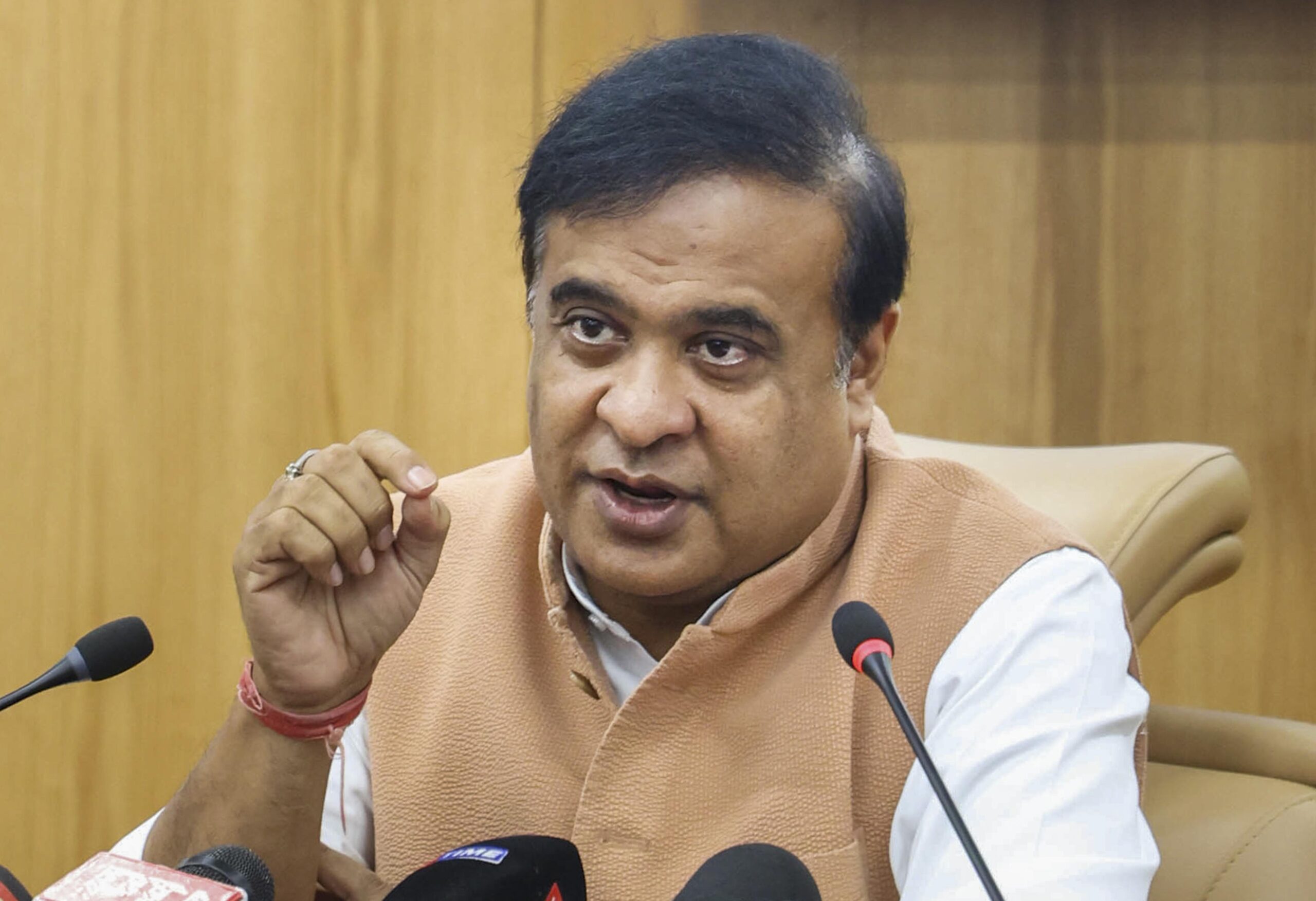
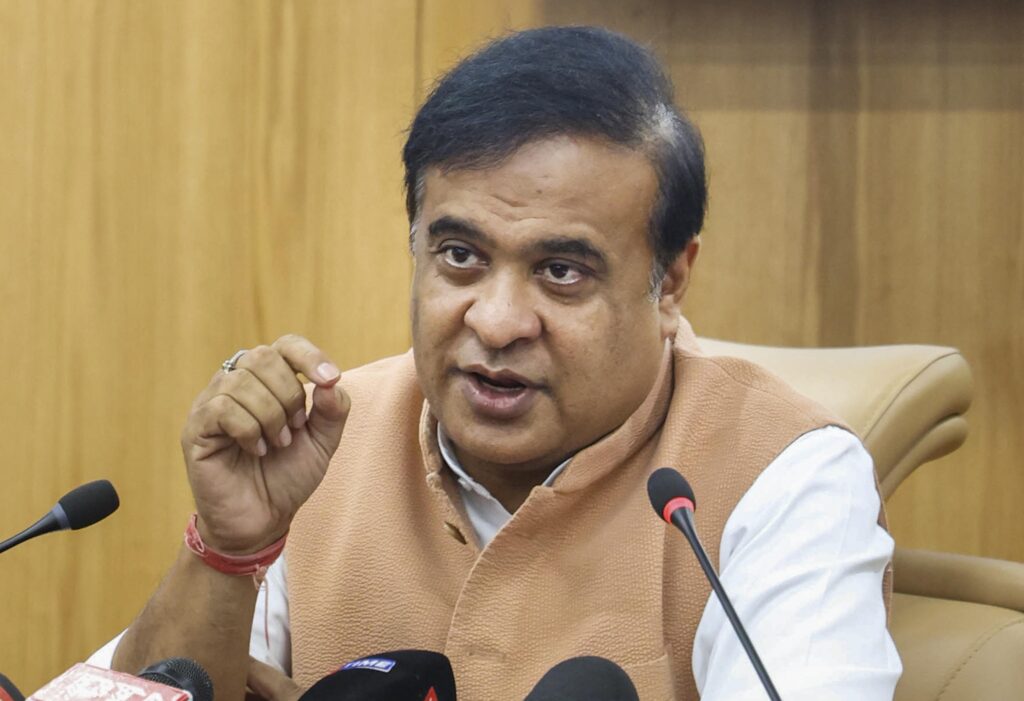
By Dr. Gyan Pathak The most vocal Hindutva face in the North-East India, the chief minister of Assam Himanta Biswa Sarma, having shown penchant for igniting communal fire in the past, now seems to have decided on playing with even more terrible fire of arms conflicts, if his new arms policy in the state is […]

Dubai Future District Fund has reported securing over $1.65 billion in capital commitments and supporting more than 190 startups, marking a significant milestone in its mission to bolster the emirate’s innovation ecosystem.

Anchored by the Dubai International Financial Centre and the Dubai Future Foundation , DFDF unveiled these achievements at its Annual General Meeting, reflecting its alignment with Dubai’s economic vision and commitment to fostering a resilient innovation landscape.

In 2024, DFDF expanded its portfolio through direct investments and 12 Fund of Funds initiatives, aligning with the Dubai Economic Agenda to advance technology, talent, and venture capital in the region.

His Excellency Khalfan Belhoul, Chairman of DFDF’s Board and CEO of the Dubai Future Foundation, emphasized the fund’s role in driving the growth of Dubai’s digital economy, highlighting its focus on innovation and future technologies across key sectors.

Beyond capital allocation, DFDF engaged in strategic partnerships with entities like Dubai Land Department and Dubai Health, exploring innovation collaborations that align government priorities with startup-driven solutions.

Nader Albastaki, Managing Director at DFDF, noted that 2024 was pivotal for the fund, scaling investments and supporting innovators driving meaningful change. He expressed enthusiasm for 2025, designated as the Year of the Community, focusing on deeper collaboration and ecosystem resilience.

DFDF’s investment strategy involves deploying capital into venture capital funds with a local focus and directly into startups, aiming to boost venture capital investing and business activity in Dubai and the region.

The fund’s commitment to sustainability was underscored by allocating up to 20% of its AED 1 billion fund to climate technology and innovation, aligning with the UAE’s broader vision for economic diversification and sustainable development.

Arif Amiri, CEO of DIFC Authority and DFDF Board Member, highlighted the fund’s dedication to driving growth and supporting sustainability-focused tech ventures, emphasizing the importance of collaboration in cultivating innovation.

DFDF’s efforts contribute to Dubai’s ambition to establish itself as a global technology and innovation hub, reinforcing its position as a premier destination for global talent and entrepreneurship.

Dubai’s tech and creative sectors are booming, and local startups and agencies are keen on tools that save time and cut costs. On one hand, Make (formerly Integromat) is a no‑code automation platform that lets non-technical teams link apps and automate workflows visually. On the other hand, Replit is an AI‑powered cloud IDE for building and deploying software, aimed at developers. Both promise “do more with less,” […]

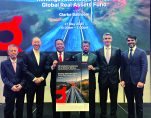
The Kenanga Alternative Series: Global Real Assets Fund offers investors exposure primarily to global real estate, precious metals, and commodities by employing proprietary investment models and advanced algorithms. KUALA LUMPUR, MALAYSIA – Media OutReach Newswire – 3 June 2025 – Kenanga Investors Berhad (“Kenanga Investors“) has announced the launch of the Kenanga Alternative Series: Global Real Assets Fund (“KASGRAF“), a new addition to its Kenanga Alternative Series […]

South Korea has witnessed the first notable instance of an institutional investor divesting cryptocurrency assets following the government’s decision to lift its long-standing ban on crypto trading by financial institutions. This marks a significant moment in the country’s evolving digital asset landscape, as regulatory shifts continue to reshape market dynamics and investor behaviour.

The institution in question, a major South Korean asset management firm, has reportedly sold off a substantial portion of its cryptocurrency portfolio. This move comes amid growing caution within the sector, despite regulatory relaxation intended to encourage wider institutional participation. Analysts suggest that the sale signals a pragmatic reassessment by financial entities, weighing regulatory clarity against market volatility and emerging geopolitical risks.

South Korea’s approach to cryptocurrency regulation has long been characterised by stringent restrictions designed to curb speculation and protect investors. The ban on crypto holdings by institutional investors, introduced several years ago, effectively excluded major banks, pension funds, and asset managers from direct crypto market involvement. This policy, aimed at stabilising the financial system, has limited the scale and scope of institutional crypto activity compared to other leading markets.

However, government authorities have recently signalled a more open stance, allowing institutions to hold and trade digital assets under stricter compliance and transparency frameworks. The removal of the ban reflects a broader effort to position South Korea as a competitive hub for blockchain technology and crypto innovation while addressing investor protection concerns. Regulatory bodies have emphasised enhanced due diligence, anti-money laundering measures, and consumer safeguards as prerequisites for institutional engagement.

Despite the regulatory easing, the initial institutional response appears cautious. The divestment by the asset management firm highlights lingering uncertainties, including the lack of comprehensive global regulatory harmonisation and fluctuating crypto valuations. Financial executives involved in the transaction point to increased scrutiny from compliance teams and internal risk committees, which have recommended a more conservative stance amid the unpredictability of crypto markets.

Market observers note that institutional investors have been closely monitoring international regulatory developments, including regulatory crackdowns in major economies such as the United States and the European Union. These external pressures, combined with domestic regulatory adaptations, create a complex environment where institutional players must balance opportunity with risk management.

South Korea’s crypto market itself continues to show robust retail participation, with local exchanges reporting increased trading volumes and new account openings. However, institutional activity remains limited, constrained by cautious regulatory interpretations and the need for clearer operational guidelines. Industry insiders indicate that infrastructure development, such as secure custody solutions and regulatory-approved trading platforms, will be critical to attracting sustained institutional capital.

The government’s gradual liberalisation has also been accompanied by initiatives to bolster blockchain technology development and related financial products. South Korean regulators are promoting pilot projects and innovation hubs, fostering partnerships between traditional finance firms and crypto startups. These efforts aim to build an ecosystem that supports not only trading but also tokenisation, decentralized finance applications, and digital asset custody.

Analysts highlight the importance of regulatory certainty for institutional confidence. The absence of clear rules has historically driven many South Korean financial institutions to adopt a wait-and-see approach, fearing potential legal repercussions and reputational damage. The recent institutional exit underscores the delicate balance regulators must maintain between fostering innovation and imposing adequate safeguards.

Investor sentiment is further influenced by macroeconomic factors, including global interest rate trends, currency fluctuations, and geopolitical tensions impacting asset flows. Cryptocurrency’s volatility relative to traditional assets remains a key consideration for institutional portfolio managers. Many firms are adopting phased approaches, initiating pilot crypto investments or forming dedicated teams to evaluate blockchain’s long-term potential before committing substantial capital.

The South Korean government’s broader digital finance strategy integrates cryptocurrency within its fintech agenda, aiming to create a sustainable and regulated market environment. However, achieving widespread institutional adoption will require ongoing dialogue with industry stakeholders, continuous regulatory refinement, and enhanced transparency mechanisms.

The current institutional crypto divestment could serve as a valuable indicator for regulators and market participants alike, revealing the challenges and reservations that remain despite policy shifts. Financial institutions appear to be navigating a transitional period, balancing innovation enthusiasm with prudent risk controls.


Added new locations in Japan, China, the UAE and Saudi Arabia, including the brand’s first resort La Clef Bangkok by The Crest Collection is set to open soon, bringing the brand’s number of operating properties in Southeast Asia to four Launches The Crest Chronicles, the inaugural brand programme celebrating the unique heritage stories that define each property and enrich guest experiences SINGAPORE – Media OutReach Newswire – […]

Read Ad-Free! Navigate this comic without interruption from ads. $2.92/month Billed as $34.99/annually start a 7-day free trial Already a member? Sign In Advertisement April 22, 2025 April 25, 2025 Advertisement April 26, 2025 May 12, 2025 May 23, 2025 If you love Andertoons, you might also like: Advertisement Adblock test (Why?)

As top Gulf leaders vied to commit trillions of dollars in investment pledges during President Donald Trump’s Middle East tour, a significant shift emerged among financiers and business circles. Saudi Arabia’s appeal as the region’s primary investment hub is being overshadowed by the United Arab Emirates and Qatar, whose growing economic clout and more flexible policies are attracting greater international interest. Saudi Arabia’s challenges stem from structural […]

Dubai has solidified its position as the premier global destination for greenfield foreign direct investment in the cultural and creative industries , securing the top spot in the Financial Times’ fDi Markets ranking for the third consecutive year.

In 2024, the emirate attracted 971 CCI projects, marking an 8% increase from the previous year. These ventures brought in AED 18.86 billion in capital inflows, a surge of nearly 60% compared to 2023, and generated 23,517 new jobs, reflecting a 9% year-on-year rise.

The report evaluated 233 cities under the ‘Creative Industries Cluster’ classification, with Dubai outperforming major global hubs such as London and Singapore.

Key growth areas within Dubai’s CCI sector included advertising and public relations, film and media production, gaming, education, and advanced software design. According to the Dubai FDI Monitor, greenfield, wholly-owned ventures constituted 76.5% of all projects, while new forms of investment accounted for 15.4%, reinvestment 5.6%, and mergers and acquisitions 2.4%.

Flexible government policies have played a significant role in boosting FDI flows into the CCI sector, enhancing Dubai’s appeal to investors, entrepreneurs, and innovators.

Her Highness Sheikha Latifa bint Mohammed bin Rashid Al Maktoum, Chairperson of the Dubai Culture and Arts Authority, stated, “Through strategic planning and pioneering initiatives, Dubai has cultivated an environment that empowers creatives, investors, and entrepreneurs to realise their ideas and turn them into impactful, sustainable projects that enrich the emirate’s cultural fabric.”

The United States led in terms of FDI capital inflows into Dubai’s CCI sector in 2024, contributing 23.2%, followed by India , the United Kingdom , Switzerland , and Saudi Arabia . In terms of the number of FDI projects, India topped the list with 18.8%, followed by the United Kingdom , the United States , Germany , and Italy .

Matein Khalid My macro crystal ball begins to vibrate ominously whenever a perma-bull talking head joins the Squawk Box on CNBC, my spiritual, philosophical and financial lodestar in life and La Dolce Vita of the mercati monetari globali. After all, our beautiful business began as a money lender’s bench in Renaissance Florence 600 years ago and if we ever ran out of cash, they ruptured our banco […]

Google Wallet users in the United States will no longer be able to use PayPal as a linked payment method starting 13 June 2025. The digital wallet platform will automatically remove all connected PayPal accounts, marking the end of a partnership that began in 2017. This change follows Google’s earlier decision on 11 April to halt the addition of new PayPal accounts to Wallet. The discontinuation affects […]

Bell Canada has launched a major initiative to bolster the country’s artificial intelligence capabilities through the establishment of a nationwide network of high-performance, hydroelectric-powered data centres. Dubbed Bell AI Fabric, the project aims to provide 500 megawatts of AI computing capacity, marking a significant step in enhancing Canada’s sovereign AI infrastructure. The first facility, a 7-megawatt data centre in Kamloops, British Columbia, is set to commence operations […]

IOWA, US – Media OutReach Newswire – 3 June 2025 – A delegation of the Ministry of Agriculture and Environment of Vietnam led by Minister Do Duc Duy began a trade mission to the United States, with the first stop being Iowa. Welcoming and working with the delegation, on the side of the Iowa Department of Agriculture were Secretary Mike Naig and Deputy Secretary Grant Menke. Ministers […]

By Nantoo Banerjee Gaza’s Hamas militants face an unmitigated disaster as Israel is all set to take full control over Gaza strip after a gap of almost 20 years. Simultaneously, Israel seems to be gearing up to annex a substantial portion (Area C) of West Bank ignoring protests from France, the United Kingdom and Sweden […]

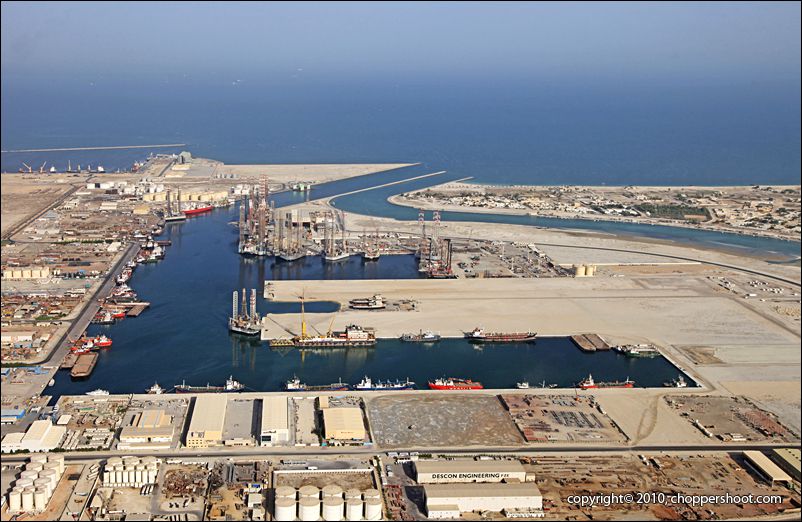
A large fire that erupted at the Al Hamriyah Port in Sharjah posed a significant threat before authorities managed to bring it under control. The blaze ignited in an area where highly flammable materials were stored, escalating the intensity and risk of the incident. Emergency responders acted swiftly to contain the flames and prevent further damage to the industrial site and surrounding facilities.

The fire broke out within one of the storage zones at the port, a critical hub for regional trade and industrial activity. Witnesses described thick plumes of black smoke billowing over the port, visible from several kilometres away. The presence of combustible materials accelerated the fire’s spread, creating a challenging environment for firefighting teams.

Sharjah Civil Defence mobilised a substantial response involving multiple fire engines, specialised foam units, and rescue personnel. The teams prioritised protecting adjacent warehouses and port infrastructure, which include goods vital to supply chains across the Gulf region. Coordinated efforts to establish firebreaks and deploy foam suppression techniques helped contain the blaze.

Industrial storage sites, particularly those housing chemicals, fuels, or other hazardous materials, require stringent safety protocols due to their vulnerability to fires. Officials confirmed that the site contained flammable substances, although exact details about the materials involved remain under review as investigations continue. No casualties were reported, highlighting the effectiveness of emergency evacuations and rapid intervention.

Al Hamriyah Port operates as a crucial gateway for maritime logistics in the United Arab Emirates, serving diverse industries from manufacturing to shipping. The port’s infrastructure includes dedicated zones for various types of cargo, with strict regulations governing storage and handling. The fire raised concerns about the adequacy of safety measures for hazardous materials at such industrial hubs, prompting calls for renewed safety audits.

Emergency services emphasised the importance of routine risk assessments and preparedness in industrial environments, especially where flammable and volatile substances are stored. Training, equipment readiness, and swift communication channels proved vital in managing the incident effectively. The fire’s containment prevented a wider catastrophe that could have disrupted port operations and caused economic losses.

Environmental experts are monitoring potential impacts on air quality due to the smoke and emissions generated by the fire. Initial air sampling indicated elevated levels of pollutants near the port perimeter, necessitating caution for nearby communities and workers. Authorities advised residents to avoid the area and remain indoors until conditions stabilised.

This incident underlines the challenges of managing industrial safety in complex logistics centres where multiple risk factors intersect. Ports like Al Hamriyah play an indispensable role in regional trade but require ongoing investment in infrastructure resilience and emergency response capabilities. Stakeholders are expected to review procedures and infrastructure to mitigate future risks.

The event also highlighted the coordination between various agencies, including civil defence, environmental authorities, and port management. Such collaboration is critical in ensuring a swift and effective response to emergencies. Lessons drawn from this fire will likely influence policies governing industrial storage and fire safety in the UAE and beyond.

Port operations resumed gradually after clearance was given by safety officials, with inspections conducted to assess structural integrity and contamination. Business continuity plans activated by port authorities facilitated minimal disruption to shipping schedules, reflecting the strategic importance of the facility.

VISHNU RAJA
RYO YAMADA
HITORI GOTOH
IKUYO KITA
Just in:
US resumes flights after nationwide air traffic shutdown // 11 Boutique Xinjiang Wineries to Debut in Singapore // Microsoft restores services gradually but gives no recovery deadline // IEA forecasts fourth-quarter oil surplus as Gulf shipments rebound // TORRAS Launches Two New iPhone Duo Cases from Its Popular Ostand Series, Addressing Foldable Phone Users’ Concerns About Difficult Stand Positioning and Scratches // From Dubai to the EU: how UAE-based crypto firms can expand under MiCA // Hackers falsify NVIDIA GPU readings to mask cryptomining // Yicura BioMed Advances Dual Capital and Industrial Strategy: Completes First Closing of Series B Financing Led by Gobi Partners // Sun World Ba Den Mountain marks Vietnam Culture Day, welcoming Cambodian visitors over Bon Om Touk // Microsoft outage leaves Outlook and Teams users disconnected // Inpex reaffirms Gulf oil strategy despite shipping constraints // Crescent Enterprises venture arm funds Oyster Therapeutics development // Lego restores BrickLink marketplace after security investigation // Woman found dead as bank moves to repossess home // China’s Taiwan warning tests Washington’s defence commitments // UAE crews sustain coastal oil removal as beaches reopen // Microsoft apologises as Outlook services recover after outage // Electoral register gains 2.17 lakh voters // L’OCCITANE Celebrates 50 Years Of Provençal Craftsmanship With Holiday 2026 Collection // Nvidia appoints Colette Kress interim chief after Huang departure //