News related to
unit

Dubai Residential REIT’s debut on the Dubai Financial Market marked a significant milestone, closing nearly 14% higher at AED 1.25 per unit from its offer price of AED 1.10. The $584 million offering, backed by Dubai Holding, attracted overwhelming demand, with the IPO oversubscribed 26 times, reflecting strong investor confidence in Dubai’s residential real estate sector. The REIT, focusing exclusively on residential leasing, launched with a market […]

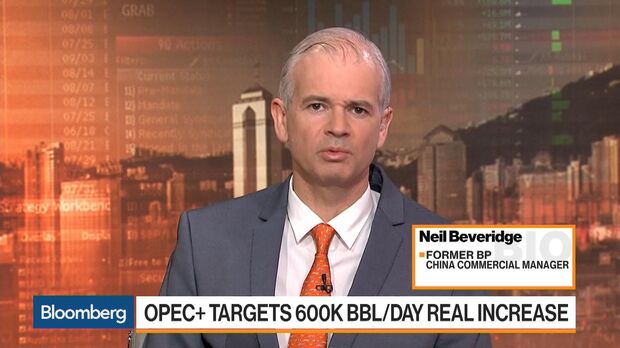
Prince Abdulaziz bin Salman’s tenure as Saudi Arabia’s energy minister has marked a decisive shift in OPEC+ dynamics, culminating in a significant production decision that underscores Riyadh’s growing influence within the cartel. The latest OPEC+ meeting saw Saudi Arabia successfully advocate for a third consecutive super-sized monthly output increase, a move that has reshaped the alliance’s approach to oil supply management despite opposition from key players such as Russia.

Since assuming office six years ago, Prince Abdulaziz has positioned Saudi Arabia as a firm leader within OPEC+, emphasising discipline and adherence to agreed production quotas. This approach contrasts with the historically more conciliatory stance the kingdom sometimes took within the cartel. The current strategy reflects a broader ambition to reclaim market share lost to non-compliant members and emerging producers outside the alliance’s remit.

The decision to boost output again—by approximately 500,000 barrels per day—signals a willingness to absorb short-term price volatility in favour of longer-term market dominance. Riyadh’s strategy appears geared towards punishing those within OPEC+ who have routinely exceeded their quotas, thereby undermining the cartel’s collective efforts to control supply and sustain prices. Saudi Arabia’s emphasis on stringent compliance aims to reinforce OPEC+ cohesion, even at the risk of dampening crude prices temporarily.

Russia’s resistance to the output increase highlighted fissures within OPEC+ as Moscow has consistently advocated a more cautious production approach, citing concerns over oversupply and the fragility of global demand recovery. Russia’s stance reflects a balancing act between maximising revenue and preserving the alliance’s unity. However, Saudi Arabia’s assertiveness in pushing the hike through demonstrates Riyadh’s readiness to leverage its dominant production capacity and market position to set the cartel’s agenda.

Global oil markets responded to the output hike by seeing a downward adjustment in prices, reflecting the increased supply entering the market. This shift contrasts with the supply restraint policies of previous years, which had been instrumental in stabilising prices amid fluctuating demand and geopolitical uncertainty. Market analysts note that the Saudi-led increase could signal a new phase in OPEC+ policy, one in which Riyadh is prioritising market share recovery over price support.

The broader context of this development involves multiple factors. The energy transition and climate policies worldwide have added pressure on oil producers, particularly those heavily reliant on hydrocarbons. Saudi Arabia’s move suggests a pragmatic response to these challenges, aiming to maximise current revenues while investing in diversification strategies such as renewable energy and petrochemicals.

The kingdom’s position as the de facto swing producer within OPEC+ gives it substantial leverage. Saudi Arabia can modulate output to influence global prices, a power that has been increasingly evident under Prince Abdulaziz’s stewardship. The kingdom’s vast spare capacity and low production costs enable it to sustain output increases that smaller or higher-cost producers cannot match.

The decision also reflects Saudi Arabia’s geopolitical considerations. Energy policy remains a critical tool of regional influence and international diplomacy. By asserting control over OPEC+ production decisions, Riyadh reinforces its leadership role not only within the cartel but also in broader energy markets, which remain pivotal to global economic stability.

The internal dynamics of OPEC+ have evolved since the alliance’s formation in 2016. Initially established to coordinate between OPEC members and major non-OPEC producers like Russia, the group has faced ongoing challenges balancing competing national interests. Saudi Arabia’s push for discipline and market share signals a new era where Riyadh asserts a more centralised command, even if that risks tensions with key allies.

The output increase also responds to market signals, including stronger oil demand forecasts and inventory levels that have stabilised. By expanding supply, Saudi Arabia aims to pre-empt supply shortages that could push prices beyond levels palatable to consuming nations and industries. This approach seeks to sustain demand growth by ensuring adequate supply and avoiding disruptive price spikes.

Critics argue that the output hike risks destabilising markets by flooding them with excess supply amid uncertainties in global economic growth, inflation, and energy transition timelines. They caution that prolonged lower prices could undermine investment in the oil sector, affecting long-term supply security. However, proponents view Saudi Arabia’s move as a necessary recalibration to reinforce market order and assert control over a fragmented supply landscape.

The ripple effects of the Saudi-led decision extend beyond OPEC+ members. Non-OPEC producers, including the United States shale industry, watch closely as changes in cartel policy impact global price signals and investment decisions. The output hike could influence the pace and scale of shale production, which remains a significant factor in global supply dynamics.

As the alliance navigates these complexities, Saudi Arabia’s approach under Prince Abdulaziz bin Salman sets a clear tone of leadership and strategic resolve. The kingdom’s readiness to push through output increases despite opposition illustrates its confidence in wielding its production capacity as a geopolitical and economic tool.

This assertive posture aligns with Saudi Arabia’s broader economic vision, including the ambitious Vision 2030 plan to diversify its economy and reduce dependence on oil revenues. Managing oil production to balance market share and price stability forms a critical part of this strategy, enabling the kingdom to finance diversification projects and maintain fiscal stability.


First Abu Dhabi Bank , the largest lender in the United Arab Emirates by assets, is set to raise approximately $480 million through a secondary share offering. The transaction involves the sale of around 113 million shares at a fixed price of 15.5 dirhams per share, representing a 3.7% discount to the bank’s closing price of 16.1 dirhams on the Abu Dhabi Securities Exchange. Citi, acting as the bookrunner, confirmed that the offering was fully subscribed, with demand surpassing the number of shares available.

The identity of the selling shareholder remains undisclosed. FAB’s largest stakeholder is Mubadala Investment Company, Abu Dhabi’s sovereign wealth fund, which manages assets exceeding $330 billion. As of the end of March, FAB reported total assets of 1.31 trillion dirhams, underscoring its dominant position in the region’s banking sector.

The oversubscription of the share sale indicates robust investor confidence in FAB’s financial health and strategic direction. The bank has been actively pursuing growth opportunities beyond the Gulf region. Two years ago, FAB explored a potential acquisition of London-listed Standard Chartered, signaling its ambition to expand its international footprint.

Under the leadership of Group CEO Hana Al Rostamani since 2021, FAB has undergone significant restructuring to enhance operational efficiency and shareholder returns. The bank reorganized its operations into four new divisions and appointed Linos Lekkas, a veteran from Citi, as the head of its investment banking division. This strategic realignment aims to strengthen FAB’s position in the Gulf and support its expansion plans.

FAB’s strong financial performance further bolsters investor sentiment. In the first quarter, the bank reported a 23% increase in net profit, driven by growth in non-interest income from fees and commissions. This performance exceeded analysts’ expectations and reflects the bank’s diversified revenue streams and effective cost management.

KUALA LUMPUR, MALAYSIA – Media OutReach Newswire – 2 June 2025 – June 2025 is shaping up to be one of the most eventful months of the year for global markets. For traders, this means opportunity—but also volatility. The economic calendar is packed with macroeconomic data releases and central bank meetings, while geopolitical risks remain close to the surface. Beyond the usual inflation prints and interest rate […]

The World Bank has launched its first open-source software tool, the Metadata Editor, marking a significant step in its commitment to data transparency and open science. This web-based application is designed to assist data curators in documenting various types of data, including statistical indicators, survey microdata, geographic datasets, documents, images, videos, and scripts, in compliance with international metadata standards. By releasing this tool under the MIT License, […]

WASHINGTON D.C, USA – Media OutReach Newswire – 1 June 2025 – Vietnam’s Minister of Agriculture and Environment Do Duc Duy plans to lead a delegation with nearly 50 agencies, agribusinesses and associations to explore opportunities to promote trade and import agrifood and timber from the United States during June 1-7, 2025. The delegation expects to participate in business dialogues in Iowa, Ohio, and Washington D.C. Vietnamese […]

MUNICH, GERMANY – Media OutReach Newswire – 1 June 2025 – The 2024/25 UEFA Champions League season reached its spectacular conclusion on 31 May at Munich Football Arena. As the Official Smartphone Product Partner of the prestigious competition for the third consecutive year, OPPO celebrated the event with a series of football-related CSR programs and cultural activations around the final as well as reaffirming its commitment to […]

Advertisements
By K Raveendran Brent crude oil futures continue to hover around the $65 per barrel mark, a level that reflects the push and pull of market forces clouded by a cocktail of geopolitical tensions, environmental disruptions, and strategic production decisions. As prices hold steady, the broader sentiment among traders and analysts leans toward caution, with […]

HONG KONG SAR – Media OutReach Newswire – 31 May 2025 – International mediation marked a significant milestone yesterday (May 30) with the establishment of the International Organization for Mediation (IOMed). The IOMed, with its headquarters in Hong Kong, is the world’s first inter-governmental international legal organisation devoted to the use of mediation in resolving international disputes. More than 80 countries and about 20 international organisations, including […]

Dubai-listed Gulf Navigation Holding PJSC has secured shareholder approval for a AED 3.2 billion acquisition of Brooge Energy Ltd.’s assets, marking a significant expansion into the midstream oil and gas sector. The transaction, involving cash, newly issued shares, and mandatory convertible bonds , is expected to close in the second quarter of 2025, pending regulatory approvals. The acquisition encompasses Brooge Petroleum and Gas Investment Company FZE, Brooge […]

Engie-backed National Central Cooling Company, known as Tabreed, and private equity firm CVC Capital Partners have entered exclusive negotiations to acquire PAL Cooling Holding , the district cooling arm of Abu Dhabi’s Multiply Group. The transaction is expected to value the business at approximately $1.1 billion, according to individuals familiar with the matter.

The joint bid by Tabreed and CVC emerged as the leading offer among several contenders, including KKR, I Squared Capital, Investcorp, and Abu Dhabi National Energy Company . Discussions have now progressed to a bilateral phase between the preferred bidders and Multiply Group, a subsidiary of International Holding Company , chaired by Sheikh Tahnoon bin Zayed Al Nahyan.

PAL Cooling Holding operates six district cooling plants in Abu Dhabi, with a combined installed capacity of approximately 139,800 refrigeration tonnes. The company maintains long-term service agreements with prominent real estate developers such as Aldar Properties and Reem Developers, providing chilled water for air conditioning to a range of commercial and residential properties across the emirate.

District cooling systems, which distribute chilled water through insulated pipes to multiple buildings, offer a more energy-efficient and environmentally friendly alternative to traditional air conditioning. These systems are particularly prevalent in the Gulf region, where summer temperatures can exceed 50 degrees Celsius, making efficient cooling solutions essential for urban infrastructure.

The potential acquisition aligns with Tabreed’s strategic expansion plans. The company currently operates over 80 district cooling plants across the Middle East, delivering more than 1.2 million refrigeration tonnes of cooling capacity. Tabreed’s portfolio includes high-profile projects such as the Burj Khalifa, Sheikh Zayed Grand Mosque, and the Dubai Metro.

CVC Capital Partners, headquartered in Luxembourg, has been actively seeking investment opportunities in the Middle East, reflecting a broader trend among international private equity firms. The region’s push to diversify economies away from oil dependency has made sectors like sustainable infrastructure increasingly attractive to foreign investors.

Multiply Group, the seller in this transaction, is an investment holding company with interests spanning media, utilities, and technology. The divestment of its district cooling unit is part of a strategic realignment to focus on core business areas. The company had engaged Standard Chartered Bank to explore potential buyers for PCH earlier this year.

Following reports of the exclusive talks, Tabreed’s shares experienced a 4.3% increase, reaching 2.68 dirhams during midday trading on the Abu Dhabi Securities Exchange. This uptick reflects investor optimism regarding the company’s growth prospects and the strategic value of the potential acquisition.

In the dynamic real estate market of the UAE, the collaboration between property developers and international luxury brands has emerged as one of the defining trends of the past decade. Branded residences—homes created in partnership with names known for fashion, jewelry, hospitality, or design—are transforming not only the architectural landscape but also the way residents and investors think about living in the region. From private beachfronts to […]

Nvidia CEO Jensen Huang has issued a stark warning that U.S. export restrictions on advanced semiconductors are inadvertently accelerating China’s progress in artificial intelligence , potentially undermining America’s technological leadership. Huang contends that the sanctions, intended to curb China’s access to cutting-edge AI chips, have instead galvanized Chinese firms to develop domestic alternatives. “The Chinese competitors have evolved,” Huang remarked, highlighting Huawei’s rapid advancements. He emphasized that […]

KUALA LUMPUR, MALAYSIA – Media OutReach Newswire – 30 May 2025 – Traders and investors alike are unnerved by the recent turbulence in the bond markets. After Moody’s—a major rating agency—downgraded U.S. government debt on 16 May, and Japanese long-term bond yields soared to multi-decade highs, some market participants started to fear that the world may be on the verge of a major debt crisis. Meanwhile, the […]

A sweeping crackdown on international students under President Donald Trump’s administration has triggered a global realignment in higher education, as universities across Europe and Asia move swiftly to attract displaced talent and research funding. The United States, long considered the premier destination for international scholars, is witnessing a sharp decline in its appeal. A survey by the Keystone Education Group indicates that 42% of prospective international students […]

Huatai Securities has continuously expanded its international presence since its H-share listing a decade ago. Over the past ten years, Huatai Securities has facilitated nearly 600 domestic and international financing deals for enterprises globally, with a total fundraising volume of approximately USD 280 billion. HONG KONG SAR – Media OutReach Newswire – 30 May 2025 – As Huatai Securities approaches the 10th anniversary of its H-share listing, […]

By Nitya Chakraborty West Bengal Chief Minister and Trinamool Congress supremo Mamata Banerjee was right when she said on Thursday replying to the Prime Minister’s vicious attacks against her and her government that Narendra Modi was making use of the Operation Sindoor to achieve cheap political gains for the BJP in the coming assembly polls […]

James Wynn, a prominent figure in the cryptocurrency trading community, has suffered a staggering loss of approximately $99.3 million following the liquidation of his leveraged Bitcoin positions on the Hyperliquid platform. The liquidation was triggered as Bitcoin’s price fell below the critical $105,000 threshold, leading to the forced closure of Wynn’s positions totaling 949 BTC.

The sequence of events unfolded rapidly. On May 29, Wynn’s position of 94 BTC, valued at around $10 million, was liquidated when Bitcoin’s price dipped to $106,330. The following day, two larger positions were closed: one comprising 527.29 BTC at $104,950, and another of 421.8 BTC at $104,150, amounting to losses of $55.3 million and $43.9 million respectively. These liquidations collectively accounted for the 949 BTC loss, as confirmed by on-chain analytics platforms.

Wynn’s aggressive trading strategy involved a 40x leveraged long position, a high-risk approach that amplifies both potential gains and losses. He had reportedly increased his leveraged position to $1.25 billion on May 24, banking on a bullish trajectory for Bitcoin. However, the market’s downturn, influenced by macroeconomic factors including discussions on tariffs by the US administration, led to a sharp decline in Bitcoin’s value, undermining Wynn’s position.

Despite the significant losses, Wynn continues to hold a substantial position in the market. He currently maintains a 40x leveraged long position in a perpetual contract, which was initiated when Bitcoin was priced at $107,993. This position is presently at an unrealized loss of approximately $3.4 million, with the liquidation price hovering around $104,607. Wynn’s margin usage is nearing 100%, indicating a precarious situation where any further decline in Bitcoin’s price could trigger additional liquidations.

The incident has sparked discussions within the trading community about the risks associated with high-leverage trading strategies. While such approaches can yield substantial profits, they also expose traders to significant losses, particularly in volatile markets. Wynn’s experience serves as a cautionary tale, highlighting the importance of risk management and the potential consequences of aggressive trading tactics.

In a related development, another trader reportedly capitalized on Wynn’s misfortune by adopting a contrarian strategy—shorting when Wynn went long and vice versa—resulting in a profit of $17 million. This underscores the zero-sum nature of leveraged trading, where one trader’s loss can translate into another’s gain.

The broader cryptocurrency market has also felt the impact of the downturn. Within an hour of Bitcoin’s price dropping below $105,000, approximately $345 million was liquidated from the market, reflecting the high volatility and the cascading effect of large-scale liquidations. Analysts note that such events can lead to heightened caution among traders, elevated funding rates, and potential ripple effects on Bitcoin’s price action and overall market sentiment.

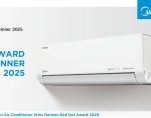
ESSEN, GERMANY – Media OutReach Newswire – 30 May 2025 – Midea, the World’s No.1 Residential Inverter Air Conditioner Company, reached another important milestone in its innovation journey as the Midea Numen air conditioner won the German Red Dot Product Design Award 2025, the globally prestigious recognition for excellence in design. Numen stands out with its AI system and innovative structure design that improve energy efficiency and […]

Greenlogue/AP Abu Dhabi’s sovereign investor Mubadala and the Abu Dhabi National Energy Company have finalised the acquisition of an 875-megawatt combined-cycle gas-fired power plant at the Talimarjan Power Complex in Uzbekistan, marking a significant step in the ongoing privatisation of the Central Asian country’s energy sector. Each entity now holds a 40 per cent stake in the TPP1 gas-fired plant through a newly created project company, Talimarjan […]

Investcorp Capital, the Abu Dhabi Securities Exchange-listed alternative investment firm, has concluded the sale of 12 multifamily residential properties across five US states for approximately $550 million. The transactions, executed over several months beginning in 2024, encompassed the complete liquidation of a multifamily portfolio. Despite prevailing challenges in the US housing market, including elevated mortgage rates and economic uncertainties, the firm reported securing the exits at a […]

Gridora, a new infrastructure platform supported by ADQ, the Investment Holding Company , and Modon Holding, has formalised its first major collaboration by signing a memorandum of understanding with the Abu Dhabi Projects and Infrastructure Centre . This partnership aims to streamline the planning and execution of key transport infrastructure projects within the emirate. The MoU sets a strategic framework for cooperation, enabling Gridora and ADPIC to […]

Saudi Arabia’s sovereign wealth fund, the Public Investment Fund , is evaluating an initial public offering for its wholly-owned technology arm, Saudi Information Technology Company , as part of broader efforts to bolster the kingdom’s economic diversification strategy. According to individuals familiar with the matter, PIF has approached investment banks to submit proposals for roles in a potential share sale of SITE. The discussions are in preliminary […]

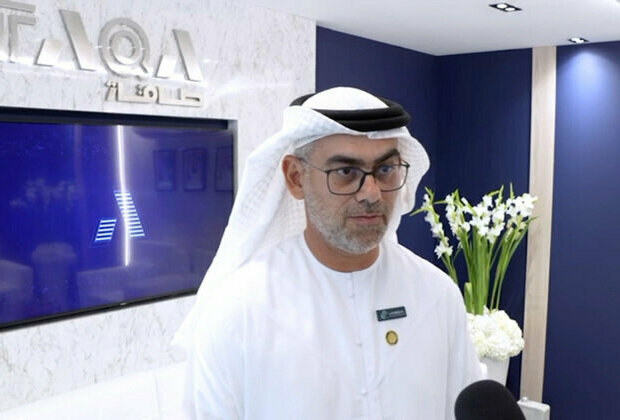
Abu Dhabi National Energy Company has unveiled plans to invest more than AED37 billion to meet the escalating power demands of the emirate’s expanding data centre and artificial intelligence infrastructure. The announcement was made by Group CEO and Managing Director Jasim Husain Thabet during the World Utilities Congress 2025.

This substantial investment is integral to TAQA’s strategy to deliver clean, certified, and reliable energy to critical infrastructure. The company aims to support Abu Dhabi’s ambition to become a global hub for digital innovation and AI development.

TAQA’s market capitalisation stands at approximately AED360 billion, positioning it among the top five companies in electricity generation, transmission, and water desalination across Europe, Africa, and the Middle East. Operating in 25 countries, TAQA has doubled its electricity production capacity to 56 gigawatts over the past four years, surpassing the total electricity consumption of the United Kingdom.

The company’s growth strategy includes significant international acquisitions. TAQA recently partnered with Mubadala to acquire an 875-megawatt gas-powered electricity station in Uzbekistan, aiding the country’s energy transition and opening new markets in Central Asia. Additionally, TAQA has acquired Transmission Investment, a leading UK-based energy and utility investment platform, enhancing its capabilities in offshore transmission services and infrastructure development.

In collaboration with Masdar, where TAQA holds a major stake, the company is developing 5 gigawatts of solar energy supported by 19 gigawatt-hours of battery storage. This integrated solar and battery system is designed to deliver a continuous supply of 1 gigawatt for 24 hours, marking it as the largest project of its kind globally.

TAQA plans to invest AED75 billion by 2030 to triple its electricity generation capacity to 150 gigawatts. Part of this strategy includes developing water desalination plants with a combined capacity of 1.3 billion gallons per day, with two-thirds utilising highly efficient reverse osmosis technology.

The company is also exploring acquisition opportunities in the United States, identifying it as a key market for expansion. TAQA aims to spend around $20 billion between 2023 and 2030 on organic and inorganic growth, targeting 150 gigawatts of capacity by the end of that period, up from around 56 gigawatts currently.

VISHNU RAJA
RYO YAMADA
HITORI GOTOH
IKUYO KITA