News related to
unit

Grade A office rents remained under pressure in Q1, while a tourist inflow recovery is yet to boost retail market confidence Smaller-sized residential units have been more sought-after following the relaxation of the maximum property value chargeable at a HK$100 stamp duty level as announced in the latest government budget speech, supporting first-hand residential sales. The total residential unit transaction number for Q1 climbed 24% y-o-y to […]

Bitcoin has experienced a notable decline, falling below the $75,000 mark, a level not seen in five months. Ethereum has also faced a substantial drop, trading below $1,500, reaching its lowest point since March 2023.

As of April 7, 2025, Bitcoin’s price stands at approximately $74,500, marking a decrease of over 10% within the past 24 hours. This decline reflects investor anxiety over escalating trade tensions between the United States and China. China’s recent imposition of retaliatory tariffs in response to U.S. measures has intensified fears of a prolonged trade conflict, potentially leading to a global economic downturn.

Ethereum has mirrored this downward trend, with its price dropping below $1,500. This represents a significant decrease from its position earlier in the year and underscores the broader market’s volatility. The decline in Ethereum’s value is partly attributed to a surge in liquidations, with approximately $890 million in crypto positions liquidated over a 24-hour period. Of these, $758 million were long positions, indicating that many traders were forced to exit their bullish bets at a loss.

The broader cryptocurrency market has not been immune to these fluctuations. Major altcoins have also seen double-digit percentage declines, emphasizing the current instability within the digital asset space. This market turbulence is occurring alongside significant downturns in traditional financial markets, particularly in Asia and Europe. For instance, Japan’s Nikkei 225 index closed 7.8% lower, while China’s Shanghai Composite Index fell by over 7.3%. These substantial drops have triggered circuit breaker events, temporarily halting trading to prevent further losses.

Technical analysis of Bitcoin’s price movement reveals the formation of a “death cross,” a bearish indicator that occurs when the 50-day moving average crosses below the 200-day moving average. This pattern suggests the potential for further declines in Bitcoin’s value. Key support levels to monitor include $74,000, $65,000, and $57,000, each corresponding to previous performance benchmarks and trendlines. Conversely, resistance is anticipated around the $87,000 mark, where significant moving averages converge.

World’s Pioneering Drone Solution Achieving Millimetre-level Precision Setting a New Benchmark for Smart Sites in Hong Kong HONG KONG SAR – Media OutReach Newswire – 7 April 2025 – ​The Hong Kong Productivity Council (HKPC), the Civil Engineering and Development Department, and the Hyder-Meinhardt Joint Venture have co-developed the “Autonomous Air-ground Cooperative Tunnel Inspector” in the Trunk Road T2 and Cha Kwo Ling Tunnel project. This system […]

Saturday Morning Breakfast Cereal by Zach Weinersmith Andertoons By Mark Anderson | 4554 Followers Read Ad-Free! Navigate this comic without interruption from ads. $4.99/month Billed as $4.99/monthly start a 7-day free trial Already a member? Sign In Advertisement Five Favorites from Andertoons If you love Andertoons, you might also like: Advertisement Adblock test (Why?)

Goldman Sachs has increased the probability of a United States recession in the next 12 months to 45%, aligning with a wave of revised risk assessments by major investment banks as escalating trade tensions and tighter financial conditions unsettle global markets. The adjustment from Goldman’s previous estimate of 35% reflects the firm’s assessment that a sharp tightening in financial conditions and heightened policy uncertainty will significantly hinder […]

Oil prices have experienced a significant decline, reaching their lowest levels since April 2021, driven by escalating trade tensions between the United States and China, coupled with strategic decisions by OPEC+ regarding oil production. Brent crude futures dropped by $2.28, settling at $63.30 per barrel, while U.S. West Texas Intermediate crude decreased by $2.20 to $59.79 per barrel. This marks a continuation of a downward trend, with […]

The United Arab Emirates Ministry of Finance has introduced Cabinet Decision No. 35 of 2025, outlining specific criteria under which non-resident juridical persons—entities not incorporated in the UAE—are considered to have a taxable presence, or ‘nexus’, in the country. This decision supersedes the earlier Cabinet Decision No. 56 of 2023 and provides clarity on the tax obligations of foreign investors, particularly those involved with Qualifying Investment Funds and Real Estate Investment Trusts .

Under the new guidelines, non-resident juridical persons are deemed to have a nexus in the UAE if they earn income from immovable property located within the country. Immovable property encompasses land, buildings, and fixtures permanently attached to the land or structures. This definition aligns with international tax norms, ensuring that income derived from such properties is taxable in the jurisdiction where the property is situated.

The decision specifies that foreign entities investing in UAE real estate, whether directly or through vehicles like QIFs or REITs, will be subject to corporate tax on income generated from these investments. This taxation applies regardless of whether the property is held for business operations or as an investment asset. The income will be taxed on a net basis, permitting the deduction of relevant expenditures that comply with the conditions set out in the Corporate Tax Law.

Younis Haji Al Khoori, Undersecretary of the Ministry of Finance, emphasized that this approach is consistent with international best practices, which stipulate that income derived from immovable property is taxable in the country where the property is located. He noted that the UAE’s Corporate Tax Law incorporates features that honor international taxation principles and ensures neutrality between domestic and foreign companies earning income from immovable property in the UAE.

The introduction of these guidelines is part of the UAE’s broader efforts to establish a fair and transparent tax system that aligns with global standards. In December 2024, the UAE announced plans to implement a 15% minimum top-up tax on large multinational companies starting January 2025, in accordance with the Organisation for Economic Co-operation and Development’s global minimum corporate tax agreement. This tax targets companies with consolidated global revenues of €750 million or more in at least two of the four financial years preceding its implementation.

The Ministry of Finance is considering the introduction of corporate tax incentives to promote research and development activities and high-value employment within the country. The proposed R&D tax incentive, expected to take effect for tax periods starting on or after January 1, 2026, would offer a refundable tax credit ranging from 30% to 50%, depending on the size of the company’s operations and revenue. Similarly, a refundable tax credit for high-value employment activities is under consideration, potentially applicable from January 1, 2025.

The UAE’s commitment to aligning its tax policies with international standards reflects its dedication to fostering a competitive and transparent business environment. By clarifying the tax obligations of non-resident investors and introducing measures to prevent tax avoidance, the UAE aims to enhance its economic competitiveness and attract sustainable investments.

Advertisements

Arabian Post Staff -Dubai The United States has imposed a series of tariffs on countries within the Middle East and North Africa region, aiming to address what the administration describes as long-standing unfair trade practices. While these measures are poised to affect various sectors, exemptions granted to oil exports are expected to mitigate the overall economic impact on the region’s leading exporters. Gulf Cooperation Council countries—including Saudi […]

Chinese social media platforms are abuzz with users expressing strong opposition to suggestions that Beijing should acquiesce to U.S. trade demands following President Donald Trump’s recent tariff escalations. The online discourse reflects a nationalistic sentiment, with many netizens urging the Chinese government to stand firm against what they perceive as economic intimidation.

President Trump announced a 10% baseline tariff on all imports, with significantly higher duties targeting specific countries, including a 54% tariff on Chinese goods. This move has intensified trade tensions between the world’s two largest economies. In retaliation, China imposed a 34% tariff on various American products, signaling its resolve to counter U.S. measures.

The Chinese Foreign Ministry’s spokesperson, Guo Jiakun, highlighted the global market’s adverse reaction to the U.S. tariffs, stating, “The market has spoken.” This remark underscores Beijing’s position that the U.S. actions are disruptive to international trade stability.

State-run media outlets have also weighed in, criticizing the U.S. administration’s approach. The Global Times labeled the tariff threats as “ridiculous” and indicative of “deep arrogance,” while China Daily warned that such actions could lead to a “mutually destructive tariff war.”

On platforms like Weibo and WeChat, Chinese citizens are vociferously rejecting any notion of capitulation. Users are calling for unity and resilience, emphasizing the importance of safeguarding national interests and economic sovereignty. This collective online sentiment reflects a broader public consensus supporting the government’s stance in the escalating trade dispute.

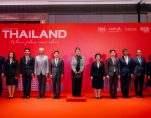
HONG KONG SAR – Media OutReach Newswire – 7 April 2025 – The Department of International Trade Promotion (DITP), Ministry of Commerce, successfully hosted Thai Night: Where Films Come Alive 2025 at JW Marriott Hong Kong during FILMART 2025, reinforcing Thailand’s position as a global hub for the film and entertainment industry. Presided over by Her Royal Highness Princess Ubolratana Rajakanya Sirivadhana Barnavadi, the event brought together […]

Indian metal companies are significantly expanding their operations, driven by robust domestic demand, even as they navigate complex global trade dynamics. Industry leaders such as Vedanta and JSW Steel are at the forefront of this growth, unveiling ambitious plans to scale up production capacities across various segments.

Vedanta, a prominent conglomerate, has announced a $20 billion expansion strategy encompassing sectors like zinc, aluminium, copper, iron, steel, oil, gas, and power. This initiative includes seeking global partnerships to bolster its ventures. The company is also in the process of restructuring into four distinct entities: Vedanta Aluminium, Oil and Gas, Power, and Iron and Steel. Notable investments involve allocating $2 billion to $2.5 billion for enhancing Hindustan Zinc’s production and $5 billion aimed at increasing oil output through Cairn India. Additionally, Vedanta plans to double its power portfolio and explore opportunities in nuclear energy, targeting 5 GW of nuclear power for internal consumption within India.

JSW Steel, another major player, is pursuing an aggressive expansion trajectory. The company aims to elevate its production capacity from the current 27.5 million tonnes per annum to 38.5 mtpa by the fiscal year 2024-25. This growth strategy includes commissioning iron ore and coal mines in Karnataka, Odisha, and Goa, which is expected to reduce operational costs. JSW Steel is also investing in renewable energy projects to further decrease production expenses. The company has set a target to reach a 50 mtpa capacity before 2030, reflecting confidence in sustained domestic demand growth.

Tata Steel is also contributing to the industry’s expansion by adding 5 million tonnes to its existing 21 mtpa capacity. Similarly, Jindal Steel and Power plans to increase its capacity by 6 million tonnes, building upon its current 9.6 mtpa. Collectively, these initiatives represent a substantial investment aimed at capitalizing on India’s burgeoning steel consumption, which is projected to grow between 8% to 10% in the fiscal year 2024-25.

The Indian government’s policy measures are playing a crucial role in supporting domestic manufacturers. The “Domestically Manufactured Iron and Steel Products Policy 2025,” effective from April 1, mandates that all government ministries and agencies prioritize locally produced steel products. This policy aims to protect the domestic steel industry from the influx of cheaper imports, particularly from countries like China, South Korea, and Japan. It also restricts the use of foreign certifications or stringent technical specifications that could disadvantage local suppliers and bars foreign entities from participating in Indian tenders if their home countries impose procurement restrictions on Indian mills.

Despite these protective measures, Indian steelmakers face challenges from international trade policies. The United States has imposed a flat 26% reciprocal tariff on all Indian exports, citing high Indian tariffs on U.S. goods. This move is expected to impact key Indian export sectors, including electronics, gems and jewellery, and certain aluminium and auto parts. However, pharmaceuticals and energy products are exempt from these tariffs. In response, India is engaging in negotiations with the U.S. for a new trade deal and has expressed willingness to reduce tariffs on $23 billion worth of U.S. imports. Additionally, India is exploring opportunities to expand exports in sectors like textiles, apparel, footwear, and steel, particularly as higher tariffs are levied on Chinese goods.

The United Arab Emirates has reaffirmed its position as the global leader in Fibre to the Home connectivity, achieving a penetration rate of 99.3%. This marks the eighth consecutive year the nation has topped international rankings, surpassing technological hubs such as Singapore, Hong Kong, China, and South Korea. The FTTH Council’s latest annual report highlights this milestone, underscoring the UAE’s commitment to advancing its digital infrastructure.

The FTTH Council’s analysis encompassed data from 20 countries with FTTH availability exceeding 50%. Singapore secured the second position with a penetration rate of 97.1%, followed by Hong Kong at 95.3%, China at 92.9%, and South Korea at 91.5%. The UAE’s leading status reflects the nation’s strategic emphasis on developing next-generation digital infrastructure to support its economic and technological ambitions.

Central to this achievement is e& UAE, formerly known as Etisalat, which has played a pivotal role in enhancing the country’s connectivity landscape. The company has consistently invested in and developed world-class infrastructure for both 5G and fibre networks. Masood M. Sharif Mahmood, CEO of e& UAE, stated that the UAE’s proactive strategies and investments in fibre connectivity are a testament to the nation’s visionary leadership and its confidence to empower people to thrive in the digital age.

The UAE’s focus on fibre connectivity is integral to its broader digital transformation agenda. The nation has continuously invested in innovation and next-generation technologies to expand and enhance its infrastructure. This robust network forms the backbone of a digital ecosystem that supports various advanced technologies, including augmented reality, robotics, and artificial intelligence.

The high FTTH penetration rate offers tangible benefits to both consumers and enterprises. For consumers, it translates to high-speed internet access, facilitating seamless experiences in gaming, streaming, and other bandwidth-intensive applications. Enterprises, on the other hand, can leverage this infrastructure to support advanced use cases, applications, and technologies, thereby driving digital transformation across various sectors.

Beyond performance enhancements, fibre connectivity contributes to energy efficiency and sustainability goals. It is also critical in advancing hyperscalers, 5G Advanced, data centre connectivity, smart cities, and AI-driven initiatives. The UAE’s commitment to fibre connectivity aligns with its vision to become a global hub for innovation and technology.

The Emirate of Ajman has introduced a new law aimed at bolstering investment in its property sector while safeguarding investor rights and enhancing transparency. This legislative move is part of a broader strategy to position Ajman as a premier destination for real estate investment. The law seeks to encourage private sector participation in developmental projects and attract both national and international investments across various domains. It is […]

The global shipping industry is experiencing significant upheaval following the implementation of extensive tariffs by U.S. President Donald Trump. These measures, including a 25% tariff on imports from Canada and Mexico and a 10% levy on Chinese goods, have disrupted international trade flows and introduced widespread economic uncertainty.

In anticipation of these tariffs, container vessel traffic to American ports surged by 12% last month, reaching a record 281 port calls in the week ending March 13, as reported by Ami Daniel of AI data provider Windward. This rush to ship goods ahead of the tariffs has complicated annual freight contract negotiations, set to begin on May 1, according to Norwegian analytics firm Xeneta. Asian shipping companies have responded by raising prices for routes to the U.S. to offset the expected tariffs on Chinese-built ships, as noted by Singapore-based Linerlytica.

The automotive sector has been notably affected. Jaguar Land Rover announced a temporary halt to exports of its British-made vehicles to the U.S. in response to the 25% import tariff. The company, which exports nearly a quarter of its 400,000 annual vehicle sales to the U.S., is assessing the financial impact and exploring options such as price increases for American consumers and boosting sales in other markets. Other UK-based automakers, including BMW, Rolls-Royce, and Ineos Automotive, are also evaluating their responses, with Ineos already raising U.S. prices.

The financial markets have reacted sharply to the tariff announcements. The Dow Jones Industrial Average and S&P 500 experienced significant declines over the past week, falling 7.9% and 9.1%, respectively, with the Dow dropping over 2,200 points on Friday alone. China responded with retaliatory 34% tariffs, escalating fears of a deepening trade war. Experts, including Moody’s chief economist Mark Zandi, warned that the tariffs could hinder productivity, damage the U.S.’ investment image, and prompt global allies to distance themselves from U.S. trade.

In the United Kingdom, Prime Minister Keir Starmer is considering a significant reset of the country’s economic policies in response to the U.S. tariffs. The FTSE 100 has plummeted over 7% in its worst week since the COVID-19 panic in March 2020. Amid fears of a prolonged recession, Starmer and Chancellor Rachel Reeves are reportedly contemplating raising taxes or altering fiscal rules to increase borrowing and stimulate growth, despite previous pledges to the contrary. British businesses, such as JLR, are already feeling the pressure, with the automotive sector particularly vulnerable due to its reliance on exports to the U.S.

The tariffs have also intensified discussions around supply chain deglobalization. Companies are reassessing their sourcing strategies, with potential shifts toward domestic production and alternative countries like Vietnam and India. This trend is driven by the need to mitigate the impact of tariffs and reduce reliance on any single country for manufacturing. However, such shifts are complex and require significant investment and time to implement.

The shipping industry is facing additional challenges due to the removal of the de minimis exemption for shipments under $800 from Canada, Mexico, and China. This change means that goods arriving by air will be subject to the new and existing tariffs, incur significant filing requirements and costs, and take longer to clear customs. This development could sharply reduce air cargo volumes from China to the U.S., leading to downward pressure on transpacific air cargo rates and potentially affecting the broader air cargo market.

Industry leaders are expressing concern over the escalating trade tensions. Billionaire Elon Musk expressed hopes for a future zero-tariff trade zone between North America and Europe. Meanwhile, leaders from the UK and France emphasized the importance of global cooperation and warned against the detrimental effects of trade wars. Italy’s economy minister cautioned against retaliatory actions and urged a rational response to safeguard Europe’s economic interests.


Saturday Morning Breakfast Cereal by Zach Weinersmith Andertoons By Mark Anderson | 4542 Followers Read Ad-Free! Navigate this comic without interruption from ads. $4.99/month Billed as $4.99/monthly start a 7-day free trial Already a member? Sign In Advertisement Five Favorites from Andertoons If you love Andertoons, you might also like: Advertisement Adblock test (Why?)

Saturday Morning Breakfast Cereal by Zach Weinersmith Saturday Morning Breakfast Cereal By Zach Weinersmith | 2316 Followers Read Ad-Free! Navigate this comic without interruption from ads. $4.99/month Billed as $4.99/monthly start a 7-day free trial Already a member? Sign In Advertisement Five Favorites from Saturday Morning Breakfast Cereal If you love Saturday Morning Breakfast Cereal, you might also like: Advertisement Adblock test (Why?)

Voltage Park, a provider of scalable GPU-as-a-service solutions, has acquired TensorDock, a prominent GPU cloud marketplace. This strategic move aims to enhance Voltage Park’s artificial intelligence infrastructure offerings and broaden its market reach. The acquisition aligns with Voltage Park’s mission to democratize access to machine learning infrastructure. By integrating TensorDock’s marketplace platform, Voltage Park intends to offer a more comprehensive suite of services to enterprises, research institutions, […]

Vietnam’s economic growth has decelerated in the first quarter of 2025, coinciding with the United States’ imposition of a 46% countervailing tariff on Vietnamese exports. This development raises concerns about the nation’s export-driven economy and its future trajectory.

The newly enforced tariff is expected to significantly impact Vietnamese exports, potentially affecting goods worth up to $37.5 billion, which represents approximately 2% of the country’s GDP. Key sectors such as electronics, machinery, apparel, and footwear are anticipated to bear the brunt of these tariffs, leading to increased prices for American consumers and prompting multinational companies to reconsider their supply chain strategies.

The U.S. administration justifies the tariff by citing concerns over Vietnam’s alleged unfair trade practices and substantial trade surplus with the United States. The tariff is part of a broader strategy targeting several Asian manufacturing economies, with Vietnam facing one of the highest rates. Other affected countries include China , Thailand , Indonesia , and South Korea . Even traditional U.S. allies like Japan and Taiwan have been subjected to tariffs of 24% and 32%, respectively.

Industry experts warn that these tariffs could lead to higher prices and reduced product choices for U.S. consumers. Companies are now evaluating their global supply chains, with some considering shifting operations to countries like Mexico, Brazil, and India to mitigate the impact. However, large-scale relocation of labor-intensive industries to the United States remains unlikely due to high domestic labor costs and a shortage of skilled workers.

In response to the tariffs, Vietnam is exploring strategies to mitigate the economic impact. These include diversifying export markets, enhancing product quality, and leveraging existing free trade agreements such as the European Union-Vietnam Free Trade Agreement and the Regional Comprehensive Economic Partnership . By broadening its market reach and improving the investment climate, Vietnam aims to navigate the challenges posed by the U.S. tariffs and sustain its economic growth.

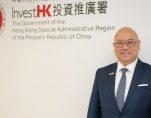
HONG KONG SAR – Media OutReach Newswire – 6 April 2025 – ​Associate Director-General of Investment Promotion at Invest Hong Kong (InvestHK) Mr Charles Ng will commence his duty visit to the Middle East from today (April 6) to April 10, with key engagements in Saudi Arabia and the United Arab Emirates (UAE). The visit underscores Hong Kong’s commitment to deepening economic ties with these dynamic markets […]

California has achieved a significant milestone in its transition towards sustainable transportation. The state now boasts 178,549 public and shared private electric vehicle chargers, surpassing the approximately 120,000 gasoline nozzles by 48%. This development underscores California’s commitment to expanding its EV infrastructure, facilitating the adoption of zero-emission vehicles. Governor Gavin Newsom highlighted this achievement, emphasizing the state’s dedication to providing consumers with more charging options. He noted […]

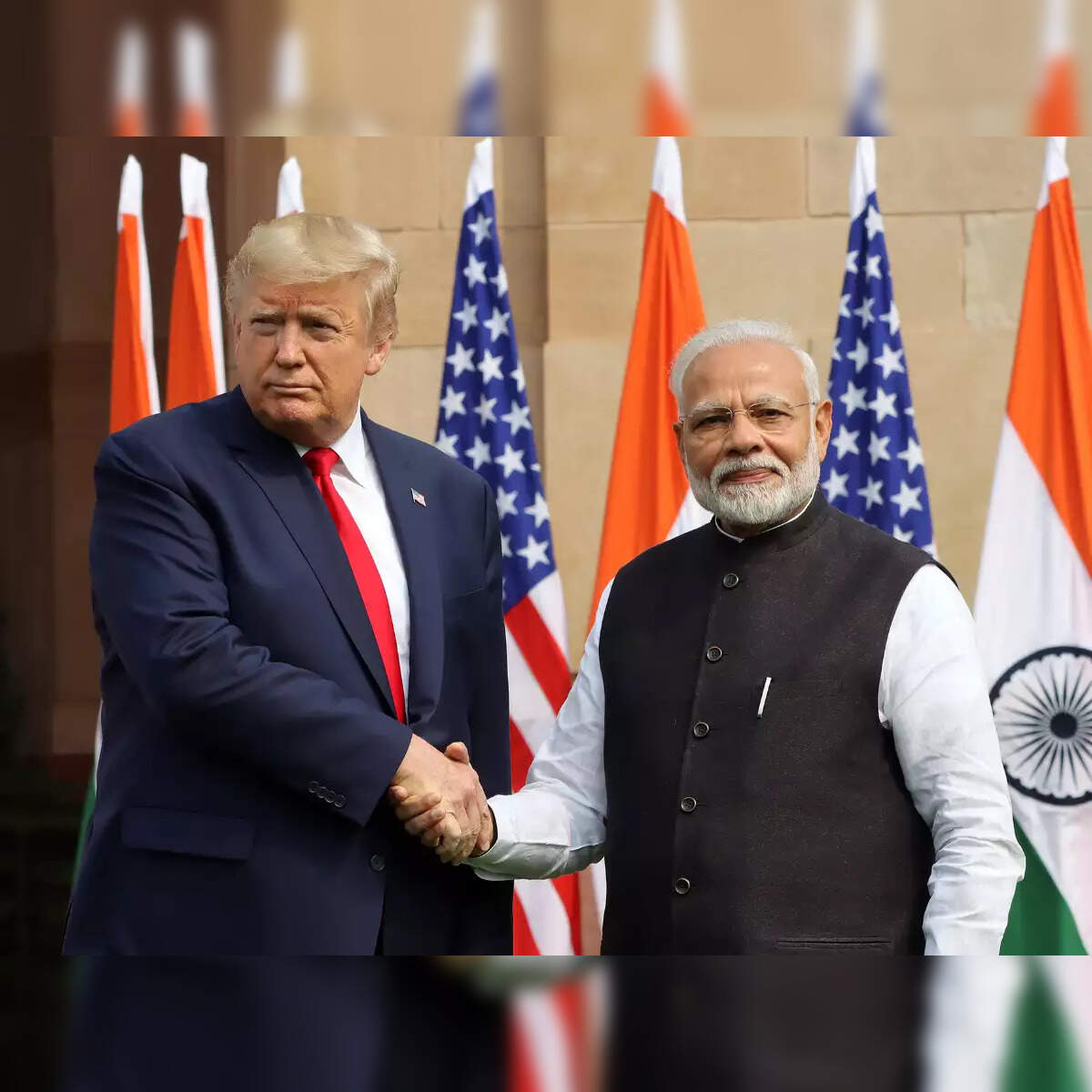
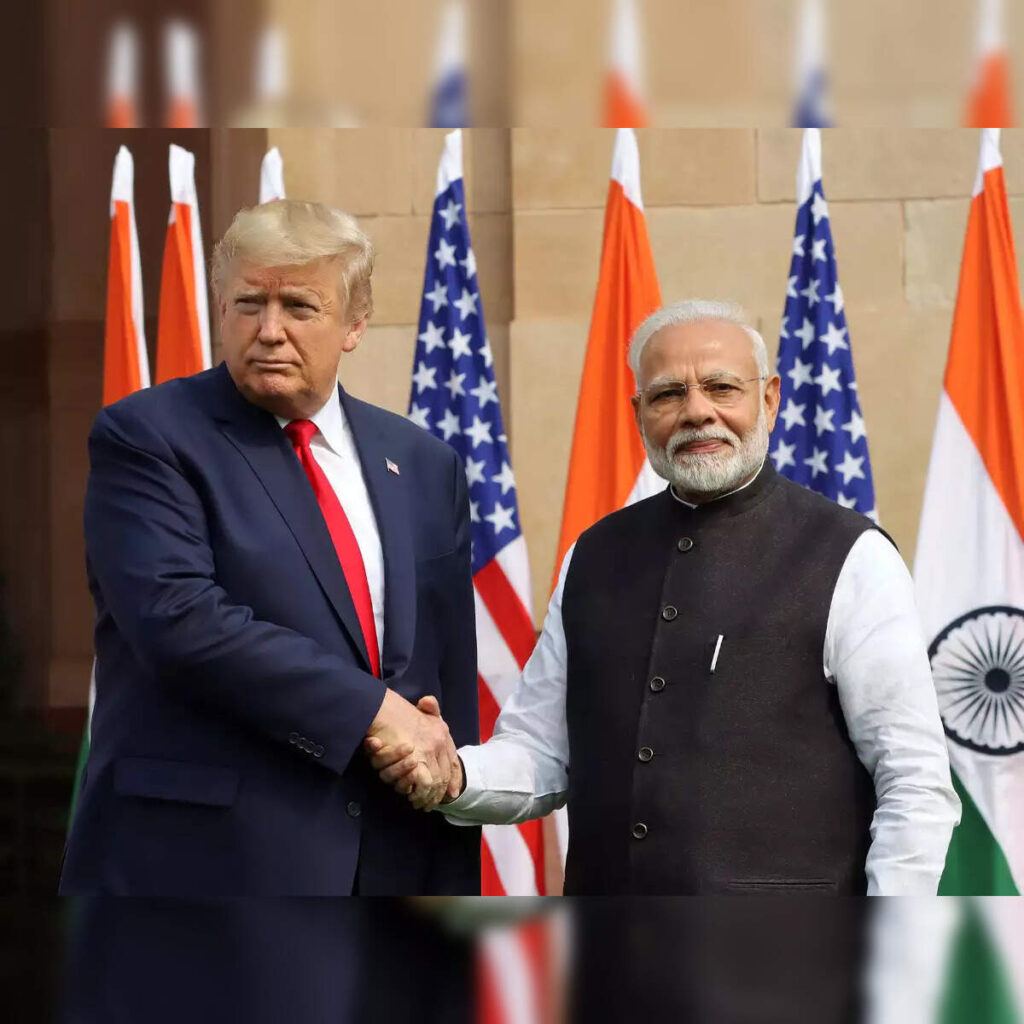
By K Raveendran Donald Trump and Narendra Modi never seem to tire of expressing admiration for each other, their mutual regard forming an odd but undeniable transnational political camaraderie. What binds them is not simply shared ideology but a similar worldview shaped by populism, nativism, and a flair for dramatic, often reckless, decision-making. Modi’s ‘Atmanirbhar […]


Dr Imran Khalid President Donald Trump’s declaration of April 2, 2025, as “Liberation Day” marked a seismic shift in U.S. trade policy, with the imposition of sweeping reciprocal tariffs that have sent shockwaves through the global economy. The new measures include a universal 10% tariff on all imports, with punitive rates as high as 54% for China, 46% for Vietnam, and 20% for the European Union, alongside […]

The Dubai International Aquatics Championships are set to feature the open water swimming and water polo competitions this weekend at the Hamdan Sports Complex. These events, scheduled for April 5 and 6, are part of the month-long championship running from March 21 to April 20, 2025. Organized in collaboration with the UAE Swimming Federation and local academies, the DIAC has attracted over 3,000 athletes from more than […]

A magnitude 6.9 earthquake struck off the coast of New Britain’s Kimbe town in Papua New Guinea at approximately 9:04 pm local time on April 4, 2025. The United States Geological Survey reported that the earthquake’s epicenter was located about 120 miles east of Kimbe, at a shallow depth of six miles. The Pacific Tsunami Warning Center issued alerts for potential tsunami waves ranging from one to […]

VISHNU RAJA
RYO YAMADA
HITORI GOTOH
IKUYO KITA