News related to
unit

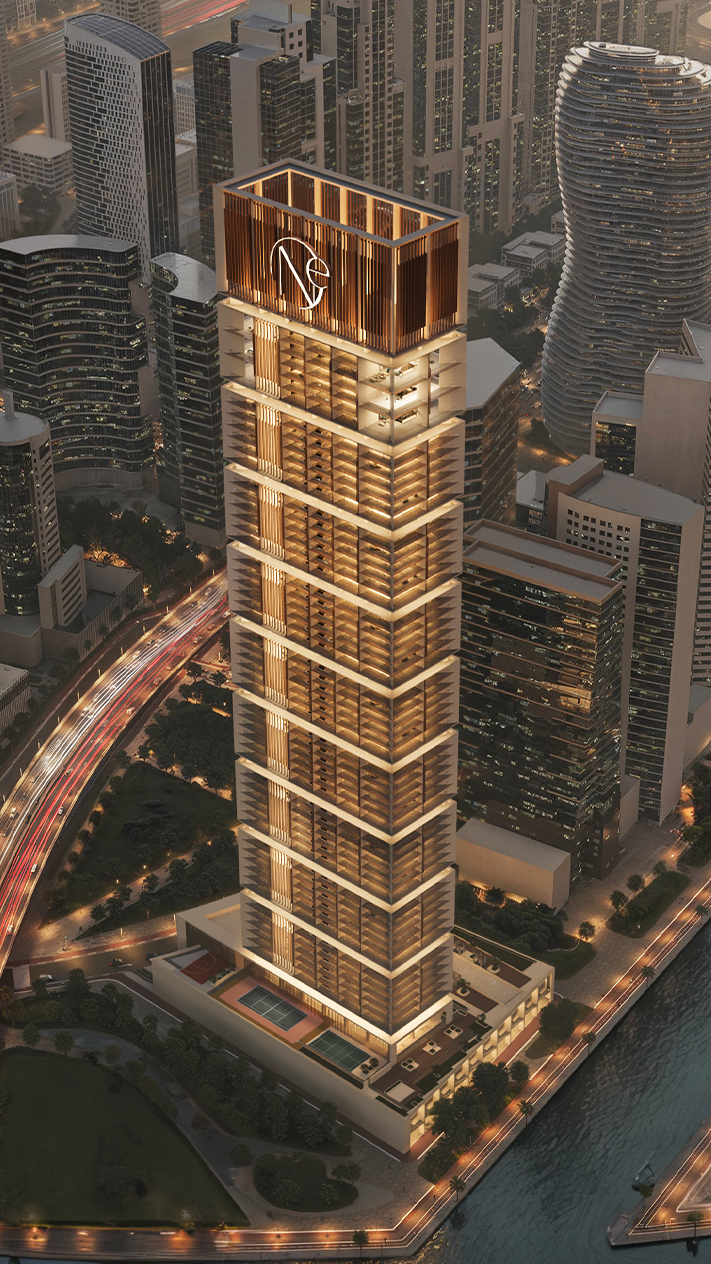
Binghatti Holding Ltd has launched Binghatti Capital in the Dubai International Financial Centre, aiming to manage approximately $1 billion in Shariah-compliant private credit and real‑estate investments. Licensed by the Dubai Financial Services Authority to deal exclusively with professional clients, the firm marks Binghatti’s strategic pivot from pure property development to full-spectrum asset management.

The new entity will implement dual strategies: acquiring and selling off‑plan residential assets and developing residential projects; and providing private‑credit finance targeted at construction, property management firms and suppliers in the Dubai real‑estate supply chain. Beyond private funds, clients can access bespoke discretionary and non‑discretionary portfolio mandates tailored to their investment goals.

Executive Director Katralnada Binghatti described the move as “a strategic initiative to deepen Binghatti Holding’s investment footprint and enhance access to alternative capital,” underlining ambitions to drive high‑value, income‑generating growth and bolster Dubai’s appeal as a global investment destination. CEO Shehzad Janab added that the firm’s “inaugural suite of unique strategies represents a disciplined, well‑structured approach” designed for strong governance and long‑term resilience.

DIFC Authority’s Chief Business Development Officer, Salmaan Jaffery, welcomed the launch, noting that the centre, home to more than 46,000 financial professionals and over 400 wealth and asset managers, remains the region’s top asset-management hub. He said Binghatti’s addition would further reinforce DIFC’s financial ecosystem.

The launch reflects broader market trends in the Gulf, where firms like Amwal Capital Partners are expanding into private‑credit—a form of non‑bank lending offering direct finance to mid‑tier real‑estate developers and other asset‑backed borrowers. Dubai’s policy environment, characterised by robust infrastructure investment and tax incentives, has boosted demand for these private‑credit solutions.

Industry observers note the move signals a maturing of Dubai’s real‑estate landscape, with residential unit completions projected to exceed 243,000 by 2027, presenting ample opportunity for asset managers specialising in this market—particularly with Shariah‑compliant structures gaining traction among global and Gulf investors.

Binghatti’s pedigree in luxury development, seen in flagship schemes such as Binghatti Ghost in Al Jaddaf, complements its newfound investment ambitions. The firm’s announcement of more than 12 projects valued at $2.7 billion reinforces its market clout and provides a foundation for its asset‑management division.

By branching into private credit and real‑estate fund management, Binghatti aligns with Dubai’s economic diversification goals, channelling institutional capital into strategic sectors and reinforcing the emirate’s role as a conduit between East, West, and the Islamic finance community.

As the firm rolls out its Shariah‑compliant investment vehicles, its governance frameworks and active management approach will be key to winning trust among discerning professional clients. It will also test how effectively Binghatti can manage investor interests alongside its parent’s development pipeline.


KUALA LUMPUR, MALAYSIA – Media OutReach Newswire – 17 June 2025 – In trading, seizing opportunities and mitigating risks go hand in hand. Consistent success relies on a delicate balance between these two elements. To better understand how traders perceive and approach safety—both in daily life and during trading sessions—Octa, a trusted global broker since 2011, surveyed hundreds of market participants to gain insights into their mindset […]

The Trump Organisation has unveiled Trump Mobile, featuring a $499 gold-hued T1 smartphone and a monthly “47 Plan” priced at $47.45. Designed to target conservative consumers disenchanted with mainstream providers, the offering promises an American‑branded telecommunications package with US‑based customer support and domestically produced handsets. Donald Trump Jr and Eric Trump introduced the venture on 16 June 2025 at Trump Tower, emphasising the use of US‑made phones […]

With a legacy of excellence, expertise, and a bold vision, Chubb Life HK is meeting rising demand for sophisticated, future-focused financial planning through bespoke legacy and wealth solutions HONG KONG SAR – Media OutReach Newswire – 16 June 2025 – Chubb Life Hong Kong (Chubb Life HK) today launched its first wealth centre, Chubb 1792 Club, marking a pivotal moment in its insurance and wealth management journey. […]

Arabian Post Staff A pivotal moment unfolded on the opening day of the Paris Air Show as Saudi-based aircraft lessor AviLease confirmed a major five-year supply pact with Airbus. The agreement comprises 10 A350F freighters and 30 A320neo family aircraft, with options enabling expansion to 22 freighters and 55 single‑aisle jets—a potential total of 77 planes. This marks AviLease’s inaugural direct procurement from Airbus, signalling a strategic […]

KUALA LUMPUR, MALAYSIA – Media OutReach Newswire – 17 June 2025 – Octa, a globally recognised broker since 2011, will release its new status program for all regions in the third quarter of 2025. The broker built a new flexible framework to reward its clients for loyalty and trading activity, offering a wide range of bonuses, benefits, and gifts while introducing new mechanics and a clear-cut, systematic […]

By Nantoo Banerjee With the country’s consumer price inflation rate hovering around 3.20 percent in the last two years, the Reserve Bank of India’s latest decision to cut the bank rate by 50 basis points, the third consecutive reduction since February this year, may be understandable. However, it seems to have come at the wrong […]

Advertisements

Greenlogue/AP Dubai will host the 11th World Green Economy Summit on 1 and 2 October 2025 at the Dubai World Trade Centre, underlining its ambition to accelerate global climate action and sustainable innovation. This flagship event, convened by the Dubai Supreme Council of Energy, Dubai Electricity and Water Authority and the World Green Economy Organisation, will gather industry leaders, policymakers and technical experts around the theme ‘Innovating […]

Hybrid DNA Brand Accelerates Globalization Strategy HONG KONG SAR – Media OutReach Newswire – 16 June 2025 – On May 20, 2025, Premium derma-cosmetic brand Oganacell named Maye Musk as Cleansing/Mask Ambassador and Song Seung Heon as Brand Ambassador at its global launch in Hangzhou. The event showcased Oganacell’s fusion of technology and skin aesthetics. Ambassador – Maye Musk Ambassador – Song Seong Heon Ambassador Campaign Maye […]

Chinese nuclear forces are expanding at a pace unmatched by other countries, with the Stockholm International Peace Research Institute reporting an annual increase of approximately 100 warheads since 2023. The nation now possesses at least 600 nuclear warheads and is constructing around 350 intercontinental ballistic missile silos—developments projected to put China on par with the United States and Russia in ICBM capability by the end of the decade.

SIPRI’s latest yearbook, issued on 16 June, emphasises that global nuclear arsenals are returning to growth after decades of contraction. The combined military stockpiles of nuclear warheads now total around 9,614, while approximately 2,100 warheads—mostly held by the United States and Russia—remain on high alert.

Although China’s nuclear stockpile remains modest compared to the U.S. and Russia—each holding over 5,000 warheads—the momentum behind its expansion marks a strategic shift. SIPRI forecasts that China could field up to 1,500 warheads by 2035, with its ICBM network rivalling that of the established nuclear powers by 2030. The rapid rise in Beijing’s deterrent capacity signals a deeper global arms competition, exacerbated by a breakdown in arms-control agreements.

China’s nuclear modernisation encompasses land-, sea-, and air-based delivery systems. The PLA Rocket Force has deployed a mix of silo-based and mobile ICBMs, including the potent DF-41 system capable of carrying multiple independently targetable re-entry vehicles. Simultaneously, China is advancing a nuclear triad, with bombers like the H‑6K equipped for long-range missions and an expanding fleet of Jin‑class ballistic missile submarines.

Pentagon estimates align with SIPRI’s findings. A U.S. Defence Department report placed China’s warhead count at over 600 and predicts over 1,000 operational warheads by 2030. Analysts note that while many of China’s warheads are stored separately from delivery systems, the growth in silo infrastructure indicates a potential shift towards higher operational readiness.

China maintains its nuclear policy centres on minimum deterrence and no‑first‑use. A spokesperson reaffirmed that its buildup is defensive and that global nuclear reductions should be led by the U.S. and Russia. Yet, the introduction of launch-on-warning capabilities, expansion of missile silos, and pairing of warheads with ICBMs suggest a more assertive posture.

The international ramifications are considerable. SIPRI warns that with diminishing arms controls and growing arsenals, the world faces a dangerous escalation. The concentration of high-alert warheads in U.S. and Russian hands, combined with China’s acceleration, elevates risk profiles significantly. Moreover, emerging technologies such as AI integration in nuclear command-and-control raise alarms about stability and inadvertent escalation.

China’s rise spurs debate among military analysts and policymakers. Supporters view the deepening triad and ICBM deployment as necessary to counter U.S. strategic capabilities. Critics argue that rapid armament undermines global non‑proliferation efforts and threatens to trigger competitive buildups among established nuclear powers. Calls for renewed arms control dialogues now include China, challenging historical norms where Beijing was often excluded from global negotiations.

Meanwhile, other nuclear-armed states—India, Pakistan, the UK, France, North Korea and Israel—continue modernisation programs. India and Pakistan are increasing their stockpiles; the UK has announced an expansion; North Korea is pursuing missile tests; and Israel maintains opacity under its policy of nuclear ambiguity.

Global security experts warn that the dismantling of arms-control institutions, such as the withdrawal from the INF Treaty and uncertainty around New START, has created a vacuum. Amid rising nuclear rhetoric, SIPRI urges urgent diplomatic engagement and the strengthening of verification and non‑proliferation regimes. As nuclear power parity becomes conceivable, the need for inclusive multilateral frameworks has grown acute.

Leaders at the 51st G7 summit convening in Kananaskis, Canada, are confronting an abrupt surge in hostilities between Israel and Iran, marked by intensified airstrikes, rising civilian casualties, and mounting diplomatic tensions. With missile barrages and pre‑emptive assaults already claiming hundreds of lives, the summit agenda has shifted dramatically, prioritising strategies to contain the conflict and avert a broader regional war.

Israeli forces launched “Operation Rising Lion” on 13 June, targeting Iran’s nuclear, ballistic missile, and military infrastructure—including key command centres and Iranian Revolutionary Guard facilities around Tehran—and killed high‑ranking officials and scientists. Iran retaliated with a wave of over 270 missiles, deploying new tactics that overwhelmed Israel’s air defences and struck densely populated urban areas such as Tel Aviv and Haifa. As of 16 June, at least five Israelis were killed and more than 100 injured in the latest overnight strikes. Iranian health authorities report a death toll of at least 224, predominantly civilians, and over 1,200 wounded.

The rapid escalation has introduced fresh complexity to international diplomacy. U.S. President Donald Trump vetoed an Israeli proposal to target Iran’s Supreme Leader Ayatollah Ali Khamenei, emphasising that such action would only inflame the situation. Trump has also signalled the possibility of brokering a deal, suggesting Iran “must make a deal before there is nothing left” and voicing optimism that peace negotiations could emerge from this crisis.

European leaders are urging urgent collective action. German Chancellor Friedrich Merz asserted at the summit that unity is essential to prevent Iran’s nuclear ambitions, uphold Israel’s right to self‑defence, curb escalation, and open diplomatic channels. He indicated that measures could include sanctions, and emphasised cooperation with regional actors such as Oman to reduce tensions with Iran and Yemen’s Houthi rebels. Meanwhile, Ursula von der Leyen and Emmanuel Macron deployed diplomats to press for negotiation, although Macron’s optimism about a swift resolution contrasts with ongoing military deployment in the region.

Britain has signalled readiness to support Israel with defensive and civil aid while advocating restraint. Prime Minister Keir Starmer has reinforced diplomatic engagement with Trump, Netanyahu, and Gulf leaders, and authorised RAF Typhoon jets as a contingency against potential Iranian threats to UK bases. Nonetheless, Iran has dismissed ceasefire calls while military operations continue.

Canada, hosting the summit, has abandoned the traditional joint communiqué, opting instead for chair’s summaries to manage discord—particularly over trade and Middle East policy—between the U.S. and other participants. Canadian Prime Minister Mark Carney emphasised the summit focus on peace, security, supply chains, and jobs—prioritising a co‑ordinated response to the Israel‑Iran crisis.

G7 officials are crafting a unified statement urging Iran to halt its nuclear programme and Israel to pause expansive military action, signalling tangible diplomatic pressure backed by clear consequences for non‑compliance. However, persistent disagreements across the bloc—over trade, relations with Russia, and climate policy—complicate efforts to forge a consensus.

Regional actors are mobilising diplomatic channels. Qatar and Oman are reportedly engaged in shuttle diplomacy to de‑escalate the conflict. Simultaneously, Iran‑backed groups, including militias in Iraq and Houthis in Yemen, are extending hostilities across front lines, prompting concern that the confrontation may metastasise into a wider regional war.

The humanitarian fallout is grave. Large‑scale displacement is underway as Iranians flee Tehran after warnings issued by Israeli forces to civilians near weapons facilities. Hospitals in northern provinces are stretched, while the Iranian Red Crescent has launched mobile clinics to address urgent needs. Energy markets have also reacted sharply: Brent crude prices spiked as Gulf insecurity intensified.

Analysts warn the conflict risks triggering retaliatory terror attacks in the West and disrupting global energy security. The G7 faces a pivotal test: coordinating military readiness, civilian protection, sanctions, nuclear non‑proliferation, and active diplomacy, all while preserving internal unity amid geopolitical divisions.

EdgeCortix has launched its SAKURA‑II M.2 AI accelerator for the Raspberry Pi 5 and other Arm‑based platforms, enabling high‑performance, energy‑efficient execution of generative AI at the device edge. With 60 TOPS and 30 TFLOPS performance within an 8–10 W power envelope, the SAKURA‑II module supports advanced models including Llama 2, Stable Diffusion, Vision Transformers and VLMs on compact, affordable hardware. Dr Sakyasingha Dasgupta, EdgeCortix founder and CEO, highlighted that the integration “opens […]

An assault on Yelewata village in Guma local government area of Benue State has left more than 100 inhabitants dead, dozens missing and hundreds wounded, with authorities scrambling to respond. The attack, which began late on Friday and extended into Saturday’s early hours, bore the hallmarks of deliberate and coordinated violence. Eyewitnesses and first responders described scenes of horror: armed assailants forcibly confined residents inside their homes […]

Amazon Web Services has secured a landmark 20‑year power purchase agreement with Talen Energy, guaranteeing 1,920 MW of carbon‑free electricity from the Susquehanna nuclear plant in Pennsylvania. The contract, lasting until 2042 with extension options, positions nuclear energy as a pillar of Amazon’s strategy to meet surging demand from its AI and cloud operations. Talen will gradually ramp up delivery, starting with 840–1,200 MW by 2029 and reaching full […]

SINGAPORE – Media OutReach Newswire – 16 June 2025 – ST Telemedia Global Data Centres (STT GDC), a leading data centre service provider headquartered in Singapore, today published its 2024 Environmental, Social and Governance (ESG) report. The report details progress toward STT GDC’s ESG targets, as well as its three main ESG pillars – carbon-neutral data centre operations by 2030; a safe, secure, diverse and inclusive workplace; […]

Apple has introduced “Liquid Glass,” a sweeping redesign of its software interface unveiled at the Worldwide Developers Conference on 9 June. The look is inspired by the translucent, refractive aesthetics of its Vision Pro headset, spreading across iOS 26, macOS Tahoe, iPadOS 26, tvOS 26 and watchOS 26. The update, beginning developer betas immediately, provoked strong reactions from users, designers and Wall Street analysts alike. The new […]

China is moving swiftly to establish the world’s largest national park system, spanning approximately 1.1 million km² and encompassing five officially designated parks plus 44 additional candidate regions — land and marine  that together would cover roughly 10 percent of the country’s land area. The initiative is supported by integrated ecological planning across key basins and biodiversity-rich zones, including the Qinghai‑Xizang Plateau, Yangtze and Yellow River basins.

The government’s spatial layout, released in late 2022 by the National Forestry and Grassland Administration alongside several ministries, identified 49 areas of ecological and conservation importance. Thirteen of these lie on the Tibetan Plateau, collectively occupying around 770,000 km²—70 percent of the total candidate area. In aggregate, the full network—including sea-integrated zones—would exceed one million square kilometres, the largest globally in terms of territory under protection.

China’s first five national parks were formally announced on 12 October 2021 and include Sanjiangyuan, Giant Panda, Northeast China Tiger and Leopard, Hainan Tropical Rainforest and Wuyi Mountains parks. These parks span over 230,000 km² and harbour nearly 30 percent of China’s key terrestrial wildlife species, including emblematic fauna such as giant pandas, Hainan gibbons and Amur tigers and leopards.

Monitoring data suggest tangible conservation gains. In Northeast China Tiger and Leopard National Park, twenty Siberian tiger cubs and fifteen Amur leopard cubs were born in 2023, compared to only about twelve wild tigers nationwide in 1998. Hainan gibbon populations have risen from thirteen individuals in 2003 to approximately thirty-seven in 2022, and Tibetan antelopes in Sanjiangyuan have increased from under twenty thousand in the 1990s to over seventy thousand today.

Advanced monitoring infrastructure supports protection efforts. The Northeast China Tiger and Leopard park deploys over 20,000 infrared cameras to track wildlife movements, enabling real-time monitoring of flagship species such as Siberian tigers and leopards. Institutional frameworks are being strengthened through accelerated legislation, enhanced park administration, ecosystem restoration and ecological corridor planning, especially for watersheds including the Yangtze, Yellow and Lancang Rivers.

Effective protection of biodiversity has entailed community integration and local livelihoods programmes. Across more than 400 county-level regions, involving over 700 nature reserves and ten world natural heritage sites, local participants engage in ecotourism, volunteering and park stewardship roles. In Sanjiangyuan, more than seventeen thousand herders have been employed as rangers, earning an annual income exceeding ¥21,000, while local environmental volunteer networks collaborate in wildlife monitoring efforts.

The candidate areas support high biodiversity: more than 5,000 vertebrate species and about 29,000 plant species live within the planned parks, and more than 80 percent of China’s protected wildlife flora and fauna will be included under the programme. Identified ecological corridors—vital for migratory birds, whales, dolphins and large mammals—will also be protected, reinforcing landscape connectivity.

Ambitious milestones are set to guide development. The park network is expected to become operational by 2035. Pilot expansion is already underway; Qinghai Lake and Qilian Mountains parks were slated for designation by 2024. Conservation gains include not only increased wildlife populations—such as over 1,200 snow leopards, over 42 Hainan gibbons, and more than 70,000 Tibetan antelopes—but also improved ecosystem resilience in major river headwaters.

Offsetting these environmental gains are concerns about potential disruption to traditional communities. Particularly in Tibet, where 70 percent of park candidate land overlaps nomadic areas, reports warn of forced relocations and livelihood impacts under park rules. While some suggest that designations could restrict access and diminish local autonomy, official plans emphasise cooperative conservation models involving local communities through franchising, volunteering and employment in ecological management roles.

Pi Network’s native token, PI, plunged to a low of approximately $0.40 following a sudden unlock and broader market sell‑off, but recent developments indicate a tentative rebound that may reshape its trajectory.

The token had tumbled roughly 35% over a short timeframe, bottoming out at $0.40 before rebounding near $0.60—marking a swift 40% recovery since June 13. Technical indicators show that PI found support at a critical $0.39 level, considered a “value area low,” which triggered aggressive buying and a solid recovery candle.

Market analysts attribute the initial crash to a dual catalyst: the unlocking of some 280 million tokens on 11 June and escalating geopolitical tensions affecting global cryptomarkets. The influx of new supply triggered panic selling, exacerbated by macro‑market uncertainty—echoing patterns seen in earlier altcoin sell‑offs amid the Israel‑Iran tensions.

Further pressure stemmed from technical sell signals. PI dipped beneath its value area low but recovered swiftly—reflecting a classic false breakdown scenario that often precedes rebounds in trader psychology. Analysts highlight the critical resistance zone between $0.65 and $0.80: clearing $0.65 could pave the way for a push to $0.80, but failure to hold above $0.61 risks another drop toward $0.57–$0.60.

Broader technical sentiment remains mixed. On one hand, bullish patterns suggest floor levels have been re‑established; on the other, indicators like MACD remain bearish with death crosses and moving averages still overhead—signalling ongoing downward bias unless momentum shifts. The Relative Strength Index hovering below neutral levels hints at entrenched selling pressure.

Longer‑term forecasts for PI vary widely. Some platforms model a gradual climb toward $2–5 by 2027–2028, potentially reaching $10 only in the 2030s, contingent on substantial ecosystem growth—particularly from apps, PiAds, verified users, and major exchange listings. For example, CoinCodex’s algorithm estimates a $10 target as far off as November 2045.

Real‑world applications and mainstream exchange listings are viewed as pivotal. A Binance listing, for instance, could trigger a rally toward $8–$10, but such speculation remains unverified. Conversely, persistent unlock schedules and wallet‑to‑exchange flows continue to weigh on sentiment.

Tokenomics pose another challenge. With a potential maximum supply reaching dozens of billions, PI requires sustained demand—via decentralised apps, micropayments, or adverts—to absorb incoming supply and sustain valuations.

Despite turbulence, the Pi ecosystem is forging ahead. The launch of a $100 million Pi Network Ventures fund aims to support startups across AI, gaming, fintech, and e‑commerce. Meanwhile, the core network continues onboarding users, though some report frustration over KYC bottlenecks, wallet migration issues, and delays in accessing the mainnet.

The community appears split. On‑chain revelations show leverage derivatives listings on platforms like Kraken Pro—a possible sign of institutional curiosity—while sentiment indicators reflect rising caution.

Short‑term outlook hinges on whether PI can maintain support above $0.61 and break through the $0.65 resistance. If momentum continues from the rebound, the token could extend toward $0.80 and potentially $1. Conversely, a failure to hold onto current gains might push it back toward the low‑$0.50s.

Though the narrative of PI reaching $10 persists—driven by long‑term believers—most analysts agree such futures rely on meaningful network adoption, ecosystem maturity, and clear-cut exchange integrations. For now, the market is focused on stabilising around the $0.60–$0.80 band and resolving token unlock uncertainties to foster a credible case for sustained growth.

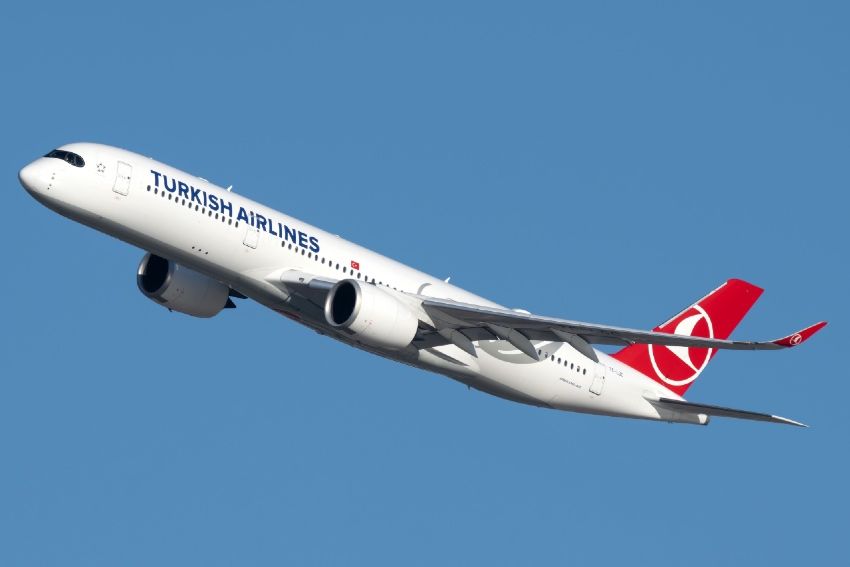
Turkish Airlines and TAP Air Portugal have deepened their codeshare collaboration, extending shared services to a host of new international destinations. Under the broadened agreement unveiled at the IATA Annual General Meeting on 4 June, travellers can now book seamless flights on routes to Brazil, Morocco, Qatar and Mauritius, while Turkish domestic holiday hotspots Dalaman and Bodrum are also integrated into the expanded arrangement.

Bilal Ekşi, chief executive of Turkish Airlines, explained that the enhanced alliance “offers greater flexibility and a wider range of travel options” and aims to bolster tourist and business connectivity between Türkiye and Portugal. TAP Air Portugal CEO Luís Rodrigues underscored that strategic partnerships are essential for extending the airline’s reach eastwards, remarking that the arrangement “provides our global passengers and our Portuguese community with increased options to visit new and exciting places using our Turkish Airlines partner”.

Both carriers are members of the Star Alliance network, which encompasses more than 1,160 airports in over 190 countries. Turkish Airlines, holding a Guinness World Record since December 2024 for servicing the largest number of countries, flies to 340 destinations across 129 countries, while TAP Air Portugal ranks as Europe’s safest airline and leads European service to Brazil.

The update enhances booking convenience and connectivity for passengers. With the codeshare, flyers can book single-ticket itineraries that combine flights operated by each carrier, gain through-check of baggage, and accrue loyalty benefits across both their Miles&Smiles and TAP Miles&Go programmes. The inclusion of Brazil responds to TAP’s strong presence in South America, where the airline operates over 1,250 weekly flights to 14 cities.

Beyond South America, the new route options into North Africa, the Middle East, and the Indian Ocean signify a strategic push to diversify leisure and business travel offerings. Dalaman and Bodrum, already popular among European tourists, have now become a seamless gateway for Portuguese travellers to experience Turkish coastlines within the shared network.

Theresa Walsh, aviation analyst at AeroInsight Strategies, noted that although codeshare agreements are common, this specific expansion stands out due to its geographical reach: “Covering holiday-centric jets like Dalaman and bridging long-haul markets from Lisbon to São Paulo or Doha offers a genuinely integrated experience.” She projected that ticket sales could rise by up to 8–10% on the newly covered routes over the next year.

Industry experts highlight that the move may also serve as a template for TAP as it navigates its planned partial privatisation. Portugal’s government is preparing to offload its 51% stake in TAP, with a 49% stake open to bids from Air France‑KLM, Lufthansa or IAG. Strengthening international partnerships may enhance TAP’s value proposition to prospective investors by showcasing expanded network synergy.

Passenger advocacy groups have raised the question of whether such agreements might introduce pricing complexity, as combining two carriers can involve disparate fare rules. Both airlines have reassured the public that prices will remain transparent, with unified booking and support frameworks across shared routes.

Operationally, the partners will synchronise schedules, optimise cabin connections, and co‑ordinate service protocols. TAP’s fleet of Airbus NEO aircraft, lauded for fuel efficiency, will fly in conjunction with Turkish Airlines’ diverse mix of modern jets.

Premier travel agents in Lisbon and Istanbul report immediate upticks in enquiries. João Ribeiro, a senior agent at Lusitano Travel, commented: “Our clients value simplicity. Booking Lisbon–Bodrum via Istanbul on one ticket, with aligned timings and baggage allowances, is exactly the evolution they want.”

The alliance extension comes as both airlines seek to rebalance portfolios in response to shifting tourism trends and evolving geopolitics. Airlines across Europe are recalibrating their route maps to lean on partnership networks, minimising standalone risk. The expanded Turkish‑TAP codeshare is among the most notable examples of this trend in 2025.

Tencent is reportedly in discussions to acquire Nexon, the developer behind MapleStory and Dungeon & Fighter, in a deal that could exceed US$15 billion, signalling a strategic push into South Korea’s gaming and Web3 sectors.

Chinese tech conglomerate Tencent has approached the family of Nexon’s late founder Kim Jung‑ju, which controls a 44.4 per cent stake through NXC Corp, to explore acquiring a substantial portion or full control of the company. The proposed transaction, valued at around 20 trillion won, aims to secure Tencent long‑term rights to Nexon’s celebrated intellectual property while bolstering its position in South Korea’s lucrative gaming market.

Nexon, founded in Seoul in 1994 and now headquartered in Tokyo, is best known for its enduring franchises MapleStory and Dungeon & Fighter. The firm has been a pioneer in integrating games with Web3 technologies, launching a blockchain division dubbed NEXPACE and rolling out MapleStory Universe—complete with NFT item mechanics, token economies and a gasless transaction system on the Avalanche network. The NXPC token was listed on major crypto exchanges, reflecting deep commitment to a decentralised gaming strategy.

While Tencent had previously tried to acquire Nexon in 2019—efforts fell through over valuation disagreements—the company has since fortified its global gaming footprint with a US$1.3 billion investment in Ubisoft and a 10 per cent stake in South Korea’s SM Entertainment, a major K‑pop label. Its renewed interest in Nexon aligns with a broader ambition to dominate both blockchain and traditional gaming domains, despite sector‑wide funding slowdowns and reduced daily active user metrics in Web3 games.

Sources emphasise that while discussions are underway, no definitive agreement has been reached and terms remain fluid. The Kim family is reportedly consulting financial advisers on the potential sale. Part of the complexity stems from their decision last year to transfer shares to settle inheritance taxes, a move that added governmental and family stakeholders into the mix.

Nexon has seen its share price rise over 10 per cent in 2025, though it remains about 30 per cent below its 2021 peak. The Tokyo‑listed firm was valued at approximately US$15–16.6 billion, depending on market conditions.

Tencent’s remote stance with acquired studios suggests that any purchase may leave Nexon’s operational autonomy largely intact. But the deal could deliver Tencent stronger access to Western and Asian markets, reinforcing its Web3 and blockchain ambitions.

For Nexon, aligning with Tencent offers capital resources to scale blockchain gaming efforts and deepen development of blockchain-enabled platforms such as MapleStory Universe. Since launching MapleStory N in May 2025, the company has leveraged its Web3 unit’s Abu Dhabi‑based NEXPACE to expand global blockchain gaming operations.

With Tencent prioritising organic growth and strategic minority investments—such as expanding its blockchain infrastructure partnerships with TON Foundation and Chainbase—this potential acquisition represents one of its most ambitious M&A moves post‑2020 Chinese regulatory tightening.

Should negotiations succeed, Tencent would gain direct control over multiple high‑value IPs and a formidable presence in South Korea’s gaming ecosystem, presenting both strategic advantages and regulatory scrutiny across jurisdictions. The deal’s complexity—woven through family, government, and market dynamics—ensures that stakeholders across the industry are closely watching every development.

G42 has unveiled a new London‑based subsidiary, G42 Europe & UK, designed to amplify its AI infrastructure and services across the United Kingdom and continental Europe. The entity, co‑chaired by Omar Mir and Marty Edelman, will deliver end‑to‑end AI offerings—from advisory and model deployment to supercomputing infrastructure—for sectors including finance, healthcare, energy and manufacturing. The launch comes as G42 continues its strategic European rollout, following the roll‑out of AI compute […]

WazirX has unveiled a revised restructuring plan under Singapore High Court oversight that proposes to repay approximately 85% of users’ pre‑hack balances, while the remaining 15% would be settled over time through a Recovery Token mechanism. A final court decision is expected by 20 June, setting the stage for ensuing repayments.

A hack that occurred on 18 July 2024 led to the theft of nearly US $235 million from the exchange’s wallets, widely attributed to North Korean Lazarus Group operatives. WazirX parent company Zettai Pte Ltd subsequently secured a moratorium in Singapore and initiated a formal Scheme of Arrangement allowing creditors to vote on recovery proposals.

By April, rebalancing of assets was completed, enabling the exchange to present each affected user’s USD and INR valuations based on their 18 July 2024 holdings. Around 93% of creditors voted in favour of this plan in April, far exceeding the 75% threshold required by law.

Under the scheme, the initial payment—estimated at 85% of the original holdings—would be disbursed in either the original asset or USDT within ten business days of court approval. The remaining 15% would be issued as RTs, tradable tokens redeemable via quarterly buybacks funded from WazirX’s profits or recovered assets.

Risks remain, however: if creditors reject the plan, the court may order liquidation under Section 301 of the Singapore Companies Act. That scenario could trigger asset fire‑sales, reducing recovery potential and extending the timeline until 2030.

Community reaction is mixed. Many users have expressed doubts over the exchange’s transparency and the partial compensation model. Subreddits suggest a collective legal response is forming in Kerala and beyond. One user asserted:

“If anyone still believes that WazirX will return our funds without us taking any action — that hope is gone after yesterday’s court decision.”

Meanwhile, creditor‑activist voices have argued the restructuring represents a better outcome than liquidation. As one FTX creditor remarked, it is “far superior to liquidation” for preserving value.

CoinSwitch has also launched a parallel initiative named CoinSwitch Cares, offering affected users a potential path to full recovery—up to ₹600 crore—with added incentives for sign‑ups and referrals. However, that scheme depends on WazirX restoring withdrawal functionality.

The Singapore High Court’s deadline of 20 June will determine whether the court grants final sanction to WazirX’s Scheme of Arrangement. Should it proceed, initial disbursements would begin between late June and July. If it’s rejected, WazirX would head into liquidation—triggering a protracted, uncertain payout stretching possibly until 2030, with potentially deep losses.

WazirX’s recovery architecture combines immediate restitution and long‑term tools designed to align creditor outcomes with the firm’s future performance. The RT buyback mechanism underscores this approach, offering users potential upside linked to the exchange’s profitability and asset recovery.

Users must act to verify claims through WazirX’s Claim Tracker, accept the rebalanced valuations, and monitor further updates. Approval hinges on the court’s formal order and the willingness of creditors to embrace a controlled, phased repayment versus the uncertain prospects of full liquidation.

Brazil is charting a potential first for any G20 economy by moving through its legislature a proposal to allocate up to 5 per cent of its approximately $370 billion foreign‑exchange reserves into Bitcoin. Bill PL 4501/2023, currently advanced by the Economic Development Committee, would establish a Sovereign Strategic Bitcoin Reserve—dubbed “RESBit”—under the joint oversight of the Central Bank and the Ministry of Finance, with stringent storage protocols and biannual audits.

The bill’s sponsor, Federal Deputy Eros Biondini, argues the measure would reinforce Brazil’s financial sovereignty and diversify its reserve holdings beyond traditional assets. Parliamentarian Luis Gastão, acting as rapporteur, emphasises a cautious, phased implementation aimed at managing volatility exposure while boosting institutional resilience. This contrasts with El Salvador’s executive decree model; the Brazilian plan proceeds through parliamentary channels, potentially setting a more enduring legal precedent.

Storage and transparency are at the core of the proposal: BTC holdings would be secured via cold wallets, underpinned by mandated audits every six months, and reported directly to Congress. Advocates hope this methodical governance framework will ease institutional apprehensions while allowing crypto assets to form part of state‑backed fiscal strategy.

Market reaction has been swift. Analysts highlight the timing, noting that Bitcoin trades near $107,500, with a market capitalisation exceeding $2.1 trillion and a 30 percent rise over 90 days. Within Latin America, Brazil would stand alongside El Salvador as a pioneer, but its parliamentary route marks a significant departure, offering a scalable model potentially attractive to larger economies.

Experts say integration of Bitcoin into sovereign reserves could unlock strategic advantages. Proponents highlight potential hedging against inflation and dollar dependency, while warning of crypto’s inherent risk. Central Bank and finance ministry coordination could foster system-level stability, aligning with policy objectives such as the issuance of a central bank digital currency.

A global ripple effect may follow. Brazil’s initiative has garnered attention across financial and crypto communities; social‑media commentators suggest it may herald the second phase of sovereign Bitcoin adoption, one grounded in legislative legitimacy rather than executive fiat.

Opposition voices within the finance sector remain vigilant. Critics question Bitcoin’s volatility and liquidity as state assets, urging robust risk frameworks before proceeding. Analysts stress the need for comprehensive impact assessments, including stress‑testing against currency and gold reserves.

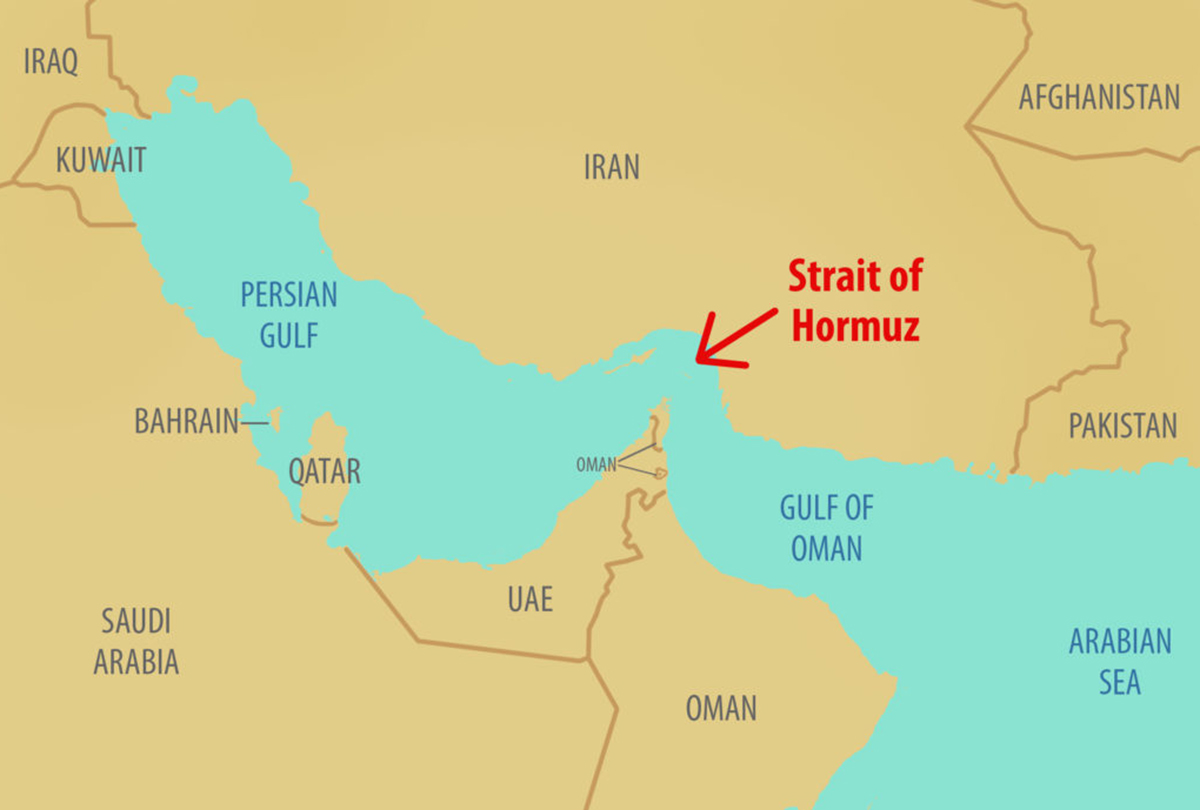
By K Raveendran Israel’s strike against Iran has reignited a familiar tension in global energy markets, sending oil prices climbing into the mid-$70 per barrel range. The impact is not just visible in the numbers, but in the broader nervousness sweeping across energy trading floors and geopolitical circles alike. At the heart of this movement […]

VISHNU RAJA
RYO YAMADA
HITORI GOTOH
IKUYO KITA