News related to
unit

HONG KONG SAR – Media OutReach Newswire – 5 July 2025 – The grand final of the ninth CoolThink@JC Competition, which encourages primary school students to leverage digital creativity to solve everyday problems, was held today at City University of Hong Kong. The team from King’s College Old Boys’ Association Primary School No.2 emerged as the champion in the “App Inventor” category for, while the winner of […]

Privacy-conscious map users now have an innovative choice with CoMaps, a newly launched open‑source navigation app that operates fully offline and doesn’t track users. Forked from Organic Maps just last month on 1 June 2025, CoMaps is designed for hikers, cyclists, drivers and public‑transport commuters worldwide. CoMaps distinguishes itself with a firm stance on data sovereignty. Under an Apache 2 licence, the community‑developed app ensures no personal location […]

Lyon’s municipal government has begun phasing out Microsoft Office, Windows and SQL in favour of open-source alternatives, marking one of Europe’s most significant moves away from US proprietary software. The third‑largest city in France, which employs around 10,000 public servants and serves over a million residents, will adopt OnlyOffice for productivity tasks, Linux as the operating system and PostgreSQL for database management. City officials emphasised that this […]

Brazil’s antitrust regulator CADE technical body has urged the conviction of Apple for what it deems anti‑competitive conduct within its iOS ecosystem. This recommendation, made on 30 June, comes after complaints from 2022, including one by MercadoLibre, alleging that Apple restricts digital‑goods distribution and forces developers to use its proprietary payment system for in‑app purchases. The body has proposed an undisclosed fine and a cease‑and‑desist order, with […]

Tenstorrent has acquired Blue Cheetah Analog Design, integrating the startup’s expert team and chiplet interconnect IP into its in‑house capabilities, advancing its strategy for high‑performance AI hardware. The Canadian‑based AI chipmaker announced on 1 July 2025 that it has secured Blue Cheetah, a Sunnyvale‑headquartered innovator specialising in analog and mixed‑signal IP for chiplet designs. The move brings Blue Cheetah’s BlueLynx die‑to‑die interconnect subsystem—compatible with Open Compute Project’s […]

Dogecoin is a crypto in the CRYPTO market.
The price is 0.164341 USD currently with a change of -0.00 USD from the previous close.
The intraday high is 0.167214 USD and the intraday low is 0.161817 USD.

Memecoin Resilience: Dogecoin Holds Firm at $0.16 Level

Dogecoin bounced off the $0.16 mark after a sharp intraday decline, signalling that bulls are defending this multi‑week floor. Trading volume surged near these levels, indicating accumulation and potential consolidation ahead.

The memecoin dropped around 5 per cent intraday, bottoming at approximately $0.161 before recovering to about $0.163, according to CoinDesk’s data. Volume during the bounce doubled the daily average, underscoring robust buyer interest around this critical price band. Market observers note that holding above $0.160 could pave the way for a sustained recovery.

Technical analysts suggest Dogecoin may be forming a base around this level. CoinDesk’s Shaurya Malwa points out that the token remained in a narrow range between $0.162 and $0.164 after the bounce—a pattern often associated with consolidation and trend reversals.

The broader cryptocurrency landscape remains volatile. Macroeconomic pressures—particularly global trade tensions and central bank policy uncertainty—have triggered risk‑off sentiment. That volatility tends to amplify swings in meme‑style tokens like Dogecoin, yet it also creates value opportunities for strategic buyers.

On‑chain interest appears healthy. Cryptocurrency analytics platform CoinGecko reports substantial trading activity across centralised exchanges, with 24‑hour turnover exceeding $900 million, although this reflects a slight dip from the previous week’s average. Coinbase indicates Dogecoin remains the top memecoin by trading volume, commanding approximately 1 per cent of the total crypto market cap.

In European trading on 3 July, Dogecoin climbed close to $0.174 following a defence of the $0.16 region. Analysts caution that this rebound, representing an 11 per cent gain from the low, may end up corrective rather than reflecting a confirmed trend shift. More Crypto Online, a technical analyst, contends the price movement fits an ABC diagonal wave pattern, warning that failure to hold $0.16 could invalidate bullish outlooks. Should the token maintain support, targets around $0.196 appear plausible; yet a break below $0.151 may trigger renewed weakness.

Amid this backdrop, speculation builds around a possible Dogecoin‑based ETF. Amendments filed by Bitwise for a spot‑DOGE ETF have increased optimism, with analysts estimating a high probability of SEC approval by the year‑end. A green light could invite fresh institutional capital and broader market legitimacy, although timing expectations remain uncertain.

Social media and celebrity influence continue to play a strong role. Elon Musk’s intermittent endorsements and jovial online commentary have historically driven surges in trading volume and public interest.

At present, Dogecoin remains range‑bound, with the $0.16 level acting as both a psychological and technical barrier. A sustained break above $0.164—coupled with upticks in volume—could signal a reversal toward mid‑$0.18 or even $0.20. Conversely, capitulation below the $0.16 threshold may re‑test June lows and weaken broader memecoin sentiment.

Traders await forthcoming macroeconomic signals—US inflation data, central bank communications—and updates on ETF applications, all of which could determine whether Dogecoin’s floor holds or fractures.

Amazon has unveiled a new mobile‑only shopping section called Bazaar within its Amazon. ae app in the UAE, delivering value‑focused products across fashion, home and lifestyle categories. Launching initially in beta for select users, the platform offers items priced mostly under AED 25, with some starting at just AED 4, alongside tiered savings, fast delivery, and a 15‑day returns policy.

Stefano Martinelli, Vice‑President of Amazon MENA, said Bazaar is meant to be “fun and effortless to browse”, offering the trusted reliability of Amazon combined with surprising value. A launch‑month promotion grants shoppers a 25 per cent discount across all Bazaar purchases in July.

Accessible via the “Bazaar” icon in the Amazon. ae app or by searching “Bazaar”, the platform also supports browsing on mobile web at amazon. ae/bazaar. Desktop users must scan a QR code in the browser to open the feature within the app.

Bazaar has its own search, cart and checkout system, distinct from the main Amazon experience. The interface is vibrant and purpose‑built for quick deal discovery. The platform integrates reviews and star ratings to aid user decisions.

Delivery is standard across Amazon Bazaar accounts: orders above AED 90 qualify for free shipping and typically arrive within 6–12 days. Returns are free within 15 days for most products.

Beyond initial price advantage, Bazaar encourages bulk purchases with automatic discounts: 5 per cent off orders over AED 150, and 10 per cent off for orders over AED 300. Combined with the launch‑month 25 per cent promotion, savings can accumulate significantly.

In the UAE’s booming e‑commerce environment—forecast to exceed US$ 13.8 billion by 2029—Bazaar positions Amazon to capture more bargain‑seeking consumers, complementing existing daily‑need offerings.

Dharmesh Mehta, Vice‑President at Amazon, referred to the local variant as Amazon Bazaa r or “Amazon Haul” as in other markets, noting its alignment with prior launches in the US, UK, Germany and Saudi Arabia. Gulf Business, Khaleej Times, What’s On, Times of India and Arabian Business all report that Bazaar has launched in the UAE over the past week, emphasising its mobile‑first approach and bargain pricing.

Analysts say the platform could strengthen Amazon’s value proposition in the region and give competitors like Noon, Carrefour, and Mumzworld a run for their money in the low‑cost segment. Bazaar’s playful app interface—especially its “crazy‑low” deals and under‑AED 25 “super savers” sections—appeals to price‑sensitive shoppers.

Advertisements
By Nitya Chakraborty On the eve of the 17th BRICS Summit scheduled at Rio de Janeiro in Brazil on July 6 and 7, the ongoing discussions among the senior officials of the member countries for the preparation of the draft joint declaration from the Summit, are showing big divergence of views on the two major […]

Global tourism is projected to reach 30 billion trips by 2034 and contribute $16 trillion to world GDP, growing 1.5 times faster than the global economy, according to the World Economic Forum’s latest report. Amid this surge, Saudi Arabia is emerging as a pivotal force, ranking the second fastest-growing tourism destination and leading global investments in innovation, infrastructure, and sustainability The WEF report, Travel and Tourism at a Turning […]

Imran Khalid In a global economic environment that remains shaky and uneven, China’s ability to attract foreign direct investment (FDI) is more than just a bright spot – it’s a quiet vindication of long-term planning, policy stability, and a commitment to innovation-led growth. Contrary to Western narratives of economic decoupling or investor flight, the latest data paints a far more grounded picture: foreign capital is not just […]

Dubai’s real estate market achieved its most robust performance on record during the second quarter of 2025, with property transactions climbing to unprecedented levels in both volume and value. A total of 53,252 property deals were registered during the three-month period, amounting to a combined value of AED184.3 billion, underscoring the emirate’s sustained appeal as a global investment magnet amid broader geopolitical and economic volatility.

The volume of transactions surged 22 per cent compared to the same quarter last year, while the overall value leapt by 49 per cent, further consolidating Dubai’s position as one of the world’s fastest-growing and most resilient real estate hubs. The latest performance builds on the momentum seen in the first quarter and is reflective of continued interest from both regional and international buyers, particularly in high-end and luxury segments.

Analysts attribute the strong results to a convergence of factors including the emirate’s investor-friendly policies, rapid population growth, strong infrastructure pipeline, and the appeal of Dubai’s tax-free environment. Real estate consultancies tracking market data also note a significant uptick in off-plan sales, accounting for nearly 44 per cent of all transactions in Q2 2025, driven largely by launches from developers targeting the mid-to-premium housing segments.

Demand for ready properties remained equally robust, particularly in waterfront and master-planned communities, as buyers sought out completed units for either immediate occupancy or long-term leasing opportunities. Popular districts such as Dubai Marina, Business Bay, Jumeirah Village Circle, and Downtown Dubai saw double-digit transaction growth, with villa communities in areas like Dubai Hills Estate and Palm Jumeirah also attracting high-net-worth investors.

Developers responded to surging demand by accelerating project launches, with a slew of new developments unveiled during the quarter, many of which sold out within days of announcement. The off-plan boom has been accompanied by heightened investor interest in fractional ownership models and branded residences, trends that have increasingly defined Dubai’s luxury property narrative over the past year.

The secondary market saw sustained activity as well, with resale prices across several prime areas recording upward adjustments due to tight supply and ongoing demand. Apartments recorded a strong increase in both number of units sold and price per square foot, while the villa segment continued to outperform due to limited new supply and a growing preference for larger living spaces, especially among end-users from Europe and Asia.

Several macroeconomic tailwinds continue to support the market’s resilience, including Dubai’s population growth — which is projected to exceed 3.8 million by the end of 2025 — as well as low interest rates, rising foreign direct investment, and policy reforms that promote long-term residency for investors and skilled professionals. The emirate’s status as a financial and logistical hub has also been instrumental in driving sustained inflows of capital into the property market.

Institutional investors and real estate investment trusts have increased their presence across the commercial and mixed-use segments, acquiring assets across hospitality, logistics, and retail sectors. Office leasing volumes also posted notable gains, with Grade A space witnessing reduced vacancy rates in business districts such as DIFC, Dubai Design District, and Sheikh Zayed Road.

Developers are simultaneously placing a stronger focus on sustainability and smart technology integration, with many new launches boasting green building certifications and digital infrastructure enhancements. These features have grown in appeal among environmentally conscious buyers and tech-savvy investors who see long-term value in smart homes and ESG-compliant assets.

The government’s proactive regulatory framework, aimed at improving transparency, investor protection, and market efficiency, has further bolstered sentiment. Initiatives such as unified transaction platforms and digital documentation processes have reduced red tape and enhanced buyer confidence, particularly among first-time investors and international participants unfamiliar with the region’s legal landscape.

Tourism-driven demand has also played a critical role in buoying the short-term rental market, with areas close to entertainment, beach, and retail zones witnessing increased activity. The integration of lifestyle amenities within mixed-use developments has enhanced their attractiveness for both short-stay visitors and long-term residents, contributing to the rising absorption rates across the emirate.

Sharjah, UAE — The World Malayalee Council (WMC) inaugurated a new chapter of global engagement and community empowerment with the swearing-in of its newly elected global office bearers for the 2025–2027 term. The ceremonial installation, held at the Corniche Hotel in Sharjah, marked not only a leadership transition but also a reaffirmation of the Council’s enduring mission to connect, empower, and elevate Malayalees across the world. At […]

By Dr. Gyan Pathak One decade has passed of the adoption of the Sustainable Development Goals (SDG), yet India is off the track in several of them which require intensified and focused interventions to achieve the targets by 2030. While notable progress has been made in several sectors, significant challenges continue to persist other. This […]

JD. com and Ant Group have formally submitted proposals to the People’s Bank of China seeking approval for yuan-pegged stablecoin issuance, marking a key step in Beijing’s efforts to internationalise its currency. Ant Group is also preparing licence applications in Hong Kong and Singapore to deploy offshore renminbi stablecoins beyond mainland China.

The push comes after the Hong Kong legislature enacted a stablecoin licensing framework on 21 May 2025, with regulations taking effect from August. Under the new rules, issuers of Hong Kong dollar–referenced digital tokens must secure authorisation from the Hong Kong Monetary Authority. JD. com has suggested beginning issuance in Hong Kong before piloting operations in Chinese free-trade zones—a phased approach that has been met with encouraging feedback from regulators.

The strategic backdrop for this development includes a decline in the yuan’s share of global payments to 2.89% in May—the lowest in nearly two years—while dollar-pegged stablecoins control approximately 99% of the market. Former Bank of China deputy head Wang Yongli cautioned that unless yuan-based solutions gain traction, China could risk lagging behind if cross-border payments remain less efficient than dollar-denominated cryptocurrency options.

Ant Group’s global strategy is already in motion. Ant International aims to apply for licences under the new Hong Kong regime from 1 August, and then proceed to Singapore and Luxembourg. Meanwhile, JD. com intends to seek approvals in multiple major currency jurisdictions, citing ambitions to reduce cross-border settlement costs by up to 90% and speed up transaction times to under 10 seconds.

Hong Kong’s stablecoin ordinance emphasizes reserve management, redemptions and robust risk controls, operating on the principle of “same activity, same risks, same regulation”. The region’s new LEAP framework is designed to nurture asset tokenisation and stablecoin issuance, compelling global players to participate.

Remaining constraints on audience trust and onshore–offshore integration persist. China’s strict capital controls may hinder scalable adoption of offshore yuan stablecoins, and questions remain over transparency in reserve backing, redemption mechanisms, and potential surveillance—echoing critiques levelled against e‑CNY, China’s domestic central bank digital currency.

Nonetheless, analysts argue that successfully launching an offshore yuan stablecoin could enhance digital renminbi’s global footprint without conflicting with mainland crypto restrictions. It would offer exporters an alternative to dollar-linked tokens and deepen the yuan’s digital payment infrastructure.

President Trump’s support for dollar-pegged stablecoin regulation in the United States has accelerated momentum overseas. China’s tech giants appear intent on ensuring the yuan remains a competitive currency in the next-generation digital economy.

Key stakeholders, including Morgan Stanley and Crypto HK, suggest that Hong Kong could function as a vital testbed, providing a bridge between mainland policy and the global crypto market.

With licence windows opening this August and multi-jurisdictional applications in progress, the ball is now in the court of global financial regulators. Approval of these proposals could mark a significant shift in digital finance, elevating the yuan’s status in the evolving ecosystem of global trade and finance.

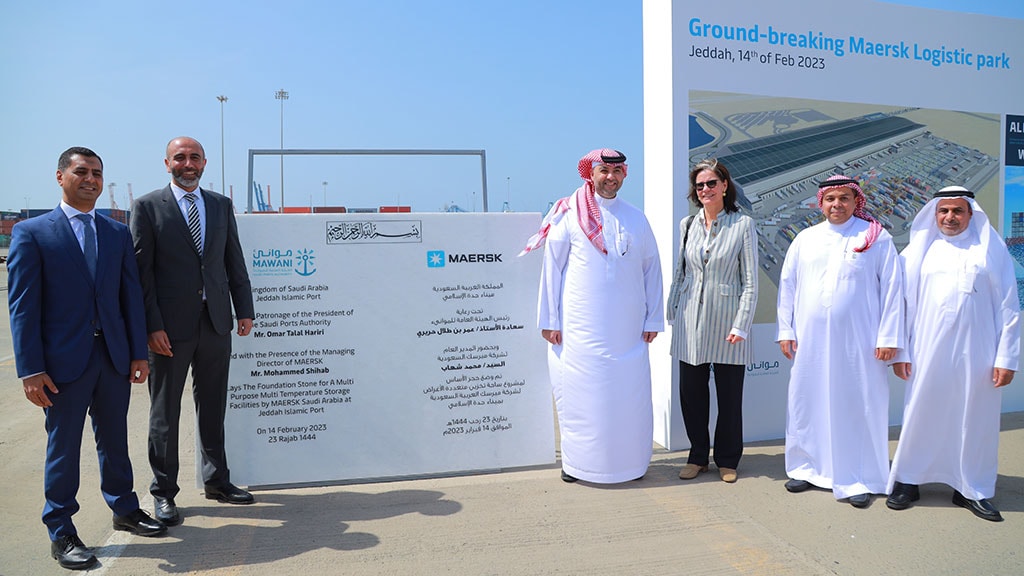
Saudi Arabia’s burgeoning e‑commerce sector has taken a strategic leap forward as the landmark partnership between Maersk Saudi Arabia and Saudi Post transitions from agreement to action. Evidence is already emerging that this alliance—anchored by Maersk’s newly launched Integrated Logistics Park in Jeddah—is beginning to streamline the kingdom’s supply chains and attract international players.

Operations in Jeddah have officially begun, with Maersk overseeing global transport, bonded warehousing, and origin-end logistics, while SPL manages express customs clearance and last-mile delivery domestically. The MoU, signed on 3 July 2025, outlines joint digital integration, combined marketing, coordinated customer service and operational efficiency.

Industry sources suggest that several multinational online retailers are in advanced talks to leverage the new gateway. Although specific names have been withheld, analysts view the integrated model as particularly attractive to Asia‑based brands seeking fast, low‑cost market entry into Saudi Arabia and the wider Gulf Cooperation Council.

Experts highlight that Maersk’s global reach combined with Saudi Post’s local footprint addresses major bottlenecks in cross-border trade—namely customs delays and fragmented distribution networks. SPL’s national infrastructure, originally developed to support Vision 2030’s economic diversification goals, now aligns seamlessly with Maersk’s logistics corridors.

Karsten Kildahl, Maersk’s Chief Commercial Officer, previously noted that global supply chains remain unpredictable, and enhanced visibility and resilience are crucial for upstream customers. This partnership directly supports those objectives via real‑time digital tracking, automated handovers, and unified service teams.

Market response has been swift. Regional logistics analysts report a 15% increase in inbound parcel volumes through Jeddah’s port cluster in the past month compared to the same period last year. While other factors—such as seasonal demand shifts—are at play, the increase aligns with the ramp‑up of cross-border operations facilitated by the Maersk–SPL alliance.

Customs officials in Jeddah confirm expedited clearances under a “premium e‑commerce lane” established within the SPL framework. They say this streamlining has shaved several days off processing times for inbound B2C shipments, helping foreign brands meet tight delivery schedules.

Saudi Post’s International Business Sales Director, Rouni Saad, stated the arrangement “is pivotal in streamlining cross‑border e‑commerce flows to and from the Kingdom … enhancing connectivity, reliability and growth opportunities across the region”. Maersk’s Ahmed Al Olaby added that combined networks would meet the growing demand for efficient fulfilment by global players entering or expanding in the Saudi market.

Consultants note that Saudi Arabia is now positioned to compete more effectively with regional hubs such as Dubai, which has long served as the GCC’s principal logistics centre. With the integrated infrastructure online, analysts predict intra‑GCC e‑commerce flows will re‑route through Jeddah over the next six to twelve months.

The alliance also aligns with Saudi Vision 2030, reinforcing the kingdom’s commitment to modernise its logistics backbone. By linking global ocean routes with domestic delivery channels, the partnership promises smoother, faster access to consumers in a market anticipated to grow double‑digit annually in e‑commerce sales.

However, questions remain around digital interoperability. The MoU commits to systems integration, but execution will depend on effective collaboration between both entities’ IT architectures. Some industry insiders stress the need for standardised APIs and seamless data sharing to avoid fragmentation.

Scaling services beyond major urban centres, and replicating integration in other GCC markets, pose additional challenges. Achieving cohesive bonded fulfilment across borders demands regulatory alignment and bilateral coordination.

United States authorities have implemented a sweeping array of sanctions targeting companies, vessels and networks that facilitate clandestine oil exports from Iran. The Treasury’s Office of Foreign Assets Control moved to freeze assets and prohibit transactions by an Iraqi-led smuggling group and its associated Iranian “shadow fleet.” Simultaneously, the State Department added further designations aimed at restricting Tehran’s access to critical oil revenues. The Treasury identified a […]

HONG KONG SAR – Media OutReach Newswire – 4 July 2025 – AIA Hong Kong & Macau (AIA) hosted the inaugural Healthcare Financing Summit (the Summit) as an active step towards fostering cross-sector dialogue and collaboration to address the challenges facing Hong Kong’s healthcare system. Held under the theme “Sustainable Healthcare Financing through Partnership”, the Summit brought together a diverse group of stakeholders – including government officials, […]

The Abu Dhabi Securities Exchange has initiated the pricing phase for the MENA region’s first bond underpinned by distributed ledger technology, marking a new era in regional capital markets. The fixed-income instrument, issued by First Abu Dhabi Bank via HSBC Orion, is set to be listed on ADX, promising enhanced operational efficiency, transparency and market access. ADX, the UAE’s largest exchange and the second-largest in the Middle […]

Alibaba Cloud has unveiled its third data centre in Malaysia and confirmed plans for a second facility in the Philippines, deepening its infrastructure presence in Southeast Asia. The Malaysian centre became operational on 1 July 2025, while the Philippine hub is scheduled to launch by October 2025. These moves are part of Alibaba’s broader efforts to bolster cloud and AI services across the region.

Growth in cloud demand and the strategic importance of Southeast Asia underpin this expansion. Alibaba Group’s cloud division has embarked on a $52 billion investment over the next three years to build a unified global cloud network, spanning Asia, the Middle East, Europe and the Americas. Southeast Asia has emerged as a pivotal battleground as enterprises accelerate AI adoption and seek resilient digital infrastructure.

At a summit in Singapore marking Alibaba Cloud’s tenth anniversary in the city-state, Eddie Wu, CEO of Alibaba Cloud, highlighted the company’s strategy: “Globalisation is Alibaba Cloud’s long‑term strategy,” he said, adding that the company would “accelerate the development of its global cloud computing network”. These statements reinforce Alibaba’s ambition to deliver end‑to‑end cloud services, spanning compute, storage, networking and AI capabilities.

This announcement follows earlier infrastructure roll‑outs across Asia. The company deployed a second data centre in South Korea in June 2025 and launched new regions in Thailand and Mexico in the first half of the year. Strategic market withdrawals from Australia and India in 2024 appear to be counterbalanced by intensified investment in high‑potential markets.

Southeast Asia’s accelerating digital transformation is creating rising demand for secure, scalable cloud services. Malaysia, with its growing ecosystem of startups and tech‑savvy enterprises, will now benefit from three Alibaba Cloud zones, an improvement in redundancy and local connectivity. The Philippine expansion addresses growing demand in Manila and surrounding urban centres, where cloud adoption is being propelled by fintech, e‑commerce, and the BPO sector.

At the Singapore summit, Alibaba also launched its AI Global Competency Centre, designed to support over 5,000 businesses and 100,000 developers. The centre offers access to advanced AI models, labs and infrastructure support. These investments aim to accelerate enterprise AI adoption by providing both tools and training through partnerships with more than 120 universities, aiming to train 100,000 AI professionals annually.

In addition to infrastructure, Alibaba Cloud is upgrading its cloud offerings. The ninth‑generation intel‑based Enterprise Elastic Compute Service will roll out across Malaysia, the Philippines, Japan, South Korea, Thailand, UAE, Germany and the UK from July. Enhancements to its Data Transmission Service and Platform for AI demonstrate a push to simplify deployment of large language models and accelerate inference capabilities.

Competitive pressure in Southeast Asia is intensifying, with other hyperscalers—AWS, Microsoft Azure, Google Cloud—announcing new regions and services. Alibaba’s bets on localised data centres, AI‑centric products and talent development programmes are its response to positioning itself as a regionally integrated cloud‑AI partner.

Regulatory headwinds and trade tensions, particularly restrictions on Chinese cloud firms, lend further urgency to Alibaba’s diversification strategy. By embedding infrastructure in Southeast Asia, the company aims to mitigate geopolitical risk, offer compliant local services and deliver low‑latency performance.

Corporate results reflect this momentum: Alibaba Cloud has reported double‑digit year‑on‑year growth in AI‑related product revenues for six consecutive quarters, with Q4 cloud revenue hitting CNY 31.7 billion and quarterly growth of 13%. These figures position the unit as the fastest‑growing segment within the broader Alibaba Group.

Tech analysts and regional partners have praised the expansion as timely. “These deployments will significantly improve resilience, latency and service coverage across key markets,” remarked a Southeast Asia‑based CIO. A telco executive added that local data centres are crucial to scaling AI‑powered services like real‑time analytics, IoT and smart city infrastructure.

Channel partners in Malaysia and the Philippines, including telcos and systems integrators, anticipate accelerated digital transformations. Industry groups reported a surge in enquiries following the Malaysian centre’s opening, particularly from manufacturing and education sectors. Cloud‑native startups welcomed the news, viewing the increased compute availability as essential to scaling AI‑driven products.

Optimising energy use and sustainability is also part of the plan. Alibaba’s “Energy Expert” ESG‑focused reporting tool integrates AI into energy management. This aligns with industry benchmarks that 84% of leaders see green AI as important, although 69% are still at early adoption stages. Emerging green data centre practices—including renewable power sourcing and efficient cooling—are expected to feature prominently in the Southeast Asian roll‑outs.

The Malaysian data centre opens amid strong macro trends: Malaysia’s digital economy was projected to grow at over 10% annually through the next five years, while Philippine cloud adoption is forecast to grow at a similar rate, driven by government digitalisation policies and enterprise cloudisation. As Alibaba deploys this enhanced infrastructure, both nations are expected to see AI‑centred cloud services gain momentum in verticals ranging from finance to manufacturing.


Matein Khalid Both Israel and the US were careful not to target Iran’s oil export terminal at Kharg Island, a major reason why Brent crude trades at 68 and not 100. It is ironic that Iran’s oil output is now 5.1-MBD (this figure includes condensates and gas to liquids), its exact amount in 1978, the last year the Shah ruled from his Peacock Throne. There is no […]

The U. S. House of Representatives will convene “Crypto Week” from 14–18 July to vote on three pivotal digital asset bills: the CLARITY Act, the Anti‑CBDC Surveillance State Act, and the GENIUS Act. This coordinated effort signals a major shift in federal crypto policy as lawmakers aim to clarify regulation, protect financial privacy, and foster blockchain innovation.

The CLARITY Act seeks to establish a definitive regulatory framework by delineating the roles of the SEC and CFTC, mandating the segregation of customer funds, and requiring enhanced retail disclosures. It has already passed through both the Financial Services and Agriculture Committees by decisive margins, reflecting bipartisan support and responding directly to industry demands for legal certainty.

The GENIUS Act, recently approved by the Senate in a strong 68–30 bipartisan vote, focuses on stablecoin regulation. It mandates that stablecoin reserves be held in high‑quality, liquid assets such as U. S. Treasuries, requires annual audits for issuers with over $50 billion in market cap, and clarifies regulatory oversight while allowing banks to issue their own tokens. The bill now awaits a House vote, with hopes of reaching the president’s desk by late July.

The Anti‑CBDC Surveillance State Act takes a definitive stance against a federally issued central bank digital currency, effectively prohibiting the Federal Reserve from developing or distributing a CBDC. Proponents frame it as a necessary measure to safeguard financial privacy and prevent potential government surveillance through digital currency systems.

Deputy Speaker Mike Johnson and committee chairs, including Financial Services Chair French Hill and Agriculture Chair GT Thompson, have emphasised that this legislative package aligns with former President Trump’s digital assets agenda — aiming to position the U. S. as a leader in crypto innovation. Johnson stated that the bills would deliver the full scope of that agenda, while Hill highlighted that the initiative would finally provide clarity for innovators, protecting both consumers and the broader digital economy.

Majority Leader Steve Scalise echoed the sentiment, saying the legislation would solidify the U. S.’s global leadership in digital assets. Minority voices have also weighed in: Majority Whip Tom Emmer described the moment as a “historic opportunity” to uphold “privacy, individual sovereignty, and free‑market competitiveness.” Senator Bill Hagerty voiced Senate support, noting the urgency of enacting these measures swiftly.

While the GENIUS Act has Senate backing, the CLARITY Act has faced scrutiny from Democrats and former regulators. Experts such as ex‑CFTC Chair Timothy Massad have warned that its provisions could be overly broad or convoluted, advocating instead for a collaborative regulatory approach between the SEC and CFTC. Concerns also persist among left‑leaning lawmakers that pairing the CLARITY Act with stablecoin regulation could stall progress, despite strong crypto industry support calling for their passage in tandem.

Lawmakers like Rep. Warren Davidson have promoted consolidating stablecoin, market‑structure, and CBDC ban measures into a single legislative package to ensure comprehensive reform. However, this strategy may encounter resistance in the Senate, potentially delaying the bills past the intended timeline.

The Senate’s passage of the GENIUS Act earlier this month reflected growing bipartisan agreement on stablecoin oversight but also revealed tensions over inclusion of Trump‑era cryptocurrency interests. Indeed, some critics have raised ethical questions about exempting the president’s family from the bill’s prohibitions on member profits, and the influence of Trump‑linked ventures that reportedly earned tens of millions from crypto operations.

Despite these controversies, House Republicans are pushing ahead with “Crypto Week” as a gateway to shaping U. S. cryptocurrency policy. The CLARITY Act furthers efforts made under the FIT21 digital asset law passed in May 2024, which established initial delineation of regulatory authority.

As 14 July approaches, industry stakeholders, advocacy groups, and congressional offices are bracing for intense debates. Passing these bills could redefine market structures, unlock stablecoin innovation, and reinforce constitutional privacy rights—or it may start a protracted legislative battle over oversight, accountability, and the future role of federal oversight in digital currencies.

KAOHSIUNG, TAIWAN – Media OutReach Newswire – 4 July 2025 – A huge congratulations to Kaohsiung for once again ranking No.1 in tourism satisfaction nationwide and brought home double gold international awards! According to the 2025 “Global Views Monthly” survey on the performance of city mayors, Chen Chi-Mai received the highest rating among the six special municipalities and retained his five-star mayor status. Kaohsiung ranked first in […]

Artificial intelligence (AI) eases administrative burden and offers insightful analytics. This technology also provides a multi-faceted platform for improving team operations. Continue reading to learn about the benefits of integrating AI into your management practices below. Exploring the Role of AI Management Tools for Team Efficiency AI management tools transform the traditional approach to team management. By automating routine tasks, these systems free up valuable time for […]

HAIKOU, CHINA – Media OutReach Newswire – 3 July 2025 – This summer, journalists and photographers from the United States, Japan, South Korea, Spain, the United Arab Emirates, and other countries gathered at China’s Hainan Free Trade Port, experiencing firsthand the vibrant pulse of its industrial development. The international media team immersed itself in the colorful experience that the “cool island” of Hainan offered in summer. (Photo […]

VISHNU RAJA
RYO YAMADA
HITORI GOTOH
IKUYO KITA