News related to
unit

The United Arab Emirates will integrate its National Artificial Intelligence System into the highest levels of government from January 2026. The system will serve as an advisory member of the Council of Ministers, the Ministerial Development Council, and the boards of all federal entities and government-owned companies. Its mandate includes supporting decision-making, providing real-time analysis, offering technical advice, and enhancing policy efficiency across every sector.

Dubai’s ruler and UAE Prime Minister, Sheikh Mohammed bin Rashid Al Maktoum, made the announcement on 20 June, emphasising that the world is undergoing “comprehensive transformation—scientifically, economically and socially.” He underscored that the move is intended to prepare the country for future challenges and to “ensure continued prosperity and a dignified life for future generations”.

This development builds upon the UAE’s decade‑long focus on artificial intelligence, which began with the appointment of Omar Sultan Al Olama as the world’s first Minister of State for Artificial Intelligence in October 2017. In early 2019, the National Artificial Intelligence Strategy 2031 was launched, setting the ambition to position the UAE as a global AI leader by 2031. Subsequent milestones include the founding of the Mohamed bin Zayed University of Artificial Intelligence in 2019 and Abu Dhabi’s Digital Strategy 2025‑2027, which aims to establish a fully AI‑powered government by 2027.

Analysts suggest that embedding the AI system at ministerial and federal‑company levels could accelerate data‑driven governance, reduce bureaucratic lag, and foster greater inter‑departmental cohesion. One Gulf Business commentator noted that the AI system would “enhance the efficiency of government policies adopted… across all sectors”. However, questions remain over oversight and transparency mechanisms, especially as the system begins analysis in real time.

International observers view the UAE’s strategy as part of a wider push by governments to use AI in public administration. Examples include Japan’s smart city prototype “Woven City” and various national AI offices globally. Still, no other nation has yet placed an AI inside its cabinet with ministerial‑level access.

Experts highlight both promise and peril. Proponents argue the system’s analytical speed can help identify emerging economic, environmental, and public health challenges before they escalate. Critics, however, caution that AI must be complemented by human judgment to avoid embedding algorithmic bias or over‑reliance on model outputs. Ethical guidelines—such as transparency, accountability, and fairness—will need to be codified and enforced to mitigate these risks.

Practical implementation looms as another challenge. Seamless integration into federal bodies and government companies will require significant investment in digital infrastructure, staff training, and inter‑agency coordination. These tasks fall within the remit of the Minister of State for AI, Digital Economy and Remote Work Applications, Omar Sultan Al Olama, who has spearheaded the country’s AI strategy since 2017.

As part of a broader governance overhaul, Sheikh Mohammed also announced the launch of a dedicated Ministry of Foreign Trade, led by Thani bin Ahmed Al Zeyoudi—and the renaming of the Ministry of Economy to the Ministry of Economy and Tourism under Abdullah bin Touq Al Marri.

The government asserts that the AI system will augment human capacity without replacing it, and that final decisions on strategy and policy will remain with elected or appointed officials. Mechanisms to monitor AI‑led inputs and outcomes are expected to be announced before the system’s January 2026 launch, according to insiders.

Oil markets swung sharply following the US Air Force’s striking of Iran’s Fordow, Natanz and Esfahan nuclear facilities on 21 June, triggering a fresh wave of geopolitical risk. Brent crude futures jumped over 11 per cent earlier this week after Israeli attacks, and traders are now preparing for further price volatility once global trading resumes.

President Trump described the operation as a “spectacular military success” and warned that more targets await if Iran does not seek peace. The US employed six B‑2 bombers laden with GBU‑57 “bunker‑buster” bombs—ordnance only capable of penetrating Fordow‘s deep underground vaults. Natanz and Esfahan were also hit, reportedly using Tomahawks from submarines.

Market analysts warn that disruption to Iran’s 2.5 million barrels per day export capacity, plus the threat of a shutdown of the Strait of Hormuz, would lift risk premiums sharply. Oxford Economics estimates oil could reach $130 a barrel if Iran decides to close the Strait, sending inflation soaring.

Investors are preparing for turbulence in equities and a rush towards safe-haven assets like the US dollar and gold. Potomac River Capital’s CIO, Mark Spindel, warned of markets being “initially alarmed” with heightened volatility continuing until the extent of the damage is confirmed.

Global markets have seen mixed signals: while crude prices surged up to 18 per cent since Israel’s June 13 raids, equities such as the S&P 500 have remained relatively steady. Predicting a deeper sell-off may depend on whether Iran follows through with threats — including disrupting the Strait, leveraging regional proxies, or escalating cyber campaigns.

Iran’s official response has been defiant rather than conciliatory. Tehran’s Atomic Energy Organisation assures no radiation has been released, and lawmakers claim the damage is superficial and repairable. Iran’s foreign ministry has labelled the strikes “outrageous” and cautioned that the consequences will be “everlasting”.

Global leaders have voiced alarm. New Zealand’s foreign minister urged all parties to “de-escalate and return to diplomacy”, while Australia and Mexico emphasised restraint and dialogue. Venezuela and Cuba condemned the strikes as violations of international law, calling for immediate halt to military action.

Oil market specialist Saul Kavonic warns Brent could move towards $100 a barrel “depending on Iran’s retaliation”. While Saudi output increases may buffer short-term shortages, traders recognise that any direct counterstrike on Gulf tanker routes or infrastructure would compound risk.

The destruction of key nuclear enrichment sites may set back Iran’s nuclear programme temporarily. Yet experts caution that the regime’s scientific expertise cannot be fully neutralised and the damage might harden Tehran’s resolve to pursue a bomb. This may also hinder diplomatic engagement, as Iran could withdraw from the Nuclear Non‑Proliferation Treaty and cease cooperation with the IAEA.

In financial hubs and oil centres from London to Shanghai, traders are reviewing risk models, stress-testing portfolios and hedging energy exposure. Asian markets, heavily reliant on Gulf crude, could face inflationary pressure if shipping routes are disrupted.

A key question now is whether the United States and its allies will pursue further strikes or shift to diplomatic pressure. Trump’s administration insists that Iran now has a binary choice: embrace peace or face further “precision” strikes. Critics warn that without congressional authorisation, deeper military involvement risks entangling the US in a long-term Middle East conflict.

PERTH, WESTERN AUSTRALIA – Media OutReach Newswire – 22 June 2025 – Kinky Lizard Cafe, one of Perth’s leading independent café groups, is proud to announce the opening of its 10th location at 94 Barrack Street, Perth WA 6000. This significant milestone marks a new chapter for the family-run brand, which has grown steadily since its inception in 2019. Established in East Perth with a vision to […]

Driving Economic Momentum, Leading Trends with Mega Events HONG KONG SAR – Media OutReach Newswire – 21 June 2025 – The “Wealth Management Expo 2025”, powered by Bank of China (Hong Kong) (“BOCHK”) and organised by TVB under the theme of “Driving Economic Momentum, Leading Trends with Mega Events” has been successfully held today. The Expo has brought together leading figures from the government, business and financial […]

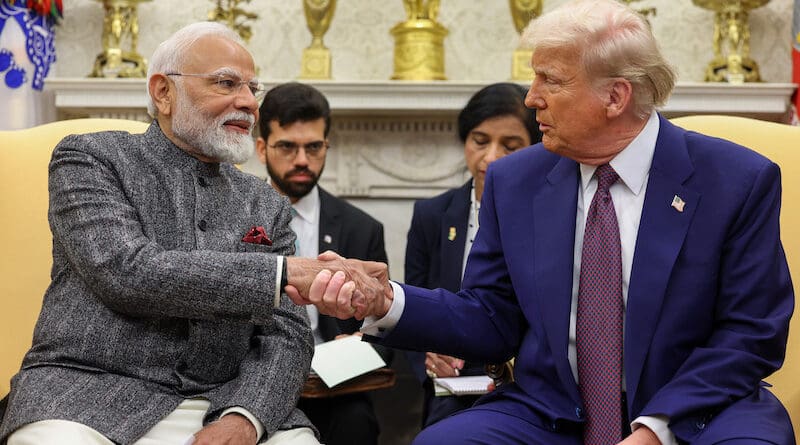
By K Raveendran Last week shattered any lingering illusions about the supposedly robust camaraderie between Prime Minister Narendra Modi and former U.S. President Donald Trump—a relationship that had been paraded for years as emblematic of India’s rise on the global stage. The myth of a strategic friendship, carefully choreographed across Howdy Modi rallies and effusive […]

Tests by Thailand’s Pollution Control Department have revealed that arsenic concentrations in the Kok River and tributaries now exceed national safety limits by up to five times. Biochemical analysis indicates that these toxic levels are linked to unregulated mining operations in Shan State, Myanmar, particularly within territories controlled by the United Wa State Army.

The Kok River, which begins its 285km course in Myanmar’s Daen Lao Range before entering Thailand through Mae Ai and flowing into Chiang Rai and eventually the Mekong, has become the focus of mounting alarm. Tests conducted between late May and early June demonstrated elevated arsenic at all 15 tested points along the Kok and Sai rivers, with further contamination detected in two Mekong sampling sites.

Local fishermen have reported adverse impacts to aquatic life and livelihoods. Prices for catch in Chiang Rai have dropped by nearly half, as consumer fear surrounding contamination takes hold. Fisherman Sawat Kaewdam told AFP: “They say, ‘There’s arsenic. I don’t want to eat that fish.’”.

Satellite imagery and drone footage show dozens of active mining sites emerging since around 2022, believed to involve both gold and rare earth minerals. These mines operate under minimal environmental safeguards, with tailings and chemical-laden effluent discharged directly into rivers. One environmental campaigner described the situation as Thailand’s “largest-ever case of transboundary pollution”.

Health experts warn that while immediate poisoning symptoms may not materialise, long‑term exposure through contaminated water and fish consumption could lead to chronic arsenic poisoning. Somporn Phengkham of the Community Health Impact Assessment Platform emphasised the risk of gradual accumulation, urging increased scrutiny of wells and irrigation systems.

Communities along the Kok River have experienced unusual water discolouration, persistent skin irritations, and fish deformities. Chiang Rai environmentalists staged protests on 5 June, tying ribbons along the river bridge to demand intervention and mine closure. In Chiang Mai’s Mae Ai district, a monk from Wat Thaton confirmed that the river’s appearance and use had become culturally and practically untenable.

Thailand’s federal government has initiated emergency measures. Deputy Prime Minister Prasert Jantararuangtong has overseen a new response centre, while the Pollution Control Department is conducting enhanced sampling. Officials reassure domestic water supplies are safe, although the contamination source remains external.

Proposals for containment include constructing a dam across the Kok River to trap sediments, dredging heavily polluted sections, and pursuing diplomatic negotiations with Myanmar and China. The Foreign Affairs Committee is engaging Beijing to urge oversight of Chinese mining companies operating within UWSA territories.

Challenges persist as Shan State’s mines lie beyond Myanmar’s central control. With the UWSA exerting autonomy and Chinese-linked firms driving extraction operations, finding a direct negotiating partner proves elusive. Regional analysts warn that building physical barriers without curbing source pollution will yield temporary alleviation at best.

Environmental advocates underscore the urgency of scaling up real-time monitoring and cross-border coordination. They highlight growing concerns that contamination could extend throughout the Mekong basin, threatening agriculture, fisheries, and water security across Southeast Asia.

Experts like Tanapon Phenrat of Naresuan University stress that addressing the problem requires systemic reform: mandated tailings treatment, strict environmental standards, and international cooperation. “We need to act now,” he stated.

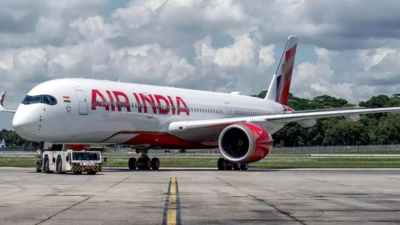
DGCA has directed Air India to strip three senior officials of all responsibilities in crew scheduling and rostering, citing repeated and serious violations of licensing, rest periods, and flight‑duty time norms, according to its order dated 20 June. The order targets a divisional vice‑president and two crew‑scheduling managers, requiring disciplinary proceedings and immediate reassignment to non‑operational roles until reforms are enacted.

Air India must report the outcomes of disciplinary measures within ten days, while the DGCA warns that further breaches could result in financial penalties, licence suspensions, or even revocation of operating permissions. The directive followed a post‑transition audit after the airline migrated from ARMS to the CAE flight‑and‑crew management platform, which uncovered unauthorised crew pairings and scheduling beyond permissible duty hours.

Officials identified include Choorah Singh, Divisional Vice‑President; Pinky Mittal, Chief Manager, DOPS – Crew Scheduling; and Payal Arora, Planning – Crew Scheduling. The DGCA noted that these individuals were directly responsible for the failures in licensing compliance, rest‑period requirements and recency norms—a critical safety concern.

Two long‑haul Bangalore–London flights on 16 and 17 May exceeded the 10‑hour flight‑duty time limit under a special dispensation, prompting a separate show‑cause notice to the airline’s accountable manager.

This regulatory action follows last week’s Boeing 787 crash shortly after take‑off from Ahmedabad, which claimed 270 lives. Though the crew‑rostering order is not directly linked to the crash, it adds to the broader investigation and safety scrutiny surrounding Air India operations.

The DGCA’s move underscores systemic lapses in Air India’s crew‑management framework. The regulator expressed “serious and repeated” concerns, despite self‑disclosure by the airline, highlighting deficiencies in internal oversight and compliance controls. Air India has been instructed to implement corrective reforms to align with Civil Aviation Requirements, specifically those governing flight‑duty time‑limitations intended to mitigate fatigue.

These revisions are timely: new pilot duty‑and‑rest hour regulations will take effect from 1 July, increasing minimum weekly rest from 36 to 48 hours and capping night‑operation landings at two. The DGCA’s enforcement thus dovetails with wider efforts to bolster systemic safety in the aftermath of the Ahmedabad tragedy.

Regulatory experts observe that such administrative and disciplinary responses are not anomalies. In May, the DGCA issued warnings regarding overdue maintenance checks on three Airbus aircraft, including emergency‑equipment inspections. Earlier in the year, Air India received fines totalling ₹30 lakh for pilot recency violations.

Commenting on the broader safety landscape, former regulators note that consistent oversight is crucial in preventing fatigue‑related lapses and mechanical oversights. A sustained regulatory push is under way to restore confidence in Air India’s operational reliability.

Air India has yet to publicly respond to the DGCA directive. In previous instances, the airline has emphasised cooperation and accelerated internal reforms. As it enters the 10‑day deadline, the aviation community will closely monitor how the airline reshapes its rostering protocols and whether these measures signal a lasting shift in safety governance.

Advertisements

The University of Dubai and the Artificial Intelligence Journalism for Research and Forecasting have unveiled the Arab AI Researchers initiative, marking the first pan‑Arab programme dedicated to training academics in artificial intelligence for research and teaching. The launch aligns with efforts to implement the Arab Index for Artificial Intelligence in Universities, announced in May 2024, and formalised at the 5th Artificial Intelligence Journalism World Forum in Sharjah earlier this year.

President of the University of Dubai, Dr Eesa Al Bastaki, explained that AAIR responds to a growing call for universities in Arab states to embed AI into scholarly work and curricula. He noted that the programme reflects the aim of the AIU, which benchmarks integration across six domains: curriculum design, faculty capabilities, smart laboratory infrastructure, student proficiency, research output, and global partnerships.

Dr Saeed Al Dhaheri, Director of the Centre for Futures Studies and President of the AIU, emphasised the initiative’s breadth. “AAIR offers specialised training to integrate AI across all academic tiers,” he said, underscoring the programme’s ambition to reach a wide academic audience across the Arab world. That ambition gains momentum in tandem with AIJRF’s global training portfolio of more than 120 courses and over 20 active AI initiatives, which includes the annual AIJWF and the GAIJI index.

Under the leadership of AIJRF’s CEO Dr Mohamed Abdulzaher, AAIR will offer a free, accredited training programme conducted thrice yearly. Each session will involve four days of intensive instruction—totalising 15 practical hours—for approximately 150 participants. Graduates, upon submission of a project, will receive certification jointly from AIJRF, the University of Dubai and cooperating institutions. Dr Abdulzaher emphasised the programme’s dual focus: practical AI tool use in research and instruction that covers emerging pedagogical approaches such as smart classrooms, automated assignments and AI‑generated project frameworks, underpinned by ethical guidelines.

Experts highlight the significance of AAIR against a backdrop of evolving demand for localised AI capacity in the region’s higher education sector. Gulf News records that the Arab Index for AIU initially pioneered this area by evaluating Arab universities on their strategic integration of AI into humanities and theoretical sciences, spanning institutions from Morocco to Qatar. This quantitative benchmarking now finds practical implementation through AAIR.

The initiative affords multiple strategic gains. It aims to develop an Arab‑centred community of practice in AI, offer Arabic‑language curricular resources, and foster collaborations among universities, research centres and technology providers. Policy experts suggest that by nurturing such ecosystems, the region can more accurately reflect its socio‑cultural context in AI tools and methodologies.

AAIR also responds to economic and educational drivers. UAE government-backed surveys estimate the Arab educational sector will expand rapidly alongside digital acceleration, yet critical gaps remain in Arabic‑language AI content and smart infrastructure. By empowering faculty and students alike, AAIR seeks to deepen the region’s AI talent pool and sustainability.

Formative metrics indicate uptake: AIJRF announced an AAIR target of training 500 academics during the first phase, with enrollment details shared via LinkedIn and public briefings. Dr Abdulzaher credits the partnership between University of Dubai, AIJRF, and other institutional collaborators for enabling broad access to the programme.

Still, the initiative faces challenges inherent to regional adoption. Previous AI integration efforts highlight logistical barriers—such as uneven access to AI‑equipped labs, variable levels of faculty digital literacy, and limited Arabic AI datasets. AAIR’s focus on standardisation and community‑based learning aims to alleviate such bottlenecks.

Industry observers are tracking AAIR’s impact on research and higher education closely. Stakeholders expect ripple effects, including: greater academic publication in AI‑focused journals; the emergence of Arab‑context AI pedagogies; enhanced employability of STEM graduates with real‑world AI experience; and institutional impetus to invest in smart infrastructure.

The AAIR launch also complements AIJWF’s wider initiatives, including the Human Talents vs Gen‑AI Challenge introduced at the 5th edition in April at American University of Sharjah. Collectively, these initiatives contribute to a regional strategy to navigate the Fourth and Fifth Industrial Revolutions, with emphasis on generative AI and its socio‑economic consequences.

Toyota Motor Corp has confirmed that it will increase the prices of selected Toyota and Lexus models sold in the United States by an average of US $270 and US $208 respectively, with the changes taking effect in July 2025. The pricing adjustment comes as part of Toyota’s standard price‐review cycle, the company emphasised, rather than a direct response to the higher US import tariffs on vehicles and auto […]

Arabian Post Staff -Dubai Meta has unveiled the Oakley Meta HSTN, a new smart glasses model tailored for sports enthusiasts that introduces high-resolution video and extended battery life. Pre-orders open on 11 July for the premium $499 edition, with standard variants priced from $399 available later in the summer. Initial markets include the US, Canada, UK, select European countries, Australia, and later expansions slated for Mexico, India, and the […]

Aldar has secured over AED 3.5 billion in sales during the initial launch week of its Fahid Beach Residences and The Beach House on Fahid Island, underscoring strong demand for the developer’s new coastal wellness vision. Sales encompass a mix of 1- to 4‑bedroom apartments, townhouses and penthouses, with prices starting from around AED 3 million for residential units, and represent a pivotal milestone for the island’s debut as Abu Dhabi’s […]

WhatsApp is rolling out a trio of monetisation tools within its Updates tab, signalling a significant shift in strategy while keeping its core service intact. Businesses and creator‑led Channels can now access new advertising options, subscribers can unlock exclusive content, and adverts will begin appearing in status updates – all isolated from personal chats. Approximately 1.5 billion users engage with the Updates feed daily, where ephemeral Status posts […]

Arabian Post Staff -Dubai Major U.S. and European carriers have halted flights to key Gulf destinations amid escalating hostilities between Israel and Iran, while international regulators warn of heightened risk as far-flung air routes face rerouting challenges. American Airlines has paused its Philadelphia–Doha service until at least 22 June, citing growing security concerns, with a spokesperson affirming the decision would be reviewed “as needed”. United Airlines has similarly […]

KUALA LUMPUR, MALAYSIA – Media OutReach Newswire – 21 June 2025 – Crude oil, which is arguably the world’s most important commodity, is on everybody’s mind right now. The flared up conflict in the Middle East is increasing risks of a major oil supply shock, potentially pushing the price of ‘black gold’ into the stratosphere and completely derailing the global economy. In this article, Octa, a global […]

By Nitya Chakraborty The Israel-Iran war which entered its eighth day on Friday June 20 witnessed some major developments in the last 24 hours frustrating Tel Aviv’s desperate bid to speedily finish off its task of destroying Iran, especially Teheran. Chinese President Xi Jinping talked to Russian President Vladimir Putin late Thursday on the joint […]

Emirates and Uber have signed a strategic Memorandum of Understanding aimed at integrating ground and air transport to provide a seamless travel experience. The agreement encompasses airport transfers, loyalty rewards, and delivery possibilities, creating a unified door‑to‑destination service for passengers. Adnan Kazim, Emirates’ Deputy President and Chief Commercial Officer, and Anabel Diaz Calderon, Uber’s Vice‑President and Head of EMEA Mobility, formalised the agreement on 19 June in Dubai. They outlined […]

The United Arab Emirates drew AED 167.6 billion in foreign direct investment in 2024, climbing to tenth position globally, according to the UN Conference on Trade and Development’s World Investment Report 2025. This 48.7 percent surge from 2023 cements the UAE as a top-tier destination for international capital, with greenfield projects playing a central role. Foreign investors backed 1,369 new greenfield ventures worth AED 53.3 billion, placing the UAE second globally in […]

Saudi Energy Minister Prince Abdulaziz bin Salman told delegates at the St Petersburg Economic Forum on 19 June that OPEC+ has evolved into a “key guarantor” of global oil prices and market stability. The alliance’s capacity to respond to evolving economic and geopolitical realities distinguishes it as an effective and trustworthy instrument for safeguarding the sector. At the forum, Prince Abdulaziz emphasised that OPEC+ adapts proactively to prevailing […]

Experience the legendary ‘Plácido Domingo’ live in Thailand for the first time—alongside an Indian epic, dazzling Chinese ballet, operas, and jaw-dropping acrobatics Tickets Now Available! BANGKOK, THAILAND – Media OutReach Newswire – 20 June 2025 – Get ready for a world-class spectacle like no other—right here in Thailand. Bangkok’s 27th International Festival of Dance & Music is making a grand comeback, bringing 14 stunning performances from over […]

Barclays has appointed Farzad Billimoria as head of its private bank for the United Arab Emirates, strengthening its foothold in a region experiencing rapid wealth creation. Based in Dubai, Billimoria will report directly to Annabelle Bryde, head of Private Bank International, commencing his role on 1 July pending regulatory approval. Billimoria brings 30 years of financial services expertise, most recently serving as Senior Executive Officer and head […]

Google’s array of AI‑powered services—Search, Ads, Play, Maps, YouTube and Gemini—delivered a Dhs21.8 billion uplift to the UAE’s economy in 2024, fueling digital transformation, consumer value and job creation.

Search and Ads alone generated Dhs20.2 billion by enabling thousands of local companies to reach new customers and expand operations. Gemini, Google’s AI assistant, has seen 63 per cent of UAE adults using it, with nine in ten users reporting gains in productivity and 71 per cent praising its Arabic‑language ease of use. Other tools, including Maps, Waze and mobile wallets, further enhanced daily routines.

The Google Maharat Min Google skilling initiative has equipped more than 430,000 people in the UAE with digital and AI competencies since 2018. Meanwhile, the Android and Google Play ecosystem supported around 30,000 jobs and generated approximately Dhs455 million in revenue for UAE‑based app developers in 2024.

Survey data from March 2025, with responses from over 1,100 consumers and nearly 400 business leaders, indicates that Google’s services offer an estimated average monthly benefit of Dhs683 per user. Half of adults describe Search as essential to their routine, 89 per cent rely on Maps or Waze for navigation, and 90 per cent use mobile payment platforms like GPay or GWallet to streamline transactions.

Adoption of AI tools among UAE businesses is nearing ubiquity, with 91 per cent reporting use of at least one AI product in workflows, while 97 per cent of public‑sector respondents confirm boosted productivity from Google’s AI solutions. Consumer engagement is likewise robust: 94 per cent use Search monthly to compare prices, 86 per cent check reviews before visiting venues, 80 per cent use mapping apps to locate businesses, and 73 per cent of 18–24‑year‑olds browse or shop via Search weekly.

Google’s platforms have also strengthened the creative and developer landscape: over 600 UAE‑based YouTube channels surpassed one million subscribers—a 15 per cent annual rise—and the Google News Initiative has trained more than 20,000 journalists and journalism students across the MENA region, including the UAE.

Anthony Nakache, Google’s Managing Director for the Middle East and North Africa, emphasised that the firm’s “investment in accelerating the country’s ambitious journey towards a diversified, AI‑powered economy” is reflected in the findings. He highlighted how local partnerships, AI‑driven tools and continuous skilling programmes contribute to “substantial economic value” and empower individuals, enterprises and communities within the UAE.

Public First’s Economic Impact Report, published mid‑June, is based on econometric modelling, consumer and business polling, case studies and secondary data. Survey responses were weighted to reflect the UAE’s national demographics.

Siemens has completed its acquisition of Altair Engineering in a £8.3 billion all-cash transaction, signalling a significant evolution in its industrial software strategy. The integration of Altair’s high-performance computing, data analytics and simulation portfolio into the Siemens Xcelerator platform represents a major leap in the company’s ambition to lead in AI-powered engineering. At the heart of this consolidation lie clear financial and strategic benefits. The deal, offering Altair […]

A landmark exhibition of Thai artisanship and contemporary design, inspired by the UNESCO Creative Cities Network and featuring two debut clutches handcrafted from master-woven textiles by the SIRIVANNAVARI brand BANGKOK, THAILAND – Media OutReach Newswire – 19 June 2025 – UNESCO and Sustainable Arts and Crafts Institute of Thailand (Public Organization), a national agency promoting Thai craftsmanship, have joined hands with ICONCRAFT—Thailand’s hub of creative innovation–to launch […]

Acquisition strengthens Chemin’s capabilities in complex AI data services amid global demand surge SINGAPORE – Media OutReach Newswire – 20 June 2025 – TDCX Group, a leading provider of digital customer experience (CX) and growth services for global enterprises, today announced the acquisition of SUPA, a cutting-edge data labeling and annotation platform known for its agile, gig-powered delivery model. SUPA will be integrated into Chemin, TDCX Group’s […]

VISHNU RAJA
RYO YAMADA
HITORI GOTOH
IKUYO KITA