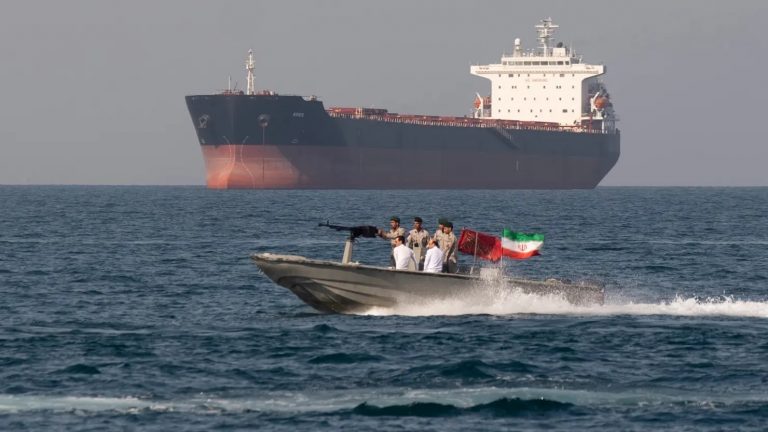
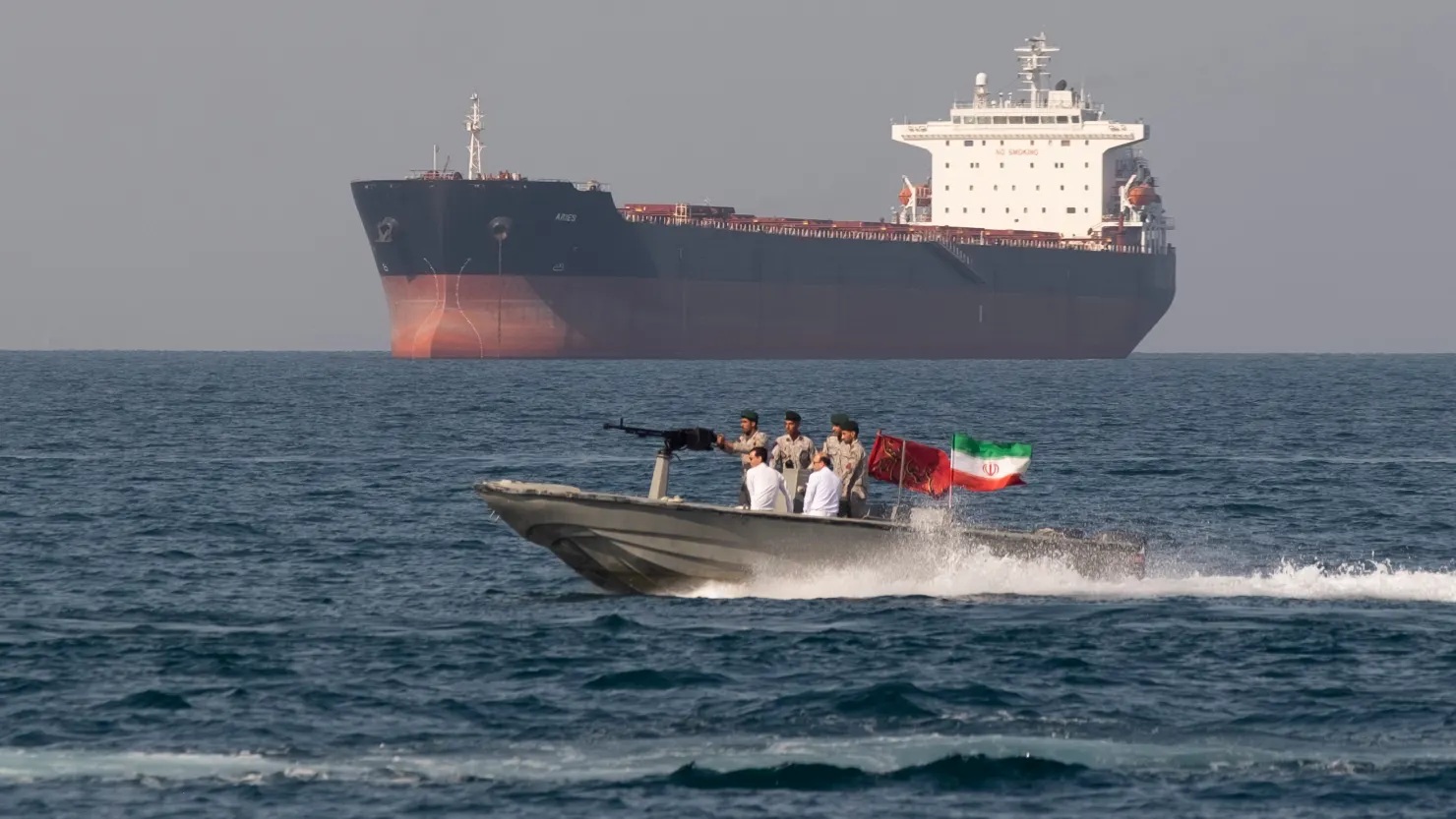
Washington has doubled to $40 billion a US-backed maritime reinsurance facility aimed at coaxing commercial vessels back through the Strait of Hormuz, as the five-week war with Iran continues to unsettle one of the world’s most important trade arteries. The expanded programme, announced on Friday by the US International Development Finance Corporation and Chubb, adds AIG, Berkshire Hathaway, Travelers, Liberty Mutual, Starr and CNA to the scheme, lifting total available coverage from the original $20 billion.
The move marks the latest attempt by the Trump administration to restore confidence in shipping through a channel that normally carries about a fifth of global oil and liquefied natural gas trade. Tehran’s pressure on transit through the strait since the conflict erupted after US-Israeli strikes on 28 February has sharply reduced traffic, pushed up energy prices and forced shipowners, charterers and insurers to reassess the commercial and physical risks of entering Gulf waters.
Under the revised structure, DFC will provide $20 billion in rolling coverage and the private-sector insurers led by Chubb will supply another $20 billion. Chubb will act as lead underwriter, set pricing and policy terms, issue cover for eligible vessels and cargoes, and manage claims. The facility now extends beyond basic hull and cargo protection to include war hull risk, war protection and indemnity, and war cargo insurance, reflecting the reality that the danger is no longer limited to ordinary marine losses but to missile, drone, mine and broader conflict exposure.
DFC said vessels will be screened through sanctions and know-your-customer checks and other interagency vetting before being admitted to the programme. That indicates Washington is trying to strike a balance between reopening commerce and preventing the facility from being used by operators with unacceptable ownership, financing or cargo links. The application portal has not yet opened publicly, but officials said more details would follow, suggesting the administration still has implementation work to complete even after assembling a much larger insurance syndicate.
For shipping markets, the announcement is financially significant but not yet decisive. Insurance capacity can reduce one major barrier to passage, yet it does not eliminate the operational fear among crews and owners that a vessel could still be struck or trapped. Reporting over the past week has shown that only a limited number of non-US and non-Israeli-linked vessels, including some Japanese-, French- and Omani-connected ships, have resumed passage, often taking precautions such as highlighting their national identities or limiting tracking visibility. That pattern suggests the strait is not fully shut to all traffic, but remains far from normal commercial conditions.
The administration has coupled the insurance initiative with muscular public messaging. President Donald Trump said this week that the United States could reopen the strait with more time, while Secretary of State Marco Rubio has said it will reopen “one way or another”. Those remarks are intended to reassure markets and allies, but analysts have warned that military control of the waterway would be far harder than political rhetoric implies because Iran can threaten shipping from land with missiles, drones, mines and fast boats even if naval forces widen patrols.
Energy consumers are watching closely because the disruption is already feeding through to prices and supply expectations. The International Energy Agency has warned that the loss of Middle East flows is set to hit Europe more visibly this month after already squeezing Asian markets, with diesel, jet fuel and other refined products under pressure. Oil surged sharply when the Hormuz disruption intensified, underscoring how quickly maritime insecurity in the Gulf can spill into inflation, freight costs and broader growth risks far beyond the Middle East.
Follow Arabian Post
Select Arabian Post as your preferred source on Google and MSN News for trusted business news and Arab politics and updates.