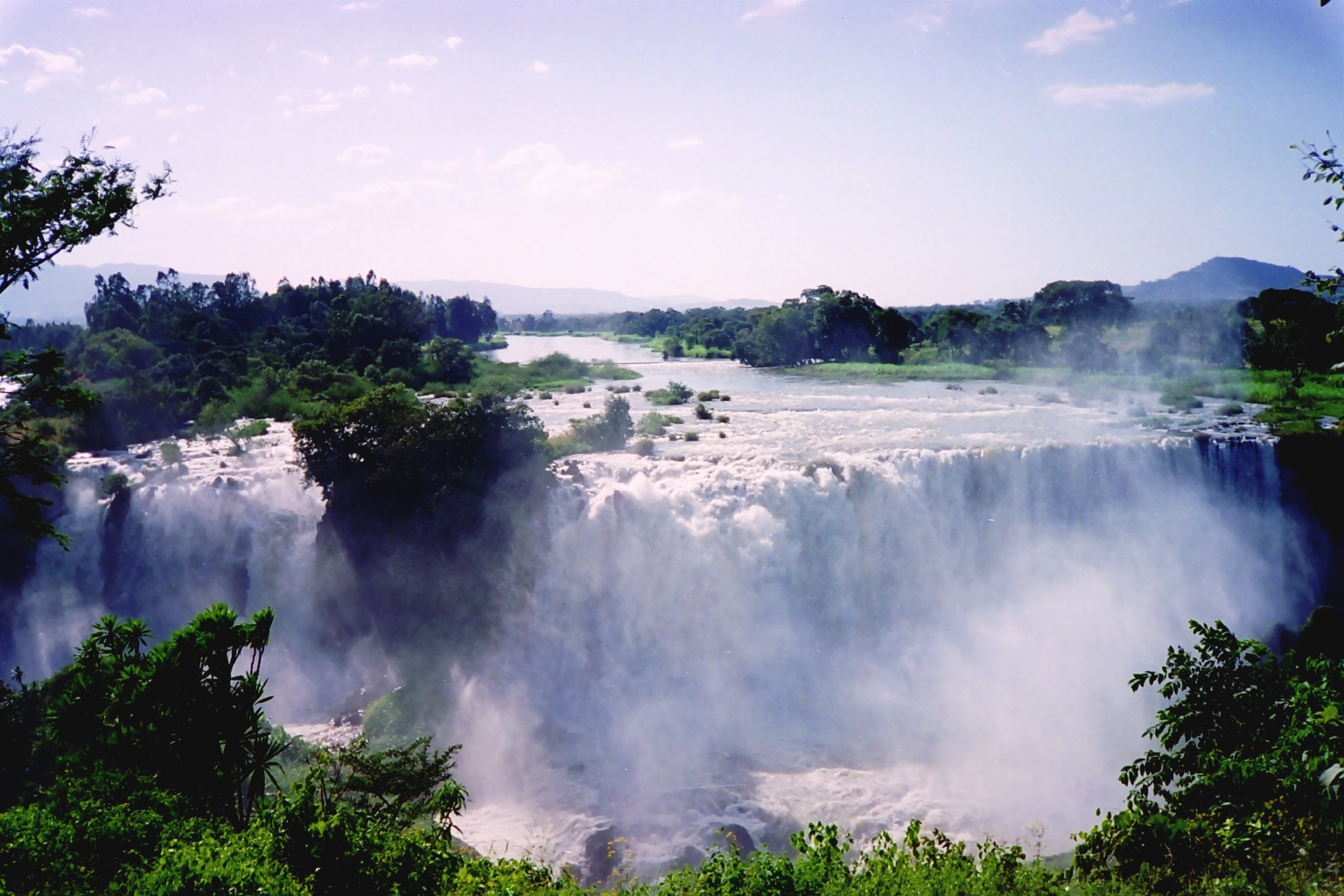
Ethiopia has officially inaugurated the Grand Ethiopian Renaissance Dam, now Africa’s largest hydroelectric facility, signalling both a landmark in national development and renewed geopolitical strain along the Nile. The $5 billion project, capable of generating up to 5,150 MW, has launched with two turbines delivering about 750 MW, with full capacity yet to come online.
The dam’s reservoir, now named Nigat Lake—meaning “Lake of Dawn”—floods an area larger than Greater London and ushers in enhanced flood control, irrigation potential, and hydropower output. Ethiopia claims that cautious reservoir filling, timed with favourable rainfall patterns, has so far not disrupted downstream flows.
That said, downstream countries remain wary. Egypt, reliant on the Nile for roughly 90 per cent of its water, accuses Ethiopia of jeopardising water security and insists on legally binding operational agreements. Egypt and Sudan maintain that the dam violates colonial-era treaties, despite Ethiopia’s denials and refusal to negotiate under those terms. Ethiopian Prime Minister Abiy Ahmed has insisted the GERD is not aimed at harming downstream neighbours and called it a symbol of sovereignty and continental achievement.
Within Ethiopia, the unveiled continental power giant is portrayed as a unifying national symbol amid internal challenges. Only about half of the rural population currently has electricity, but the dam is expected to expand access, spur industrial growth, and pave the way for regional power exports. Some African leaders present at the inauguration—such as Kenya’s William Ruto and South Sudan’s Salva Kiir—expressed interest in importing electricity.
Beyond immediate energy implications, the GERD’s impact spans economic and environmental dimensions. Ethiopia anticipates electrification of the transport sector, particularly given its ban on gasoline car imports. The dam also promises agriculture and irrigation benefits through regulated flow from Nigat Lake, alongside nascent plans for fisheries and tourism.
Yet risks endure. Experts warn that prolonged droughts could strain the dam’s output and reignite tensions with downstream states. The absence of binding agreements continues to hinder trust, and calls for lasting Nile cooperation remain pressing as the region faces climate variability.
Follow Arabian Post
Select Arabian Post as your preferred source on Google and MSN News for trusted business news and Arab politics and updates.