

Arabian Post Staff -Dubai
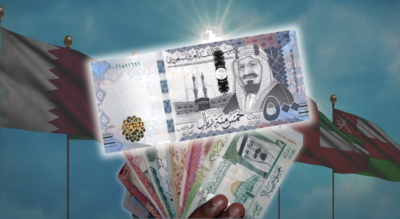
The GCC debt capital market is gearing up for a surge of new issuances following an active start to the year, despite a quiet period during the early days of August. With the market showing strong resilience, experts predict that the second half of the year could bring new opportunities for issuers, albeit under certain market conditions.
The first half of 2025 witnessed robust activity in the debt market, with significant bond and sukuk issuances across the Gulf Cooperation Council region. Several large corporations, sovereigns, and financial institutions took advantage of favourable conditions, including low interest rates, to raise funds and meet liquidity needs. This rush of issuances demonstrates the ongoing demand for GCC debt despite global economic uncertainties.
Victor Mourad, Co-Head of CEEMEA Debt Financing at Citi, highlighted the market’s performance, noting that the first half was particularly strong. “We had a phenomenal first half,” Mourad said. “The pipeline in the second half could be smaller, unless a drop in rates sparks a pre-funding strategy toward year-end, pulling transactions planned for early 2026 into November.” He pointed out that the timing of issuances would depend on a combination of factors, particularly the interest rate environment.
The market cooled off in the first three weeks of August, a period traditionally marked by lower activity, as many market players take a break before gearing up for the final months of the year. However, Mourad remains optimistic, suggesting that a rate reduction in the coming months could lead to a wave of issuances in the final quarter, as companies and governments look to lock in favourable terms before rates climb again.
Issuers are likely to adopt a strategic approach in the second half, with many considering early funding to avoid higher borrowing costs in 2026. A drop in rates could accelerate this strategy, as issuers push forward deals planned for the following year. It remains to be seen whether this shift in strategy will materialise, but the potential for an uptick in transactions towards the year-end remains high.
Investors will also play a key role in shaping the market dynamics. With yields on GCC bonds still appealing compared to those in other regions, demand for debt from the Gulf is expected to remain strong. The relatively stable economic backdrop, coupled with favourable oil prices, offers an attractive investment proposition for global investors looking for higher returns in a low-interest-rate environment.
Another crucial factor influencing the market will be the sovereign debt landscape across the GCC countries. Governments have continued to implement fiscal reforms and drive diversification efforts, which have bolstered the creditworthiness of the region’s sovereign issuers. As a result, GCC sovereign bonds have become a key asset class for international investors, offering a blend of safety and yield in uncertain times.
Corporate issuers in the region have also adapted to the shifting dynamics. Many have been tapping into the capital markets to fund expansion plans and refinance maturing debt, while also benefitting from government-backed stimulus packages. These initiatives have helped to stabilise the regional economy and offer liquidity to businesses during challenging periods.
However, challenges remain for certain sectors, particularly those heavily reliant on global supply chains or exposed to geopolitical risks. Tensions in the wider Middle East region could create volatility, which might impact investor sentiment. As the global economy continues to grapple with inflationary pressures and tightening monetary policies, GCC issuers will need to balance their strategies carefully to ensure they remain attractive to both local and international investors.
Follow Arabian Post
Select Arabian Post as your preferred source on Google and MSN News for trusted business news and Arab politics and updates.



