News related to
Arabia

Arabian Post Staff -Dubai Kuwait is set to sign a contract next week with China Communications Construction Company to advance the long-delayed Mubarak Al-Kabeer Port, signalling renewed momentum behind a project seen as pivotal to the country’s trade ambitions and its role in regional logistics. Public Works Minister Noura Al-Mashaan confirmed the timeline on Thursday, following formal approval by the Central Agency for Public Tenders for the […]

Heavy rainfall across Dubai prompted authorities to urge residents to remain indoors as flooding alerts were activated across several neighbourhoods, disrupting transport, schooling and daily life while emergency teams moved to manage water accumulation on key roads.

Police and civil defence units said weather conditions had deteriorated rapidly overnight, with intense downpours leading to waterlogging in low-lying areas and reduced visibility on major arteries. Motorists were advised to avoid unnecessary travel, particularly near underpasses, tunnels and wadis, where runoff posed heightened risks. Schools in parts of the emirate shifted to remote learning, while several private institutions announced temporary closures after campus access became difficult.

The advisory underscored how Dubai urges residents indoors amid heavy rainfall, reflecting a coordinated response involving municipal services, transport authorities and utilities. Drainage pumps were deployed in multiple districts as crews worked to clear debris from stormwater grates. Electricity and water providers said services remained largely stable, though teams were on standby to address any outages caused by flooding or lightning strikes.

Meteorological officials attributed the rainfall to an active weather system drawing moist air across the region, producing prolonged showers and occasional thunderstorms. Forecasts indicated intermittent rain could persist through the day, with gusty winds and hail reported in isolated pockets. Authorities cautioned residents against venturing into flooded streets, stressing that even shallow water can conceal hazards and compromise vehicle control.

Public transport services adjusted schedules as a precaution. Portions of the road network experienced slow-moving traffic during peak hours, while ride-hailing operators reported higher demand as residents avoided driving. At the city’s airports, airlines warned of possible delays and advised passengers to check flight status before travelling. Ground handlers said operations were continuing with additional safety measures to manage wet runways and reduced visibility.

Dubai Municipality said its crisis management protocols had been activated, with field teams monitoring drainage performance and responding to citizen reports. The Roads and Transport Authority urged commuters to follow official updates and avoid sharing unverified information, noting that real-time advisories would be issued as conditions evolved. Health officials reminded residents to keep children indoors and to secure loose items on balconies and rooftops to prevent accidents during strong winds.

Urban planners and climate researchers note that extreme rainfall episodes are testing the resilience of cities built in arid environments. While Dubai has invested heavily in drainage infrastructure, the intensity and duration of storms can overwhelm systems designed for historically lower precipitation levels. Experts emphasise the importance of adaptive planning, including enhanced runoff capacity, permeable surfaces and improved forecasting integration to reduce disruption during severe weather.

Businesses across retail and hospitality sectors adjusted operations as footfall dipped in affected areas. Some malls delayed opening hours, while restaurants shifted to delivery-only service. Employers were encouraged to offer flexible work arrangements, particularly for staff commuting from flood-prone districts. Insurance providers reported an uptick in inquiries related to vehicle and property coverage, advising policyholders to document any damage once conditions allow safe inspection.

Matein Khalid I was sure the Medline IPO would be a winner since I have tracked this business since it was acquired in a $30 billion leveraged buyout by Blackstone, Carlyle and the San Fran private equity house Hellman & Friedman after the bankers priced the deal at 29, I even wrote a post several hours before the New York open, reiterating that the largest private equity […]

Prime Minister Narendra Modi arrived in Muscat on December 17 for a two-day visit that places the spotlight on a partnership shaped by geography, commerce and people-to-people ties across the Arabian Sea. Sayyid Shihab bin Tarik Al Said, Deputy Prime Minister for Defence Affairs, led the welcoming party at Muscat International Airport, receiving the guest and his delegation with ceremonial honours. The visit marks a milestone year […]

Abu Dhabi Future Energy Company, known as Masdar, has withdrawn from a consortium seeking to take ReNew Energy Global private, bringing the proposed buyout of the Nasdaq-listed renewable power producer to an abrupt end and sending a fresh signal about the challenges facing large-scale clean energy transactions. ReNew disclosed the development in a filing to the US Securities and Exchange Commission, confirming that the investor group will […]

Greenlogue/AP AMEA Power has commissioned a 120 megawatts-peak solar photovoltaic plant in Tunisia’s Kairouan Governorate, adding one of the country’s largest utility-scale renewable assets to the national grid and strengthening North Africa’s push to diversify power generation. The project operates under a 20-year power purchase agreement with Société Tunisienne de l’Electricité et du Gaz, providing long-term offtake certainty for the state utility and stable revenues for the […]

Mubadala Investment Company and Bain Capital have completed the acquisition of Service Logic, a major provider of commercial heating, ventilation and air-conditioning services, marking a significant private equity investment into North America’s building services sector. The transaction, announced on Wednesday, transfers ownership from Leonard Green & Partners and positions the company for an accelerated expansion phase under joint sponsorship by the Abu Dhabi-based sovereign investor and the […]

Advertisements

Mall of the Emirates has embarked on a $1.36bn expansion programme that will add 20,000 square metres of retail space, introduce about 100 new stores, and significantly broaden its dining and entertainment offering, reinforcing Dubai’s position as a global retail and lifestyle hub. The project, announced by owner and operator Majid Al Futtaim, represents one of the most substantial investments in the mall since it opened in […]

The United Arab Emirates has consolidated its standing in 2025 as one of the world’s fastest-growing economies, underpinned by a surge in non-oil activity, sustained investment inflows and a regulatory framework designed to attract capital and talent. Data released through the year point to broad-based expansion across trade, manufacturing, logistics, tourism, finance and technology, reinforcing a shift away from hydrocarbons as the primary engine of growth.

Non-oil foreign trade climbed 24.5 per cent in the first half of 2025 to AED1.7 trillion, a pace that far exceeds the prevailing global trade growth rate. The increase reflects rising re-exports, stronger demand from Asia, Europe and Africa, and the UAE’s role as a commercial bridge linking major markets. Officials have highlighted gains in machinery, electronics, precious metals, food products and pharmaceuticals, supported by expanded port capacity, faster customs procedures and new trade agreements.

Investment indicators have moved in tandem with trade. The UN Conference on Trade and Development’s World Investment Report 2025 ranked the UAE 10th globally for inbound foreign direct investment in 2024, with inflows of AED167.6 billion. That placing keeps the country among the world’s most attractive destinations for capital, alongside much larger economies, and underscores confidence in the policy environment, infrastructure and legal protections available to investors.

Economic planners attribute the momentum to a combination of structural reforms and targeted incentives. Liberalised ownership rules, long-term residency options for professionals and entrepreneurs, and streamlined licensing have lowered barriers for international firms. Specialised free zones continue to draw companies in logistics, clean energy, advanced manufacturing, fintech and digital services, while onshore jurisdictions have simplified company formation and compliance.

Non-oil GDP growth has been supported by strong domestic demand and an expanding population of skilled workers. Tourism has posted record levels of hotel occupancy and visitor spending, aided by expanded air connectivity and major events that have kept demand resilient across seasons. Retail and hospitality have benefited from rising consumer confidence, while real estate transactions have remained active across residential, commercial and industrial segments.

Manufacturing has emerged as a key contributor, with investments flowing into metals, food processing, pharmaceuticals and building materials. The push to localise supply chains and boost exports has been reinforced by incentives for advanced manufacturing and the adoption of automation and artificial intelligence. Renewable energy and clean technology projects have also attracted capital, aligning economic growth with climate commitments.

The financial sector has played a central role in channelling investment. Banks have reported healthy credit growth to businesses, while capital markets have seen new listings and debt issuance that broaden funding options. Asset managers and private equity firms have expanded regional operations, using the UAE as a base for Middle East, Africa and South Asia strategies. Regulatory clarity in digital assets and fintech has further widened the investor base.

Trade policy has complemented domestic reforms. Comprehensive economic partnership agreements have reduced tariffs and opened access to fast-growing markets, supporting exporters and logistics providers. Improved customs digitisation has shortened clearance times, enhancing the country’s competitiveness as a trans-shipment hub. The scale of non-oil trade growth indicates that these measures are translating into higher volumes rather than merely price effects.

Arabian Post Staff -Dubai Hotel occupancy across the UAE climbed to 79.3 per cent during the first ten months of 2025, underlining the sector’s sustained momentum as visitor flows, air connectivity and investment continue to reinforce the country’s position as a global tourism hub. The figure marks an increase from 78 per cent a year earlier and places the UAE among the strongest performers both regionally and […]

Cisco has said that a sophisticated group of China-linked hackers is actively exploiting a previously unknown vulnerability to breach the networks of its customers, raising concerns across governments and large enterprises that rely on the company’s equipment for critical communications and data traffic. The company disclosed that the attackers have been using a zero-day flaw to gain unauthorised access to affected systems before patches were available, allowing […]

Apple is evaluating the assembly and packaging of iPhone chips in India as part of a broader effort to rebalance its global supply chain, with CG Semi emerging as a potential partner, according to people familiar with the matter and public disclosures by companies involved in India’s semiconductor push. The move would mark a deeper localisation step beyond final device assembly and signal confidence in India’s ability to host advanced backend semiconductor operations.

The discussions centre on outsourced semiconductor assembly and test, a critical stage that follows wafer fabrication and precedes integration into devices. Apple’s A-series and M-series chips are designed in California and fabricated by Taiwan Semiconductor Manufacturing Company. Packaging and testing have largely been concentrated in East Asia, with China playing a central role through specialised facilities. Shifting part of this work to India would reduce geographic concentration risk while aligning with policy incentives offered by New Delhi to attract high-value electronics manufacturing.

CG Semi, the semiconductor arm of CG Power and Industrial Solutions, has been positioning itself as a contender in this space through a joint venture with Japan’s Renesas Electronics and Thailand’s Stars Microelectronics. The consortium has outlined plans for an OSAT facility in Gujarat, supported by central and state incentives under the Semiconductor Mission. While timelines and customer commitments have not been formally disclosed, the venture has been presented by partners as targeting advanced packaging for automotive and consumer electronics chips, an overlap that fits Apple’s requirements.

People tracking the talks caution that Apple’s evaluation remains exploratory. The company typically subjects suppliers to multi-year qualification processes covering yield, reliability, intellectual-property safeguards and environmental standards. Any decision would depend on CG Semi’s ability to meet Apple’s exacting specifications at scale and to integrate with the existing manufacturing ecosystem that includes contract assemblers such as Foxconn and Tata Group entities already producing iPhones in India.

India’s pitch rests on a combination of incentives and momentum. Production-linked incentive schemes have helped lift smartphone assembly volumes, with Apple accounting for a growing share of exports. The government has since widened support to semiconductors, offering capital subsidies, infrastructure backing and fast-tracked approvals. Backend operations are viewed as a pragmatic entry point, requiring lower capital expenditure and shorter build times than wafer fabs, while still delivering skilled jobs and technology transfer.

Industry analysts say Apple’s interest reflects a global trend among chip designers to diversify OSAT footprints amid geopolitical tensions and supply disruptions. Packaging has become more complex as chips move to advanced nodes and heterogeneous integration, raising the strategic value of reliable partners. “Advanced packaging is no longer a commodity step; it’s a differentiator,” said one semiconductor consultant who advises multinational clients on Asia manufacturing strategies. “Design houses want redundancy without sacrificing quality.”

For CG Semi, an Apple engagement would be transformative. CG Power, part of the Murugappa Group, has roots in electrical equipment rather than semiconductors. Its partnership with Renesas brings process know-how and credibility, while Stars Microelectronics contributes OSAT experience from Thailand. Securing a marquee customer would accelerate learning curves and help anchor a local supplier network for substrates, testing equipment and specialised chemicals.

There are constraints. India’s semiconductor ecosystem remains nascent, with gaps in materials, talent depth and logistics that could challenge tight production schedules. Power reliability, water availability and customs efficiency are under scrutiny by global manufacturers. Apple has previously paused or redirected supplier plans when execution risks appeared elevated, underscoring the need for consistent policy implementation at the state level.

Apple has not commented publicly on specific supplier discussions. CG Power has also refrained from naming potential customers, reiterating in filings that its semiconductor venture is at a development stage. Officials involved in the Semiconductor Mission have said backend projects are progressing and that customer announcements will follow commissioning milestones.

False and misleading content swept across social media after a powerful earthquake struck northern Japan on December 8, compounding public anxiety at a moment when accurate information was critical for safety and relief. Fabricated videos, doctored images and spurious claims about casualties and infrastructure damage circulated widely within hours, prompting warnings from authorities and media organisations that the online information environment had become polluted alongside the physical […]

Adobe has unveiled a significant expansion of its Firefly artificial intelligence platform, adding text-based video editing tools, camera controls and 4K upscaling as part of a broader push to embed generative AI more deeply into professional creative workflows. The update positions Firefly as a central layer across Adobe’s video and design ecosystem, with the company arguing that the new features reduce technical friction while keeping creators in […]

Dubai Airports has kicked off what executives describe as one of the most extensive winter flight programmes in its history, as Dubai International and Dubai World Central – Al Maktoum International roll out new airline services, increased frequencies and expanded connectivity to capitalise on sharply rising travel demand. Airlines from Europe, Central Asia and the wider region are boosting capacity, while direct traffic now makes up more than half of passenger movements at DXB, a marker of strong point-to-point travel confidence that underpins the broader network growth.

The winter schedule enhancements come as carriers add new routes and upgrade equipment, signalling robust airline confidence in Dubai’s appeal as an international hub. FlyArystan has joined DXB’s network with twice-weekly flights from Aktau, Kazakhstan, and Austrian Airlines has reinstated five weekly services from Vienna, reflecting growing European engagement. Virgin Atlantic has deployed its larger A350-1000 aircraft on flights into Dubai, increasing seat capacity significantly, and British Airways has restored Airbus A380 operations from London Heathrow, reinforcing transcontinental connectivity. These moves underscore the increasing demand for direct travel to and from Dubai across key long-haul markets.

Connectivity from South Asia and the Middle East is also strengthening, with Varesh Airline initiating twice-weekly flights from Sari, Iran, and Fly Jinnah adding twice-weekly services from Lahore, enhancing point-to-point traffic flows that traditionally surge during the winter travel period. Saudi Arabia continues to be a pivotal market for both airport hubs, remaining DXB’s second-largest country market by passenger share, with combined traffic across DXB and DWC reaching millions of passengers and marking a year-on-year increase. At DWC, passenger numbers have grown sharply, reflecting its rising importance as a complementary gateway within Dubai’s aviation landscape.

DWC’s strategic role has expanded markedly as airlines take advantage of its available capacity to broaden their offerings alongside DXB operations. The airport recorded a substantial rise in passenger volumes over the year and has seen notable increases in cargo and aircraft movements, pointing to broader growth in both passenger and freight activities. Eurowings has played a significant role in this growth, launching a daily service from Stuttgart to DXB, operating a thrice-weekly service from Düsseldorf into DWC, and increasing frequencies to Berlin, Cologne and Hannover, including its Premium Bizclass product on select services.

Dubai Airports’ research leadership highlights this period as pivotal for the sector, emphasising that the breadth of the winter network reflects evolving travel patterns and confidence from airline partners. Direct traffic growth across both airports is attributed to a mix of inbound tourism, outbound resident travel and medium-term relocations, illustrating a diversified demand base that supports sustained connectivity expansion.

Industry observers point out that Europe and Central Asia have been particularly dynamic contributors to the uplift in capacity. FlyArystan’s entry into the market and Austrian Airlines’ service reinstatement exemplify the shifting landscape of global travel demand, with carriers recalibrating their networks to capture increased passenger flows. At the same time, regional carriers are leveraging expanding demand from neighbouring markets, reinforcing Dubai’s position as a central aviation node connecting different parts of the world.

Capacity enhancements on existing routes are another hallmark of this winter schedule. Carriers such as Virgin Atlantic and British Airways have not only increased frequency but also introduced larger, more efficient aircraft to meet peak season travel. This reflects a broader industry trend toward optimising fleet deployment on high-demand city pairs, balancing cost efficiency with passenger comfort.

While the expanded passenger schedule captures much of the spotlight, cargo operations have also seen parallel growth, particularly at DWC where infrastructure and available slots have encouraged carriers and freight operators to scale up activities. Cargo volumes have continued to rise alongside passenger growth, underscoring the dual role of Dubai’s airports as critical hubs for both people and goods movements.

Airport officials note that the broader travel ecosystem — including international business events, sports fixtures, cultural festivals and holiday travel — continues to stimulate demand, complementing the seasonal drivers that historically shape winter travel patterns. This diversified demand mix has provided airlines with a degree of resilience as they invest in expanded services and plan capacity well into the year ahead.


By K Raveendran Oil prices slipping below $60 a barrel for the first time since February 2021 and a sharp easing in European gas prices mark more than a cyclical downturn in commodities. They signal a rapid repricing of geopolitical risk at a moment when diplomacy, rather than escalation, has begun to dominate market psychology. […]

The article Energy Markets Recalibrate As Geopolitics Reshapes Supply Calculus appeared first on Latest India news, analysis and reports on Newspack by India Press Agency).

Oman’s sovereign wealth fund arm ITHCA Group has entered a strategic investment partnership with Saudi Vision Venture Capital, marking a significant step in Muscat’s efforts to deepen the funding pool and regional reach available to start-ups based in the sultanate. The agreement is designed to give Omani founders structured access to the Saudi investment ecosystem, one of the largest and fastest-growing venture capital markets in the Middle […]

President Donald Trump’s administration has broadened the scope of U. S. travel restrictions by adding seven countries and Palestinian Authority travel documents to a full-entry ban that will take effect on January 1, 2026, tightening immigration and border policies that have been a cornerstone of his presidency. The expanded restrictions come as part of a wider strategy the administration says is aimed at bolstering national security and […]

Greenlogue/AP Saudi Arabia’s ACWA Power has entered into a cooperation framework with the African Development Bank aimed at mobilising as much as $5 billion for sustainable energy and water projects across Africa, signalling an expansion of private capital participation in the continent’s infrastructure financing landscape. The agreement sets out a pathway to identify, develop and finance projects focused on electricity access, water security and low-carbon investment, with […]

Abu Dhabi-listed Two Point Zero Group has moved to full ownership of fintech platform Maseera, completing the acquisition of the remaining minority stake and consolidating its position in the fast-growing digital finance space. The transaction marks another step in the group’s strategy of scaling consumer-facing financial services across the Middle East and North Africa through tightly integrated platforms. Two Point Zero confirmed that its subsidiary, E Point […]

Dubai is preparing to expand its seasonal cultural calendar with a large-scale Ramadan Souq planned for 2026, an initiative expected to transform Souq Al Ras in Deira into a focal point for heritage retail, family entertainment and night-time tourism during the holy month. City officials and organisers say the project is designed to blend commerce, culture and community, reinforcing Deira’s position as a historic trading hub while […]

Mozilla Corporation has appointed long-time Firefox executive Anthony Enzor-DeMeo as its chief executive officer, placing him at the helm of the organisation as it seeks to chart a new path in an increasingly AI-driven digital environment. The leadership change comes as the company aims to reinforce its mission of privacy and trust while pursuing artificial intelligence integration within its flagship Firefox browser and beyond, signalling a strategic […]

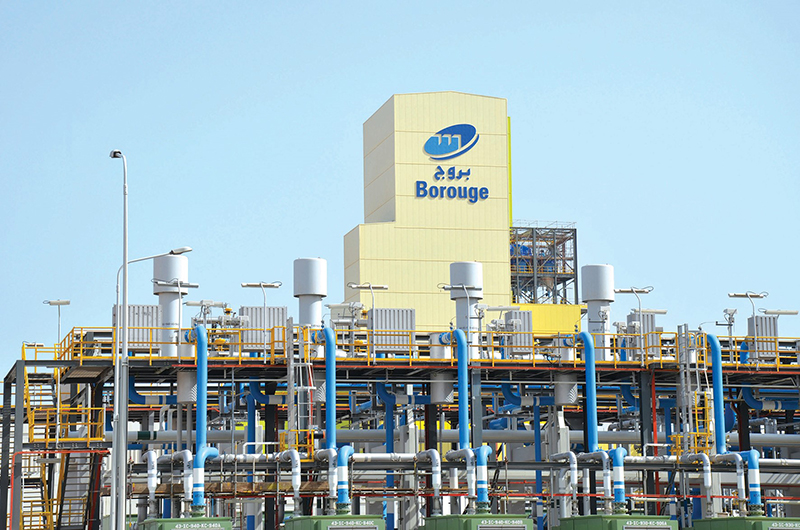
Borouge Plc has been included in the FTSE ADX Dividend Stars Index, a new benchmark launched by Abu Dhabi Securities Exchange in December 2025 that is designed to spotlight companies with a sustained record of dividend distributions, underlining the petrochemicals producer’s position as a core income stock within the local market.

ADX said the FTSE ADX Dividend Stars Index is the first income-focused index of its kind in the region, created to meet growing demand from investors seeking predictable cash returns alongside exposure to liquid, large-cap equities. The index brings together 17 companies that collectively accounted for more than 70 per cent of total cash dividends paid by ADX-listed firms during 2025, highlighting its role as a barometer for dividend strength across the exchange.

Borouge’s inclusion reflects its established dividend policy and scale within the Abu Dhabi market. The company, which produces polyolefins for infrastructure, energy, automotive and packaging applications, has been a consistent dividend payer since listing and is among the exchange’s most actively traded stocks by both institutional and retail investors. Its presence in the index places it alongside leading financial, energy and utility companies that dominate cash returns on ADX.

For market participants, the creation of the FTSE ADX Dividend Stars Index represents a strategic shift in how income strategies can be implemented in the Gulf. Until now, dividend-focused investors relied largely on individual stock selection or broader market indices that did not explicitly weight for income stability. By concentrating on dividend history and payout consistency, the new benchmark offers a clearer framework for portfolio construction aimed at long-term yield.

ADX officials have positioned the index as part of a broader effort to deepen the exchange’s product suite and attract international capital. Abu Dhabi has steadily expanded its market infrastructure through the introduction of sectoral indices, derivatives, exchange-traded funds and sustainability-linked products. An income-focused index is intended to complement these offerings by appealing to pension funds, insurers and asset managers with mandates tied to regular distributions.

Borouge’s operational and financial profile has supported its standing as a dividend anchor stock. The company benefits from integrated feedstock arrangements and proximity to key growth markets in Asia, the Middle East and Africa. Its production base in Ruwais, combined with access to Borouge 4 expansion capacity, has strengthened cash generation, even amid volatility in global petrochemical pricing cycles.

The company’s dividend record has also been closely watched in the context of broader consolidation within the Abu Dhabi energy and industrial ecosystem. Strategic alignment with major shareholders has emphasised balance sheet resilience and shareholder returns, factors that are central to index eligibility criteria focused on payout sustainability rather than short-term yield spikes.

The FTSE ADX Dividend Stars Index methodology places weight on historical dividend payments, liquidity thresholds and free-float considerations, ensuring that constituents are both investable and representative of income generation on the exchange. By capturing more than two-thirds of all dividends paid on ADX during the year, the index underscores the concentration of cash returns among a relatively small group of large, established issuers.

Market analysts note that such concentration can work to the advantage of income investors by reducing volatility and enhancing predictability, while also posing questions about diversification within dividend strategies. The index structure addresses this by capping individual weights and maintaining sector balance, allowing exposure to financial services, energy, utilities and industrials without over-reliance on a single name.

For Borouge, index inclusion may translate into incremental demand from passive and semi-passive investment products tracking the benchmark. Fund managers often use newly launched indices as the basis for exchange-traded funds or structured products, potentially increasing liquidity and reinforcing valuation support for constituent stocks.

Arabian Post Staff -Dubai Dubai-based Emirates NBD Bank has launched a $700 million seven-year bullet term loan aimed at lenders across Asia, marking a notable cross-border funding move as regional banks continue to diversify their funding bases amid shifting global liquidity conditions. The facility carries an interest margin of 100 basis points over term SOFR and includes a $200 million accordion option, allowing the borrower to increase […]

VISHNU RAJA
RYO YAMADA
HITORI GOTOH
IKUYO KITA