Just in:
Emaar approves Development buyout ahead of planned delisting // Beyond the exhibition floor: How robots, AI and networks are moving into the real world // Battle Uttar Pradesh Will Be Tougher For Yogi Than Expected // Microfinance case trouble for Vellappally // Dubai details five-year visa benefits for returning visitors // Technology shares plunge as Nasdaq enters correction // CM disputes Vijayan’s claims // HKUST President Prof. Nancy IP Receives UNESCO–Equatorial Guinea International Prize for Research in Life Sciences // Dubai Future District Fund and Buimerc formalise cooperation // Kochi police detain two actors over bid to honey trap doctor // OpenAI abandons secrecy agreements for future data centres // OpenAI introduces GPT-6 Cyber with restricted security access // HKUST President and Chinese Academy of Sciences Academician Prof. Nancy Ip Receives UNESCO Honor for a Second Time // Trump’s Iran War Has A Share Of Contribution To His Midterm Debacle // Geely’s i-HEV Intelligent Hybrid Technology Offers a New Direction Vision for Gasoline-Powered Vehicles // Elephant calf on death line airlifted for treatment in Gujarat // Geely’s i-HEV Intelligent Hybrid Technology Offers a New Direction for Gasoline-Powered Vehicles // Motorola introduces Signature 27 flagship priced at $1,599 // Ningbo Consensus on Collaborative Development released at 2026 Global Mayors Dialogue · Ningbo // HKUST President Prof. Nancy IP Receives UNESCO–Equatorial Guinea International Prize for Research in Life Sciences //

News related to
Arabia

A groundbreaking gene-editing treatment could offer a potential cure for high cholesterol, as demonstrated by a small-scale clinical trial unveiled on Saturday. The new drug, delivered through a one-time injection, reduced both “bad” LDL cholesterol and triglycerides by approximately 50%, showing no discernible side effects after two months of observation. Cholesterol, a waxy substance found in the blood, exists in two forms: low-density lipoprotein, often termed “bad” […]

By Nantoo Banerjee It is difficult to grasp the fact that even 78 years after its independence, India, the world’s most populous country, continues to be heavily dependent on imported fertilizer to produce crops to feed its 1.46 billion-plus population. The prospect of a sudden fertiliser price surge ahead of its most important Rabi (winter) […]

The article Fertiliser Import Price Surge May Hit India’s Rabi Crop Output appeared first on Latest India news, analysis and reports on Newspack by India Press Agency).

The Bank of England has announced a new policy restricting the amount of stablecoins that individuals and businesses can hold in the country, setting a cap of £20,000. The move comes as part of broader efforts to regulate the rapidly evolving digital currency market, ensuring financial stability while fostering innovation in the fintech sector.

The Bank’s decision follows months of discussions and consultations with financial experts and market participants. It aims to address the increasing popularity of stablecoins, digital currencies pegged to traditional assets such as the British pound or US dollar. While stablecoins are generally considered less volatile than other cryptocurrencies, their rapid growth has raised concerns over potential risks to the broader financial system.

This new regulation is expected to apply to both domestic and international users of stablecoins operating within the UK. It will limit the amount of stablecoins that can be held or transacted by any single entity or individual to £20,000, a figure designed to reduce the systemic risks posed by large, unregulated digital assets in the UK economy.

Stablecoins, which have been touted as a bridge between traditional finance and the world of digital currencies, have gained traction in recent years. However, central banks have been cautious about their potential to destabilise financial markets. The Bank of England’s intervention reflects a growing global trend towards regulating the digital asset space, with governments and central banks around the world striving to balance innovation with risk management.

For many, the £20,000 limit is seen as a precautionary measure rather than a significant hurdle. Advocates for digital currencies argue that such regulations may stifle innovation, particularly for businesses looking to integrate blockchain technology into their operations. However, the Bank of England has insisted that the measure is necessary to safeguard financial integrity and protect consumers from potential losses in a volatile market.

The UK government has also made strides in providing clearer guidelines for the treatment of cryptocurrencies and other digital assets. In recent months, the government has introduced draft legislation aimed at improving the transparency of crypto markets and creating a regulatory framework for their use. The UK’s proactive stance towards regulating stablecoins and other digital assets is part of a broader ambition to become a global leader in financial technology, or “fintech.”

While the Bank of England’s move is a step toward ensuring the stability of the financial sector, it is unlikely to be the last word on digital currency regulation. As the stablecoin market continues to grow and evolve, further policy adjustments may be necessary to address emerging risks and opportunities. The international nature of digital assets also presents a challenge for regulators, who must work together to ensure that these digital currencies do not undermine the stability of the global financial system.

EdgeNext, a global edge cloud platform, has partnered with Rack Centre to launch its Content Delivery Network and cloud hosting services in Nigeria. The move is aimed at improving the digital experience for local users, enhancing speed and reliability across video, social media, gaming, and e-commerce platforms. Nigeria, with a population exceeding 200 million, is one of Africa’s fastest-growing digital markets. The country’s young demographic and rising […]

The Trump administration has urged U. S. states to reverse the full payments of Supplemental Nutrition Assistance Program benefits, which were issued under court orders last week. This push comes after the U. S. Supreme Court intervened, issuing a stay on the judicial rulings that mandated the expanded benefits. The move has reignited a fierce legal and political battle surrounding the administration’s efforts to overhaul the nation’s […]

Oil prices rose as investors reacted to the prospect of a resolution to the US government shutdown, bolstered by optimism that a deal could bring an end to the ongoing stalemate. The increase in oil prices follows two consecutive weeks of declines, as market participants await key data that could provide more clarity on global supply and demand dynamics. Brent crude surpassed $64 per barrel, while West […]

International Holding Company, a prominent Abu Dhabi-based conglomerate, has posted significant financial results for the first nine months of 2025, driven by operational efficiency and a diversified investment portfolio. The company reported a 32.3 per cent increase in revenue, which reached Dhs84.6 billion, compared to the same period last year. The impressive growth in revenue was accompanied by an 8.3 per cent rise in net profit, which […]

Advertisements

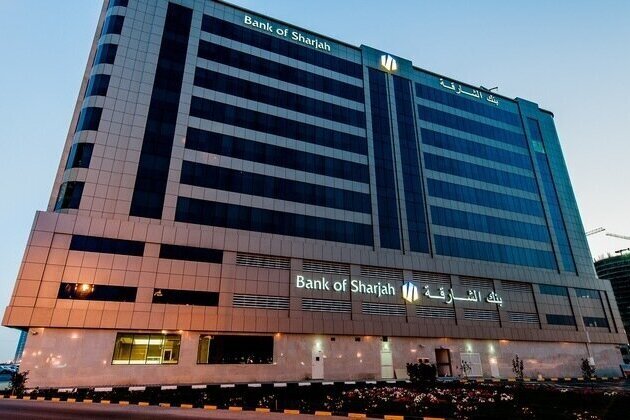
Bank of Sharjah played a key role in Ittihad International Investment LLC’s latest financing success, serving as Joint Lead Manager and Bookrunner in a US$550 million senior unsecured Sukuk issuance. The five-year bond offering attracted overwhelming investor interest, with the order book oversubscribed more than four times, peaking at US$2 billion. This level of demand highlights the strong confidence investors have in Ittihad International’s financial health and future growth prospects.

The Sukuk issuance represents a major milestone for Ittihad International Investment LLC, a prominent UAE-based investment group. With a focus on diversified investments across various sectors, Ittihad International has consistently shown its ability to adapt to market changes and maintain robust financial fundamentals. The success of the Sukuk offering is a clear reflection of the group’s strategic vision, which continues to resonate well with both regional and international investors.

The issuance attracted a diverse mix of institutional investors, including sovereign wealth funds, banks, and asset managers from across the globe. The appetite for the bond offering was not only driven by Ittihad’s strong credit profile but also by the stability and potential growth of the UAE’s economy, which remains a key driver for investment in the region. The overwhelming demand for the Sukuk underscores the high level of trust investors place in Ittihad’s long-term business strategies.

This successful transaction is a significant achievement for Bank of Sharjah, which has built a strong reputation in the financial sector for its role in leading major capital market deals in the region. The bank’s involvement as Joint Lead Manager and Bookrunner further solidifies its position as a leading financial institution in the UAE and the broader Middle Eastern market. Bank of Sharjah’s role in this high-profile Sukuk offering is seen as an endorsement of its deep understanding of regional markets and its ability to facilitate complex transactions for clients in a competitive environment.

The Sukuk, which is based on a Sharia-compliant structure, offers investors an attractive return while supporting Ittihad International’s strategic initiatives. The proceeds from the issuance are expected to be used for general corporate purposes, which include financing new investments and expanding the company’s portfolio in the UAE and beyond. The success of the transaction is a testament to Ittihad’s ongoing efforts to strengthen its financial position and drive long-term value for its stakeholders.

The Sukuk market in the Middle East has been thriving in recent years, with increasing interest from both local and international investors in Islamic finance products. The demand for Sukuk remains strong due to the region’s large and growing investor base, as well as the broader appeal of Sharia-compliant financial instruments. The Ittihad Sukuk transaction highlights the continued maturity of the Middle East’s debt capital markets and reinforces the role of Islamic finance in diversifying global investment opportunities.

The deal’s success also comes at a time when investor confidence in the UAE remains high, bolstered by the country’s continued economic recovery, business-friendly policies, and strong infrastructure development. These factors have contributed to the UAE’s attractiveness as a destination for both regional and international investors looking to capitalise on the country’s growth potential.

Dubai’s economy has demonstrated remarkable strength in the first half of 2025, with growth surpassing projections and reaffirming the emirate’s status as a global economic powerhouse. The city’s GDP expanded by 4.4 percent, reaching AED 241 billion, while the second quarter saw a notable 4.7 percent growth, bringing the total GDP for Q2 to AED 122 billion.

Key sectors played a pivotal role in driving this impressive performance. Dubai’s diversified economy, marked by a robust blend of finance, tourism, real estate, and trade, continues to thrive despite global uncertainties. The construction sector also witnessed significant growth, with an influx of infrastructure projects reflecting Dubai’s ambition to maintain its position as a leading global business hub.

One of the standout performers has been Dubai’s financial services industry, which has grown by a substantial margin. This sector’s success is largely attributed to Dubai International Financial Centre, which continues to attract a global clientele seeking access to the region’s thriving markets. With new regulatory reforms and the expansion of digital financial services, the financial services sector remains a cornerstone of Dubai’s economic resilience.

In addition, the real estate sector has shown signs of recovery after a few years of downturn, with both residential and commercial properties seeing increased demand. This growth can be linked to Dubai’s competitive positioning within the global property market, particularly in the luxury and hospitality segments. The city’s focus on international investors and high-net-worth individuals, combined with attractive incentives such as long-term visas and ease of doing business, has further bolstered investor confidence.

Tourism has also been a driving force behind Dubai’s economic growth. The city has seen a steady rise in international visitors, who are drawn to its world-class attractions, shopping festivals, and hospitality offerings. The Dubai Expo 2020, now extended into 2025, has had a ripple effect on the tourism sector, generating further investments and exposure to new global markets. Events and conferences have continued to bring in significant numbers of international guests, contributing to growth in the hospitality, retail, and leisure sectors.

The transportation and logistics sectors have been equally important to Dubai’s continued success. Dubai’s strategic location as a transport and logistics hub for the Middle East, Africa, and Asia continues to give it a competitive edge. Dubai International Airport, which consistently ranks among the world’s busiest airports, has witnessed a surge in passenger traffic, further solidifying its position as a key global aviation hub. Meanwhile, the port sector remains robust, with Dubai Ports World continuing to expand its reach internationally through strategic acquisitions and partnerships.

The emirate’s government has played a significant role in fostering a business-friendly environment, attracting foreign investment and enhancing the ease of doing business. New initiatives such as the Dubai Future Foundation and Dubai 2040 Urban Master Plan have injected fresh momentum into the city’s long-term growth trajectory. Dubai’s commitment to sustainable development, with a focus on green energy and technological innovation, ensures its competitiveness in a rapidly changing global economy.

Dubai’s resilience in the face of global economic challenges speaks to the emirate’s strategic focus on diversification and innovation. The city has managed to stay ahead of the curve by adopting advanced technologies in sectors like finance, healthcare, and education. In particular, the embrace of artificial intelligence, blockchain, and digital innovation has helped Dubai stay at the forefront of global economic trends.

A powerful tornado has caused widespread destruction across southern Brazil, with Parana state bearing the brunt of the damage. The violent storm, which struck unexpectedly, left thousands of residents in peril, forcing local authorities to declare a state of emergency as recovery efforts began. The tornado touched down in multiple regions of Parana, particularly affecting towns and rural communities. High winds, reaching speeds of up to 180 […]

The aeronautical action‑adventure title The Falconeer has received what developer Tomas Sala describes as a “complete re‑imagining,” with the update being offered at no extra cost to all current players. Every major aspect of the game has been overhauled, from art and lighting to performance and environmental systems, signalling a clear pivot in the life of the originally released game. The new edition, dubbed the Revolution Remaster, introduces […]

Honda has initiated a recall of more than 400,000 vehicles in the United States, predominantly affecting its Civic model, due to a defect related to the wheels. This issue, which has raised serious safety concerns, is linked to errors made by one of the company’s suppliers. Experts in the automotive industry are now cautioning that this problem could be a precursor to further complications, possibly impacting more […]

The ongoing government shutdown has forced airlines to cancel hundreds of flights, deepening travel chaos across the United States. Major airports in New York City, along with others nationwide, have been hit with severe delays and cancellations, as air traffic controllers and federal aviation staff are affected by the furloughs. The Federal Aviation Administration has significantly reduced staffing levels in several air traffic control centres, leading to […]

Discord has rolled out new features to its Family Center, aimed at helping parents gain more control over their teens’ activities on the platform. These updates allow for better visibility and understanding of how teenagers are using Discord, a space primarily designed for communication within gaming and social communities. The Family Center, launched last year, was designed with the intention of offering parents a set of tools […]

Consumer prices in China saw an unexpected increase in October, driven largely by heightened demand for travel, food, and transport during the holiday period. Official figures revealed that the consumer price index rose by 0.2%, surpassing analysts’ expectations. This marked a shift from the previous months when inflation had remained subdued, raising questions about the economic trajectory moving forward.

The data from the National Bureau of Statistics indicated that the uptick was primarily fueled by the surge in travel and food consumption associated with the Golden Week holiday, a week-long national event that encourages domestic tourism. Hotels, transport services, and restaurants saw increased patronage, pushing up prices in these sectors.

Notably, food prices were one of the key contributors to the overall rise in consumer prices. The cost of fresh vegetables, meat, and other staple goods experienced a spike, with pork prices seeing a particular increase due to seasonal fluctuations. China’s long-standing efforts to stabilize food prices have proven challenging in recent months, particularly in light of unpredictable weather patterns affecting crop yields. Despite these pressures, the overall CPI remains relatively low compared to other major global economies.

Alongside the rise in food prices, transportation costs also saw a marked increase, particularly for flights and long-distance travel, as the holiday season boosted demand. The transportation and hospitality sectors, both key drivers of the country’s service economy, showed positive signs of recovery as the nation continues its post-pandemic economic rebound. The surge in demand during Golden Week also contributed to the overall transportation cost increases.

Experts caution that while the CPI increase in October reflects an uptick in consumer spending, it may not necessarily signal a long-term trend. Many economists argue that the inflationary pressures witnessed in October were likely influenced by temporary factors linked to the holiday season, rather than a systemic inflationary shift. As consumer demand normalizes, inflation is expected to moderate.

China has been carefully monitoring its inflation levels, with officials keen to maintain price stability as the economy transitions from pandemic recovery to a more sustainable growth path. Despite the October surge, the government has largely maintained a cautious stance, aiming to avoid any drastic monetary policy changes. The People’s Bank of China has been wary of tightening policies too soon, opting instead to support the economy through more targeted interventions.

While inflationary concerns are on the radar, consumer confidence remains a vital aspect of China’s economic recovery. The government’s focus on stimulating domestic consumption, particularly in urban areas, plays a critical role in the broader economic strategy. As international trade faces challenges due to global uncertainties, domestic consumption is seen as a key pillar to maintain stable growth in the short to medium term.

Hyperliquid, a prominent decentralized finance platform, is currently trialing a new feature known as the BorrowLendingProtocol on its Hypercore testnet. This marks a significant development in the platform’s broader efforts to enhance its functionality and user offerings within the DeFi ecosystem. With the test phase underway, the protocol is expected to reshape the way users interact with digital assets on Hyperliquid, particularly for those seeking to borrow and lend.

The BLP is designed to support both USDC and PURR tokens, offering a dual functionality for users who wish to either supply their assets for lending or borrow assets for liquidity purposes. This borrowing and lending mechanism could open up new opportunities for users to maximize their holdings, allowing them to earn interest on idle assets or leverage borrowed funds to enhance their trading capabilities.

As speculation grows, many industry observers believe that the BLP will eventually become the foundation of Hyperliquid’s Multi-Margin system. This system would enable users to borrow multiple assets for margin trading, potentially unlocking a more sophisticated layer of DeFi tools on the platform. However, as the feature is still in its testing phase, no official confirmation has been provided regarding this integration.

Hyperliquid’s decision to test the protocol on the Hypercore testnet is a strategic one, allowing the team to assess the feature’s performance and ensure it is operating as intended before rolling it out to the broader user base. The testnet serves as a proving ground for new developments, offering an environment where bugs and issues can be identified and rectified without risking the platform’s mainnet integrity.

The introduction of BLP into the DeFi space is significant not only for Hyperliquid but also for the broader market. Borrowing and lending protocols have become a cornerstone of DeFi ecosystems, enabling more dynamic interactions between users and assets. These protocols allow for enhanced liquidity, allowing users to access funds without needing to sell their holdings. In addition, they create new ways for investors to diversify their strategies, from borrowing to take advantage of price movements to lending assets for passive income generation.

The launch of BLP could position Hyperliquid as a more competitive player in the crowded DeFi space. As more platforms introduce borrowing and lending features, the demand for flexible, secure, and user-friendly systems grows. Hyperliquid’s focus on providing a seamless, highly functional borrowing and lending experience could attract more users looking for a comprehensive DeFi solution.

As the trial progresses, Hyperliquid will closely monitor user feedback and performance metrics to ensure the system meets the expectations of its community. Any adjustments to the protocol will be made based on this data, ensuring that the final version is robust and capable of handling the demands of an active user base.

The BLP’s potential integration into Hyperliquid’s Multi-Margin system could pave the way for new strategies within the platform. Multi-margin systems allow traders to use their collateral across various assets, enhancing their ability to take on larger positions without increasing their initial outlay. By combining BLP with Multi-Margin, Hyperliquid could offer traders a more versatile toolset for managing risk and maximizing returns.

Visa and Mastercard are reportedly nearing a resolution in a two-decade-long legal dispute with a group of merchants over the fees associated with their payment systems. Sources familiar with the ongoing negotiations indicate that both companies, along with the merchants involved, are working towards an agreement that could put an end to the protracted legal battle, which has caused significant tension in the payments industry.

The legal issue dates back to the early 2000s when merchants accused the payment giants of anti-competitive practices, specifically their practice of setting high interchange fees for card transactions. These fees, paid by merchants to card issuers, have been a point of contention for years, with many arguing that the pricing structures imposed by Visa and Mastercard were unfairly high and limited competition within the payments market.

This dispute first gained public attention when large retailers and other business associations banded together, alleging that the card networks were using their market dominance to maintain inflated fees. Over time, the case expanded to include a wide range of merchants, from small businesses to multinational corporations, who collectively argued that the financial burden of interchange fees was ultimately passed on to consumers in the form of higher prices.

Throughout the years, both Visa and Mastercard have faced legal challenges, and a series of class-action lawsuits have been filed. These lawsuits have not only focused on the fees themselves but also on the lack of transparency in how they were determined and enforced. Merchants claimed that the payment networks’ practices amounted to price-fixing, a violation of antitrust laws. The legal battle escalated over time, with both sides digging in their heels.

The talks have reportedly intensified in recent months, with both Visa and Mastercard keen to resolve the matter without further litigation. According to the sources, the settlement under discussion would likely result in a significant financial payout to merchants, though the exact amount remains undisclosed. The agreement could also include changes to the way interchange fees are structured, potentially leading to lower costs for businesses that accept card payments.

For Visa and Mastercard, the prospect of a settlement would bring an end to a costly and divisive legal fight. Both companies have defended their practices throughout the proceedings, maintaining that the fees they charge are justified by the value they provide in terms of security, convenience, and innovation in the payments ecosystem. However, they also face growing pressure from lawmakers, regulators, and consumers to address the issue of interchange fees, which have been a sticking point in the broader debate on financial services.

For merchants, the settlement represents a significant potential win. Many business owners, particularly in sectors like retail and hospitality, have long argued that interchange fees represent a hidden tax on their operations, undermining their ability to compete. Lowering these fees could provide financial relief, particularly for smaller businesses that often face the highest costs in the payment system.

If the settlement is reached, it could have a ripple effect across the payments industry, influencing how other payment processors and financial institutions structure their fees. Moreover, it could pave the way for further regulatory scrutiny of the broader payments ecosystem, with calls for greater transparency and fairness in the way card networks operate.

In addition to the financial terms, the settlement is also expected to address broader issues within the payments sector. Changes to the way interchange fees are communicated to merchants, improvements in fee structures, and possible new regulations could be part of any final agreement. These changes could not only benefit merchants but also lead to a more competitive environment in the payment processing industry.


Hundreds of dogs are being evacuated from inaccessible villages in western Alaska following catastrophic flooding triggered by the remnants of Typhoon Halong, with local animal-rescue organisations racing to reunite pets with their families amid the human-evacuation effort. The village of Kipnuk and several surrounding communities in the Yukon–Kuskokwim Delta were hit by high storm surges and floodwaters after the extratropical transition of Typhoon Halong, forcing displacement of […]

By Nitya Chakraborty In Chinese media, lot of interest is focused on the future of the US sponsored security bloc QUAD and what will be India’s relations with it in the backdrop of US President Donald Trump’s strained relations with the Indian Prime Minister Narendra Modi and the last August 30 summit of the Indian […]

The article China Sees Political Coldness In India’s Dealing With Coming QUAD Summit appeared first on Latest India news, analysis and reports on Newspack by India Press Agency).

Dubai’s property market is grappling with a widening supply-demand gap, as the number of completed units lags behind the increasing volume of new project announcements. While developers continue to launch projects at an accelerated pace, experts warn that this could lead to a critical imbalance in the coming years. According to real estate agency Allsopp & Allsopp, a significant discrepancy is emerging between the number of new […]

Lendlease Global Commercial REIT, a real estate investment trust listed in Singapore, has secured a major acquisition, purchasing a 70% stake in Singapore’s Paya Lebar Quarter mall. The deal, valued at $679 million, sees the Singapore-listed trust take ownership of a significant portion of the property from the Abu Dhabi Investment Authority. The acquisition comprises 70% of the total issued units in the PLQM Trust, which owns […]

The central processing unit has long stood as the cornerstone of computing, from powering individual computers to driving large-scale data centres that underpin the digital world. However, as artificial intelligence has surged in importance, there is a significant shift occurring in the hardware landscape. The increasing complexity and computational demands of AI tasks, such as machine learning, deep learning, and data analytics, have pushed companies to develop […]

The GCC bond market has experienced a surge in activity this week, with borrowers from various sectors seizing the opportunity to tap into favourable financial conditions. The tightening of borrowing costs has created a window of opportunity for sovereigns, banks, and corporations, leading to a total of nine mandates being issued.

The rush for capital comes at a time when borrowing costs have reached historically low levels. For many issuers, this represents an ideal moment to lock in cheap debt ahead of any potential future rate hikes. Among the most notable developments in this surge are the issuances of subordinated US dollar-denominated instruments, which have become increasingly popular among borrowers.

Sovereign issuers have been particularly active, with a mix of established and emerging players entering the market to raise funds for various development projects. These sovereign bonds are typically seen as safe investments, attracting strong interest from global investors. The preference for subordinated debt, which is ranked lower than senior debt in the event of default, reflects the confidence investors have in the region’s economic stability despite global uncertainties.

Banks, too, have been prominent participants in this market rally. With liquidity abundant, financial institutions have been eager to raise funds through bonds in order to strengthen their balance sheets and support lending activities. Several major GCC banks have launched bond issues, with a focus on long-term debt offerings to manage their refinancing needs and capital adequacy requirements.

Corporate borrowers, meanwhile, have been drawn to the bond market as a means of financing expansion and strategic initiatives. In particular, companies with strong credit ratings have capitalised on the tight borrowing conditions to secure funding at competitive rates. The demand for subordinated instruments has allowed corporates to issue debt with slightly higher yields, while still benefiting from the current low-rate environment.

One of the key drivers behind this bond market activity is the broader economic stability in the GCC region. Despite global challenges such as oil price volatility and geopolitical tensions, the region’s sovereign wealth funds and strong fiscal management have provided investors with confidence. Additionally, the implementation of economic diversification strategies across the Gulf States has helped bolster investor sentiment.

Another contributing factor is the continued strength of the US dollar, which is pegged to most of the GCC currencies. With the Federal Reserve maintaining its policy stance and the dollar remaining strong, issuers are able to tap into deep liquidity pools from global investors who are looking to park funds in stable currencies. As a result, demand for US dollar-denominated bonds from the GCC remains robust, particularly in the context of tightening global financial conditions.

The trend towards subordinated debt issuance has also been partly driven by investor demand for higher-yielding instruments, as investors seek returns in an otherwise low-interest-rate environment. Subordinated debt typically offers a higher yield due to its increased risk profile, making it attractive for investors seeking greater returns, especially as other asset classes provide limited growth.

Looking ahead, it is expected that this trend will continue in the short term as issuers capitalise on the current favourable market conditions. Analysts predict that the next few weeks may see even more issuances, as sovereigns and corporates look to take advantage of tight borrowing costs before any potential shifts in the global financial landscape.

Abu Dhabi National Oil Company is poised to significantly ramp up its global trading operations, with plans to increase the volume it handles by two-thirds over the next few years. This expansion is part of a broader strategy to strengthen ADNOC’s position on the global stage and tap into new revenue streams. The move signals the growing ambition of the UAE’s state-owned oil giant to enhance its commercial footprint beyond traditional oil and gas production.

Since the establishment of its trading arm in 2018, ADNOC has been gradually building its global network, positioning itself as a major player in international energy markets. The company has already set up trading offices in key financial hubs such as Singapore and Geneva, with the United States next on its list. This expansion is seen as a strategic initiative aimed at consolidating ADNOC’s presence in both the fuel trading and energy markets, where it competes with some of the world’s largest oil companies.

Ahmed Bin Thalith, CEO of ADNOC Global Trading, outlined the company’s goals during a recent interview. He explained that ADNOC’s trading operations are central to its broader strategy of extracting greater value from the fuel produced not only in the UAE but from global markets. Thalith emphasized that the expansion of the trading unit is integral to ADNOC’s vision of becoming a more diversified energy enterprise, moving beyond its traditional role as a major oil producer.

The UAE, known for its vast reserves of oil and natural gas, is under pressure to diversify its economy, which is heavily dependent on hydrocarbons. By expanding its trading operations, ADNOC seeks to secure additional revenue streams from the global sale of fuel products, a vital step as the world moves towards a more sustainable energy future. The move aligns with the UAE’s broader vision of positioning itself as a global energy hub, diversifying into renewable energy and other industries, such as technology and manufacturing.

ADNOC’s global trading expansion follows a series of similar moves by other Gulf oil companies seeking to broaden their operations beyond the traditional export of crude oil. Companies like Saudi Aramco have been pursuing similar strategies to increase their influence in the global energy trading market. However, ADNOC’s strategy to build a robust trading platform since 2018 gives it a more established presence in the field. The company is now looking to leverage its growing infrastructure to manage an even greater volume of trades, both within the Middle East and globally.

In addition to expanding its physical presence in strategic locations, ADNOC Global Trading is also exploring new technologies to improve its operations. This includes the use of data analytics and advanced digital tools to monitor and predict market trends, a crucial aspect for maintaining competitiveness in the volatile global energy market. By integrating cutting-edge technology into its trading practices, ADNOC aims to stay ahead of the curve and better position itself in a market where agility and adaptability are paramount.

The decision to enter the U. S. market is one of the more ambitious elements of ADNOC’s expansion plans. The company aims to tap into the largest energy market in the world, which has seen significant changes in recent years due to the shale revolution and growing interest in alternative energy sources. By establishing a presence in the U. S., ADNOC hopes to gain access to new trading opportunities, as well as foster relationships with key players in the global energy sector.

The expansion also reflects ADNOC’s long-term vision of becoming a more diversified energy company that is not solely reliant on crude oil exports. The UAE has been increasingly investing in renewable energy, and ADNOC’s trading division is seen as a key pillar in achieving this transition. As part of its sustainability strategy, ADNOC has set ambitious targets for reducing its carbon footprint and increasing its investment in cleaner energy technologies, including solar power and hydrogen.

VISHNU RAJA
RYO YAMADA
HITORI GOTOH
IKUYO KITA