Just in:

News related to
Arabia

Arabian Post Staff -Dubai Google’s Pixel smartphone line is set for a marked transition in 2026 as its camera system moves beyond image capture to function as an always-on AI sensing hub, according to multiple industry briefings, developer disclosures and patent filings tied to the company’s mobile roadmap. The shift centres on deeper integration of Google Lens with on-device artificial intelligence, turning the camera into a primary […]

Washington has decided to reduce anti-dumping tariffs on certain pasta imports from Italy, a step that Italian officials say could ease a long-running trade dispute and marginally lower costs for American consumers while restoring access for affected producers. Italy’s Foreign Ministry said the United States would cut duties imposed on specific Italian pasta brands after a review of the measures, which were introduced following complaints by American […]

Coinbase has said a former customer-support agent has been arrested in India following an investigation into a security breach that exposed limited user data on the US-based cryptocurrency exchange, marking a significant step in efforts to trace accountability for one of the platform’s most closely watched incidents. The exchange said the individual, who had worked for a third-party support contractor, was taken into custody by law-enforcement authorities […]

Global equity funds attracted sizeable inflows in the final week of 2025, reflecting sustained investor confidence as artificial intelligence-driven gains and expectations of resilient corporate earnings buoyed risk appetite across major markets. Fund flow data compiled from multiple tracking agencies showed investors adding billions of dollars to equity-focused vehicles, extending a trend that had strengthened through the closing quarter of the year.

The late-year surge followed a period of steady gains in global stock indices, underpinned by enthusiasm around productivity improvements linked to AI adoption and comparatively stable macroeconomic conditions in several advanced economies. Technology-heavy markets led the inflows, with North America and parts of Asia drawing particular interest, while Europe also registered net additions after earlier bouts of volatility tied to growth concerns.

Market participants pointed to a recalibration of expectations around monetary policy as another driver. With major central banks signalling that the peak of the tightening cycle had passed, investors appeared more willing to increase exposure to equities, especially companies positioned to benefit from automation, data analytics and cloud computing. Portfolio managers noted that the narrative around AI had broadened beyond a narrow group of mega-cap technology firms, supporting inflows into diversified equity funds rather than only thematic products.

Corporate earnings guidance also played a role in shaping sentiment. As the reporting season unfolded, many large firms indicated that margins were holding up better than feared, aided by cost discipline and selective price increases. While earnings growth varied by sector, analysts highlighted that consensus forecasts for the coming quarters stabilised after repeated downgrades earlier in the year, giving investors greater confidence to deploy capital before year-end.

Flows into emerging market equity funds showed a more nuanced picture. Some regions benefited from improving external balances and easing inflation pressures, which encouraged selective inflows, while others continued to see outflows amid currency volatility and geopolitical uncertainty. Asset managers said global investors remained discriminating, favouring markets with credible policy frameworks and exposure to global technology supply chains.

Bond funds, by contrast, recorded more modest movements during the same period, with some investors reallocating from fixed income to equities as yields plateaued. Mixed flows into money market funds suggested that cash levels remained elevated, reflecting a degree of caution even as equity allocations rose. This balance underscored what strategists described as a “measured optimism” rather than an unqualified risk-on shift.

Industry data indicated that passive equity funds and exchange-traded funds accounted for a significant share of the inflows, highlighting the continued appeal of low-cost vehicles tracking broad indices. Active equity funds also saw net subscriptions, particularly those with mandates focused on innovation, healthcare and industrial automation, sectors viewed as long-term beneficiaries of technological change.

Regional allocation patterns revealed that United States-focused funds captured the largest share of new money, supported by strong performance in technology and communication services stocks. Asia-Pacific equity funds followed, aided by signs of recovery in key economies and policy measures aimed at supporting growth. European equity funds experienced steadier, though smaller, inflows as investors weighed valuation appeal against ongoing structural challenges.

Market analysts cautioned that the momentum seen at the end of the year did not eliminate underlying risks. Valuations in some AI-linked stocks were described as demanding, leaving markets vulnerable to corrections if earnings failed to meet elevated expectations. Geopolitical tensions, trade policy uncertainty and uneven global growth were also cited as factors that could test investor confidence in the months ahead.

Abu Dhabi has enacted two federal decree laws reshaping the legal architecture of the country’s capital markets, signalling a renewed push to strengthen regulatory independence, align oversight with global standards and reinforce investor confidence in one of the region’s most active financial hubs. The twin decree laws, covering the Capital Market Authority and the broader regulation of capital markets, form part of a wider programme aimed at […]

Arabian Post Staff -Dubai Saudi Arabia has completed a $13 billion, seven-year syndicated loan to support spending on power, water and public utilities, marking one of the largest government-backed financings tied to infrastructure programmes this year as the kingdom presses ahead with its economic transformation agenda. The financing was arranged by the National Debt Management Center, which said the deal fits within its medium-term debt strategy aimed […]

Arabian Post Staff -Dubai High-refresh 1440p gaming has settled into a clear sweet spot for PC players, balancing visual fidelity with frame rates that comfortably exceed 100 frames per second in demanding titles. Entering 2026, the market for graphics cards capable of driving 1440p monitors at 144Hz and beyond has become more stratified, shaped by architectural advances, shifting pricing strategies and a growing focus on memory capacity […]

Advertisements

President Donald Trump has put off a scheduled increase in tariffs on upholstered furniture, kitchen cabinets and bathroom vanities, a move that slows the pace of his trade levies as household price pressures remain a political concern. The postponement, announced by administration officials after consultations with manufacturers and retailers, affects a tranche of consumer goods largely sourced from overseas supply chains. The delay keeps existing duty rates […]

Ras Al Khaimah ushered in 2026 with a choreographed New Year’s Eve display that combined fireworks and drone technology on a scale not previously attempted in the emirate, securing a Guinness World Records title for the largest aerial image of a phoenix formed by multirotor drones. The 15-minute presentation unfolded along the waterfront, drawing large crowds and positioning the northern emirate at the centre of global attention as midnight celebrations rolled across time zones.

Officials confirmed that thousands of drones were deployed in tightly synchronised formations above the coast, producing a series of animated images that culminated in the phoenix, a symbol chosen to reflect renewal and ambition. The aerial sequence was interwoven with precision fireworks launched from multiple barges and shoreline points, creating a layered effect across sea and sky. Guinness adjudicators on site verified the specifications shortly after the display concluded, confirming the new benchmark had been met.

The event formed part of Ras Al Khaimah’s wider strategy to build a reputation for large-scale, family-friendly celebrations that draw international visitors beyond the traditional holiday hotspots. Organisers said months of preparation were required to coordinate aviation safety, maritime controls and public access, with authorities temporarily restricting airspace and marine traffic during the performance window. Emergency services and transport agencies operated under special plans to manage the influx of spectators along the coastal stretch.

Tourism officials described the New Year event as a showcase of how technology is reshaping public celebrations worldwide. Drone-based performances have grown rapidly over the past decade as an alternative to fireworks, offering reusable hardware, programmable precision and reduced debris. By combining both elements, the emirate aimed to deliver visual impact while demonstrating technical capability. Industry specialists note that such hybrid shows demand advanced software, redundant navigation systems and real-time monitoring to avoid collisions or signal loss.

Local hospitality operators reported strong occupancy across hotels and resorts, with restaurants and public viewing areas reaching capacity well before midnight. The celebrations extended across several zones, allowing visitors to experience the show from beaches, promenades and elevated vantage points. Authorities encouraged spectators to use public transport and designated parking areas to ease congestion, a measure that helped maintain steady pedestrian flows before and after the countdown.

The Guinness title adds to a growing list of high-profile achievements used by destinations to differentiate themselves in a competitive tourism market. Record-driven events have become a common tool to generate global media coverage and social media traction, though experts caution that they require careful balancing of spectacle, safety and sustainability. In this case, organisers highlighted the use of digitally controlled drones to minimise environmental impact compared with traditional fireworks-only displays, while acknowledging that pyrotechnics remain a key draw for audiences.

Cultural planners involved in the programme said the phoenix motif was selected to resonate across diverse audiences while aligning with the emirate’s long-term development narrative. The animated sequence depicted the bird rising and spreading its wings before dissolving into abstract patterns, followed by a countdown rendered in light above the water. Fireworks then traced the skyline in timed bursts, synchronised to a musical score broadcast along the shore.

The success of the event is likely to influence planning for future festivals and national celebrations, both within the emirate and across the region. Drone show providers are already expanding fleets and investing in higher-capacity batteries, brighter LEDs and more resilient communications links to support increasingly complex formations. Analysts say destinations that master these capabilities early can scale performances quickly for major occasions.

Britain has begun enforcing a far-reaching set of crypto tax disclosure rules, marking one of the most significant shifts in oversight of digital assets to date. From 1 January 2026, authorities started applying the OECD’s Cryptoasset Reporting Framework, a global regime designed to close gaps that allowed gains from crypto trading to fall outside conventional tax reporting. The new framework requires cryptoasset service providers operating in or […]

Tether has expanded its balance-sheet exposure to bitcoin with a purchase of close to $800 million worth of the cryptocurrency, lifting its total holdings to more than 96,000 tokens and reinforcing a strategy that ties the world’s largest stablecoin issuer more closely to the digital asset market. The acquisition, disclosed in company statements and blockchain data tracked by market analysts, forms part of Tether’s policy of allocating […]

Poor sleep is being tied to measurable acceleration in brain ageing, with new longitudinal and imaging-based research indicating that chronic sleep disruption can add up to three years to the brain’s biological age. The findings place sleep quality alongside blood pressure, metabolic health and physical activity as a central determinant of long-term cognitive resilience, with implications for dementia risk and everyday mental performance. The work draws on […]

Abu Dhabi National Energy Company PJSC and Emirates Water and Electricity Company have completed a Dh3.6 billion financing and development agreement for the Al Dhafra Power Plant, marking a significant expansion of dispatchable power capacity aimed at supporting the emirate’s fast-growing data centre sector. The project underlines Abu Dhabi’s strategy of pairing digital infrastructure growth with firm, utility-scale energy assets as demand from artificial intelligence, cloud computing […]

Abu Dhabi Government has enacted a sweeping overhaul of its human resources framework, introducing legislation that redefines how the public sector hires, develops and rewards its workforce of more than 25,000 employees. The 2026 Human Resources Law, which takes effect on 1 January 2026, is positioned by policymakers as a cornerstone reform aimed at making the government an employer of choice while embedding meritocracy across all levels of service.

Officials say the law marks a decisive shift away from traditional tenure-driven systems towards performance-based employment, aligning public sector practices with international standards followed by leading governments and multinational organisations. By prioritising capability, outcomes and continuous development, the framework seeks to attract high-performing professionals, retain specialist talent and strengthen institutional efficiency as Abu Dhabi advances its long-term economic and social ambitions.

Under the new legislation, recruitment and promotion will be governed by transparent, merit-based criteria designed to ensure fairness and competitiveness. Vacancies are to be filled through processes that assess skills, experience and demonstrated results rather than length of service alone. Career progression pathways have been formalised, providing employees with clearer expectations on how performance, leadership potential and expertise translate into advancement.

Compensation and benefits have also been recalibrated to enhance competitiveness with the private sector and global public institutions. The law introduces a more flexible benefits structure that can be adapted to different professional categories, recognising the need to attract scarce skills in areas such as digital transformation, policy design, financial oversight and advanced technical roles. While base pay structures remain regulated, performance-linked incentives are expected to play a larger role in recognising exceptional contribution.

Training and professional development form a central pillar of the reform. The legislation mandates structured learning pathways aligned with organisational needs and individual career plans, reinforcing the principle that advancement is tied to continuous capability building. Government entities are required to invest systematically in upskilling, leadership development and succession planning, ensuring that talent pipelines are sustained internally rather than relying heavily on external recruitment.

The law also introduces clearer frameworks for performance management and accountability. Employees will be assessed against defined objectives linked to institutional priorities, with evaluations feeding directly into promotion, development opportunities and, where necessary, corrective measures. This approach is intended to foster a culture of results, collaboration and innovation across departments.

Labour relations and employee wellbeing are addressed through updated provisions governing work arrangements, leave policies and workplace conduct. Flexible working models are expanded to reflect evolving expectations around productivity and work-life balance, while safeguards are strengthened to ensure fairness, inclusivity and professional integrity. Disciplinary procedures have been standardised to provide due process and consistency across government entities.

From a governance perspective, the reform centralises strategic oversight of human resources while allowing operational flexibility at entity level. This balance is designed to maintain uniform standards across the public sector while enabling departments to respond to their specific workforce needs. Digital systems are expected to support implementation, enabling data-driven workforce planning and more accurate measurement of performance outcomes.

Policy analysts view the legislation as part of a broader regional trend in which Gulf governments are modernising civil service frameworks to support economic diversification and competitiveness. Abu Dhabi’s approach stands out for its emphasis on measurable performance and its explicit effort to position public service as a destination for top-tier talent rather than a default career choice.

Business leaders and human capital specialists note that the success of the law will depend on consistent execution and cultural adoption. Embedding meritocracy requires not only new rules but also managerial capability to assess performance objectively and provide constructive feedback. The transition period in 2026 is therefore expected to involve extensive training for line managers and human resources professionals.

Arabian Post Staff -Dubai Emirates strengthened its standing in 2025 as the world’s largest international airline, carrying 55.6 million passengers across almost 180,580 flights and reinforcing Dubai’s role as a central hub for long-haul air travel. The carrier said the scale of its operations during the year equated to circling the Earth more than 29,000 times, underlining the breadth of its global network at a time when […]

A landmark entertainment destination has begun operations at Qiddiya City on 31 December 2025, as Six Flags Qiddiya City opened to the public near Riyadh, marking the flagship attraction of the sprawling Saudi project and the first Six Flags theme park outside North America. The launch ceremony took place under the patronage of Prince Faisal bin Bandar, Governor of Riyadh Province, with senior officials and tourism sector leaders attending to celebrate what organisers described as a major milestone in the Kingdom’s leisure and tourism expansion.

Six Flags Qiddiya City debuted with an array of attractions designed to appeal to global visitors and local families alike, with the signature offering being Falcons Flight, a steel roller coaster that now holds records as the tallest, fastest and longest of its kind in the world. The coaster reaches speeds of roughly 155 mph and rises to approximately 640 feet, dwarfing many existing high-thrill installations. Other record-setting rides include Iron Rattler, the tallest tilt coaster, and Spitfire, the tallest inverted coaster, alongside a total lineup of 28 rides and attractions across six themed lands.

Park president Brian Machamer described Six Flags Qiddiya City as more than a collection of rides, pitching the venue as a fully immersive theme park where music, themed environments and guest experience are integrated throughout, distinguishing it from traditional amusement parks in North America. He said the design and storytelling elements aim to create a cohesive environment that extends beyond individual attractions.

The opening is a cornerstone of Qiddiya City’s broader vision as a global entertainment and cultural hub. Spanning hundreds of square kilometres on the edge of the Tuwaiq Mountains roughly 45 km from downtown Riyadh, Qiddiya is envisioned as a master-planned destination where entertainment, sports, arts and education converge. Six Flags Qiddiya City represents the first operational phase of this masterplan, with additional attractions including a water theme park, motorsport and esports facilities, performance venues and residential neighbourhoods planned over the next decade.

Officials noted that the park’s launch aligns with national priorities to diversify the economy under Vision 2030, an ambitious strategy championed by Crown Prince Mohammed bin Salman to reduce reliance on oil revenues and accelerate growth in tourism and leisure sectors. Tourism Minister Ahmed Al-Khateeb highlighted the significance of the Six Flags project in positioning the Kingdom on the global entertainment map, underscoring efforts to attract millions of visitors annually.

The park offers international food and retail outlets, themed entertainment spaces and technology-enhanced guest services to meet global standards. Ticket pricing was set to attract a broad demographic, with adult entry priced at around SR325 and children’s tickets at SR275, while infants under four are admitted free. Early visitor feedback pointed to enthusiastic reception, particularly for the record-breaking coasters and themed environments.

While the opening has been widely hailed as a transformative moment for entertainment in the Middle East, analysts and industry observers have also pointed to challenges. Six Flags’ broader corporate position following its merger with Cedar Fair includes ongoing portfolio evaluations and adjustments to its existing parks, which have seen closures and operational reassessments in North America. The international expansion represented by Qiddiya carries strategic importance but also introduces new operational and financial dynamics for the company.

Local business leaders have emphasised the anticipated economic impact of the park and the wider Qiddiya development, citing job creation, supply chain opportunities and tourism revenue growth. Community groups in the Riyadh region have expressed optimism about increased cultural and entertainment offerings, while some critics have raised questions about the sustainability of mega-projects in fluctuating economic conditions. Government planners maintain that phased development and diversified attractions will help ensure long-term viability.

El Salvador has signalled an ambitious push to fuse its Bitcoin experiment with a broader artificial intelligence drive by 2026, underscoring President Nayib Bukele’s intent to position the country as a technology-forward outlier in Latin America despite persistent scepticism from multilateral lenders and sections of the domestic business community. Government officials have framed the coming two years as a consolidation phase, building on the decision taken in […]

The United Arab Emirates reinforced its position as a centre for advanced technology and space sciences through 2025, recording a sequence of policy, industrial and scientific advances that underscored a broader shift towards an innovation-led, knowledge-based economy. Government agencies, research centres and private firms aligned capital spending with skills development, deepening international cooperation while scaling domestic capabilities across satellite manufacturing, Earth observation and deep-space research. At the […]

United Arab Emirates authorities said they would withdraw remaining military personnel from Yemen, citing operational considerations and safety concerns, a move that underlines shifting dynamics within the Saudi-led coalition as the conflict enters another uncertain phase. The announcement followed a flare-up in tensions with Saudi Arabia over the conduct and coordination of military operations in the war-torn country, according to officials familiar with the matter. The UAE […]

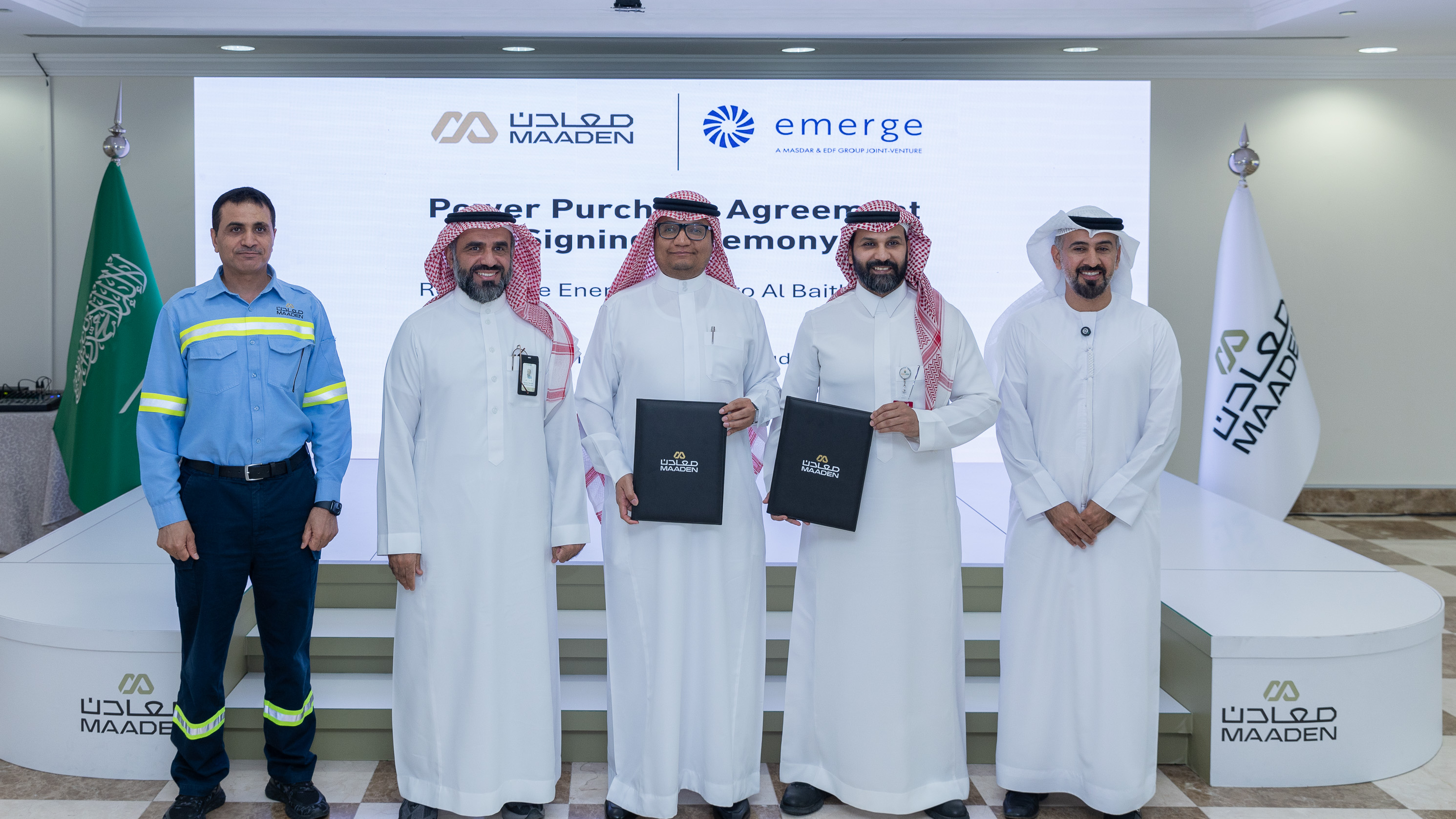
Saudi Arabian Mining Company, widely known as Saudi Arabian Mining Company, has outlined plans to establish a joint venture with Midana Exploration Pay Ltd to advance minerals exploration, development and mining across licensed areas of the kingdom, in a move that underscores the country’s push to expand its non-oil resource base.

Under the proposed structure, the joint venture will be capitalised initially at $5 million, with Maaden holding a controlling 50.1% stake and Hancock owning the remaining 49.9%. The vehicle is expected to focus on early-stage exploration as well as the development and eventual sale of mineral resources identified within approved concession blocks, subject to regulatory clearances.

The announcement comes as Saudi Arabia accelerates efforts to map and commercialise its estimated multi-trillion-dollar mineral endowment, a pillar of the Vision 2030 strategy aimed at diversifying fiscal revenues and building domestic industrial supply chains. Officials and industry executives have repeatedly highlighted underexplored deposits of gold, copper, zinc, phosphate, bauxite and rare earth elements as areas of strategic interest.

Maaden, majority owned by the Public Investment Fund, has over the past decade evolved from a single-commodity operator into a diversified mining champion spanning gold, aluminium, phosphate fertilisers and industrial minerals. The proposed partnership with Hancock signals a renewed emphasis on upstream exploration, an area that demands specialised geological expertise, patient capital and risk-sharing arrangements.

Hancock, through its local exploration arm, has built a portfolio of prospecting licences and geological data across several regions of the kingdom. Industry observers say its familiarity with Saudi Arabia’s licensing framework and field operations complements Maaden’s balance sheet strength, project development experience and access to downstream markets.

According to people familiar with the matter, the joint venture is designed to move swiftly from desktop studies to on-ground surveys, including geophysical mapping and targeted drilling. Any commercial discoveries would then be evaluated for standalone development or integration into Maaden’s existing asset base, depending on scale, mineral type and infrastructure considerations.

The modest initial capital reflects the early-stage nature of the venture, with provisions allowing for additional funding rounds as projects advance. Mining analysts note that exploration budgets often expand sharply once priority targets are identified, particularly for metals linked to energy transition technologies such as copper and battery minerals.

Saudi Arabia has spent heavily on geological surveying over the past few years, releasing high-resolution data to attract private and foreign investors. The Ministry of Industry and Mineral Resources has also reformed the mining law to streamline licensing, strengthen environmental oversight and provide longer concession terms, measures that have been welcomed by global miners.

Within this policy backdrop, Maaden’s majority stake ensures strategic alignment with national priorities while allowing its partner operational flexibility. The 50.1-49.9 split also gives Maaden consolidation rights over any successful projects, a factor likely to reassure lenders and potential offtake partners at later stages.

Market participants see the joint venture as part of a broader trend of collaborative exploration models in the kingdom, where state-backed entities pair with specialised firms to spread risk and accelerate discovery timelines. Similar structures have been adopted in other resource-rich jurisdictions seeking to build domestic mining ecosystems without shouldering all the geological risk alone.

Environmental and social governance considerations are expected to feature prominently as projects move forward. Saudi regulators have tightened requirements around land rehabilitation, water use and community engagement, and Maaden has publicly committed to aligning new developments with international sustainability benchmarks.


Arabian Post Staff -Dubai Abu Dhabi National Energy Company PJSC, known as Abu Dhabi National Energy Company PJSC, and Emirates Water and Electricity Company have finalised a 3.6 billion dirham agreement for the Al Dhafra Power Plant, marking a significant addition to Abu Dhabi’s generation capacity and underlining continued investor confidence in the emirate’s regulated utilities framework. The transaction centres on a long-term project financing structure in […]

Abu Dhabi Global Market, the international financial centre of the capital, has crossed a defining threshold as it enters its second decade, announcing the onboarding of 11 major global financial institutions that together manage more than $9 trillion in assets. The expansion has lifted total assets under management on its platform to about $746 billion, up sharply from $635 billion a year earlier and roughly $450 billion […]

A sharp fall in Iran’s rial has triggered demonstrations in the heart of Tehran, exposing mounting pressure on household budgets and traders as prices of basic goods accelerate amid tightening financial conditions and long-running sanctions. State television on Monday broadcast blurred footage it described as limited unrest by merchants at Grand Bazaar, while videos circulating on social media indicated wider participation, with shopkeepers pulling down shutters and […]

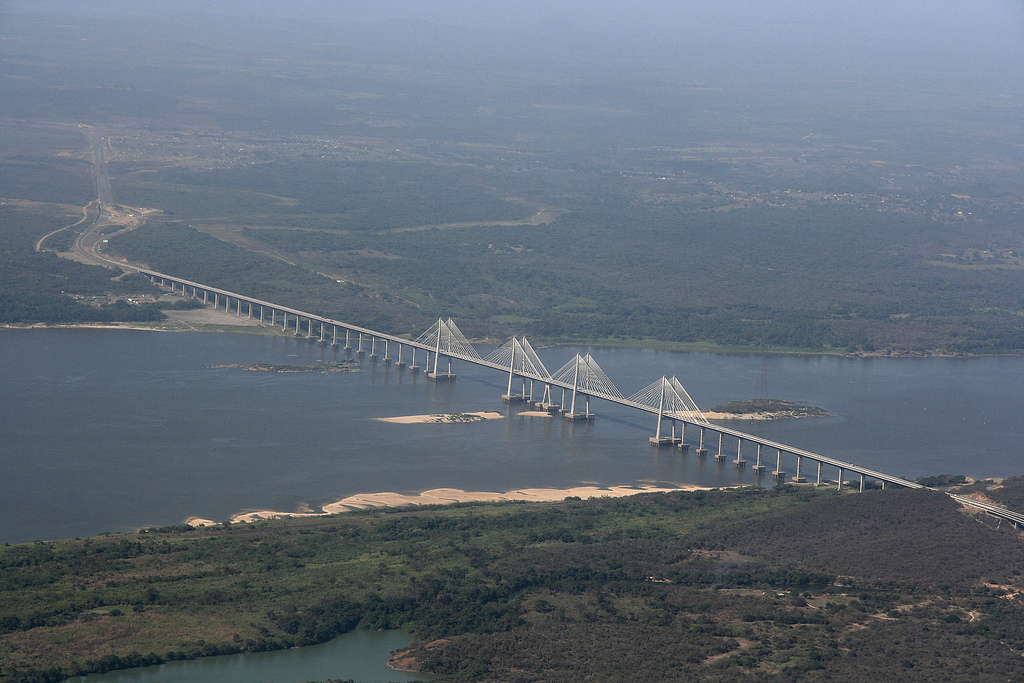
Venezuela has begun shutting oil wells in its prolific Orinoco Belt after storage filled up and inventories swelled, a move that underscores the operational strain facing the state producer as financial pressure from Washington tightens. The cutbacks, which started on 28 December, are set to lower heavy crude output by at least a quarter in the belt that holds the world’s largest known oil deposits, according to people familiar with internal operations.

Petroleos de Venezuela SA, known as PDVSA, is aiming to bring Orinoco production down to about 500,000 barrels a day, the people said. That reduction equates to roughly 15% of the country’s total output of around 1.1 million barrels a day. The wells were idled as tanks reached capacity and export bottlenecks left little room to keep pumping.

The Orinoco Belt, stretching across eastern Venezuela, has been the backbone of the nation’s oil recovery over the past two years as PDVSA revived projects, leaned on foreign partners and relied on intermediaries to place barrels abroad. Heavy crude from the belt requires blending and specialised handling, making storage constraints particularly acute when exports slow or logistics falter.

The curtailment comes amid a renewed effort by the Donald Trump administration to financially squeeze Caracas. Measures have focused on limiting cash flows and tightening scrutiny of trade channels that had allowed Venezuelan oil to reach global markets. While PDVSA has navigated sanctions for years through complex trading arrangements, the latest actions have reduced the room for manoeuvre.

Operationally, the impact is immediate. Engineers have prioritised shutting wells with higher water cut or maintenance needs, while keeping strategic upgraders running to preserve reservoir integrity. Restarting heavy-oil wells can be costly and time-consuming, raising the risk that some output may not return quickly even if conditions improve.

For the government in Caracas, the setback dents a fragile rebound that had lifted production from historic lows. Oil remains the main source of hard currency, funding imports and social spending. Lower volumes threaten fiscal plans at a time when inflation has moderated but public finances remain stretched.

Internationally, the cuts add a layer of uncertainty to heavy crude markets. Refineries in Asia and the United States Gulf Coast have relied on Venezuelan grades as substitutes for similar barrels from elsewhere. Traders said tighter availability could widen discounts and prompt buyers to seek alternatives from Canada or the Middle East.

PDVSA’s partners in the Orinoco Belt, including joint ventures with foreign companies, are also affected. Output reductions translate into lower liftings for partners and could complicate investment decisions. Several projects had been ramping up after maintenance and drilling campaigns, betting on stable export routes.

The government has framed the situation as a temporary adjustment driven by logistics rather than geology. Officials argue that reserves remain intact and that production can rebound once storage is freed and exports normalise. Behind the scenes, PDVSA has been exploring options to lease additional floating storage and accelerate shipments to Asia, though payment and insurance hurdles persist.

Analysts note that the episode highlights structural weaknesses. Venezuela’s oil infrastructure has suffered years of underinvestment, leaving little buffer when trade flows are disrupted. Power outages, pipeline leaks and equipment shortages have repeatedly constrained operations, forcing stop-start cycles that erode efficiency.

In the broader geopolitical context, the pressure campaign reflects Washington’s leverage over energy finance and shipping. Even when licences allow limited trade, banks, insurers and carriers often tread cautiously, amplifying the impact on producers like PDVSA. The result is a stopgap approach that prioritises managing bottlenecks over long-term optimisation.

VISHNU RAJA
RYO YAMADA
HITORI GOTOH
IKUYO KITA
Just in:
CM disputes Vijayan’s claims // Emaar approves Development buyout ahead of planned delisting // Private varsities bill all set to face the axe // ADNOC secures decade-long LNG supply pact with Gujarat Energy // Battle Uttar Pradesh Will Be Tougher For Yogi Than Expected // HKUST President Prof. Nancy IP Receives UNESCO–Equatorial Guinea International Prize for Research in Life Sciences // Trump’s Iran War Has A Share Of Contribution To His Midterm Debacle // Dubai details five-year visa benefits for returning visitors // Democrats Gearing Up For 2028 Presidential Elections To Gain Full Power // HKUST President Prof. Nancy IP Receives UNESCO–Equatorial Guinea International Prize for Research in Life Sciences // Ousted top Kochi cop gets IG post // Elephant calf on death line airlifted for treatment in Gujarat // Oil advances towards $100 as tanker attacks persist // The “1st Greater Bay Area Health and Longevity Summit & Awards Ceremony” concludes successfully in Macao // Miss Universe Hong Kong Jen Zhou Departs for Puerto Rico to Compete in the 75th Miss Universe World Final // India Under Pressure To Join RCEP On The Eve Of ASEAN Summit In Manila On Nov 15-17 // Microfinance case trouble for Vellappally // Ningbo Consensus on Collaborative Development released at 2026 Global Mayors Dialogue · Ningbo // Geely’s i-HEV Intelligent Hybrid Technology Offers a New Direction Vision for Gasoline-Powered Vehicles // Motorola introduces Signature 27 flagship priced at $1,599 //