News related to
Dhabi

GCC countries secured $3.4 bn from 24 initial public offerings in the first half of 2025, down 6% from $3.6 bn over 23 listings a year earlier, according to a report by Kuwaiti research firm Markaz. Saudi Arabia drove the surge, contributing $2.8 bn through 22 IPOs—an increase of 36% year‑on‑year—while the UAE and Oman saw more subdued performances.

Oil‑price volatility, US tariff threats and global trade uncertainty weighed on market sentiment, but issuance volumes rose. The number of offerings edged higher to 24 from 23 in H1 2024, illustrating issuer appetite amid wider economic headwinds.

Saudi listings captured 85% of the total proceeds, reinforcing its dominance in the regional IPO pipeline. The Kingdom raised $2.8 bn, up from $2.1 bn in the first half of 2024, with 22 issuances compared to 19 a year ago.

The UAE saw a substantial 88% drop in IPO proceeds, with just one public offering—Alpha Data—raising $163 m in Abu Dhabi. Oman followed with the debut of Asyad Shipping Company, generating $333 m on the Muscat bourse. No IPOs were recorded in Kuwait, Qatar or Bahrain during this period.

Sector analysis reveals the industrials segment led with $1.4 bn in proceeds, bolstered by Flynas and Asyad Shipping Company. Real estate followed with demand for development and construction offerings, while healthcare IPOs collected $505 m. Financial services and technology contributed $408 m and $204 m respectively.

Performance after listing was mixed. Ten of the 24 companies saw positive returns by the end of June. Asyad Shipping led the pack, with its stock surging 835% since its March 12 listing. Umm Al Qura in Saudi Arabia recorded a 51% gain. On the downside, Hedab Alkhaleej, Dkhoun National Trading and Service Equipment fell by 30%, 27% and 26% respectively. Flynas edged slightly lower by 0.2%, despite an initial dip.

Wider equity market performance across the region showed divergence. Kuwait’s bourse rose 18.1% year‑to‑date, followed by Dubai, Abu Dhabi and Qatar, while Oman, Bahrain and Saudi Arabia retreated by 1.7%, 2.1% and 7.6% respectively.

Geopolitical shocks—including renewed US tariff threats and oil price fluctuations— exerted pressure on national indices. On Monday, Saudi Arabia’s Tadawul shed 0.2%, while Dubai, Abu Dhabi and Qatar all fell in the range of 0.3–0.5%. Investors are watching US inflation signals and Fed decisions closely, given the peg of Gulf currencies to the dollar.

Despite softer proceeds overall, the strong issuance tally suggests issuers seized a narrow window before heightened uncertainty. A PwC analysis of Q1 showed GCC IPOs rose 33%, raising $1.6 bn from 11 deals, with Saudi Arabia capturing nearly 70% of that total.

Looking ahead, Saudi Arabia is expected to maintain momentum, driven by privatisation efforts and a diverse pipeline of government-linked listings led by the Public Investment Fund. The UAE is projected to ramp up activity in industrials and tech, while Kuwait is implementing regulatory reforms to stimulate listings.

Market analysts caution that global headwinds remain. PwC flagged how tariff announcements and macroeconomic instability continue to disrupt IPO sentiment globally. Within the GCC, sustained oil-price volatility and tightening monetary conditions add complexity.

Nevertheless, Gulf capital markets have demonstrated resilience. Encouraged by diversified sector participation and healthy post-listing gains, policymakers and market participants appear poised to capitalise on remaining windows of stability.
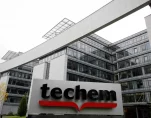
Abu Dhabi’s Mubadala Investment Company, Partners Group, GIC and TPG Rise Climate have agreed a €6.7 billion deal to acquire Techem, the Frankfurt-based energy‑efficiency firm, in a strategic move poised to reinforce digital-first submetering and sustainability in European real estate.

The transaction—set to conclude in the second half of 2025, pending regulatory approvals—will see Partners Group’s infrastructure arm retain a controlling stake, while Mubadala, GIC and TPG Rise Climate take minority positions alongside, marking a rotation in ownership strategy. The sale ends the tenure of the prior consortium including La Caisse and Ontario Teachers’ Pension Plan, which supported Techem since 2018.

Techem, founded in 1952 and based in Eschborn, operates in 18 countries and serves more than 440,000 customers with over 13 million dwellings under its care. Approximately 62 million devices are currently installed across its footprint.

Under Partners Group’s 2018 private equity-led acquisition, Techem grew its sales beyond €1 billion and increased EBITDA by nearly 50%. This expansion solidified its role as a leading provider of submetering services—a crucial component in the decarbonisation of real estate, a sector responsible for around 40% of global CO₂ emissions.

The new ownership strategy aims to deepen digital integration, expand offerings to include smart meters, and capitalise on evolving regulations, rising energy prices and corporate net-zero commitments. “Techem is at the forefront of energy services and is uniquely positioned to drive energy efficiency within the real estate sector,” noted Boon Chin Hau, CIO of GIC Infrastructure, underscoring the group’s confidence in Techem’s strategic outlook.

Abdulla Mohamed Shadid, Head of Energy and Sustainability at Mubadala’s private equity platform, emphasised the importance of helping find solutions to global challenges, reflecting the company’s ongoing shift toward purpose-driven capital deployment. Implementation will include further digitalisation of operations and service expansions tailored to improve building efficiency.

This deal, valued at €6.7 billion, ranks among the year’s largest private‑market transactions globally.

Techem’s technology deploys submetering for heating and water, enabling accurate billing and encouraging lower consumption. Their low‑investment, non‑invasive approach aligns well with landlords and property owners seeking cost-effective energy solutions. Trends in European regulation and growing pressure on emissions reduction give the firm a favourable market tailwind—a factor the new consortium appears ready to exploit.

Despite an earlier attempt by TPG to buy out Techem independently in October 2024, that bid fell through after EU antitrust scrutiny. The current agreement reflects a more collaborative structure that shares risk and maintains continuity under infrastructure stewardship.

Commenting on continuity, Techem’s CEO Matthias Hartmann stated that the company’s strategic direction would remain unchanged, emphasising a steady course under the incoming partners.

The transaction parallels broader investment patterns in smart‑energy firms. Over the past year, GIC has partnered with investors such as EQT to acquire UK smart‑meter provider Calisen—a sign of growing interest in climate‑aligned infrastructure.

With assets under management spanning global private markets, Partners Group leads the infrastructure side with over US$27 billion, while Mubadala and GIC bring sovereign-backed financial clout, and TPG Rise Climate adds dedicated impact‑investment expertise; together they form a powerful alliance geared towards scaling energy efficiency across European real estate.

Globally recognized UI/UX and growth marketing agency Tenet (We Are Tenet) selected to spearhead digital growth initiatives for Yomly, two-time ‘HR Software of the Year’ winner at the Entrepreneur Middle East Tech Innovation Awards, as the company accelerates international expansion & enterprise market penetration. Dubai, UAE — July 14, 2025 — Tenet, an award-winning global growth marketing and UI/UX design agency, today announced its selection as the […]

Dragon Oil’s board has named Abdulkarim Ahmed Al Maazmi as Acting Chief Executive Officer, entrusting him with steering the company’s strategic trajectory. With a career spanning more than four decades in the oil and gas sector, he succeeds Ali Rashid Al‑Jarwan—CEO since March 2017—in a leadership transition that signals continuity in the firm’s pursuit of global growth.

Al Maazmi joined Dragon Oil, a wholly owned subsidiary of Emirates National Oil Company, in May 2018 as Executive Director of Exploration & New Ventures, overseeing operations across the MENA region. Prior to that, his career included senior roles that shaped key upstream strategies, including serving as President and General Manager of BP UAE in July 2011. There he led partnerships with ADNOC and the Government of Sharjah and oversaw approximately 235,000 barrels per day of oil production.

Board members acknowledged Al Maazmi’s “high‑calibre leadership and strategic vision” as critical to guiding Dragon Oil’s established assets in Turkmenistan, Egypt and Iraq, as well as its commitment to operational excellence, safety and sustainability. The LinkedIn announcement highlights his appointment as “reflecting continued commitment to operational excellence, safety, sustainability, and expanding our global footprint in support of energy security and economic development”.

During his tenure, Al Maazmi steered major strategic projects. In Turkmenistan, he played a pivotal role in projects within the Cheleken Contract Area, consolidating Dragon Oil’s productive presence there since 2000. He also guided initiatives in Egypt’s Gulf of Suez through the GUPCO joint venture and advanced development in Iraq’s Block 9 in partnership with EGPC and KEC.

Stakeholder relations have also been a hallmark of his career. Between 2011 and 2016, Al Maazmi served on the boards of regional energy firms such as ADCO, ADMA, ADGAS, NGSCO and Bunduq Abu Dhabi, and contributed to governance at the Petroleum Institute and the Emirates National Development Program. His track record in negotiating concession renewals and delivering results in multicultural environments underlines his diplomatic and managerial prowess.

In his new leadership role, Al Maazmi inherits a portfolio that includes mature fields like those in Turkmenistan’s Caspian Sea, growth-led projects in the Gulf of Suez, and exploration ventures in Iraq. Observers anticipate his emphasis will include reinforcing localisation and succession planning—as promoted by the UAE government—while also aligning operations with global decarbonisation goals and emerging regional dynamics.

Colleagues report his approach blends technical depth with empowerment of multi‑disciplinary teams, underpinned by an accountability-focused mindset. This ethos was celebrated during a Dragon Oil town‑hall in July 2025 under the theme “One Team, One Vision”, where Al Maazmi emphasised collective effort in achieving strategic aims across Dubai headquarters and field sites.

Industry analysts view the appointment as timely. As upstream players adjust strategies amid evolving energy demand and geopolitical shifts, leadership continuity becomes a critical asset. Al Maazmi’s elevation reflects Dragon Oil’s desire to maintain momentum in long‑standing assets while exploring new areas of growth and innovative technologies.

His stewardship is also expected to further strengthen Dragon Oil’s ties with host governments. A meeting in late 2024 between Al Maazmi and Turkmenistan’s deputy prime minister reinforced state-level confidence in Dragon Oil’s capacity to deliver mutual benefits. Such relationships are vital as the company aims to balance production targets with evolving energy policies.

This leadership transition also aligns with ENOC’s broader strategy to position Dragon Oil as a national champion in upstream operations. As acting CEO, Al Maazmi is likely to champion projects that balance commercial returns with the UAE’s sustainability and security objectives, while also nurturing domestic talent through Emiratisation and professional development initiatives.

With over forty years in the industry and an extensive track record—from field production to corporate governance—Abdulkarim Al Maazmi emerges as a poised leader for Dragon Oil’s next chapter. His appointment signals a commitment to operational resilience, international collaboration and long‑term value creation in a sector grappling with transformation.

UAE’s new Comprehensive Economic Partnership Agreement with Azerbaijan has catapulted bilateral non‑oil trade to unprecedented levels, now accounting for half of Azerbaijan’s commerce with Gulf Cooperation Council countries. This landmark pact promises to mould economic trajectories for both nations by 2031.

Dr Thani bin Ahmed Al Zeyoudi, UAE Minister of Foreign Trade, revealed that non‑oil trade surged by 36.2 percent in 2024, reaching US $2.24 billion—equivalent to 50 percent of Azerbaijan’s trade with the GCC. This accomplishment is underpinned by a robust 4.1 percent expansion in Azerbaijan’s overall GDP and a 6.3 percent rise in its non‑oil sector.

Signed in Abu Dhabi with the presence of UAE President Sheikh Mohamed bin Zayed Al Nahyan and Azerbaijani President Ilham Aliyev, CEPA is expected to inject US $680 million into UAE GDP and US $300 million into Azerbaijan by 2031. It further cements the UAE’s status as Azerbaijan’s top Arab investor, with cumulative UAE investments now exceeding US $1 billion.

The CEPA supports strategic priorities in manufacturing, automotive, agriculture, logistics, and financial services, with planned expansion of UAE investments in energy and renewables via state-owned giants ADNOC and Masdar. Masdar’s portfolio in Azerbaijan is set to exceed 1.2 GW by 2027 following a 4 GW renewables agreement including solar and hydrogen projects.

This accord also aligns with broader UAE ambitions under its CEPA programme, aimed at achieving US $1.1 trillion in non‑oil trade by 2031. Already, the initiative delivered a record US $816 billion in 2024, marking a 14.6 percent year-on-year increase, and positions the UAE as having 27 CEPA agreements with markets comprising over one‑quarter of global population.

Beyond trade figures, CEPA signifies a strategic push to diversify UAE exports and deepen supply‑chain resilience. It enables Azerbaijani goods access to Gulf and global markets, while encouraging UAE capital deployment in Eastern Europe via Azerbaijan’s Gateway logistics advantage. Sectors like food security, real estate, and logistics are flagged for development across both economies.

Financial cooperation is gaining momentum too. Talks between Azerbaijan’s Central Bank and Abu Dhabi Securities Exchange may lay groundwork for capital-market linkages. Additionally, Azerbaijani remittances to UAE saw a 52.1 percent rise in Q1 2025, reaching US $18.8 million.

Humanitarian and environmental collaboration with CEPA includes UAE support for demining through Azerbaijan’s Mine Action Agency and joint efforts during COP summits.

CEPA is poised to enrich private‑sector ties, particularly for SMEs, while also strengthening tourism links—highlighted by over 185 monthly flights connecting the UAE and Azerbaijan. Earlier cooperation has boosted non‑oil trade 43 percent in 2024 to about US $2.4 billion.

In the energy domain, strategic joint ventures have been flourishing. ADNOC holds a 30 percent stake in Azerbaijan’s Absheron project, and SOCAR reciprocated with oil‑field stakes in UAE territory. Renewable efforts include a 445 MW solar plant in Bilasuvar and a 315 MW installation in Neftchala under Saudi-UAE investment.

Greenlogue/AP UAE health and finance leaders have been urged to expedite air quality improvements, with a new report estimating annual savings of $596 million if pollution levels align with World Health Organization guidelines. The projected gains stem from fewer hospital admissions, drops in respiratory illnesses such as asthma, and reduced premature mortality. The study, led by Economist Impact, highlighted over 94 per cent of the global population lives in areas […]

UAE’s Ministry of Energy and Infrastructure has restated its unwavering aim to lift crude oil production capacity to five million barrels per day by 2027 amid shifting global energy demand. The clarification from Abu Dhabi follows remarks from the Energy Minister indicating potential capacity growth beyond that goal.

Aligned with its declared strategy, the nation insists the 5 million bpd target remains intact. Energy Minister Suhail Mohamed al‑Mazrouei, speaking at the Opec International Summit in Vienna, emphasised the UAE could scale up to six million bpd if global markets required—while making clear this figure is not an official target.

Presently, UAE’s production capacity stands at around 4.85 million bpd. The ministry’s public affirmation underscores long‑established plans by Abu Dhabi National Oil Company to align with wider economic imperatives, including state‑led diversification and responsible growth.

On the sidelines in Vienna, Minister al‑Mazrouei pointed to oil inventories that have not surged, interpreting it as evidence of sustained market demand. He characterised the additional million barrels potential as a proactive choice, contingent on demand, rather than a binding pledge.

Opec+ has already increased the UAE’s production quota this year, acknowledging its heavy investment in expanding capacity from 3 million to 4.85 million bpd. That quota adjustment reflects a bid to balance output with capacity and avoids penalising investment-led increases.

Global energy forecasts cited at the summit envision oil demand climbing by nearly 19 percent to 123 million bpd by 2050, driven by economic growth, urbanisation, and energy‑intensive industries such as artificial intelligence. Despite this, Opec has revised its short‑term forecast downward amid signs of slowing demand in China. Long‑term growth, however, is expected from regions including Asia, the Middle East and Africa.

ADNOC’s accelerated expansion plan—bringing forward its 5 million bpd capacity objective from 2030 to 2027—was endorsed by the board under the leadership of His Highness Sheikh Mohamed bin Zayed Al Nahyan, supported by CEO Sultan Ahmed Al Jaber. The strategy forms part of a broader state-led drive combining energy security with economic diversification and sustainability.

While bolstering its crude oil output, ADNOC is also investing heavily in low‑carbon solutions. It allocates about US $5 billion annually to clean energy and has set a net‑zero emissions ambition for 2045. The company is integrating solar and nuclear power into offshore fields and is implementing carbon‑capture technologies in major developments.

ADNOC’s low-carbon division recently acquired Germany’s Covestro for US $16 billion, signalling a move to diversify into value‑added petrochemicals such as plastics, foams and ammonia. Its strategy foregrounds gas, chemicals and downstream operations alongside oil capacity growth, in anticipation of structural shifts in global energy use.

The UAE is poised to become the world’s fourth-largest oil and liquids producer if the anticipated expansion is achieved, trailing only the United States, Saudi Arabia and Russia. At six million bpd capacity, it would surpass producers such as Canada, China, Iraq and Iran in scale.

However, uncertainties remain. The pace of global energy transition, the adoption of renewables, and potential peaking of oil demand—especially in China—pose risks to long-term strategy. But the UAE appears ready to hedge by maximizing flexibility: build for five million bpd, yet leave room to stretch if markets demand.

The public reaffirmation by the ministry serves both domestic and international audiences: showcasing earnest delivery of targets, reassuring investors on energy stability, and reinforcing the UAE’s position as a stabilising force within Opec+.

Advertisements

Masdar City has initiated real‑world testing of Level 4 autonomous vehicles, partnering with smart mobility firm Solutions+, a Mubadala venture. Overseen by Abu Dhabi’s Integrated Transport Centre, the pilot marks a deliberate move in the emirate’s drive to establish itself as a leading smart and sustainable transport hub. The programme involves the registration, safety certification and operational approval of fully autonomous vehicles for deployment across a 2.4 km […]

Abu Dhabi—The Central Bank of the UAE has revoked the licence of Al Khazna Insurance Company P. S. C under Article 33 of Federal Decree Law No. 48 of 2023 governing insurance activities, after the firm failed to meet mandatory licensing requirements during a suspension period.

The central bank’s investigations uncovered persistent non-compliance with both the Insurance Law and additional CBUAE regulations throughout the suspension, leading to decisive regulatory action. The move underscores the regulator’s commitment to maintaining the integrity and transparency of the UAE’s insurance sector and broader financial system.

Al Khazna, based in Abu Dhabi, saw its licence suspended earlier in line with provisions introduced under the 2023 law. As part of this suspension, insurers are required to resolve any compliance gaps before licence reinstatement. However, the CBUAE found that Al Khazna failed to correct these deficiencies during that period.

Regulatory scrutiny appears to have intensified since the Insurance Law came into effect, as authorities aim to bolster trust in financial markets. The central bank, acting through its supervisory mandate, has intensified examinations across insurance entities to ensure adherence to legal and regulatory standards.

Industry analysts note that the revocation itself does not automatically trigger an exit cascade, but it sends a stern warning. “Companies that fail to meet minimum capital, solvency or operational standards risk losing their licences outright,” said an insurance consultant based in Dubai. The loss of licence bars Al Khazna from conducting any further insurance operations in the UAE unless formally reinstated under strict new terms.

Under the Insurance Law, the CBUAE is mandated to revoke licences if, during suspension, firms fail to comply with corrective actions, including capital adequacy, governance, risk management and statutory reporting. The central bank’s review team reportedly flagged multiple gaps, though details of specific breaches have not been made public.

The CBUAE’s zero-tolerance approach signals broader regulatory tightening across financial services. Since March, the central bank has levied fines totaling over AED 2.6 million against certain insurance firms and banking institutions for breach of tax compliance, antimoney‑laundering and other framework violations.

Following Al Khazna’s licence revocation, policyholders may face claims uncertainty. The CBUAE has provided guidelines to insurers under licence suspension, recommending them to continue servicing in-force policies and settle outstanding claims under regulatory oversight. It is expected that the regulator will enforce a similar approach for Al Khazna to safeguard consumer interests. Discussions are reportedly underway with other operators to absorb liability where needed, according to industry insiders.

Market reaction has been muted so far. Shares of listed insurers remained steady, while privately held peers are reviewing their own compliance procedures. “This clearly demonstrates that regulatory grace periods must be matched with swift corrective action and transparency,” said the insurance consultant in Dubai.

Al Khazna joined a wave of sector-wide transformation last year when the Insurance Law was introduced. Designed to implement international best practices, the legislation set new capital thresholds, risk frameworks and governance structures for all insurers its jurisdiction. Experts say the law’s strict enforcement marks a seminal shift towards a more robust and risk-aware sector.

A spokesperson for the CBUAE emphasised that regulatory enforcement will continue. “The decision affirms our mandate to uphold the stability and integrity of the UAE’s financial system,” the spokesman said at a press briefing in Abu Dhabi. “All insurance firms must adhere fully to the legal and regulatory standards or face similar consequences.”

Al Khazna’s licence revocation now places it among a small but growing list of financial firms that have failed to align swiftly with enhanced regulatory norms. It remains unclear whether the firm will pursue a licence reinstatement by dissolving all compliance breaches or whether it will exit the market. Sources within the firm declined to provide comment on next steps.

Following Al Khazna’s licence revocation, the central bank may step up its inspection frequency across the sector. Regulators are expected to issue fresh guidance to insurers on enhancing risk management, capital planning and governance practices. Analysts believe this incident will encourage all players to accelerate internal audits and compliance enhancements.

The CBUAE has also emphasised its openness to collaboration. It continues to engage with industry stakeholders via working groups and technical committees to align regulatory expectations with market realities while protecting policyholders.

ADNOC Gas has finalised a supply agreement worth 1.5 billion dirhams with Germany’s SEFE Securing Energy for Europe, signalling a significant push to reinforce the energy partnership between the UAE and European markets. The three-year contract will see ADNOC Gas deliver 0.7 million tonnes of liquefied natural gas, with shipments commencing this year from the Das Island liquefaction facility. The deal forms part of Europe’s broader strategy […]

Greenlogue/AP Abu Dhabi’s renewable energy developer Masdar and Spanish energy giant Iberdrola have announced a joint investment totalling €5.2 billion in the UK’s 1.4 GW East Anglia Three offshore windfarm. The project, located around 69 km off the Suffolk coast, will be equally co-owned—50:50—by both firms and supported by a €4.1 billion financing package arranged by 24 international banks. East Anglia Three forms part of a decade‑long partnership underpinned by a broader […]

Stonepeak, a US-based infrastructure investor, has agreed to acquire a 50 per cent co-controlling stake in IFCO Group from a subsidiary of the Abu Dhabi Investment Authority. The transaction positions Stonepeak alongside European mid-market investor Triton, which will continue its existing 50 per cent ownership. Financial terms were not disclosed, and the deal remains subject to customary regulatory approvals, with completion targeted in the fourth quarter of 2025.

Founded in 1992, IFCO operates one of the world’s largest reusable packaging container systems, managing over 400 million units and facilitating approximately 2.5 billion shipments of fresh food annually across more than 50 countries. This extensive network, supported by around 140 service centres, serves more than 18,000 growers and over 300 retailers, delivering substantial cost efficiencies, sustainability gains, and operational scalability compared to single-use packaging.

ADIA initially invested in IFCO’s carve-out from Australian logistics group Brambles in 2019, following a $2.5 billion sale to Triton. Over the intervening years, IFCO has undergone a comprehensive strategic and operational transformation, including enhanced digitalisation and an expanded global footprint, setting the stage for this latest ownership transition.

IFCO’s chief executive officer, Michael Pooley, praised the combined expertise of Stonepeak and Triton, emphasising that the new partnership will support growth and reinforce IFCO’s “market leading position globally”. Nikolaus Woloszczuk, Senior Managing Director at Stonepeak, described IFCO as a “critical component of the logistics infrastructure delivering fresh produce” and underlined the firm’s commitment to accelerating the company’s expansion—particularly in North America—as part of Stonepeak’s broader infrastructure investment strategy.

Triton’s co‑head of business services, Stephan Förschle, affirmed the firm’s ongoing commitment to IFCO, signalling confidence in the combined vision with Stonepeak to deliver value through digitalisation and sustainability initiatives. Representing ADIA, executive director Hamad Shahwan Aldhaheri noted that since the 2019 investment, IFCO had built “solid foundations for the future, based on strong operational performance and enhanced digital capabilities”.

Advisory teams have been engaged from both sides of the transaction. Citi and Morgan Stanley served as financial advisers to ADIA and Triton, with Bank of America also representing ADIA, while Kirkland & Ellis and Latham & Watkins provided legal counsel. Stonepeak was advised by Citi financially and Kirkland & Ellis legally.

Analysts indicate that the deal could value IFCO at approximately €5.5 billion including debt, implying a consideration near €2 billion for the 50 per cent stake, according to Bloomberg. This valuation reflects IFCO’s robust market position and future growth prospects in sustainable logistics.

The combination of Triton’s deep sector knowledge and Stonepeak’s infrastructure expertise—including its focus on transport, logistics, and digitalisation—positions IFCO to capitalise on rising demand for circular economy solutions in food supply chains. With container reuse gaining regulatory momentum and retailer focus on waste reduction intensifying, IFCO’s closed-loop model is becoming increasingly central to sustainable logistics strategies.

Market observers expect this deal to reinforce growing investor interest in circular supply chain infrastructure, especially as environmental and governance factors shape capital allocation. The high valuation underscored by global advisory firms suggests confidence in IFCO’s ability to deliver both financial returns and environmental impact through its RPC-based system.

The completion of this transaction in late 2025 will mark a significant milestone for all stakeholders. ADIA exits after six years of investment and strategic support. Triton remains, signalling continuity in governance and operation. Stonepeak enters as a long-term partner, with capital and network to help scale IFCO’s platform further—particularly in North America.

European Parliament approved the removal of the United Arab Emirates from its “high-risk third countries” list for money laundering and terrorist financing, a decision aligned with its earlier removal by the Financial Action Task Force in February 2024 and marking a pivotal regulatory victory. This shift reduces the compliance burden on trade and financial flows, enhancing Abu Dhabi’s ambitions to deepen ties with Brussels and attract global investors.

Parliament’s vote endorsed the European Commission’s update to the list, which also saw the UAE’s delisting alongside jurisdictions like Gibraltar, Barbados and Panama, while new entries such as Monaco and Kenya were added. The move followed intense technical dialogue between Emirati authorities and EU institutions, satisfying the bloc’s concerns with enhanced cooperation on financial intelligence sharing and asset recovery.

Mohamed bin Hadi Al Hussaini, the Minister of State for Financial Affairs, described the decision as a “strategic milestone” that underscores global recognition of the UAE’s robust framework. He emphasised that this represents a shift toward positioning the UAE as a transparent, resilient and globally trusted financial centre – a foundation for attracting sustained investment.

These reforms follow a sweeping crackdown on non-compliance, with over AED 339 million in fines levied by the Central Bank on exchange houses, banks and insurers. The fines were part of a wider national strategy enacted under Federal Decree‑Law 20/2018 and its amendments, stretching regulatory oversight to real estate, precious metals, auditing and digital asset sectors.

Hamid Saif Al Zaabi, Secretary‑General of the National Anti‑Money Laundering and Combating the Financing of Terrorism Committee, told WAM that the EU’s removal affirms successful system‑wide integration across public and private sectors. He described the outcome as the result of a sustained national strategy dating back to 2014, supported by Cabinet-approved action plans and ongoing capacity‑building initiatives.

Despite commendations for its progress, Transparency International cautioned that delisting should not be interpreted as full clearance. The organisation noted persistent challenges in real estate safeguards and oversight of politically exposed persons, calling for ongoing vigilance and structured dialogue.

Financial experts note that removal from the EU’s list could yield significant economic dividends. The International Monetary Fund estimates capital inflows may surge by as much as 7.6 per cent of GDP, with foreign direct investment potentially rising by around 3 per cent. Gulf region analysts view delisting as unlocking smoother trade with Europe across sectors such as renewable energy, fintech and digital infrastructure.

Diplomatic messaging framed the delisting as a mutual strategic victory. UAE Minister Ahmed bin Ali Al Sayegh called it “independent recognition” of Abu Dhabi’s dedication to high international standards. EU Ambassador to the UAE Lucie Berger described it as deepening trust and advancing a shared commitment to economic safeguard and global security. Simultaneously, EU trade officials suggested that the move removes political and regulatory barriers ahead of ongoing free trade agreement negotiations with the UAE.

While the FATF had cleared the UAE in early 2024, the EU’s delayed action mirrored its own rigorous oversight cycle. In March 2023, the EU flagged the UAE for strategic deficiencies before launching a renewed process that incorporated enhanced inter-agency cooperation and legal reform.

Next on the UAE’s reform agenda is ensuring resilience in emerging risk domains such as cryptocurrency laundering and cross-border terror financing. Analysts emphasise that maintaining international trust will require sustained enforcement, legislative updates scheduled for later this year and deeper public–private collaboration.

Nigeria has secured a $747 million syndicated loan, led by Deutsche Bank, to fund the initial 47.47‑kilometre phase of its flagship coastal highway spanning from Victoria Island to Eleko Village in Lagos. The Ministry of Finance confirmed the financing on Wednesday, marking a record for road infrastructure funding in the country. Lenders in the syndicate include First Abu Dhabi Bank, African Export‑Import Bank, Abu Dhabi Exports Office, ECOWAS […]

With Bitcoin prices soaring past $100,000 again and investor optimism at a high, the UAE’s strategic push into crypto is paying off. But what does this bull market really mean for the country’s economy, its investors, and its long-term financial future? The UAE has spent the last few years laying the groundwork to become a global crypto capital. While some countries have struggled to regulate or simply […]

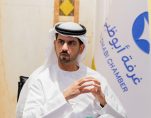
By Saifur Rahman Abu Dhabi Chamber of Commerce and Industry (ADCCI), which represents the private sector of the region’s economic powerhouse Abu Dhabi, said, its new three-year strategy announced in 2024 has started to bear fruits as its membership grew 4.9 per cent to 157,207 between September 2024 and June 2025. Since September 2024, ADCCI has hosted 69 business events with government bodies, welcomed 70 trade and […]

Dubai’s Roads and Transport Authority has formalised a Memorandum of Understanding with Pony. ai to commence pilot trials of self‑driving vehicles across the emirate later this year, laying the foundation for a fully driverless commercial service by 2026. The agreement marks a pivotal milestone in Dubai’s Smart Self‑Driving Transport Strategy, which aims to convert a quarter of the city’s journey volume into autonomous mobility by 2030. Senior […]

The Securities and Commodities Authority has granted formal approval for licensed portfolio management firms to offer robo-advisory services across the UAE mainland, marking a substantial enhancement to the nation’s digital investing infrastructure.

This federal authorisation extends beyond the jurisdiction of financial free zones such as the Dubai International Financial Centre and Abu Dhabi’s FSRA, bringing all robo-investment services under a unified regulatory umbrella. The move is expected to reinforce protections for retail investors via stricter oversight and compliance requirements.

Under the new regime, firms will deliver automated investment recommendations powered by artificial intelligence and advanced algorithms. These platforms evaluate individual risk profiles to design tailored asset allocations, typically leveraging exchange‑traded funds or index funds at lower cost than conventional advisory channels.

The SCA mandates a comprehensive governance framework: independent IT audits, stringent cybersecurity protocols, periodic algorithm reviews and transparent disclosures of fees and investment risks. Licensed providers will adhere to the existing discretionary and non‑discretionary portfolio management frameworks within client agreements.

SCA CEO Waleed Saeed Al Awadhi described the regulation as a manifestation of the UAE’s strategic digital transformation. He stated that integrating AI into investment decision-making will enhance efficiency and create “smart, sustainable, and secure financial solutions,” reinforcing the UAE’s goal of becoming a world-class financial hub.

Market analysts note that assets under management in global robo-advisory were forecast to reach US $2.06 trillion in 2025, with user numbers hitting 34 million by 2029. In the UAE, platforms such as Sarwa, StashAway and Baraka currently operate under DIFC and FSRA regulation, but this federal licence allows them to onboard mainland clients directly.

Retail investor appetite for technology-driven investment options has surged, as seen in the rising adoption of zero‑commission trading platforms including Robinhood, eToro and Interactive Brokers. The introduction of a federal licence for robo‑advisers is expected to broaden participation further.

Industry experts emphasise both promise and caution. Vijay Valecha, chief investment officer at Century Financial, applauds the harmonisation of regulation across jurisdictions, stating it “provides further protection and transparency to retail investors” and bolsters international competitiveness. Raaed Sheibani of StashAway commented that the clearer regulation framework will “expand digital investing in the UAE” and boost investor confidence.

However, concerns endure regarding the limitations of algorithmic advice. Rupert Connor of Abacus Financial Consultants warned that robo-advisers often lack capacity to handle complex scenarios involving tax planning, inheritance, or behavioural guidance during volatile markets. Financial coach Jay Adrian Tolentino added that algorithm-based systems may miss elements of personal context that can be crucial. Technical vulnerabilities, including outages or system failures, also remain a potential risk.

With stricter federal oversight, the SCA expects a rise in trust and participation from mainland investors, leveraging automation to democratise wealth creation. The initiative aligns with the UAE’s broader “We the UAE 2031” vision of fostering a knowledge-based, resilient economy through fintech innovation.

Dubai and Abu Dhabi have emerged as epicentres of a pioneering surge in electric air taxi trials, with two leading US firms—Joby Aviation and Archer Aviation—making significant strides toward establishing urban air mobility networks in the Emirates. Both pilots mark landmark achievements in eVTOL technology, underscoring the UAE’s ambition to lead the field by the mid-2020s.

Joby Aviation achieved a milestone in Dubai by completing its first manned transition flights. The aircraft executed full vertical take‑off, horizontal cruising and vertical landing sequences, signalling readiness for commercial operations as early as 2026. With a range reaching 160 km and cruise speeds up to 320 km/h, these flights demonstrate capability to transform journeys such as those between Dubai International Airport and Palm Jumeirah—cutting travel time from 45 minutes by road to around 12 minutes by air. Joby’s entry follows a six-year exclusivity agreement with Dubai’s Roads and Transport Authority, aligned with infrastructure build-out including a vertiport at DXB.

Almost simultaneously in Abu Dhabi, Archer Aviation conducted its inaugural test flight of the Midnight eVTOL at Al Bateen Executive Airport. The design, a carbon‑fibre‑skinned craft powered by multiple independent motors and battery packs, was evaluated under extreme climate conditions—high temperatures, humidity and dust—to validate UAE‑specific operational readiness. Emirati authorities, including personnel from the General Civil Aviation Authority, Abu Dhabi Investment Office and Abu Dhabi Airports, observed the flight, reinforcing the regulatory support behind the project.

Archer is impressively backed by institutional investors and strategic partnerships, having raised nearly US$2 billion, including funding from Stellantis, United Airlines and Abu Dhabi’s 2 Point Zero, positioning it well to deploy a “Launch Edition” fleet of air taxis in Abu Dhabi in early 2026. Its Midnight aircraft can accommodate one pilot and four passengers, reach speeds of up to 240 km/h, and recharge rapidly between Flights.

Dubai and Abu Dhabi’s dual-hosting of these test flights underscores a competitive yet complementary approach to cultivating the UAE as a global urban air mobility hub. Joby holds exclusive Dubai rights, while Archer has pledged infrastructure investment in Abu Dhabi, including converting facilities like the Cruise Terminal helipad into dual-use vertiports. Both firms enjoy the government‑backed Smart and Autonomous Systems Council and its SAVI cluster as key enablers.

Challenges persist: both operations require final regulatory approvals, sustainable vertiport rollout, and demonstration of consistent performance under harsh environmental conditions. Financial markets have already factored in execution risks; for example, Morgan Stanley moderated its price target for Joby amid aerospace supply-chain pressures. Yet ambitions remain bold. Joby is advancing FAA certification and aims to launch in other global markets, such as New York and Los Angeles, once Dubai begins operations. Meanwhile, Archer is linking global playbooks, forming networks with United Airlines and gearing for Olympic deployment in Los Angeles.

As both eVTOL manufacturers drive testing deeper into summer, UAE regulators are working in parallel to issue flight clearances. Joby’s vertiport in Dubai is set for Q1 2026 completion, while Aviation Authorities in both emirates coordinate type certifications.

The nation’s progressive embrace of air taxis represents a strategic leap in sustainable urban transit. Quiet, electric, zero-emission profiles align with broader UAE clean‑tech objectives. With ambitions to integrate these vehicles into daily commutes, airport shuttles and even rescue missions, policymakers are betting on airborne mobility becoming a normalised, accessible element of future transport regimes.

A landmark regulation issued by the UAE General Civil Aviation Authority introduces the world’s first official framework enabling electric Vertical Take-Off and Landing aircraft and conventional helicopters to operate interchangeably using the same infrastructure. This innovation positions the nation at the forefront of the global Advanced Air Mobility revolution, merging cutting-edge technology with established aviation systems. At the heart of this framework lies the decision to permit […]

Abu Dhabi Securities Exchange has opened the pricing stage for the first blockchain-based digital bond in the Middle East and North Africa, issued by First Abu Dhabi Bank and powered by HSBC Orion, marking a significant leap in regional capital market innovation. Global investors will be able to participate through accounts at the Central Moneymarkets Unit in Hong Kong, Euroclear, Clearstream or via HSBC Orion, either directly or through […]

Primrose Capital Management has obtained in‑principle approval from the Financial Services Regulatory Authority of Abu Dhabi Global Market, marking the inception of its journey toward a full Financial Services Permission. The clearance paves the way for the Singapore‑based quantitative trading firm to establish a regulated presence in the UAE’s leading international financial centre, offering data‑driven investment products to regional institutional investors and family offices. Approval from the […]

Abu Dhabi, Dubai – The United Arab Emirates has climbed to second place in the 2025 VisaGuide Digital Nomad Visa Index, surpassing established destinations such as the Bahamas, Hungary, and Montenegro, and trailing only Spain. This ascent reflects the UAE’s strategic pivot from an oil-driven economy to a digital-first global destination, underpinned by technological infrastructure, favourable tax regimes, and quality of life enhancements.

With a score of 4.48 out of 5, the UAE trails Spain’s top score of 5.00 on the index. VisaGuide’s assessment considered six key factors: cost of living, visa income thresholds, taxation policies, internet connectivity, healthcare provisions, and tourism appeal. Among these, the UAE excels particularly in internet speed—the highest among index participants—and its zero income tax environment.

Industry experts highlight the UAE’s Virtual Working Programme as central to its success. The visa requires applicants to demonstrate a monthly income of at least USD 5,000, but offers long-term stability with a one-year renewable visa and a pathway to tax residency after 183 days of occupancy. As a result, the nation is increasingly perceived as a strategic location for professionals seeking financial efficiency and high-speed connectivity.

Beyond the index metrics, the UAE has invested heavily in public–private partnerships aimed at improving urban liveability. Smart city initiatives in Dubai and Abu Dhabi have brought upgrades to healthcare, public transport, cultural amenities, and green spaces—features that cater to both expatriates and nomads. Local business leaders report rising demand for flexible work hubs, with coworking operators expanding operations across the emirates to accommodate this new demographic.

At the same time, the nation’s positioning as a global events centre—hosting high-profile conventions, sporting events and art exhibitions—has enhanced its appeal. The UAE now markets itself as a lifestyle destination which balances professional infrastructure and cultural vibrancy.

Global digital nomad trends further bolster the UAE’s rise. Industry reports suggest there are now between 40 and 80 million digital nomads worldwide, with significant proportions working in full-time remote positions. The majority are aged between 25 and 44, well-educated, and drawn to locations offering work–life synergies, cost-efficiency and mobility—all areas where the UAE measures strongly.

Nevertheless, some critique remains. The USD 5,000 income requirement places the UAE out of reach for lower-earning nomads, in contrast to more accessible programmes in Eastern Europe or Latin America. That said, proponents argue the premium threshold aligns with the UAE’s higher cost of living and positions the country as a destination for highly skilled professionals capable of contributing to its Vision 2030 economic diversification goals.

VisaGuide’s shift in ranking—from fourth place in 2023 to second in 2025—signals a rapidly evolving policy landscape. Since launching the Virtual Working Programme in mid-2021, the government has continued refining visa issuance processes, digitising applications, and exploring expanded visa durations and multi-entry permits. Such developments are likely to reinforce the UAE’s standing as a top-tier remote-work hub as demand continues to grow.

Looking ahead, rising competition from Spain and Montenegro—which offer lower income thresholds and EU access—suggests the UAE must maintain its digital edge. Experts recommend continued investment in affordable living solutions, broadband enhancements, and nomad-focused community services. The introduction of satellite cities and regional hubs is also under consideration to spread digital infrastructure beyond the emirate centres.

For aspiring nomads plotting their next move, the UAE’s rapid climb sends a clear message: remote work is no longer tethered to temperate climates or journey-to-work simplicity. With its borderless toolkit—tax freedom, connectivity, modern urbanism—it has repositioned itself as a compelling alternative to traditional European destinations.

Primrose Capital Management has obtained in‑principle approval from the Financial Services Regulatory Authority of Abu Dhabi Global Market, positioning itself for full licencing and regional expansion. The firm plans to recruit portfolio‑engineering and client‑coverage specialists in Abu Dhabi and aims to launch MENA‑domiciled feeder funds in the latter part of 2025. With the Gulf family office sector estimated at approximately $500 billion, Primrose’s data‑driven, machine‑learning strategies in global […]

VISHNU RAJA
RYO YAMADA
HITORI GOTOH
IKUYO KITA