News related to
Dhabi

Abu Dhabi-based investment platform 2PointZero has announced its intention to list on the Abu Dhabi Securities Exchange by the end of this year. Group Chief Executive Mariam Al Mheiri disclosed the company’s plans during the Investopia conference in the UAE capital on Wednesday. Established last year by International Holding Company , 2PointZero boasts an asset base exceeding Dh100 billion . The platform encompasses a diverse portfolio, including […]

Abu Dhabi is intensifying its efforts to transition from a traditionally oil-dependent economy to a knowledge-based one, focusing on increasing its white-collar workforce and investing in advanced technologies such as vertical farming. This strategic move aims to diversify the emirate’s economic landscape and reduce reliance on blue-collar labor. Recent data indicates that the number of white-collar workers in Abu Dhabi has grown by 109% since 2011, outpacing […]

The United Arab Emirates has solidified its position as a global nexus for trade and investment, with Ernst & Young projecting the nation to be among its fastest-growing markets worldwide in the next five to ten years. This optimistic outlook is attributed to substantial opportunities for collaboration across both public and private sectors, as highlighted by Anthony O’Sullivan, EY’s Managing Partner in the UAE.

Speaking at Investopia 2025 in Abu Dhabi, O’Sullivan emphasized EY’s strategic focus on the UAE and the broader Middle East and North Africa region. He noted that EY’s global leadership is keenly aware of the region’s attractive investment climate and robust economic growth policies, which have been instrumental in fostering a conducive environment for business expansion.

EY’s commitment to the UAE is underscored by its longstanding presence since 1966, with its Dubai office now serving as the largest in the region, housing several regional leaders and key clients. This deep-rooted establishment has enabled EY to play a pivotal role in the nation’s economic diversification efforts, aligning with the UAE’s Vision 2031 plan to reduce oil dependency and promote sustainable growth.

The UAE’s strategic initiatives have yielded tangible results. In 2024, the nation achieved a record non-oil trade value of 3 trillion dirhams , marking a 14.6% increase from the previous year. This milestone reflects the UAE’s proactive approach in forging Comprehensive Economic Partnership Agreements with various countries, enhancing its global trade relations. Notably, exports to CEPA partner nations surged by 42.3% in 2024, accounting for a quarter of the total non-oil exports.

O’Sullivan also highlighted the transformative role of technology and artificial intelligence across various sectors. He asserted that these technologies are vital in enhancing operational efficiency and improving financial compliance. “Technology and data are now integral to any business, particularly in consulting,” he stated. “We utilize AI to enhance tax compliance, helping clients meet regulatory requirements more efficiently. AI also plays a role in financial auditing, enabling better financial data analysis and consistency, allowing teams to focus on advisory services rather than routine tasks.”

EY’s integration of AI-driven solutions extends beyond internal processes. The firm leverages its extensive global network and consultancy expertise to assist clients in adopting these advanced technologies, thereby bolstering their competitiveness in an increasingly digital economy.

The UAE’s appeal as a consulting hub is further amplified by its strategic location and favorable business environment. The Gulf Cooperation Council region, which includes the UAE, experienced a 13.2% growth in consultancy services in 2023. This surge is driven by national efforts to diversify economies away from oil reliance, with major consulting firms establishing strong presences to support public sector projects and economic transformation initiatives.

The United Arab Emirates is making significant strides in transforming its entertainment and tourism sectors by accelerating the licensing of international gaming operators. Notably, Wynn Resorts has been granted the nation’s first commercial gaming license, marking a pivotal shift in the region’s approach to gaming. In October 2024, the UAE’s General Commercial Gaming Regulatory Authority awarded Wynn Resorts a commercial gaming operator’s license. This approval paves the […]

Saudi Arabia and Abu Dhabi are intensifying their efforts to transform their energy sectors, aiming to significantly increase renewable energy capacities by 2030 and 2035, respectively. These initiatives are central to their broader strategies for economic diversification and environmental sustainability. Saudi Arabia’s Vision 2030 outlines a target for renewables to constitute 50% of the nation’s energy mix by 2030, equating to approximately 130 gigawatts of renewable capacity. […]

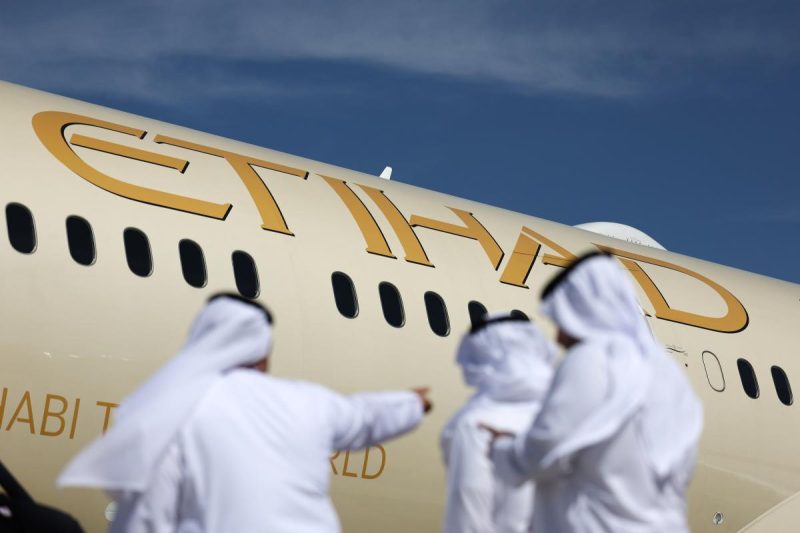
Etihad Airways is set to announce the launch of an initial public offering worth $1 billion, sources have revealed. This marks a significant milestone in the aviation industry, as it would be the first public listing by a major Gulf airline in nearly two decades.

The airline, which is fully owned by Abu Dhabi’s sovereign wealth fund ADQ, intends to offer 20% of its business to the public, with the funds raised being allocated towards accelerating its expansion plans. The decision to go public highlights Etihad’s ambitions to position itself as a stronger player in the global airline industry.

The move also underscores the growing trend among Gulf-based companies to raise capital through IPOs, following a wave of high-profile listings in the region. The Middle East has witnessed a surge in IPO activity in recent years, driven by a desire for diversification and economic growth, in line with the region’s broader efforts to reduce reliance on oil revenues.

Etihad’s decision to open up its equity to public investors is part of a larger strategy aimed at enhancing its operational capabilities and competing more effectively with regional and international rivals. The airline’s plans include expanding its fleet, increasing flight frequencies, and potentially adding new routes to cater to growing demand in key global markets.

The IPO also reflects the broader changes taking place in the aviation sector, particularly in the Gulf region. Airlines in the region, such as Emirates and Qatar Airways, have been aggressively investing in their fleets and expanding their networks in a bid to capture more market share. Etihad’s move to become a publicly traded entity comes as the airline looks to consolidate its position as a leading regional carrier, competing with its peers.

Sources close to the matter suggest that Etihad’s management team is optimistic about the potential success of the IPO, given the ongoing recovery in the global travel industry following the challenges posed by the COVID-19 pandemic. The airline is reportedly confident that investors will be attracted to its growth prospects, as air travel demand rebounds and the aviation sector experiences a strong recovery.

The IPO will be managed by a consortium of financial institutions, which are expected to handle the share sale process. The precise timing of the launch is yet to be confirmed, but it is anticipated to take place in the coming days. As part of the offering, Etihad is likely to sell a portion of its shares to institutional investors, with a smaller portion allocated to retail investors.

Etihad Airways has faced a challenging few years as it navigated the impacts of the global pandemic, which resulted in a significant decline in air travel demand. However, the airline has implemented a series of cost-cutting measures and streamlined its operations in an effort to adapt to the changing market environment. These efforts, coupled with its focus on expanding its network and enhancing its product offering, have positioned Etihad for long-term growth.

Despite the challenges faced by the airline, Etihad has remained committed to its vision of becoming a global aviation leader. The airline’s investment in new technologies, customer service initiatives, and sustainability measures has helped bolster its reputation and attract a loyal customer base. By tapping into the capital markets, Etihad hopes to strengthen its financial position and continue to invest in its future growth.

The IPO is expected to be closely watched by market analysts, investors, and industry experts alike, as it could signal the beginning of a new era for Gulf airlines. If successful, Etihad’s IPO could set a precedent for other regional carriers considering similar moves. Airlines in the region are under increasing pressure to modernize their fleets, improve operational efficiencies, and adapt to changing consumer preferences.

Etihad’s decision to go public is part of the wider trend in the Gulf region, where state-owned companies are increasingly seeking to diversify their operations and raise funds to support growth initiatives. The UAE government has been actively encouraging the privatization of certain state-owned entities to promote economic development and attract foreign investment.

Abu Dhabi’s Tadweer Group has partnered with FAMS Technologies to introduce the region’s first AI-driven Integrated Waste Management Platform, marking a significant advancement in the emirate’s approach to waste management. This innovative platform leverages Artificial Intelligence and the Internet of Things to enhance efficiency and sustainability across all stages of waste handling.

The newly launched platform is designed to revolutionise waste management by integrating AI and IoT technologies into every phase, from collection to disposal. By utilising real-time data and predictive analytics, the system aims to optimise waste collection routes, monitor processing facilities, and improve overall operational efficiency. This approach not only reduces operational costs but also minimises environmental impact by decreasing carbon emissions associated with waste transportation and processing.

Eng. Ali Al Dhaheri, CEO and Managing Director of Tadweer Group, emphasised the transformative potential of this initiative, stating that the collaboration with FAMS Technologies aligns with Tadweer’s mission to build an integrated waste management system and drive the conversion of waste into an economic asset. He highlighted that the AI-driven platform is a testament to their commitment to redefining waste management in the emirate and keeping pace with the global transition towards a circular economy.

The partnership with FAMS Technologies brings together Tadweer’s extensive experience in waste management and FAMS’s expertise in AI and IoT solutions. This collaboration is poised to set new benchmarks in the industry, positioning Abu Dhabi as a leader in adopting cutting-edge technologies for environmental sustainability. The AI-Integrated Waste Management Platform is expected to serve as a model for other regions aiming to modernise their waste management practices.

In addition to technological advancements, the platform is designed with scalability in mind, allowing for future expansions and integrations. This flexibility ensures that the system can adapt to the growing needs of Abu Dhabi’s urban landscape and its increasing waste management demands. The platform’s modular architecture facilitates the incorporation of new technologies and processes as they emerge, ensuring that Abu Dhabi remains at the forefront of sustainable waste management practices.

The implementation of this AI-driven platform is anticipated to have far-reaching economic benefits. By streamlining operations and reducing waste-related expenditures, the system is expected to generate cost savings for the municipality. These savings can be redirected towards other sustainability initiatives, further enhancing the city’s environmental stewardship. Moreover, the platform’s data-driven approach provides valuable insights that can inform policy decisions and strategic planning in waste management.

Environmental experts have lauded this initiative as a significant step towards achieving a circular economy in the region. By transforming waste into a resource through efficient management and processing, Abu Dhabi is making strides in reducing its ecological footprint. The AI-Integrated Waste Management Platform exemplifies how technology can be harnessed to address environmental challenges, setting a precedent for other cities worldwide.

This development comes as part of Tadweer Group’s broader strategy to enhance sustainability and environmental responsibility in Abu Dhabi. The group has been actively involved in various initiatives aimed at promoting recycling, waste reduction, and resource optimisation. The introduction of the AI-driven platform complements these efforts, providing a comprehensive solution that addresses multiple facets of waste management.

Advertisements

The Abu Dhabi Securities Exchange has announced the formation of the ADX Group, a strategic initiative aimed at enhancing the emirate’s investment environment through innovation and increased global connectivity. This move is designed to establish a future-ready capital market by upgrading market infrastructure, introducing new post-trade services, and expanding market access.

The ADX Group’s primary objective is to create a robust and reliable international marketplace that facilitates capital raising and investment flows, thereby bolstering financial resilience and stability. By integrating advanced technologies and services, the group aims to attract a broader spectrum of regional and global investors, offering them seamless access to Abu Dhabi’s diverse and dynamic economic sectors.

In alignment with its commitment to innovation, the ADX Group plans to implement a state-of-the-art trading platform. This platform is expected to enhance trading efficiency, provide real-time market data, and support a wide range of financial instruments, including equities, debt securities, exchange-traded funds, and derivatives. The introduction of new post-trade businesses will further streamline settlement processes, reduce operational risks, and improve overall market liquidity.

The establishment of the ADX Group is a significant milestone in Abu Dhabi’s ongoing efforts to position itself as a leading global financial hub. By fostering an environment conducive to investment and innovation, the group aims to drive economic growth and diversification, aligning with the broader strategic vision of the United Arab Emirates.

This development comes on the heels of several strategic initiatives undertaken by ADX to enhance its market infrastructure and global reach. Notably, ADX has partnered with international entities to expand its services and attract foreign investments. For instance, the collaboration with FTSE Russell led to the launch of the FTSE ADX 15 Islamic Index, catering to the growing demand for Shariah-compliant investment options. This index provides a comprehensive benchmark for Islamic investors, reflecting ADX’s commitment to inclusivity and market diversification.

In addition, ADX has leveraged the ICE Global Network to offer direct market access to global investors. This partnership facilitates real-time access to market data and order entry, thereby broadening the exchange’s international investor base and enhancing its global connectivity. Such initiatives underscore ADX’s strategic vision to integrate advanced technologies and foster collaborations that enhance its market infrastructure and accessibility.

The ADX Group’s formation is also expected to complement Abu Dhabi’s broader economic objectives, including the promotion of sustainable investments and the development of a knowledge-based economy. By providing a platform that supports innovative financial products and services, the group aims to attract a diverse range of investors and issuers, thereby contributing to the emirate’s economic resilience and long-term prosperity.

National Central Cooling Company PJSC , a prominent district cooling provider in the United Arab Emirates, has mandated several banks to arrange a five-year, Regulation S, dollar-denominated benchmark green sukuk. This strategic move aims to bolster Tabreed’s financial position and support its ongoing sustainability initiatives.

The consortium of banks includes Citigroup and Standard Chartered Bank as Joint Global Coordinators. Additionally, Citigroup, Emirates NBD Capital, First Abu Dhabi Bank, HSBC, and Standard Chartered Bank have been appointed as Joint Lead Managers and Joint Bookrunners. Abu Dhabi Commercial Bank will serve as Co-Manager for the issuance. Notably, Citigroup, First Abu Dhabi Bank, and Standard Chartered are also acting as Joint Green Structurers, underscoring the green credentials of the sukuk.

This forthcoming green sukuk is part of Tabreed’s broader strategy to refinance existing debt and invest in environmentally sustainable projects. The company has previously issued two $500 million fixed-income instruments: a sukuk in October 2018 and a bond in October 2020. These issuances were supported by Tabreed’s strong credit quality and consistent revenue streams. In line with its commitment to maintaining an optimal debt structure, Tabreed has implemented a conservative debt policy to preserve its investment-grade status, currently rated Baa3 by Moody’s and BBB by Fitch.

In 2022, Tabreed established a Green Finance Framework to align its financing activities with its sustainability objectives. This framework adheres to the Green Bond Principles 2021 and the Green Loan Principles 2021, ensuring that funds raised are allocated to projects with clear environmental benefits. Eligible projects under this framework include investments in energy-efficient district cooling systems, sustainable water and wastewater management, green buildings, and renewable energy initiatives. The framework has received a Second Party Opinion from Sustainalytics, confirming its alignment with the aforementioned principles.

The proceeds from the upcoming green sukuk will be utilized to refinance Tabreed’s existing debt, including the $500 million sukuk issued in 2018, which is due to mature in October 2025. This refinancing effort is part of Tabreed’s proactive approach to debt management, aiming to reduce financing costs and extend debt maturities. Earlier, the company announced plans to issue green bonds or sukuk to refinance $1.2 billion in debt, reflecting its commitment to sustainable financing practices.

Tabreed’s financial performance has remained robust, with the company reporting increased revenue and profits for the year 2024. The company’s revenue reached AED 2.434 billion, with a net profit before tax of AED 624 million, representing a 4% increase over the previous year. Earnings before interest, taxes, depreciation, and amortization also saw a 5% year-on-year increase, amounting to AED 1.252 billion, with an improved margin of 51%. These financial metrics underscore Tabreed’s strong operational performance and prudent financial management.

The decision to issue a green sukuk aligns with the UAE’s broader sustainability goals and the global trend towards green financing. Green sukuk, Islamic bonds specifically earmarked for environmentally friendly projects, have gained traction in recent years as investors increasingly prioritize sustainable investments. By tapping into this growing market, Tabreed not only reinforces its commitment to environmental stewardship but also appeals to a broader base of socially responsible investors.

Tabreed’s leadership in the district cooling sector is complemented by its dedication to innovation and sustainability. The company’s investments in energy-efficient cooling solutions contribute significantly to reducing greenhouse gas emissions and promoting energy conservation in the region. As urbanization and demand for cooling services continue to rise, Tabreed’s sustainable practices position it well to meet these challenges while supporting the UAE’s vision for a greener future.

The successful issuance of the green sukuk will further enhance Tabreed’s financial flexibility, enabling the company to pursue strategic growth opportunities and invest in cutting-edge technologies. Moreover, it sets a benchmark for other companies in the region to adopt sustainable financing mechanisms, fostering a culture of environmental responsibility within the corporate sector.

French defence and technology conglomerate Thales has announced plans to commence production of radar antennas in the United Arab Emirates within this year. This strategic initiative aims to cater to both domestic requirements and international export demands, marking a significant expansion of Thales’ footprint in the Middle East. Pascale Sourisse, President and Chief Executive Officer of Thales International, detailed the company’s commitment to establishing a radar manufacturing […]

Dubai is solidifying its status as a premier destination for ultra-high-net-worth individuals and family offices, driven by a confluence of strategic initiatives, favourable economic policies, and an influx of global financial entities. This trend is reshaping the emirate’s financial landscape, positioning it as a global hub for wealth management and investment. The Dubai International Financial Centre has experienced remarkable growth, with the number of hedge funds increasing […]

President Sheikh Mohamed bin Zayed Al Nahyan’s state visit to Italy has significantly bolstered the relationship between the United Arab Emirates and Italy. During a dinner banquet hosted by Italian President Sergio Mattarella, both leaders expressed their commitment to enhancing bilateral cooperation across various sectors.

President Mattarella welcomed Sheikh Mohamed and his delegation, highlighting the deep-rooted ties between the two nations and their mutual desire to further strengthen collaboration for the benefit of their peoples. In response, Sheikh Mohamed conveyed his appreciation for the warm reception and emphasized the strategic partnership’s ongoing growth. He noted that this visit reflects both countries’ aspirations to work together towards elevated cooperation and joint economic development.

A symbolic exchange of honors took place during the banquet. Sheikh Mohamed awarded President Mattarella the Order of Zayed, the UAE’s highest civilian honor bestowed upon world leaders. In return, President Mattarella conferred upon Sheikh Mohamed the Order of Merit of the Italian Republic, Italy’s highest accolade for foreign dignitaries.

The UAE delegation accompanying Sheikh Mohamed included Sheikh Abdullah bin Zayed Al Nahyan, Deputy Prime Minister and Minister of Foreign Affairs; Sheikh Hamdan bin Mohamed bin Zayed Al Nahyan, Deputy Chairman of the Presidential Court for Special Affairs; and Sheikh Mohammed bin Hamad bin Tahnoon Al Nahyan, Advisor to the UAE President. The Italian side was represented by several ministers, senior officials, and other dignitaries.

As Sheikh Mohamed’s aircraft entered Italian airspace, it was ceremoniously escorted by a squadron of Italian military jets, symbolizing the importance of this visit. This gesture underscores the mutual respect and the strengthening ties between the two nations.

The discussions between the leaders encompassed a wide range of topics, including investment opportunities, advancements in artificial intelligence, and cultural exchanges. Both countries are keen to explore collaborative ventures in these areas to foster innovation and economic growth.

Energy cooperation emerged as a focal point during the talks. The UAE’s Abu Dhabi National Oil Company and Italy’s energy giant Eni are expanding their partnership beyond traditional oil and gas sectors. Their collaboration now includes renewable energy projects, aligning with global efforts to transition towards sustainable energy solutions.

Defense and security were also prominent on the agenda. Italy’s Leonardo remains a key supplier to the UAE Armed Forces, and both nations are exploring avenues to deepen their defense cooperation. This includes potential joint ventures and knowledge exchange programs aimed at enhancing the capabilities of their respective armed forces.

Emerging sectors such as climate change mitigation, food security, and the space industry were identified as promising areas for future collaboration. Both countries recognize the importance of addressing global challenges through joint initiatives and are committed to working together to develop innovative solutions.

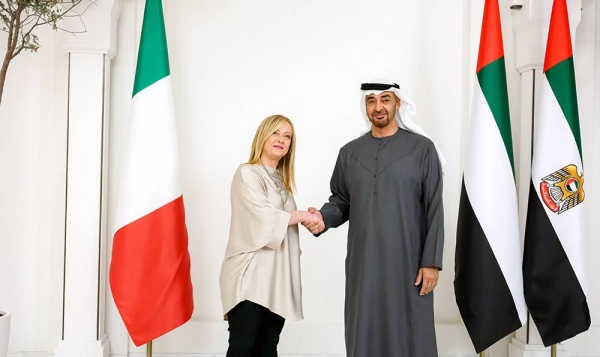
This visit follows Italian Prime Minister Giorgia Meloni’s diplomatic mission to Abu Dhabi, which took place approximately a month prior. During that visit, multiple cooperation agreements were signed, including a significant energy deal involving Albania. These developments signify a renewed vigor in UAE-Italy relations, moving beyond traditional frameworks to embrace broader regional and global partnerships.

Analysts suggest that the UAE-Italy relationship is evolving into a strategic alliance with the potential to influence regional dynamics. Both nations are positioning themselves as key players in the Indo-Mediterranean region, leveraging their economic and geopolitical strengths to foster stability and prosperity.

The leaders also discussed the possibility of developing trilateral and regional alliances, particularly focusing on Africa and East Asia. While Italy prioritizes Eastern Europe, the UAE maintains a strong focus on Africa, creating opportunities for strategic alignment and collaborative initiatives in these regions.

The Gulf Cooperation Council economies are poised to outpace global economic growth in 2025, driven by strategic diversification efforts and robust non-oil sector expansion. According to First Abu Dhabi Bank’s latest Global Investment Outlook report, the GCC’s gross domestic product is projected to nearly double, reaching 3.6% in 2025, surpassing the International Monetary Fund’s global growth forecast of 2.8%.

Saudi Arabia stands at the forefront of this regional surge, with its non-oil GDP anticipated to grow by 4.4% in 2025, up from 3.5% the previous year. This projection aligns with PwC’s analysis, which also foresees a 4.4% expansion in the kingdom’s non-oil economy for the same period. The IMF further estimates that Saudi Arabia’s overall economy will expand by 3.3% in 2025, with growth accelerating to 4.1% in 2026. This optimistic outlook is bolstered by Moody’s recent upgrade of Saudi Arabia’s sovereign credit rating to Aa3, reflecting the success of its economic diversification initiatives and reduced reliance on oil revenues.

The United Arab Emirates is also projected to experience significant economic growth. The IMF forecasts a 5.1% increase in the UAE’s GDP for 2025, while the World Bank anticipates growth rates of 4% in 2025 and 4.1% in 2026. These projections are underpinned by the UAE’s strategic investments in non-oil sectors, business-friendly regulations, and a low corporate tax regime. S&P Global Ratings highlights that the UAE’s GDP growth is expected to remain strong between 2025 and 2027, supported by buoyant non-hydrocarbon activities.

Oxford Economics echoes this positive sentiment, predicting that the GCC’s regional GDP growth will nearly double to 3.6% in 2025, outpacing the global forecast of 2.8%. This growth is attributed to gradual increases in oil production and sustained robust trajectories in non-energy sectors. The World Bank concurs, projecting that the GCC region will grow by 3.4% in 2025 and 4.1% in 2026, compared to an expected 3.3% growth rate for the broader Middle East and North Africa region.

FAB’s Group Head of Global Private Banking, Michel Longhini, emphasized the region’s resilience, stating, “The 2025 global economic environment presents unique challenges, but the GCC region continues to stand out as a beacon of resilience and opportunity.” This resilience is further demonstrated by the UAE’s non-oil GDP growth, which is expected to remain strong at 4.9% in 2024 and 5% in 2025, supported by government initiatives to attract foreign investments and promote economic diversification.

In Saudi Arabia, economic growth is expected to accelerate in 2025 due to an increase in oil production, following two years of modest performance. A Reuters poll of economists indicates that the kingdom’s economy is forecasted to grow by 4.4% in 2025, up from an anticipated 1.3% this year. This growth is driven by plans to reverse previous production cuts and bolster non-oil revenues.

Abu Dhabi has solidified its economic partnership with China through a series of strategic agreements aimed at enhancing bilateral trade and investment. A delegation led by the Abu Dhabi Department of Economic Development visited China, culminating in several key collaborations designed to introduce Abu Dhabi’s investment opportunities to Chinese businesses and investors. One significant outcome of the visit was the Abu Dhabi Chamber of Commerce and Industry’s […]

Khalifa Economic Zones Abu Dhabi Group and ETG Bio Green Polymer have signed a 50-year land lease agreement to establish a cutting-edge compostable polymers factory in KEZAD Al Ma’mourah. This strategic partnership aims to produce 100% sustainable polymers, facilitating manufacturers’ shift towards eco-friendly, plastic-free packaging solutions. The forthcoming facility is poised to significantly enhance the region’s sustainable manufacturing capabilities. By producing compostable polymers, it will address the […]

Milrem Robotics, EM&E Group, and Thales in Belgium have formalised a strategic partnership to enhance the United Arab Emirates’ defence capabilities. The collaboration aims to integrate advanced weapon systems into unmanned ground vehicles, addressing the nation’s evolving security needs. The Memorandum of Understanding , signed on 18 February 2025 in Abu Dhabi, outlines a framework for joint innovation and the integration of robotics capabilities. A primary objective […]

Saudi Arabia is poised to lead the Middle East and North Africa region in initial public offerings in 2025, with 27 companies planning to list on its stock exchange. This surge underscores the Kingdom’s efforts to diversify its economy and strengthen its capital markets. According to a report by EY, the MENA region anticipates 38 company IPOs and 22 fund listings in 2025, spanning various sectors. The […]

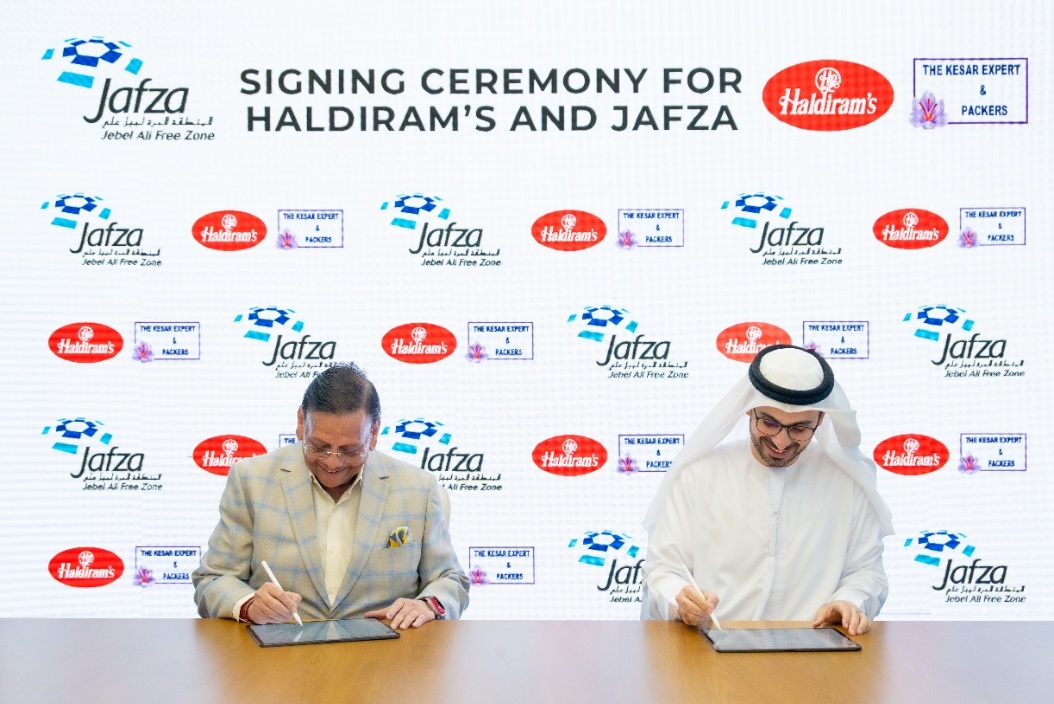
Jebel Ali Free Zone has entered into a partnership with Indian multinational food brand Haldiram’s to establish one of the largest saffron processing facilities in the Gulf Cooperation Council region. The agreement was formalised during the Gulfood event in Dubai.

Scheduled to commence operations in March 2025, the facility will be managed by Kesar Expert & Packers, a company with 22 years of experience in high-quality saffron processing in India. The plant aims to obtain the globally recognised European BRCGS certification, ensuring the quality and purity of its saffron products.

Initially, the hub will process 30 metric tonnes of saffron annually, with plans to expand capacity to 100 metric tonnes over the next five years. This growth strategy will leverage the Comprehensive Economic Partnership Agreement between the UAE and India, as well as the advanced connectivity and infrastructure provided by Jebel Ali Port and Jafza.

The collaboration also explores further avenues, including expanding Haldiram’s presence in Dubai and investing in additional food processing and distribution facilities. This initiative underscores Dubai’s position as a global trade hub, bolstered by Jafza’s thriving food and beverage sector, which currently hosts over 770 companies.

This development aligns with a series of significant engagements by Indian food and beverage companies at Gulfood. Reliance Consumer Products Limited introduced its renowned brand Campa to the UAE market, marking its inaugural entry, facilitated by Abu Dhabi’s Agthia Group. Additionally, Lulu Retail has signed nine strategic memorandums of understanding with global manufacturers to enhance product offerings across the GCC and beyond. Among these agreements is the introduction of Milaf Cola, a carbonated date beverage from Saudi Arabia, to LuLu stores throughout the GCC, with future plans to enter the Indian market.

The Abu Dhabi Investment Office has solidified its commitment to fostering economic collaboration with China by entering into strategic agreements with prominent Chinese entities. These partnerships, announced during the Abu Dhabi Investment Forum in Shanghai, aim to enhance investment intelligence and facilitate the expansion of Chinese enterprises into Abu Dhabi’s burgeoning market.

In a notable development, ADIO has partnered with Wind Information, China’s leading financial information services provider. This collaboration designates Wind Information as ADIO’s preferred knowledge partner in China, granting investors enhanced access to Abu Dhabi’s dynamic investment landscape. The alliance is poised to bridge information gaps, enabling Chinese investors to make informed decisions about opportunities within the emirate.

Simultaneously, ADIO has forged a strategic partnership with Hejun Group, a prominent Chinese consulting firm. This agreement is designed to accelerate Chinese investment in Abu Dhabi by leveraging Hejun Group’s extensive network of over 2,000 publicly listed companies. The collaboration aims to introduce these enterprises to Abu Dhabi’s investment prospects, thereby fostering economic growth and diversification within the region.

Further strengthening bilateral ties, ADIO has entered into an agreement with Fosun International Limited, a global innovation-driven consumer group. This partnership seeks to expedite the expansion of Fosun’s subsidiaries into Abu Dhabi and the broader Middle East. ADIO will provide tailored investor support, streamlined market access, and strategic guidance to facilitate Fosun’s ventures in key sectors such as wealth management, fintech, premium residential real estate, and healthcare innovation.

These strategic alliances underscore Abu Dhabi’s proactive approach to attracting foreign investment and enhancing its position as a global financial hub. By collaborating with leading Chinese firms, the emirate aims to diversify its economy and foster innovation across various industries.

The Abu Dhabi Investment Forum in Shanghai served as a pivotal platform for these announcements, highlighting the emirate’s commitment to strengthening economic ties with China. The forum facilitated discussions on Abu Dhabi’s role as a global financial, trade, and technology hub, with a focus on technological innovation in areas such as financial technology, artificial intelligence, blockchain, and digital transformation.

These developments are set against the backdrop of burgeoning trade relations between the United Arab Emirates and China. Bilateral trade between the two nations is projected to reach $200 billion by 2030, positioning Abu Dhabi as a critical gateway for Chinese investment in the Middle East and beyond. The emirate already hosts a significant number of the 6,000 Chinese companies operating in the UAE, spanning key sectors including technology, financial services, and energy.

In addition to these partnerships, Abu Dhabi has been actively engaging in strategic investments to bolster its economic landscape. For instance, Masdar, Abu Dhabi’s renewable energy company, has been expanding its footprint in the European energy sector. Masdar is currently negotiating with banks to structure the acquisition of a new portfolio of renewable energy assets from Endesa, a Spanish utility company. This move aligns with Abu Dhabi’s broader strategy to invest in sustainable energy solutions and diversify its investment portfolio.

The financial sectors of the UAE and China have been exploring collaborative opportunities to enhance cross-border investments. The Shenzhen Stock Exchange and Dubai Financial Market have signed a memorandum of understanding to bolster cross-border investing, particularly in exchange-traded funds . This agreement includes dual listings, shared indices, and fixed-income offerings, aiming to facilitate secondary market investments and strengthen financial ties between the two nations.

These initiatives reflect a broader trend of deepening economic cooperation between Abu Dhabi and China, with both parties seeking to capitalize on mutual investment opportunities and drive sustainable economic growth. The strategic partnerships established by ADIO are poised to play a pivotal role in this collaborative effort, fostering a conducive environment for innovation, investment, and economic diversification.

Gulf Cooperation Council equity markets are projected to yield returns between 12% and 13% in 2025, according to First Abu Dhabi Bank’s latest Global Investment Outlook report. This optimistic forecast is underpinned by robust economic growth, strategic diversification efforts, and a stable geopolitical climate within the region.

The report highlights that the United Arab Emirates is expected to see its Gross Domestic Product growth accelerate from 4.5% to 5.6% in 2025, surpassing the International Monetary Fund’s global growth projection of 3.2%. This surge is attributed to significant investments in non-oil sectors, including technology, tourism, and renewable energy, as part of the nation’s broader economic diversification strategy.

Similarly, the broader GCC region is anticipated to double its growth rate from 2.1% to 4.2% in 2025. This expansion is driven by strategic initiatives aimed at reducing dependence on oil revenues and fostering sustainable economic development. The FAB report emphasizes that these efforts are positioning the GCC economies to outpace global growth in the coming year.

In the equity markets, an expected earnings growth of 11.1% and a price-to-earnings ratio of approximately 15.18x are projected to support the anticipated double-digit returns, inclusive of dividends. The petrochemical sector, in particular, is poised for a strong recovery, bolstered by increased global demand and favorable pricing dynamics. Additionally, the financial sector is set to benefit from rising interest rates and enhanced profitability metrics.

Fitch Ratings’ recent analysis aligns with this positive outlook, indicating a stable forecast for GCC corporates in 2025, underpinned by resilient fundamentals. The real estate sector is also expected to experience continued growth, with gross leverage projected to improve to an average of 2x in 2025, down from 2.5x in 2024.

The FAB report further underscores the role of artificial intelligence and technological innovation as pivotal drivers of economic transformation in the GCC. Governments across the region are investing heavily in AI and digital infrastructure, aiming to enhance productivity and create new avenues for economic growth. These technological advancements are expected to contribute significantly to the region’s GDP and attract foreign direct investment.

Abu Dhabi National Oil Company has successfully completed a $2.84 billion share offering in its subsidiary, ADNOC Gas. The sale involved approximately 3.1 billion shares, priced at 3.40 dirhams each, representing 4% of ADNOC Gas’s total share capital. This transaction stands as the largest share sale in the Middle East and North Africa region since Saudi Aramco’s $12.3 billion offering in June.

The offering witnessed exceptional demand from institutional investors across the Gulf Cooperation Council and international markets, with total oversubscription reaching 4.4 times. The pricing of 3.40 dirhams per share reflects a 43% premium over ADNOC Gas’s initial public offering price of 2.37 dirhams per share and a 5% discount to the company’s closing share price of 3.58 dirhams on February 20, 2025, the last trading day before the offering.

Settlement of the offering is expected to occur on or around February 26, 2025. Post-transaction, ADNOC will retain an 86% majority stake in ADNOC Gas, while the company’s free float will increase by 80%, bringing it to a headline figure of 9%. This enhanced liquidity is anticipated to pave the way for ADNOC Gas’s inclusion in major indices such as the Morgan Stanley Capital International Emerging Market Index and the Financial Times Stock Exchange Emerging Market Index, potentially during the next quarterly review, subject to meeting all relevant inclusion criteria.

Khaled Al Zaabi, Group Chief Financial Officer at ADNOC, expressed pride in completing the UAE’s first-ever marketed offering and the largest placement on the Abu Dhabi Securities Exchange to date. He highlighted that the exceptional demand and competitive pricing underscore strong investor confidence in ADNOC Gas’s performance and growth prospects. Al Zaabi reaffirmed ADNOC’s commitment as a long-term majority shareholder, emphasizing the subsidiary’s integral role in Abu Dhabi’s decarbonization and growth ambitions.

ADNOC Gas has demonstrated consistent growth and profitability. In its full-year 2024 financial results, the company reported an adjusted net income of $5 billion, the highest since its IPO, with $1.38 billion earned in the fourth quarter alone. These figures significantly surpass Bloomberg consensus estimates. The company’s robust performance aligns with its strategic update announced in November 2024, which outlined a refreshed growth pipeline. This includes the planned acquisition of Ruwais LNG and a target of over 40% adjusted EBITDA growth by 2029.

The successful offering is expected to diversify ADNOC Gas’s shareholder base and enhance liquidity. A higher free float is also projected to facilitate the company’s inclusion in prominent emerging market indices, broadening its investor base and increasing awareness of its value proposition.

BofA Securities, Citi, EFG-Hermes, First Abu Dhabi Bank, HSBC, and International Securities acted as joint global coordinators and bookrunners for the offering. ADNOC has agreed to a restriction on selling additional shares for a period of six months from the closing of the offering, subject to certain exceptions and unless waived by the joint global coordinators.

ADNOC Gas, operational since early 2023, was formed by consolidating ADNOC’s gas processing, liquefied natural gas , and industrial gas operations into a single entity. The company went public on the ADX, raising approximately $2.5 billion in one of the region’s largest IPOs in recent years. This latest share sale further underscores ADNOC’s strategy to unlock value from its assets and attract a diversified investor base.

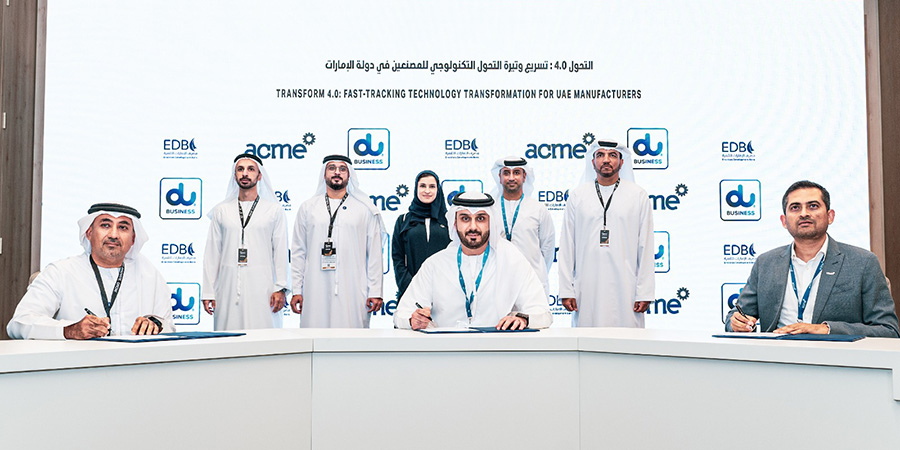
The EDGE Group’s Learning & Innovation Factory and the Ministry of Industry and Advanced Technology have formalised a partnership to accelerate the UAE’s industrial evolution. This collaboration, sealed during the International Defence Exhibition and Conference 2025 at the Abu Dhabi National Exhibition Centre, aims to advance the nation’s Industry 4.0 agenda under the Operation 300bn strategy.

The Memorandum of Understanding was signed by Fatma Essa Al Mheiri, Acting Director of the Technology Adoption and Development Department at MoIAT, and Ahmed Al Khoori, EDGE’s Senior Vice President of Strategy & Excellence. The ceremony was attended by Salama Alawadhi, Assistant Under-Secretary for the Industrial Development Sector at MoIAT, and Hamad Al Marar, EDGE’s Managing Director and Chief Executive Officer.

Under this agreement, LIF will serve as the strategic partner and executor of MoIAT’s Transform 4.0 programme. This initiative is designed to promote the adoption of advanced technologies and establish cutting-edge smart manufacturing facilities across the UAE. The programme’s objective is to support 100 high-potential manufacturers in their digitalisation efforts, fostering a network of Industry 4.0 lighthouses that exemplify excellence in smart manufacturing.

This partnership aligns with the UAE’s broader vision to enhance industrial competitiveness through technological innovation. Launched in 2021, Operation 300bn is a comprehensive 10-year strategy aiming to increase the industrial sector’s contribution to the nation’s GDP from AED 133 billion to AED 300 billion by 2031. The strategy focuses on creating an attractive business environment for investors, supporting the growth of national industries, and stimulating innovation through the adoption of advanced technologies.

The collaboration between EDGE and MoIAT is not their first joint endeavour. In August 2022, both entities signed an MoU to establish the UAE’s first Industry 4.0 Enablement Centre. This centre focuses on raising awareness about Industry 4.0 technologies, upskilling manufacturers through specialised training, and providing a testbed for piloting innovative solutions. The centre’s initiatives aim to enhance factory processes and operations, empowering industry leaders to leverage Fourth Industrial Revolution technologies for improved efficiency and competitiveness.

The UAE’s commitment to industrial advancement is further demonstrated by the Emirates Development Bank’s role in Operation 300bn. EDB has allocated AED 30 billion to support priority industrial sectors over five years, aiming to finance 13,500 small and medium-sized enterprises and create thousands of job opportunities. This financial support underscores the nation’s dedication to fostering a robust and sustainable industrial ecosystem.

The EDGE Group, a prominent technology conglomerate, continues to play a pivotal role in the UAE’s industrial transformation. By collaborating with MoIAT, EDGE leverages its expertise in advanced technology and innovation to drive the nation’s Industry 4.0 agenda forward. The Learning & Innovation Factory serves as a hub for advanced upskilling and technology-driven solutions, enhancing manufacturing excellence and fostering a culture of continuous improvement.

The International Defence Exhibition and Conference 2025 provided an ideal platform for this significant partnership. As one of the largest defence exhibitions globally, IDEX showcases the latest innovations and technologies, facilitating collaborations that drive industrial and technological advancements. The signing of the MoU at this event highlights the strategic importance of the defence sector in the UAE’s broader industrial strategy.

The UAE’s industrial strategy, Operation 300bn, is built upon six primary objectives: creating an attractive business environment for investors, supporting the growth of national industries, stimulating innovation through advanced technology adoption, enhancing the competitiveness of UAE products, ensuring sustainable economic growth, and promoting responsible consumption and production. The partnership between EDGE and MoIAT directly contributes to these objectives by facilitating the digital transformation of the manufacturing sector and promoting the adoption of Industry 4.0 technologies.

Abu Dhabi National Oil Company has announced plans to sell approximately 3.1 billion shares, equating to a 4% stake, in its subsidiary ADNOC Gas. This strategic move is projected to raise up to $3 billion, marking one of the most significant share sales in the Middle East and North Africa region since Saudi Aramco’s $12.3 billion offering in June of the previous year.

The offering is set to commence immediately and is expected to conclude on Friday, February 21, 2025. It will be open to qualified institutional and other investors across various countries, including the United Arab Emirates. The final number of shares to be placed and the offering price will be determined at the close of the book-building process, in accordance with the Block Trade Rules of the Abu Dhabi Securities Exchange .

ADNOC currently holds a 90% majority stake in ADNOC Gas. At the last closing price of AED 3.58 per share, the offering is valued at approximately AED 11.1 billion . This initiative aligns with ADNOC’s strategic objectives to enhance the liquidity and free float of ADNOC Gas, while providing a pathway to a more diversified shareholder base and potential inclusion in major indices.

Khaled Al Zaabi, Group Chief Financial Officer at ADNOC, stated, “Since its IPO in March 2023, ADNOC Gas has consistently delivered strong growth, robust financial performance, and superior shareholder returns. As a world-class integrated gas processing company, ADNOC Gas is ideally positioned for further expansion.”

The offering will be subject to a customary 180-day lock-up period for both ADNOC and ADNOC Gas, subject to certain exceptions and unless waived by the joint global coordinators. Major financial institutions, including BofA Securities, Citi, EFG-Hermes, First Abu Dhabi Bank, HSBC, and International Securities, are acting as joint global coordinators and joint bookrunners for this offering.

This move follows ADNOC Gas’s initial public offering in March 2023, which raised approximately $2.5 billion, marking one of the region’s largest IPOs at that time. The company was formed earlier that year by consolidating various gas processing operations into a single entity, aiming to streamline operations and enhance efficiency.

In May of the previous year, ADNOC also raised $935 million by selling a 5.5% stake in its drilling unit to institutional investors, reflecting the company’s ongoing strategy to monetize assets and attract foreign investment.

ADNOC Gas operates an extensive network, managing over 3,000 kilometers of pipeline infrastructure and 26 processing trains. The company plays a crucial role in processing and distributing natural gas within the UAE and to international markets. The funds raised from this stake sale are expected to support ADNOC Gas’s ambitious growth plans, including expanding its processing capacities and exploring new markets.

The energy sector in the UAE has seen significant foreign direct investment in recent years. In 2019, ADNOC attracted major investments from U.S. asset managers BlackRock and KKR, as well as Italian firm Eni, collectively bringing in billions of dollars. These investments have been pivotal in expanding ADNOC’s infrastructure and operational capabilities.

The decision to divest a portion of ADNOC Gas aligns with the company’s broader strategy to optimize its portfolio, enhance capital efficiency, and provide attractive opportunities for global investors. As the global energy landscape continues to evolve, ADNOC remains committed to adapting its business model to meet emerging challenges and capitalize on new opportunities.

The Abu Dhabi Investment Office has entered into a strategic partnership with China’s leading financial information services provider, Wind Information, to enhance investment intelligence and deepen economic relations between Abu Dhabi and China. This collaboration was formalized during the Abu Dhabi Investment Forum held in Shanghai, underscoring Abu Dhabi’s commitment to strengthening its economic connections with China’s financial sector.

As part of the agreement, Wind Information will serve as ADIO’s preferred knowledge partner in China, offering investors improved access to the dynamic investment landscapes of both regions. The partnership aims to facilitate the exchange of financial market intelligence and investment insights, providing Chinese investors and family offices with comprehensive research and analysis on key market opportunities. Wind Information will actively link ADIO with prominent investors and financial institutions in China, while ADIO will assist Abu Dhabi-based investors in exploring prospects within the Chinese market. Additionally, both organizations plan to co-host investment forums in the UAE and China to promote opportunities and strengthen bilateral ties.

His Excellency Badr Al Olama, Director-General of ADIO, emphasized the significance of this partnership, stating that it reinforces Abu Dhabi’s dedication to enhancing economic ties with China and creating a seamless investment ecosystem. He highlighted that by providing access to market data and financial insights, Abu Dhabi ensures an environment where investors can thrive, make informed decisions, and contribute to the sustainable growth of both economies.

Li Zhou, Co-Founder of Wind Information, expressed commitment to connecting capital markets and investment opportunities between China and the world. He noted that the collaboration with ADIO would empower investors with data-driven insights, enhancing the investment corridor between China and the UAE.

In a related development, ADIO has also signed a strategic partnership with Fosun International Limited, a global innovation-driven consumer group, to expedite the expansion of Fosun’s subsidiaries into Abu Dhabi and the broader Middle East. This agreement, announced at the same forum in Shanghai, aims to strengthen economic ties and reinforce Abu Dhabi’s position as a global investment hub.

Under this partnership, ADIO will offer tailored investor support, streamlined market access, and strategic guidance to accelerate Fosun’s presence in key growth sectors within Abu Dhabi, including wealth management, fintech, premium residential real estate, and healthcare innovation. Fosun International, with a revenue of approximately $13.4 billion in the first half of 2024 and a global workforce exceeding 110,000 employees, operates across various industries such as pharmaceuticals, healthcare, tourism, insurance, financial services, and intelligent manufacturing. By establishing Abu Dhabi as a regional gateway to the Middle East, Africa, and Southeast Asia, Fosun aims to leverage the emirate’s dynamic business ecosystem and substantial investor base.

ADIO has entered into a strategic partnership with Hejun Group, one of China’s leading consulting firms, to accelerate Chinese investment in Abu Dhabi. This agreement, also announced at the Abu Dhabi Investment Forum in Shanghai, paves the way for high-growth enterprises to expand into Abu Dhabi’s thriving business environment.

Hejun Group, operating both consulting and capital activities under Hejun Capital, manages more than $2 billion in cumulative assets. The firm will introduce Abu Dhabi’s investment opportunities to its network of over 2,000 publicly listed companies and leading private enterprises in China. ADIO will provide dedicated support to these Chinese companies, facilitating their business setup and long-term growth in Abu Dhabi.

The Abu Dhabi Investment Forum in Shanghai, organized by ADIO in partnership with Abu Dhabi Global Market , served as a platform for in-depth discussions on investment opportunities in Abu Dhabi. The forum, themed “Invest with Abu Dhabi,” brought together business leaders and investors to explore the emirate’s growth potential. As one of the fastest-growing economies in the Middle East and North Africa, Abu Dhabi has increasingly become a key destination for international investments.

During the forum, participants engaged in discussions on Abu Dhabi’s role as a global financial, trade, and technology hub. Experts analyzed the emirate’s economic competitiveness and highlighted its strategic position in global capital flows, emphasizing its stable economic environment, flexible regulatory framework, and well-developed financial infrastructure, which make it an attractive destination for investors worldwide.

The discussions also addressed Abu Dhabi’s expanding role in facilitating international trade and strengthening global supply chains. Participants explored the emirate’s rapid advancements in technological innovation, particularly in financial technology, artificial intelligence, blockchain, and digital transformation.


VISHNU RAJA
RYO YAMADA
HITORI GOTOH
IKUYO KITA