Just in:
OpenAI introduces GPT-6 Cyber with restricted security access // Trump’s Iran War Has A Share Of Contribution To His Midterm Debacle // APT29-linked campaign exploits outdated Apple and Android software // Cloudflare unveils Zero Wire vulnerability intelligence service // Geely’s i-HEV Intelligent Hybrid Technology Offers a New Direction for Gasoline-Powered Vehicles // Oil advances towards $100 as tanker attacks persist // Dubai details five-year visa benefits for returning visitors // TVM –Mangaluru Vande Bharat claims top spot // CR Longdation Aethereal Cybersecurity × Global Cybersecurity Alliance (GCSA) Join Hands to Establish the “AI and Cybersecurity Research Centre” // Geely’s i-HEV Intelligent Hybrid Technology Offers a New Direction Vision for Gasoline-Powered Vehicles // Xi Jinping Preparing For A Trilateral Summit With Trump And Putin At APEC Summit On Nov 18-19 // Technology shares plunge as Nasdaq enters correction // Ousted top Kochi cop gets IG post // UK air traffic outage inflicted £33m financial losses // Emirates Group records AED 4.1 billion half-year profit // Dubai boat show confirms international shipyard line-up for November // The “1st Greater Bay Area Health and Longevity Summit & Awards Ceremony” concludes successfully in Macao // Meraas showcases five residential zones at Dubai Design Week // Kochi police detain two actors over bid to honey trap doctor // Asia Left Behind: Ten international companies have yet to report delivering on their cage-free egg pledges across the region //

News related to
Dhabi

The Abu Dhabi Investment Authority is reportedly exploring the option of reducing its stake in the Qatari telecommunications giant Ooredoo QPSC. According to sources familiar with the matter, the sovereign wealth fund is considering raising between $500 million and $600 million through the sale of part of its holdings. ADIA currently owns approximately 10% of Ooredoo, a stake valued at around $1.26 billion. While the sovereign wealth […]

Investcorp Capital, a prominent Abu Dhabi-listed alternative investments firm, has acquired the US-based Kanawha Scales & Systems, marking a strategic move to broaden its services sector portfolio. The acquisition, which was arranged by Investcorp, comes at a time when the company looks to strengthen its presence in the industrial services space. Although the financial details of the deal have not been disclosed, ICAP has highlighted the significance […]

First Abu Dhabi Bank, one of the UAE’s largest financial institutions, has successfully priced its EUR 850 million benchmark Regulation S green bond, marking a significant achievement in the sustainable finance space. The bond, set with a five-year maturity and a coupon of 3.1201%, highlights the growing appetite for green debt amid a surge in environmental-conscious investment. The issuance, which was rated Aa3 by Moody’s and AA- […]

Abu Dhabi’s state-owned oil giant, ADNOC, has received a conditional nod from the European Commission for its 14.7 billion euro acquisition of the German chemicals firm Covestro. The approval, granted on Friday, hinges on ADNOC adhering to specific commitments outlined by the Commission, including modifying its articles of association and sharing Covestro’s sustainability-related patents with competitors in certain areas.

The deal represents ADNOC’s strategic push into the global chemicals market, marking a significant expansion beyond its traditional oil and gas operations. Covestro, a leader in high-performance plastics and other chemical products, has long been a key player in the European industrial landscape. This acquisition could give ADNOC greater access to advanced materials used in various sectors, including automotive, construction, and electronics.

In its ruling, the European Commission emphasised that ADNOC’s commitment to altering its corporate structure and making proprietary technologies available to others in the field of sustainability is crucial to maintaining competitive conditions in the European market. The deal, which was first announced earlier this year, is contingent upon ADNOC meeting these demands to ensure no harm to competition in the chemical and sustainability markets.

The approval came after several rounds of regulatory scrutiny, including concerns over potential monopolistic effects in certain segments of the chemicals industry. However, ADNOC’s willingness to adapt its operational framework and engage in collaboration with other market players ultimately paved the way for the European Commission’s greenlight.

The Commission’s conditional approval also reflects the growing importance of sustainability within corporate transactions. By requiring ADNOC to share Covestro’s patents, the EU is ensuring that the intellectual property crucial to advancing eco-friendly and sustainable technologies does not remain under the control of a single entity. This step is seen as a way of fostering innovation and preventing market consolidation that could stifle progress in critical sectors like renewable energy and environmental protection.

ADNOC’s acquisition of Covestro aligns with its broader strategy to diversify its business interests and strengthen its presence in high-value industries. The company has been increasing its investments in chemicals and other non-oil sectors in recent years, as it seeks to become less reliant on fossil fuels amid the global push for cleaner energy sources. For ADNOC, acquiring a major chemical manufacturer is an opportunity to leverage its substantial financial resources and access new markets for its products, particularly in Europe, which has a strong demand for advanced materials.

The deal is also seen as a win for the UAE’s broader economic vision, which aims to position the country as a global leader in sustainable development and innovation. ADNOC’s willingness to share Covestro’s sustainability patents is part of its commitment to contributing to the global fight against climate change, which is increasingly a focal point for both the public and private sectors.

While the conditional approval is a significant step forward, the acquisition is far from complete. ADNOC must now comply with the European Commission’s stipulations, which could include more detailed negotiations with competitors and stakeholders in the sustainability sector. It is expected that the full regulatory process will take several months before the deal can be finalised.

Covestro, for its part, stands to benefit from ADNOC’s financial backing and expertise in the chemicals sector. As a global leader in the production of polyurethanes and polycarbonates, the company is well-positioned to expand its reach and scale its operations, particularly in emerging markets where demand for high-performance materials is growing rapidly. ADNOC’s financial strength, coupled with Covestro’s established market position, could create a powerful synergy capable of driving innovation and expanding the companies’ collective influence in the global chemicals market.

Abu Dhabi’s largest lender, First Abu Dhabi Bank P. J. S. C., has priced a €850 million benchmark five-year Regulation S green bond carrying a coupon of 3.1201 per cent, underlining its growing role in sustainable finance. The offering, which drew strong investor demand, was set at 70 basis points over the five-year euro swap rate.

The bank holds credit ratings of Aa3 from Moody’s Investors Service and AA- from both Standard & Poor’s and Fitch Ratings, each with a stable outlook. This backing supports its ability to tap international debt markets effectively. The green bond marks one of the largest single-issuance Euro-denominated sustainable financings in the Gulf region this year.

FAB’s issuance follows a growing trend of Gulf-region banks seeking to align capital-markets activity with environmental, social and governance criteria. According to the bank’s Sustainable Finance Framework, the institution has targeted USD 135 billion in sustainable and transition finance by 2030, increasing the ambition by 80 per cent in 2023. The framework also embeds ESG review and classification for every debt and equity instrument issued by the bank.

Market analysts interpret the strong pricing as a signal of investor appetite for high-quality, sustainability-labelled debt from the Gulf. One observer noted that the tight spread and size of the issue reflect “a vote of confidence in both FAB’s credentials and the region’s green financing prospects”. The bank’s previous issuance in the sustainability-linked debt space included a USD 750 million five-year “low carbon energy” bond issued under its EMTN programme, which was the first of its kind globally by a financial institution to use proceeds for nuclear power generation refinancing. This earlier transaction set a precedent for innovation in the sustainable debt market.

Proceeds from the new green bond will be allocated exclusively to projects that meet FAB’s classification criteria under its Sustainable Finance Framework — namely activities aligned with energy efficiency, renewable energy, sustainable water management and other eligible categories across multiple geographies. The bank reports prior projects spanning the UAE, United States, Africa and France.

The issuance also comes as regulatory and investor scrutiny of use-of-proceeds and impact reporting increases. Financial-markets participants point to the need for transparency in how green bonds deliver outcomes and stress the importance of robust external review. FAB has published annual reporting on its sustainable finance commitments, including an ESG and Sustainable Finance Committee responsible for eligibility assessment of transactions.

Notably, the gulf region remains under-penetrated in labelled green and sustainability debt relative to global averages, creating potential for growth. The International Capital Markets community highlights the importance of high-grade regional issuers entering the market to build reference benchmarks and deepen liquidity. The strong pricing achieved by FAB could encourage other Gulf-based banks and corporates to pursue green or transition debt under credible frameworks.

FAB’s move also dovetails with the UAE government’s strategic push towards a net-zero economy and diversified financing of infrastructure and low-carbon projects. The financial sector’s role in supporting the transition has been emphasised by regulators as critical. By issuing a large-scale, euro-denominated green bond, FAB is signalling both to regional peers and global investors that it is aligning capital-markets strategy with sustainable development objectives.

That alignment is more than symbolic. The debt raised carries a fixed coupon of 3.1201 per cent over five years, offering investors in the euro market exposure to high-quality credit while contributing to thematic portfolios linked to climate and sustainability. For FAB, the cost of funding appears favourable in a period of elevated global yield levels and refinancing risk for many borrowers. The balance between cost and labelled-finance credentials suggests the deal was executed with strong timing and investor positioning.

A delegation from Abu Dhabi’s infrastructure authority wrapped up discussions in Singapore with seven strategic memoranda of understanding aimed at accelerating urban development and smart-city infrastructure. The Abu Dhabi Projects and Infrastructure Centre signed accords with Singapore’s leading construction, engineering and architectural firms to bring advanced modular construction, digital twin technology and sustainable delivery models into a US$54 billion + project pipeline.

The agreements involved Singapore entities such as BCA International, Surbana Jurong, Meinhardt Group, Singapore Institute of Architects, CPG Corporation, Tech Onshore MEP Prefabricators and RSP Architects. Collectively they span built-environment excellence, urban master-planning, engineering consultancy, design collaboration, infrastructure solutions and prefabricated Mechanical, Electrical and Plumbing systems.

Representatives from the Abu Dhabi side included His Excellency Eng. Maysarah Mahmoud Salim Eid, Director General at ADPIC; His Excellency Jamal Abdullah AlSuwaidi, Ambassador to Singapore; Eng. Khulood Al Marzouqi, Acting Executive Director of Infrastructure Regulation & Support at the Abu Dhabi Department of Municipalities and Transport; and Eid Alobeidli, Director of Musataha & Public-Private Partnerships at the Abu Dhabi Investment Office. On the Singapore side, figures such as Kelvin Wong of BCA International and Tiah Nan Chyuan of the Singapore Institute of Architects joined the talks alongside over 400 industry-leaders.

The roadshow, branded under the Abu Dhabi Infrastructure Summit International Roadshow framework and hosted in partnership with Enterprise Singapore and the UAE-Singapore Business Council, showcased Abu Dhabi’s public-private-partnership frameworks, regulatory incentives and capital-project delivery models, while spotlighting Singapore’s global expertise in digitalised construction and sustainable design.

Among the key trends emerging is a strong emphasis on modular construction and design-for-manufacture-and-assembly methods. The Singaporean partners bring capabilities in integrated digital delivery and prefabricated MEP systems which Abu Dhabi is keen to deploy across large-scale urban districts, residential developments and mixed-use master-plans. Eng. Eid described Singapore as “the pinnacle of smart-city innovation and advanced construction methodologies” and said the step sets “concrete pathways for Singaporean expertise to contribute to Abu Dhabi’s ambitious infrastructure agenda”.

The pipeline includes more than US$54 billion in planned infrastructure across Abu Dhabi, signalling opportunities for joint ventures, co-investment and technology transfer. The partnership framework aims to elevate not only individual projects but to build an integrated ecosystem of digital-innovation, sustainability and efficient delivery models. Eid Alobeidli of ADIO emphasised that Abu Dhabi is “developing an integrated ecosystem that leverages world-class infrastructure, digital innovation and proven PPP delivery models to accelerate… transformation into a future-ready global capital.”

From the Singapore side, Heng Teck Thai of BCA International noted that the collaboration “reinforces Singapore’s commitment to global built-environment excellence” and underlined the use of the Green Mark framework as a basis for promoting sustainable and energy-efficient developments in Abu Dhabi and beyond.

The two-day event featured detailed presentations of Abu Dhabi’s major project opportunities, developers’ pipelines and open B2B networking sessions that connected Abu Dhabi stakeholders with Singaporean firms. Site-visits were also conducted, including a tour of Surbana Jurong’s campus and a modular-construction facility by Teambuild ICPH in Singapore, illustrating the hands-on dimension of the partnership potential.

With the formal agreements in place, attention now shifts to the operational phase of collaboration: how Singapore-based firms will transfer technology, how Abu Dhabi will adapt regulatory frameworks for fast-track project delivery and how both sides will structure co-investment and risk-sharing in major infrastructure programmes. Analysts note that successful execution will depend on aligning regulatory regimes, intellectual-property frameworks and local content strategies to maximise the benefits from global-local partnerships.

Observers point to the Gulf–ASEAN axis as gaining momentum in infrastructure cooperation, as the Abu Dhabi-Singapore tie-up could serve as a model for other Gulf states seeking to tap Singapore’s expertise in urban planning, sustainability and smart-technology integration. The signalling effect may help unlock further foreign-direct-investment flows into Gulf infrastructure markets and enhance cross-regional knowledge exchange.


Abu Dhabi-based Aldar Properties has enhanced its asset portfolio with the acquisition of two prime industrial and logistics properties from a subsidiary of AD Ports Group for a total of 570 million dirhams. The deal, which includes two Grade A assets, underscores Aldar’s strategy to diversify and strengthen its recurring income base, especially within the logistics and industrial sectors.

The assets, situated in Khalifa Economic Zones, include one property leased to Noon, a prominent e-commerce platform, which operates a state-of-the-art fulfilment centre, and another property rented to Emtelle, a manufacturer of fibre optic solutions for the telecoms industry. The acquisition not only adds significant value to Aldar’s real estate holdings but also reinforces its presence in the rapidly growing logistics sector, which has seen increasing demand due to the boom in e-commerce and telecommunications.

Khalifa Economic Zones, a key business hub in Abu Dhabi, offers strategic connectivity and is home to various global companies. The two acquired properties represent institutional-grade assets, expected to generate stable and long-term income streams. The properties are located in one of the UAE’s most dynamic areas for industrial and logistical operations, enhancing the appeal of this acquisition for Aldar. The agreement further highlights KEZAD’s growing prominence as a central location for leading global players in e-commerce and technology sectors.

Aldar’s decision to expand its holdings in the industrial space is aligned with its ongoing strategy of diversifying its income sources. The company has steadily been growing its portfolio of income-generating assets, focusing on sectors such as residential, retail, and now industrial logistics. This acquisition forms part of Aldar’s broader investment strategy to optimise its portfolio, positioning itself as a key player in sectors that offer resilient, long-term returns.

With the rise in demand for logistics properties, particularly those catering to e-commerce businesses, Aldar’s move to acquire these assets is timely. Noon’s use of the space as a fulfilment centre aligns with the UAE’s expanding e-commerce sector, which has experienced significant growth, further accelerated by the pandemic. Similarly, the Emtelle facility contributes to the growing telecom sector, driven by the need for fibre optic solutions as digital transformation progresses across the region.

This transaction reflects a broader trend of increasing institutional investment in industrial and logistics real estate, a sector seen as highly resilient due to the ongoing digital transformation and e-commerce boom. Aldar’s acquisition strategy mirrors regional and global shifts towards securing high-quality, long-term investments in key infrastructure sectors.

The deal marks a key milestone for Aldar as it looks to strengthen its foothold in Abu Dhabi’s industrial property market. By adding these Grade A assets, the company not only boosts its portfolio but also positions itself to benefit from future growth in logistics, telecommunications, and e-commerce sectors, which are expected to continue expanding in the coming years.

Advertisements

K2’s AutoGo and Baidu’s Apollo Go have joined forces to revolutionise the autonomous vehicle landscape in the UAE, marking a significant milestone in the development of Abu Dhabi’s smart mobility vision. Under this collaboration, the companies plan to expand their autonomous fleets, aiming for hundreds of driverless vehicles on the roads by 2026. This initiative forms a key part of Abu Dhabi’s broader strategy to implement advanced […]

Abu Dhabi National Hotels, a leading hospitality investment and management company in the UAE, has made a significant move into Ras Al Khaimah’s burgeoning luxury real estate sector. The company has officially announced the launch of The Residences at Nasim Al Bahr, part of the prestigious Luxury Collection Resort & Spa located on Al Marjan Island. This waterfront development is valued at Dhs3 billion and represents a major step for ADNH in diversifying its portfolio to include high-end residential properties.

Designed to offer an elevated living experience, The Residences at Nasim Al Bahr combines contemporary architectural design with premium amenities, setting a new standard for luxury in the region. The project is poised to cater to a growing demand for exclusive residential options in Ras Al Khaimah, which is rapidly becoming a sought-after destination for affluent buyers looking for both tranquillity and luxury living close to nature and world-class leisure offerings.

Located in one of the most picturesque areas of Ras Al Khaimah, the development aims to integrate seamlessly with its surroundings while providing residents with unparalleled access to the resort’s vast amenities, including a luxurious spa, gourmet dining options, and recreational facilities. The residential complex is part of a wider trend in the UAE, where demand for upscale properties, particularly those offering a mix of leisure and residential facilities, has surged in recent years.

The development is not only a milestone for ADNH but also a reflection of the broader trends shaping the UAE’s real estate market. The emirate of Ras Al Khaimah has long been known for its pristine landscapes, including its beaches, mountains, and desert terrain. As a result, luxury developments, particularly those offering panoramic views and exclusive features, have become increasingly popular among investors, both locally and internationally.

According to industry experts, the success of this development hinges on its ability to cater to an increasingly sophisticated clientele seeking privacy, comfort, and luxury in a serene environment. This move into Ras Al Khaimah comes as part of ADNH’s strategy to tap into the growing demand for luxury properties that cater to high-net-worth individuals and families seeking to invest in the UAE’s most prestigious residential locations.

Ras Al Khaimah has witnessed notable growth in its real estate sector in recent years, thanks to a series of strategic initiatives by the local government to promote the emirate as a hub for both tourism and high-end residential developments. The launch of The Residences at Nasim Al Bahr comes at a time when the UAE’s northern emirates are gaining increasing attention from investors, further diversifying the real estate landscape beyond the traditionally dominant markets of Dubai and Abu Dhabi.

This project also complements the UAE’s broader ambition to expand its luxury tourism and hospitality sectors, positioning itself as a global leader in high-end living and leisure experiences. The addition of The Residences to the portfolio of the Luxury Collection Resort & Spa is expected to attract a diverse range of international buyers, who are increasingly looking beyond the major urban centres for exclusive and private residences.

Abu Dhabi has made a significant stride in advancing its ambitions to be a global leader in smart and sustainable mobility with the launch of the first vertiport network in the emirate. This initiative, developed through a collaborative effort involving the Abu Dhabi Investment Office, the General Civil Aviation Authority, the Integrated Transport Centre, a division of the Department of Municipalities and Transport, and Abu Dhabi Airports, is aimed at laying the foundation for the integration of advanced air mobility technologies.

The launch of the vertiport network is a critical component of Abu Dhabi’s broader strategy to enhance its transport infrastructure, paving the way for the introduction of new, innovative transportation solutions. As part of the emirate’s push towards innovation and sustainability, the vertiports will serve as key hubs for electric vertical take-off and landing aircraft, which are expected to revolutionise both passenger and freight transport.

This move comes under the framework of the Smart and Autonomous Vehicle Industries cluster, a key element of the emirate’s economic diversification strategy. The SAVI cluster aims to foster innovation across a range of technologies, with a particular focus on creating a robust ecosystem for smart and autonomous transport solutions. The vertiport network is positioned as a crucial development within this ecosystem, enabling Abu Dhabi to become a testing ground for the integration of AAM technologies.

The first vertiport network will offer the necessary infrastructure to support the take-off, landing, and maintenance of advanced air mobility vehicles. These vehicles are anticipated to play an essential role in reducing congestion and providing environmentally friendly alternatives to traditional modes of transport. The network’s design ensures that it is adaptable to accommodate a wide range of eVTOL aircraft, which will play a pivotal role in the city’s future transport mix.

The initiative is aligned with Abu Dhabi’s long-term goals of transforming into a global hub for cutting-edge technologies and sustainable practices. As part of the Emirate’s sustainability drive, the focus on air mobility is not only about enhancing transport solutions but also about reducing the environmental footprint of traditional transportation. The eVTOL aircraft, with their zero-emissions technology, are an important step in aligning with the broader vision of sustainability and reducing reliance on fossil fuels.

Abu Dhabi’s commitment to leading the way in smart mobility is also reflected in its support for autonomous vehicles. As part of its efforts to integrate autonomous technology into its transport infrastructure, the emirate is working towards creating a fully connected and smart transport network. This includes the deployment of autonomous taxis and buses alongside the introduction of electric air vehicles.

The collaboration between ADIO, GCAA, DMT, and ADA exemplifies the strategic approach taken by Abu Dhabi’s leadership in bringing together public and private sector stakeholders to accelerate innovation. These partnerships are crucial in creating a seamless regulatory and infrastructural environment to enable the development and deployment of advanced transport technologies. The comprehensive regulatory framework being developed will ensure that the new air mobility solutions are safe, secure, and sustainable, providing a clear path forward for the industry.

International Holding Company, a prominent Abu Dhabi-based conglomerate, has posted significant financial results for the first nine months of 2025, driven by operational efficiency and a diversified investment portfolio. The company reported a 32.3 per cent increase in revenue, which reached Dhs84.6 billion, compared to the same period last year. The impressive growth in revenue was accompanied by an 8.3 per cent rise in net profit, which […]

Lendlease Global Commercial REIT, a real estate investment trust listed in Singapore, has secured a major acquisition, purchasing a 70% stake in Singapore’s Paya Lebar Quarter mall. The deal, valued at $679 million, sees the Singapore-listed trust take ownership of a significant portion of the property from the Abu Dhabi Investment Authority. The acquisition comprises 70% of the total issued units in the PLQM Trust, which owns […]

Abu Dhabi National Oil Company is poised to significantly ramp up its global trading operations, with plans to increase the volume it handles by two-thirds over the next few years. This expansion is part of a broader strategy to strengthen ADNOC’s position on the global stage and tap into new revenue streams. The move signals the growing ambition of the UAE’s state-owned oil giant to enhance its commercial footprint beyond traditional oil and gas production.

Since the establishment of its trading arm in 2018, ADNOC has been gradually building its global network, positioning itself as a major player in international energy markets. The company has already set up trading offices in key financial hubs such as Singapore and Geneva, with the United States next on its list. This expansion is seen as a strategic initiative aimed at consolidating ADNOC’s presence in both the fuel trading and energy markets, where it competes with some of the world’s largest oil companies.

Ahmed Bin Thalith, CEO of ADNOC Global Trading, outlined the company’s goals during a recent interview. He explained that ADNOC’s trading operations are central to its broader strategy of extracting greater value from the fuel produced not only in the UAE but from global markets. Thalith emphasized that the expansion of the trading unit is integral to ADNOC’s vision of becoming a more diversified energy enterprise, moving beyond its traditional role as a major oil producer.

The UAE, known for its vast reserves of oil and natural gas, is under pressure to diversify its economy, which is heavily dependent on hydrocarbons. By expanding its trading operations, ADNOC seeks to secure additional revenue streams from the global sale of fuel products, a vital step as the world moves towards a more sustainable energy future. The move aligns with the UAE’s broader vision of positioning itself as a global energy hub, diversifying into renewable energy and other industries, such as technology and manufacturing.

ADNOC’s global trading expansion follows a series of similar moves by other Gulf oil companies seeking to broaden their operations beyond the traditional export of crude oil. Companies like Saudi Aramco have been pursuing similar strategies to increase their influence in the global energy trading market. However, ADNOC’s strategy to build a robust trading platform since 2018 gives it a more established presence in the field. The company is now looking to leverage its growing infrastructure to manage an even greater volume of trades, both within the Middle East and globally.

In addition to expanding its physical presence in strategic locations, ADNOC Global Trading is also exploring new technologies to improve its operations. This includes the use of data analytics and advanced digital tools to monitor and predict market trends, a crucial aspect for maintaining competitiveness in the volatile global energy market. By integrating cutting-edge technology into its trading practices, ADNOC aims to stay ahead of the curve and better position itself in a market where agility and adaptability are paramount.

The decision to enter the U. S. market is one of the more ambitious elements of ADNOC’s expansion plans. The company aims to tap into the largest energy market in the world, which has seen significant changes in recent years due to the shale revolution and growing interest in alternative energy sources. By establishing a presence in the U. S., ADNOC hopes to gain access to new trading opportunities, as well as foster relationships with key players in the global energy sector.

The expansion also reflects ADNOC’s long-term vision of becoming a more diversified energy company that is not solely reliant on crude oil exports. The UAE has been increasingly investing in renewable energy, and ADNOC’s trading division is seen as a key pillar in achieving this transition. As part of its sustainability strategy, ADNOC has set ambitious targets for reducing its carbon footprint and increasing its investment in cleaner energy technologies, including solar power and hydrogen.

Abu Dhabi-based alternative investment group Ittihad International Investment LLC has priced a benchmark five-year, non-call two years, Reg S sukuk of USD 550 million at par, with a coupon of 7.375 per cent. It carries a make-whole call provision at T+50 basis points. The final book exceeded USD 2 billion, excluding lead manager interest, signalling strong investor demand. The issuance marks a significant milestone for Ittihad, which […]

Greenlogue/AP A partnership between clean-energy pioneer Masdar and integrated fuels and chemicals company OMV will create a 140 megawatt green-hydrogen electrolyser plant in Bruck an der Leitha, Austria, with operations targeted for 2027. The binding agreement grants Masdar a 49 per cent stake while OMV retains 51 per cent and oversees day-to-day operations. The venture is projected to produce up to 23,000 tonnes of green hydrogen annually, […]

A consortium led by the Abu Dhabi-supported investment firm Aquarian has agreed to acquire the U. S. life insurance and annuity provider Brighthouse Financial in an all-cash deal valued at approximately $4.1 billion. Aquarian will pay $70 per share, representing a premium of about 37 per cent over the company’s closing price on 27 January, the day before media reports of a potential sale surfaced. Shares in Brighthouse rose sharply following the announcement.

Brighthouse Financial, which spun off from MetLife in 2017, manages well over $100 billion in assets, giving the purchaser access to substantial investment capital and forming part of a growing surge of private-capital firms acquiring U. S. insurers to fuel credit platforms. Aquarian, a specialist in insurance and asset management backed by investors including RedBird Capital and Mubadala Capital, sees the acquisition as a strategic entry into the U. S. retirement-income market.

Negotiations faced multiple bidders, with TPG identified as the other final contender before Aquarian secured the deal. Sources say that other major players such as Apollo and Carlyle withdrew during due-diligence, citing Brighthouse’s legacy exposures—particularly its heavy footprint in variable annuities, which carry high hedging costs and capital charges for the company.

Brighthouse’s management will remain in place, with CEO Eric Steigerwalt set to continue leading the business after the transaction closes—expected in 2026. Aquarian has indicated no immediate plans to break up Brighthouse, instead intending to focus on its fixed indexed annuities and registered index-linked annuities lines, while winding down or re-insuring portions of the higher-risk variable annuity and life-insurance businesses.

Industry analysts say the deal underscores a broader trend: private investment firms are increasingly acquiring insurers not only for distribution or underwriting advantages but primarily for their long-dated liabilities and the investment income they generate, which can be deployed into higher-return credit strategies. The structural economics of insurers—steady premium inflows, long durations and regulated capital-intensive businesses—make them attractive targets for asset managers seeking stable funding sources and yield.

For Brighthouse, the acquisition offers a way out of its status as a publicly-listed firm weighed down by volatile earnings and investor skepticism about its variable-annuity portfolio. Despite its size and franchise, Brighthouse’s share price has lagged its book value, driven in part by hedge-related losses and regulatory capital burdens. By moving private, it may gain flexibility in capital management and strategic repositioning.

From Aquarian’s perspective, the deal leverages its insurance platform, which already manages about $25 billion in assets, and positions it to escalate into a major player in insurance-for-capital business globally. The backing of large Middle Eastern investment pools gives Aquarian the muscle to undertake such a large transaction and signals the continuing export of Gulf-region investment capital into U. S. financial-services infrastructure.

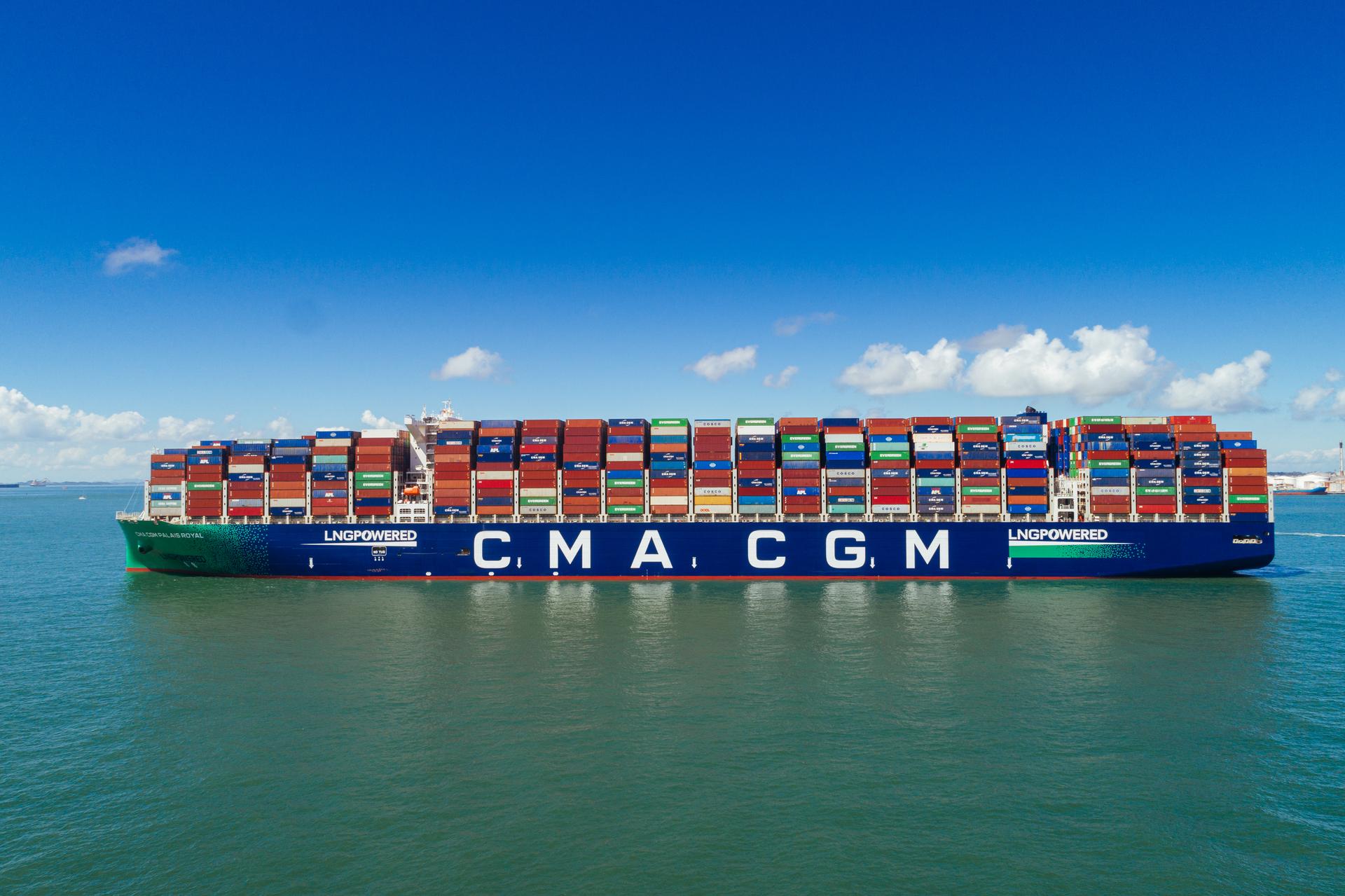
Abu Dhabi-headquartered AD Ports Group has reached a joint venture agreement with France’s CMA CGM Group to acquire a 20 per cent stake in the Latakia International Container Terminal in Syria for USD 22 million. The deal followed the ratification of a shareholders’ agreement signed in Abu Dhabi by Captain Mohamed Juma Al Shamisi, Managing Director & Group CEO of the AD Ports Group, and Rodolphe Saadé, Chairman & Chief Executive Officer of CMA CGM. The terminal handles over 95 per cent of Syria’s container traffic and is vital for the country’s agricultural export flows and industrial imports.

The new partnership builds on an existing franchise: CMA CGM has operated LICT since 2009 and in May this year signed a 30-year concession with Syrian authorities to expand and modernise the facility with a €230 million investment. Under this expansion plan the terminal’s capacity will scale from around 250,000 twenty-foot equivalent units to approximately 625,000 TEUs by the end of 2026. The AD Ports stake brings fresh funding, regional logistics know-how and establishes a feeder-service linkage via GFS expected to call Latakia in its emerging network.

Analysts note combining AD Ports’ digital-and-logistics platforms with CMA CGM’s terminal-operations experience offers a synergetic boost. Captain Al Shamisi described the deal as reinforcing AD Ports’ role as a “global enabler of trade, logistics and industry” and strengthening its international footprint; Saadé said it underscores CMA CGM’s commitment to the Eastern Mediterranean corridor. Yet risks remain: Syria’s infrastructure base was severely weakened by years of conflict, sanctions regimes remain in flux, and the geopolitical security climate in the Eastern Mediterranean remains volatile. In particular the coastal region around Latakia must contend with residual logistical bottlenecks and war-damaged hinterland links.

From a strategic viewpoint, the deal gives AD Ports exposure to an under-served Mediterranean gateway that has long been overshadowed by Cyprus, Turkey and Egypt. For CMA CGM it provides a partner that can bring capital, Gulf-region networks and feeder-service integration. It also aligns with Syria’s aim to attract foreign investment into its trade infrastructure under recent reforms, aiming to rehabilitate its war-impacted logistics chains and boost maritime connectivity. Governance observers point out that this investment marks one of the first substantial Gulf-region port-logistics ventures in Syria since the cessation of major international sanctions, signalling a potentially broader shift in regional trade flows.

Operationally, the agreement will focus on upgrading terminal infrastructure, digitising cargo-handling and container-tracking systems, enabling larger vessels by deepening docks and extending quays, and integrating feeder-shipping links. LICT’s current capacity constraints mean that the joint venture must invest quickly to meet anticipated growth in Syrian cargo volumes, especially agricultural exports and industrial imports. The container terminal’s status as the main node for land-locked regions within Syria gives it strategic significance beyond the coast: improved throughput at Latakia could ease pressure on border crossings and reduce logistics delays for inland cargo flows.

Abu Dhabi-listed investment firm Waha Capital has confirmed that its subsidiary, Waha VAS Limited, has completed its divestment from the AI-fintech group Optasia following the latter’s listing on the Johannesburg Stock Exchange. The firm reported proceeds of US$119 million, an internal rate of return of 25 per cent, and a multiple on invested capital of four times. Waha VAS initially acquired a 20 per cent stake in […]

The Abu Dhabi Investment Authority has secured a 4.7 per cent stake in the initial public offering of India’s investment-platform operator Groww, acquiring approximately 14 million shares via its India subsidiary Monsoon for 1.4 billion rupees. The investment was made through two separate transactions ahead of Groww’s IPO, in which 298.45 million equity shares were earmarked for institutional investors.

Groww’s anchor book raised 29.8 billion rupees from 102 institutional investors ahead of its public offer, which opens on 4 November and aims for a valuation of around US$754 million. The Government of Singapore committed 1.39 billion rupees in the anchor round for a 4.68 per cent stake.

The depth of anchor demand underlines strong institutional confidence in the Bengaluru-based company. The anchor tranche accounted for five out of the six largest global sovereign-wealth funds involved, and domestic mutual funds took nearly half of the allotted 29.84 million shares in the anchor raise at a unit price of ₹100. Groww’s parent, Billionbrains Garage Ventures, will deploy fresh issue proceeds for cloud-infrastructure upgrades, brand building and margin-trading facility expansion.

Groww faces a turning point as it transitions beyond core broking. In the quarter ended June 2025, broking revenue accounted for 79.5 per cent of total revenues, down from 87.4 per cent a year earlier, as the company ramps enrollment in commodities, bonds and margin-trading services. With strong backing from marquee institutional players, Groww appears to be counting on growth in wealth-management, lending and derivatives to justify its IPO valuation.

The involvement of ADIA gives Groww not only capital but credibility in the public markets. For the Abu Dhabi fund, the deal provides further exposure to India’s dynamic fintech ecosystem as it continues to expand its footprint through Asia-focused growth equity deals. The participation of the Government of Singapore and multiple global asset managers reinforces the message that the Indian retail-investment rally still commands global attention.

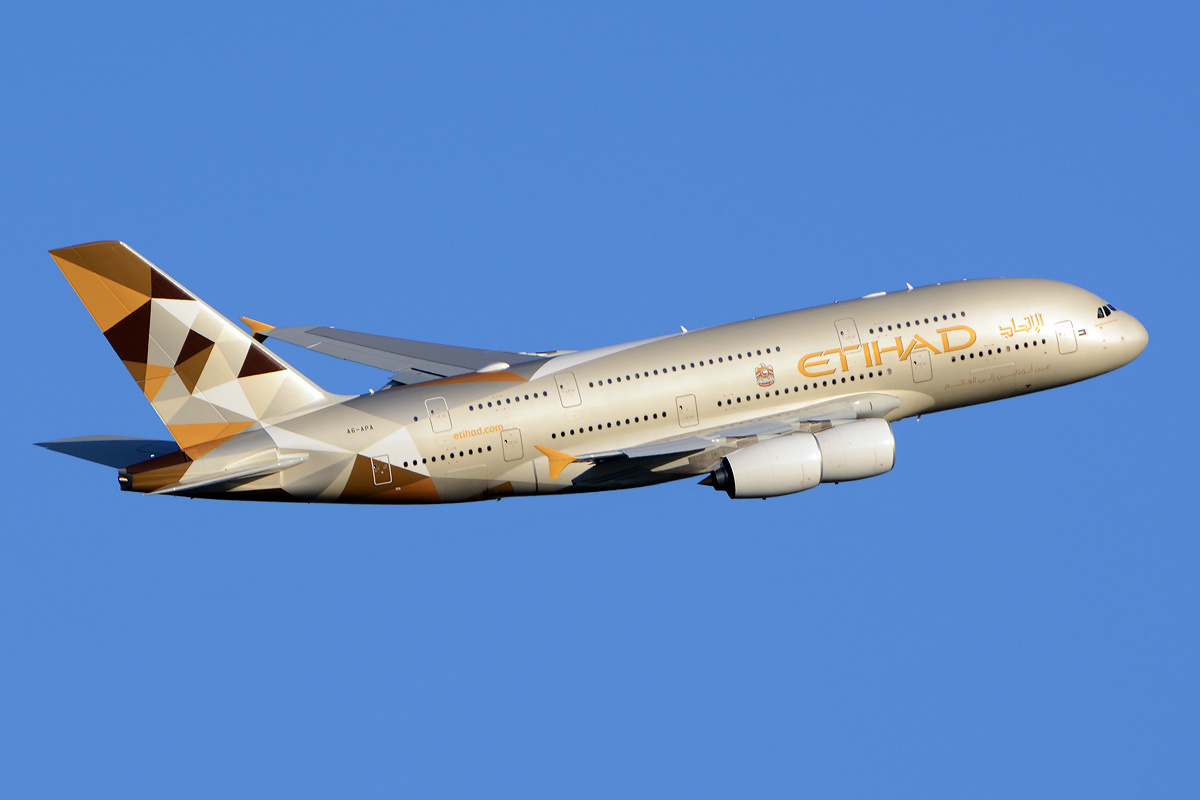
Etihad Airways has unveiled four new routes from its Abu Dhabi hub, linking the UAE capital with networks in North Africa and Asia in a major push to cement its global connectivity. The airline announced flights to Tunis, Hanoi, Chiang Mai and Hong Kong, opening up additional access across Africa and Asia. According to the carrier, these launches account for nearly 45 per cent of the UAE’s aviation growth this year.

The new North African route to Tunis flies three times a week starting 1 November, while the Vietnamese capital Hanoi will receive six weekly flights from 2 November. Chiang Mai in northern Thailand is added with four weekly services from 3 November, and Hong Kong is re-connected via five weekly flights also from 3 November under a renewed codeshare with Hong Kong Airlines. The carrier now serves more than 85 destinations globally.

Chief Executive Officer Antonoaldo Neves described the destinations as “each adding their own character” to the network, underscoring the airline’s aim to diversify its route map and bolster Abu Dhabi’s role as a travel and trade gateway. The move is timed to support the emirate’s broader economic pivot, complementing efforts in tourism, business and infrastructure.

The four-route addition forms part of Etihad’s strategic expansion alongside investments in both fleet and operational capabilities. The carrier has been ramping up use of its long-range Airbus A321LR and Boeing 787 aircraft, enabling direct links to previously unserved or underserved markets. The Tunis launch marks an enhanced North African footprint from Abu Dhabi, while Vietnam and Thailand reflect deeper penetration into Southeast Asia’s growing outbound travel markets. The Hong Kong entry is particularly significant given its status as a major financial and regional hub.

For travellers and partners the implications extend beyond new city-pairs. The enhanced network encourages greater inbound tourism into the UAE and provides domestic and international travellers increased flexibility via the Abu Dhabi hub. Industry analysts say the expansion underscores the carrier’s growing ambition to rival other Gulf-based airlines in forging east-west connectivity. It also aligns with Abu Dhabi’s Vision 2030 agenda, which includes boosting the emirate’s role as a global gateway.

Commercially, the airline’s published figures indicate that it expects the four new routes to contribute thousands of new seats in its system, aiding load-factor optimisation and revenue growth. The timing of launches over consecutive days signals a deliberate push to generate momentum across the network rather than incremental additions. Stakeholders within the regional aviation ecosystem view the move as one that may stimulate competitive responses from other carriers operating in similar markets.

While the expansion has drawn praise for its scale and ambition, there are strategic and operational considerations. Rapid rollout of new routes requires careful yield management, cost containment on long-haul sectors, and the calibration of frequency to ensure sustainable load factors. The North African route to Tunis, for example, hinges on demand that may fluctuate with seasonal tourism and business activity. Similarly, competition in the Thailand and Vietnam sectors remains intense with regional low-cost and full-service carriers vying for market share. The Hong Kong route will need to navigate the evolving regional regulatory and air-freight environment, especially given Hong Kong’s role in both tourism and cargo flows.

HANOI/ ABU DHABI, VIETNAM – Media OutReach Newswire – 4 November 2025 – The Vietnam Exposition Center (VEC) and dmg events have announced a strategic partnership and launch their first collaborative initiative – a global energy congress and exhibition. Operated under an exclusive brand model, this global event is expected to become a new international platform connecting the renewable energy, power, hydrocarbons, energy storage, hydrogen, low-carbon technology, […]

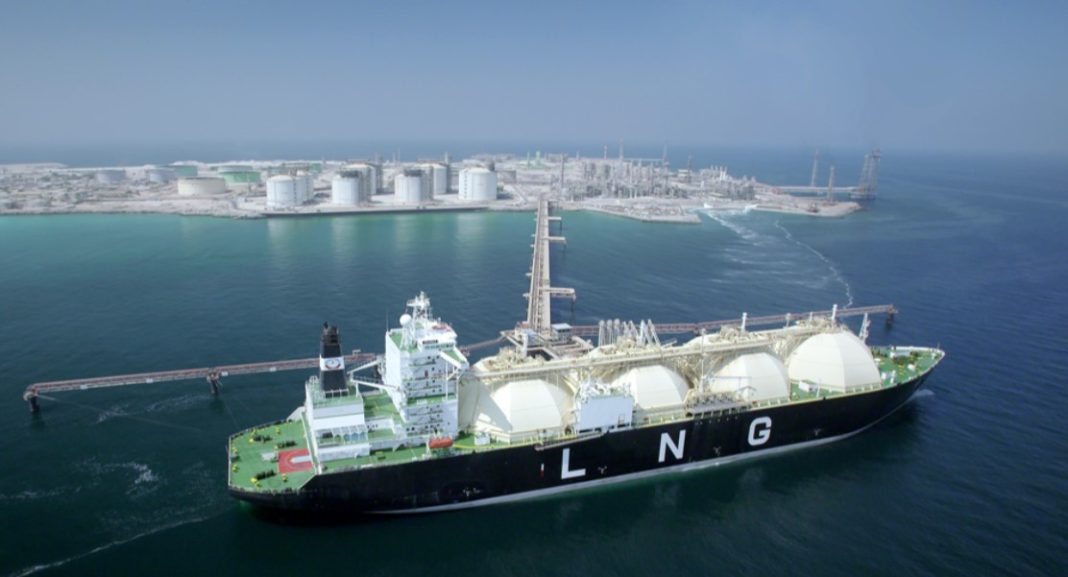
Abu Dhabi’s state energy company signed a 15-year sales and purchase agreement with a unit of British energy major for the delivery of up to 1 million tonnes per annum of liquefied natural gas. The contract represents the first long-term LNG sales deal between the company and Shell and marks the eighth offtake agreement secured for its new export facility.

The LNG will be supplied from the Ruwais LNG project in Al Ruwais Industrial City, Abu Dhabi, which is under development and is set to become the first LNG export plant in the Middle East and Africa region to operate on clean power. Shell holds a 10 per cent equity stake in the project. The agreement converts a previous heads of agreement into a definitive contract and accelerates the project’s commercial timeline.

By securing this deal, more than 8 mtpa of the facility’s planned 9.6 mtpa capacity has already been contracted across Asia and Europe, just 16 months after the project’s final investment decision in July 2024. The project comprises two liquefaction trains of 4.8 mtpa each and is designed to more than double the company’s existing LNG production capacity to around 15 mtpa.

The deal is timed to global gas-market conditions where demand is picking up and energy security is a key concern for buyers. By locking in long-term supply, the exporting company seeks to position itself as a “reliable global supplier of lower-carbon LNG”, while the buyer views the contract as a strategic commitment to expanding its LNG portfolio and securing long-term supplies.

For the seller, the rapid pace at which contract commitments have been won is significant. The chief executive of the gas-division described the achievement of contracting more than 80 per cent of the plant’s capacity within roughly a year of FID as “a new benchmark” for large-scale LNG projects globally, and noted that construction, contractor mobilisation and site works remain on track for commissioning by the end of 2028. The buyer emphasised its long-standing partnership of more than fifty years with the Abu Dhabi exporter and said the agreement supports its global LNG-expansion strategy.

Analysts note that the project’s clean-power design, advanced technology deployment, and rapid contracting distinguish it in the LNG market. That said, while the exporting company releases its ambition to expand its LNG portfolio, competitors in the region are also pursuing aggressive growth, raising competitive risk. Moreover, delivering commercial operations at a low-carbon intensity adds complexity and cost — achieving the projected timeline and performance will require careful execution.

On the demand side, the contract underscores how buyers are increasingly seeking longer-term and lower-emissions supply arrangements in the transition-era gas market. For the buyer, the deal adds to its diversified portfolio of LNG suppliers as it faces intensified competition for cargoes from traditionally dominant exporters. The seller’s ability to secure multiple offtake agreements rapidly helps de-risk the project and supports financing and construction momentum.

One key theme emerging is the alignment of LNG expansion with sustainability credentials. The Ruwais facility’s design to run on clean grid-powered operations, along with claims of being among the lowest-carbon intensity LNG plants globally, reflects a shift in gas-project metrics: projects are now evaluated not solely on cost and capacity but also on carbon footprint and technology sophistication. This trends suggests that access to lower-carbon LNG could become a differentiator among suppliers and a value driver for buyers.

However, achieving this low-carbon ambition may face challenges such as securing clean-power infrastructure, managing capital-cost escalation, and meeting stringent environmental and regulatory expectations across export markets. The broader LNG market is also subject to volatility in feed-gas supply, shipping capacity constraints, and fluctuating demand growth in key markets such as Asia and Europe.

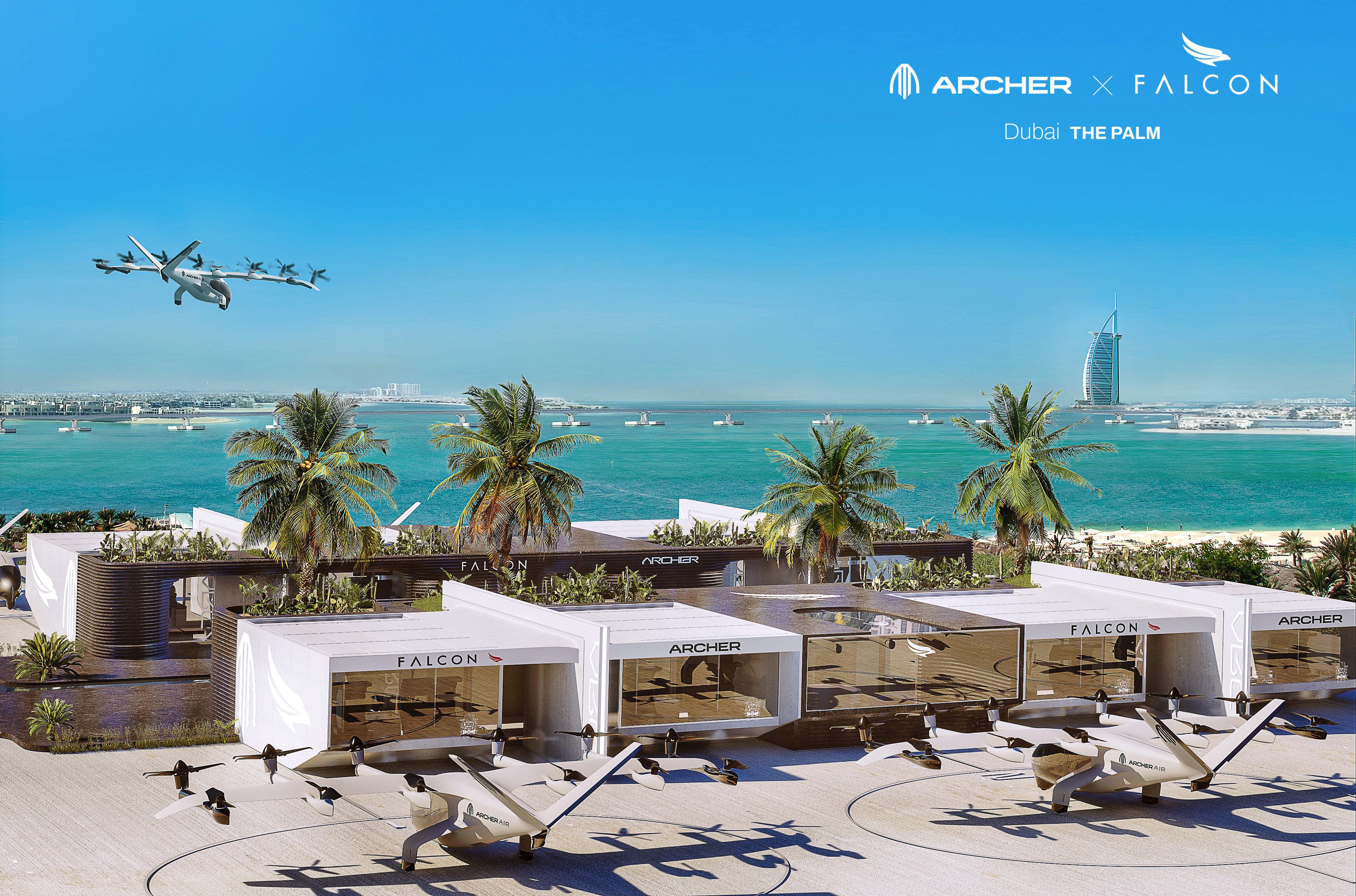
California-based Archer Aviation has signalled accelerated ambition in the electric air taxi sector with its CEO, Adam Goldstein, stating the company anticipates its first commercial flights within the next year across major city corridors. The objective is underpinned by a surge in interest, key contracts and strategic partnerships that could shape the future of urban air mobility.

Goldstein outlined that Archer’s inaugural production-model aircraft — dubbed Midnight — is scheduled to operate “in and around several big urban cities” by June next year, a milestone he described as achievable given current progress. He emphasised the dual track of domestic and international strategy, with particular emphasis on collaboration in the Gulf region. The company confirmed it is working with the UAE government and other global partners as part of its launch ecosystem.

Financially, Archer has bolstered its resources to support certification, manufacturing and ecosystem rollout. In its latest funding round, the firm raised some $300 million backed by institutional investors including BlackRock, bringing total liquidity to roughly $1 billion. These funds are earmarked for critical capabilities such as composites and batteries, underscoring the high cost of advancing from prototype to commercial launch.

Partnerships have emerged as a central pillar of Archer’s strategy. Late last year Archer acquired the patent portfolio of another eVTOL developer, allying further with global manufacturing partner Stellantis and with operators such as Jetex in the Gulf region. Specifically, Archer and Jetex signed a memorandum focused on leveraging Jetex’s network of fixed-base operator terminals—launching in Abu Dhabi and potentially expanding across 30 countries.

At the 2025 Paris Air Show Goldstein reaffirmed Archer’s interest in the UK and Europe as early-adopter markets, noting that regulatory frameworks and infrastructure development would be key determinants of where deployment regulatory certification is achieved first. He also addressed scepticism over the speed of robotic aircraft progress, dismissing a critical short-seller report by saying that “we prove everything by action … we have started our flight campaign, which is going really well, so we will continue to prove by showing not talking.”

The regulatory environment is evolving. The US federal government has elevated advanced air mobility as an industry priority, paving pathways for certification and integration of eVTOL aircraft into air-traffic systems. Nested within this push is the recognition that infrastructure — vertiports, charging systems, air-traffic management — remains the linchpin for commercial viability. Archer’s operations already envisage a dual business model: direct-to-consumer urban air rides and the sale of aircraft to operators.

Despite the momentum, significant challenges persist. Certification of a new aircraft category remains uncharted territory for many stakeholders; technological hurdles persist around battery energy density, noise reduction and charging turnaround. Market pricing models are under scrutiny as well; as early as 2024 industry analysts highlighted that selling an eVTOL aircraft at around US$5 million may be inconsistent with the aim of widespread, affordable urban service. Goldstein and his team must also build out manufacturing capacity: Archer’s planned Georgia manufacturing site, intended to ultimately produce up to 650 aircraft per year, is still under construction.

The Middle East remains a focal region for Archer’s first service launch. High-temperature performance testing of the Midnight aircraft is already underway in Abu Dhabi, where the company is collaborating with local civil-aviation authorities. Simultaneously, the company has signed on for major transport-network projects — notably serving as the official air-taxi provider for the 2028 Los Angeles Olympics, in which flights of 10-20 minutes between key venues are planned.

Microsoft has announced a commitment to invest approximately $15.2 billion in the United Arab Emirates by the end of 2029, while securing U. S. export licences to ship advanced AI chips to the Gulf state. The investment is centred on building and expanding cloud infrastructure, artificial-intelligence data centres and talent development in partnership with local entities.

The majority of this sum will flow into the construction and operation of AI-enabled data-centre campuses, with Microsoft Vice-Chair and President Brad Smith describing the growth of those facilities as “by far” the largest element of the investment. The U. S. export licences permit shipment of tens of thousands of the latest-generation Nvidia GB300 Grace Blackwell GPUs to the UAE, enabling Microsoft to deploy higher-end compute capacity in its regional centres.

The investment timeline outlines that Microsoft had invested just over $7.3 billion between 2023 and the end of the present year and plans to spend more than $7.9 billion from 2026 to 2029. Of the latter, over $5.5 billion is earmarked for capital expenditure on data-centres and cloud systems, with the remainder directed at local operating expenses and workforce development. The export licence approvals follow a strategic arrangement between Washington and Abu Dhabi, reflecting shifting U. S. policy on high-end chip exports and technology partnerships with Gulf states.

By leveraging the licences, Microsoft gains the ability to scale AI infrastructure in the UAE under its own operation and in concert with regional firms. The firm emphasizes talent and ecosystem-building alongside infrastructure, noting its launch of a Global Engineering Development Centre in Abu Dhabi, and targeting wide-scale skilling of AI talent across the region. Local partner G42-based in Abu Dhabi plays a key role, with Microsoft having invested $1.5 billion for a minority stake and a board seat for Smith. G42’s board participation and Microsoft’s alignment reinforce the strategy of blending global tech capability with regional execution.

Beyond the financials, the deeper strategic purpose illuminates broader geopolitical dynamics. The U. S. decision to grant chip-export licences to the UAE signals a recalibration of export controls in favour of trusted partners, even as Washington manoeuvres to counter Chinese influence in the global AI supply-chain. The UAE’s ambition to become a global AI hub, and to host one of the world’s largest data-centre complexes in Abu Dhabi, aligns with Microsoft’s drive to diffuse AI at scale. The chip-export approvals are bound by stringent cyber-security and physical-security conditions; Smith emphasised that Microsoft became “the first company” under this administration to obtain such licences for the Gulf region.

Concerns remain, however. Some U. S. lawmakers have flagged that the UAE’s past technology ties with China raise questions about enforcement of export-control safeguards and potential technology diversion. The export licences carry conditional compliance obligations; any lapses may provoke regulatory scrutiny. For Microsoft and the UAE, execution risk spans multiple fronts: timely deployment of infrastructure, talent acquisition and retention, regulatory alignment, and ensuring that capital investment yields operational returns in a cloud and AI market set to intensify.

For the UAE, the benefits are manifold: access to cutting-edge AI hardware, alignment with global technology leaders, and bolstered credentials as a regional innovation hub. For Microsoft, the Gulf expansion offers a new growth frontier outside its traditional markets, delivering cloud-services scale and AI-model hosting in a region keen to adopt generative-AI applications at high per-capita levels. According to Microsoft’s own AI diffusion data, the UAE leads global per-capita use of generative AI, with 59.4 per cent of its population reported to be active users, ahead of second-placed Singapore at 58.6 per cent.

VISHNU RAJA
RYO YAMADA
HITORI GOTOH
IKUYO KITA
Just in:
OpenAI identifies 948 Linux privilege escalation flaws using AI // Emirates Group records AED 4.1 billion half-year profit // Miss Universe Hong Kong Jen Zhou Departs for Puerto Rico to Compete in the 75th Miss Universe World Final // Cloudflare unveils Zero Wire vulnerability intelligence service // e-Crime Bureau Signs Cybersecurity Partnership With Smart Africa, Reinforcing Its Global Expansion // Hong Kong mandates crypto transaction disclosures to tax authorities // Kochi police detain two actors over bid to honey trap doctor // APT29-linked campaign exploits outdated Apple and Android software // Dubai boat show confirms international shipyard line-up for November // After Reaching 7 Million Users in the Philippines, Skyro Launches Transparent Cash Loans in Malaysia // UK air traffic outage inflicted £33m financial losses // Meraas showcases five residential zones at Dubai Design Week // CR Longdation Aethereal Cybersecurity × Global Cybersecurity Alliance (GCSA) Join Hands to Establish the “AI and Cybersecurity Research Centre” // Trump’s Iran War Has A Share Of Contribution To His Midterm Debacle // Dubai details five-year visa benefits for returning visitors // OpenAI introduces GPT-6 Cyber with restricted security access // Private varsities bill all set to face the axe // Oil advances towards $100 as tanker attacks persist // TVM –Mangaluru Vande Bharat claims top spot // Geely’s i-HEV Intelligent Hybrid Technology Offers a New Direction for Gasoline-Powered Vehicles //