Just in:
The “1st Greater Bay Area Health and Longevity Summit & Awards Ceremony” concludes successfully in Macao // Geely’s i-HEV Intelligent Hybrid Technology Offers a New Direction for Gasoline-Powered Vehicles // Miss Universe Hong Kong Jen Zhou Departs for Puerto Rico to Compete in the 75th Miss Universe World Final // Ousted top Kochi cop gets IG post // APT29-linked campaign exploits outdated Apple and Android software // Oil advances towards $100 as tanker attacks persist // Private varsities bill all set to face the axe // Meraas showcases five residential zones at Dubai Design Week // Technology shares plunge as Nasdaq enters correction // UK air traffic outage inflicted £33m financial losses // Oil and chip shares retreat after Democratic victories // Beyond the exhibition floor: How robots, AI and networks are moving into the real world // Asia Left Behind: Ten international companies have yet to report delivering on their cage-free egg pledges across the region // Motorola introduces Signature 27 flagship priced at $1,599 // Xi Jinping Preparing For A Trilateral Summit With Trump And Putin At APEC Summit On Nov 18-19 // Hong Kong mandates crypto transaction disclosures to tax authorities // Kochi police detain two actors over bid to honey trap doctor // OpenAI introduces GPT-6 Cyber with restricted security access // e-Crime Bureau Signs Cybersecurity Partnership With Smart Africa, Reinforcing Its Global Expansion // TVM –Mangaluru Vande Bharat claims top spot //

News related to
Dhabi

Corporate Group, a prominent financial advisory firm based in Dubai, has entered into a strategic collaboration with PwC Academy Middle East through a newly signed Memorandum of Understanding (MoU). This partnership is designed to equip aspiring professionals with the skills needed to bridge the gap between academic studies and practical business environments.

The MoU formalizes a comprehensive framework for integrating academic knowledge with hands-on experience. This initiative targets university students and recent graduates, offering them tailored training programs, mentorship opportunities, and real-world project engagements. By aligning educational outcomes with industry requirements, the collaboration aims to address the skills mismatch often seen in the job market.

Corporate Group and PwC Academy Middle East will jointly develop a series of specialized workshops and training sessions. These will cover various aspects of financial advisory, including risk management, financial planning, and corporate governance. The program is structured to provide participants with both theoretical knowledge and practical skills that are immediately applicable in the professional sphere.

The collaboration also includes the creation of internship and job placement opportunities within Corporate Group. This will allow participants to gain direct experience in the financial sector, applying their skills in a real-world context. Additionally, PwC Academy will offer certification programs that recognize the skills and knowledge acquired through the partnership.

The initiative reflects a broader trend in the UAE’s education sector, where there is a growing emphasis on enhancing the employability of graduates. By connecting academic institutions with industry leaders, the partnership aims to create a more dynamic and responsive workforce. This move is expected to support the UAE’s vision of becoming a global hub for business and innovation by developing a highly skilled talent pool.

Industry experts view this collaboration as a significant step towards addressing the challenges of talent development in the region. The partnership not only benefits students by providing them with valuable experience but also helps companies like Corporate Group access a pool of well-trained candidates ready to contribute effectively to the industry.

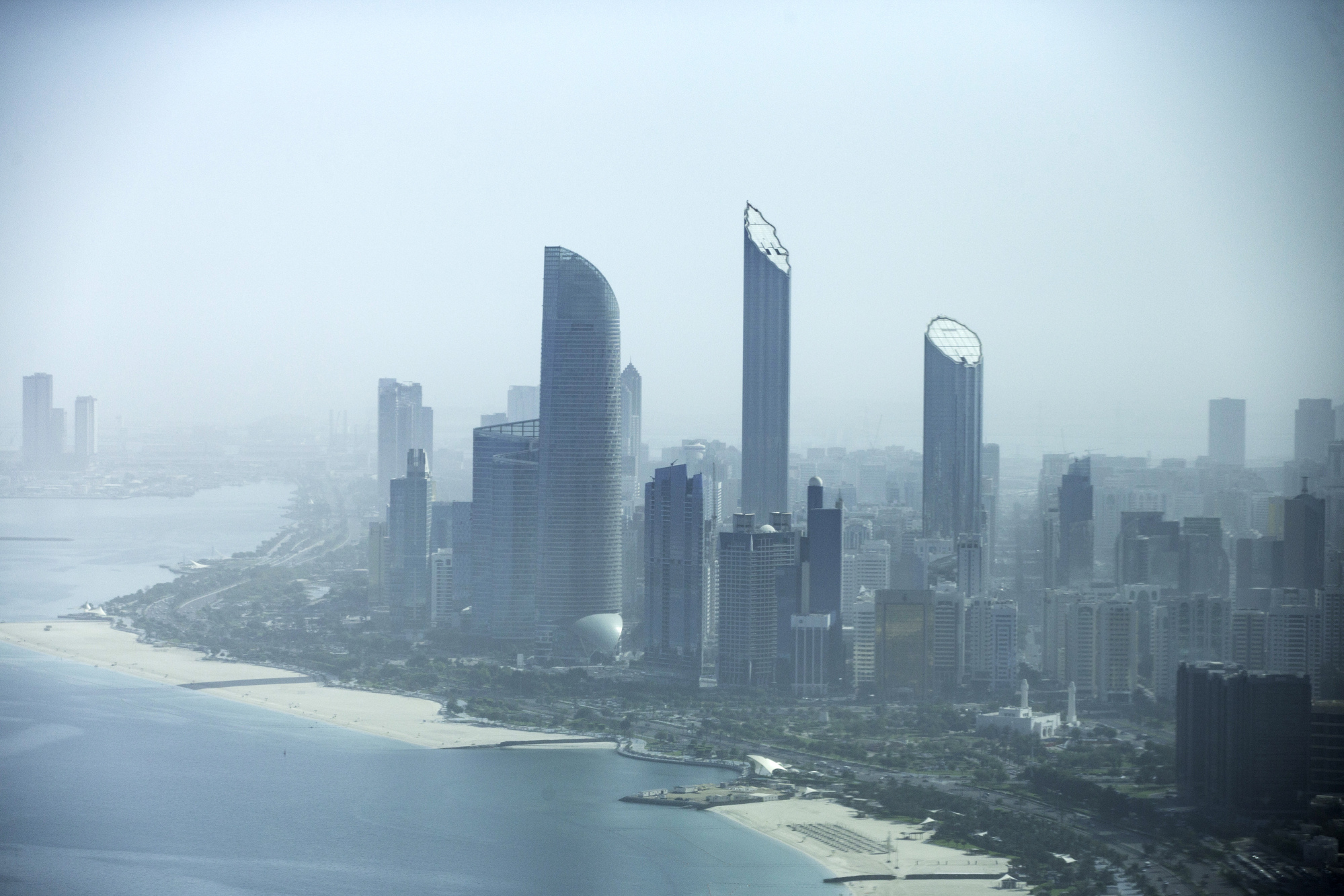
Abu Dhabi has introduced an advanced taxi booking system aimed at streamlining public transport across the emirate. This initiative, led by the Integrated Transport Centre (Abu Dhabi Mobility), marks a significant leap in the modernization of urban transport services.

The newly launched system integrates state-of-the-art technology to enhance user experience and operational efficiency. Through a user-friendly mobile application, residents and visitors can now book taxis with greater ease. The app offers real-time tracking, automated fare calculations, and various payment options, ensuring a seamless and transparent experience for users.

Key features of the system include a sophisticated algorithm designed to optimize routes and reduce wait times. This is expected to improve overall efficiency and reliability of taxi services in Abu Dhabi. Additionally, the integration of GPS technology allows for more accurate and timely pickups, addressing one of the common issues faced by passengers.

The new system also prioritizes safety and convenience. Enhanced safety measures include real-time monitoring of taxi locations and driver details, which are accessible to both passengers and regulatory authorities. This move aims to address concerns related to passenger security and ensure a safe travel experience.

From an operational perspective, the initiative is set to benefit both taxi operators and the broader transport infrastructure. By leveraging data analytics, the system helps in optimizing fleet management and operational planning. Taxi operators can gain insights into demand patterns, allowing for better allocation of resources and improved service levels.

This move aligns with Abu Dhabi’s broader vision of leveraging technology to enhance urban mobility. It reflects a commitment to creating a more connected and efficient transport network within the emirate. The system is also expected to play a role in reducing traffic congestion by encouraging the use of public transport over private vehicles.

The introduction of this system follows a series of pilot programs and extensive testing phases designed to ensure its reliability and effectiveness. The feedback from initial users has been largely positive, highlighting the system’s efficiency and ease of use. As the system becomes fully operational, it is anticipated to further integrate with other transport services in the emirate, contributing to a more cohesive public transport network.

The Middle East is rapidly becoming a hub for renewable energy projects, with a forecast of $75 billion worth of investments in the sector. This growth is driven by regional governments’ determination to diversify energy portfolios, reduce reliance on fossil fuels, and meet global climate change commitments. Several Gulf countries, including Saudi Arabia and the UAE, are leading this charge with ambitious solar, wind, and hydrogen projects. […]

Bajaj House Finance, backed by Abu Dhabi Investment Authority (ADIA), made a significant impact on its market debut, with its shares more than doubling in value. The company’s initial public offering (IPO) generated substantial investor interest, reflecting robust confidence in the firm’s future prospects and financial stability. The IPO, which launched on September 15, 2024, was priced at ₹100 per share. However, the stock soared to ₹210 […]

Abu Dhabi has introduced a new green bus service aimed at reducing the capital’s carbon footprint and promoting sustainable urban transport. This initiative represents a significant step in the city’s efforts to enhance environmental sustainability and provide more eco-conscious transportation options for its residents. The new fleet, comprising electric and hybrid buses, is set to transform public transport in Abu Dhabi. This expansion aligns with the city’s […]

Abu Dhabi-based investment firm Lunate has revealed the launch of the first exchange-traded fund (ETF) in the GCC that focuses on German equities. The new Chimera S&P Germany UCITS ETF will offer retail investors in the UAE an opportunity to access Germany’s diversified economy, the largest in Europe and third-largest globally by nominal GDP. Lunate has announced that the ETF will track the S&P Germany BMI Liquid 35/20 Capped Index, a benchmark that includes some of Germany’s most prominent and liquid companies.

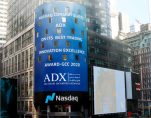
The ETF is set to be listed on the Abu Dhabi Securities Exchange (ADX) on 26th September, marking a key milestone in the region’s growing ETF market. As the first Germany-focused fund available in the GCC, the product reflects increasing interest in European markets, particularly Germany’s robust economic landscape. The benchmark index being tracked by the ETF includes industry giants such as Siemens and Mercedes-Benz, representing sectors pivotal to Germany’s industrial strength.

Lunate, an alternative investment firm with a focus on innovation, has positioned the new ETF as a strategic entry point for regional investors seeking exposure to Germany’s top-tier equities. The firm highlighted that the ETF provides a cost-effective and accessible vehicle for individuals looking to diversify their portfolios beyond regional or U.S.-focused markets. The ETF is structured as a UCITS (Undertakings for the Collective Investment in Transferable Securities), a European regulatory framework known for its high standards of investor protection.

Germany’s economy has long been regarded as a leader in industrial output, innovation, and fiscal responsibility, making it an attractive target for investors looking for stability amidst global market volatility. By tracking the S&P Germany BMI Liquid 35/20 Capped Index, which caps the largest constituents to limit concentration risk, the ETF aims to provide balanced exposure to both established and emerging German firms.

Lunate’s CEO expressed confidence that the ETF will appeal to a broad base of investors in the region, noting that the fund provides an efficient and transparent way to gain access to a diverse range of German equities. The inclusion of companies like Siemens, a global leader in industrial manufacturing and digitalization, and Mercedes-Benz, an automotive powerhouse, highlights the ETF’s focus on industries with strong growth prospects.

The launch of the Chimera S&P Germany UCITS ETF also comes at a time when investor interest in European equities has been growing, particularly as concerns about inflation, supply chain disruptions, and geopolitical tensions weigh on markets globally. Analysts believe that the ETF could attract significant interest, given the relatively stable performance of Germany’s largest companies compared to their international counterparts.

Germany has consistently demonstrated economic resilience, with a solid foundation in sectors such as automotive, manufacturing, and renewable energy. By offering exposure to a wide range of industries, the ETF enables investors to tap into growth opportunities within Germany’s expansive economy. The cap mechanism in the index ensures that the largest firms, which might otherwise dominate, do not excessively influence the fund’s overall performance.

The launch of this ETF also highlights the growing maturity of the ETF market in the GCC. Over the past few years, there has been a noticeable increase in the number and variety of ETFs listed on exchanges like ADX. This trend reflects both increasing investor appetite for passive investment strategies and a recognition of the benefits ETFs offer, such as lower costs, liquidity, and diversification.

While the UAE has been a leader in promoting financial innovation, particularly through initiatives like the introduction of ETFs and the establishment of fintech sandboxes, the listing of a Germany-focused ETF signals a more international outlook for the region’s financial markets. The product opens up new avenues for UAE-based investors to participate in the European market without the need to navigate foreign exchanges or deal with the complexities of direct international investments.

The Chimera S&P Germany UCITS ETF is part of a broader strategy by Lunate to expand its offerings in the passive investment space. The firm has been keen to capitalize on the growing popularity of ETFs, which have become a preferred investment vehicle for many due to their flexibility, lower costs compared to traditional mutual funds, and ability to track specific sectors, regions, or asset classes.

The decision to focus on Germany appears strategic, as Germany remains a global hub for innovation and sustainability. With a strong industrial base and leadership in sectors such as automotive, renewable energy, and high-tech manufacturing, Germany continues to attract investment from around the world. Moreover, the country’s long-standing commitment to fiscal discipline has made it a safe haven for investors, particularly during times of economic uncertainty.

The ETF will be accessible to retail investors across the UAE, and its listing on ADX is expected to generate interest from a broad segment of the investment community. By providing exposure to Germany’s most liquid companies, Lunate aims to meet the growing demand for diversified investment products that offer international exposure while maintaining a focus on transparency and cost-efficiency.


LuLu Group, one of the largest retail giants in the Middle East, is preparing to go public with a dual listing on the Abu Dhabi Securities Exchange (ADX) and Saudi Arabia’s Tadawul. The much-anticipated initial public offering (IPO) is slated to take place by November 2024, a significant development for the conglomerate as it continues to expand its global footprint. This decision follows months of strategic planning, positioning the company to capitalize on strong investor interest in both markets.

Led by its Chairman and Managing Director, Yusuff Ali M.A., LuLu Group’s listing is expected to attract regional and international investors. The company has been a dominant player in the retail and wholesale sectors across the Middle East, Africa, and Asia, operating over 250 hypermarkets and employing more than 65,000 people. Its operations range from grocery and consumer goods to shopping malls and manufacturing, making the IPO one of the region’s most highly anticipated.

The decision to pursue a dual listing aligns with LuLu’s strategy to enhance its presence in two of the Gulf’s most significant financial markets. Both the Abu Dhabi Securities Exchange and Saudi Arabia’s Tadawul are home to several major IPOs in recent years, which have drawn global attention due to the economic growth and diversification efforts in the region. Saudi Arabia’s Vision 2030 and Abu Dhabi’s economic initiatives have both bolstered investor confidence, providing a fertile environment for companies like LuLu Group to flourish.

Reports suggest that the IPO could raise billions of dollars, further boosting LuLu Group’s expansion plans and allowing the company to fortify its position in the highly competitive retail market. By choosing ADX and Tadawul for its dual listing, the conglomerate is making a calculated move to tap into two rapidly growing financial ecosystems. The Abu Dhabi Securities Exchange has been pushing for more listings as part of the UAE’s broader push to deepen its capital markets, while Tadawul has seen record-breaking IPO activity in sectors ranging from technology to consumer goods.

The Group’s financial performance in 2023 was solid, with revenues steadily growing as it expanded its market reach in key countries such as Egypt, India, and Malaysia. The company has also invested in several large-scale infrastructure projects, including logistics and warehousing, to support its expanding operations. Moreover, its strategic partnerships with local suppliers and government entities have given LuLu a competitive edge, enabling it to meet the growing demands of consumers across different regions.

Yusuff Ali has indicated that the IPO proceeds will be reinvested in strengthening the company’s supply chain, digital infrastructure, and expansion into new markets. This includes bolstering its e-commerce platform, which has seen a surge in demand post-pandemic. The dual listing will also provide LuLu with greater access to capital, which is essential for its future growth and development, especially as it looks to enhance its sustainability efforts and introduce more environmentally-friendly practices across its operations.

Market analysts have lauded LuLu’s decision, noting that the timing of the IPO comes when the Gulf region’s capital markets are witnessing heightened activity. Both ADX and Tadawul have implemented reforms to attract more international capital, making them attractive destinations for companies looking to expand. The IPO will likely be a litmus test for other large family-owned conglomerates in the region that may be considering going public, signaling the start of a new wave of listings in the Gulf Cooperation Council (GCC) countries.

The retail sector in the Middle East, driven by robust consumer demand and increasing digitalization, is also expected to see continued growth in the coming years. LuLu Group’s ability to remain at the forefront of this transformation has been key to its success. By embracing technology and innovation, the company has not only enhanced customer experience but also improved operational efficiency. As part of its expansion strategy, LuLu Group has launched various initiatives aimed at promoting sustainability, including reducing its carbon footprint and cutting down on plastic use across its stores.

Advertisements

The global sukuk market is seeing unprecedented developments as Sharia-compliant financial structures adapt to new regulations and growing investor interest. Proposals for Sharia reforms could lead to a major shift in the sukuk landscape, potentially driving innovation and expanding the market further into long-term investments. Issuers are increasingly adopting longer tenors in sukuk, reflecting growing confidence among regional investors. Notably, both Aldar Investment Properties, a key real […]

Arabian Post Staff -Dubai The Abu Dhabi Securities Exchange (ADX) has enacted a new ban on insider trading effective immediately, targeting potential market abuses ahead of the third-quarter financial disclosures. This move aims to reinforce market integrity and ensure fair trading practices as companies prepare to release their quarterly results. The ADX’s decision, announced on September 14, 2024, responds to growing concerns about market manipulation and the […]

The electric vehicle (EV) market in the Gulf Cooperation Council (GCC) is rapidly expanding, driven by the region’s commitment to energy diversification and decarbonization goals. Despite ongoing challenges, including infrastructure development and fluctuating oil prices, the momentum for clean energy solutions remains strong as GCC nations look to reduce their dependency on fossil fuels and embrace sustainable transportation.

In recent years, Gulf states have intensified efforts to diversify their economies, which historically relied heavily on oil revenues. This shift aligns with global carbon neutrality targets and the push for sustainable energy alternatives. The EV sector, in particular, has become a crucial part of this transition. Reports indicate that the GCC EV market could reach over $10 billion by 2029 as demand for electric vehicles grows both domestically and for export to other regions.

One of the main factors driving the EV boom in the GCC is the region’s ambition to reduce greenhouse gas emissions. Countries like the UAE and Saudi Arabia have set ambitious goals to decarbonize their transportation sectors. For instance, the UAE is working toward integrating EVs into public transport and encouraging private EV adoption. In Dubai, there are plans for a manufacturing hub to produce EVs, targeting exports to African markets like Egypt, Tanzania, and Kenya.

This economic shift is coupled with investments from key international players, particularly Chinese automakers. China, a global leader in the EV industry, has been establishing partnerships with Gulf nations to accelerate the deployment of electric vehicles in the region. BYD, one of the largest EV manufacturers in China, recently entered into agreements with local distributors in Jordan and Saudi Arabia, bolstering its presence in the Middle East. Other Chinese firms like NIO have also secured strategic investments, particularly in Abu Dhabi, which underscores the growing importance of the GCC market for international EV players.

The growing demand for EVs is further supported by governmental initiatives. Saudi Arabia, for instance, has invested billions into partnerships with foreign EV companies to build up its local manufacturing capacity, aiming to make the kingdom a hub for electric vehicle production. Meanwhile, other Gulf nations are focusing on building the necessary infrastructure, such as charging stations, to support the increased use of electric vehicles.

However, the transition is not without obstacles. One major challenge lies in developing a comprehensive infrastructure network that can support widespread EV adoption. While governments are making progress, the rollout of charging stations across the region remains slow compared to other global markets. Additionally, the upfront costs of EVs can be a deterrent for some consumers, although falling battery prices and government subsidies are helping to mitigate this issue.

The UAE’s clean energy sector has reached a significant milestone, with renewable energy now comprising 27.83% of the country’s total energy mix, as revealed by the nation’s energy minister. This development underscores the UAE’s continued commitment to diversifying its energy sources and reducing its carbon footprint amid growing global concerns about climate change. The country’s leadership has been keen on positioning itself as a pioneer in the […]

The UAE’s General Civil Aviation Authority (GCAA) has entered into an interim agreement with Hong Kong-based Volar Air Mobility to establish the Emirates’ first green aviation technology centre. The initiative is part of the UAE’s broader strategy to strengthen its environmental sustainability efforts, particularly within the aviation sector, which has seen significant investment in recent years to reduce carbon emissions and promote cleaner energy solutions.

The centre will focus on advancing clean energy technology and driving research and development in sustainable aviation solutions. Aiming to serve as a hub for collaboration between international stakeholders, regulators, and innovators, the project is positioned as a crucial step toward making aviation more eco-friendly in one of the world’s busiest air travel hubs.

Sustainability is a central pillar of the UAE’s Vision 2050, a national plan that targets a balance between economic growth and environmental responsibility. The GCAA has emphasized that the collaboration with Volar Air Mobility will not only bolster the UAE’s efforts to lead in green aviation but will also pave the way for future innovations that could be adopted globally. This initiative reflects a growing awareness among Middle Eastern nations of the need to integrate sustainable practices across various industries.

Volar Air Mobility, known for its cutting-edge technology in electric vertical take-off and landing (eVTOL) aircraft, has positioned itself at the forefront of green air mobility. The company’s expertise in developing low-emission transport solutions is expected to play a critical role in shaping the future of aviation in the Emirates. By leveraging Volar’s technology, the new centre will explore ways to integrate sustainable practices into existing aviation infrastructure, including the development of low-emission aircraft and green fuel alternatives.

The agreement comes at a time when the global aviation industry faces mounting pressure to reduce its carbon footprint. Aviation accounts for around 2-3% of global CO2 emissions, with air travel expected to grow significantly in the coming decades. Many countries are now focusing on developing green technologies to meet ambitious emission reduction targets set by international agreements such as the Paris Accord. The UAE’s green aviation technology centre is aligned with these goals and aims to address some of the most pressing challenges faced by the industry.

While the GCAA has not yet disclosed the specific location for the centre, officials have hinted that it will be based in one of the country’s major aviation hubs, likely in close proximity to Dubai or Abu Dhabi airports. Both cities are home to some of the world’s busiest airports, making them ideal candidates for a green aviation initiative that seeks to marry innovation with practicality.

The centre will also aim to attract global talent and research teams to the UAE, encouraging collaboration between local and international experts in green aviation technologies. In addition to research and development, the facility will provide a testing ground for new technologies that could eventually be implemented in commercial aviation. This is expected to include the trial of electric and hydrogen-powered aircraft, as well as the exploration of biofuels and synthetic fuels that promise lower emissions than traditional jet fuels.

The agreement between the UAE and Volar Air Mobility also underscores the importance of international partnerships in tackling the global challenges of climate change. The aviation sector, which is heavily reliant on fossil fuels, is one of the industries most in need of innovation to meet global climate goals. By teaming up with a tech leader like Volar, the UAE is positioning itself as a key player in the global push for sustainable aviation solutions.

The collaboration comes on the heels of other major sustainability initiatives within the UAE’s aviation sector. Earlier this year, Emirates Airline announced its commitment to using sustainable aviation fuel (SAF) across its fleet, while Etihad Airways has invested in the development of hybrid-electric and fully electric aircraft. Both airlines have signaled their intent to drastically cut their carbon emissions over the coming decades, aligning with the UAE’s broader environmental goals.

Sustainability has become a growing priority for the UAE government across multiple sectors, with aviation identified as a key area for transformation. The nation’s commitment to becoming a global leader in green technology is evident in its support for projects such as Masdar City, a pioneering green city designed to be a hub for clean energy companies, and its investments in renewable energy projects like solar and wind farms.

The new aviation technology centre is expected to build upon these efforts by promoting innovation that can be applied not only in the UAE but also globally. The centre’s emphasis on collaboration with international stakeholders suggests that the UAE sees this project as a stepping stone toward becoming a global leader in green aviation. The country’s strategic location as a global travel hub makes it an ideal place to test and implement new aviation technologies, which could eventually influence the practices of airports and airlines worldwide.

Abu Dhabi-based MGX, a state-backed technology investment firm, is reportedly exploring an investment in OpenAI. This potential move follows OpenAI’s current efforts to raise $6.5 billion in funding, aiming to reach a valuation of $150 billion. OpenAI, the company behind the widely used AI language model ChatGPT, is looking to accelerate its AI initiatives amid heightened global interest in artificial intelligence technologies.

MGX, which was founded in 2024 with the backing of the UAE’s sovereign wealth fund Mubadala and AI company G42, has emerged as a significant player in the AI investment landscape. Created with the goal of advancing the UAE’s position as a global hub for technology innovation, MGX focuses on AI infrastructure, core AI technologies, and AI applications. It is also part of the UAE’s broader strategy to reduce reliance on oil and expand its footprint in technology sectors like artificial intelligence.

The potential MGX investment is part of OpenAI’s larger funding initiative, which includes major global technology companies such as Microsoft and Nvidia. Microsoft has already committed significant investments in OpenAI, totaling over $13 billion since 2019, underscoring its belief in the future of AI. MGX’s participation in this funding round would further position the UAE as a pivotal player in AI-driven technologies.

OpenAI’s CEO, Sam Altman, has been actively engaging with investors, highlighting the company’s annual recurring revenues of $4 billion as a signal of its growing market dominance. Additionally, Altman has reportedly held discussions with MGX leadership, including Sheikh Tahnoun bin Zayed Al Nahyan, on future initiatives, including a potentially trillion-dollar investment aimed at expanding global semiconductor capacity. This strategic partnership could be a critical component of OpenAI’s long-term growth, particularly as the demand for advanced computing power continues to rise.

MGX’s entry into AI investments aligns with the UAE’s ongoing efforts to position itself at the forefront of technological innovation. In addition to its collaboration with OpenAI, MGX’s partner, G42, secured a $1.5 billion investment from Microsoft earlier this year, reflecting the UAE’s strategic vision to be a leader in AI and digital transformation globally.

As the world witnesses a surge in AI development and its integration into various industries, investments like these underscore the geopolitical and economic shifts taking place. For OpenAI, securing funds from MGX would provide crucial support for expanding its product offerings and meeting the growing global demand for artificial intelligence solutions.

MGX’s move also signals Abu Dhabi’s ambitions to establish itself as a technology leader not just within the region but globally. With approximately $2 trillion in sovereign wealth, the UAE has the financial firepower to support these ambitions. The partnership between MGX and OpenAI could serve as a blueprint for future collaborations between state-backed investment funds and AI firms, reshaping the landscape of global technological advancements.

Hong Kong is seeking to deepen its financial and trade ties with the Gulf, focusing on attracting investment from sovereign wealth funds in Saudi Arabia and the UAE. This push comes as Hong Kong strengthens its role as a financial bridge between China and the Middle East, particularly through initiatives like the Belt and Road Initiative, which has seen significant interest from Gulf nations.

Officials in Hong Kong, including the city’s chief executive John Lee, have been actively courting Gulf investment. His visit to the UAE and Saudi Arabia earlier this year marked a significant step towards securing deeper partnerships. During his meetings, Lee emphasized Hong Kong’s potential as a gateway for Gulf capital into broader Asian markets, particularly in sectors such as technology, infrastructure, and finance.

Hong Kong’s outreach to Gulf sovereign wealth funds coincides with broader shifts in global economic alignments. As ties between China and Western economies face challenges, Hong Kong’s strategy appears focused on positioning itself as a “super-connector” linking the growing economic powerhouses of the Gulf with China’s vast market. This connection is further bolstered by the existing Belt and Road partnerships, which have laid the groundwork for increased collaboration between China and the GCC.

Both the UAE and Saudi Arabia have demonstrated keen interest in leveraging Hong Kong’s financial infrastructure to diversify their investment portfolios, particularly as part of their long-term economic visions. The Saudi Vision 2030 and the UAE’s economic diversification plans align well with Hong Kong’s offerings in sectors like fintech, biotechnology, and artificial intelligence. Sovereign wealth funds from the region, including Saudi Arabia’s Public Investment Fund and Abu Dhabi’s Mubadala Investment Company, are seen as key players in this expanded relationship.

Trade between the UAE and Hong Kong has been growing steadily, with non-oil trade reaching $11.7 billion in 2022, a 40 percent increase over the past five years. This surge in trade is part of a larger trend that sees Hong Kong acting as a vital conduit for Gulf goods flowing into China. UAE exports to Hong Kong, for instance, now exceed those to mainland China, highlighting the city’s re-export role.

The strategic importance of these partnerships is further evidenced by ongoing discussions around free trade agreements. Both Hong Kong and the UAE have expressed interest in formalizing their economic ties through a bilateral free trade agreement, which analysts believe could serve as a model for similar agreements between Hong Kong and other Gulf states. Such a deal would facilitate smoother trade and investment flows, especially in sectors like technology and infrastructure, where Gulf nations are looking to invest heavily.

As part of its efforts to strengthen ties with the Gulf, Hong Kong is also offering incentives to Gulf companies. This includes government-backed investment funds and policies aimed at making Hong Kong a more attractive destination for Gulf capital. The city’s $4 billion technology fund is a particular draw, with officials hoping to attract innovation and technological collaboration from the Middle East.

Hong Kong’s outreach to the Gulf is part of a broader effort to realign its global economic strategy. With tensions rising between China and its traditional trade partners, particularly the U.S. and Japan, Hong Kong has increasingly looked to the Middle East for new opportunities. The growth in trade and investment between China and the Gulf provides a promising alternative, and Hong Kong’s unique position as an intermediary is seen as a crucial asset.

Analysts are optimistic about the future of Hong Kong-Gulf relations, noting that the city’s role as a global financial hub aligns well with the ambitions of Gulf sovereign wealth funds. The Belt and Road Initiative, in particular, has been a key factor in strengthening these ties, offering Gulf nations a way to tap into China’s expansive infrastructure and development projects.

Mair Group for Strategic Investments has officially launched its operations in Abu Dhabi, marking a significant step in enhancing the UAE’s economic growth and diversification efforts. The newly established venture is poised to drive innovation and strategic value across multiple sectors, including food retail, commercial real estate, and infrastructure. By providing a combination of financial backing and hands-on strategic guidance, Mair Group aims to unlock potential within […]

The Abu Dhabi Investment Authority (ADIA), one of the largest sovereign wealth funds globally, has divested 50% of its stake in Policy Expert, a UK-based insurance technology firm. The buyer is Cinven, a leading European private equity firm, which has acquired the significant shareholding in a move that reshapes the landscape of the insurance technology sector.

The transaction, valued at approximately £500 million, reflects a strategic shift for ADIA as it reallocates its investments in response to evolving market dynamics. Policy Expert, which specializes in providing digital insurance solutions, has experienced robust growth, attracting interest from major investment players.

Cinven’s acquisition is expected to bolster its portfolio in the technology sector and enhance its focus on digital innovation within financial services. The deal underscores a broader trend of increased private equity investment in technology-driven companies, as firms seek to capitalize on the burgeoning demand for digital transformation in the insurance industry.

This move aligns with ADIA’s strategy of streamlining its portfolio and focusing on high-growth areas. The sale of the Policy Expert stake allows ADIA to reinvest in sectors with greater long-term potential and diversify its global investment strategy. The sovereign fund has a history of making strategic investments across various sectors, including technology, real estate, and energy, to achieve sustainable returns.

Policy Expert, established in 2009, has emerged as a key player in the insurance technology space. Its innovative approach to digital insurance solutions has positioned it favorably in a competitive market. The company’s growth trajectory and technological advancements have made it an attractive target for investment by major financial and private equity firms.

Cinven’s investment is anticipated to drive further innovation within Policy Expert, leveraging its expertise and resources to accelerate the company’s expansion and technological enhancements. The partnership aims to enhance Policy Expert’s product offerings and expand its market reach, reinforcing its position as a leader in digital insurance solutions.

The transaction is part of a broader trend where private equity firms are increasingly targeting technology firms that offer significant growth potential and strategic value. This shift is driven by the accelerating pace of technological change and the growing importance of digital solutions in various sectors, including insurance.

As the insurance industry undergoes rapid transformation driven by technological advancements and changing consumer preferences, investments like Cinven’s in Policy Expert are poised to play a crucial role in shaping the future of the sector. The focus on digital transformation reflects a broader trend towards integrating advanced technologies to improve efficiency, customer experience, and overall business performance.

The sale is expected to have implications beyond the immediate stakeholders. It highlights the dynamic nature of investment in technology and the strategic decisions made by sovereign wealth funds and private equity firms in response to evolving market conditions. The deal also signals a continuing trend of consolidation and strategic partnerships within the technology and financial services sectors.

In the broader context of global investment trends, this transaction reflects a strategic realignment by major investors seeking to leverage opportunities in high-growth sectors. The move by ADIA and Cinven underscores the growing importance of digital innovation in shaping the future of various industries and highlights the competitive landscape of investment in technology-driven companies.

Abu Dhabi’s renowned global tech ecosystem, Hub71, has recently integrated 21 startups into its 15th cohort, boosting the total number of supported ventures to 243. This move underscores Hub71’s commitment to fostering technological advancement and innovation within the emirate’s key industry sectors. The new cohort has collectively secured $134.9 million in funding, reflecting Hub71’s pivotal role in enhancing Abu Dhabi’s position as a hub for technology and entrepreneurship.

The latest cohort spans various technology sectors, including artificial intelligence, fintech, and biotechnology, aligning with Abu Dhabi’s strategic focus on diversifying its economy and nurturing emerging technologies. Each of these startups brings unique innovations to the table, aiming to address pressing global challenges and contribute to the emirate’s technological landscape.

Hub71, which operates under the umbrella of Abu Dhabi’s government-backed initiatives, has established itself as a crucial player in the startup ecosystem. It offers a comprehensive suite of support services, including office space, funding opportunities, and strategic mentorship. This support structure is designed to propel startups towards sustainable growth and global competitiveness.

The selection process for Cohort 15 was highly competitive, involving rigorous evaluations to identify ventures with high growth potential and alignment with Abu Dhabi’s economic priorities. This meticulous process ensures that only the most promising startups gain entry into Hub71’s ecosystem, thus enhancing the overall quality and impact of the ventures it supports.

Among the new entrants is a diverse range of companies, from emerging fintech solutions to pioneering biotech firms. These startups not only have substantial funding but also possess innovative solutions that could revolutionize their respective fields. Their participation in Hub71 provides them with invaluable resources and networking opportunities, crucial for scaling their operations and achieving long-term success.

The impact of these startups on Abu Dhabi’s economy and technology sector is significant. Their contributions are expected to drive advancements in key areas such as digital transformation, health tech, and financial services. By integrating these startups into its ecosystem, Hub71 is reinforcing its role as a catalyst for economic development and technological innovation in the region.

This cohort’s impressive funding achievements highlight the growing investor confidence in Abu Dhabi’s tech sector. The substantial capital raised by these startups not only validates their business models but also underscores the region’s attractiveness to global investors. Hub71’s support thus acts as a crucial lever in attracting and retaining high-caliber startups and investors.

Furthermore, the expansion of Hub71’s network with the inclusion of these startups aligns with Abu Dhabi’s broader vision of becoming a leading global tech hub. The emirate’s strategic initiatives, combined with Hub71’s robust support system, create an ecosystem conducive to innovation and entrepreneurial success.

As Hub71 continues to nurture and grow its portfolio of startups, the impact on Abu Dhabi’s technological landscape is likely to be profound. The integration of Cohort 15 into the ecosystem represents not only a significant milestone for Hub71 but also a key step towards achieving Abu Dhabi’s long-term economic and technological objectives.

Abu Dhabi’s RedBird IMI has offloaded its ownership of The Spectator to British financier Crispin Odey. This sale marks a significant shift in the media landscape, with The Spectator, a renowned British magazine known for its conservative commentary, transitioning from the influence of Middle Eastern investment to British hedge fund management. RedBird IMI, a key player in Abu Dhabi’s investment sector, acquired The Spectator in 2021, aiming […]

Hong Kong is actively pursuing free trade agreements with the UAE and other Gulf Cooperation Council (GCC) nations in a bid to strengthen economic ties in the region. This effort comes as the city seeks to enhance its role as a global financial hub and gateway between Asia and the Middle East. Trade in goods between Hong Kong and the UAE amounted to approximately USD 12.8 billion […]

NMDC Energy has officially commenced trading on the Abu Dhabi Securities Exchange (ADX), marking a significant milestone for the Indian multinational’s expansion into the Middle Eastern market. The company’s initial public offering (IPO) has garnered exceptional interest, being oversubscribed by an impressive 31.3 times, underscoring robust investor confidence in its future prospects.

The IPO, launched to raise capital for its expansion and operational activities, was met with an unprecedented response from both institutional and retail investors. This enthusiastic backing reflects growing optimism about NMDC Energy’s strategic direction and the broader energy sector’s performance in the region. The substantial oversubscription rate highlights the market’s positive sentiment towards NMDC Energy’s growth potential and its business model.

NMDC Energy’s debut on the ADX comes at a time when the energy sector is undergoing significant transformations, driven by both global shifts towards sustainable energy and regional economic diversification efforts. The company aims to leverage its IPO proceeds to enhance its exploration and production capabilities, expand its portfolio, and invest in innovative technologies.

The successful launch of the IPO and the subsequent trading activity on the ADX is expected to boost NMDC Energy’s visibility and strengthen its market presence. This development aligns with Abu Dhabi’s strategic vision of attracting global investors and supporting the growth of leading industry players. NMDC Energy’s entry into the UAE market is seen as a strategic move that will enhance its operational capabilities and expand its influence in the region.

The overwhelming response to the IPO is attributed to several factors, including NMDC Energy’s strong track record, its strategic growth plans, and the broader favorable market conditions. Investors have been particularly attracted to the company’s robust financial performance and its commitment to innovation and sustainability. The IPO’s success also underscores the growing investor interest in the energy sector, which continues to attract significant capital inflows amidst global economic uncertainties.

NMDC Energy’s trading debut on the ADX is a significant achievement, reflecting the company’s successful positioning within the competitive energy sector. The IPO’s success is expected to drive further investment and interest in the company, supporting its strategic objectives and long-term growth.

As NMDC Energy begins its journey on the ADX, it will be closely watched by investors and industry analysts for its performance and ability to meet its strategic goals. The company’s entry into the UAE market represents a pivotal moment in its expansion strategy and highlights the increasing opportunities available in the energy sector.

Abu Dhabi’s Etihad Airways is targeting a stock market debut in 2025, according to sources familiar with the plans. This move, if realized, could mark the first initial public offering (IPO) of a major Gulf airline and aligns with the UAE’s strategic push to establish itself as a leading global travel hub.

The airline, which is wholly owned by Abu Dhabi’s sovereign wealth fund ADQ, had initially contemplated launching its IPO earlier this year. However, the decision to delay is influenced by a desire to present strong financial results for 2024, showcasing robust performance to attract potential investors.

The geopolitical landscape in the region has also impacted the timing of the planned offering. Instability in various parts of the Middle East has led to cautious approaches from major investors and financial analysts, potentially affecting market confidence.

Etihad Airways, one of the world’s leading airlines, aims to leverage its strong market position and recent performance improvements to drive interest in its stock. The airline’s financial health has been bolstered by strategic investments and operational enhancements, contributing to its resilience amidst a challenging economic environment.

As the UAE continues to bolster its position as a global travel and business hub, Etihad’s IPO is seen as a critical component of this strategy. The airline’s potential listing would not only enhance its capital base but also reflect the growing confidence in the UAE’s aviation sector.

The planned IPO comes at a time when Gulf airlines are increasingly focusing on expanding their global footprint and improving their financial positions. With competition among regional carriers intensifying, the strategic timing of Etihad’s market entry will be crucial.

Finstreet, the digital asset arm of Rorix Holdings, has introduced a regulated digital trading platform at the Abu Dhabi Global Market (ADGM). This move signifies a notable advancement in the Middle East’s financial technology sector, providing a platform that integrates compliance with innovative trading solutions. The new platform aims to address the growing demand for secure and regulated trading environments in the digital asset space. By leveraging […]

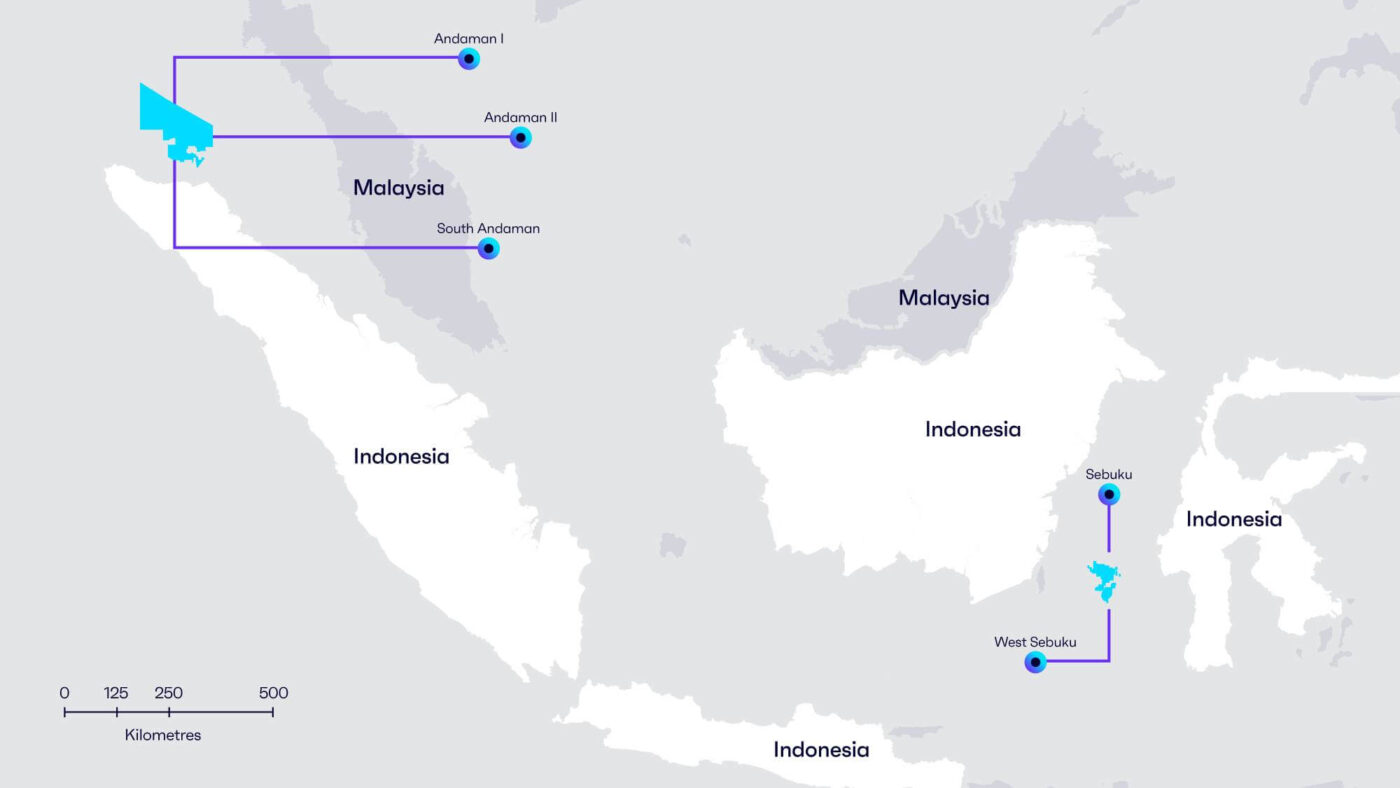
Mubadala Energy, the Abu Dhabi-based international oil and gas firm, has expanded its activities in the Andaman Sea, securing a significant foothold in Indonesia’s energy landscape. The company, alongside its partner Harbour Energy, was awarded the Central Andaman licence by Indonesia’s oil and gas regulator, MIGAS. This move marks a strategic boost for Mubadala, as it increases its influence in one of Southeast Asia’s most promising offshore basins.

Mubadala now holds a 40% stake in the Central Andaman block, with Harbour Energy leading operations with a 60% interest. The award followed the Indonesian government’s recent licensing round, where international energy firms competed for access to the region’s untapped potential. The Andaman Sea, known for its deep-water prospects, has attracted increased interest due to its significant reserves of hydrocarbons.

Building on this momentum, Mubadala has also completed an extensive drilling campaign in the South Andaman area. The campaign appraised multiple wells, including the successful Layaran and Tangkulo discoveries. These results highlight the Andaman Sea’s potential, with estimates suggesting multi-trillion cubic feet (TCF) of gas in place. The appraisal, which involved advanced deep-water drilling technologies, was seen as a major win for the company, further strengthening its long-term energy strategy in Southeast Asia.

Adnan Bu Fateem, Mubadala Energy’s Chief Operating Officer, emphasized the significance of the Central Andaman block, noting that the successful bid will open further opportunities in the region. Bu Fateem underscored the company’s operational expertise and familiarity with the basin as key factors that will enable Mubadala to maximize the area’s energy potential. As Indonesia continues to focus on energy security and the transition to cleaner energy sources, this development could play a vital role in meeting the country’s growing energy demands.

In addition to resource extraction, Mubadala Energy is poised to contribute to Indonesia’s broader energy strategy, which includes a push for gas as a transitional fuel. Gas, seen as a cleaner alternative to coal, remains central to Indonesia’s energy mix, and developments in the Andaman Sea could become crucial to maintaining supply.

Abdulla Bu Ali, President Director for Indonesia at Mubadala Energy, highlighted the success of the South Andaman drilling campaign, stressing that the safe and efficient completion of the operation was an important milestone. He reiterated that Mubadala’s findings would play a pivotal role in supporting both Indonesia’s energy needs and its transition to cleaner sources. Bu Ali added that the resources discovered during the campaign could become a cornerstone of Southeast Asia’s gas supply.

Looking forward, Mubadala is already planning its next steps in turning the South and Central Andaman blocks into production hubs. The company is formulating strategies to expedite the development of these fields, with a focus on delivering gas to regional markets. If fully developed, these assets could significantly alter the energy map of Southeast Asia, with implications for both domestic consumption and export to neighboring countries.

Founded in 2018, Harmony Medical Group has quickly become a leading name in dental care within the UAE. The organization has transformed into a premier destination for dental services by seamlessly integrating advanced technology with exceptional patient care. Harmony’s management strategic vision and commitment to excellence have been fundamental in shaping Harmony Medical Group’s success. Innovative approach to dental care emphasizes not only the use of cutting-edge […]

VISHNU RAJA
RYO YAMADA
HITORI GOTOH
IKUYO KITA
Just in:
Private varsities bill all set to face the axe // Emaar approves Development buyout ahead of planned delisting // Oil and chip shares retreat after Democratic victories // Xi Jinping Preparing For A Trilateral Summit With Trump And Putin At APEC Summit On Nov 18-19 // Geely’s i-HEV Intelligent Hybrid Technology Offers a New Direction Vision for Gasoline-Powered Vehicles // Meraas showcases five residential zones at Dubai Design Week // Technology shares plunge as Nasdaq enters correction // Ningbo Consensus on Collaborative Development released at 2026 Global Mayors Dialogue · Ningbo // Kochi police detain two actors over bid to honey trap doctor // CR Longdation Aethereal Cybersecurity × Global Cybersecurity Alliance (GCSA) Join Hands to Establish the “AI and Cybersecurity Research Centre” // Motorola introduces Signature 27 flagship priced at $1,599 // Geely’s i-HEV Intelligent Hybrid Technology Offers a New Direction for Gasoline-Powered Vehicles // Miss Universe Hong Kong Jen Zhou Departs for Puerto Rico to Compete in the 75th Miss Universe World Final // Dubai details five-year visa benefits for returning visitors // Millions Of Indians May Soon Be Deprived Of Government Assistance // UK air traffic outage inflicted £33m financial losses // TVM –Mangaluru Vande Bharat claims top spot // APT29-linked campaign exploits outdated Apple and Android software // Trump’s Iran War Has A Share Of Contribution To His Midterm Debacle // e-Crime Bureau Signs Cybersecurity Partnership With Smart Africa, Reinforcing Its Global Expansion //