Just in:
Ta’ziz finalises $1.39bn funding for Ruwais industrial facilities // Trump’s Iran War Has A Share Of Contribution To His Midterm Debacle // Govt opposes Arlekar’s PSC action // After Reaching 7 Million Users in the Philippines, Skyro Launches Transparent Cash Loans in Malaysia // Fast Just Got Fastest: STING Energy Boost™ Celebrates Kimi Antonelli’s Formula 1® World Championship and the Fan Energy Behind It // Hong Kong mandates crypto transaction disclosures to tax authorities // OpenAI identifies 948 Linux privilege escalation flaws using AI // CR Longdation Aethereal Cybersecurity × Global Cybersecurity Alliance (GCSA) Join Hands to Establish the “AI and Cybersecurity Research Centre” // e-Crime Bureau Signs Cybersecurity Partnership With Smart Africa, Reinforcing Its Global Expansion // Utilities pursue ₹1,992 cr in unpaid bills // Dubai boat show confirms international shipyard line-up for November // ADIA and partners establish $1.4 billion aviation venture // APT29-linked campaign exploits outdated Apple and Android software // Kochi police detain two actors over bid to honey trap doctor // Cloudflare unveils Zero Wire vulnerability intelligence service // Private varsities bill all set to face the axe // Xi Jinping Preparing For A Trilateral Summit With Trump And Putin At APEC Summit On Nov 18-19 // Emirates Group records AED 4.1 billion half-year profit // Millions Of Indians May Soon Be Deprived Of Government Assistance // Middle East governments assess Iran war after US vote //

News related to
Dhabi

Investment flows from the Middle East into China have surged to unprecedented levels, reflecting an evolving economic partnership driven by substantial cash reserves and a shared interest in diversification and innovation. As the global economy continues to grapple with geopolitical tensions and supply chain disruptions, companies from the Gulf region are increasingly looking to capitalize on China’s robust market potential.

Several factors have contributed to this notable increase in investment. The post-pandemic recovery in China, coupled with the Belt and Road Initiative, has created fertile ground for collaboration. This initiative aims to enhance global trade routes, and Middle Eastern firms see significant opportunities in infrastructure, technology, and renewable energy sectors. Recent data indicates that investments from Gulf Cooperation Council (GCC) countries reached a record high, with a noticeable increase in transactions related to technology and logistics.

A pivotal player in this investment wave is Saudi Arabia, which has been actively seeking to diversify its economy under the Vision 2030 plan. The Kingdom’s Public Investment Fund (PIF) is increasingly channeling resources into Chinese technology firms, particularly in artificial intelligence and e-commerce. This aligns with the Saudi strategy to leverage advancements in technology to bolster local industries and foster economic growth. The PIF has made substantial investments in Alibaba and other tech giants, marking a significant shift in its investment portfolio.

UAE firms are also playing a critical role in this trend. Abu Dhabi’s Mubadala Investment Company has expanded its footprint in China, investing heavily in sectors such as healthcare, renewable energy, and telecommunications. The strategic focus on technology and innovation mirrors the UAE’s own economic diversification goals, emphasizing a move away from oil dependency. Additionally, Dubai’s position as a global trading hub enables UAE companies to act as a conduit for investments flowing into China, facilitating partnerships and joint ventures.

Emerging sectors are at the forefront of this investment boom, particularly in technology and renewable energy. Middle Eastern firms are increasingly recognizing the importance of digital transformation, leading to significant investments in Chinese tech startups. The push for innovation aligns with global trends in artificial intelligence, fintech, and e-commerce. Companies from the Middle East are particularly interested in leveraging China’s advanced technological infrastructure to enhance their own capabilities.

The renewable energy sector is another focal point for investment. As part of their commitment to sustainability, many GCC countries are investing in clean energy projects. China’s leadership in solar and wind technology presents attractive opportunities for collaboration. Recent joint ventures between Chinese and Middle Eastern firms in solar energy projects highlight a growing trend towards sustainability in their investment strategies. This synergy not only addresses the energy needs of the region but also contributes to global efforts in combating climate change.

China’s growing consumer market also attracts substantial interest from Middle Eastern companies. With a burgeoning middle class, demand for high-quality products and services is on the rise. Companies from sectors such as food and beverage, luxury goods, and health products are looking to tap into this lucrative market. The expanding trade relationship is expected to yield significant benefits for both parties, as Middle Eastern firms introduce their products and services to Chinese consumers.

The geopolitical landscape plays a crucial role in shaping these investment dynamics. As tensions between the U.S. and China escalate, Middle Eastern nations are finding themselves in a unique position to act as intermediaries. The desire for strategic partnerships allows Gulf countries to leverage their relationships with both Western and Eastern powers. This balancing act is critical for maintaining economic stability and fostering trade relationships that benefit all parties involved.

Despite the promising outlook, challenges remain. Regulatory barriers and varying business practices can complicate cross-border investments. However, many companies are finding ways to navigate these obstacles through strategic alliances and local partnerships. Building relationships with Chinese firms is essential for understanding market dynamics and ensuring successful investment outcomes.

As Middle Eastern firms continue to increase their presence in China, the implications for global trade are profound. The growing interdependence between these regions highlights a shift in the traditional investment landscape. Analysts predict that this trend will not only bolster economic ties but also create new avenues for collaboration across various sectors.

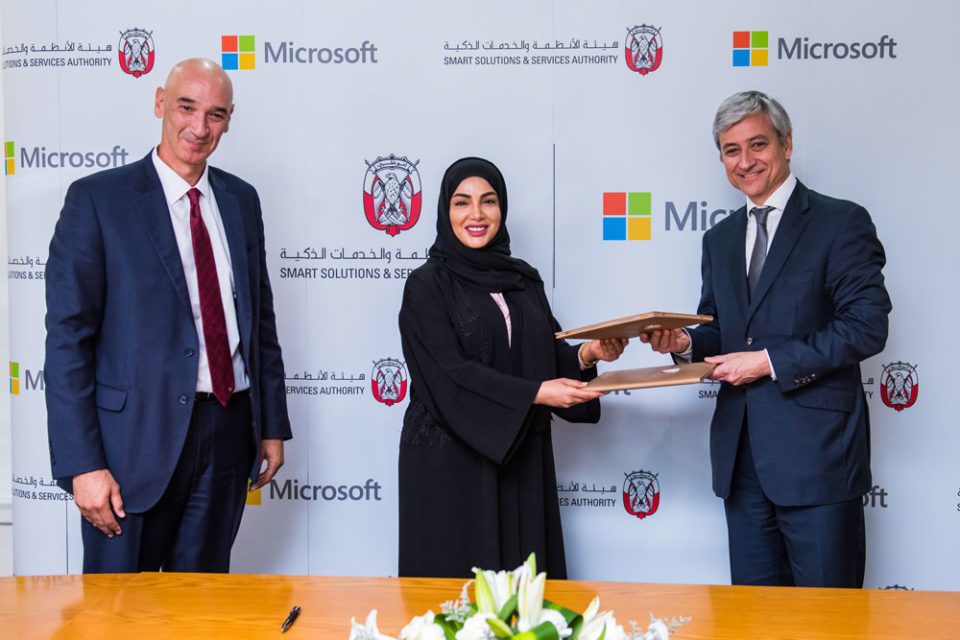
Microsoft has officially announced the establishment of its first engineering development center in the Arab world, located in Abu Dhabi. This initiative is a significant step forward in the company’s ongoing investment strategy aimed at enhancing its technological footprint in the region. The center is expected to focus on developing innovations in artificial intelligence, cloud technologies, and advanced cybersecurity solutions, contributing to a global ecosystem of technological advancement.

The new center will align with Microsoft’s broader goals to harness cutting-edge technologies and drive economic growth while fostering job creation. Satya Nadella, Microsoft’s Chairman and CEO, emphasized the company’s commitment to ensuring that transformative technologies benefit local communities and contribute to global innovation. The center will not only create technological solutions for Microsoft’s global operations but also attract top talent to the UAE, positioning the country as a leader in tech innovation.

Sheikh Khaled bin Mohamed bin Zayed Al Nahyan, Crown Prince of Abu Dhabi, highlighted the strategic advantages of the UAE as a hub for innovation. He noted the country’s advanced infrastructure and geographical position, which facilitate impactful developments across various industries. This sentiment was echoed by Peng Xiao, CEO of G42, who described the establishment of the center as a testament to the growing importance of the UAE in the global tech landscape.

Global energy giants SUEZ, TAQA, and Siemens have joined forces in a pivotal collaboration aimed at revolutionizing desalination in emerging markets, where water scarcity continues to pose significant challenges. This consortium, blending the expertise of three industrial leaders, is positioning itself as a key player in the next wave of technological advancements in water purification and sustainable resource management. The partnership is primarily focused on addressing water […]

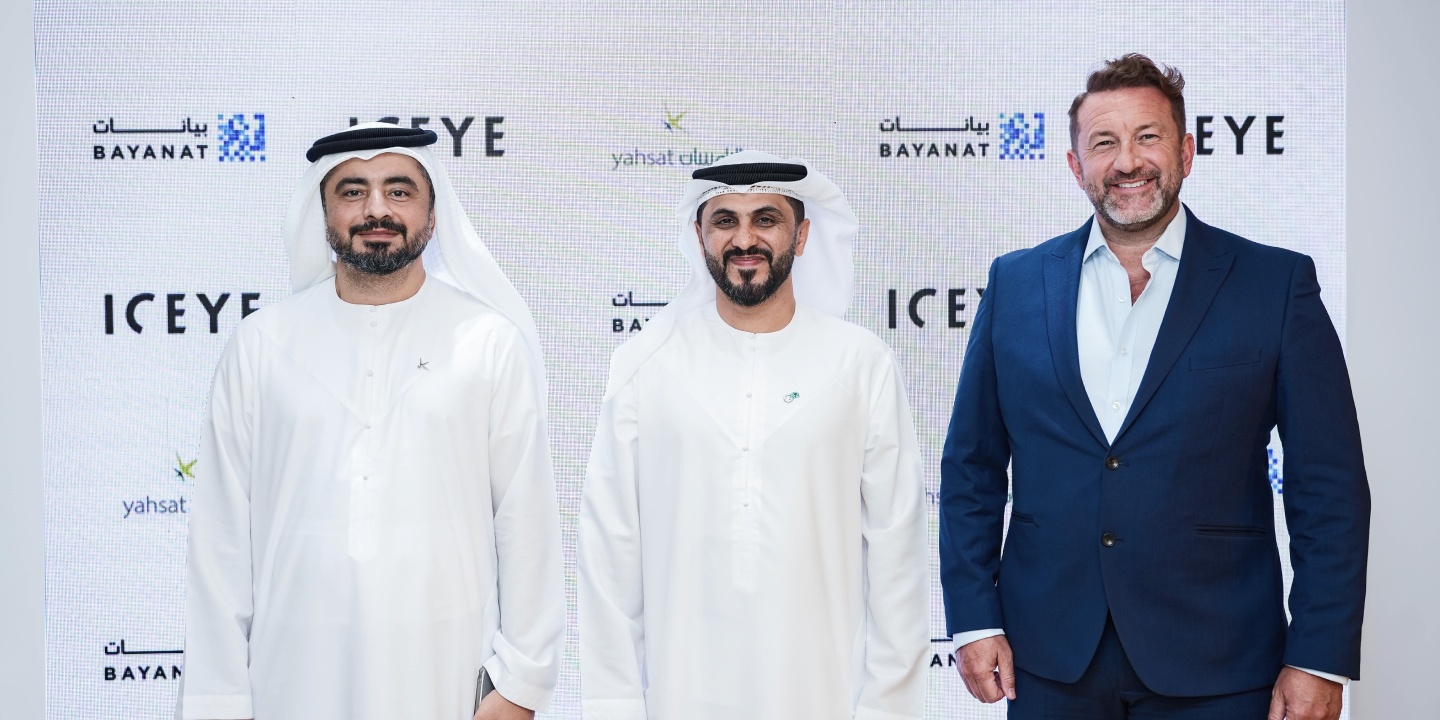
Bayanat, a prominent geospatial data analytics firm, and Yahsat, a leading satellite communications provider, are poised to finalize their merger by next month. This strategic union aims to enhance service delivery across the Middle East and North Africa (MENA) region, leveraging each company’s strengths in data analytics and satellite technology.

The merger represents a significant consolidation in the geospatial and satellite sectors, allowing the combined entity to offer a more robust suite of services. By integrating Bayanat’s advanced analytics capabilities with Yahsat’s satellite infrastructure, the companies plan to provide innovative solutions tailored to a variety of sectors, including government, defense, telecommunications, and natural resources.

As part of the merger, the leadership teams of both companies have emphasized a shared vision of fostering technological advancements and promoting digital transformation. Bayanat’s expertise in big data analytics is expected to complement Yahsat’s satellite communication services, allowing for real-time data processing and improved decision-making for clients. The collaboration is expected to facilitate enhanced services such as remote sensing, location-based services, and real-time monitoring for clients across various industries.

The merger is also positioned as a response to the increasing demand for high-quality geospatial data and reliable communication solutions in the region. As businesses and governments seek to optimize operations and improve efficiency, the ability to access and analyze geospatial information has become more crucial. Yahsat’s satellite technology will enable the delivery of data in remote areas, ensuring that organizations can benefit from Bayanat’s analytical insights regardless of their geographic location.

With this merger, the companies aim to position themselves as market leaders in the geospatial intelligence and satellite communications space. Industry analysts anticipate that the combined entity will have a significant competitive edge over its rivals due to the synergies generated from their respective technologies and expertise.

The merger has been welcomed by various stakeholders, including government entities that recognize the potential benefits of improved data services and satellite connectivity. This union aligns with broader governmental strategies focused on enhancing technological capabilities within the region. By improving access to data-driven insights, the merger is expected to support national initiatives in various sectors, from urban planning to disaster management.

Yahsat, which has been expanding its operations since its inception in 2007, has established itself as a leader in satellite communication, offering services that span the globe. The company operates multiple satellites and has formed strategic partnerships to enhance its service offerings. Bayanat, a subsidiary of the Abu Dhabi-based Group 42, specializes in AI-driven analytics, offering advanced solutions that harness big data for actionable insights. This merger marks a new chapter in both companies’ histories, combining their respective strengths to create a formidable entity in the tech landscape.

The merger has also sparked discussions regarding the future of the satellite and geospatial sectors within the MENA region. Experts highlight the importance of such consolidations in driving innovation and enhancing service delivery. As the demand for data services continues to grow, companies that can effectively integrate technology and analytics will be better positioned to meet market needs.

Looking ahead, the combined resources of Bayanat and Yahsat are expected to accelerate research and development initiatives. Both companies have indicated plans to invest in new technologies that enhance their service capabilities, focusing on next-generation satellite technologies and advanced analytical tools. This emphasis on innovation is crucial in a rapidly evolving market where clients increasingly expect sophisticated solutions.

In addition to enhancing their technological capabilities, the merger is anticipated to have significant implications for the regional job market. As the combined entity grows, it is expected to create new employment opportunities in tech development, project management, and customer support. This aligns with broader economic goals within the UAE to foster job creation in high-tech industries.

The merger has also raised questions about regulatory considerations, as the consolidation of two major players in the geospatial and satellite sectors may draw scrutiny from regulatory bodies. Ensuring compliance with local and international regulations will be essential for the newly formed entity as it seeks to navigate the complexities of the market.

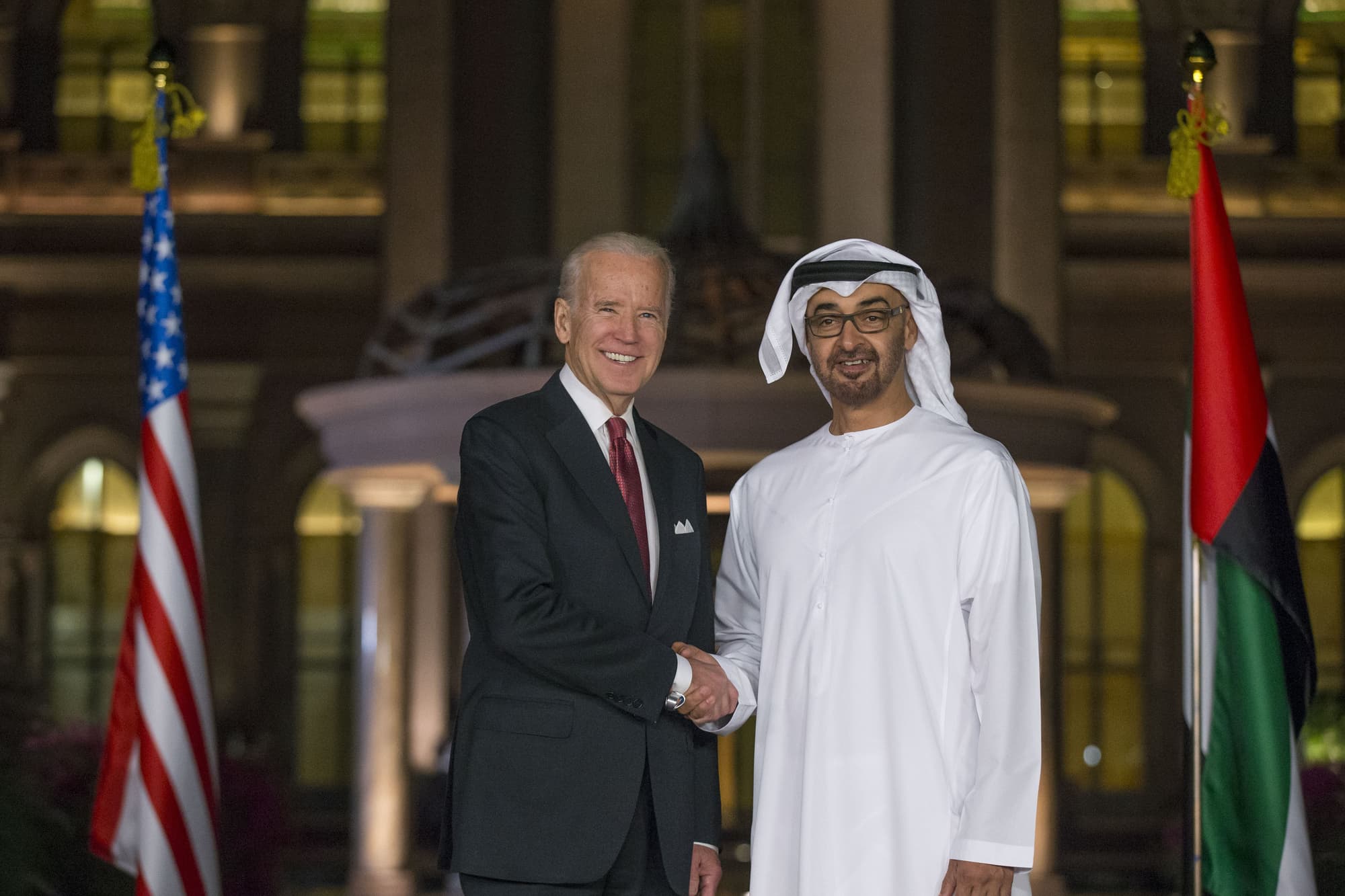
President Joe Biden has officially designated the United Arab Emirates as a major defense partner of the United States, solidifying the nation’s strategic role in the region. This move comes shortly after a similar designation was awarded to India, underscoring Washington’s efforts to build stronger alliances with Gulf and South Asian powers in the face of shifting global security dynamics. The announcement marks a significant step in US-UAE relations, enhancing defense cooperation and reaffirming the UAE’s importance in American military strategy.

The decision highlights the UAE’s evolving role as a critical player in regional security. With this designation, the UAE joins a select group of countries that enjoy preferential treatment when it comes to military cooperation with the United States. The relationship allows for greater access to advanced defense technology, streamlined military sales processes, and deeper intelligence collaboration. These developments come amid ongoing efforts by the US to recalibrate its security commitments in the Middle East, pivoting towards nations capable of contributing more significantly to their own defense.

Biden’s formal recognition of the UAE as a defense partner builds on decades of close military ties between the two nations. The UAE has long been a hub for US military operations in the region, hosting troops and serving as a staging ground for operations in neighboring conflict zones. The move is also seen as part of Washington’s broader strategy to reinforce its influence in the Gulf, where rising geopolitical tensions and the involvement of foreign powers like Russia and China continue to shape the security landscape.

For the UAE, this designation is not merely symbolic. It solidifies the nation’s status as a regional security leader and elevates its position on the global stage. It also provides the UAE with more direct access to sophisticated US defense systems, which will be critical in enhancing its defense capabilities amidst growing concerns over missile threats and other regional challenges. The UAE has long sought to upgrade its military arsenal, focusing on cutting-edge technology such as advanced fighter jets and missile defense systems. This new designation could accelerate these procurements, allowing for a faster, more seamless process.

The US government has been increasingly focused on forging deeper security ties with countries it sees as vital to countering both state and non-state actors. The UAE has been a crucial partner in US-led efforts to combat terrorism and ensure maritime security in the Gulf, particularly through its involvement in anti-piracy and anti-smuggling operations. The nation’s strategic location and military infrastructure have made it an indispensable ally in addressing threats posed by extremist groups and hostile states in the region.

Meanwhile, this development coincides with broader geopolitical shifts, as the US grapples with its role in a multipolar world. The Biden administration’s defense policy has focused on reducing its military footprint in some traditional hotspots while doubling down on partnerships that bolster regional security autonomously. The designation of both the UAE and India as major defense partners reflects a recalibrated approach to ensuring stability through cooperation, rather than direct military involvement.

The strategic importance of the UAE extends beyond the Middle East. Its influence in Africa, Central Asia, and the Indian Ocean region makes it a key player in a wider arc of geopolitical interests. With major global powers vying for influence in the Middle East, Washington’s decision to deepen its defense ties with Abu Dhabi also signals its intention to counter growing Russian and Chinese influence. China’s Belt and Road Initiative and increasing arms sales to Gulf countries, including the UAE, are clear indicators that the region is a key battleground for global influence.

The UAE’s defense relationship with the United States has grown in complexity in recent years. The two nations have regularly conducted joint military exercises, and the UAE has made substantial purchases of US-made defense equipment, including F-16 fighter jets, missile defense systems, and advanced drones. More recently, the UAE has expressed interest in acquiring next-generation US fighter jets, including the F-35, as part of its efforts to enhance its military edge. The partnership also extends to counterterrorism operations, where the two nations collaborate closely in intelligence sharing and tactical support to neutralize extremist threats.

The decision to elevate the UAE’s status comes against the backdrop of broader regional realignments. The Abraham Accords, which normalized diplomatic relations between the UAE and Israel, have reshaped the strategic landscape of the Middle East, offering new opportunities for cooperation between key US allies. This trilateral relationship between the US, UAE, and Israel is likely to deepen in the defense sphere, with potential collaborations in areas like missile defense and cybersecurity.

At the same time, the UAE faces growing security concerns closer to home. The conflict in Yemen, where the UAE has been heavily involved, continues to pose risks to regional stability. Iranian-backed Houthi rebels have launched missile and drone attacks against UAE infrastructure, raising the stakes for Abu Dhabi’s defense posture. The new designation from Washington could pave the way for more robust US support in addressing such threats, with the potential for more advanced defense systems aimed at countering missile and drone attacks.

US defense experts have praised the move, calling it a logical step in strengthening bilateral ties with a trusted partner in the Gulf. They argue that bolstering the UAE’s defense capabilities is not only in the interest of regional stability but also aligns with the US strategy of building self-reliant regional security partners. The UAE’s growing military spending and its focus on modernizing its armed forces further bolster the case for Washington’s decision.

Brookfield Asset Management has successfully raised $2.4 billion for its inaugural climate-focused fund, with backing from Abu Dhabi’s Mubadala Investment Company. This marks a pivotal step in Brookfield’s efforts to support global decarbonization projects. The first phase of fundraising, which is part of a larger initiative to reach a $15 billion goal, underscores the growing international commitment to addressing climate change through substantial private investment. Brookfield’s new […]

General Atlantic, a leading global growth equity firm, is planning to establish an office in Abu Dhabi by the end of this year as part of its expanding focus on the Middle East. The move highlights the firm’s strategy to deepen its engagement with regional markets, leveraging Abu Dhabi’s status as a growing financial hub. This decision reflects the firm’s increasing interest in capturing investment opportunities within the Middle East and North Africa (MENA) region, which has seen a surge in economic activity across various sectors, including technology, fintech, and healthcare.

Abu Dhabi’s emergence as a key financial center has attracted several global firms, and General Atlantic is the latest to set its sights on the city. This expansion is aligned with the firm’s broader plans to scale its investments in high-growth markets across the globe. Over the years, the Middle East has grown in prominence for international investors, and General Atlantic has been a notable player, investing approximately $400 million in the region since 2015, with prominent investments including Property Finder and Network International.

Samir Assaf, Chairman of MENA at General Atlantic, is spearheading this initiative. His leadership is expected to strengthen the firm’s regional network and assist in identifying further investment opportunities. Assaf, who joined General Atlantic as a Senior Advisor in 2021 and later took on this expanded role, brings decades of experience in the financial sector, including senior roles at HSBC. He is tasked with building relationships with key stakeholders and supporting the firm’s portfolio companies as they grow in the MENA region. His extensive experience in the region is a critical asset to General Atlantic’s ambition to support entrepreneurial ventures and drive growth across the Middle East.

The firm’s decision to establish an office in Abu Dhabi comes at a time when regional governments are prioritizing the diversification of their economies. This diversification, particularly in the UAE, is marked by increased investment in non-oil sectors, which aligns with General Atlantic’s focus on technology-driven businesses and its broader growth equity strategy. The firm has been actively scouting for opportunities in industries that are critical to the region’s economic transformation, including e-commerce, digital infrastructure, and financial services.

The UAE’s regulatory environment and strategic location have positioned it as a favorable base for international firms looking to expand in the Middle East. General Atlantic’s plans for Abu Dhabi are expected to provide the firm with closer access to regional markets, especially as Gulf nations push forward with ambitious economic reforms. The city is also home to sovereign wealth funds such as Mubadala, which are increasingly involved in global investments, and General Atlantic’s presence could lead to closer collaborations with such entities.

While General Atlantic’s interest in the Middle East is not new, its decision to open an office in Abu Dhabi signals a more concerted effort to establish a permanent presence and tap into the region’s growing economic potential. This follows the firm’s long-term investment approach, which focuses on partnering with entrepreneurs and companies in emerging markets. By the end of the year, the firm is expected to make a formal announcement regarding the opening of the office, which will be staffed by regional experts and senior executives from its global offices.

This strategic shift is part of a larger trend of global investment firms establishing a presence in the UAE and wider Gulf region. In the past few years, other equity firms and financial institutions have similarly expanded their operations, drawn by the region’s rapid economic growth and investment potential. For General Atlantic, which manages over $70 billion in assets globally, the move signals its continued confidence in the Middle East as a key area of growth, particularly as the firm looks to invest in innovation-driven sectors.

As the firm increases its footprint in the region, its leadership has expressed optimism about the region’s future, noting the vibrant entrepreneurial ecosystem and supportive regulatory frameworks. General Atlantic’s global expertise and strategic capital deployment model position it well to help regional companies scale and succeed in an increasingly competitive global market.

Advertisements

Adnoc Gas has suspended its feed-to-engineering, procurement, and construction (EPC) contest for a significant liquefied natural gas (LNG) project in Abu Dhabi, a move that has raised eyebrows in the energy sector. This decision comes amid shifting market dynamics and strategic reassessments within the company. The LNG project, which was anticipated to enhance Adnoc’s capacity and export capabilities, has been on the radar of industry analysts and […]

Oman’s Nama Power and Water Procurement Company (Nama PWP) has identified several prominent utility developers to spearhead the construction of five large-scale wind energy projects. This initiative marks a significant step in the nation’s efforts to diversify its energy sources and enhance sustainability. The competitive process saw strong interest from major players in the energy sector, with Saudi Arabia’s Acwa Power, Japan’s Sumitomo and Itochu, France’s TotalEnergies […]

Arabian Post Staff -Dubai Global semiconductor powerhouses TSMC and Samsung Electronics are reportedly exploring significant chip manufacturing ventures in the United Arab Emirates, with potential investments exceeding $100 billion. This development marks a strategic move as both companies seek to bolster their production capabilities amid a growing demand for chips worldwide. The discussions between TSMC and Samsung reflect a broader trend in the semiconductor industry, where supply […]

A significant collaboration between Abu Dhabi Commercial Bank (ADCB) and the Abu Dhabi Housing Authority (ADHA) is set to transform housing finance for Emiratis, offering housing loans of up to Dhs500,000. This initiative aims to support beneficiaries of the ADHA’s housing loan program, which offers loans reaching Dhs1.75 million, facilitating access to home ownership in the capital.

The ADCB has designed this offering to enhance affordability for Emirati families, enabling them to secure loans at competitive interest rates while benefiting from flexible repayment terms. The financial institution is focusing on creating accessible pathways for those looking to purchase or renovate homes, which is particularly crucial in a market where property prices continue to rise.

This partnership reflects a broader strategy by the government of Abu Dhabi to promote home ownership among its citizens. The ADHA’s housing loan program serves as a critical framework, providing essential financial support to eligible Emiratis seeking to invest in real estate. By offering loans that are both substantial and manageable, the initiative addresses one of the key challenges facing many Emirati families today: securing adequate funding for housing.

Further enhancing the appeal of the program, the ADCB’s initiative allows for a streamlined application process, aiming to reduce bureaucratic hurdles. Eligible applicants can expect a rapid turnaround on their loan applications, with decisions often made within days. This efficiency is critical in a market characterized by fast-paced transactions, ensuring that potential homeowners can act quickly on their property purchases.

The collaboration also underscores the importance of community engagement in addressing housing challenges. By aligning with the ADHA, ADCB demonstrates a commitment to the economic welfare of Emiratis. This partnership is not only about providing loans but also about fostering a sense of belonging and community development, essential components in building sustainable urban environments.

Market analysts have noted the growing demand for housing solutions tailored to Emiratis. As the population expands and housing needs evolve, financial institutions are urged to innovate. ADCB’s initiative is a timely response to these trends, positioning the bank as a leader in socially responsible lending practices. By prioritizing Emirati needs, ADCB not only enhances its brand but also contributes to the socio-economic fabric of the region.

Emerging trends in the UAE housing market indicate a shift toward more family-oriented and affordable housing options. Many Emiratis are now looking for properties that provide not just shelter, but also community amenities that cater to families. The ADCB’s housing loan program aligns with this trend, as it supports the purchase of properties in developments designed with family living in mind.

In addition to the competitive loan amounts and favorable terms, ADCB has also emphasized its commitment to financial education. By offering resources and workshops for potential homeowners, the bank aims to empower Emiratis with the knowledge needed to make informed financial decisions. This approach not only supports individual financial literacy but also enhances overall market stability.

The housing market in Abu Dhabi has been on a growth trajectory, bolstered by government initiatives aimed at boosting local ownership. Recent reports indicate a rise in property transactions, suggesting that more Emiratis are taking advantage of available financing options. This trend points to a positive outlook for the housing sector, as banks like ADCB continue to innovate and respond to the needs of the community.

Key players in the real estate and financial sectors are closely monitoring this partnership’s impact on the housing market. The collaboration is expected to set a precedent for future initiatives aimed at enhancing access to housing for Emiratis. As the demand for affordable housing continues to rise, more banks may look to follow ADCB’s lead, developing tailored products that cater specifically to Emirati families.

The ADCB initiative underscores the UAE’s broader vision of fostering a thriving economy where citizens can achieve home ownership. Government efforts are increasingly focused on creating environments where families can invest in their futures, thereby enhancing the overall quality of life in the region. This alignment of financial services with government housing policies illustrates a strategic approach to addressing the challenges faced by local populations.

Stakeholders in the real estate market, including developers and policymakers, recognize the importance of such partnerships in driving economic growth. By facilitating access to financing, the ADCB and ADHA are collectively contributing to a sustainable housing ecosystem that meets the evolving needs of Emiratis. The initiative not only promotes home ownership but also encourages responsible lending and investment practices among financial institutions.

As the collaboration unfolds, it is likely to yield insights into best practices for housing finance in the region. The emphasis on community engagement, accessibility, and financial education may serve as a model for other financial institutions aiming to enhance their offerings. With the right support, Emiratis can navigate the complexities of home buying, paving the way for a more stable and prosperous future.

Polus Capital Management announced a significant capital commitment from the Abu Dhabi Investment Authority (ADIA) for its Special Situations strategy, increasing the assets under management for this strategy to approximately $5 billion. This development underscores a strategic alignment between Polus and ADIA, which is seeking to diversify its portfolio and leverage opportunities in distressed asset classes.

The investment comes on the heels of a pivotal shift in U.S. monetary policy, marked by the Federal Reserve’s first interest rate cut in four years. This change is anticipated to enhance liquidity and provide much-needed support for companies grappling with balance sheet issues, which aligns closely with the focus of Polus Capital’s investment strategy. The firm specializes in identifying and capitalizing on undervalued companies that may benefit from restructuring or operational improvements.

Polus Capital, known for its expertise in special situations investing, plans to deploy this new capital to target a range of distressed assets across various sectors. The firm’s strategy includes acquiring equity stakes in companies that are undergoing significant transformations or facing financial difficulties. Such investments not only aim to deliver attractive returns but also to assist these companies in their recovery processes.

ADIA’s decision to commit capital to Polus Capital reflects a growing trend among sovereign wealth funds to diversify their investments into specialized asset classes. With the current economic landscape presenting both challenges and opportunities, institutional investors are increasingly turning to experienced asset managers who can navigate complex market conditions.

The Federal Reserve’s rate cut is expected to have broad implications for the market. Lower interest rates typically reduce borrowing costs for companies, making it easier for them to finance operations and restructure debts. This environment is particularly conducive for special situations investing, as it enhances the prospects for companies that have been struggling financially but possess strong underlying business models.

Polus Capital’s leadership has expressed confidence that the partnership with ADIA will enable the firm to scale its operations significantly. This collaboration not only brings additional capital but also positions Polus to capitalize on potential investment opportunities in both established and emerging markets. The firm has outlined a commitment to rigorous due diligence processes, ensuring that every investment aligns with its strategic objectives and risk management frameworks.

Moreover, Polus Capital is poised to benefit from the expertise of ADIA, one of the world’s largest sovereign wealth funds, which manages a diverse portfolio across various asset classes. The insights and resources that ADIA brings to the table could prove invaluable in identifying high-potential investment opportunities, particularly in markets where Polus seeks to expand its footprint.

As global economic conditions evolve, the role of specialized investment firms like Polus Capital becomes increasingly significant. Investors are becoming more discerning, seeking out managers who can deliver value through innovative strategies and a deep understanding of market dynamics. Polus’ approach to special situations aligns well with this trend, as it focuses on navigating complexities to unearth investment potential.

Polus Capital’s recent capital commitment signals a broader shift in the investment landscape, where institutional investors are gravitating towards specialized strategies that offer unique value propositions. As the firm prepares to deploy the new capital, stakeholders are watching closely to see how it will leverage this opportunity to enhance its portfolio and achieve its investment goals.

MGM Resorts, one of the world’s most prominent gaming and hospitality operators, has officially confirmed plans to expand its reach into the UAE by seeking a gaming license in Abu Dhabi. The move marks a significant development in the global gaming industry, as MGM becomes one of the first major players to explore the opportunity to establish gaming operations in the UAE. This announcement follows growing interest from international casino operators looking to enter the Gulf market, as regional governments consider diversifying their economies.

MGM Resorts CEO Bill Hornbuckle confirmed the company’s intent during a shareholders’ meeting, outlining how the expansion aligns with the company’s global strategy. While the UAE is traditionally known for its conservative stance on gambling, this marks a shift in the region’s approach to attracting global tourism. Hornbuckle expressed optimism about Abu Dhabi’s potential to become a key destination for luxury gaming resorts, similar to what MGM has established in locations such as Las Vegas and Macau.

The UAE has increasingly been recognized for its willingness to explore new avenues to enhance its tourism offerings. Abu Dhabi, in particular, has become a focal point for luxury hospitality, and MGM’s entry into this market could reshape the entertainment landscape. The capital city is already home to a number of world-class resorts, and the addition of MGM would likely attract a new demographic of tourists and international business.

Hornbuckle highlighted Abu Dhabi’s strategic location and reputation for high-end tourism as key factors in the decision. He also emphasized the Emirate’s growing status as a global hub for both leisure and business, noting the potential for MGM to contribute to the evolving landscape. The company aims to bring its signature blend of gaming, luxury accommodations, and entertainment to the region, further bolstering Abu Dhabi’s attractiveness to affluent travelers.

While specific details of the proposal are still under wraps, industry insiders suggest that the license would likely involve a large-scale integrated resort, combining gaming with a range of luxury amenities. This could include high-end restaurants, entertainment venues, and shopping, which are all hallmarks of MGM’s international projects. Should the license be granted, it would represent a pivotal moment for the gaming industry, marking the UAE as one of the few countries in the Middle East to allow such operations.

The UAE’s move toward legalizing gaming is seen as part of a broader effort to diversify its economy, which has long been reliant on oil revenues. In an era where tourism and entertainment are becoming key economic drivers, gaming could prove to be a significant contributor to Abu Dhabi’s growth. Many experts believe that introducing regulated gaming could further solidify the Emirate’s status as a global tourist destination, similar to Las Vegas or Singapore, both of which have leveraged integrated resorts to boost their economies.

Although the UAE has not yet officially confirmed the legalization of gaming, there have been several indicators that the government is exploring the possibility. Earlier this year, Wynn Resorts announced plans for an integrated resort in Ras Al Khaimah that would feature gaming facilities, signaling that the groundwork for regulated gaming might already be in place. The UAE’s consideration of such projects points to a broader trend of Gulf nations opening up to more liberal forms of entertainment and tourism to attract international visitors.

Market analysts are optimistic about MGM’s potential success in the region, citing the company’s track record of delivering high-quality resorts and entertainment experiences worldwide. Abu Dhabi, with its blend of cultural heritage and modern attractions, is seen as a fitting destination for MGM’s brand, which is synonymous with luxury and world-class service. Analysts have also pointed out that MGM’s expertise in navigating regulated gaming markets could give the company an advantage as the UAE considers introducing gaming regulations.

Despite the optimism, there remain challenges and uncertainties about how gaming will be regulated in the UAE, particularly in a region where cultural and religious factors play a significant role in governance. Analysts have noted that any gaming operations in Abu Dhabi would likely be subject to strict regulatory oversight and would need to cater to both local sensitivities and international standards. Hornbuckle acknowledged these complexities but expressed confidence in MGM’s ability to adapt to different markets while respecting local laws and customs.

As the region inches closer to potentially legalizing gaming, other international operators are also eyeing the UAE for expansion. Alongside MGM and Wynn Resorts, there has been speculation that Las Vegas Sands is also interested in entering the UAE market. These developments suggest that the UAE could become a new frontier for the global gaming industry, attracting billions in investments and creating thousands of jobs.

LONDON, UK / SINGAPORE – Media OutReach Newswire – 20 September 2024 – The Ascott Limited (Ascott), the Official Global Hotels Partner of Chelsea Football Club, is excited to bring The Famous CFC to Singapore as the event’s presenting partner. This will mark the inaugural Southeast Asian destination for Chelsea’s flagship international fan engagement programme. Scheduled for the weekend of 30 November and 1 December 2024, the […]

Regional stock markets across the Arab world reached a total market capitalization of $4.268 trillion in August, marking another significant milestone for the financial hubs of the Middle East. Major players such as Saudi Arabia, the UAE, and Qatar continue to lead the region’s stock exchanges, driven by robust economic conditions, high energy prices, and increased investor confidence in non-oil sectors. This rise reflects growing interest from […]

Strategic economic discussions are at the forefront of the United Arab Emirates’ diplomatic agenda as officials prepare for President Mohamed bin Zayed Al Nahyan’s upcoming visit to Washington. This visit aims to reinforce economic partnerships and bolster trade relations, reflecting the UAE’s commitment to enhancing its global economic footprint amid shifting geopolitical dynamics.

The discussions are anticipated to focus on a range of issues, including technology investments, renewable energy, and sustainable development initiatives. The UAE has been proactive in positioning itself as a leader in renewable energy, with significant investments in solar and nuclear power projects. The visit comes at a time when the United States is keen on strengthening ties with Middle Eastern allies, especially in the context of energy security and economic stability.

Officials from both countries are expected to engage in talks to expand bilateral trade, which has shown resilience even in challenging global economic conditions. According to the UAE Ministry of Economy, trade between the two nations reached $24 billion in 2022, highlighting the potential for further growth. The discussions will likely include opportunities for U.S. companies to invest in the UAE’s burgeoning sectors, including technology and healthcare.

The UAE’s diversification efforts, particularly through its Vision 2021 and subsequent strategies, underscore its ambition to reduce reliance on oil revenues. With a strong focus on innovation and sustainability, the UAE is attracting foreign direct investment (FDI) and enhancing its reputation as a business hub. The ongoing development of the UAE’s technology landscape, with initiatives like the Dubai Future Foundation and Abu Dhabi’s Tech Investment Fund, positions it as an attractive destination for U.S. investors seeking new opportunities.

Key players from both sides are expected to participate in high-level meetings. Notable figures may include U.S. Secretary of State Antony Blinken and UAE Minister of Foreign Affairs Abdullah bin Zayed Al Nahyan. Their discussions are likely to revolve around fostering cooperation in areas such as cybersecurity, artificial intelligence, and advanced manufacturing. The emphasis on technology reflects the growing recognition of the digital economy’s role in driving future growth.

Moreover, the UAE’s role as a logistics and trade hub for the region presents further opportunities for collaboration. The country’s strategic location, coupled with its advanced infrastructure, makes it an ideal gateway for U.S. companies aiming to access markets in Africa, Asia, and Europe. Enhancing logistics and supply chain efficiency will be a key topic of discussion, particularly in the aftermath of the disruptions caused by the pandemic.

The economic dialogue also aligns with broader geopolitical interests. The UAE’s commitment to stability in the Gulf region is crucial for U.S. interests, particularly in light of ongoing tensions with Iran and other regional challenges. Strengthening economic ties serves to fortify alliances that are vital for regional security and economic resilience.

The upcoming visit also underscores the UAE’s efforts to position itself as a mediator in global conflicts and an advocate for multilateral cooperation. The nation’s diplomatic initiatives in promoting peace and stability in conflict zones such as Yemen and Libya have garnered international attention. This diplomatic approach is expected to be highlighted during the discussions, reinforcing the UAE’s role as a key player in regional and global politics.

Additionally, climate change is likely to be a significant theme during the meetings. The UAE has made notable commitments to sustainability, including hosting the COP28 climate summit in 2023. This platform will allow the UAE to showcase its initiatives in reducing carbon emissions and promoting green technologies. Cooperation with the U.S. on climate action can pave the way for joint ventures in renewable energy projects and innovative environmental solutions.

Furthermore, the visit may address concerns regarding the global supply chain, particularly in light of recent disruptions. Both countries are likely to explore collaborative strategies to enhance resilience in supply chains, focusing on technology-driven solutions to streamline processes and mitigate risks.

e& UAE has introduced a pioneering instant eSIM that offers 10GB of free data for visitors arriving in the country. This new solution is designed for seamless activation, utilizing advanced facial recognition technology, ensuring travelers can connect quickly without waiting in long queues.

Upon clearing immigration, visitors can activate their Free Visitor Line eSIM by simply scanning a QR code. A swift facial recognition process finalizes the connection, making the process almost instantaneous. In addition to the ease of activation, the eSIM comes with 10GB of complimentary data valid for one day, ensuring travelers can immediately access essential services or connect with family and friends upon arrival.

Khaled ElKhouly, Chief Consumer Officer of e& UAE, highlighted the significance of this innovation. “The self-activation feature for our Free Visitor Line eSIM is a key milestone in our ongoing commitment to digital transformation. This initiative demonstrates our dedication to offering an unmatched level of convenience to our customers while also elevating the UAE’s reputation as a leader in digital innovation,” ElKhouly stated. He further emphasized that this service is set to enhance the overall travel experience for the growing number of visitors to the country.

The introduction of this eSIM reflects the broader technological advancements seen across the UAE, particularly as the nation continues to position itself as a global leader in tourism. Dubai, one of the UAE’s major tourist hubs, welcomed over 17.15 million international visitors last year, according to Dubai’s Department of Economy and Tourism (DET). This volume reflects the country’s successful efforts in attracting global travelers, supported by robust infrastructure and an emphasis on innovation.

e& UAE’s latest offering aims to enhance the visitor experience by providing quick and easy access to mobile data, a crucial element for modern travelers who rely on connectivity to navigate, communicate, and engage with various services. By simplifying the process of mobile connection, e& UAE has created a solution that not only saves time but also enhances overall convenience, contributing to the growing digital infrastructure of the UAE.

This move by e& UAE is expected to have far-reaching impacts on the tourism sector. The offering aligns with the UAE’s vision of fostering innovation and providing high-tech services across different sectors. For tourists, particularly those from regions where access to mobile services can be cumbersome, this feature offers a straightforward and efficient solution that stands out in the global travel market. It also represents a strategic step for e& UAE in establishing itself as a leader in digital telecom services in the region.

As the tourism landscape evolves, so does the demand for instant digital services that cater to the needs of today’s connected traveler. e& UAE’s eSIM offering places the country at the forefront of this trend, where tourists can instantly plug into the UAE’s digital ecosystem without the hassle of purchasing local SIM cards or dealing with roaming charges. Moreover, the complimentary data offers a crucial first step for visitors looking to make immediate use of their mobile devices, whether it’s to book a ride, access maps, or communicate with their contacts.

By focusing on a seamless user experience, e& UAE is addressing a significant pain point for many travelers: the often time-consuming and inconvenient process of obtaining a local SIM card. Traditional methods typically require queuing, providing identification, and waiting for activation, which can be particularly challenging for tourists eager to explore the city upon landing. The facial recognition aspect of this eSIM activation, however, allows visitors to complete the process independently and in a matter of seconds, eliminating the need for assistance or additional steps.

Beyond the immediate benefits to tourists, this innovation strengthens the UAE’s broader goals of becoming a digital-first nation. The implementation of cutting-edge technologies like facial recognition and the focus on real-time activation showcases how the UAE is integrating technological advancements into everyday services, driving the country’s ambitions forward in a globally competitive landscape.

The introduction of the instant eSIM is also a reflection of the changing expectations of global travelers. As more tourists depend on their smartphones for a variety of tasks, from navigating public transport to finding local attractions, uninterrupted and fast internet access is no longer a luxury but a necessity. Recognizing this shift, e& UAE has adapted by offering a service that caters to these new needs, ensuring that the UAE continues to attract a tech-savvy, global audience.

Tourism, which is a major driver of the UAE’s economy, continues to thrive with initiatives such as these. As competition between global tourist destinations intensifies, innovative services like the Free Visitor Line eSIM can make a significant difference in enhancing the overall travel experience. The UAE, particularly Dubai and Abu Dhabi, already boasts world-class attractions, shopping experiences, and luxury accommodations. The added convenience of the eSIM contributes to the nation’s attractiveness as a top-tier tourist destination, offering seamless access to digital services for all visitors.

Abu Dhabi’s Gulf Capital and Kazakhstan’s QIC have joined forces to establish an $800 million fund aimed at boosting investments across Central Asia. The newly created fund is set to target key sectors such as infrastructure, energy, and technology, addressing the growing investment opportunities in the region.

The initiative marks a significant collaboration between two prominent investment entities. Gulf Capital, a leading alternative investment firm based in Abu Dhabi, and QIC, Kazakhstan’s sovereign wealth fund, are leveraging their respective expertise to drive economic development in Central Asia. This partnership reflects a broader trend of increased investment interest in the region, driven by its strategic location and abundant natural resources.

Central Asia has emerged as a focal point for international investors due to its potential for economic growth and development. The region’s strategic positioning as a bridge between Europe and Asia, coupled with its rich reserves of natural resources such as oil and gas, makes it an attractive destination for investment. The new fund aims to capitalize on these factors by channeling capital into projects that can drive long-term economic benefits.

The $800 million fund will focus on several key areas. Infrastructure development is a major priority, with investments planned for projects that enhance connectivity and support regional integration. This includes improvements to transportation networks, such as highways and railways, which are crucial for facilitating trade and economic activity.

Energy projects are another significant focus of the fund. Central Asia’s energy sector offers substantial opportunities for development, with the region possessing considerable reserves of oil, gas, and renewable energy sources. The fund will target projects that enhance energy production and distribution, supporting the region’s energy needs and promoting sustainable development.

Technology and innovation are also on the agenda. The fund aims to invest in technology startups and innovation hubs that can drive digital transformation in Central Asia. By supporting the growth of technology-driven businesses, the fund seeks to foster an environment conducive to innovation and entrepreneurship.

The establishment of this fund is expected to have a positive impact on the regional economy. By attracting substantial capital inflows, the fund will support job creation, infrastructure development, and technological advancement. These investments are likely to enhance economic growth and improve living standards in Central Asia.

The partnership between Gulf Capital and QIC represents a strategic alignment of interests and resources. Gulf Capital brings extensive experience in managing alternative investments and executing complex transactions, while QIC provides a strong presence in the Central Asian market and deep knowledge of the region’s economic landscape.

Both Gulf Capital and QIC have a track record of successful investments and a shared vision for fostering economic development. Their collaboration on this fund underscores their commitment to driving growth and creating value in Central Asia. The fund is anticipated to attract additional investment from other international investors, further boosting the region’s economic prospects.

Central Asia’s investment climate has been increasingly favorable, with governments in the region implementing reforms to improve the business environment and attract foreign investment. The new fund is well-positioned to leverage these positive developments and contribute to the region’s economic transformation.

As the fund begins its operations, it will likely focus on identifying high-potential projects and opportunities that align with its strategic objectives. The emphasis will be on projects that offer substantial returns on investment while contributing to the broader economic goals of the region.

Abu Dhabi Investment Authority (ADIA), one of the world’s largest sovereign wealth funds, has entered a strategic partnership with Polus Capital Management, a leading global private equity firm. This collaboration is set to enhance ADIA’s investment portfolio with a focus on diversified financial assets and innovative market opportunities. The move underscores ADIA’s commitment to expanding its global investment reach and tapping into emerging markets. ADIA’s investment in […]

Stonepeak Infrastructure Partners, a leading US-based investment firm with assets totaling $71 billion, has announced its strategic expansion into Abu Dhabi. This move marks a significant milestone for Stonepeak as it broadens its investment footprint in the Middle East’s growing infrastructure sector.

The firm’s decision to enter Abu Dhabi aligns with its broader strategy to capitalize on the region’s robust economic growth and its commitment to infrastructure development. Stonepeak’s expansion is set to enhance its presence in the Middle East, a region recognized for its substantial investments in infrastructure and energy projects.

Abu Dhabi, the capital of the United Arab Emirates, has become an increasingly attractive destination for global investors due to its stable economic environment and ambitious development plans. The emirate has been actively investing in infrastructure projects that support its Vision 2030 goals, which focus on diversifying the economy away from oil dependence and fostering sustainable development.

Stonepeak’s entry into Abu Dhabi is anticipated to bring substantial benefits to both the firm and the region. The investment firm, known for its focus on infrastructure and real assets, will likely engage in various projects, including energy, transportation, and utilities, leveraging its extensive expertise and global network. This move is expected to create new opportunities for collaboration with local stakeholders and further support Abu Dhabi’s development initiatives.

The expansion is also seen as a strategic maneuver to tap into the region’s growing infrastructure needs. With ongoing projects and planned developments in sectors such as renewable energy, transportation, and urban infrastructure, Abu Dhabi presents a fertile ground for investment. Stonepeak’s presence in the region will likely contribute to the acceleration of these projects and enhance their execution.

In recent years, the UAE has made significant strides in attracting international investment. The government’s focus on creating a favorable business environment, coupled with its strategic location as a gateway between Europe, Asia, and Africa, has positioned the country as a key player in the global investment landscape. Abu Dhabi, in particular, has been at the forefront of these efforts, consistently ranking high in global indices for ease of doing business and investment attractiveness.

Stonepeak’s expansion into Abu Dhabi also reflects a broader trend among global investment firms seeking to diversify their portfolios and explore emerging markets. The firm’s move is part of a larger pattern of international investors looking to capitalize on the economic opportunities presented by the Middle East’s infrastructure boom.

The timing of Stonepeak’s expansion is noteworthy, given the UAE’s ongoing efforts to enhance its infrastructure capabilities in preparation for future growth. The country is investing heavily in projects that aim to improve connectivity, enhance urban living conditions, and support sustainable development. Stonepeak’s involvement in these initiatives is expected to contribute to the successful realization of these goals.

Additionally, Stonepeak’s entry into the Abu Dhabi market is expected to foster greater collaboration between international and local players in the infrastructure sector. This collaboration can lead to the exchange of knowledge, best practices, and innovative solutions, ultimately benefiting both parties and supporting the emirate’s long-term development objectives.

As Stonepeak embarks on this new chapter in Abu Dhabi, its focus will likely be on identifying and capitalizing on high-impact projects that align with its strategic objectives. The firm’s extensive experience in managing infrastructure investments positions it well to make a meaningful contribution to the region’s development and growth.

The expansion also highlights Abu Dhabi’s growing importance as a hub for global investment and infrastructure development. The emirate’s proactive approach to creating a conducive investment environment and its strategic vision for future growth make it an attractive destination for international investors looking to make a significant impact in the region.

Arabian Post Staff -Dubai Dubai, Abu Dhabi, and Riyadh are on track to become major global hubs for the ultra-wealthy, according to the latest findings from Henley & Partners’ Centi-Millionaire Report 2024. The forecast indicates that the number of residents in these cities with liquid investable assets exceeding $100 million is set to surge by over 150% by 2040. Currently, Dubai leads the trio with a centi-millionaire […]

The Abu Dhabi National Energy Company (TAQA) has unveiled a major investment of Dhs150 million in a new wastewater treatment project located in Al Bahia, Al Sadr. This development marks a significant step in TAQA’s ongoing efforts to enhance infrastructure and environmental sustainability in the UAE. Scheduled for completion by early 2026, the project aims to upgrade the existing wastewater facilities to handle increased capacity and improve […]

Arabian Post Staff -Dubai A groundbreaking collaboration between Abu Dhabi-based MGX, Microsoft, and BlackRock is set to redefine the landscape of artificial intelligence with the launch of a substantial $30 billion fund. This ambitious initiative aims to propel advancements in AI technology and investment opportunities on a global scale. The newly established fund, officially announced on September 18, 2024, marks one of the largest private sector investments […]

Etihad Airways has marked a significant milestone by becoming the official sponsor of Girona FC, part of the City Football Group. This strategic move reflects Etihad’s commitment to expanding its presence in the European market and building stronger ties with the football community. The multi-year partnership comes at a time when Girona FC is rising in prominence within La Liga, further strengthening the connection between the airline and the sports industry.

Etihad’s branding will now appear on Girona FC’s team jerseys, highlighting the partnership’s visibility to global football fans. The collaboration also promises a range of fan engagement activities, both in Abu Dhabi and Girona, aiming to enhance the matchday experience for supporters and bring fans closer to the action. Special promotions and events will also be rolled out, with a focus on showcasing the diverse cultural connection between the UAE and Spain.

This sponsorship is part of Etihad’s broader strategy to bolster its brand internationally by associating with prestigious football teams. The airline has previously partnered with prominent clubs such as Manchester City FC and continues to view football as a vital medium to connect with a global audience. Girona FC’s increasing stature in La Liga offers a unique platform for Etihad to reach new markets, particularly within the European and Spanish tourism sectors.

The timing of the partnership coincides with a surge in travel between Abu Dhabi and Spain, with Etihad Airways already operating flights to Barcelona, located near Girona. Tourists traveling to Catalonia can explore the region’s picturesque landscapes, cultural festivals, and vibrant culinary scene, making it a top destination for both leisure and adventure travelers. The partnership is expected to further boost tourism by linking Etihad’s vast network of destinations with Girona’s local attractions.

Girona FC fans are eager to see how the airline’s involvement will influence their team, both on and off the field. The City Football Group’s proven record of developing football clubs, combined with Etihad’s support, suggests that Girona FC could continue its upward trajectory within La Liga and European football. The airline’s role will extend beyond brand promotion, potentially playing a key part in Girona’s community outreach and internationalization efforts.

Etihad Airways’ focus on sustainability has also been highlighted in this partnership. The airline remains committed to reducing its carbon footprint, and this initiative will include sustainable travel options for Girona FC supporters flying to matches across Spain and Europe. This aligns with Etihad’s broader environmental goals, which include becoming one of the world’s most sustainable airlines.

VISHNU RAJA
RYO YAMADA
HITORI GOTOH
IKUYO KITA
Just in:
Cyberport Venture & Capital Forum 2026 Grand Opening // Xi Jinping Preparing For A Trilateral Summit With Trump And Putin At APEC Summit On Nov 18-19 // e-Crime Bureau Signs Cybersecurity Partnership With Smart Africa, Reinforcing Its Global Expansion // Meraas showcases five residential zones at Dubai Design Week // OpenAI identifies 948 Linux privilege escalation flaws using AI // APT29-linked campaign exploits outdated Apple and Android software // Fast Just Got Fastest: STING Energy Boost™ Celebrates Kimi Antonelli’s Formula 1® World Championship and the Fan Energy Behind It // Cloudflare unveils Zero Wire vulnerability intelligence service // Ta’ziz finalises $1.39bn funding for Ruwais industrial facilities // Ousted top Kochi cop gets IG post // Middle East governments assess Iran war after US vote // Millions Of Indians May Soon Be Deprived Of Government Assistance // Asia Left Behind: Ten international companies have yet to report delivering on their cage-free egg pledges across the region // Trump’s Iran War Has A Share Of Contribution To His Midterm Debacle // Utilities pursue ₹1,992 cr in unpaid bills // Dubai boat show confirms international shipyard line-up for November // Oil and chip shares retreat after Democratic victories // The “1st Greater Bay Area Health and Longevity Summit & Awards Ceremony” concludes successfully in Macao // ADIA and partners establish $1.4 billion aviation venture // Kochi police detain two actors over bid to honey trap doctor //