Just in:
Ningbo Consensus on Collaborative Development released at 2026 Global Mayors Dialogue · Ningbo // Technology shares plunge as Nasdaq enters correction // Geely’s i-HEV Intelligent Hybrid Technology Offers a New Direction for Gasoline-Powered Vehicles // Motorola introduces Signature 27 flagship priced at $1,599 // Microfinance case trouble for Vellappally // Geely’s i-HEV Intelligent Hybrid Technology Offers a New Direction Vision for Gasoline-Powered Vehicles // e-Crime Bureau Signs Cybersecurity Partnership With Smart Africa, Reinforcing Its Global Expansion // CM disputes Vijayan’s claims // India Under Pressure To Join RCEP On The Eve Of ASEAN Summit In Manila On Nov 15-17 // Emaar approves Development buyout ahead of planned delisting // Millions Of Indians May Soon Be Deprived Of Government Assistance // Battle Uttar Pradesh Will Be Tougher For Yogi Than Expected // UK air traffic outage inflicted £33m financial losses // Oil advances towards $100 as tanker attacks persist // TVM –Mangaluru Vande Bharat claims top spot // The “1st Greater Bay Area Health and Longevity Summit & Awards Ceremony” concludes successfully in Macao // Miss Universe Hong Kong Jen Zhou Departs for Puerto Rico to Compete in the 75th Miss Universe World Final // Democrats Gearing Up For 2028 Presidential Elections To Gain Full Power // Beyond the exhibition floor: How robots, AI and networks are moving into the real world // Trump’s Iran War Has A Share Of Contribution To His Midterm Debacle //

News related to
Dhabi

The Abu Dhabi Investment Authority, a prominent sovereign wealth fund, has bolstered its investment in India with the acquisition of a 1.17% stake in the National Securities Depository Limited, the country’s oldest central depository. This move comes as part of NSDL’s initial public offering, which has garnered significant attention within the Indian financial sector.

The deal positions ADIA as one of the key anchor investors in NSDL’s IPO, valued at ₹40.12 billion. The IPO officially opened for subscription today, marking a critical phase for both the company and the broader investment landscape. ADIA’s involvement is seen as a strong endorsement of NSDL’s role within the Indian financial ecosystem and reflects the UAE-based fund’s growing confidence in India’s capital markets.

ADIA has acquired 174,996 equity shares in NSDL at ₹800 per share, amounting to an investment of ₹140 million. This participation places ADIA among the notable institutional investors backing the public offering, signalling the strategic importance of NSDL in India’s burgeoning financial sector. The sovereign wealth fund’s move is likely to strengthen its position in the Indian market, where it has been increasing its footprint over the past several years.

The IPO has attracted substantial attention from institutional investors, with the Life Insurance Corporation of India securing the largest anchor allotment. LIC holds an 11.99% stake, underscoring its significant role in India’s financial services landscape. Following closely is the Smallcap World Fund, which has committed to an 8.33% stake, further highlighting the appeal of NSDL as a viable investment proposition for large-scale financial institutions.

NSDL, which plays a pivotal role in the clearing, settlement, and dematerialisation of securities in India, has been integral to the functioning of the Indian stock markets since its inception in 1996. The company provides critical infrastructure that supports the trading of securities and facilitates the electronic transfer of ownership. Its IPO is seen as a major milestone, not only for the company but for the broader development of the Indian financial market.

As the oldest depository in the country, NSDL has witnessed the rapid expansion of India’s financial markets over the past few decades. The company’s role in streamlining the trading of securities has been a key enabler of the country’s financial growth, positioning it as a leader in the sector. The funds raised through the IPO will be used to further enhance its technological infrastructure and expand its range of services, including the digitalisation of securities.

The growing interest from global institutional investors, such as ADIA, underscores the attractiveness of India’s financial market. Despite global economic uncertainty, India’s stock exchanges continue to attract significant foreign investments, bolstered by the country’s large consumer base, robust economic growth, and ongoing reforms aimed at improving market liquidity and transparency.

ADIA, which has been active in the Indian market for several years, has diversified its portfolio across various sectors, including infrastructure, real estate, and technology. The sovereign wealth fund has shown a particular interest in India’s financial services sector, making strategic investments in leading financial institutions and companies with strong growth potential.

NSDL’s IPO marks a significant step in the company’s journey, with the funds raised providing a boost to its expansion and digitalisation efforts. For ADIA, this investment represents a continuation of its strategy to capitalise on India’s growing financial sector and enhance its portfolio through carefully selected high-potential opportunities.
Abu Dhabi Police General Headquarters has entered into a landmark agreement with the AI firm Presight, aiming to revolutionise policing and public safety through the deployment of cutting-edge artificial intelligence technologies. The strategic collaboration will see Presight’s AI-Policing Suite, which includes generative AI, AI agents, and advanced data analytics, integrated into the police force’s existing operational systems. The initiative promises to enhance crime prevention, optimise emergency response […]

Investcorp Capital, a leading alternative investment firm, has appointed Sana Khater as its new Chief Executive Officer, effective September 1. Khater’s appointment marks a significant leadership change for the Abu Dhabi-listed firm, as she succeeds Mohamed Aamer, who led the company for several years. Khater brings a wealth of experience to the role, having spent 35 years in C-suite positions across both listed and private sector companies. […]

Abu Dhabi National Oil Company faces significant challenges in its $17.2 billion bid for German chemicals company Covestro after the European Union’s competition watchdog launched a full investigation into the acquisition. The deal, struck last October, was poised to be ADNOC’s largest ever, as well as one of the most substantial foreign takeovers of a European Union-based company by a Gulf state. However, European regulators are concerned that the acquisition may distort the EU internal market due to potential subsidies granted by the United Arab Emirates to ADNOC, which could provide the state-owned oil giant with an unfair advantage.

The European Commission’s investigation, which was triggered earlier this week, specifically focuses on the possibility of foreign subsidies that could influence the competitive landscape within the EU. The Commission, which is tasked with safeguarding market competition within the EU, has expressed concerns that ADNOC’s acquisition of Covestro could be significantly affected by the financial support ADNOC is receiving from the UAE.

Among the subsidies under scrutiny are an unlimited guarantee provided by the UAE government and a capital injection into Covestro. The latter involves ADNOC committing substantial funding into the German company, which would significantly increase its capital base and, potentially, its market power. The Commission’s investigation could ultimately delay or alter the terms of the deal depending on its findings.

ADNOC, which has been aggressively expanding its portfolio and seeking new global opportunities, sees Covestro as an attractive addition to its investments, particularly as the German company holds a strong position in the global chemicals market. The chemicals sector is seen as a crucial area for growth, especially in industries like plastics and polyurethane, which have applications across numerous sectors, including automotive, construction, and electronics. By acquiring Covestro, ADNOC would be able to diversify its business beyond oil and gas, thus making it a more integrated player in the global economy.

The issue of foreign subsidies in cross-border mergers and acquisitions has gained increasing attention in recent years, particularly with the growing influence of state-backed companies from non-EU countries. In 2020, the European Commission introduced new tools to assess foreign subsidies in mergers and acquisitions, with the aim of protecting the EU’s internal market from potential distortions. The ADNOC-Covestro deal is the latest in a series of transactions under this scrutiny.

The Commission’s probe is particularly significant as it reflects broader concerns within the EU over the impact of state-backed companies from non-EU nations acquiring strategic European assets. Such concerns have been heightened by geopolitical tensions and the growing influence of countries like China, Russia, and the UAE, all of which have state-owned or state-supported companies engaging in high-profile international mergers and acquisitions.

While ADNOC has yet to comment on the investigation, the company’s bid to acquire Covestro highlights its ambitions to expand beyond the energy sector. ADNOC’s foray into chemicals and materials is seen as part of its strategy to hedge against the global shift towards renewable energy and decarbonisation. The company is looking to solidify its place in the post-oil world by investing in value-added industries, thereby ensuring a diversified revenue stream.

On the other hand, the European Commission’s actions reflect its determination to maintain a level playing field in the market, ensuring that EU companies are not at a disadvantage when competing with state-backed enterprises from outside the bloc. The EU’s foreign subsidies regulation, which came into force in 2020, provides the Commission with the authority to intervene in such cases, even when the potential subsidies do not directly involve EU-based companies.

As the investigation unfolds, it remains unclear whether the Commission will clear the deal or impose conditions on it. If the deal goes ahead, it could set a significant precedent for future cross-border mergers involving foreign state-backed companies. Conversely, if the deal is blocked or altered significantly, it may send a strong message about the EU’s stance on foreign subsidies and the influence of non-EU governments on its internal market.

Arada Developments has turned to the debt markets for financing, following its decision to issue a sukuk bond aimed at capitalising on the construction boom within the Gulf Cooperation Council region. With its credit ratings from Moody’s and Fitch at B1 and B+, respectively, the company has mandated a consortium of major banks to facilitate the issuance of a five-year fixed-rate sukuk. The sukuk will be issued […]

Aldar Properties has shattered records in Abu Dhabi’s luxury real estate market by selling an eight-bedroom mansion in the exclusive Faya Al Saadiyat development on Saadiyat Island for Dhs400 million. This sale marks the highest price ever achieved for a residential property in the emirate, further cementing the strong demand for ultra-luxury homes in the UAE capital.

The sprawling property, which covers an area of 6,561 square metres, is situated within the prestigious Saadiyat Beach Golf Club. It offers residents breathtaking panoramic views of the Arabian Gulf, as well as lush greenery that adds to the exclusivity of the location. Its prime beachfront position places the mansion in one of the most sought-after areas for high-net-worth individuals, both locally and internationally.

This transaction follows Aldar’s previous success in the luxury segment, including the sale of a penthouse at the Nobu Residences on Saadiyat Island earlier this year for Dhs137 million. Both sales highlight the increasing appeal of the UAE’s high-end real estate market, particularly among overseas buyers.

Analysts attribute the sustained demand for such properties to a combination of factors, including the UAE’s strong economic performance, favourable government policies, and its status as a global business hub. The country has long been a magnet for wealthy investors, drawn by its tax advantages, world-class infrastructure, and lifestyle offerings.

In addition to these elements, Saadiyat Island itself remains a key driver of Abu Dhabi’s luxury property sector. Known for its cultural landmarks, including the Louvre Abu Dhabi, and its proximity to the city centre, the island has become a prime location for affluent buyers looking for the perfect blend of privacy, comfort, and access to world-class amenities.

The sale of the mansion is also seen as a sign of the growing interest in high-end properties located within exclusive developments that offer an all-encompassing lifestyle. Such properties are increasingly seen as more than just homes but as status symbols, offering unparalleled levels of comfort, privacy, and security.

Market observers also note that there is a broader shift occurring in Abu Dhabi’s property market. While the city has traditionally catered to mid-range and luxury buyers, there is now a distinct increase in the number of ultra-luxury homes being developed, particularly in areas like Saadiyat Island, Al Maryah Island, and Yas Island. This reflects the growing wealth in the region and the changing demands of buyers who are seeking residences that offer an exceptional standard of living.

Beyond luxury, the rise of sustainability and eco-consciousness is also influencing buyer preferences. As a result, developers like Aldar are increasingly incorporating eco-friendly features in their designs, from energy-efficient systems to sustainable building materials. These elements are becoming key selling points for buyers who place value not just on luxury, but also on environmental responsibility.

Despite global uncertainties, the UAE’s property market has managed to remain resilient, driven by continued foreign investment and a steady inflow of expatriates. Property experts predict that the momentum in Abu Dhabi’s high-end market will continue, with further developments expected to emerge in the coming years, particularly in sectors like hospitality and mixed-use real estate.

Aldar’s recent success in the luxury segment is not just a reflection of the company’s ability to capitalise on this growing trend, but also a testament to its reputation as a leader in high-end residential developments. The developer’s ability to push boundaries and redefine luxury living in the UAE capital positions it at the forefront of an increasingly competitive market.

Abu Dhabi-based Multiply Group has concluded the acquisition of a 67.91% majority stake in Spanish fashion retailer Tendam, valued at AED 5.6 billion. This move marks a significant leap into the European retail market for the UAE-listed conglomerate, solidifying its position in the global apparel industry. The deal with Tendam, which operates several prominent fashion brands including Cortefiel, Pedro del Hierro, and Springfield, will elevate Multiply Group’s […]

Advertisements

Dubai Land Department has formalised a groundbreaking partnership with Masdar City, paving the way for companies operating within Abu Dhabi’s prominent free zones to acquire land plots and properties under the freehold ownership system in Dubai. This strategic memorandum of understanding aims to provide these companies with a more expansive and regulated pathway to invest in the Dubai real estate market, in line with the emirate’s broader vision to bolster its economic landscape.

The MoU was signed by Majid Al Marri, CEO of the Real Estate Registration Sector at DLD, and Ahmed Baghoum, CEO of Masdar City, during an official event in Dubai. The agreement marks a significant step in enhancing Dubai’s real estate market, which is actively adapting to new investor demands and aims to remain a competitive player on the global stage.

This collaboration is part of a wider effort to increase the attractiveness of the Dubai property market, with a focus on aligning with the Dubai Real Estate Strategy 2033. As part of this strategy, the city aims to enhance its status as a global hub for investment, business, and residential opportunities. By granting companies in Masdar City the ability to own land and property in Dubai, the DLD is encouraging greater foreign investment and further integration of the free zone’s economic sectors with the emirate’s broader financial ecosystem.

The development comes as part of Dubai’s commitment to expanding its investment opportunities across various sectors. This MoU reflects the UAE’s ambition to tap into innovative and sustainable business models, especially in green and technology-driven industries. Masdar City, which has long been recognised as a leader in sustainable urban development, is expected to play a pivotal role in further shaping the region’s real estate future. The partnership also signals a convergence of real estate and green innovation, capitalising on both sectors’ growth trajectories.

Masdar City, known for its focus on sustainability, is home to a growing number of businesses and startups involved in renewable energy, environmental solutions, and green technologies. By facilitating real estate ownership for these companies in Dubai, the DLD is fostering an environment that encourages companies operating in these industries to expand and deepen their investments in the UAE’s economic framework.

For Masdar City, the agreement opens up new opportunities for its tenants, creating a more expansive environment in which businesses can thrive, with the potential for significant capital appreciation as Dubai’s real estate market remains one of the most stable and profitable in the region. This move is also expected to elevate the city’s global competitiveness by promoting a broader base of businesses, both within Masdar and the UAE at large.

The impact of the collaboration extends beyond just Masdar City, as it could set a precedent for similar partnerships with other free zones across the UAE. By allowing companies established in these zones to acquire freehold properties in Dubai, the deal may become a template for expanding the emirate’s real estate portfolio to a wider range of international businesses. This would further diversify Dubai’s economy, making it more resilient to external market fluctuations and better positioned for future growth.

The MoU is also aligned with the Dubai Land Department’s efforts to provide a comprehensive regulatory framework that ensures transparency and ease of investment. By streamlining the process for companies seeking to buy real estate in Dubai, the agreement simplifies procedures that may have previously been perceived as barriers to entry, thereby improving the investment climate in the city.

As global markets continue to shift and adapt to new economic realities, Dubai remains at the forefront of innovation in property ownership models. With its unique approach to offering a blend of residential, commercial, and industrial opportunities, the city continues to cater to a wide range of investors, both local and international.

The collaboration between Dubai Land Department and Masdar City reinforces the UAE’s strategy of creating an attractive and dynamic environment for business, while also ensuring sustainable growth. With the expanding role of free zones in driving the nation’s economy, this move is expected to provide tangible benefits for both Masdar City tenants and the wider Dubai real estate market, positioning the emirate as a leader in global real estate investment.

Abu Dhabi has claimed the top spot among the world’s most tax-friendly cities, followed closely by Dubai, highlighting the UAE’s ascendancy as a magnet for affluent individuals seeking fiscally efficient jurisdictions with legal and political stability. According to Multipolitan’s Wealth Report 2025: The Taxed Generation, the UAE capital outperformed 163 other jurisdictions globally in the newly introduced Tax Friendly Cities Index. Dubai, a longtime competitor in the […]

UAE equity capital markets are poised for an uptick in activity, with Citi forecasting three to five initial public offerings by 31 December—assuming timely regulatory clearance and robust pre‑marketing, said Rudy Saadi, Citi’s managing director and head of MENA Equity Capital Markets. This comes amid renewed investor enthusiasm as the nation positions itself as a regional IPO hub.

Saadi noted that although privatisations have slowed, market sentiment remains firmly positive for the remainder of 2025 and into early 2026. The expected pipeline includes a mix of family‑owned concerns and state‑affiliated enterprises alongside follow‑on offerings from listed firms.

Delivering context, UAE exchanges have tapped international and domestic liquidity in recent quarters. Spinneys and Alef Education raised $375 million and $515 million, respectively, in the second quarter, channelling nearly $890 million overall through new IPOs. Dubai and Abu Dhabi exchanges continue to push private‑sector listings, underscoring wider capital‑markets evolution.

Citi’s optimism is reinforced by Bloomberg’s observation of renewed momentum in regional share sales heading into H2 2025. The uptick appears linked to improved regulatory frameworks, deeper secondary‑market liquidity and evolving investor appetite across institutional, family‑office and retail segments.

Market analysts point to several emerging trends. Firstly, regulatory authorities in both Dubai and Abu Dhabi are progressively enhancing governance and foreign‑ownership rules to attract global participants. UAE entities now find listing conditions more competitive compared with established markets in Europe or the US.

Secondly, a shift is apparent from state privatisations to private‑sector flotations. Family‑owned businesses and tech‑focused enterprises are now stepping into the spotlight—supported by increasing liquidity and appetite from international institutional investors.

Thirdly, follow‑on share sales are gaining traction, offering listed firms a refundable route for fresh capital without navigating a full IPO process. Analysts expect more such offerings in sectors including financial services, healthcare and logistics, reflecting healthier balance sheets and growth trajectories among UAE firms.

Beyond sheer numbers, quality is a key consideration. Saadi indicates that approval pace and pre‑marketing success are decisive factors. In prior cases, such as Spinneys and Alef Education, strong institutional subscription signalled robust investor interest—suggesting forthcoming listings may mirror this level of demand.

Banking and asset‑management houses in the region—among them Citi, EFG Hermes and Emirates NBD Capital—are reportedly managing a cohort of potential issuers. EFG Hermes projected a busy second half of 2025 across Saudi Arabia and the UAE, with several consumer‑focused businesses preparing to list.

This momentum positions the UAE to lead IPO activity across the Middle East. In 2024, Gulf IPO volumes reached multi‑billion‑dollar levels; UAE exchanges, buoyed by sizeable debuts like Talabat’s Dh1.6bn listing in November 2024, claimed top status in IPO fundraising for three consecutive years.

Looking ahead, investor appetite appears steady, albeit cognisant of broader economic headwinds, including global interest‑rate trajectories and geopolitical uncertainties. Saadi stressed the significance of sentiment over macroeconomic factors when gauging regional appetite, citing Middle Eastern equity capital market resilience.

Key players set to define the coming wave include family‑owned conglomerates deliberating partial listings, firms in consumer and tech verticals exploring exit paths, and existing public companies seeking growth capital via follow‑on offerings. Leading financial houses continue to harmonise local issuers with global investor pools.

Islamic-aligned transactions in the UAE soared to US $1.53 billion between 2023 and 2024, securing its position as the second-most active market after Indonesia in the global Sharia-compliant investment landscape. These figures, shaped by 50 deals covering mergers and acquisitions, private equity, and venture capital, are drawn from the 11th State of the Global Islamic Economy report by DinarStandard. Indonesia led this period with 40 deals amounting to US $1.60 billion, […]

A consortium led by Air Arabia and partners Nesma Group and KUN Holding has secured approval from Saudi Arabia’s General Authority of Civil Aviation to establish and operate a low‑cost carrier based at King Fahd International Airport in Dammam. The airline is expected to begin operations in 2026, with a fleet of 45 aircraft serving 24 domestic and 57 international destinations by 2030. GACA projects the carrier will transport […]

The UAE Ministry of Finance has introduced Ministerial Decision No. 173 of 2025, establishing clear rules for applying depreciation adjustments to investment properties held at fair value under the corporate tax regime. The decision allows businesses that choose the realisation basis to deduct tax depreciation, addressing a long-standing ambiguity in the treatment of such assets. Under the new rules, eligible taxpayers may deduct whichever is lower: the tax written-down […]

M A Hossain It is easy to overlook the quiet revolutions in geopolitics, especially when the headlines are dominated by wars in Ukraine and Gaza, tensions in the Indo-Pacific, or the perennial drama of U.S.-China rivalry. Yet, beneath the surface of global power struggles, there is a subtler but equally consequential shift unfolding across Central Asia and the South Caucasus. And it is not Moscow, Beijing, or […]

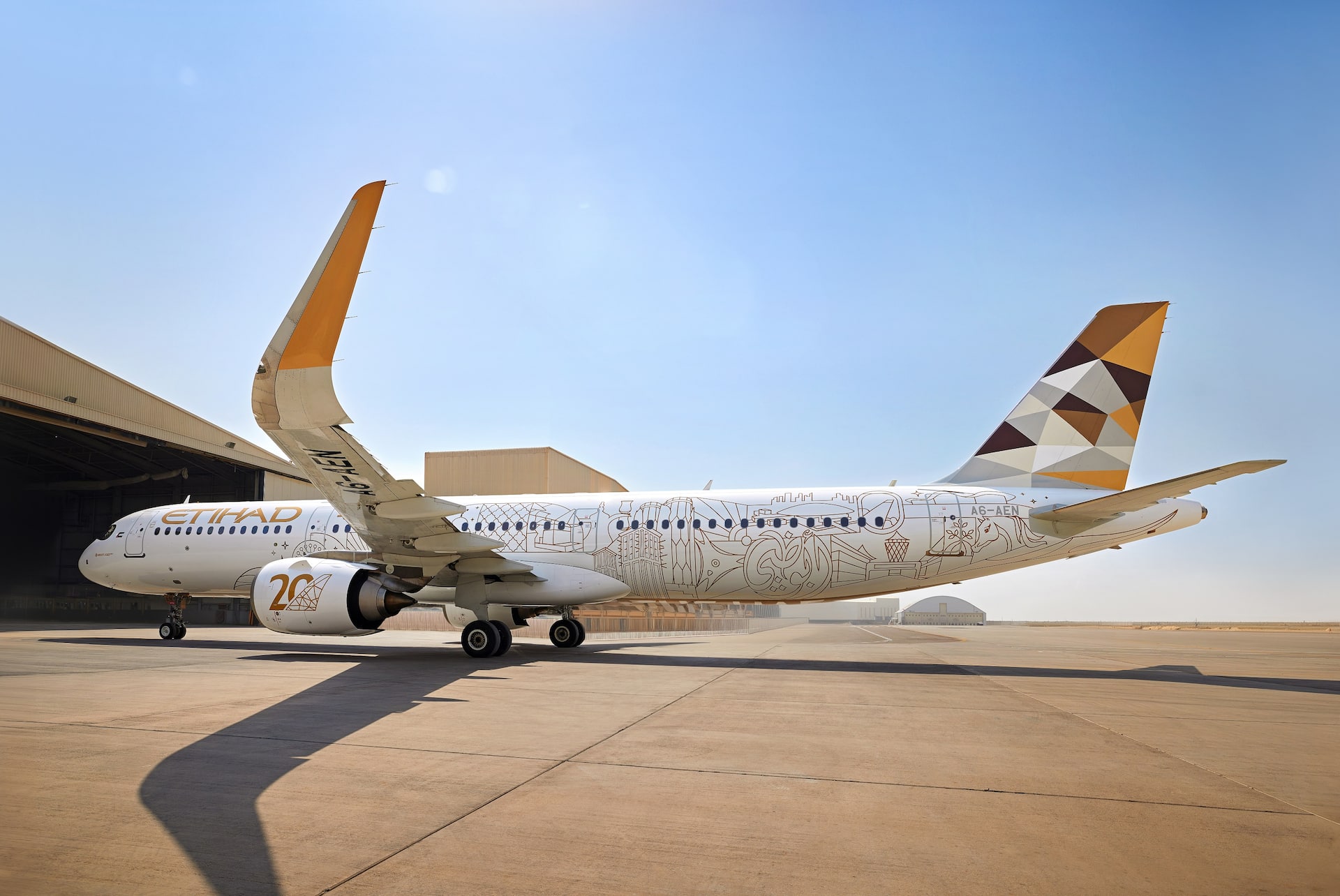
Etihad Airways has surpassed the 20 million annual passenger mark for the first time, boosted by strong first-quarter profit and rising customer satisfaction. The airline’s operating fleet now exceeds 100 aircraft as it intensifies its global expansion and pursues ambitious 2030 targets.

Etihad posted a Q1 profit after tax of AED 685 million, a 30 per cent increase compared to the same period last year. Total revenue rose 15 per cent, supported by growth in both passenger and cargo operations. Passenger revenue alone increased by 16 per cent to AED 5.5 billion, reflecting stronger demand and enhanced flight frequency. The carrier flew 5 million passengers in the quarter, a 16 per cent jump year‑on‑year, with a solid load factor of 87 per cent.

Over the past 12 months, Etihad has carried more than 20 million guests—doubling its annual passenger figures in just 30 months—and is now regarded as the fastest-growing airline in the region. Chief Executive Antonoaldo Neves described this milestone as evidence of “sustained growth driven by expanding demand, a dynamic global network, and a clear strategic focus”.

Customer satisfaction surged to record highs, with Q1 scores up 20 per cent versus a year ago. The airline attributed this to refreshed lounge and inflight menus, improved digital services, high-speed Wi‑Fi, and a revamped website and mobile app.

Etihad’s fleet currently comprises over 100 aircraft, including the return of its seventh Airbus A380 and the delivery of a Boeing 787‑9 with an Emirati crew, alongside its first of three Airbus A350‑1000s. A further 18 aircraft are expected in 2025, highlighted by the introduction of the A321LR narrow‑body fleet on 1 August, which will feature private First Suites, lie‑flat Business seats, 4K entertainment screens, and high‑speed Wi‑Fi across all cabins.

The airline has added 27 new routes so far in 2025 and plans to operate nearly 90 destinations by year‑end. These network additions form part of Etihad’s longer-term strategy to expand its global footprint to over 125 destinations and grow its fleet to more than 170 aircraft, with the aim of carrying 38 million passengers annually by 2030.

Operational efficiency gains also strengthened Etihad’s balance sheet. EBITDA rose 32 per cent to AED 1.4 billion, yielding a 21 per cent margin, while net leverage improved to 1.1×, down from 1.9× in March 2024. Cash flow from operations reached AED 1.8 billion, an 11 per cent improvement.

These developments follow a broader resurgence at Etihad. The carrier turned around from consecutive annual losses of recent years to report a record USD 476 million profit in 2024, flying 18.5 million passengers that year—a 32 per cent increase—and generating revenue of nearly USD 6.9 billion. The Q1 results affirm progress in cost optimisation, network rationalisation and fleet modernisation initiated under CEO Neves since taking the helm in 2022 under Abu Dhabi sovereign fund ADQ.

Looking ahead, Etihad plans to sustain delivery of 20-plus new aircraft annually, including further Boeing 787s and Airbus A350s, to meet projected demand. It is also preparing infrastructure and service upgrades connected to Abu Dhabi’s Zayed International Airport, whose terminal expansion tripled annual capacity to 45 million passengers, reinforcing the city’s role as a global hub.

On the route front, 16 further destinations have been announced for 2025, complementing an already swift rollout of 27 new routes. The A321LR rollout from August will unlock First Class on single‑aisle sectors, with an upgraded passenger experience including concierge transfers, chauffeur services and luggage‑free travel in Abu Dhabi.

Etihad’s turnaround, driven by disciplined execution of its “Journey 2030” strategy, has paid off. With record profits, growing customer satisfaction and a fleet age structure among the youngest globally, the airline is moving ahead of Gulf competitors as a stronger, customer‑centric global carrier.

dnata has introduced six autonomous electric baggage tractors at Dubai World Central – Al Maktoum International Airport, marking a pioneering shift in airport ground operations. The EZTow tractors, designed by TractEasy, tow up to four baggage containers at speeds near 15 km/h, operating at Level 3 autonomy under limited human oversight. By early 2026 the system is set to upgrade to Level 4 self-driving capability. The AED 6 million rollout seeks to enhance […]

Abu Dhabi’s property scene is riding a wave of investor interest and stable growth during the first half of 2025, underpinned by strong infrastructure development and pro-investor policies, according to a fresh analysis by Bayut. Listing prices surged across all segments, rental yields reached double digits in many areas, and transaction volumes remain robust, fueling the capital’s appeal as a reliable investment destination. Listing figures show affordable […]

Greenlogue/AP Masdar has completed the sale of its equity stake in the Sharjah Waste-to-Energy plant to Tadweer Group, consolidating the latter’s position as a primary stakeholder alongside BEEAH in the Emirates Waste-to-Energy company. The strategic divestment marks a key reconfiguration in the regional clean energy sector, aligning the interests of all involved entities with their evolving operational goals and international ambitions. The transaction cements a new operational […]

The National Centre of Meteorology issued an advisory este morn for southeasterly winds gusting up to 40 km/h across the UAE, leading to heavy dust and sand lifting in internal and coastal areas. The conditions are expected to significantly reduce horizontal visibility—at times below 2,000 metres—between roughly 08:45 and 17:00. Abu Dhabi Police cautioned motorists to drive with care, maintain low speeds, and avoid distractions like using phones or filming while on the move.

Winds forecast for the day have already led to hazy skies over urban centres, with dust clouds drifting across highways and neighbourhoods. Officials warn that compromised visibility on roads will heighten accident risks, prompting emergency services to remain on alert.

Abu Dhabi Police reinforced the message, urging:

“Drivers to remain alert and reduce speed … For your safety and the safety of others on the road, please avoid using mobile phones or taking videos while driving.”

The statement formed part of a broader appeal urging residents to secure outdoor items and stay informed via official channels.

High winds sweeping the region echo seasonal patterns observed in previous years. The meteorological phenomenon known as “Shamal” brings northwesterly gusts that whip up desert dust, especially during summer’s peak between April and October. These episodes often downgrade visibility to well under 2 km. In fact, storms recorded in 2008, 2009 and 2010 show how recurrent and sudden these events can be.

An Abu Dhabi dust storm struck last Thursday, when winds triggered restricted visibility and led authorities to issue similar warnings earlier in July. The NCM had foreseen rough sea conditions in the Arabian Gulf, cautioning mariners of choppy waters and advising against unnecessary travel offshore.

Studies by geophysics experts at Khalifa University and warnings from the World Meteorological Organization indicate that shifting climate patterns may be contributing to increased dust frequency in the Gulf, with “early summer and late winter” transitions becoming more pronounced.

Commuters in Abu Dhabi, Dubai, Al Ain and Sharjah were met with drifting dust obscuring visibility, particularly on highways and arterial routes. Between 1 pm and 3 pm yesterday, multiple reports noted local visibility dropping below 1 500 metres near Dubai International Airport and adjacent roadways.

Transport authorities are urging drivers to obey reduced speed limits displayed on overhead electronic boards, as fine particles may settle on windshields, diminishing visibility further. School bus operators, logistics firms, and delivery services have been advised to take precautions or suspend outdoor activities until conditions improve.

Indoor spaces and construction sites are under advisory to ensure dust mitigation measures are in place, including sealing entrances and using air filtration systems. Medical professionals have also warned individuals with respiratory concerns to limit outdoor exposure and keep medications close at hand.

The repeated advisories align with broader international efforts to establish regional early-warning systems. During last spring, the World Meteorological Organization highlighted Saudi Arabia’s leadership in a Gulf-wide sand and dust storm monitoring initiative.

Given the projected continuation of these conditions into the evening, motorists and residents are advised to remain alert. The police statement urged community action:

“For your safety and the safety of others … please avoid using mobile phones or taking videos while driving.”

The pattern of such weather events reflects the UAE’s climate trends, where extreme heat, strong winds, and suspended dust become frequent during the summer months. These conditions contribute to regional cautionary measures and highlight the interplay between natural climate cycles and growing urban risk exposure.

Momentum across the United Arab Emirates’ equity capital markets is building as the second half of 2025 begins, while Saudi Arabian firms preparing share issuances are confronting investor concerns over lofty valuations. May’s launch of a residential real estate investment trust on the Dubai Financial Market reignited market sentiment after a lull in listing activity during the previous year. Investor interest is intensifying ahead of expected deals […]

Abu Dhabi investment giant IHC has finalised the acquisition of eFunder, the digital invoice-financing platform, marking a decisive move into fintech for small and medium enterprises. The platform has been renamed Zelo and is targeting a $250 billion shortfall in SME credit across the Middle East and North Africa. It converts outstanding invoices into cash within 24–48 hours, and has already processed more than 9,000 transactions, deploying over $200 million in funding.

The deal enhances IHC’s strategy to diversify its portfolio into high-growth financial technologies. Zelo will now operate under IHC’s fintech and future-economy division, reinforcing Abu Dhabi’s ambitions as a leading regional hub for digital finance. According to the Abu Dhabi Global Market’s Financial Services Regulatory Authority, Zelo holds a full operating licence, enabling rapid scale across construction, logistics, healthcare, industrial services, and oil and gas industries.

Zelo’s founders, Deepak Sekar and Dhanush Arjun, launched the platform in August 2020 with a mandate to improve access to working capital for SMEs. It gained full FSRA regulatory approval after obtaining in-principle licence in early 2021. The platform achieved more than $100 million in financing across 6,000 transactions during its initial phase, before surpassing $200 million through 9,000-plus deals.

IHC chief executive Syed Basar Shueb emphasised the strategic importance of the acquisition: “SMEs are the backbone of a diversified and future‑ready economy. Through our strategic acquisition of Zelo, we are proud to support a platform that solves one of the most fundamental barriers facing SMEs, access to timely working capital.” He added the rebrand signals “a confident new chapter… aligned with IHC’s long‑term vision of building smart, scalable solutions and dynamic value networks that deliver real and lasting economic impact”.

Dhanush Arjun, CEO of Zelo, reinforced this message, stating: “Zelo exists to eliminate the wait. The wait for payments, the wait for growth, the wait for opportunity. … With IHC’s strategic backing, we’re accelerating that future.” He stressed that converting approved invoices into liquidity within 24–48 hours allows SMEs to avoid the cash flow bottlenecks that often hamper growth.

A study by the World Bank indicates that SMEs in emerging markets often wait between 60 and 120 days to receive invoice payments, inhibiting their capacity to expand or invest in new ventures. IHC’s acquisition directly addresses this challenge by offering digital-first funding with underwriting powered by AI-driven risk scoring and performance analysis.

Regional analysts observe that IHC’s move comes amid intensifying competition in the MENA fintech landscape. State-backed investors and sovereign wealth funds have been increasingly backing financial‑technology startups to accelerate digital transformation. The acquisition strengthens IHC’s position alongside peers in Abu Dhabi and Dubai, including Mubadala’s fintech interests and ADQ-backed projects.

IHC’s publicly listed status on the Abu Dhabi Securities Exchange and its recent earnings report highlighted a strategic pivot towards non‑oil sectors—spanning fintech, AI platforms, decarbonisation, and reinsurance. Zelo’s integration underscores this shift, offering synergies with IHC’s digital economy ambitions.

Within its ADGM base, Zelo plans to roll out new revenue‑based finance products, addressing future receivables in addition to existing invoice financing. The platform aims to expand its geographic footprint beyond the UAE, eyeing expansion into other MENA markets with acute SME credit gaps.

Zelo’s backers include both institutional and private-sector investors. Prior to acquisition, it closed a US$16.5 million Series A round led by IHC in September 2024, secured a multi‑year credit commitment, and earned recognition as a “Future 100 Startup” by the Ministry of Economy and a Deloitte Rising Star.

Market commentators describe this phase as a potential inflection point for fintech in the region. “Invoice finance is one of the fastest routes to unlocking SME potential, and Zelo is well‑positioned,” said a senior analyst. “With IHC’s capital and ecosystem support, rapid scaling is likely.”

Zelo’s existing performance traces a compelling upward curve—it started by funding e-commerce merchants and delivery‑aggregator vendors, then expanded to broader commercial invoices. Its AI‑based underwriting and automated platform enable pre‑approval decisions within 10 minutes and deployment in under 48 hours.

Other regional platforms, such as Dubai’s Beehive and Finvolve, have adopted peer‑to‑peer and supply‑chain financing models. Zelo’s integration through a major listed conglomerate differentiates it through access to IHC’s expansive corporate network and potential for cross‑sector collaboration across its portfolio.

IHC’s LinkedIn statement confirmed completion of the acquisition and rebrand, affirming the company’s commitment to “fintech innovation and SME enablement across the UAE”. The platform’s regulatory credentials, track record and ambition illustrate why it emerged as the firm’s fintech flagship.

Analysts expect Zelo to deepen its product scope in the coming months, potentially introducing dynamic funding and revenue finance solutions. They anticipate that further geographical rollout across GCC and North African markets could begin in early 2026, leveraging ADGM’s regulatory passporting as the platform scales beyond domestic boundaries.

Uber Technologies and Baidu Inc. have confirmed a multi‑year strategic alliance to bring Baidu’s Apollo Go autonomous robotaxis to markets beyond the U. S. and mainland China, initiating the programme later this year in select cities across Asia and the Middle East. The new service, integrated into the Uber app, will offer riders the option to choose fully driver‑free vehicles powered by Apollo Go’s advanced AI systems.

Apollo Go currently operates the world’s largest driverless ride‑hailing network, with more than 1,000 fully autonomous vehicles deployed across 15 cities—including Dubai and Abu Dhabi—and over 11 million rides completed as of May 2025. The expansion, announced on 15 July 2025, marks a significant move by Uber as it intensifies its foray into autonomous vehicles, supplementing existing partnerships with other AV developers such as Waymo, Pony AI, WeRide, May Mobility, Volkswagen and Avride.

Uber CEO Dara Khosrowshahi described the venture as a decisive milestone: “This partnership brings together two of the world’s most iconic technology companies to help shape the future of mobility. As the world’s largest platform of its kind, spanning mobility, delivery, and freight, Uber is uniquely positioned to help AV leaders like Baidu bring their autonomous technology to the world.” Baidu’s co‑founder and CEO Robin Li added that integrating Baidu’s autonomous driving technology with Uber’s network represents “a major milestone in deploying our technology on a global scale,” aimed at delivering safe, efficient and cost‑effective transport to a wider audience.

Market response to the announcement has been positive: Uber’s shares rose more than 1 % in pre‑market trading in the U. S., while Baidu’s U. S.‑listed stocks surged almost 5 %, reflecting investor confidence in the deal’s potential to accelerate autonomous mobility adoption worldwide.

The initial deployment targets key cities in Asia—potentially including Singapore and Malaysia where Baidu plans to launch Apollo Go this year—and in the Gulf region, where regulatory environments are favourable and infrastructure is supportive. Recent reports highlight that Gulf countries such as the UAE and Saudi Arabia aim to have at least 25 % of transport in major cities autonomous by 2030‑2040, presenting a promising opportunity for robotaxi services.

Analysts view the Uber‑Baidu partnership as a pivotal step in global AV expansion. By entering markets outside its core regions, Baidu leverages an “asset‑light” international strategy driven by collaboration instead of proprietary platforms. Uber gains immediate access to a proven self‑driving fleet without the development time and costs associated with in‑house technology, bolstering its competitiveness in the robotaxi space, particularly against rivals like Lyft and Waymo.

Safety and regulatory scrutiny remain top concerns. Apollo Go’s record of over 11 million rides with a robust safety profile strengthens public and regulatory confidence. Still, each market’s regulatory readiness varies, requiring phased live testing and strong oversight to meet local licensing standards.

Financially, the deal promises dividend benefits. By significantly increasing supply of robotaxis through Uber’s platform, Baidu stands to accelerate revenue from its autonomous segment, potentially addressing investor concerns over its core advertising business. Uber, which has seen its stock climb 56 % this year, reinforces its diversification into autonomous and freight services ahead of its Q2 earnings report scheduled for 6 August.

Competition is heating up. The Gulf region already hosts partnerships between Uber and Chinese AV firms such as Pony AI and WeRide, both of which are conducting trials or planning roll‑outs in Dubai and Abu Dhabi. Baidu’s entry into this competitive space joins a growing group of Chinese robotaxi operators—such as Pony AI, AutoX, DiDi and WeRide—vying for global market share.

While the United States and mainland China remain outside the deal’s scope—due to complex regulatory frameworks and entrenched competition—Uber and Baidu have hinted at future expansions into Europe and Oceania, suggesting a long‑term global vision. Baidu’s ongoing engagement with European regulators, including Switzerland and Turkey, supports predictions for expanded rollout later this year.

Nuveen, the $1.3 trillion global asset manager under the Teachers’ Retirement System of America, forecasts its assets under management in the Middle East to double within three years. Since establishing its first regional office in Abu Dhabi’s Global Market in September 2024, Nuveen has already grown its Middle Eastern portfolio to between $3 and $5 billion. Fadi Khoury, head of Middle East operations, identifies alternative credit as the firm’s […]

Abu Dhabi National Oil Company’s subsidiary ADNOC Gas Plc has signed a three‑year agreement to deliver 0.7 million tonnes of liquefied natural gas to Germany’s state‑owned SEFE Securing Energy for Europe. Valued at AED 1.5 billion, the contract begins this summer and sees LNG shipped from the Das Island facility. The arrangement builds upon a long‑term contract established last year between the two companies, offering SEFE greater flexibility to dispatch […]

VISHNU RAJA
RYO YAMADA
HITORI GOTOH
IKUYO KITA