Just in:
OpenAI abandons secrecy agreements for future data centres // OpenAI introduces GPT-6 Cyber with restricted security access // Battle Uttar Pradesh Will Be Tougher For Yogi Than Expected // Democrats Gearing Up For 2028 Presidential Elections To Gain Full Power // CR Longdation Aethereal Cybersecurity × Global Cybersecurity Alliance (GCSA) Join Hands to Establish the “AI and Cybersecurity Research Centre” // Oil advances towards $100 as tanker attacks persist // e-Crime Bureau Signs Cybersecurity Partnership With Smart Africa, Reinforcing Its Global Expansion // Xi Jinping Preparing For A Trilateral Summit With Trump And Putin At APEC Summit On Nov 18-19 // Geely’s i-HEV Intelligent Hybrid Technology Offers a New Direction for Gasoline-Powered Vehicles // Geely’s i-HEV Intelligent Hybrid Technology Offers a New Direction Vision for Gasoline-Powered Vehicles // Millions Of Indians May Soon Be Deprived Of Government Assistance // Emaar approves Development buyout ahead of planned delisting // Beyond the exhibition floor: How robots, AI and networks are moving into the real world // Kochi police detain two actors over bid to honey trap doctor // The “1st Greater Bay Area Health and Longevity Summit & Awards Ceremony” concludes successfully in Macao // Miss Universe Hong Kong Jen Zhou Departs for Puerto Rico to Compete in the 75th Miss Universe World Final // Ningbo Consensus on Collaborative Development released at 2026 Global Mayors Dialogue · Ningbo // CM disputes Vijayan’s claims // Excise chief shunted out in bar licence dispute // UK air traffic outage inflicted £33m financial losses //

News related to
Dhabi

Indonesia’s ambitious Trans Sumatra toll road project is set to receive a significant boost with the support of Abu Dhabi’s ADIA (Abu Dhabi Investment Authority) and the Netherlands-based APG Asset Management. The two global investment giants have signed agreements with Indonesia’s sovereign wealth fund, the Indonesia Investment Authority (INA), targeting key sections of the extensive toll road network spanning Sumatra, one of Indonesia’s most populous islands.

As Indonesia seeks to modernize its transportation infrastructure, the collaborative investment is aimed at reducing logistical costs, accelerating regional development, and strengthening the country’s investment appeal to both local and international stakeholders. INA, founded in 2021, has adopted a partnership-driven approach, drawing interest from heavyweight investors worldwide. This toll road initiative exemplifies INA’s broader strategy of pooling funds to expand infrastructure and is seen as part of Indonesia’s vision to position itself as a major player in the region’s economic landscape.

The $2.72 billion funding commitment for the Trans Sumatra project will support the expansion of nearly 3,000 kilometers of toll roads. In a region where economic growth is largely reliant on logistics and mobility, the initiative is designed to enable more efficient transportation of goods and services across Sumatra’s economically diverse regions. It is expected to cut transit times substantially, which is anticipated to reduce costs across industries, benefiting both large and small enterprises reliant on timely logistics.

By K Raveendran The desperation shown by BJP members of the parliamentary accounts committee to shield SEBI chairperson Madhabi Puri Buch from criticism for her failure to appear before the panel shows how her acts of commission and omission were not just a reflection of certain deficit in personal integrity, but how a sinister plot […]

Abu Dhabi’s e& Group has successfully concluded its acquisition of PPF Telecom Group for $2.3 billion, marking a significant expansion of its telecommunications footprint in Europe. This strategic move, which has drawn considerable attention in the industry, enhances e&’s capabilities and market share as it seeks to diversify its operations beyond the Middle East. The acquisition of PPF Telecom, which operates in the Czech Republic and Slovakia, […]

The ongoing competition between Dubai and Abu Dhabi to attract wealth managers has intensified, reflecting both emirates’ ambitions to establish themselves as premier financial hubs. This rivalry is driven by their respective initiatives to enhance financial services, optimize tax frameworks, and improve regulatory environments to appeal to high-net-worth individuals (HNWIs) and their advisors.

Dubai has positioned itself as a magnet for wealth management, leveraging its strategic geographical location, robust infrastructure, and a favorable tax regime that includes no personal income tax. The Dubai International Financial Centre (DIFC) has emerged as a central player in this narrative, with its regulatory framework specifically designed to cater to financial institutions. By implementing a series of reforms aimed at streamlining operations for wealth management firms, Dubai aims to bolster its status as a global financial center.

Conversely, Abu Dhabi has ramped up efforts to attract wealth managers through initiatives led by the Abu Dhabi Global Market (ADGM). The ADGM has been pivotal in promoting the emirate as an investment destination, offering competitive regulatory advantages and incentives. Recent collaborations with international financial institutions and investment firms highlight Abu Dhabi’s strategy to enhance its offerings and attract top-tier wealth management services.

The emirates are keenly aware of the lucrative potential of HNWIs. According to reports, the number of HNWIs in the Gulf region is projected to grow, driven by rising oil prices and increased entrepreneurial activity. This demographic shift has spurred competition for wealth management services that cater specifically to this segment, encompassing investment management, estate planning, and financial advisory services.

Industry analysts emphasize that the rivalry is not just about attracting wealth managers but also about creating an ecosystem that fosters innovation and efficiency in financial services. Both Dubai and Abu Dhabi are investing heavily in technology, particularly fintech solutions, to streamline client interactions and improve service delivery. Innovations such as robo-advisory services and digital asset management are becoming integral to wealth management offerings, enabling firms to cater to a tech-savvy clientele.

An important facet of this competition is the ability to provide a diverse range of investment options. Wealth managers are increasingly focused on offering alternatives beyond traditional assets, including private equity, real estate, and alternative investments. The growing interest in sustainable and impact investing further complicates the landscape, with both emirates making strides to support green financing initiatives. This shift aligns with global trends where investors are prioritizing sustainable practices in their portfolios, prompting wealth management firms to adapt their strategies accordingly.

Both Dubai and Abu Dhabi are enhancing their appeal through lifestyle factors. As affluent individuals seek not just financial services but also high-quality living environments, both emirates are investing in luxury developments, healthcare, and educational institutions. The development of vibrant communities with upscale amenities is increasingly seen as essential for attracting and retaining wealthy clients and their advisors.

The competition has sparked a talent war among financial professionals. With both emirates vying for the best talent in wealth management, firms are adopting attractive compensation packages and work environments to entice professionals. This has led to a dynamic job market, where expertise in global investment strategies and local market knowledge are highly sought after.

The global economic landscape also plays a crucial role in this rivalry. With geopolitical uncertainties and shifts in trade dynamics, wealth managers are reevaluating their operational strategies. This has prompted firms to look towards the Gulf region as a stable environment for investment, particularly given its strategic position in bridging Western and Eastern markets. As a result, the influx of international wealth management firms into both Dubai and Abu Dhabi has intensified, amplifying the competition.

In the face of this escalating rivalry, regulatory bodies in both emirates are continuously updating frameworks to ensure they remain competitive. The Dubai Financial Services Authority (DFSA) and the Financial Services Regulatory Authority (FSRA) of ADGM are working diligently to refine regulations that enhance transparency while ensuring robust investor protection. This proactive approach is vital as both emirates aim to build trust and confidence among international investors.

As wealth management becomes a more critical component of the overall financial services industry in the region, the interplay between Dubai and Abu Dhabi will shape the future landscape. The competition between the two emirates is expected to yield not just enhancements in service delivery but also innovations that could redefine how wealth management is approached in the Gulf.


ADNH Catering, a prominent player in the food and beverage sector, faced challenges on its stock market debut in Abu Dhabi. The company raised Dh864 million (approximately US$235.2 million) through its initial public offering (IPO), which was priced at the higher end of its anticipated range. Despite this, the shares closed at the issue price of Dh0.96, reflecting a lackluster response from investors. The IPO drew significant […]

SandboxAQ, a company specializing in quantum technology and artificial intelligence, has expressed optimism about the burgeoning opportunities for quantum AI within the United Arab Emirates. The firm, which recently established a regional headquarters in Abu Dhabi, aims to leverage the UAE’s innovative ecosystem to further its mission of integrating quantum solutions into various sectors, including finance, healthcare, and security. The UAE’s government has demonstrated a keen interest […]

Abu Dhabi’s International Holding Company (IHC) has made a significant move in the leasing market by acquiring a 51% stake in Gallega Global, a strategic acquisition that underscores IHC’s commitment to diversifying its investments. The deal marks a crucial step for EasyLease, IHC’s leasing arm, as it seeks to enhance its service offerings and expand its footprint in the global market. This acquisition comes at a time […]

Advertisements

Mubadala Capital, the asset management arm of Abu Dhabi’s sovereign wealth fund, has announced the successful closure of its latest fund, which garnered commitments exceeding $3 billion. This substantial fundraising reflects growing investor confidence in Mubadala’s investment strategy, which focuses on both private equity and venture capital, aiming to drive innovation and long-term value across various sectors globally.

The new fund’s capital commitments come from a diverse group of institutional investors, including sovereign wealth funds, pension funds, family offices, and high-net-worth individuals. The increased interest in Mubadala’s offerings can be attributed to the firm’s strong track record of generating robust returns and its commitment to sustainable investment practices. This move aligns with the broader trend of heightened investment in private equity and alternative assets as investors seek opportunities that can provide substantial returns amid fluctuating public markets.

Mubadala Capital’s strategy is distinguished by its proactive approach in identifying promising sectors and regions for investment. The firm intends to focus on technology, healthcare, and clean energy, which are sectors projected to experience significant growth in the coming years. Notably, Mubadala has a history of successfully backing transformative companies and supporting their global expansion, which adds to its appeal for investors looking to diversify their portfolios.

The global private equity market has seen a notable influx of capital, with fundraising hitting record levels across various firms. This trend underscores the increasing willingness of investors to allocate resources towards private equity as a means to achieve greater returns compared to traditional asset classes. Mubadala Capital’s ability to secure over $3 billion amid a competitive fundraising landscape illustrates its strong positioning and the credibility it has built over the years.

This fund closure is expected to enhance Mubadala’s capacity to pursue innovative investment opportunities and continue its commitment to delivering value to stakeholders. The firm’s previous funds have demonstrated a successful investment track record, making it a trusted player in the private equity space. Investors are increasingly drawn to Mubadala’s combination of local expertise and global reach, which allows the firm to navigate complex markets effectively.

The growing emphasis on sustainability within investment strategies has also played a pivotal role in Mubadala’s fundraising success. The firm has incorporated environmental, social, and governance (ESG) considerations into its investment decisions, aligning with global trends towards responsible investing. This strategic focus not only enhances the appeal of Mubadala’s funds but also positions the firm as a leader in promoting sustainable business practices.

Mubadala Capital’s successful fundraising initiative follows its previous capital-raising efforts, which also yielded significant commitments. The firm’s ongoing commitment to innovation and strategic investments has allowed it to attract a wide array of investors, reflecting its capacity to adapt to changing market dynamics. By continuing to engage with a diverse range of stakeholders, Mubadala strengthens its position as a formidable player in the investment landscape.

As private equity continues to evolve, the demand for flexible investment structures and innovative strategies will likely increase. Investors are actively seeking firms that can provide unique insights and access to high-quality deal flow, which enhances the allure of platforms like Mubadala Capital. The successful closing of this latest fund demonstrates the firm’s ability to respond to market needs and capitalize on emerging trends.

The fundraising effort not only solidifies Mubadala’s financial standing but also supports its mission to contribute positively to the global economy. By investing in high-growth companies and supporting job creation, Mubadala is playing a crucial role in driving economic development both locally and internationally. This focus on creating economic impact resonates well with investors who are increasingly prioritizing sustainability and responsible investment practices.

Mubadala Capital’s ability to raise over $3 billion amidst a competitive fundraising environment highlights the strength of its investment thesis and operational expertise. This development marks a significant milestone for the firm, allowing it to expand its portfolio and further its commitment to fostering innovation across various sectors. Investors looking for opportunities in private equity will continue to monitor Mubadala’s activities closely, given its proven track record and strategic vision.

Britain’s wealthy are increasingly eyeing the UAE as a prime destination for relocation, with over 800 high-net-worth individuals (HNWIs) expected to make the move in 2024. The UAE, renowned for its strategic location, luxurious lifestyle, and favorable tax policies, has become a top choice for millionaires worldwide. The Henley Private Wealth Migration Report reveals that this year, the UAE will welcome a record-breaking 6,700 millionaires, of which […]

Sanad, a global aerospace engineering company, has finalized a $408 million transaction with Etihad Airways to purchase and lease back jet engines, marking a significant expansion of their partnership. The deal involves the sale of aircraft engines from Etihad’s fleet, enhancing the carrier’s financial flexibility and operational efficiency. By offloading these high-value assets, Etihad secures long-term funding while maintaining access to crucial engines through leaseback agreements, ensuring […]

ADNEC Group has announced its intention to acquire Royal Catering, a prominent food and beverage service provider in Abu Dhabi. This strategic move is part of ADNEC’s broader goal to enhance its portfolio and strengthen its position in the hospitality and catering sector. The acquisition is expected to be finalized within the next few months, pending regulatory approvals and standard due diligence processes. Royal Catering has established […]

The world’s largest Bitcoin conference has made its debut in Abu Dhabi, attracting thousands of attendees, including influential figures from the cryptocurrency industry, investors, and blockchain enthusiasts. This event marks a significant milestone for the Middle East, emphasizing the region’s growing importance in the global cryptocurrency landscape. The conference is poised to showcase cutting-edge technologies, regulatory frameworks, and investment opportunities, while highlighting the UAE’s ambition to position itself as a key player in the digital economy.

Held at the Abu Dhabi National Exhibition Centre, the conference has brought together more than 10,000 participants from across the globe. Notable speakers included prominent figures such as Anthony Pompliano, a well-known Bitcoin advocate and investor, and Elizabeth Stark, co-founder of Lightning Labs, who addressed the potential of Bitcoin to reshape financial systems. The agenda features discussions on various topics, including Bitcoin adoption, regulatory challenges, and the future of decentralized finance (DeFi).

Abu Dhabi’s embrace of this event reflects a broader trend within the UAE to foster a conducive environment for blockchain technology and cryptocurrencies. The UAE government has actively pursued initiatives to integrate blockchain solutions across various sectors, including finance, healthcare, and logistics. This commitment is evidenced by the establishment of regulatory bodies such as the Abu Dhabi Global Market (ADGM) and the Dubai Financial Services Authority (DFSA), which have implemented frameworks to regulate cryptocurrency exchanges and Initial Coin Offerings (ICOs).

The conference is seen as a strategic opportunity for the UAE to attract international investment in the cryptocurrency sector, which has grown exponentially in recent years. With the global cryptocurrency market capitalizing at over $1 trillion, the UAE aims to position itself as a regional hub for digital assets, competing with established markets like Singapore and Hong Kong. Industry experts argue that the UAE’s favorable regulatory environment and strategic geographical location make it an ideal destination for cryptocurrency businesses seeking to expand their operations.

Amid the growing interest in cryptocurrencies, discussions surrounding regulatory frameworks have been a focal point of the conference. Panel discussions have addressed the need for a balanced approach that encourages innovation while ensuring investor protection. The UAE’s proactive stance on regulation has garnered praise from industry leaders, who emphasize the importance of clear guidelines to foster trust in the cryptocurrency ecosystem.

Emerging trends within the cryptocurrency space have also been highlighted at the conference, including the rise of non-fungible tokens (NFTs) and decentralized finance. NFT marketplaces have gained significant traction, with many artists, musicians, and creators exploring these digital assets to monetize their work. The integration of NFTs into mainstream culture has prompted discussions about the future of digital ownership and intellectual property rights.

The concept of decentralized finance, which aims to replicate traditional financial services using blockchain technology, has gained momentum. DeFi platforms offer services such as lending, borrowing, and trading without the need for intermediaries, presenting a disruptive force in the financial industry. The conference has provided a platform for DeFi project leaders to share insights on the challenges and opportunities within this rapidly evolving space.

As the conference unfolds, attendees are optimistic about the future of cryptocurrencies in the Middle East. The engagement of local businesses, government officials, and global experts underscores the UAE’s commitment to fostering innovation in the financial sector. Networking opportunities abound, with many participants expressing excitement over potential collaborations and partnerships that could emerge from this gathering.

The successful hosting of this major Bitcoin conference is expected to catalyze further interest and investment in the UAE’s cryptocurrency market. As governments worldwide grapple with the implications of digital currencies, the UAE’s proactive approach positions it as a forward-thinking leader in the sector. The conference’s impact extends beyond mere discussions, as it showcases the region’s capabilities to host significant global events, potentially attracting future conferences focused on blockchain and financial technologies.

ADNEC Group, a subsidiary of Modon Holding, has finalized an agreement to acquire 100% of Abu Dhabi’s Royal Catering Services. The financial specifics of the deal have not been disclosed, but this move aligns with ADNEC’s broader strategy to expand its portfolio, particularly within the hospitality and catering sectors. This acquisition is part of Abu Dhabi’s continued efforts to consolidate its industry assets and further strengthen its position in the region’s growing hospitality market.

Royal Catering Services, a well-established player in the UAE’s food and hospitality industry, has been serving high-profile clients, including government entities, private corporations, and large-scale events, for years. The company’s reputation for quality and its expansive range of catering solutions made it a prime target for ADNEC, which has been on an aggressive expansion spree to diversify its operations. By acquiring Royal Catering, ADNEC is positioning itself to leverage the catering company’s expertise to enhance its offerings, especially for the numerous international events it hosts at its venues.

ADNEC, well-known for its management of Abu Dhabi’s largest convention and exhibition center, has long focused on expanding its capabilities in tourism, events, and hospitality. This latest acquisition represents a natural extension of its services. The catering industry in the UAE has shown substantial growth over the past few years, driven by the increasing demand for high-end catering services across events, conferences, and weddings. ADNEC’s acquisition signals its commitment to becoming a major player in this booming sector.

In addition to its strong foothold in the hospitality space, ADNEC has been steadily increasing its investments in other industries. Modon Holding, the parent company of ADNEC, recently integrated ADQ’s and IHC’s shareholding assets into a new entity, Q Holding, valued at approximately AED 44 billion. This move is part of a larger vision to consolidate Abu Dhabi’s real estate and hospitality assets under one umbrella, ensuring more streamlined operations and maximizing growth opportunities.

Royal Catering’s integration into ADNEC is expected to benefit from the increased scale of operations and access to a broader customer base, including major public events and government contracts. The synergy between ADNEC’s event management expertise and Royal Catering’s well-established service offerings is expected to enhance both brands’ market positions and operational efficiencies.

The acquisition also coincides with Abu Dhabi’s broader strategy to attract more tourists, investors, and businesses to the region. By bolstering its hospitality sector, the emirate is aligning itself with global trends where large corporations are increasingly consolidating to create industry-leading conglomerates. This deal follows other key strategic mergers in the region, including ADQ’s ongoing efforts to boost tourism and real estate by bringing together assets like Modon, ADNEC, and Q Holding.

Industry experts have noted that ADNEC’s move is a reflection of a larger regional trend of consolidation in hospitality and event management. As Abu Dhabi continues to position itself as a global hub for business tourism, ADNEC’s acquisition of Royal Catering is likely to enhance its ability to offer comprehensive event solutions—from venue management to catering—on a much larger scale.

Abu Dhabi is making bold strides to position itself as a global leader in food security by launching a pioneering initiative aimed at transforming the emirate into a net food exporter. The newly approved AgriFood Growth and Water Abundance (AGWA) cluster, backed by billions in investments, is set to become a game-changer in addressing global food shortages while leveraging advanced technologies in agriculture and water resource management.

The AGWA cluster, located in Abu Dhabi and supported by the Department of Economic Development (ADDED) and the Abu Dhabi Investment Office (ADIO), is designed to become an innovation hub for food production and water management. The emirate has earmarked substantial resources, expecting AGWA to generate AED 90 billion in additional GDP by 2045 and create over 60,000 new jobs. These figures are seen as essential to diversify Abu Dhabi’s economy beyond oil, providing critical support to its “Falcon Economy” and ensuring long-term sustainability.

This initiative builds on the UAE’s longstanding history of addressing food security. In 1969, under the leadership of Sheikh Zayed, the UAE established its first network of greenhouses on Saadiyat Island, a pioneering effort at the time to create sustainable food production systems. Today, AGWA continues this legacy by focusing on advanced technologies like alternative proteins, algae cultivation, and reverse osmosis for water desalination, among other innovations.

As global food demands rise due to population growth, expected to surpass nine billion by 2050, Abu Dhabi’s proactive measures highlight the emirate’s forward-thinking approach. The World Bank estimates that feeding this population will require a 50% increase in agricultural production and a 15% increase in water use, making solutions like AGWA critical. Abu Dhabi is home to approximately 24,000 farms, half of which are located in Al Ain, and these farms are expected to benefit from the cluster’s advanced infrastructure and support systems.

AGWA’s focus is on fostering sustainable food production, addressing both local and international needs. By supporting local suppliers and creating export opportunities, Abu Dhabi aims to strengthen its food security strategy while also contributing to global agricultural sustainability. This effort is seen as part of the UAE’s National Food Security Strategy 2051 and Water Security Strategy 2036, which aim to enhance the country’s resilience to food and water shortages by using cutting-edge technologies.

Abu Dhabi has also been working to enhance its infrastructure, attracting investors through a business-friendly environment, strong supply chain networks, and substantial government support. The launch of AGWA follows the introduction of other high-tech economic clusters, such as the Smart and Autonomous Vehicle Industries (SAVI) cluster, highlighting the emirate’s commitment to innovation across multiple sectors.

Lulu Group International, one of the Middle East’s largest retail conglomerates, is planning to sell a 25% stake in its retail and sourcing divisions, raising approximately $1.7 billion to $1.8 billion. This move is a precursor to its highly anticipated initial public offering (IPO), expected on the Abu Dhabi Securities Exchange (ADX). The company, led by Chairman and Managing Director Yusuff Ali M.A., is seeking a valuation in the range of $6.5 billion to $7 billion, according to sources with direct knowledge of the matter.

The decision to proceed with an IPO is expected to be announced within the week, marking a significant milestone for the company, which operates more than 250 hypermarkets across the Middle East, Africa, and Asia. Lulu Group’s IPO plans come amid a wave of interest in the Gulf’s capital markets, bolstered by investor confidence and economic diversification efforts across the region.

Lulu’s expansion into the public market is seen as part of a broader strategy to tap into new growth opportunities and enhance its market presence. The company’s financial performance has remained solid over the years, with continued revenue growth fueled by its expansion in key markets such as Egypt, India, and Malaysia. In addition to its retail operations, Lulu Group has invested heavily in logistics and infrastructure to support its growing global footprint.

The timing of the IPO coincides with heightened market activity on the ADX, where several major IPOs have been launched recently. Analysts view Lulu Group’s entry into the public market as a significant event, one that could set a precedent for other large family-owned businesses in the region to follow suit. The dual listing of the company on both the ADX and Saudi Arabia’s Tadawul is also under consideration, according to reports, which could further amplify investor interest.

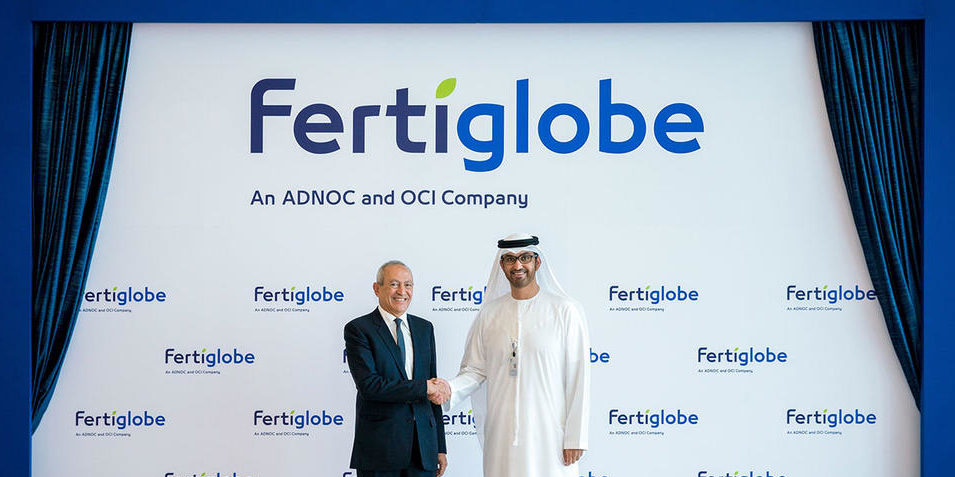
Fertiglobe, a joint venture between Adnoc and OCI, has positioned itself for a significant expansion in long-term ammonia contracts following Adnoc’s acquisition of a 25% stake from OCI. This move strengthens Fertiglobe’s ambitions in the global clean ammonia sector, particularly amid rising demand for low-carbon solutions. CEO Ahmed El Hoshy, while highlighting the company’s ongoing contract negotiations, affirmed that the deal would unlock more opportunities for sustained […]

Lake Shore India Advisory, supported by the Abu Dhabi Investment Authority (ADIA), has successfully raised $143 million in a green loan to expand its Viviana Mall in Mumbai. This move aligns with the growing trend of sustainable financing in the commercial real estate sector, with the funds earmarked for eco-friendly upgrades to the shopping complex, a critical step in enhancing its green credentials. The mall, situated in […]

Masdar and Iberdrola have successfully completed the installation of the final turbine for the Baltic Eagle wind farm, a significant offshore renewable energy project located in the Baltic Sea. This marks a major milestone in the 476 MW venture, which is set to enhance Europe’s green energy portfolio. The project, a collaboration between the Abu Dhabi-based clean energy firm Masdar and Spain’s Iberdrola, is part of the […]

First Abu Dhabi Bank (FAB), the largest lender in the United Arab Emirates, has reported a remarkable performance for the third quarter of 2024. The bank posted a net profit of $1.2 billion, exceeding analysts’ expectations and reflecting a robust 38% year-on-year growth. This surge is attributed to a diversified revenue mix and strong growth across its core banking operations and investment banking division. FAB’s positive performance […]

Investors are increasingly drawn to Abu Dhabi’s property market, with substantial growth in return on investment (ROI) and a surge in foreign capital inflows. This trend has been particularly prominent in 2024, with off-plan developments and luxury real estate showing notable resilience amid global economic challenges. The UAE capital has witnessed a rise in interest across both affordable and high-end residential segments. Developments such as the City […]

Fertiglobe, a prominent player in the nitrogen fertilizer industry, is making significant strides in securing long-term ammonia contracts, a move that could reshape its growth trajectory. The CEO, Hassan Badrawi, recently emphasized that these contracts are pivotal in bolstering the company’s market position and enhancing its profitability in an evolving landscape.

The company, a joint venture between Abu Dhabi National Oil Company (ADNOC) and OCI N.V., has been actively pursuing long-term agreements with key industrial clients globally. These contracts, spanning multiple years, are designed to provide stable pricing and guaranteed supply, allowing Fertiglobe to navigate the volatility often seen in the commodity markets. Badrawi noted that securing these contracts not only solidifies relationships with clients but also ensures a consistent revenue stream that supports long-term investments in production capacity and technology.

Fertiglobe’s approach aligns with broader industry trends, where manufacturers are increasingly prioritizing sustainability and supply chain resilience. The global ammonia market has experienced fluctuations due to geopolitical tensions, trade dynamics, and changing regulatory environments. Fertiglobe aims to mitigate these challenges by locking in long-term agreements that provide predictability in supply and pricing. This strategy is particularly crucial as countries transition towards more sustainable agricultural practices and seek reliable sources of nitrogen fertilizers.

The CEO highlighted the importance of innovation in Fertiglobe’s operations. The company has been investing heavily in technology to enhance production efficiency and reduce carbon emissions. Fertiglobe is committed to producing “green ammonia,” which is generated using renewable energy sources and is expected to play a crucial role in meeting future fertilizer demand while addressing environmental concerns. This commitment to sustainability resonates with clients who are increasingly seeking eco-friendly solutions in their supply chains.

The ammonia market is witnessing robust growth, fueled by rising global food demand and a push for more sustainable agricultural practices. As populations expand and dietary patterns shift, the need for effective fertilizers has never been more critical. Fertiglobe’s strategic focus on long-term contracts positions it favorably to capitalize on this growth, ensuring that it can meet the needs of its customers while also contributing to global food security.

Fertiglobe’s operational footprint is another factor that enhances its competitive advantage. The company’s facilities, located in the United Arab Emirates, benefit from proximity to key markets and access to essential raw materials. This geographical advantage not only reduces transportation costs but also improves supply chain efficiency. By securing long-term contracts with local and regional clients, Fertiglobe is poised to solidify its role as a reliable ammonia supplier.

Analysts are optimistic about Fertiglobe’s strategy. The company is seen as a key player in the ammonia sector, with the potential to expand its market share significantly. The move towards long-term contracts aligns with investor expectations for stability and growth, particularly in a sector characterized by fluctuations in demand and supply. As the agricultural sector increasingly emphasizes sustainability, Fertiglobe’s initiatives in producing green ammonia are likely to attract attention and investment.

Fertiglobe’s commitment to transparency and ethical practices strengthens its position in the market. As stakeholders demand greater accountability from corporations, Fertiglobe’s focus on sustainable practices and responsible sourcing is expected to enhance its reputation and foster long-term relationships with clients. This ethical approach not only appeals to consumers but also aligns with the growing expectations from investors for companies to prioritize environmental, social, and governance (ESG) factors.

Fertiglobe’s initiatives reflect a broader industry shift towards greater collaboration among key players. The establishment of long-term contracts is not just about securing sales; it also involves sharing knowledge and resources to drive innovation in fertilizer production and distribution. As Fertiglobe continues to forge strategic partnerships, the potential for collaborative projects that enhance sustainability and efficiency becomes increasingly feasible.

As the global market for ammonia evolves, Fertiglobe is well-positioned to adapt to changing dynamics. The emphasis on long-term contracts reflects a proactive strategy to ensure stability and growth, while the commitment to innovation and sustainability aligns with industry trends. With food security and environmental sustainability at the forefront of global concerns, Fertiglobe’s initiatives in securing long-term ammonia contracts underscore its role as a pivotal player in the agricultural supply chain.

A groundbreaking artificial intelligence engine is set to transform urban mobility in Abu Dhabi. This initiative, led by Abu Dhabi Mobility, aims to enhance traffic management and improve the overall quality of life for residents. Leveraging advanced data analytics, the AI system will monitor various aspects of city movement, including traffic congestion, accident occurrences, and even apartment occupancy levels. The AI engine operates by analyzing real-time data […]

TRENDS Research and Advisory, a prominent think tank headquartered in Abu Dhabi, has launched a virtual office in São Paulo, Brazil. This move comes as part of a larger global expansion effort, reflecting the think tank’s growing presence in key international markets. With additional offices opening in Washington, Buenos Aires, Berlin, and Moscow, TRENDS aims to deepen its research capabilities and strengthen ties with academic, political, and technological institutions across continents.

The office in Brazil marks a significant strategic decision for TRENDS as it sets its sights on analyzing the evolving landscape of security threats and economic challenges in Latin America. São Paulo’s technological and industrial sectors have seen rapid growth in recent years, but with that expansion has come a rise in cybersecurity risks, prompting TRENDS to focus on proactive measures to address these vulnerabilities.

Awadh Al-Breiki, Senior Researcher and Head of TRENDS Global Sector, emphasized that the proximity to key global regions like Brazil will enhance the think tank’s role in fostering international dialogue. Brazil’s prominence in the tech sphere, combined with its connection to various global markets, makes it an ideal location for TRENDS to spearhead research on emerging technological threats and defensive strategies.

Cybersecurity is a growing concern for both private and public institutions in Latin America, with an increase in digital attacks posing significant risks. The opening of TRENDS’ office in São Paulo provides a unique opportunity to address these concerns by collaborating with local experts and governments, offering policy recommendations, and creating actionable strategies to combat the increasing number of cyber threats. This move reflects TRENDS’ dedication to being a thought leader in analyzing the economic and security dynamics of the regions it operates in.

The think tank’s presence in Brazil will also extend its reach into forums and global events, such as the Brazil-Africa Forum. At this event, TRENDS will contribute to discussions on geopolitical and economic challenges, emphasizing its focus on global knowledge exchange. As part of their engagement in Latin America, TRENDS researchers are set to present new findings on the vulnerabilities of emerging technologies, underscoring the need for greater cybersecurity frameworks.

By integrating local expertise with its broader research, TRENDS aims to bolster regional security measures, provide in-depth analysis of policy changes, and offer innovative solutions tailored to the challenges faced by Brazil’s booming tech industry. As cyber threats become more sophisticated, think tanks like TRENDS are positioning themselves at the forefront of mitigating the risks tied to rapid technological advancement.

This initiative reflects a broader trend among think tanks and research organizations aiming to enhance collaboration and information sharing to tackle global issues more effectively. TRENDS’ expansion in Latin America highlights its ongoing efforts to provide comprehensive research on critical topics such as cybersecurity, digital economy, and international cooperation.

With São Paulo serving as a key hub for research, TRENDS’ virtual office will act as a bridge, connecting Latin American insights to global policy dialogues. The think tank’s leadership emphasizes that this move is part of a long-term vision to create global knowledge bridges, furthering TRENDS’ mission to contribute to informed decision-making in both the public and private sectors.

This expansion comes amid broader discussions about global tech vulnerabilities, especially in emerging markets. As technology continues to advance at a rapid pace, regions like Latin America find themselves navigating a complex landscape of economic growth and security concerns. By establishing a dedicated presence in Brazil, TRENDS is taking proactive steps to offer in-depth analysis and support to institutions looking to safeguard their digital infrastructures.

Ardian, a global investment firm, is reportedly evaluating potential co-investment opportunities in the green hydrogen sector alongside two prominent players: Masdar and the Public Investment Fund (PIF) of Saudi Arabia. This collaborative venture could significantly impact the renewable energy landscape, reflecting a growing commitment to sustainable investments as nations strive to meet climate goals. The interest in green hydrogen arises from its potential to serve as a […]

VISHNU RAJA
RYO YAMADA
HITORI GOTOH
IKUYO KITA