Just in:
Dubai details five-year visa benefits for returning visitors // UK air traffic outage inflicted £33m financial losses // e-Crime Bureau Signs Cybersecurity Partnership With Smart Africa, Reinforcing Its Global Expansion // Emirates Group records AED 4.1 billion half-year profit // Kochi police detain two actors over bid to honey trap doctor // Emaar approves Development buyout ahead of planned delisting // Dubai boat show confirms international shipyard line-up for November // Meraas showcases five residential zones at Dubai Design Week // Oil and chip shares retreat after Democratic victories // Xi Jinping Preparing For A Trilateral Summit With Trump And Putin At APEC Summit On Nov 18-19 // Private varsities bill all set to face the axe // The “1st Greater Bay Area Health and Longevity Summit & Awards Ceremony” concludes successfully in Macao // APT29-linked campaign exploits outdated Apple and Android software // Motorola introduces Signature 27 flagship priced at $1,599 // Beyond the exhibition floor: How robots, AI and networks are moving into the real world // OpenAI introduces GPT-6 Cyber with restricted security access // Trump’s Iran War Has A Share Of Contribution To His Midterm Debacle // CR Longdation Aethereal Cybersecurity × Global Cybersecurity Alliance (GCSA) Join Hands to Establish the “AI and Cybersecurity Research Centre” // Ningbo Consensus on Collaborative Development released at 2026 Global Mayors Dialogue · Ningbo // Miss Universe Hong Kong Jen Zhou Departs for Puerto Rico to Compete in the 75th Miss Universe World Final //

News related to
Dhabi

Adnoc Drilling has initiated a significant campaign targeting unconventional oil and gas resources, with an investment exceeding $1.7 billion. This move underscores the company’s commitment to expanding its operational capabilities and enhancing its production capacity amid the growing global demand for energy. The unconventional campaign aims to unlock resources that require advanced extraction technologies, reflecting a strategic shift toward maximizing the potential of the region’s energy landscape. […]

Masdar, a prominent clean energy company based in Abu Dhabi, has intensified its commitment to renewable energy in the United States by acquiring a 50% stake in Terra-Gen, a leading independent power producer (IPP). This strategic investment, valued at approximately $1 billion, aligns with Masdar’s broader objective to scale its operations in the North American renewable energy market and supports the global transition towards sustainable energy. The […]

Sovereign wealth funds in the Gulf Cooperation Council (GCC) countries have made significant investments, deploying $55 billion in various sectors during the first three quarters of 2024. This surge in investment underscores the GCC’s continued commitment to diversify its economies and reduce reliance on oil revenues. These funds are channeling capital into technology, healthcare, renewable energy, and infrastructure, among other sectors, aiming to foster long-term growth and […]

Preparations for the 29th Conference of the Parties (COP29) to the United Nations Framework Convention on Climate Change are gathering pace, with significant emphasis on collaborative strategies to implement the UAE Consensus. Scheduled to be held in Abu Dhabi from November 30 to December 12, 2024, the conference aims to build on previous discussions, particularly those from COP28, and catalyze actionable commitments in climate governance. The UAE, […]

Abu Dhabi National Oil Company (Adnoc) has successfully concluded a significant acquisition, purchasing Covestro, the prominent German chemicals manufacturer, for an estimated €12 billion. This landmark deal marks a critical strategic move for Adnoc, bolstering its position in the global chemicals market while also enhancing its diversification efforts beyond oil and gas.

Adnoc’s acquisition of Covestro is seen as a vital component of its long-term strategy to expand its portfolio into high-value chemicals, driven by the increasing demand for sustainable and innovative products. The deal not only aligns with the UAE’s broader economic diversification goals but also underscores Adnoc’s commitment to investing in advanced technologies and sustainable practices within the chemical sector.

Covestro, recognized for its production of polycarbonate and other high-performance materials, has a robust market presence across various industries, including automotive, electronics, and construction. The acquisition is anticipated to provide Adnoc with enhanced access to advanced materials and innovative chemical solutions, positioning the company to meet the evolving demands of global markets. Furthermore, it is expected to facilitate significant synergies and operational efficiencies, capitalizing on Adnoc’s existing capabilities and Covestro’s innovative technologies.

Analysts have noted that the deal reflects a broader trend among oil and gas companies seeking to pivot towards chemical production as a means of revenue diversification. This shift is driven by the global transition to a low-carbon economy, prompting traditional energy firms to explore opportunities in more sustainable sectors. By investing in Covestro, Adnoc is not only expanding its product offerings but is also positioning itself to lead in the production of environmentally friendly materials.

The transaction is poised to enhance Covestro’s growth trajectory, allowing it to leverage Adnoc’s extensive resources and market expertise. It is expected to strengthen Covestro’s operational framework, particularly in research and development, facilitating the innovation of new products tailored to meet the needs of a changing marketplace.

Industry experts have expressed optimism regarding the deal’s potential impact on the chemical sector in the Middle East. Adnoc’s acquisition of Covestro is likely to attract further investments into the region, stimulating growth and encouraging collaboration between traditional energy companies and chemical manufacturers. The integration of Covestro’s advanced technologies with Adnoc’s operational excellence could lead to groundbreaking developments in sustainable chemical production.

The acquisition process has garnered attention not only for its financial magnitude but also for its implications on the geopolitical landscape of the energy sector. As companies like Adnoc expand their chemical production capabilities, it signifies a shift in focus from crude oil dependence towards the production of value-added products. This strategic pivot aligns with the UAE’s ambitions to emerge as a leader in sustainable development and innovation.

Following the announcement of the deal, both companies have reiterated their commitment to maintaining high operational standards and ensuring that the transition is seamless for employees and stakeholders. Adnoc has pledged to uphold Covestro’s legacy of innovation and sustainability, ensuring that the integration aligns with its own values and objectives.

Market reactions to the acquisition have been largely positive, reflecting investor confidence in Adnoc’s strategic direction. The company’s decision to invest heavily in chemicals has been viewed as a proactive approach to securing its future in an industry facing significant transformation. Analysts anticipate that this acquisition will not only enhance Adnoc’s profitability but also solidify its reputation as a forward-thinking leader in the energy sector.

The deal also highlights the growing significance of partnerships in the global chemical market. By acquiring Covestro, Adnoc is tapping into a wealth of expertise and established market relationships that could further its reach into new markets. This collaborative approach is indicative of the evolving dynamics within the chemical industry, where innovation and sustainability are becoming paramount.

As the global demand for sustainable materials continues to rise, Adnoc’s investment in Covestro positions it strategically to capitalize on this trend. The transition towards environmentally friendly alternatives is reshaping the chemical landscape, and companies that adapt to these changes are likely to thrive in the coming years.

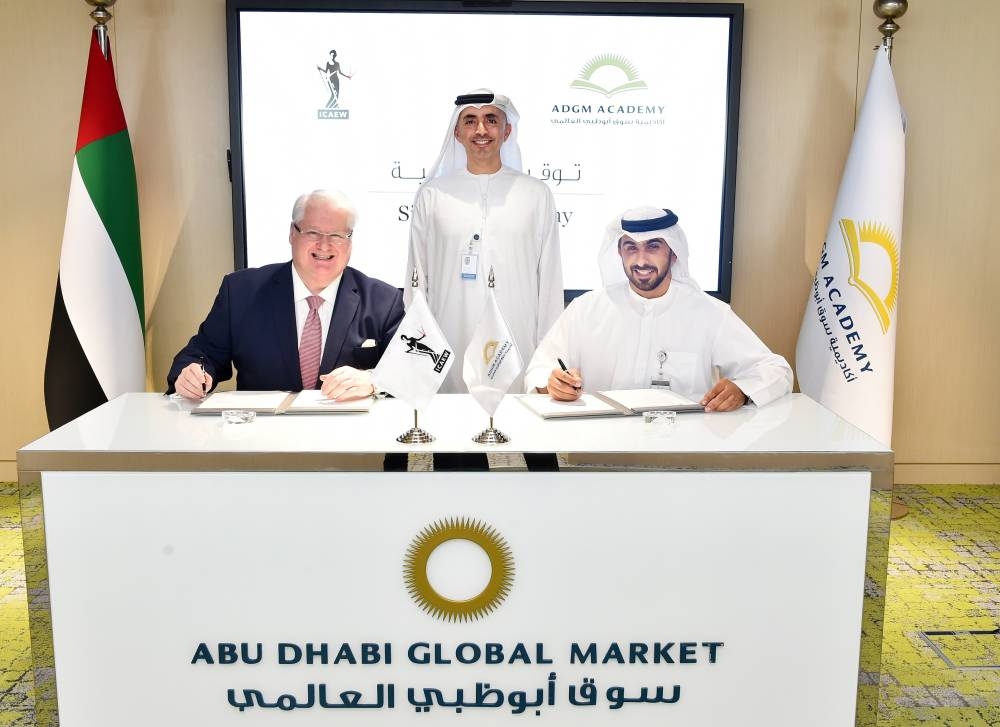
A significant collaboration between the Institute of Chartered Accountants in England and Wales (ICAEW) and Abu Dhabi Global Market (ADGM) is set to reshape the auditing landscape in the UAE, marking a critical step in strengthening corporate governance and elevating professional standards across financial institutions. This partnership, aimed at promoting transparency and ensuring the highest levels of accountability, comes as part of a broader effort to align with international auditing frameworks.

The partnership underscores the UAE’s commitment to reinforcing its financial ecosystem in the face of an increasingly complex global economy. With the financial markets growing rapidly and companies expanding their operations, the need for stronger audit practices has become more pressing. ADGM, as a financial free zone, plays a pivotal role in this mission by driving regulatory advancements in the sector. Together with ICAEW, the global leader in accounting and finance, the initiative is expected to bring transformative changes.

This alliance will focus on enhancing the skills of audit professionals in the region while introducing advanced methodologies for conducting audits. The ICAEW is known for its global expertise in auditing and accounting standards, while ADGM’s influence as a regulatory body in the UAE provides a solid platform for implementing these enhanced practices. Professionals will now have access to specialized training programs designed to ensure they meet global standards in financial reporting and auditing.

ICAEW’s involvement is particularly important given its longstanding reputation for establishing auditing benchmarks that are recognized worldwide. The integration of their guidelines within ADGM’s regulatory framework signifies a major development in how audits will be conducted within the UAE. This collaboration also aims to strengthen the integrity of financial reporting, making the region more attractive for foreign investors.

The audit sector in the UAE has seen a series of reforms over the past decade, but this partnership promises to accelerate improvements by introducing best practices from well-established markets. Through a series of initiatives and workshops, audit professionals will be trained to better identify risks and mitigate issues before they escalate, contributing to more robust financial oversight across sectors.

Abu Dhabi Global Market has been positioning itself as a key player in the global financial hub since its inception. Its regulatory environment, which is aligned with international best practices, has made it a preferred jurisdiction for financial firms and multinational corporations looking to establish a presence in the Middle East. This partnership with ICAEW is a strategic move to further enhance ADGM’s role by integrating top-tier audit and financial standards.

The growing complexity of global financial systems requires auditors to adapt to new challenges, and the partnership addresses these by offering continuous professional development for auditors working in the UAE. Through this, auditors will be better equipped to navigate the changing regulatory landscape, including emerging concerns around cybersecurity, digital finance, and environmental, social, and governance (ESG) factors. These areas are increasingly relevant as companies worldwide face stricter scrutiny regarding their financial disclosures and sustainability practices.

The focus of this partnership also extends to improving corporate governance standards in the UAE. Strengthening audit processes ensures that companies adhere to ethical business practices, which is key to maintaining investor confidence. This initiative coincides with global efforts to tighten financial reporting rules following high-profile corporate scandals that have underscored the critical role of auditors in ensuring corporate accountability.

Audit reforms in the UAE have historically been a mix of local regulatory requirements and international standards. However, this collaboration represents a deeper alignment with global audit protocols, particularly those observed in advanced markets like the UK. It signals a commitment to maintaining the UAE’s position as a trusted hub for financial services while safeguarding the interests of businesses and investors alike.

This move also dovetails with broader efforts by the UAE government to align its financial infrastructure with international standards. Over the past few years, various financial regulatory bodies within the country have sought to harmonize their operations with global norms. The inclusion of ICAEW’s expertise reflects the nation’s proactive stance in ensuring its financial and auditing frameworks remain competitive on the world stage.

There is a growing recognition among industry leaders that strong audit practices are indispensable for the healthy functioning of financial markets. This initiative is expected to foster a culture of continuous improvement in auditing standards, enabling the UAE to remain resilient in the face of evolving economic challenges. Both ICAEW and ADGM have emphasized the importance of knowledge sharing in this partnership, particularly as the financial sector becomes more digitized and interconnected.

As companies increasingly shift towards digital operations, audit processes must evolve to address new risks. The partnership’s focus on cybersecurity and digital auditing reflects the changing nature of finance, where traditional audit practices alone may no longer be sufficient. ADGM’s push for modernization in this sector is timely, as global businesses seek more transparent, tech-driven solutions for managing their financial records.

Abu Dhabi’s housing market has experienced its sharpest rise in rental prices in over a decade, driven by an intensifying demand across the city. The year-on-year increase of 15% in residential rents is being observed across prime segments, as tenants scramble for limited high-end properties. Analysts attribute this surge to a variety of factors, including population growth, economic stability, and the limited availability of new housing units.

This significant jump in rental rates reflects an underlying mismatch between supply and demand. While over 2,400 units were handed over this year, another 1,950 are expected to be delivered by year-end. However, this supply falls short of meeting the increasing demand, particularly for premium properties. The average occupancy rate across prime residential spaces has surpassed 90%, underscoring the tight housing market conditions.

Market trends also indicate a shift in buyer preferences, with off-plan transactions—properties sold before construction—dominating the market. However, a noticeable shift toward completed, ready-to-move-in properties is starting to take place, as buyers seek immediate occupation options. Additionally, the high number of expatriates moving to the UAE, driven by its stable economy and tax incentives, continues to feed the demand for residential housing, further tightening the market.

The office market in Abu Dhabi mirrors the residential sector’s growth. Prime and Grade A office spaces have witnessed a similar 15% year-on-year increase in rents, buoyed by a surge in demand from businesses. The occupancy rate in these categories has reached record highs, consistently hovering above 90%. The office rental landscape is becoming increasingly competitive as firms expand their footprints within the capital.

Advertisements
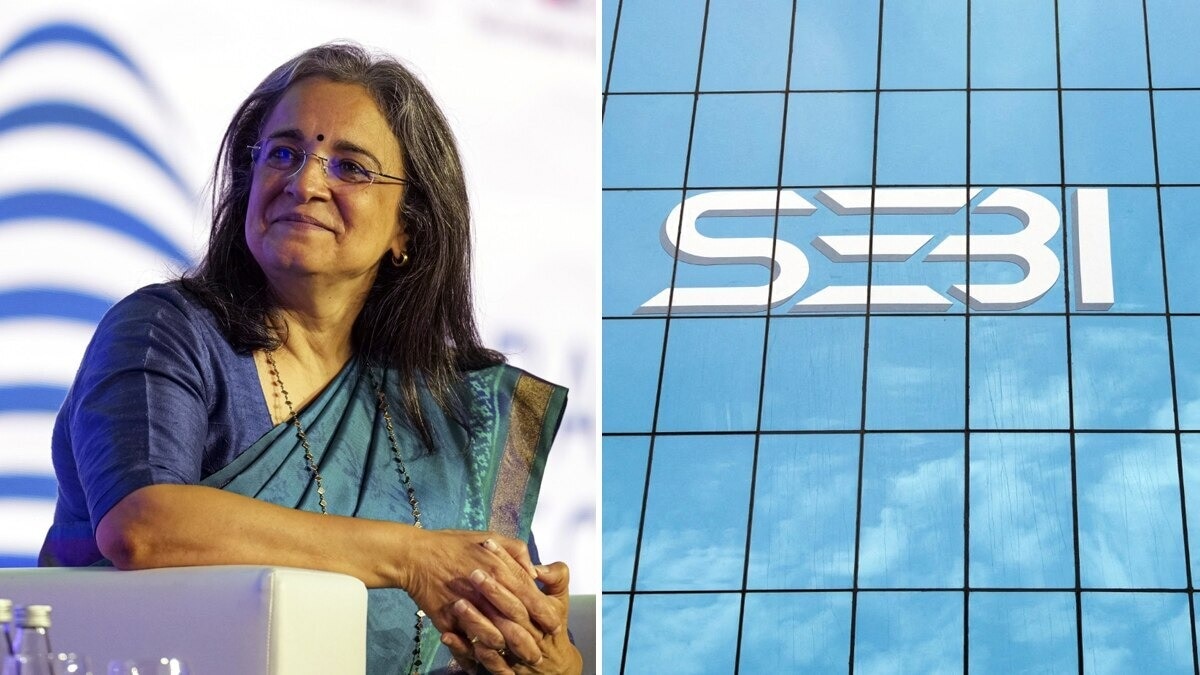
By K Raveendran SEBI chairperson Madhabi Puri Buch has revealed her mantra: regulatory humility. “Markets today are so complex; any arrogant regulator is doomed to fail,” she said addressing an event in Mumbai, held by the Association of Mutual Funds of India this week. Obviously, she has seen how a ‘friendly neighbourhood regulator’ is the […]

Abu Dhabi-based clean energy giant Masdar is expanding its footprint in the renewable energy sector with a major acquisition in the Iberian Peninsula. The company announced a $1.4 billion deal to acquire Saeta Yield, a renewables firm with significant wind and solar energy assets in Spain and Portugal. This strategic move is part of Masdar’s ambitious goal of reaching 100 GW of renewable energy capacity by 2030, […]

The UAE is pushing forward its ambitious agenda to transform its infrastructure and lead in climate action, leveraging public-private partnerships and significant capital mobilization efforts. The country’s leadership has emphasized that mobilizing private capital for green infrastructure projects is essential for advancing sustainable development, particularly as global climate challenges intensify. As part of its commitment to address climate change, the UAE, in collaboration with the Asian Infrastructure […]

Abu Dhabi Developmental Holding Company (ADQ) successfully completed its second bond issuance of 2024, raising a significant $2 billion. This strategic financial move aims to bolster its investment initiatives and enhance the capital structure as it navigates diverse market conditions. The issuance comprises various tranches, reflecting ADQ’s commitment to maintaining a robust financial position while capitalizing on favorable market dynamics. ADQ, which has emerged as a pivotal […]

The United Arab Emirates has secured its position as the top-ranking country in North Africa and Western Asia in the World Intellectual Property Organization’s (WIPO) 2024 Global Innovation Index (GII), underscoring its growing influence in innovation, technology, and intellectual property rights. The GII report highlights the UAE’s continued success in fostering an innovation-friendly ecosystem, advancing its regional leadership in a competitive global landscape. The country’s rise in […]

Malaysia’s state-owned oil and gas company, PETRONAS, has successfully entered into a new exploration agreement with the Abu Dhabi National Oil Company (ADNOC). This landmark deal marks a significant milestone for both entities as they aim to bolster their energy portfolios amid shifting global market dynamics. The agreement involves PETRONAS participating in the exploration and production of oil and gas resources in the Al Dhafra region of […]

Citi has joined forces with Apollo Global Management and Mubadala Investment Company to establish a $25 billion private credit program aimed at seizing opportunities in the rapidly growing direct lending market. This collaboration underscores the increasing significance of private credit in the current financial landscape, as institutional investors look for alternative ways to deploy capital while banks face stricter regulatory constraints on traditional lending.

The initiative is designed to target mid-to-large scale borrowers, focusing on private equity-backed companies that require non-bank financing solutions. As bank lending becomes more restrictive, particularly for higher-risk borrowers, private credit is becoming a preferred route for companies seeking more flexible funding options. The partners are expected to capitalize on this shifting environment, particularly in sectors such as healthcare, technology, and infrastructure, which are increasingly in need of substantial financial backing.

Apollo Global Management, known for its robust expertise in alternative assets, will manage the program, leveraging its well-established private credit platform. Citi, one of the largest financial institutions globally, will act as a strategic partner, providing financing and other related services. Mubadala, a sovereign wealth fund from Abu Dhabi, brings significant capital and a track record of successful global investments, making it a key player in the collaboration.

The trio’s strategic partnership highlights how private markets are becoming more prominent in financing both large-scale deals and middle-market companies. With Citi and Mubadala’s backing, Apollo expects to drive further growth in its private credit business, which has already gained considerable traction in recent years. This deal also reflects how sovereign wealth funds like Mubadala are increasingly turning toward alternative asset classes, including private debt, to diversify their portfolios and achieve higher returns.

Market experts anticipate that the $25 billion program will play a critical role in the direct lending space, helping fill the void left by banks that have scaled back lending due to tighter regulations and capital requirements. The alliance is likely to pave the way for other large institutional investors to consider similar moves, further expanding the private credit market, which has already grown to over $1.5 trillion globally.

Analysts point out that this development reflects broader trends within the financial industry, where the traditional boundaries between banks and asset managers are becoming blurred. By teaming up with Apollo and Mubadala, Citi is effectively expanding its footprint in the private credit space, positioning itself to serve clients who increasingly prefer direct lending to traditional loans.

For Apollo, this partnership is another milestone in its strategy to build out a comprehensive private credit platform. With a combination of Mubadala’s capital strength and Citi’s global reach, Apollo’s credit arm will be better positioned to capture opportunities across multiple geographies and sectors, offering tailored financing solutions that meet the evolving needs of borrowers.

Mubadala, on the other hand, will benefit from the high returns and relatively lower volatility associated with private credit. By entering into this partnership, Mubadala continues to diversify its portfolio, reinforcing its commitment to long-term investments that deliver stable cash flows.

This program also represents a growing trend where large financial institutions and sovereign wealth funds are teaming up with specialized asset managers to tap into high-growth sectors. While the primary focus is on direct lending, it is likely that this partnership will evolve to encompass other forms of private credit over time, including mezzanine financing and asset-based lending.

By aligning their goals, Citi, Apollo, and Mubadala are setting the stage for a new era in private credit. The size and scope of the program suggest that the three partners are prepared to take on large-scale transactions that could reshape the private credit landscape, attracting more investors to this asset class.

Abu Dhabi’s wealth fund, ADQ, has successfully raised $2 billion via an international bond issuance, marking a pivotal move for the state-owned holding company as it seeks to enhance its investment footprint across diverse sectors. This bond sale is indicative of ADQ’s strategic financial planning and its role as a significant player in the global financial market. Fully owned by the Abu Dhabi government, ADQ has built a robust portfolio spanning healthcare, utilities, food, and agriculture, among other vital industries.

The bond offering attracted strong interest from global investors, signaling their confidence in the financial stability and investment potential of Abu Dhabi’s sovereign wealth funds. This issuance is particularly noteworthy given the current global economic climate characterized by inflationary pressures and geopolitical uncertainties. Many investors are increasingly inclined toward stable assets, and the bond sale demonstrates ADQ’s capability to meet this demand effectively.

ADQ’s recent financial maneuver follows a series of high-profile investment activities in various sectors, including logistics, technology, and food security. These strategic initiatives align with the broader vision of the Abu Dhabi government to diversify its economy away from oil dependence. Notably, Abu Dhabi controls over 90 percent of the oil reserves in the United Arab Emirates, prompting its sovereign wealth funds to pivot towards non-oil sectors to foster sustainable growth.

The proceeds from this successful bond issuance are expected to bolster ADQ’s liquidity, enabling the fund to pursue further acquisitions and investments in critical industries. This aligns with ADQ’s long-term goals of enhancing the economic landscape of Abu Dhabi while contributing to the UAE’s broader diversification strategy.

The issuance is a clear testament to ADQ’s strategic focus on resilience and adaptability amid global economic challenges. It reflects a calculated approach to raising capital, ensuring that the fund is well-positioned to capitalize on emerging opportunities in a rapidly evolving investment landscape.

The confidence shown by global investors highlights the attractiveness of ADQ as a financial entity, reinforcing the UAE’s position as a key player in international finance. With the growing importance of sovereign wealth funds in the global economy, ADQ’s successful bond sale is a critical step in strengthening its financial stature and expanding its influence.

As the global economy continues to grapple with uncertainties, the bond sale is expected to enhance ADQ’s capacity to make strategic investments that contribute to sustainable economic development. The fund’s commitment to diversifying its portfolio and focusing on sectors that are essential for future growth is set to play a significant role in shaping the economic narrative of Abu Dhabi and the UAE.

ADQ’s diversified investment approach is not only beneficial for its portfolio but also plays a vital role in supporting local economies and enhancing community welfare. By investing in various sectors, including technology and logistics, ADQ is helping to create jobs and stimulate economic activity within the region. This approach not only supports Abu Dhabi’s immediate economic goals but also contributes to the long-term vision of the UAE as a global business hub.

The bond issuance comes at a crucial time for investors, who are increasingly seeking avenues to mitigate risk amid fluctuating market conditions. ADQ’s established reputation and its strategic focus on stability make it an attractive proposition for those looking to invest in the UAE’s economic future.

The bond sale signals ADQ’s readiness to embrace opportunities that arise from changing global market dynamics. As countries navigate the complexities of recovery from economic downturns and geopolitical tensions, funds like ADQ are pivotal in providing the financial backbone needed for growth and resilience.

The success of this bond sale underscores the growing trend of sovereign wealth funds diversifying their portfolios and seeking innovative ways to engage with the global financial markets. As ADQ continues to execute its strategy, its role in shaping not only the economic landscape of Abu Dhabi but also its influence on the broader regional and global financial stages will likely expand.

Investors and analysts will be closely watching how ADQ utilizes the proceeds from this bond issuance. The fund’s ongoing efforts to identify lucrative investment opportunities and expand its portfolio will be critical in determining its success and the overall impact on the UAE’s economy.

Aldar Properties has embarked on a significant hospitality transformation in Abu Dhabi, unveiling plans for a comprehensive investment of AED 1.5 billion. This initiative aims to elevate the emirate’s standing as a premier tourist destination by introducing upscale hotel brands and enhancing the overall visitor experience. Central to this transformation is the rebranding of the Eastern Mangroves hotel, which will be transitioned into a Waldorf Astoria luxury […]

Abu Dhabi’s wealth fund ADQ has successfully raised $2 billion through the sale of bonds in an international offering. The issuance marks a significant financial maneuver by the state-owned holding company, as it aims to expand its influence and continue investing across various sectors. ADQ, fully owned by the Abu Dhabi government, is known for its diversified portfolio, including holdings in healthcare, utilities, food, and agriculture, among others. The bond sale is indicative of the fund’s strategic financial planning and its growing role as a key player in the global financial landscape.

The bond issuance saw robust demand from global investors, reflecting confidence in Abu Dhabi’s sovereign wealth funds and their ability to generate returns. ADQ’s bond sale follows a series of high-profile investment activities in sectors like logistics, technology, and food security. The successful sale comes at a time when the global economy faces inflationary pressures and geopolitical uncertainties, with many investors looking for stable assets.

ADQ’s growing influence is also part of a broader strategy by the Abu Dhabi government to diversify its economy away from oil. Abu Dhabi holds over 90 percent of the United Arab Emirates’ oil reserves, but its sovereign wealth funds, including ADQ, have been at the forefront of efforts to invest in non-oil sectors. The proceeds from the bond sale will likely be used to finance these initiatives, providing ADQ with the liquidity to pursue further acquisitions and investments in key industries.

The offering consisted of a dual-tranche structure, with bonds issued in both five-year and ten-year maturities. According to financial analysts, the decision to offer two tranches allowed ADQ to cater to a broader range of investors with varying risk appetites. The five-year tranche was priced with a yield of 4.6 percent, while the ten-year bonds carried a yield of 5.1 percent. Market participants indicated that the pricing was competitive, given the current global market conditions, and highlighted the attractiveness of Abu Dhabi’s credit rating.

ADQ, established in 2018, has rapidly become one of the region’s most important investment vehicles, supporting the UAE’s efforts to become a diversified economic hub. The wealth fund has been expanding its investments both domestically and internationally, particularly in sectors that are viewed as crucial to the country’s long-term economic growth. In the past few years, ADQ has acquired stakes in various food production companies, energy firms, and digital platforms, positioning itself as a forward-thinking entity that aligns with the UAE’s strategic goals.

The bond sale is also notable for its timing, as global financial markets experience volatility due to macroeconomic factors, such as the tightening monetary policies by major central banks. Despite this, ADQ’s successful issuance signals strong investor confidence in Abu Dhabi’s economic fundamentals. Market experts have pointed out that Abu Dhabi’s sovereign wealth funds, including ADQ, are viewed as safe havens by international investors due to their financial stability and strong government backing.

ADQ’s leadership has consistently emphasized the importance of long-term investments that align with the UAE’s Vision 2030 plan, which aims to reduce the country’s dependence on oil revenues and foster growth in sectors like healthcare, education, and renewable energy. With this bond sale, ADQ is well-positioned to continue its investment strategy, supporting key infrastructure projects and the growth of new industries within the UAE and abroad.

The wealth fund has already been involved in several strategic acquisitions and partnerships, including its move to take full control of Al Dahra Holding, a global agribusiness company, and its stake in the Abu Dhabi National Energy Company, also known as TAQA. These acquisitions have not only expanded ADQ’s portfolio but have also contributed to the UAE’s broader goals of ensuring food and energy security, which have become increasingly important in the wake of global supply chain disruptions.

ADQ’s bond issuance fits into a broader trend of Middle Eastern sovereign wealth funds tapping international debt markets to raise capital. The region’s sovereign wealth funds, including ADQ and the Abu Dhabi Investment Authority (ADIA), have become prominent players in the global financial system, frequently issuing bonds to finance both domestic and international projects. This strategy allows them to maintain liquidity while pursuing aggressive growth strategies across multiple sectors.

The UAE’s sovereign wealth funds are among the largest and most diversified in the world, managing hundreds of billions of dollars in assets. ADQ, despite being a relatively new entity compared to some of its peers, has already made significant strides in aligning itself with Abu Dhabi’s long-term economic objectives. The $2 billion raised from this bond sale will enhance the fund’s ability to continue making strategic investments that support the UAE’s vision of a diversified and sustainable economy.

As global economic conditions remain challenging, ADQ’s ability to attract significant interest from international investors underscores the confidence in Abu Dhabi’s long-term economic strategy and financial stability. The bond sale will likely serve as a blueprint for future issuances by other Middle Eastern sovereign wealth funds as they seek to balance growth with fiscal responsibility.


Smartsheet, a leading platform for enterprise work management, has been acquired for $8.4 billion in a deal spearheaded by Blackstone and Vista Equity Partners. The Abu Dhabi Investment Authority (ADIA) has been named as a key co-investor in this high-profile transaction. The acquisition aims to accelerate Smartsheet’s growth, with the company serving a substantial portion of Fortune 500 firms. This private-equity-backed buyout continues Blackstone’s push into tech […]

Aldar Properties, one of the UAE’s largest real estate developers, has announced a substantial $408 million investment to revamp several of its high-end hotel properties. The company aims to enhance its hospitality portfolio by upgrading key hotels across Abu Dhabi, signaling a strong commitment to the luxury sector as tourism continues to recover. This major initiative is part of a broader strategy to align the region’s hospitality […]

Kenya is reportedly on the verge of securing a $1.5 billion loan from the United Arab Emirates (UAE), a move aimed at bolstering the country’s struggling financial position. This financing deal, which carries an interest rate of 8.2%, comes amid a widening budget deficit and persistent fiscal challenges faced by the Kenyan government. The financing arrangement is part of Kenya’s strategy to diversify its budget support sources […]

Abu Dhabi sovereign wealth fund ADQ has successfully raised $2.5 billion through a dual-tranche bond offering, marking a significant move to support its investment ambitions. The issuance included two portions: a $1.25 billion five-year bond and another $1.25 billion ten-year bond. Both were priced above U.S. Treasuries, reflecting strong market demand.

ADQ’s bond sale attracted heavy investor interest, oversubscribing by 4.4 times. The high level of demand underscores confidence in Abu Dhabi’s stable economy and the creditworthiness of ADQ. The proceeds from this bond offering are expected to bolster ADQ’s ongoing investments across sectors such as energy, aviation, and healthcare.

ADQ’s portfolio includes key assets in non-oil sectors, such as Emirates Water and Electricity, Abu Dhabi Airports, and several listed companies like TAQA and AD Ports Group. The fund plays a critical role in driving the diversification of Abu Dhabi’s economy, contributing to nearly a quarter of the emirate’s non-oil GDP in 2023.

Uber has announced a strategic partnership with WeRide, a self-driving technology company based in China, to introduce autonomous vehicles to Abu Dhabi. This collaboration is expected to roll out later this year, marking a significant step forward in autonomous mobility in the region. Under the deal, a fleet of WeRide’s robotaxis will be made available through the Uber app, initially serving specific areas in the UAE capital.

The pilot program will target key locations in Abu Dhabi, such as Yas Island and Saadiyat Island, with expansion plans on the horizon. Passengers will have the option to select a self-driving vehicle for their trips when available, offering a futuristic alternative to traditional rideshare options. Uber’s CEO, Dara Khosrowshahi, emphasized that this initiative aligns with the company’s vision of a future where transportation is electric, shared, and autonomous.

WeRide, founded in 2017 and headquartered in Guangzhou, has been rapidly advancing in the autonomous driving industry. Its technology, known for its reliability and scalability, is already operational in several cities in China, where the company conducts various pilot programs. By partnering with Uber, WeRide aims to gain a foothold in the Middle Eastern market, building on its experience in deploying robotaxis in urban settings.

By K Raveendran SEBI would be a nice name for a new range of washing machines. The brand name is short, sweet and has good connect with its namesake market regulator, which has by far excelled in the act of cleaning. Additionally, the new range may not require a detergent, as the machine by itself […]


A surge in institutional interest is significantly advancing cryptocurrency adoption in the United Arab Emirates, positioning the region as a pivotal player in the global digital assets market. Major financial institutions, including banks and investment firms, are increasingly embracing blockchain technology and digital currencies, which is reshaping the traditional financial landscape. The UAE government has long fostered a progressive regulatory framework aimed at enhancing financial innovation, making […]

VISHNU RAJA
RYO YAMADA
HITORI GOTOH
IKUYO KITA