Just in:
Asia Left Behind: Ten international companies have yet to report delivering on their cage-free egg pledges across the region // Geely’s i-HEV Intelligent Hybrid Technology Offers a New Direction for Gasoline-Powered Vehicles // Ousted top Kochi cop gets IG post // After Reaching 7 Million Users in the Philippines, Skyro Launches Transparent Cash Loans in Malaysia // Oil advances towards $100 as tanker attacks persist // Millions Of Indians May Soon Be Deprived Of Government Assistance // Xi Jinping Preparing For A Trilateral Summit With Trump And Putin At APEC Summit On Nov 18-19 // Trump’s Iran War Has A Share Of Contribution To His Midterm Debacle // APT29-linked campaign exploits outdated Apple and Android software // Miss Universe Hong Kong Jen Zhou Departs for Puerto Rico to Compete in the 75th Miss Universe World Final // Geely’s i-HEV Intelligent Hybrid Technology Offers a New Direction Vision for Gasoline-Powered Vehicles // Dubai details five-year visa benefits for returning visitors // Ta’ziz finalises $1.39bn funding for Ruwais industrial facilities // Private varsities bill all set to face the axe // Technology shares plunge as Nasdaq enters correction // Kochi police detain two actors over bid to honey trap doctor // Cloudflare unveils Zero Wire vulnerability intelligence service // OpenAI identifies 948 Linux privilege escalation flaws using AI // e-Crime Bureau Signs Cybersecurity Partnership With Smart Africa, Reinforcing Its Global Expansion // UK air traffic outage inflicted £33m financial losses //

News related to
Dhabi

TA’ZIZ, the joint venture between Abu Dhabi National Oil Company and ADQ, has awarded a $1.7 billion engineering, procurement, and construction contract for a major methanol plant in Abu Dhabi. This development underscores the continued strategic expansion of the UAE’s industrial sector, as it further solidifies the nation’s position as a key player in the global chemical and energy markets. The contract has been awarded to a […]

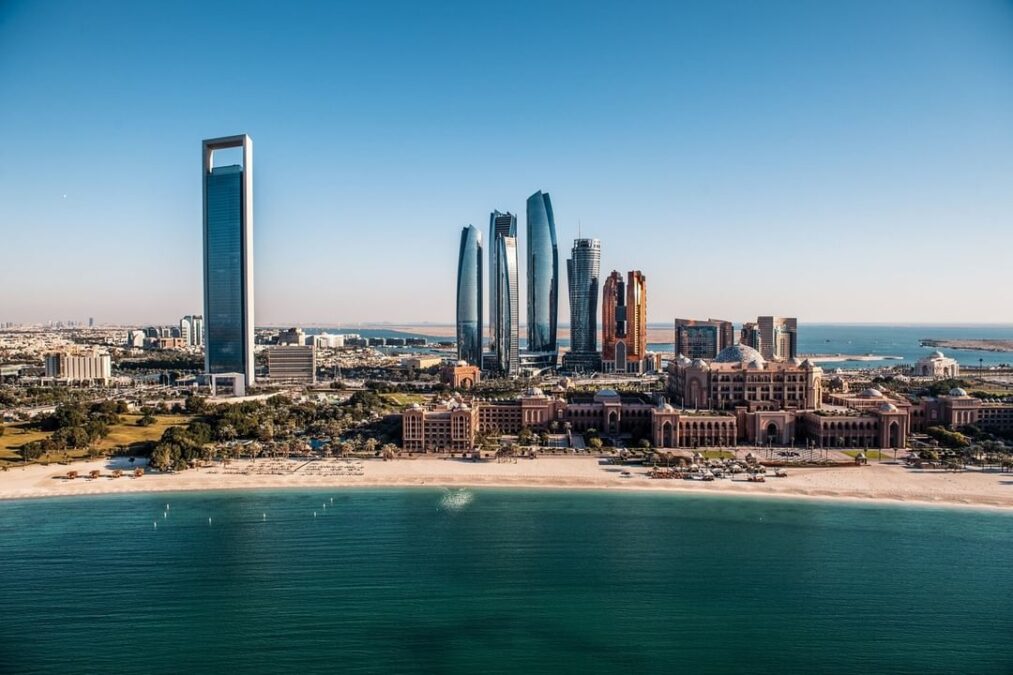
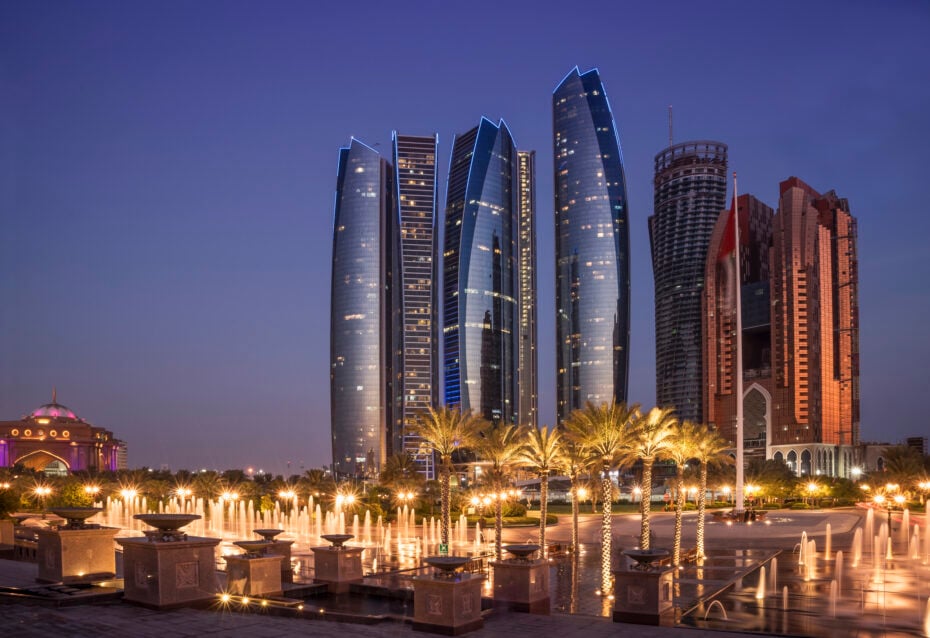
Abu Dhabi’s real estate market experienced a significant surge in activity during January, reaching a total value of $2.88 billion in transactions. This marks a considerable increase in both sales and investments, reflecting growing investor confidence in the emirate’s property sector.

The uptick in transactions follows a series of market dynamics that have been shaping the real estate landscape in the UAE capital. According to the latest figures from the Abu Dhabi Department of Municipalities and Transport , the volume of deals spans various segments, including residential, commercial, and industrial properties. Notably, the residential sector continues to dominate, with a large portion of transactions involving high-value villas and apartments in sought-after areas.

The government’s commitment to fostering economic growth, especially through initiatives targeting real estate, has played a key role in stimulating demand. These policies have aimed at attracting foreign investments, bolstering infrastructure, and improving overall market conditions. New regulatory measures, such as those aimed at simplifying property ownership laws for non-residents and expanding property options, have also helped to enhance market stability.

Throughout January, luxury real estate in prime locations, particularly on Yas Island and Saadiyat Island, saw a noticeable uptick in demand. These areas, known for their high-end residential developments and world-class amenities, have become magnets for international buyers. Properties in these locations have attracted investors looking for both secure capital growth and high rental returns.

The office space market has also shown resilience, as businesses continue to expand operations in Abu Dhabi, despite global challenges. Leasing activity for commercial properties remains strong, especially for Grade-A office spaces, as companies seek modern and flexible work environments. The UAE capital’s status as a regional business hub has contributed to this demand, alongside its increasing appeal as a destination for multinational corporations.

The data further highlights the rise of off-plan sales, with developers offering new projects across multiple residential communities. These off-plan sales, which accounted for a significant portion of the month’s total value, demonstrate the ongoing confidence in Abu Dhabi’s long-term real estate prospects. The availability of flexible financing options and competitive prices in comparison to global property markets have positioned Abu Dhabi as a desirable market for investors seeking stable returns.

The UAE’s Vision 2021 agenda, which aims to diversify the economy and reduce reliance on oil, has undoubtedly influenced the real estate sector’s strong performance. A considerable focus has been placed on infrastructure development and sustainability, including green building initiatives and smart city projects, which align with global trends. These initiatives are expected to sustain the growth of Abu Dhabi’s property market in the long term, as both local and international investors turn their attention to properties with sustainable features and advanced technologies.

The value of transactions in the commercial sector, including retail and hospitality properties, has shown positive movement. As the UAE recovers from the global disruptions caused by the COVID-19 pandemic, tourism and hospitality sectors are also seeing a boost, with a surge in demand for short-term rental spaces. Investors are capitalizing on this, focusing on both residential and commercial assets that cater to the increasing influx of tourists and business travelers.

Analysts suggest that the robust performance of the real estate market is also tied to global economic conditions. As many countries continue to grapple with inflationary pressures and market volatility, Abu Dhabi’s relatively stable economic environment is increasingly seen as a safe haven for investors. This trend is expected to continue, with forecasts pointing to sustained growth in the property market throughout 2025.

As Abu Dhabi continues to make strides toward becoming a global financial and cultural hub, its real estate market is likely to remain a key contributor to the emirate’s economic growth. The government’s focus on developing a diverse and attractive real estate sector, along with ongoing investments in infrastructure, is expected to support the market’s expansion.

Abu Dhabi National Oil Company and Austria’s OMV have confirmed ongoing negotiations to establish a new global leader in the polyolefins sector. The merger, which would combine ADNOC’s Borouge, OMV’s Borealis, and Canada’s Nova Chemicals, is poised to create one of the world’s largest polyolefin groups. The two companies described the discussions as progressing in a “constructive and positive manner.”

Both ADNOC and OMV have been increasing their focus on expanding their footprint in the chemicals and petrochemicals sectors, particularly in polyolefins, which are critical for manufacturing a wide range of products, from packaging materials to automotive components. The merger would not only boost the companies’ market positions but also position the new entity as a major player in the global chemicals market.

The polyolefins industry has seen steady growth in recent years, driven by demand for packaging, consumer goods, and industrial applications. The merger, if completed, would give the combined entity a significant advantage in this competitive market, leveraging the resources and technological expertise of each participant. Experts suggest that the combined scale and enhanced capabilities could make the group a leader in producing polyethylene and polypropylene, two of the most widely used plastics globally.

ADNOC’s Borouge, based in the UAE, has been a key player in the polyolefins market for years, with a focus on high-quality, innovative products. Meanwhile, Borealis, controlled by OMV, is a leading European chemicals company with an established presence in polyolefins and advanced chemicals. Nova Chemicals, a wholly owned subsidiary of Canada’s Mubadala Investment Company, brings further expertise and production capacity to the table.

The merger would allow the three companies to capitalize on each other’s strengths. Borouge, for instance, has extensive experience in the Middle East and Asia, while Borealis has a strong European and North American footprint. Nova Chemicals’ established position in North America would be complemented by the global reach of the other two. Together, the companies would form a formidable force in both developed and emerging markets, ensuring a diversified supply chain and the ability to serve a broader range of industries.

This deal comes at a time when the polyolefins market is facing new challenges and opportunities. As the global demand for sustainable materials rises, the new entity may also benefit from growing interest in recyclable and eco-friendly plastic alternatives. Industry analysts speculate that the merger could help the group meet these demands by accelerating research into more sustainable production methods and product offerings.

The proposed combination would also be a notable shift in ADNOC’s strategy. Historically, the company has been heavily involved in the exploration and production of oil and gas. However, the increasing focus on petrochemical expansion aligns with broader regional goals to diversify the economy and reduce dependence on crude oil exports. By increasing its stake in high-value industries like polyolefins, ADNOC could secure more stable revenue streams in the coming years, particularly as global demand for petrochemicals continues to rise.

For OMV, the deal represents a significant opportunity to consolidate its position in the chemicals sector, aligning with its long-term strategy of enhancing its refining and petrochemical operations. The company has been expanding its portfolio in this space and aims to increase the contribution of chemicals to its overall business, helping to buffer against the volatility of oil and gas prices.

The announcement of the merger talks has raised questions about the potential regulatory hurdles the companies may face, particularly in Europe, where anti-trust laws are stringent. The deal would need to be assessed by competition regulators to ensure that the merger does not significantly reduce competition in the polyolefins market. Both ADNOC and OMV have stated that they are committed to ensuring compliance with all regulatory requirements.

Despite these challenges, analysts remain optimistic about the potential benefits of the deal. A merger of this scale would enable the combined company to drive innovation, improve efficiency, and leverage economies of scale. The global polyolefins market, valued at tens of billions of dollars, could see a new dominant player emerge, with the capacity to set trends and dictate pricing across key regions.

In addition to the market implications, the merger could reshape the supply chain dynamics for polyolefins. By merging production capacities and expanding global reach, the new group would be better positioned to serve large multinational customers who rely on polyolefins for various applications. This could include sectors like automotive, packaging, and construction, all of which are seeing shifts toward higher performance and more sustainable materials.

Abu Dhabi sovereign wealth fund ADQ has entered into a strategic joint venture with global investment firm Orion Resource Partners to focus on investments in metals and mining. The announcement was made on Thursday, marking a significant expansion of ADQ’s portfolio in critical minerals. This partnership is expected to inject $1.2 billion over the next four years, targeting mining operations in emerging markets across Africa, Asia, and Latin America.

The 50-50 joint venture will be headquartered in Abu Dhabi, reinforcing the UAE’s growing influence in global resource investment. The capital infusion will be deployed across a wide range of asset classes, including equity, senior debt, and production-linked instruments such as royalties, enabling the partners to diversify their approach while providing flexible financial support to mining companies.

This collaboration comes as demand for critical minerals, particularly those essential for green energy and technology, continues to surge worldwide. By strategically positioning itself in emerging markets, ADQ aims to tap into the growing potential of these sectors, while also ensuring a steady supply of materials for industries such as electric vehicles, renewable energy, and technology manufacturing.

The UAE has increasingly sought to diversify its investments, with sovereign wealth funds like ADQ playing a central role in expanding the nation’s economic footprint beyond oil. This partnership with Orion represents a key step in the UAE’s strategy to enhance its global financial influence, especially in sectors aligned with future growth, such as critical minerals.

The joint venture is expected to leverage Orion’s expertise in the mining sector, with the firm’s global experience providing a competitive edge in identifying and managing investments. Orion Resource Partners, known for its investments in natural resources and energy, will bring its deep market insights and operational capabilities to ensure the success of the venture.

The partners have already identified several opportunities in the target regions, which have abundant mineral reserves but often face challenges such as political instability, infrastructure limitations, and regulatory hurdles. By focusing on emerging markets, ADQ and Orion hope to unlock value in these regions, driving economic development while securing access to essential resources.

The decision to focus on mining companies in Africa, Asia, and Latin America aligns with global trends indicating a growing shift toward these regions, which have vast untapped mineral potential. These markets are becoming increasingly attractive to investors looking to capitalize on the expanding demand for metals critical to clean energy transitions. As nations commit to reducing their carbon footprints, the need for raw materials like lithium, cobalt, and nickel is escalating, placing these regions in the spotlight.

For ADQ, the partnership with Orion reflects its broader strategy to develop a well-rounded investment portfolio that includes not only traditional assets but also strategic holdings in critical industries. This move also signals ADQ’s commitment to responsible and sustainable investments, with the fund placing a strong emphasis on environmental, social, and governance factors in its investment decisions.

The joint venture’s investments will not be limited to equity stakes but will also include senior debt and other instruments such as royalties, allowing the partners to support mining companies with the flexibility to meet their funding needs across different stages of their development. This varied approach provides opportunities for both high-growth and stable, income-generating assets.

The UAE’s growing focus on the mining sector is also linked to its efforts to enhance energy security and ensure the long-term availability of essential raw materials. By forming such partnerships and investing in mining, the UAE can build stronger links with emerging markets while ensuring that its own economic and industrial sectors are less dependent on external sources of critical minerals.

ADQ’s decision to form this venture with Orion comes at a time when other global investors are also increasing their exposure to the mining sector. With the rise of sustainable investment practices and the need to secure critical minerals for the global green energy revolution, mining is set to remain an important area for international capital flows.

Through this partnership, ADQ and Orion aim to establish themselves as key players in the global mining sector, specifically targeting regions that are expected to become increasingly central to the global supply chain for critical minerals. As the world transitions to cleaner energy and technology, the demand for these minerals is only expected to increase, making such investments highly strategic for the long-term success of the partners involved.

The venture also highlights the UAE’s growing role in shaping the future of global industries. As one of the world’s leading financial hubs, Abu Dhabi is positioning itself to attract international capital and play a key role in industries that will drive future economic growth, from sustainable energy to advanced technology.


Abu Dhabi-based Eagle Hills has unveiled plans for a transformative $5.5 billion investment in Georgia, set to reshape the nation’s infrastructure and tourism sectors. The ambitious initiative, which marks one of the most substantial foreign investments in the region in recent years, is expected to drive significant economic growth and bolster Georgia’s position as a key player in the Caucasus. The announcement comes after several months of […]

Abu Dhabi’s real estate sector has experienced a significant surge in foreign direct investment (FDI), with a 225% increase in the first half of 2024 compared to the same period in 2023. The emirate attracted AED 3.28 billion ($893 million) from 971 individual investors spanning 75 countries, including the United States, the United Kingdom, China, Kazakhstan, and Russia. ([adrec.gov.ae](https://adrec.gov.ae/en/News/Foreign-Direct-investments?utm_source=chatgpt.com))

This influx of foreign capital underscores the growing confidence in Abu Dhabi’s property market. The Abu Dhabi Real Estate Centre (ADREC), the regulatory body overseeing the sector, attributes this growth to strategic initiatives aimed at positioning the emirate as a premier global investment destination. Rashed Al Omaira, Acting Director General of ADREC, emphasized the emirate’s commitment to creating a business-friendly environment characterized by innovation, transparency, and efficiency. ([adrec.gov.ae](https://adrec.gov.ae/en/News/Foreign-Direct-investments?utm_source=chatgpt.com))

In the first half of 2024, the real estate market recorded 12,439 transaction activities valued at AED 36.2 billion ($9.85 billion). This includes AED 23.7 billion from 7,088 sales and purchase transactions and AED 12.5 billion from 5,351 mortgage transactions. ([adrec.gov.ae](https://adrec.gov.ae/en/News/Foreign-Direct-investments?utm_source=chatgpt.com))

The surge in FDI is part of a broader trend of international interest in Abu Dhabi’s real estate. In February 2024, Fiera Capital, a Toronto-listed fund managing $166 billion in assets, announced the opening of its first Middle East office in Abu Dhabi. The firm plans to establish an office in Saudi Arabia within the next 18 to 24 months, aiming to engage more closely with sovereign wealth funds, family offices, pension funds, and listed corporations in the region. ([Financial News London](https://www.fnlondon.com/articles/fiera-capital-plans-saudi-arabia-office-following-middle-east-foray-in-2024-ac7cc384?utm_source=chatgpt.com))

Additionally, Abu Dhabi’s Modon Holding has been active in international real estate investments. The company acquired half of Citadel’s new office tower at Broadgate in the City of London, marking a strategic entry into the London real estate market. The tower at 2 Finsbury Avenue is set to complete in 2027 and is one-third pre-let to Citadel. ([ft.com](https://www.ft.com/content/ed5b219c-e18a-4b8b-bfe8-88430f7dbd76?utm_source=chatgpt.com))

Modon Holding also expanded its portfolio by acquiring the luxury development La Zagaleta in Marbella, Spain. This acquisition includes the Majarambuz project, a 2.2 million square meter development in Sotogrande. The group plans to develop these areas while maintaining the exclusivity and legacy of the original developments. ([Cinco Días](https://cincodias.elpais.com/companias/2024-12-19/modon-holding-con-sede-en-abu-dabi-adquiere-en-marbella-la-urbanizacion-de-lujo-la-zagaleta.html?utm_source=chatgpt.com))

In Egypt, a partnership between Egypt’s Safwat Kaliouby Group (SKG) and the Emirati KSH Investment Company resulted in a 24 billion Egyptian pound ($500 million) agreement to develop a real estate project along the Nile in Cairo. The project will span 20,000 square meters and include residential and commercial towers, as well as a five-star hotel. ([reuters.com](https://www.reuters.com/markets/deals/egyptian-emirati-companies-sign-500-mln-real-estate-deal-egypt-2024-07-09/?utm_source=chatgpt.com))

These developments highlight Abu Dhabi’s growing influence in the global real estate market and its strategic efforts to attract and deploy foreign direct investment. The emirate’s focus on creating a transparent and efficient investment environment continues to position it as a preferred destination for investors worldwide.

Abu Dhabi-based private equity firm MGX has made a substantial contribution to former President Donald Trump’s ambitious $100 billion artificial intelligence (AI) initiative. This investment, reportedly one of the largest in the tech space, is set to fuel groundbreaking developments in AI technology, specifically in areas like data processing and autonomous systems. The strategic partnership between MGX and Trump’s venture signals the UAE’s growing interest in the AI sector and positions both entities as key players in the global AI race.

The AI project, which aims to revolutionize industries such as healthcare, finance, and manufacturing, is part of Trump’s broader strategy to solidify his legacy in technological innovation. The initiative, described as the largest private-sector investment in AI, is intended to foster a new era of automation and machine learning. Experts in the field believe the collaboration with MGX could accelerate the timeline for implementing AI technologies at scale.

MGX, which has a history of backing high-profile ventures, is known for its investments in technology startups and its involvement in cutting-edge sectors. The firm’s decision to back Trump’s AI initiative underscores the growing convergence between Middle Eastern capital and American tech ventures. This partnership comes at a time when both the UAE and the United States are competing to lead in the rapidly evolving AI landscape.

The move also aligns with the UAE’s vision to diversify its economy and establish itself as a global leader in emerging technologies. Through strategic investments, the country has sought to expand its footprint in the global tech market, which is rapidly becoming dominated by AI-driven advancements. In recent years, the UAE has invested heavily in tech startups and AI research, positioning itself as a hub for innovation in the Middle East.

MGX’s contribution to the AI initiative marks a significant step in its expansion plans, particularly in terms of its growing influence in the global tech industry. The firm’s investment in AI technologies follows its track record of supporting businesses that aim to revolutionize established sectors. By entering the AI space, MGX not only bolsters its portfolio but also positions itself at the forefront of a rapidly evolving field.

Trump’s AI venture is expected to have far-reaching implications, particularly in sectors such as autonomous vehicles, smart cities, and healthcare. The potential of AI to automate complex tasks and process massive datasets holds the promise of transforming industries and improving efficiency across multiple sectors. However, experts warn that the ethical and societal impacts of widespread AI adoption will need to be carefully managed, with attention to issues such as job displacement and data privacy.

While the details of the deal between MGX and Trump’s venture remain closely guarded, insiders suggest that the collaboration will focus on the development of AI systems capable of transforming traditional industries. This includes advancements in predictive analytics, machine learning algorithms, and natural language processing, all of which have the potential to revolutionize how businesses operate.

The partnership is also expected to draw attention from policymakers and regulators, especially as the global debate over the regulation of AI intensifies. As AI becomes an increasingly powerful tool, questions about its ethical use, data security, and impact on employment will likely become central to the political discourse. Trump’s backing of AI is likely to spur more interest from global governments seeking to navigate the complex issues surrounding AI deployment.

At the heart of this initiative is the drive to position AI as a catalyst for economic growth and technological advancement. By aligning himself with MGX, Trump is positioning his venture at the intersection of innovation and capital, securing the funding necessary to scale his AI vision. The partnership serves as a demonstration of how private sector investments can shape the future of technological development, particularly in a field as dynamic and impactful as artificial intelligence.

For MGX, this deal represents a further expansion into the global tech sector, adding to its diverse portfolio of high-value investments. The firm’s deep pockets and commitment to backing groundbreaking technologies make it an influential player in the AI field. As the demand for AI solutions grows, particularly in sectors like healthcare and finance, MGX’s stake in the AI space is poised to yield substantial returns in the coming years.

As AI technology continues to evolve, both MGX and Trump’s venture are betting on its transformative power. The partnership serves as a reminder of the growing influence of private equity in shaping the future of technological development. With the combined resources of MGX and Trump’s ambition, the AI venture is set to become a cornerstone in the next wave of technological innovation.

Advertisements

Dubai Investments is gearing up to take its subsidiary companies public, with plans for an initial public offering (IPO), according to the company’s CEO. The move reflects the growing trend among Middle Eastern conglomerates to unlock value and attract investment by listing some of their high-performing subsidiaries. The company, a prominent player in the UAE’s investment sector, has not specified a timeline or details about which subsidiaries will be included in the offering, but the announcement marks a significant step in Dubai Investments’ ongoing strategy to diversify its capital base and enhance its market position.

The UAE has seen a surge in IPO activity in recent years, with companies from various sectors, including real estate, energy, and financial services, opting to go public to leverage favorable market conditions. Dubai Investments, with its diverse portfolio spanning sectors like manufacturing, real estate, and healthcare, is positioning itself to tap into this growing market momentum.

The decision to pursue an IPO aligns with the broader push by UAE-based companies to boost their financial profiles and capital flexibility. UAE’s stock exchanges have seen a revival of IPO activity, with several high-profile listings, such as those of Dubai-based Emirates Central Cooling Systems Corporation (Empower) and the real estate developer Emaar Properties. These IPOs, coupled with the UAE government’s efforts to make the country more attractive to foreign investors, have set a strong precedent for other major firms like Dubai Investments to follow suit.

CEO of Dubai Investments, Khaled Al Huraimel, expressed optimism regarding the company’s plans, pointing to a robust market appetite for high-growth companies with a diversified asset base. He emphasized that the decision to list subsidiaries will help maximize shareholder value and unlock greater capital for reinvestment into core operations. With Dubai’s stock market seeing record levels of participation, the potential for a successful IPO seems favorable.

As part of Dubai Investments’ growth strategy, the IPOs will likely be part of a broader restructuring that focuses on enhancing operational efficiencies and sharpening the strategic direction of its subsidiary companies. These subsidiaries, which include some of the UAE’s most successful ventures in manufacturing, real estate, and healthcare, stand to benefit from increased visibility and liquidity once listed. The capital raised from the IPO could be reinvested into expanding these businesses, as well as funding new projects and acquisitions, further solidifying Dubai Investments’ footprint in the region.

Market analysts expect the IPOs to create a ripple effect across the UAE’s business landscape, potentially encouraging other conglomerates in the region to pursue similar paths. By going public, Dubai Investments and its subsidiaries will gain access to a larger pool of capital, allowing them to expand operations more aggressively, strengthen market share, and accelerate their regional and international growth plans.

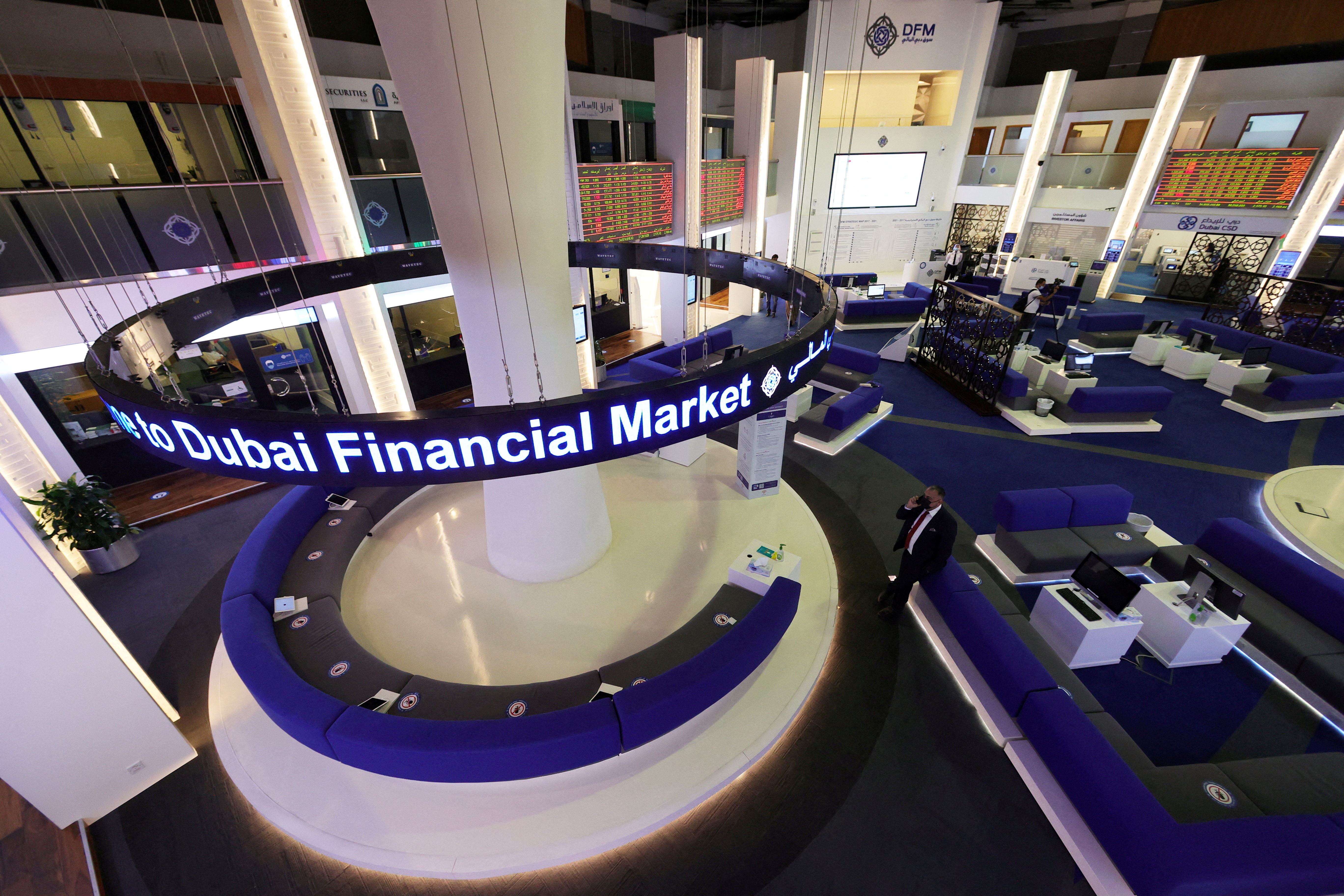
The UAE government’s pro-business initiatives, including efforts to attract foreign investments and regulatory reforms aimed at increasing market transparency, have made the country an attractive destination for initial public offerings. These efforts are part of the UAE’s broader economic diversification strategy, which aims to reduce reliance on oil revenues and foster the growth of non-oil sectors. The country’s stock exchanges, particularly the Dubai Financial Market (DFM) and the Abu Dhabi Securities Exchange (ADX), have benefited from these policies, experiencing increased investor interest and a rise in IPOs in recent months.

Experts believe that the market conditions are ripe for Dubai Investments to capitalize on the growing investor demand for stocks from well-established firms with strong operational histories. With a track record of success across various sectors, Dubai Investments is well-positioned to attract a wide range of institutional and retail investors who are eager to tap into the growth potential of its diverse subsidiary companies.

The company’s move to pursue an IPO comes at a time when Dubai is further consolidating its position as a regional financial hub, thanks to government-backed initiatives aimed at making the city an appealing destination for business and investment. Dubai’s ease of doing business, robust infrastructure, and investor-friendly regulations make it a favorable environment for companies like Dubai Investments to expand their capital base and achieve long-term growth.

However, the decision to go public also carries risks. IPOs can be volatile, particularly in times of global uncertainty or market fluctuations. Dubai Investments will need to carefully navigate the process to ensure that its subsidiaries are positioned for success post-listing. The company’s management will also need to ensure that the IPOs do not dilute the control or influence of its parent company, preserving its strategic direction and long-term vision.

For Dubai Investments, listing its subsidiaries is a key part of its transformation and efforts to modernize its portfolio. While the IPO route is seen as a way to enhance liquidity and raise capital, it also provides an opportunity to unlock value from a number of high-growth subsidiaries, many of which have proven resilient in the face of economic challenges.

The Abu Dhabi government has unveiled the “Abu Dhabi Government Digital Strategy 2025-2027,” a comprehensive plan to establish the emirate as a global leader in artificial intelligence (AI)-driven governance. Spearheaded by the Department of Government Enablement – Abu Dhabi (DGE), the strategy entails an investment of Dhs13 billion over the next three years to foster innovation and accelerate technology adoption across government operations.

Central to this initiative is the ambition to become the world’s first fully AI-native government by 2027, integrating AI across all digital services. The strategy outlines the deployment of over 200 innovative AI solutions aimed at enhancing public service delivery and optimizing governmental processes. This move is expected to contribute more than Dhs24 billion to Abu Dhabi’s gross domestic product (GDP) by 2027 and create over 5,000 new jobs, aligning with the emirate’s economic diversification and Emiratisation efforts.

A significant component of the strategy is the “AI for All” program, designed to equip citizens with the necessary skills to leverage AI applications effectively. This initiative underscores the government’s commitment to inclusive technological advancement, ensuring that the benefits of AI integration are accessible to the entire population.

The strategy also emphasizes the development of a robust digital infrastructure, aiming for 100% adoption of sovereign cloud computing for government operations and the complete digitization and automation of processes. This includes the creation of a unified digital enterprise resource planning (ERP) platform to streamline operations and enhance efficiency.

His Excellency Ahmed Hisham Al Kuttab, Chairman of the DGE, stated, “The Abu Dhabi Government Digital Strategy 2025-2027 reflects our leadership’s vision of being an AI-native government, seamlessly integrating AI across all government systems for a future that is proactive, agile, and fully technology-enabled.” He added that incorporating AI, cloud technologies, and data-driven insights will transform public service delivery, optimize government operations, and drive sustainable economic growth.

This strategic move builds upon more than a decade of digital evolution in Abu Dhabi, transitioning from e-government to smart services, and now to AI-powered governance. Recent initiatives, such as the third evolution of the TAMM platform (TAMM 3.0) and the Abu Dhabi Program for Effortless Customer Experience, lay the foundation for next-generation digital solutions rooted in AI, sustainability, cloud computing, and data analytics.

The government’s commitment to cybersecurity is also evident, with plans to develop comprehensive digital guidelines and frameworks to maintain the highest standards of security. This proactive approach aims to prepare the emirate for future technological challenges and ensure the integrity of its digital infrastructure.

Abu Dhabi Investment Authority (ADIA), one of the world’s largest sovereign wealth funds, has acquired a significant stake in Innocap, a Canadian alternative investment management firm. This investment highlights the growing interest of Middle Eastern investors in North American financial markets, with ADIA’s move signaling its confidence in the potential of emerging asset management models.

Innocap, which specializes in providing customized investment solutions for institutional clients, has gained traction in the financial sector due to its innovative approach in combining quantitative and discretionary strategies. The firm is known for its expertise in alternative investments, including hedge funds and private equity, offering tailored solutions for clients looking to diversify portfolios and optimize returns.

This acquisition marks a key step in ADIA’s ongoing strategy to enhance its portfolio with high-growth opportunities across global markets. ADIA has historically focused on securing long-term returns by investing in a wide array of asset classes, including equities, fixed income, real estate, and private equity. The decision to invest in Innocap reflects ADIA’s intent to tap into the expanding alternative investment space, particularly in regions where the demand for such strategies is on the rise.

Innocap’s management has expressed excitement over the partnership, which they believe will allow them to scale operations and enhance their product offerings. The firm’s deep experience in quantitative strategies and its robust network of institutional investors aligns well with ADIA’s strategic goals of identifying high-performing, sustainable investments in evolving markets.

ADIA’s acquisition strategy has been increasingly focused on technology-driven firms, as it seeks to benefit from the growth of tech-driven financial services. The investment in Innocap is part of a broader trend of sovereign wealth funds expanding their reach into specialized financial services. This move also mirrors the growing trend of institutional investors diversifying their portfolios into non-traditional assets, including those managed by firms like Innocap that specialize in leveraging advanced technology and financial engineering.

The deal is expected to enhance Innocap’s ability to develop cutting-edge investment strategies, further positioning the firm as a leader in the alternative investment space. Experts have noted that ADIA’s involvement will likely bring significant benefits to Innocap’s clients, including greater access to global capital markets and an expanded range of investment solutions. The partnership is seen as mutually beneficial, with ADIA gaining access to Innocap’s advanced strategies and innovative approaches, while Innocap benefits from the strategic backing and resources of one of the world’s largest investment funds.

For ADIA, the deal reflects a strategic shift towards investing in firms that specialize in niche, high-return asset classes. As the demand for alternative investments grows globally, particularly in regions like North America, the acquisition of Innocap positions ADIA to take advantage of new opportunities in asset management. The move is also in line with the fund’s goal of diversifying its holdings in a range of high-growth, high-potential sectors.

Innocap’s leadership sees this partnership as a way to solidify its position in a competitive industry, where differentiation through technology and innovation is key to sustained growth. The firm’s ability to deliver bespoke investment strategies will be enhanced with the added resources and international presence that ADIA brings to the table. Industry analysts expect the firm to leverage this new relationship to accelerate its growth trajectory, particularly as more institutional investors seek out alternative investment solutions that are both sophisticated and flexible.

The acquisition is also expected to pave the way for new collaborations between the two organizations, including potential expansions into emerging markets. ADIA’s global network and resources will likely provide Innocap with the tools needed to expand its footprint beyond North America, tapping into growth markets across Asia and the Middle East.

In the context of broader investment trends, the deal represents a convergence of traditional and alternative asset management strategies. ADIA’s move into the alternative investment space further reflects the growing appetite among institutional investors for higher-yielding, diversified portfolios. With Innocap’s expertise in managing complex, multi-strategy portfolios, the firm is well-positioned to meet this demand while benefiting from the backing of one of the world’s most influential sovereign wealth funds.

As the deal progresses, the focus will likely be on how both parties can integrate their strategies to enhance overall portfolio performance. For ADIA, this investment offers an opportunity to expand its footprint in an increasingly complex financial landscape, where the line between traditional and alternative investments is becoming more fluid.

Numou, a subsidiary of Abu Dhabi Global Market (ADGM), has significantly expanded its digital lending marketplace by partnering with prominent institutions, including the Khalifa Fund for Enterprise Development and private credit providers such as Credible-X, Klubworks, and NymCard Payment Technologies. This initiative aims to revolutionize financing for small and medium-sized enterprises (SMEs) in the United Arab Emirates (UAE), offering a seamless, fully digital application process that connects […]

The United Arab Emirates (UAE) is accelerating its renewable energy initiatives, positioning itself as a leader in solar power development. The nation has unveiled several significant projects aimed at enhancing its clean energy capacity and reducing reliance on fossil fuels.

In January 2025, the UAE’s state-owned renewable energy company, Masdar, inaugurated a $6 billion facility designed to generate 1 gigawatt of uninterrupted clean power. Located in the Abu Dhabi desert, the facility spans 90 square kilometers and is set to commence operations by 2027. This project is a pivotal step in making renewable energy a reliable baseload power source, as emphasized by Sultan Al Jaber, Chairman of Masdar and CEO of Abu Dhabi National Oil Co (ADNOC). Energy Minister Suhail al-Mazrouei highlighted that this initiative marks the beginning of unlocking solar energy’s full potential in the region.

In addition to domestic projects, the UAE is extending its renewable energy expertise internationally. On January 15, 2025, Italy, Albania, and the UAE signed a clean energy cooperation agreement. This agreement aims to utilize the UAE’s experience to produce solar, wind, and other renewable energy sources in Albania, with a portion of the energy transmitted to Italy via an undersea cable. The project, valued at approximately €1 billion, is expected to assist Italy in meeting its electricity needs and fulfilling sustainable energy commitments made at United Nations climate conferences. Sultan al-Jaber noted that the agreement contributes to tripling renewable energy, aligning with the UAE’s goal of achieving carbon neutrality by 2050.

Domestically, the UAE continues to expand its solar energy infrastructure. The Mohammed bin Rashid Al Maktoum Solar Park in Dubai, the world’s largest single-site solar park, is projected to reach a production capacity of 5,000 MW by 2030. This initiative is expected to reduce annual carbon emissions by over 6.5 million tons upon completion. Owned by Dubai Electricity and Water Authority (DEWA), the sixth phase of the park will provide clean energy to 540,000 residences in Dubai.

The UAE has approved four renewable energy projects totaling 4.6 GW. These include three photovoltaic plants in Al Faya, Al Khazna, and Al Zarraf, and a 140-megawatt wind farm in Sila. These developments are part of the UAE’s broader efforts to reduce reliance on fossil fuels and promote an ambitious energy transition.

Wizz Air Abu Dhabi is evaluating the potential to introduce flights to Syria, aiming to broaden its network and offer more travel options to passengers. This consideration aligns with the airline’s strategy to expand its presence in the Middle East and connect underserved destinations.

The airline has experienced significant growth, carrying over 3.5 million passengers in 2024, a 20% increase from the previous year. This expansion has been accompanied by the introduction of innovative travel products, such as the Wizz MultiPass and All You Can Fly memberships, which sold out within 48 hours of their launch. These initiatives cater to travelers seeking affordable and flexible options for exploring multiple destinations throughout the year.

In addition to exploring new routes, Wizz Air Abu Dhabi is increasing the number of flights between Abu Dhabi and Tel Aviv following the recent ceasefire agreement between Israel and Hamas. The airline had previously scaled back its Tel Aviv-Abu Dhabi service due to the conflict but is now working to restore services to meet growing demand.

A significant legal dispute has emerged between Abu Dhabi’s Mubadala Investment Company and Getir’s founders, centering on control of the Turkish rapid delivery service. Founder Nazım Salur has announced plans to pursue legal action against Mubadala, accusing the investment firm of breaching a June 2024 restructuring agreement. Salur alleges that Mubadala is attempting an “illegal coup” to seize the founders’ shares.

In response, Mubadala asserts that its actions aim to ensure Getir’s financial stability and protect employment for over 18,000 Turkish employees. The company claims that its proposed plan has been unanimously approved by Getir’s independent directors and is set to be presented to shareholders for approval at an upcoming extraordinary general meeting.

This dispute follows a significant restructuring in June 2024, when Getir secured a $250 million investment from Mubadala. The restructuring involved splitting the company into two entities: one focusing on food and grocery delivery operations in Turkey, managed by Mubadala, and the other handling e-commerce, finance, and mobility services, led by Salur and the other founders.

Aldar Properties PJSC has secured a $2.45 billion (AED 9 billion) sustainability-linked syndicated revolving credit facility, marking the largest such deal by a real estate company in the Middle East. This five-year senior unsecured facility comprises both conventional and Islamic tranches in UAE dirham and US dollar currencies, enhancing Aldar’s liquidity to approximately AED 27 billion.

The syndication attracted participation from 15 prominent international and regional financial institutions, including Abu Dhabi Commercial Bank, Bank of China, Citi, Dubai Islamic Bank, HSBC, and J.P. Morgan. This broad participation underscores the strong confidence in Aldar’s creditworthiness and strategic growth plans.

Faisal Falaknaz, Group Chief Financial and Sustainability Officer at Aldar, stated that the facility is a significant milestone reflecting the trust and confidence that global and regional banks place in Aldar’s business model and growth trajectory. He emphasized that this facility, along with a recent $1 billion hybrid notes issuance, positions Aldar to drive strategic initiatives and capitalize on emerging opportunities.

The facility is linked to sustainability performance targets, showcasing Aldar’s commitment to measurable environmental, social, and governance (ESG) objectives. By integrating sustainability into its financing framework, Aldar reinforces its position as a leader in sustainable growth while supporting its broader ambitions of creating long-term value for stakeholders.

ADNOC Gas is exploring innovative technologies aimed at transforming methane into graphene and hydrogen, positioning itself at the forefront of energy sector innovation. This breakthrough approach could redefine the future of energy production, reduce carbon emissions, and open new possibilities for the use of natural gas. The new technology being investigated by ADNOC Gas, part of the state-owned Abu Dhabi National Oil Company (ADNOC), represents a significant […]

Abu Dhabi’s Emirates Nuclear Energy Corporation (ENEC) is strategically expanding its footprint in the global nuclear power industry, aiming to become a significant player in energy markets beyond the UAE. The initiative comes at a time when the world is focusing on achieving carbon-neutral goals and ensuring sustainable energy solutions. ENEC’s pursuit of global growth underscores the UAE’s ambition to diversify its energy sources and establish itself as a leader in clean energy technologies.

ENEC, founded in 2009, has made considerable strides in the UAE’s nuclear power sector, with the Barakah Nuclear Energy Plant being the centerpiece of its operations. The plant, located in the Al Dhafra region, is the first nuclear power plant in the Arab world, with four reactors now operational. The successful implementation of Barakah has positioned ENEC as a model for nuclear energy projects in the Middle East and has given it the confidence to pursue expansion into international markets.

One of the key drivers behind ENEC’s global ambitions is its desire to capitalize on growing global demand for low-carbon energy solutions. As countries strive to meet their climate goals, there is an increasing emphasis on nuclear energy as a reliable and scalable option for reducing greenhouse gas emissions. The International Atomic Energy Agency (IAEA) has reported a steady rise in interest in nuclear power projects worldwide, especially in Asia and Europe, where governments are pushing for clean energy investments.

The UAE’s commitment to carbon neutrality by 2050 has propelled ENEC’s expansion plans. Nuclear energy, which is free from carbon emissions during its generation phase, aligns with the country’s goal of reducing reliance on fossil fuels. By expanding its nuclear operations globally, ENEC is not only seeking to help other nations achieve their climate objectives but also to strengthen the UAE’s geopolitical standing as a leader in energy innovation.

ENEC’s global ambitions are supported by the robust technological expertise it has developed over the years. The company has already partnered with international firms and organizations to develop state-of-the-art nuclear power technologies. One of the most notable partnerships is with Korea Electric Power Corporation (KEPCO), which has provided engineering and design expertise for the Barakah plant. This collaboration has enhanced ENEC’s capacity to build and operate nuclear power plants efficiently, making the company well-positioned to expand its presence abroad.

ENEC’s strategy to pursue international nuclear energy ventures is multifaceted. The company is looking at countries with high energy demands and those committed to reducing their carbon footprints. In particular, ENEC is eyeing markets in Asia, Europe, and parts of Africa, where energy infrastructure is rapidly developing, and nuclear power is seen as a critical part of the energy mix.

In Asia, where the demand for electricity continues to grow, nuclear power is gaining traction as a solution to meet the surging energy needs while curbing emissions. Countries like India, China, and South Korea are already investing heavily in nuclear energy projects, and ENEC’s experience and expertise make it an attractive partner for these nations. Additionally, ENEC has expressed interest in the potential of expanding its influence in Eastern Europe, where countries such as Ukraine and Poland are looking to diversify their energy sources in the face of rising energy security concerns.

ENEC’s drive for global expansion is not limited to providing nuclear plants; the company is also looking to position itself as a comprehensive energy services provider. This includes offering nuclear safety consultancy, training services for operating nuclear plants, and contributing to the development of nuclear infrastructure in emerging economies. ENEC’s efforts to enhance its global standing go hand in hand with its long-term commitment to developing nuclear energy that adheres to the highest international safety standards.

While ENEC’s expansion plans are ambitious, they come with challenges. Nuclear energy, while growing in demand, still faces significant scrutiny due to concerns about safety, waste management, and the long-term environmental impact. Despite the rigorous safety standards that ENEC follows, including compliance with the highest regulatory protocols from the UAE’s nuclear authorities, the company will need to work proactively to address public concerns about nuclear energy’s potential risks. Furthermore, the costs associated with nuclear power plants, including construction, decommissioning, and waste disposal, remain high, which could be a deterrent for some countries exploring nuclear options.

Nevertheless, ENEC’s management believes that the long-term benefits of nuclear power far outweigh these concerns. By promoting nuclear energy as a key component of a diversified energy strategy, ENEC hopes to help countries reduce their reliance on fossil fuels, stabilize energy prices, and enhance energy security. Nuclear power, with its capacity for reliable, large-scale energy generation, can complement renewable sources like wind and solar, ensuring a balanced energy grid that is capable of meeting the needs of an evolving global market.

Abu Dhabi is set to become the site of the world’s largest 24/7 solar photovoltaic (PV) and battery storage facility, a groundbreaking project that aims to deliver 1 gigawatt (GW) of uninterrupted renewable energy daily. This initiative marks a significant advancement in the United Arab Emirates’ (UAE) commitment to sustainable energy and positions the nation as a global leader in renewable energy innovation. The project, a collaboration […]

Abu Dhabi’s state-owned holding company, ADQ, has acquired a 22% stake in Aramex, a leading global logistics and transportation solutions provider. This strategic investment aims to bolster the United Arab Emirates’ position in the international logistics and transportation sector.

The acquisition was executed through a series of on-market transactions and an off-market special deal. Murtaza Hussain, ADQ’s acting chief investment officer for M&A and alternative investments, stated that Aramex’s global leadership in logistics complements ADQ’s existing investments, including Abu Dhabi Ports, Abu Dhabi Airport, and Etihad Rail, as the company works to expand the UAE’s logistics ecosystem.

Established in 1982, Aramex has grown into a global provider of logistics and transportation solutions, with over 600 offices in more than 65 countries. The company offers a wide range of services, including domestic and international express delivery, e-commerce shipping and fulfillment solutions, road, air, and sea freight, supply chain management, and more.

In September 2020, ADQ initially acquired the 22% stake in Aramex through its subsidiary, Alpha Oryx Limited. This move was part of ADQ’s broader strategy to invest in key sectors that support the UAE’s economic diversification and growth.

Subsequently, in January 2022, Alpha Oryx transferred its 22.32% stake in Aramex to Abu Dhabi Ports Group, another ADQ subsidiary. This transfer aimed to create synergies between Aramex’s global logistics operations and Abu Dhabi Ports’ regional infrastructure, enhancing the UAE’s logistics capabilities.

Aramex has been actively restructuring its operations to adapt to the evolving logistics landscape. In September 2021, the company split its core businesses into Aramex Express, focusing on business-to-consumer deliveries, and Aramex Logistics, handling business-to-business operations. This strategic realignment was designed to capture growth opportunities in the post-COVID-19 transportation and logistics industry.

The UAE’s logistics sector has been experiencing significant growth, driven by increasing e-commerce demand and strategic investments in infrastructure. ADQ’s acquisition of a substantial stake in Aramex aligns with the nation’s vision to become a global logistics hub, leveraging its strategic location and advanced infrastructure.

ADQ, established in 2018, is one of the region’s largest holding companies, with a broad portfolio spanning key sectors, including utilities, tourism and hospitality, aviation, transportation, logistics, industrial, real estate, media, healthcare, food and agriculture, and financial services. The company’s investment in Aramex reflects its commitment to enhancing the UAE’s economic competitiveness and diversification.

ADNOC Logistics & Services Plc (ADNOC L&S), a prominent player in the global energy maritime logistics sector, has secured a hybrid capital instrument valued between $1.1 billion and $2 billion. This financial move is strategically aligned with the company’s ambitious growth and investment plans. The initial drawdown from this facility amounts to $1.1 billion, with an additional $900 million available for future investments until December 31, 2026. […]

The Abu Dhabi National Oil Company (ADNOC) is poised for significant expansion in global markets, with its CFO, Alvaro Silva, indicating that this growth could play a crucial role in boosting the development of the company’s drilling units. The state-owned oil giant, one of the largest and most profitable energy firms globally, is concentrating on increasing its international footprint as part of a broader strategy to diversify […]

The UAE’s construction sector is witnessing a significant surge in tender prices as the country’s real estate market continues its upward trajectory. The sharp increase is primarily attributed to soaring demand for residential, commercial, and hospitality projects, fueling competition among contractors and suppliers. As a result, construction companies are facing higher material and labor costs, which in turn has led to inflated tender bids.

Analysts and industry experts have pointed out that this rise in tender prices is indicative of the broader economic recovery within the UAE, where the real estate market has seen remarkable growth. With major developments underway in cities like Dubai and Abu Dhabi, the demand for construction services and materials has skyrocketed, resulting in an intensified bidding environment. This trend is expected to persist as the UAE gears up to host major international events, such as the World Expo 2025 and the FIFA World Cup 2026, driving further demand for infrastructure projects.

In particular, high-end residential and commercial real estate developments have seen the sharpest price increases in tenders. Dubai’s luxury residential projects, including sprawling villas and multi-story towers, have been in high demand. These projects often require specialized labor and premium materials, pushing up both direct and indirect costs. As developers rush to complete these high-profile projects, contractors are forced to submit higher tenders to secure the necessary resources and meet the expected timelines.

Meanwhile, the UAE government’s investment in infrastructure projects has also contributed to the surge in prices. Initiatives such as the development of new airports, expanded metro systems, and ambitious plans for sustainable urban growth have intensified the competition for skilled labor and construction materials. Experts highlight that these large-scale government-funded projects are consuming a significant portion of the available workforce, further driving up tender prices.

The pressure on construction companies is further compounded by global supply chain disruptions. Factors such as the ongoing geopolitical tensions, rising fuel prices, and inflation have contributed to higher costs for imported construction materials, such as steel, cement, and aluminum. This has made it more challenging for contractors to keep tender prices competitive without compromising on the quality of their work.

Labor shortages have become a pressing issue in the UAE’s construction sector. The rapid expansion of the real estate market has created a demand for skilled workers, leading to rising wages, particularly in niche trades such as electrical and mechanical installation. As a result, contractors are adjusting their pricing models to reflect these elevated labor costs, further pushing up tender prices. Additionally, the labor shortage is expected to worsen as new construction projects are announced, making it difficult for companies to meet deadlines and cost expectations without increasing bids.

Some industry players have warned that this trend could lead to delays in project completion. With construction costs spiraling, developers may face challenges in managing their budgets, which could result in postponed or scaled-back projects. This scenario is already unfolding in some sectors, with several major real estate projects experiencing delays due to the rising costs of construction and labor.

On the other hand, real estate developers continue to express optimism about the future prospects of the UAE’s property market. Despite the soaring tender prices, many believe that the long-term value of their investments will more than offset the increased upfront costs. Dubai, in particular, continues to attract international investors and homebuyers, with its status as a global financial hub and safe haven from geopolitical uncertainties. The influx of foreign capital is expected to keep demand for real estate high, even as construction costs climb.

The real estate boom is also being bolstered by the UAE government’s ongoing efforts to attract foreign investment. Initiatives such as the implementation of long-term visas for investors and the expansion of freehold property ownership for expatriates have increased demand for residential and commercial properties. Additionally, the UAE’s focus on becoming a hub for technology and innovation has driven up demand for modern office spaces and smart city infrastructure, further stimulating the construction sector.

One noteworthy impact of this real estate boom is the shift towards sustainability and green building practices. Developers are increasingly incorporating energy-efficient technologies and sustainable materials into their projects to meet both local and international environmental standards. While these features can add to the cost of construction, they also offer long-term savings through lower energy consumption and maintenance costs. This focus on sustainability has attracted global investors who are willing to pay a premium for green-certified properties, thereby helping to offset some of the rising construction costs.

However, the rise in tender prices may present challenges for smaller construction firms. As larger companies dominate the bidding process for major projects, smaller contractors may struggle to remain competitive. This could lead to a consolidation of the market, where larger, more established construction firms are able to absorb the rising costs, while smaller firms face greater difficulties securing contracts. Industry experts believe that this could result in a shift towards greater specialization, with smaller firms focusing on niche markets or lower-scale projects that do not face the same degree of competition as larger developments.

State-owned investors, notably sovereign wealth funds (SWFs) and public pension funds (PPFs), are significantly increasing their presence in global private markets. With combined assets under management exceeding $13 trillion, these entities are reshaping investment landscapes by channeling substantial capital into sectors such as private equity, real estate, and infrastructure. Mubadala Investment Company, Abu Dhabi’s sovereign wealth fund, exemplifies this trend. In 2024, Mubadala’s investments surged by 67% […]

Abu Dhabi has introduced a new initiative aimed at easing business setup procedures, creating a more efficient environment for entrepreneurs and investors. The Abu Dhabi Regulatory Authority (ADRA) has been established to streamline business registration processes, offering faster, more transparent services to individuals and companies looking to establish operations in the emirate. ADRA’s formation marks a significant shift in how businesses interact with regulatory bodies, as it […]

VISHNU RAJA
RYO YAMADA
HITORI GOTOH
IKUYO KITA
Just in:
Oil and chip shares retreat after Democratic victories // Ta’ziz finalises $1.39bn funding for Ruwais industrial facilities // Oil advances towards $100 as tanker attacks persist // UK air traffic outage inflicted £33m financial losses // Asia Left Behind: Ten international companies have yet to report delivering on their cage-free egg pledges across the region // Cloudflare unveils Zero Wire vulnerability intelligence service // Dubai boat show confirms international shipyard line-up for November // Ousted top Kochi cop gets IG post // Geely’s i-HEV Intelligent Hybrid Technology Offers a New Direction Vision for Gasoline-Powered Vehicles // Xi Jinping Preparing For A Trilateral Summit With Trump And Putin At APEC Summit On Nov 18-19 // Dubai details five-year visa benefits for returning visitors // TVM –Mangaluru Vande Bharat claims top spot // e-Crime Bureau Signs Cybersecurity Partnership With Smart Africa, Reinforcing Its Global Expansion // After Reaching 7 Million Users in the Philippines, Skyro Launches Transparent Cash Loans in Malaysia // Geely’s i-HEV Intelligent Hybrid Technology Offers a New Direction for Gasoline-Powered Vehicles // Millions Of Indians May Soon Be Deprived Of Government Assistance // Kochi police detain two actors over bid to honey trap doctor // The “1st Greater Bay Area Health and Longevity Summit & Awards Ceremony” concludes successfully in Macao // OpenAI identifies 948 Linux privilege escalation flaws using AI // Hong Kong mandates crypto transaction disclosures to tax authorities //