Just in:
Coinbase targets 2027 launch amid state gambling lawsuits // Padmini follows Padmaja for ‘ghar vapsi’ // ED searches five districts in probe against hawala // Sui activates Hashi Bitcoin lending across partner network // LittleLives, Little Lab and SEGi College Sign MOU to Explore Early Childhood Education Collaboration Across ASEAN // 2026 Tropical Rainforest Ecosystem Partners Conference Kicks off in Hainan // Saudi defences destroy three Houthi missiles targeting Riyadh // Sabarimala booking discrepancies prompt sabotage angle probe // Thailand’s Most Iconic New Year’s Celebration Returns: ICONSIAM Unveils “Amazing Thailand Countdown 2027” // Phancy Announces Business Performance for the Nine Months Ended September 30, 2026 // Diabetes Malaysia And Alpro Pharmacy Set National Record With 11,007 Most Blood Glucose Screenings Conducted Across Malaysia In Just 48 Hours // Dar Global unveils $700m Trump development in Qatar // Jaiedco and Golden Bridge Announce Strategic Collaboration for a New Dubai Islands Development // Travel Insurance Was Built for the Few Who Claim. Ancileo’s Felt Coverage™ is for Everyone Else // PayerMax and ShopeePay Strengthen Strategic Partnership to Advance Digital Payment Collaboration in Southeast Asia // Dalilk Academy reaches 27 million, targets 100 million by 2030 // Crypto market loses $150 billion amid broad sell-off // Workday targets Honeydew purchase to unify AI metrics // Sharjah clears Kalba free zone plan for 400MW complex // Dubai Introduces SHARH, an AI-Powered Platform Helping Entrepreneurs Buy, Sell and Manage Businesses in the UAE //

News related to
Expo

Leveraging B2C and B2B Synergies to Capitalize on the Global K-Beauty Boom Results Highlights Revenue rose by 49.3% to US$243.93 million. Operating profit increased by 31.9% to US$18.68 million. Net profit grew by 26.7% to US$14.08 million. Business-to-Customer (B2C) YesStyle Platforms recorded revenue of US$164.86 million, up 31.7%, contributing 67.6% of the Group’s total revenue. Revenue of Business-to-Business (B2B) platform AsianBeautyWholesale surged by 110.9% to US$77.94 million, […]

By Dr. Gyan Pathak As far as outcome is concerned, the month-long Monsoon Session of the Parliament of India that concluded on August 21, 2025, can be termed as near washout. Nevertheless, the symptoms it manifested signalled India’s great struggle ahead. The opposition battled for saving the Constitution and the democracy throughout the session, causing […]

Azizi Developments has entered into a strategic partnership with Modern Plastic Industry, a leading manufacturer of advanced piping solutions, to provide high-performance UPVC pipes and fittings for key construction projects in Dubai. This agreement will see MPI supply materials for Azizi’s upcoming developments, including those requiring high-pressure and drainage piping systems. The collaboration underscores Azizi’s commitment to sourcing top-tier materials for its growing portfolio of residential and commercial properties in the UAE’s competitive real estate market.

As one of the leading private developers in Dubai, Azizi Developments is known for its diverse range of residential and mixed-use projects. These developments span from affordable housing to luxury properties, aimed at addressing the growing demand for high-quality living spaces in the city. By partnering with MPI, the company continues to enhance the quality and sustainability of its developments while meeting the increasing demand for durable, efficient infrastructure solutions in the region’s fast-paced construction sector.

For MPI, the deal represents a significant opportunity to expand its footprint in the UAE market, where the construction industry remains one of the most active globally. The company, based in the UAE, has gained recognition for its innovative approaches to piping solutions, offering a comprehensive range of high-performance products tailored to both residential and commercial applications. MPI’s UPVC pipes are particularly suited to high-pressure and drainage systems, making them an ideal choice for large-scale developments like those undertaken by Azizi.

The partnership also reflects a broader trend in the UAE’s construction sector, where developers are increasingly turning to advanced, long-lasting materials to meet both technical and environmental demands. As construction projects become more complex and high-rise buildings continue to dominate Dubai’s skyline, the need for efficient, reliable piping systems has never been more critical. Azizi’s selection of MPI’s products highlights its commitment to ensuring the safety, durability, and environmental sustainability of its developments.

Azizi’s projects, known for their modern architecture and integration of cutting-edge technology, will benefit from MPI’s extensive experience in manufacturing superior piping systems. The collaboration will cover multiple projects across Dubai, including large residential towers, office complexes, and mixed-use developments that require dependable and robust infrastructure. The deal aims to ensure that the piping systems used in these projects are built to last, meeting the rigorous demands of Dubai’s urban environment.

The agreement between the two companies comes at a time when the UAE’s construction sector is showing resilience, particularly in Dubai, which continues to attract both domestic and international investors. Despite global economic uncertainties, Dubai remains a thriving hub for construction, largely driven by ambitious projects such as Expo 2020’s legacy developments, the Dubai Creek Harbour, and various mega residential and mixed-use schemes. As the city continues to evolve, the demand for high-quality, cost-effective materials remains strong, making partnerships like the one between Azizi and MPI particularly timely.

HONG KONG SAR – Media OutReach Newswire – 22 August 2025 – In today’s economic climate, both businesses and individuals are facing mounting debt pressures and an increasing need for restructuring solutions. To address this growing demand, HKIVALAWYER.com has been officially launched. This new platform is a joint initiative between hkfindlawyer.com and faatgo.com, bringing together a network of legal professionals specializing in debt restructuring. Its mission is […]

Matein Khalid It is now all but certain that the Federal Reserve will cut the US overnight borrowing rate, currently 4.25 percent, by at least 25 basis points at its September 18 Federal Open Market Committee (FOMC) meeting. The labour market is losing momentum, while tariff-driven inflation has yet to show up in the Consumer Price Index. The Trump White House has ramped up pressure on Fed Chair […]

As the world continues to generate data at an unprecedented rate, the search for efficient storage solutions has intensified. Traditional hard drives, once the backbone of digital storage, are now struggling to keep pace with the exponential growth of data. The rise of AI, smart devices, and IoT is creating a demand for more advanced, sustainable, and compact storage methods. One promising avenue for addressing this challenge […]

A popular virtual private network application, advertised as a secure and private way to browse the internet, has been caught secretly monitoring its users’ online activities. The app, which boasts Google verification, claims to protect user data by masking their IP addresses and encrypting internet traffic. However, investigations have uncovered that it has been collecting extensive personal information without user consent. The VPN, downloaded by millions globally, […]

Advertisements

Hurricane Erin has intensified into a Category 2 storm as it pounds the Outer Banks in North Carolina, generating life-threatening conditions along the East Coast. With maximum sustained winds of 105 mph, the storm is unleashing dangerous surf and rip currents, urging authorities to issue urgent warnings for residents and tourists in the affected areas. As Erin continues to churn across the Atlantic, meteorologists have predicted further […]

China is reportedly on the brink of a significant policy shift that may see the introduction of yuan-backed stablecoins, a move designed to bolster the international standing of its currency. With global financial markets increasingly leaning towards digital currencies, Beijing’s latest plan could mark a pivotal moment in the international adoption of the yuan.

The Chinese government is set to consider a proposal to allow the issuance of stablecoins pegged to the yuan, which would aim to challenge the dominance of the US dollar and its associated stablecoins in global markets. The proposal, expected to be reviewed by the State Council, reflects Beijing’s ongoing strategy to expand the yuan’s reach beyond its traditional borders, positioning it as a competitor to the greenback.

As part of its broader push for digital currency integration, China could allow key financial hubs such as Hong Kong and Shanghai to be the first to implement the new stablecoin systems. These cities are already at the forefront of China’s broader efforts to foster the growth of digital currencies, and the stablecoin initiative could further solidify their roles as global financial centres.

Discussions surrounding the adoption of yuan-backed stablecoins are expected to feature prominently during high-level meetings, including the upcoming Shanghai Cooperation Organisation Summit. This gathering will provide an important platform for Chinese leaders to outline their vision for the future of digital currencies, while signalling their intent to shape international policy on the use of stablecoins.

The planned move is in direct contrast to China’s earlier stance on cryptocurrency regulation. In recent years, the country has imposed strict measures on the use of private cryptocurrencies, citing concerns about financial stability and capital outflows. The proposed policy reversal regarding stablecoins marks a dramatic shift in strategy, moving from a position of stringent control to one of potential global leadership in digital currency innovation.

Stablecoins, which are digital currencies pegged to stable assets like fiat currencies or commodities, have become increasingly popular among investors seeking to minimise volatility. In particular, US dollar-backed stablecoins have grown exponentially, with major players like Tether and USD Coin dominating the market. The success of these assets has prompted China to explore ways in which the yuan can gain a similar foothold in the emerging digital economy.

By introducing a yuan-backed stablecoin, China would not only be promoting its digital currency but also attempting to influence how digital currencies are adopted globally. The move could significantly shift the dynamics of international trade and finance, particularly in Asia. As countries continue to look for alternatives to US dollar-dominated systems, China’s push for a digital yuan is increasingly seen as a strategic move to improve its influence over global financial markets.

Key stakeholders in the financial sector have already begun to take notice of China’s evolving stance on digital currencies. Financial institutions operating in Hong Kong and Shanghai are expected to play an integral role in the rollout of yuan-backed stablecoins, with implications for both domestic and cross-border transactions. Additionally, blockchain technology providers are closely monitoring developments in this space, anticipating a surge in demand for stablecoin-related infrastructure as China accelerates its digital currency ambitions.

The anticipated approval of yuan-backed stablecoins would also contribute to the development of China’s central bank digital currency, the digital yuan. While the digital yuan has already been tested in select regions, the integration of stablecoins would expand the use of digital yuan products, making it more accessible to international markets. This could significantly enhance the usability of China’s digital assets, providing a stable, digital alternative to traditional fiat currencies for global trade and investment.

At the same time, China’s global competitors, particularly the United States and the European Union, are likely to view this move with caution. While the yuan-backed stablecoin could disrupt traditional financial systems, it could also prompt a race to establish new regulatory frameworks and digital currencies to safeguard the dominance of the US dollar and the euro in global markets.

By Arun Srivastava The bill to remove a prime minister, chief minister or any other minister in jail for 30 days, without conviction is awell-designed plot to accomplish the RSS-BJP mission of pushing India to one nation-one party rule. This is one of the alternate choices like the SIR to have saffron idea turn into […]

Norway’s Sovereign Wealth Fund, managed by Norges Bank Investment Management, has achieved a new milestone in its investment portfolio with an increased exposure to Bitcoin. This exposure, reaching a record high, is now valued at the equivalent of 7,161 Bitcoin, achieved through investments in companies that hold Bitcoin on their balance sheets. This move signifies a notable shift in the fund’s diversification strategy, as it moves further into the digital asset space.

The fund’s strategy typically involves investing in a broad spectrum of assets, including global equities, bonds, and real estate. However, the rising value of cryptocurrencies and their growing acceptance in mainstream financial markets have prompted the fund to increase its indirect exposure to Bitcoin. NBIM’s current indirect holdings represent a stake in Bitcoin through companies that have embraced cryptocurrency, such as MicroStrategy and Tesla, which have allocated significant portions of their balance sheets to the digital currency.

With Bitcoin’s price having seen significant volatility over the years, the fund’s exposure to the digital asset has raised questions about the risks and benefits of investing in such a volatile commodity. As of the latest figures, the total value of these Bitcoin-linked investments stands at approximately 1,387 Norwegian kroner per Norwegian citizen, based on the current exchange rates and Bitcoin’s market price.

This development underscores the growing integration of digital currencies into traditional investment portfolios. The Norwegian Sovereign Wealth Fund, traditionally focused on more conventional assets, has now ventured into a more speculative investment arena. While the fund’s management has assured that this exposure remains minimal compared to its total assets, the move reflects broader trends within institutional investment.

NBIM’s strategy aligns with increasing interest among large-scale investors in diversifying into Bitcoin and other cryptocurrencies. Over the past few years, several prominent investment funds and financial institutions have adjusted their portfolios to include Bitcoin as a hedge against inflation or as a long-term store of value. These entities view Bitcoin’s finite supply and its potential as an alternative investment vehicle in a world of low-interest rates and global economic uncertainties as key drivers behind their investment decisions.

However, the fund’s Bitcoin exposure remains highly indirect. Instead of holding Bitcoin directly, NBIM’s stake comes from investments in companies like MicroStrategy, whose CEO, Michael Saylor, is a known advocate for Bitcoin. Tesla, another key player in the space, made headlines in 2021 when it disclosed its investment in Bitcoin, which led to an immediate surge in the digital currency’s value.

The Norwegian government, which oversees the fund’s operations, has expressed cautious optimism about its cryptocurrency exposure. While the fund is generally conservative in its investment approach, there is recognition that digital assets could play a role in long-term portfolio diversification. The Fund has made it clear that its current exposure is small and that the risk of loss is something it continues to monitor.

While Bitcoin has proven to be an incredibly volatile asset, some argue that its performance over time, including periods of significant appreciation, has made it an attractive speculative asset. Proponents believe that as Bitcoin becomes more integrated into the financial system and more institutional investors enter the market, its volatility will decrease, and its value will continue to appreciate in the long term. Conversely, critics caution that Bitcoin’s lack of intrinsic value and its exposure to regulatory scrutiny could render it a risky bet for long-term investors.

The Norwegian Sovereign Wealth Fund’s growing interest in Bitcoin is part of a wider trend that is seeing institutional investors increasingly embrace digital currencies. In addition to companies like MicroStrategy and Tesla, several other financial entities have made substantial investments in Bitcoin, such as Grayscale Investments and the publicly traded Bitcoin ETF, which tracks the price of Bitcoin directly.

As this trend continues, it raises broader questions about the role of cryptocurrencies in the global financial system. While Bitcoin and other digital assets were once viewed primarily as speculative investments or a form of digital gold, they are now starting to be considered by more traditional investors as part of a diversified investment strategy. The Norwegian Sovereign Wealth Fund’s increasing exposure to Bitcoin may serve as a bellwether for other institutional investors contemplating similar moves.


US Treasury Secretary Scott Bessent last week made a comment that should have sent markets into deep reflection. Instead, it was largely shrugged off. He suggested that the White House’s unprecedented revenue-sharing deal with Nvidia and AMD could be extended to other industries. This single line carries profound implications — and the muted reaction says more about investor complacency than anything else. The arrangement currently in place […]

By Nitya Chakraborty India-China political relations have started improving giving all the indications that the leaderships of the two countries with the largest population in the world, are ready for building stable relationship after an uneasy period of five years since the Galwan killings on the border in 2020 in which 20 Indian soldiers lost […]

The US Food and Drug Administration has issued a public health warning regarding a specific brand of shrimp sold at Walmart stores across the country. The advisory, which comes after routine checks, highlights concerns over the presence of radioactive material detected in the product. The shrimp, which is imported from overseas, has sparked alarm among health experts, prompting an immediate call for consumers to dispose of any […]

The Trump family has completed the acquisition of financial technology firm ALT5 Sigma in a move expected to reshape their investment portfolio. At a purchase price of $15 billion, the deal signals a shift towards further diversification of their business interests, marking a significant venture into the fintech space. This acquisition, which involved a combination of private equity and strategic investments, has drawn the attention of hedge funds and investment groups keen on gaining a stake in the evolving financial technology sector.

ALT5 Sigma, known for its sophisticated algorithms and artificial intelligence solutions aimed at streamlining investment strategies, has long been regarded as a key player in the fintech arena. The company provides innovative tools for hedge funds and asset managers to optimise trading operations and enhance decision-making processes. In acquiring the firm, the Trump family gains access to these advanced technologies, positioning themselves at the forefront of the increasingly competitive tech-driven investment world.

Hedge funds have been particularly keen on ALT5 Sigma’s cutting-edge trading platforms, which leverage artificial intelligence and machine learning to predict market movements and analyse large sets of data. These tools have proven invaluable in helping firms maximise returns, mitigate risks, and remain agile in an ever-evolving market. By entering the fintech industry, the Trump family secures a stake in a sector that is expected to grow exponentially in the coming years.

Financial experts suggest that the acquisition could help the Trump family tap into new revenue streams while also increasing their exposure to emerging technologies. The fintech sector has been attracting substantial investment over the past decade, with companies like ALT5 Sigma leading the charge in transforming how financial services are delivered. With this acquisition, the Trump family joins the ranks of high-profile investors looking to capitalise on the growing demand for innovative financial tools.

The involvement of hedge funds in the deal further highlights the strategic importance of ALT5 Sigma’s offerings. Several prominent hedge funds have expressed interest in supporting the Trump family’s new venture, recognising the potential for long-term returns through the use of cutting-edge trading systems. These hedge funds, which are known for their appetite for high-risk, high-reward investments, view the acquisition as a means to enhance their portfolios by gaining access to superior trading technology.

For the Trump family, the acquisition also marks a potential shift in their investment strategy. Historically known for real estate and branding ventures, this deal represents a move into the tech industry, which could position them for success in the rapidly expanding digital economy. By diversifying into fintech, they not only gain access to a lucrative sector but also strengthen their influence in the evolving financial landscape.

Industry analysts have raised questions about the potential challenges the Trump family may face as they navigate the complexities of the fintech sector. The industry is known for its regulatory challenges, technological demands, and intense competition. However, with the backing of well-established financial firms and a strong track record of business acumen, the Trump family may be well-positioned to overcome these obstacles.

As the Trump family’s acquisition of ALT5 Sigma begins to take shape, the deal is expected to attract increasing interest from other investors and stakeholders within the fintech space. Analysts will be closely monitoring how the family leverages its new acquisition, particularly in how it integrates ALT5 Sigma’s technologies into its broader investment strategies.

India’s oil import strategy showed a marked shift in July 2023, as figures indicated a significant dip in Russian oil imports, alongside a notable increase in purchases from the United States. According to the latest data, India’s Russian crude oil imports fell by approximately 3.6% in the first seven months of the year, amounting to 1.73 million barrels per day, down from the previous period. This reduction coincided with a rise in imports from the U. S., which surged by 58% over the same period, signalling a reorientation of India’s energy sourcing amid shifting global market dynamics.

The decline in Russian oil imports was most evident in July, a month in which India notably skipped shipments from Latin America, further complicating the global oil trade landscape. The data underlines India’s ongoing balancing act as it navigates its energy needs, political affiliations, and economic pressures in a complex geopolitical environment.

Since the onset of the Ukraine conflict in early 2022, India had sharply increased its reliance on Russian oil, taking advantage of discounted prices amidst Western sanctions. Russia had emerged as one of India’s largest oil suppliers, providing a significant portion of the country’s crude oil requirements at highly competitive rates. However, as global energy markets continue to adapt to the war’s long-term ramifications, shifts in India’s oil import strategies reflect an evolving approach to international energy procurement.

The surge in U. S. oil imports reflects broader trends in India’s engagement with non-Russian sources, particularly the United States. While Russia’s crude oil remained competitively priced, U. S. exports presented an alternative as India’s energy demands surged. As of July, the volume of oil imports from the U. S. showed an impressive rise, suggesting a diversification strategy that aims to reduce dependence on any one country, particularly as Russia faces increasing global scrutiny and sanctions.

This diversification is significant not only in terms of energy security but also geopolitically. With Western countries tightening sanctions against Russia, India’s oil purchases from non-Western suppliers, including the U. S., align with its broader strategy of maintaining an independent foreign policy. By tapping into American oil supplies, India positions itself as an increasingly significant player in the global energy markets, potentially leveraging these resources for both economic and strategic gains.

Simultaneously, the reduction in Latin American oil imports in July suggests a recalibration in India’s sourcing preferences. While Latin America had been a key supplier for India in previous years, particularly from countries like Venezuela and Mexico, geopolitical challenges and shifting global demand patterns appear to have altered these trade flows. This move also underscores the growing influence of U. S. oil in India’s energy mix, a shift likely influenced by factors such as pricing, quality, and strategic alliances.

The evolving oil trade patterns are not just a reflection of changing global dynamics but also highlight India’s domestic policy objectives. As the world’s third-largest oil importer, India is continually navigating the pressures of securing affordable energy while balancing its international relations. India’s energy needs are projected to grow in the coming decades, making the diversification of oil sources crucial for its future economic stability.

Further complicating matters, the global oil market has faced increasing volatility due to fluctuations in supply and demand, driven by the war in Ukraine, OPEC’s production decisions, and broader economic uncertainty. The effects of these disruptions are evident in India’s changing oil import patterns, which seem to be increasingly shaped by price sensitivity and geopolitical considerations.

Pakistan’s authorities have implemented a sweeping ban on gambling and casino apps, alongside unregulated forex trading platforms and apps that gather users’ personal data. The decision follows increasing concerns over the safety, privacy, and legality of these mobile applications, which have gained significant traction in the country. The Federal Ministry of Information Technology and Telecommunication, in a statement, announced the prohibition of several mobile applications deemed harmful […]

The U. S. Department of State’s 2024 report on Zimbabwe paints a grim picture of human rights conditions under President Emmerson Mnangagwa’s government. It highlights a consistent pattern of violations, ranging from repression of political opposition to systemic abuses of freedom of expression. Despite mounting international scrutiny, authorities in Zimbabwe remain largely unaccountable for these actions, allowing abuses to persist unchecked. According to the U. S. report, […]

Dubai’s evolution from a luxury stopover for the rich to a permanent global wealth capital is accelerating. The emirate is set to attract nearly 10,000 millionaires in 2025, underscoring its growing prominence in the global wealth landscape. Betterhomes, in a report titled Dubai: No Longer a Pit Stop, But the Finish Line for Global Wealth, suggests that Dubai’s appeal to high-net-worth individuals is rising faster than ever.

As of December 2024, Dubai is home to 81,200 resident millionaires. This number represents a significant contribution to the UAE’s total of 130,500 dollar millionaires, marking a remarkable 98% increase over the past decade. The data suggests a global shift in wealth migration, with Dubai becoming one of the top destinations for individuals seeking a stable and prosperous environment.

This migration is not just about wealth management; it reflects a broader trend of shifting global economic power. As 142,000 millionaires are expected to relocate globally in 2025, even if only 5% choose Dubai, it could result in 7,100 new millionaires moving to the emirate. This influx will bring an estimated $7.1 billion in new investment, further cementing Dubai’s status as a global wealth hub.

Dubai’s rapid growth can be attributed to several factors. The emirate’s strategic positioning as a gateway between the East and West, combined with a pro-business environment, makes it an attractive destination for HNWIs. The city’s tax-friendly policies, high-quality infrastructure, and investment opportunities have created an ecosystem where wealth can thrive. Dubai’s real estate market, in particular, has become a focal point for international investors, with luxurious residential developments attracting the world’s wealthiest individuals.

The UAE government has also played a crucial role in fostering this growth. Policies designed to attract and retain foreign investment, such as long-term residence visas and tax incentives, have positioned Dubai as a welcoming city for the global elite. These policies align with the broader goals of diversifying the UAE economy and reducing its reliance on oil exports.

A significant driver of this transformation is Dubai’s appeal as a global business hub. The emirate’s financial markets, world-class logistics infrastructure, and connectivity have attracted numerous multinational corporations, making it a key centre for finance, technology, and innovation. With the UAE’s commitment to sustainability and innovation, Dubai is increasingly seen as a place where wealth can not only be preserved but also expanded.

As Dubai’s appeal grows, it is not just millionaires from neighbouring regions who are flocking to the city. The attraction extends to global citizens, with individuals from the Americas, Europe, and Asia seeking to benefit from Dubai’s cosmopolitan lifestyle and tax advantages. According to experts, this influx of global talent will continue to fuel Dubai’s economy, bringing with it new ideas, technologies, and business ventures.

While Dubai’s rise as a global wealth centre is undeniable, the city faces challenges as it balances its rapid growth with sustainability goals. The demand for housing, for instance, is placing pressure on the real estate market. While demand is robust, especially for luxury properties, experts warn that an oversupply of high-end homes could lead to a correction in the market. However, this is a concern that city planners are addressing with strategic zoning and development projects designed to keep the market stable.

As the number of millionaires in Dubai grows, so does the competition for limited resources. While the city offers world-class amenities, there are concerns about rising costs of living, which could make it less accessible to middle-class families. These dynamics could shape how the city evolves in the coming years, with a focus on ensuring that growth is inclusive and that Dubai remains a livable city for all its residents.

By Nitya Chakraborty The prospects of arriving at a peace agreement between Ukraine and Russia to end the nearly three and half year old war have brightened after the Monday meeting of President Donald Trump with the Ukraine President Volodymyr Zelensky at the White House in the presence of the major European government heads. As […]

HANOI, VIETNAM – Media OutReach Newswire – 19 August 2025 – To mark the 80th anniversary of the National Day of the Socialist Republic of Vietnam, Vingroup inaugurated and broke ground on six major projects across the country. The highlight was the inauguration ceremony of the National Exhibition and Convention Center in Dong Anh, Hanoi, alongside five other landmark projects in the fields of socio-economic infrastructure, transportation, […]

China has lifted export restrictions on rare earth minerals and fertilisers to India, easing supply pressures across high-tech, agricultural, and infrastructure sectors. The curbs, linked to national security concerns amid lingering border tensions, were rescinded following high-level diplomacy. Indian supplies of essential rare earth magnets—vital for electronics, renewable energy, and defence manufacturing—along with fertilisers and tunnel-boring equipment, are now poised to increase.

Lines of communication between the two capitals have reopened. During the latest India-China border talks, Chinese officials pledged to address New Delhi’s urgent demands, including expedited access to these items. Rare earth exports to India were previously down by 58 per cent compared to January levels, signalling a serious disruption for industries dependent on these critical inputs.

Manufacturing sectors—spanning automobiles, electronics, renewable energy, and defence—stand to benefit directly. These industries were particularly vulnerable due to India’s heavy reliance on Chinese rare earths and fertilisers; the absence of domestic magnet production compounded the supply gap despite India holding the world’s fifth-largest rare earth reserves.

Officials confirmed that China has begun implementing the export changes, with shipments of fertilisers, rare earth magnets, and tunnel-boring machines already underway. The commitments were made by a visiting Chinese Foreign Minister during discussions with Indian counterparts, setting the stage for smoother deliveries ahead of an upcoming high-level summit.

This trade shift follows months of disruption. Earlier in the year, China imposed stringent licensing requirements and delays on rare earth exports—especially seven heavy rare earth elements—affecting global supply chains. That move had compounded export issues affecting not only India but also manufacturers in Europe and the United States, underlining the strategic importance of rare earth materials.

On the fertiliser front, China had halted exports of specialty fertilisers for several months, causing concern across India’s high-value agriculture sector. Indian agribusinesses endured supply constraints as processes such as inspections and inspections delays were used to restrict deliveries. India responded with a resilient mix of domestic ramp-ups, diversification of import sources, and building strategic stockpiles—mitigation that has now yielded tangible benefits.

Diplomatic analysts interpret China’s decision as a calibrated move toward stabilising bilateral trade, particularly ahead of expected discussions at an international summit. While the easing of restrictions is welcomed, longstanding geopolitical mistrust and unresolved border issues suggest that the normalization remains cautious. This trade reprieve signals a pragmatic shift, but not a full thaw in relations.

India, meanwhile, is accelerating its critical minerals strategy. Domestic initiatives—including exploration incentives, production-linked schemes, and global partnerships—are being fast-tracked to reduce strategic dependencies. The National Critical Mineral Mission, launched earlier this year, continues to mobilise efforts across the supply chain, while overseas resource acquisitions and collaborations are gaining momentum.

The combined platform supports agribusinesses in meeting EU Deforestation Regulation (EUDR) and ESG requirements with end-to-end transparency across key commodities. SINGAPORE – Media OutReach Newswire – 19 August 2025 – Agridence Grp Holdings Pte. Ltd. (“Agridence”), a Singapore-based leader in digital agri-commodity supply chain solutions, announced its acquisition of farmer connect, a European compliance and traceability platform. This acquisition comes alongside Agridence’s newly secured investment, enabling the […]

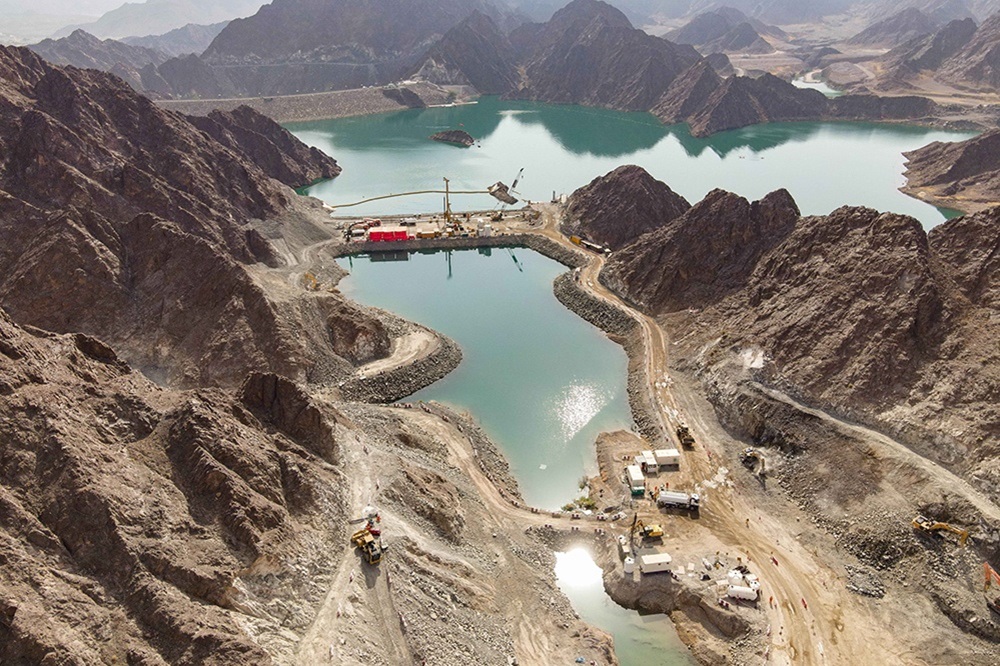
Dubai has begun trial operations of its pumped-storage hydroelectric plant in Hatta, delivering electricity into the city’s grid. The facility, which has already generated more than 17,900 MWh during testing, will free up surplus power beyond Hatta’s 39 MW local demand for export. Emirates 247 cites HE Saeed Mohammed Al Tayer, MD & CEO of the Dubai Electricity and Water Authority, confirming the start of electricity exports from the plant during his site visit.

The Hatta plant boasts a 250 MW generation capacity, 1,500 MWh of storage, and is designed to last up to 80 years—backed by a Dh1.42 billion investment. Underground construction includes two 110-tonne water valves, a command-and-control centre and an upper dam spanning 210,000 sqm, built with compressed concrete walls measuring 72 m and 37 m high.

DEWA’s scheme aligns closely with emirate-wide initiatives under the Clean Energy Strategy 2050 and the Net-Zero Carbon Emissions Strategy 2050, which aim for 100 percent clean energy supply by mid-century.

Trial operations of this pioneering project began earlier in the year, with operational tests launched in January 2025. DEWA confirmed the plant was 96.82 percent complete around that time and anticipated beginning energy exports in April 2025.

The hydropower station employs a cyclic system: during off-peak hours, clean electricity from the Mohammed bin Rashid Al Maktoum Solar Park is used to pump water from the lower reservoir to the upper dam. When demand spikes, water flows back through a 1.2 km tunnel, converting stored potential energy into kinetic energy to drive turbines. The conversion process delivers electricity to the grid in as little as 90 seconds, with a turnaround efficiency of 78.9 percent.

Hatta lies roughly 140 km south-east of central Dubai in the Hajar Mountains. The project includes an innovative design featuring two 125 MW Francis-type pump turbines capable of reversible operation—a technical solution by a consortium led by ANDRITZ Hydro, STRABAG and ÖZKAR, contracted in 2019.

This pumped-storage facility is the first of its kind in the Gulf region and a flagship example of how heat-resistant hydropower systems may outperform large-scale battery storage in desert climates.

During his visit, Al Tayer toured the station’s subterranean power station, inspected the upper dam’s compressed concrete walls, and oversaw functional tests of the pumping and generation mechanism. The station’s speedy response time and storage efficiency are designed to bolster Dubai’s grid resilience while reducing reliance on fossil fuel generation.

VISHNU RAJA
RYO YAMADA
HITORI GOTOH
IKUYO KITA
Just in:
Sui activates Hashi Bitcoin lending across partner network // Jaiedco and Golden Bridge Announce Strategic Collaboration for a New Dubai Islands Development // Workday targets Honeydew purchase to unify AI metrics // Yeebo Announces Interim Results for FY26/27 Revenue Increases by 45.5% to HK$806.7 Million Profit Attributable to Owners Surges 87.6% to HK$2,284.7 Million // Saudi defences destroy three Houthi missiles targeting Riyadh // Padmini follows Padmaja for ‘ghar vapsi’ // Technology at Work, Heritage for All: The “Chinese Approach” to Safeguarding the Leshan Giant Buddha // Oil futures rebound after Riyadh strikes and tanker alerts // Crypto market loses $150 billion amid broad sell-off // Toward a Shared Future for Humanity: Rethinking Civilizational Exchange // 2026 Tropical Rainforest Ecosystem Partners Conference Kicks off in Hainan // PayerMax and ShopeePay Strengthen Strategic Partnership to Advance Digital Payment Collaboration in Southeast Asia // Diabetes Malaysia And Alpro Pharmacy Set National Record With 11,007 Most Blood Glucose Screenings Conducted Across Malaysia In Just 48 Hours // Sharjah clears Kalba free zone plan for 400MW complex // Phancy Announces Business Performance for the Nine Months Ended September 30, 2026 // European Commission takes systems offline after AI cyberattack // Saudi Arabia schedules multinational top-up tax for 2027 // Sabarimala booking discrepancies prompt sabotage angle probe // Travel Insurance Was Built for the Few Who Claim. Ancileo’s Felt Coverage™ is for Everyone Else // Balagopal challenges CM over tax revenue //