Just in:
Thailand’s Most Iconic New Year’s Celebration Returns: ICONSIAM Unveils “Amazing Thailand Countdown 2027” // Crypto market loses $150 billion amid broad sell-off // Workday targets Honeydew purchase to unify AI metrics // Toward a Shared Future for Humanity: Rethinking Civilizational Exchange // Oil futures rebound after Riyadh strikes and tanker alerts // Sui activates Hashi Bitcoin lending across partner network // Russia permits retail cryptocurrency purchases under regulated framework // Dalilk Academy reaches 27 million, targets 100 million by 2030 // Jaiedco and Golden Bridge Announce Strategic Collaboration for a New Dubai Islands Development // Dar Global unveils $700m Trump development in Qatar // LittleLives, Little Lab and SEGi College Sign MOU to Explore Early Childhood Education Collaboration Across ASEAN // Technology at Work, Heritage for All: The “Chinese Approach” to Safeguarding the Leshan Giant Buddha // Coinbase targets 2027 launch amid state gambling lawsuits // Anthropic shares finish above offer price after Nasdaq debut // Yeebo Announces Interim Results for FY26/27 Revenue Increases by 45.5% to HK$806.7 Million Profit Attributable to Owners Surges 87.6% to HK$2,284.7 Million // ED searches five districts in probe against hawala // Phancy Announces Business Performance for the Nine Months Ended September 30, 2026 // Sharjah clears Kalba free zone plan for 400MW complex // 2026 Tropical Rainforest Ecosystem Partners Conference Kicks off in Hainan // Travel Insurance Was Built for the Few Who Claim. Ancileo’s Felt Coverage™ is for Everyone Else //

News related to
Expo

eToro, the globally recognised trading platform, revealed plans to introduce tokenized US stocks and exchange-traded funds on Ethereum. This announcement, made during a global webinar titled ‘eToro Unlocked: Trade Without Boundaries’, marks a significant development in the integration of traditional financial assets with blockchain technology.

The initiative aims to bridge the gap between conventional finance and the burgeoning world of decentralised finance. By utilising Ethereum’s blockchain, eToro will allow users to trade tokenized versions of US stocks and ETFs. This move follows the growing trend of decentralised financial products that provide greater accessibility and transparency to global markets. The tokenisation of these assets is expected to enable fractional ownership, meaning investors can hold and trade portions of stocks and ETFs without the need for a large capital outlay.

This shift is in line with a wider industry push towards blockchain adoption. Major financial institutions, including banks and asset managers, have explored tokenisation as a way to simplify processes, reduce costs, and make trading more efficient. By offering these products on a platform like eToro, which boasts millions of active users, the company is positioning itself as a key player in the digital asset space.

As of now, traditional trading platforms have been somewhat slow to incorporate blockchain technologies, particularly when it comes to mainstream products like equities and ETFs. However, tokenisation is rapidly gaining traction, with the promise of faster transactions, lower fees, and enhanced security. Ethereum, due to its widespread use and robust smart contract capabilities, has emerged as a leading blockchain for such innovations.

The rollout of tokenized US stocks and ETFs will occur in phases. Initially, a select group of eToro users will be given early access to these digital assets, with the plan for a broader launch depending on regulatory approval and market demand. Despite the novelty of tokenised equities, the platform’s offering will be fully compliant with the relevant financial regulations, ensuring that users can trade with confidence.

eToro’s move to embrace Ethereum-based tokenisation comes at a time when other financial services firms are also investigating blockchain’s potential in transforming asset management. For instance, firms like Fidelity and Grayscale have pioneered offerings that allow traditional investment in cryptocurrency, while companies such as JP Morgan and Goldman Sachs have been integrating blockchain technologies into their existing infrastructure.

However, it remains to be seen whether tokenised assets can truly revolutionise the way investors interact with traditional financial products. While blockchain technology offers numerous advantages, including faster settlement times and reduced friction in cross-border trading, the challenge lies in widespread adoption. Regulatory hurdles and market acceptance will play key roles in determining whether tokenisation becomes mainstream or remains a niche offering.

Nonetheless, the trend is gaining momentum. Tokenisation is seen as a way to democratise access to high-value assets that were previously reserved for wealthier investors or institutions. By breaking down these assets into smaller, more affordable fractions, eToro aims to give a wider audience the opportunity to diversify their portfolios, gain exposure to US stocks and ETFs, and participate in a global marketplace.

As eToro has expanded its offerings in recent years, it has positioned itself as a platform that seeks to empower users by providing more trading options and access to a range of global financial products. This tokenisation project is part of eToro’s broader vision of a more open and inclusive financial ecosystem, where geographical and financial barriers are diminished through technological advancements.

ExxonMobil has launched the third edition of its flagship “EXCITE” programme, designed to foster innovation and collaboration within the energy sector. The initiative underscores the company’s commitment to strengthening partnerships and supporting the growth of businesses across the region. This year’s programme introduces enhanced features, offering participants more opportunities to engage with cutting-edge technologies and expert insights.

The EXCITE programme, which was first introduced in 2021, has quickly become a key component of ExxonMobil’s regional strategy, aimed at driving long-term sustainability in the energy sector. Each edition of the programme has sought to build on the lessons of the previous one, refining its approach based on feedback from participants and industry trends. This year’s launch represents a significant step forward, with ExxonMobil seeking to leverage its extensive expertise to address the most pressing challenges in the sector.

A focal point of this year’s programme is the integration of digital transformation initiatives. As the global energy landscape evolves, ExxonMobil has placed a strong emphasis on technology as a tool for enhancing operational efficiency and fostering innovation. By providing participants with access to advanced digital platforms and data analytics tools, the company aims to empower businesses to develop more effective, data-driven solutions.

The EXCITE programme is open to a wide range of organisations, including startups, entrepreneurs, and established companies. Participants gain exposure to ExxonMobil’s vast network of industry leaders and technical experts, providing invaluable mentorship and collaboration opportunities. Through a series of workshops, seminars, and collaborative projects, participants are able to gain a deeper understanding of the latest trends and technologies shaping the future of energy.

A key highlight of this edition is the increased focus on sustainability. As environmental concerns continue to dominate global discussions, ExxonMobil has emphasised the importance of developing solutions that promote energy efficiency, reduce carbon emissions, and support the transition to cleaner energy sources. The company has committed to driving the adoption of renewable energy technologies and promoting the development of sustainable solutions that align with global environmental goals.

The first two editions of EXCITE saw significant success, with numerous startups and small businesses gaining the opportunity to scale their operations through partnerships with ExxonMobil and other stakeholders in the energy sector. These collaborations have led to the development of innovative technologies and processes that are helping to shape the future of energy production and consumption.

The programme also addresses the growing demand for skilled professionals in the energy industry. By offering participants access to training and development opportunities, ExxonMobil is helping to bridge the skills gap in the sector, ensuring that the next generation of energy leaders is well-equipped to tackle the challenges ahead.

ExxonMobil has consistently been at the forefront of efforts to drive innovation and sustainability within the energy sector. With the launch of the third edition of EXCITE, the company is reinforcing its role as a key player in the global energy transition. The programme serves as a testament to ExxonMobil’s ongoing commitment to advancing technologies and solutions that will help meet the world’s growing energy needs while addressing climate change.

OPEC+ members are poised to approve a significant increase in oil output at a crucial meeting scheduled for Sunday. Sources indicate that the group will likely raise production, though discussions are still ongoing over the exact size of the hike for September. The decision follows rising concerns about global oil supplies and the potential for further disruptions from Russia. This move comes as the international community grapples […]

Alpha Dhabi Holding has reported a significant surge in its second-quarter net profit for 2025, reaching AED 4.53 billion, marking a 118% increase from AED 2.08 billion during the same period in 2024. This growth reflects the investment conglomerate’s strategic positioning in Abu Dhabi’s dynamic market and its diversified portfolio of high-value assets. Revenue for the quarter also saw an uptick, rising to AED 18.4 billion from […]

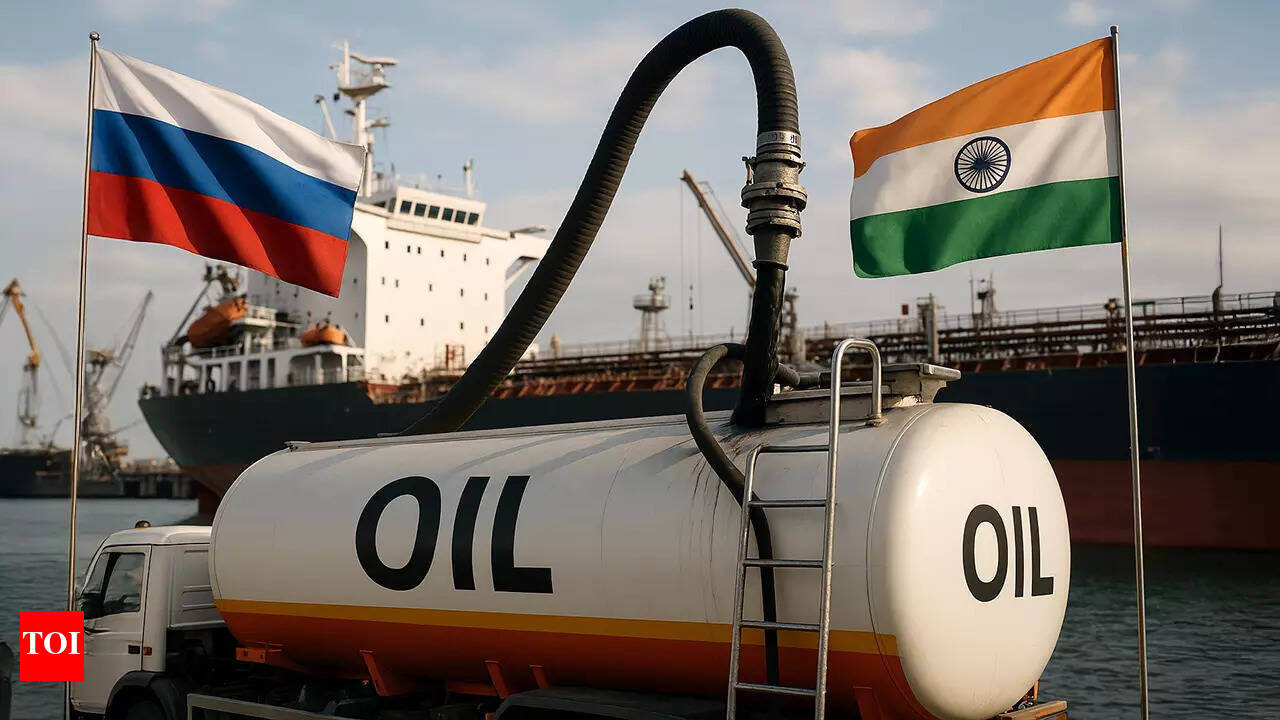
Despite mounting international tensions and growing calls for sanctions, India has confirmed its commitment to continuing oil purchases from Russia. The decision, which has drawn both support and criticism, comes in the face of strong opposition from Western powers, particularly the United States.

India’s robust relationship with Russia, especially in energy sectors, remains central to its strategy to ensure energy security amid global market volatility. While the United States has intensified its warnings against increasing trade with Russia, citing geopolitical risks and the ongoing war in Ukraine, Indian officials assert that the decision aligns with the country’s broader economic interests and long-term energy goals.

The timing of the announcement comes as global oil prices continue to fluctuate, driven by factors ranging from OPEC+ production cuts to the ripple effects of the Russia-Ukraine conflict. With Russia now facing significant sanctions from the West, including oil price caps and restrictions on exports, India has emerged as one of the largest buyers of Russian crude oil, navigating complex international pressures while keeping its energy needs in focus.

India’s oil imports from Russia soared in the wake of the war in Ukraine, particularly after Western nations moved to isolate Moscow from the global market. The country, which historically sourced much of its oil from the Middle East, found Russian oil a lucrative alternative as Western sanctions created discounts, allowing India to tap into a relatively cheap energy supply.

Russia, in turn, welcomed the partnership, as it opened new markets and ensured continued demand for its oil. According to official sources, Russia’s increased sales to India, and other non-Western nations, helped offset some of the lost revenue due to sanctions.

India’s government, however, has been careful to position its stance within a framework of neutrality. Public statements highlight that the nation’s energy decisions are based on its own national interest, focusing primarily on economic stability and the welfare of its people. Officials have also pointed out that India is among the world’s most energy-hungry nations and needs to secure a steady and affordable supply of oil to support its growing population and economic expansion.

Internationally, this trade has sparked debates over the moral and strategic implications of engaging with Russia. Critics argue that by maintaining ties with Russia, India risks undermining global efforts to isolate Moscow, particularly as Western governments seek to enforce stricter sanctions. They point out the tensions between India’s non-alignment policy and its deepening economic relationship with a nation under international scrutiny.

On the other hand, some argue that India’s approach reflects a pragmatic understanding of its own strategic priorities, particularly the need to balance international relationships with domestic requirements. With rising fuel costs and inflation becoming pressing issues for many nations, securing affordable energy resources has become a matter of national security.

India’s oil trade with Russia, however, is not without its challenges. Western nations have long pressured India to reduce its dependence on Russian energy. The Biden administration, particularly, has warned that India’s continued imports could strain relations, especially as the US seeks to maintain solidarity with its European allies in pressuring Russia. Washington’s position on the matter is clear: nations that continue to do business with Russia will face consequences, with potential impacts on trade and geopolitical ties.

Yet, India’s economic and geopolitical imperatives make it unlikely to back down. As part of the BRICS group, which also includes Brazil, Russia, China, and South Africa, India has voiced its commitment to a multipolar world order where nations can pursue their own economic paths, free from external coercion. India has also consistently argued for the need for dialogue and peaceful resolution in the Russia-Ukraine conflict, advocating for diplomacy over military escalation.

The ongoing conflict has undeniably reshaped global energy dynamics, forcing countries to reassess their energy strategies and alignments. While India’s stance has garnered significant attention, its broader approach is seen as part of an evolving foreign policy that seeks to advance national interests without being swayed by external pressures.

Dr Imran Khalid On July 26, 2025, amid the grandeur of Shanghai’s World Artificial Intelligence Conference and High-Level Meeting on AI Governance, China unveiled what may well become the defining moment in the transformation of global artificial intelligence – its AI Global Governance Action Plan and the bold proposal to create a World Artificial Intelligence Cooperation Organization, initially headquartered in Shanghai. These moves signal not just China’s […]

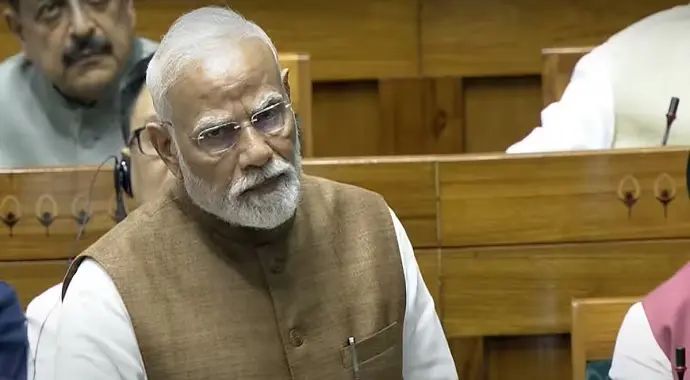
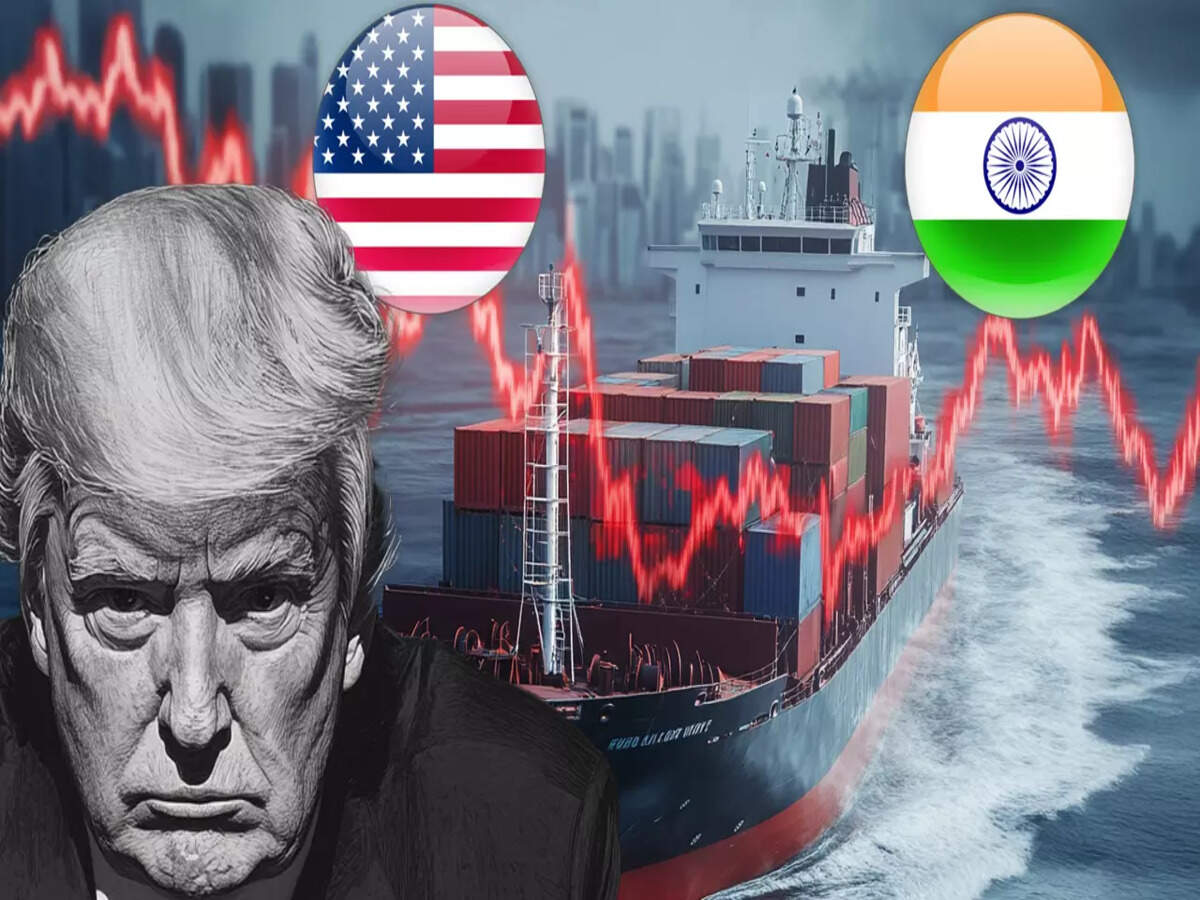
By Nitya Chakraborty It is not a cliché to say that our powerful Prime Minister Narendra Modi’s moment truth has arrived after 11 years of ruling the country as the unchallenged leader. The 25 per cent tariff hike on Indian exports announced by the United States President Donald Trump on Wednesday and taking effect from […]
Advertisements

SHANGHAI, CHINA – Media OutReach Newswire – 1 August 2025 – InMobi, a global leader in mobile advertising and AI-powered monetization, is taking center stage at ChinaJoy 2025, highlighting its unparalleled growth and unwavering commitment to the Chinese developer ecosystem. With over 80% penetration among China’s top 100 gaming publishers and near-complete publisher retention InMobi has acheived a two-fold increase in revenue for Chinese partners between H1 […]

FBI Director Kash Patel has uncovered thousands of documents stored in burn bags within a previously undisclosed room at FBI headquarters. The materials, related to the 2016 Trump–Russia investigation and including a classified annex to the Durham report, are now undergoing declassification and have been submitted to the Senate Judiciary Committee Chair, Chuck Grassley. Patel asserts that the files were deliberately concealed by former FBI leadership and […]

By Dr. Nilanjan Banik Before the August 1 deadline, the U.S. President Donald Trump decided to impose a 25% tariff on Indian exports. He also talked about an additional penalty on Indian exports, which could go up to100% as a surcharge, targeting countries that continue trading oil with Russia. Trump seems to care less about […]


Zambia’s government is pushing for a 12-month extension to its current loan arrangement with the International Monetary Fund, according to an official cabinet statement released on Wednesday. The proposal, if approved, would see the existing agreement, set to expire at the end of October, continue until October 2024. This decision follows a series of critical economic challenges faced by the southern African nation, which is heavily reliant […]

Factory activity in China showed unexpected signs of contraction in July, signalling deeper challenges for the world’s second-largest economy. This downturn comes despite a partial thaw in trade tensions with the US, with early data indicating a slowdown in exports and continued weakness in domestic demand.

The Purchasing Managers’ Index for July, a key indicator of factory activity, dropped below expectations, highlighting a downturn in production and new orders. Official data indicated that the PMI for manufacturing fell to 49.3, dipping below the critical 50-point mark that separates expansion from contraction. This marks a stark contrast to the optimism that initially followed trade negotiations between the US and China.

The Chinese economy has been grappling with several systemic issues, including ongoing structural imbalances and shifts in consumer behaviour. Economic experts attribute the stagnation in factory activity not only to the global economic uncertainty but also to persistent domestic challenges. While the export sector has been a critical driver of China’s growth in the past decades, the country’s trade surplus has been narrowing as demand for its goods slows down in key markets like the US and Europe.

China’s trade relationship with the US, although stabilised, still faces a challenging landscape. A shift in global trade patterns, exacerbated by geopolitical tensions and the lingering effects of the pandemic, has taken a toll on China’s manufacturing sector. Exports of major products such as electronics and textiles have begun to show signs of slowing, even as Beijing has attempted to bolster its trade position through policy adjustments.

Compounding the issue, domestic demand has failed to pick up the slack. Despite various government efforts to stimulate spending, consumer confidence remains low, particularly in sectors like retail and real estate. The country’s efforts to transition from an export-driven economy to one more reliant on domestic consumption have yet to show significant results, and the reliance on government spending for growth is becoming increasingly evident.

The weakness in the manufacturing sector is linked to a sharp decline in the production of industrial goods, which has directly impacted job creation. Although the government has taken steps to mitigate the effects of unemployment by investing in infrastructure and green technologies, these efforts have yet to yield the desired economic recovery in the short term.

Economists are increasingly concerned that without more comprehensive structural reforms, China may continue to face these economic headwinds. Some analysts suggest that more aggressive monetary policies or fiscal stimulus could be required to stabilise the economy. The People’s Bank of China has already hinted at such moves, potentially lowering interest rates further to spur investment and consumer spending.

However, the global economic context remains challenging. Countries that traditionally rely on Chinese exports are also facing downturns, which could further dampen demand. Additionally, as global inflation continues to impact the purchasing power of consumers worldwide, the potential for China’s manufacturing recovery to take hold seems uncertain.

Matein Khalid While Marjan Island day trips with Amore mio Donna Farah hardly makes me nostalgic for my singleton era visits to Vegas and college boy trips to the odious Trump Plaza/Taj Mahal casinos in Atlantic City, I have no problem taking a flutter on Wynn when it traded at 12X earnings since the free cash flow yield is a more reliable proxy for a money making […]

Major Ethereum holders, often referred to as “whales,” have amassed more than 200,000 ETH in the past 48 hours, pushing their total accumulation to nearly 2 million ETH since the start of July, according to on-chain data firm Santiment. This sharp uptick in activity has caught the attention of market analysts, suggesting that large investors are showing increasing confidence in Ethereum’s long-term price trajectory.

The surge in whale accumulation comes as Ethereum has experienced notable price fluctuations. Following a period of volatility, Ethereum’s price appears to be stabilising, with these strategic accumulations indicating that whales foresee potential price growth. Data from Santiment reveals that these large holders, who hold a significant portion of the total ETH supply, have been acquiring tokens at a rapid pace. Their actions are seen as a signal of confidence in Ethereum’s future, particularly as the network continues to develop and mature.

Ethereum’s ongoing network upgrades, such as the transition to Ethereum 2.0, are likely a contributing factor to this growing bullish sentiment. The shift towards a Proof-of-Stake consensus mechanism has been a long-awaited move, expected to improve scalability, reduce energy consumption, and enhance security. The successful deployment of key upgrades has sparked renewed optimism in the community, particularly among institutional investors who are looking to gain exposure to Ethereum while aligning with broader trends in sustainability.

The shift in sentiment is also reflected in Ethereum’s growing adoption across various sectors. From decentralized finance to non-fungible tokens, Ethereum’s ecosystem continues to expand, driving demand for ETH. As the Ethereum network becomes increasingly entrenched in the broader financial landscape, it is likely that whales view this as a strong indicator of the asset’s potential for long-term appreciation.

The broader cryptocurrency market has been seeing a general trend of institutional involvement, with large-scale investors increasingly allocating capital towards digital assets. Ethereum, as the second-largest cryptocurrency by market capitalisation, stands as a prime target for these investors. The accumulation by whales, many of whom are institutional investors or wealthy individuals, underscores Ethereum’s growing position within the digital asset class.

Despite the positive sentiment surrounding Ethereum, the market remains volatile, with regulatory concerns and global economic factors continuing to influence price movements. However, the heavy accumulation by whales suggests that these investors are more focused on the long-term value proposition of Ethereum rather than short-term price swings. Many believe that as Ethereum’s use cases expand, its value will grow, potentially leading to greater market stability and increasing institutional adoption.

The increasing concentration of ETH in the hands of a few large holders has also raised questions about decentralisation and the potential risks of market manipulation. Critics argue that such accumulation could lead to a situation where a small group of investors has disproportionate control over Ethereum’s price. However, proponents of Ethereum argue that the network’s decentralisation mechanisms and the broader community’s engagement provide a counterbalance to this concentration of power.

The Ethereum Foundation and other key stakeholders have been working diligently to foster an environment that encourages decentralised participation. Community governance, a hallmark of Ethereum’s design, continues to evolve, with decisions about protocol upgrades being made through a collaborative process. As a result, the growing dominance of whales, while notable, is not seen as a fundamental threat to Ethereum’s decentralised nature.

With major upgrades and developments on the horizon, including the anticipated roll-out of sharding to further scale the network, Ethereum’s prospects remain positive. These technological advancements are expected to bolster Ethereum’s position as a leader in the blockchain space, potentially increasing demand for ETH from both institutional and retail investors.

South Africa’s trade proposal to the United States remains unaddressed with only four days left before a critical deadline. The proposal, submitted last month, aims to prevent the imposition of steep tariffs on South African goods, which could significantly affect the nation’s economy. As the deadline draws near, the lack of response from Washington has raised concerns among policymakers in Pretoria about the potential impact on exports […]

M. A. Hossain When Dmitry Medvedev, former Russian president and current deputy chair of Russia’s Security Council, addressed the Liberation Movements Summit in South Africa on July 27, his message was as predictable as it was provocative: Russia stands with Africa in the fight against neocolonialism and envisions a multipolar world. Coming from a Kremlin official, this claim may appear noble at first glance—until one examines the underlying logic, […]

President Trump has sharply shortened his own deadline for punishing buyers of Russian oil, catching markets off guard and forcing investors to price in a risk that had previously been dismissed.  On Monday, standing beside UK Prime Minister Keir Starmer in Scotland, Trump announced that Moscow now has only 10 to 12 days to secure a peace deal over Ukraine.   If it doesn’t, he says he will […]

A hacker has uncovered a significant security flaw within Amazon’s Q platform, potentially endangering millions of users. The breach, which came to light after the hacker injected covert code into the system, highlighted vulnerabilities in the platform’s security measures. The hacker’s actions, intended as a warning, may have had far worse consequences had they been exploited for malicious purposes. Amazon Q, a widely-used service that integrates AI […]

CoinShares has introduced an exchange-traded product designed to offer investors exposure to the SEI token, with a unique value proposition: zero management fees and staking rewards. The ETP, set to launch across multiple European markets, aims to attract both retail and institutional investors who are keen to participate in the burgeoning sector of digital assets.

The SEI ETP is being heralded as a groundbreaking development within the cryptocurrency investment space, as it lowers the barriers to entry for investors looking to capitalise on the SEI token. By eliminating management fees, CoinShares has created a highly competitive product that promises higher returns for investors. Moreover, the staking rewards component adds a unique dimension to the offering, allowing investors to earn additional yield from their SEI holdings, further enhancing the attractiveness of the ETP.

This launch comes at a time when cryptocurrency investment products are experiencing increasing demand across Europe. With growing interest from institutional investors, particularly in the wake of global market fluctuations and economic uncertainty, innovative financial products like the SEI ETP are gaining significant traction. The move by CoinShares is a response to this rising demand, reflecting the company’s commitment to making digital asset investments more accessible and cost-effective.

CoinShares has long been a prominent player in the digital asset investment space. Known for its strong track record in launching exchange-traded products, the company has consistently pushed the boundaries of what is possible in terms of product innovation. The SEI ETP is part of the firm’s broader strategy to expand its range of offerings, catering to a diverse array of investors, including those who are new to the world of digital assets.

The SEI token, the underlying asset of the new ETP, is a relatively new entrant to the cryptocurrency market. However, it has been gaining momentum due to its strong fundamentals and the innovative approach behind its creation. The staking rewards aspect is particularly appealing, as it provides investors with an additional income stream beyond the typical price appreciation of the token.

Europe’s regulatory environment for cryptocurrencies has played a pivotal role in enabling the successful launch of such products. With the European Union’s comprehensive framework for digital assets gaining momentum, including the MiCA regulation, investors have greater confidence in the safety and legitimacy of cryptocurrency investment products. CoinShares, leveraging its expertise and reputation, is well-positioned to navigate this complex regulatory landscape, providing assurance to investors.

The ETP will be listed on major European exchanges, making it easily accessible to a broad spectrum of investors. The zero-fee structure makes it highly appealing to those looking to reduce the cost of investment, while the staking rewards make it an attractive option for those seeking passive income opportunities in the digital asset space. Furthermore, the ETP is designed to cater to both institutional and retail investors, broadening its potential market reach.

While the SEI ETP promises to be an attractive product for a wide range of investors, some industry experts caution that investors should remain mindful of the volatility that typically accompanies cryptocurrency markets. Although the SEI token has shown promising growth potential, like all digital assets, it is subject to significant price fluctuations. Staking rewards, while appealing, also come with their own set of risks, particularly if the underlying asset’s value decreases.

Despite these risks, the growing demand for innovative, low-cost cryptocurrency products remains a driving force in the market. CoinShares’ zero-fee SEI ETP is expected to capture a significant share of the market, particularly as investors look for new ways to participate in the digital asset space without incurring high management fees. By offering a product that aligns with investor desires for yield and low-cost access, CoinShares has further cemented its position as a leader in the digital asset investment space.

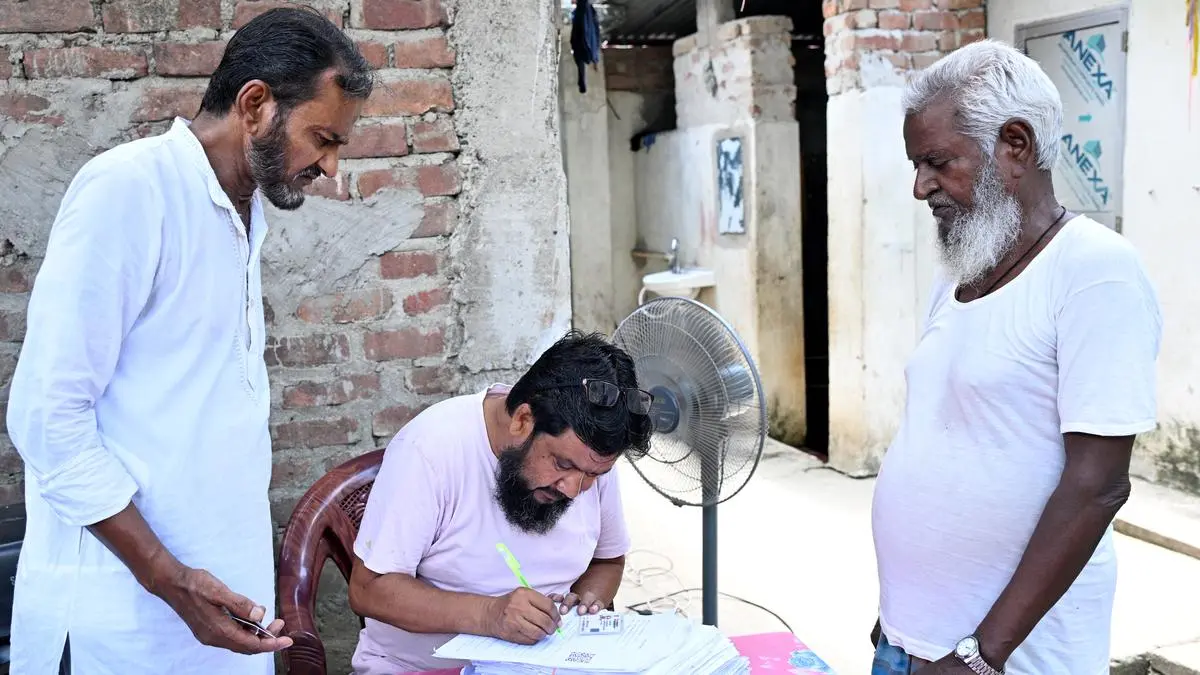
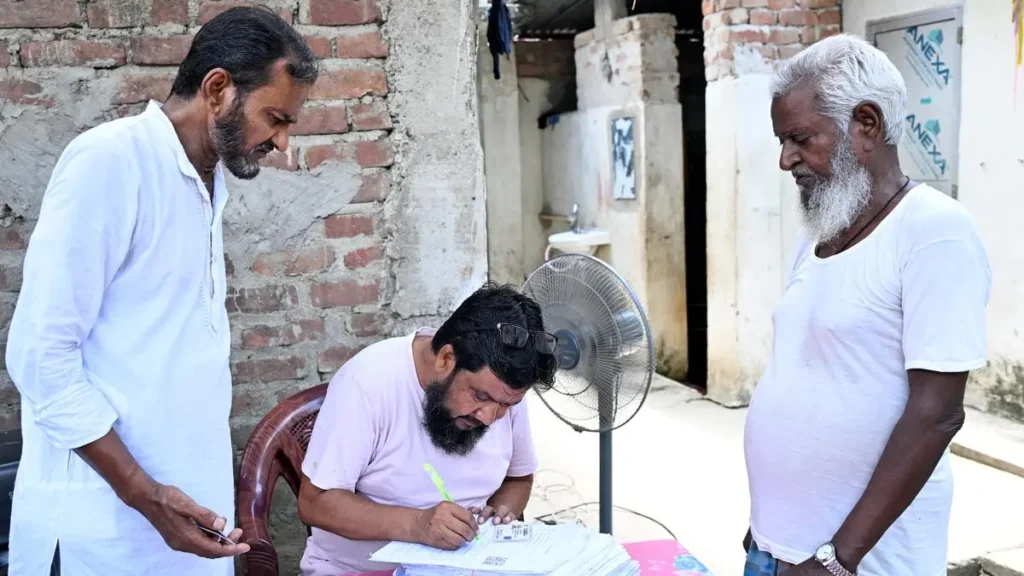
By Dr. Gyan Pathak As Election Commission of India (ECI) was busy in giving final shape to the Draft Revised Electoral Roll of Bihar to be published on August 1, an oral direction of the Supreme Court to ECI on July 28 to proceed with accepting Aadhaar and Electors Photo Identity Card (EPIC) has made […]
Dubai International has reported a significant surge in passenger traffic during the first half of 2025, registering its busiest six months ever. The airport welcomed 46 million passengers in this period, reflecting a growth of 2.3 per cent compared to the same time last year. This robust performance highlights Dubai’s vital position as a global aviation hub, even amidst challenges like temporary regional airspace disruptions. The airport’s […]

By Nantoo Banerjee The European Union seems to have arrogated itself with extrajudicial power to prevent outside nations from purchasing Russian oil. It has no locus standi to impose its will on countries which are not members of EU. Thus, the latest expansion of the EU sanctions targeting Russian energy exports can legally cover only […]

KUALA LUMPUR, MALAYSIA – Media OutReach Newswire – 28 July 2025 – Forex traders are bracing for what could be one of the most pivotal trading weeks of the year. The calendar is packed with high-impact releases that could send shockwaves through the markets, potentially even temporarily halting trading altogether as global economies digest a barrage of critical data. From central bank decisions to blockbuster economic reports, […]

Malaysia’s central bank has revised its economic growth forecast for 2025, citing increased volatility stemming from ongoing global trade tensions, notably those related to US tariffs. The Bank Negara Malaysia reduced its expected GDP growth to a range of 4% to 5%, down from an earlier projection of 5% to 5.5%. The adjustment comes as a response to the shifting dynamics of global trade, which have been exacerbated by the imposition of tariffs by the United States under the administration of President Donald Trump.

While Malaysia has been largely insulated from direct tariff measures, the broader implications of the US-China trade war and related tariffs have left a significant mark on its export-driven economy. Malaysia’s position as a key player in global supply chains has made it vulnerable to shifts in the global trade environment. The US tariffs, particularly on Chinese goods, have reverberated through Southeast Asia’s manufacturing sector, affecting Malaysia’s export performance and business sentiment.

BNM’s decision to cut the forecast reflects the broader concerns surrounding economic stability in the region. The central bank noted that the uncertainty surrounding US trade policy, particularly regarding its tariffs on various Chinese products, is likely to persist throughout 2025. Furthermore, the report highlighted the continued risks posed by rising protectionism and trade barriers globally, which have disrupted supply chains and added to market volatility.

In addition to the impact of tariffs, Malaysia’s central bank has also pointed to domestic factors influencing growth. These include higher inflationary pressures, mainly due to increased global commodity prices, which have had a knock-on effect on consumer spending. Malaysia’s key exports, such as palm oil, rubber, and electronic components, have all seen price fluctuations driven by external factors such as US tariffs and China’s economic slowdown.

The reduction in growth expectations comes at a time when Malaysia is also grappling with challenges in maintaining fiscal discipline. The government has pledged to reduce its budget deficit but has struggled to meet its revenue targets, further complicating the nation’s economic outlook. Malaysia’s reliance on exports, especially to major economies like the United States and China, has made it particularly sensitive to trade tensions. These developments have placed additional strain on the country’s fiscal policy, forcing the government to reconsider its growth strategies.

The central bank’s move is likely to have significant implications for Malaysia’s monetary policy. With inflation on the rise and external risks mounting, BNM may opt to adopt a more cautious stance in terms of interest rate adjustments. While the central bank has refrained from any immediate changes, economists expect that it will closely monitor both domestic and international developments, particularly as trade tensions show no sign of easing.

The challenges facing Malaysia’s economy are also compounded by global economic slowdowns, which have affected demand for Malaysian goods and services. As countries like the United States and China grapple with their own internal economic issues, Malaysia’s export markets have softened, leading to a reduced demand for its products. In particular, Malaysia’s electronics and semiconductor industries, which account for a significant portion of its exports, have faced headwinds as the US-China trade war has diverted global supply chains elsewhere.

Despite these challenges, the government remains optimistic about Malaysia’s long-term prospects. The country has made significant strides in diversifying its economy over the past few years, with a growing emphasis on technology, innovation, and sustainable development. Malaysia’s efforts to strengthen its digital infrastructure and promote industries such as e-commerce and renewable energy are seen as key to sustaining growth, even amid global trade disruptions.

VISHNU RAJA
RYO YAMADA
HITORI GOTOH
IKUYO KITA
Just in:
ED searches five districts in probe against hawala // Oil futures rebound after Riyadh strikes and tanker alerts // 2026 Tropical Rainforest Ecosystem Partners Conference Kicks off in Hainan // Saudi defences destroy three Houthi missiles targeting Riyadh // PayerMax and ShopeePay Strengthen Strategic Partnership to Advance Digital Payment Collaboration in Southeast Asia // Russia permits retail cryptocurrency purchases under regulated framework // Dalilk Academy reaches 27 million, targets 100 million by 2030 // Dar Global unveils $700m Trump development in Qatar // Anthropic shares finish above offer price after Nasdaq debut // Dubai Introduces SHARH, an AI-Powered Platform Helping Entrepreneurs Buy, Sell and Manage Businesses in the UAE // Saudi Arabia schedules multinational top-up tax for 2027 // Sabarimala booking discrepancies prompt sabotage angle probe // Yeebo Announces Interim Results for FY26/27 Revenue Increases by 45.5% to HK$806.7 Million Profit Attributable to Owners Surges 87.6% to HK$2,284.7 Million // Phancy Announces Business Performance for the Nine Months Ended September 30, 2026 // Thailand’s Most Iconic New Year’s Celebration Returns: ICONSIAM Unveils “Amazing Thailand Countdown 2027” // Travel Insurance Was Built for the Few Who Claim. Ancileo’s Felt Coverage™ is for Everyone Else // Promoting Common Human Development Through Exchanges and Mutual Learning Among Civilizations // Jaiedco and Golden Bridge Announce Strategic Collaboration for a New Dubai Islands Development // Sharjah clears Kalba free zone plan for 400MW complex // Toward a Shared Future for Humanity: Rethinking Civilizational Exchange //