News related to
Indian

UBS Group AG is finalising a strategic partnership with Mumbai-based 360 One WAM Ltd., aiming to secure a 26% stake in the wealth management firm. This move is designed to enhance UBS’s presence in India’s expanding wealth management sector, particularly targeting high-net-worth individuals beyond its traditional ultra-high-net-worth clientele.

The Indian wealth management industry, valued at approximately $429 billion in 2023, is projected to grow at a compound annual rate of 4.6% between 2025 and 2029. UBS’s investment in 360 One WAM, which manages assets worth around $62.3 billion, aligns with its strategy to capitalise on this growth. The partnership is expected to provide UBS with local expertise and a broader client base, complementing its global wealth management operations.

Matein Kalid Only the poetic genius of an Irishman can do justice to the epic Big Boy sumo wrestling match in history – between Shogun Trump and Sensei Powell-san as panic spreads at the speed of light across the digital arteries of the global banking village. W.B. Yeats’s immortal versus echo in my brain – things fall apart, the center can​not hold, mere anar​chy is loosed upon […]

Kompact AI, a collaboration between IIT Madras and Bengaluru-based startup Ziroh Labs, has claimed a significant breakthrough in artificial intelligence by enabling large language models to operate efficiently on central processing units rather than the traditionally used graphics processing units . The initiative, branded as Kai VM, reportedly achieved an inference speed of 43 tokens per second on an Intel Xeon Silver 4510 CPU with 24 cores […]

By Nitya Chakraborty Though there is a 90 day pause in Trump’s latest unilateral imposition of reciprocal tariffs on most of the countries, the trade war between the USA and China, the two largest economies of the world is in full steam imparting tremors in global trade and economy. Close advisers of Trump were expecting […]

India is intensifying efforts to onboard 300 million new users to its Unified Payments Interface platform, aiming to solidify its position as a global leader in digital payments. This initiative is part of a broader strategy to enhance UPI’s domestic penetration and promote its adoption internationally.

The National Payments Corporation of India , which oversees UPI, has outlined plans to expand the platform’s reach to 20 countries by 2029. This expansion targets regions with significant Indian diaspora and frequent travel ties, including Southeast Asia, the Middle East, and parts of Africa. Countries like Qatar, Thailand, and other Southeast Asian nations are among those identified for UPI integration.

To facilitate this global outreach, NPCI’s international arm, NPCI International Payments Limited , is collaborating with various nations to develop UPI-like systems tailored to their specific needs. Agreements have been signed with countries such as Peru, Namibia, and Trinidad and Tobago to establish real-time payment infrastructures modeled after UPI. These collaborations aim to enhance financial inclusion and streamline cross-border transactions.

Domestically, UPI continues to dominate India’s digital payment landscape, accounting for approximately 83% of all digital transactions in 2024. The platform’s user-friendly interface and real-time transaction capabilities have contributed to its widespread adoption. The Reserve Bank of India is actively working with stakeholders to further broaden UPI’s scope, focusing on scaling infrastructure, introducing new products, and addressing ecosystem challenges.

Internationally, India is engaging with the Financial Action Task Force to ease compliance requirements for cross-border UPI transactions. The goal is to make UPI more competitive with established global payment networks by advocating for technology-neutral regulations that facilitate smoother international payments.

As part of its expansion strategy, NIPL is also assisting countries in developing their own domestic card schemes similar to India’s RuPay. Collaborations with nations like the United Arab Emirates and Mauritius are underway to create sovereign payment solutions that can eventually integrate with UPI for seamless cross-border transactions.

By Nantoo Banerjee It is good to know that the government is already cautious about the possible increase in Chinese export trade and investment to India to exploit both the local market as well as to push exports to the USA taking advantage of the massive US import tariff difference between India and China. India […]

Dubai-based cargo airline SolitAir has secured its Air Operator Certificate from the United Arab Emirates’ General Civil Aviation Authority , marking a significant milestone in its operational expansion. The certification, issued under UAE Civil Aviation Regulations Part V, Chapter 4, authorises SolitAir to operate as a licensed air cargo carrier, following a rigorous evaluation of its operational, safety, and financial standards.

Headquartered at Dubai World Central , SolitAir specialises in middle-mile cargo services, connecting key logistics hubs across the Middle East, South Asia, and Central Asia. The airline’s fleet now comprises three Boeing 737-800 Boeing Converted Freighters —one of which is on a dry lease—and one Boeing 737-400 BCF. This expansion supports operations from its 220,000-square-foot logistics facility at DWC, enhancing its capacity to meet growing regional demand.

The AOC also facilitates SolitAir’s transition from chartered operations to in-house management of its aircraft. Notably, the airline has taken delivery of a 20-year-old Boeing 737-800 BCF, previously operated by carriers including Air India Express and TUI fly Germany. This aircraft, converted to a freighter in 2023, is currently undergoing maintenance in Sofia before entering service under SolitAir’s registry.

SolitAir’s operational strategy includes partnerships with ASL Airlines Ireland, from which it leases two additional Boeing 737-800 BCFs. These aircraft continue to operate under ASL’s ‘5H’ code, reflecting the collaborative nature of SolitAir’s fleet management approach.

The airline has initiated routes to Bangalore, India; Erbil, Iraq; and Riyadh, Saudi Arabia, aligning with its focus on underserved regional markets. Future plans involve expanding services to Africa, the Gulf Cooperation Council countries, the Indian subcontinent, and Central Asian nations, catering to integrators, freight forwarders, express operators, and e-commerce entities.

Advertisements

Inks three signings in Q1 2025 to add 600 units under the Oakwood brand, bringing Ascott’s current portfolio in India to ~6,100 units Introduces lyf, The Crest Collection and The Unlimited Collection brands to cater to the evolving needs of next-gen travellers and address the growing demand for authentic Indian heritage and cultural experiences MUMBAI, INDIA / SINGAPORE – Media OutReach Newswire – 10 April 2025 – […]

Sheikh Hamdan bin Mohammed bin Rashid Al Maktoum, Crown Prince of Dubai, Deputy Prime Minister, and Minister of Defence, marked a significant moment at the Bombay Stock Exchange by ringing the opening bell during his official visit to India. This event underscores the deepening economic ties between the United Arab Emirates and India, highlighting the robust relationship fostered through years of collaboration.

The Crown Prince’s visit follows an invitation extended by Indian Prime Minister Narendra Modi, delivered by External Affairs Minister Dr. Subrahmanyam Jaishankar during a meeting in Dubai. This invitation reflects the mutual commitment to enhancing bilateral relations across various sectors, including trade, investment, and cultural exchange.

During his time in Mumbai, Sheikh Hamdan engaged with key figures in India’s financial sector, discussing avenues to bolster economic cooperation. The act of ringing the opening bell at the BSE, one of Asia’s oldest stock exchanges, symbolizes the UAE’s interest in strengthening financial and investment linkages with India.

The UAE and India have a longstanding history of economic partnership, further solidified by the Comprehensive Economic Partnership Agreement signed in 2022. This agreement aims to enhance trade flows, reduce tariffs, and create new avenues for investment, benefiting both nations.

Sheikh Hamdan’s visit aligns with the objectives of the Dubai Economic Agenda D33, which seeks to double Dubai’s foreign trade and establish connections with an additional 400 cities globally by 2033. This strategic vision emphasizes Dubai’s role as a global trade hub and its commitment to fostering international economic partnerships.

By Nitya Chakraborty What is happening to the “Neighbourhood First” policy of the Indian Prime Minister Narendra Modi in the year 2025? Modi is an expert in coining attractive slogans whether those finally work or not. For South Asia, he opted for Neighbourhood First and for South East Asia and ASEAN nations Act East. At […]

Sheikh Hamdan bin Mohammed bin Rashid Al Maktoum, the Crown Prince of Dubai, Deputy Prime Minister, and Minister of Defence, has embarked on his inaugural official visit to India. During this visit, he engaged in discussions with Prime Minister Narendra Modi, focusing on enhancing the multifaceted ties between the United Arab Emirates and India. The meeting, held in New Delhi, underscored the enduring relationship between the two […]

Private equity investments in India’s real estate sector have experienced a downturn, with total inflows decreasing by 16% to USD 3.67 billion in the fiscal year ending March 2024, down from USD 4.36 billion the previous year. This decline is primarily attributed to reduced interest from foreign investors, influenced by global economic uncertainties and geopolitical tensions.

The office segment, traditionally a significant recipient of PE funding, witnessed a substantial reduction in investments. In the first half of FY25, investments in office assets plummeted by 79%, contributing to an overall 4% decline in PE investments during this period. Shobhit Agarwal, Managing Director and CEO of ANAROCK Capital, noted that foreign investors, who predominantly drive office sector investments, have scaled back due to factors such as geopolitical tensions and elevated interest rates.

Conversely, the industrial and logistics sector emerged as a bright spot, capturing 67% of total PE investments in the first half of FY25. This surge was significantly bolstered by a landmark deal wherein Abu Dhabi Investment Authority and KKR invested USD 1.54 billion in Reliance Logistics and Warehouse Holdings’ assets across multiple locations. This transaction alone accounted for a substantial portion of the sector’s investment inflow during this period.

The residential segment also saw an uptick in PE interest, with its share rising to 17% in the first half of FY25, up from 8% in the same period the previous year. This increase reflects growing investor confidence in the residential market’s potential.

Despite the overall decline in PE investments, the average deal size has seen an upward trajectory. In the first nine months of FY25, the average deal size increased by 32.5%, reaching USD 117.3 million, compared to USD 88.5 million in the corresponding period of FY24. This rise underscores the impact of large-scale transactions on the market, with the top 10 deals comprising 93% of total PE transactions during this timeframe.

Foreign capital continues to play a dominant role in India’s real estate PE landscape, accounting for 87% of total investments in the first half of FY25. However, this represents a slight decrease from the previous fiscal year, where foreign investments constituted 76% of the total. The decline is indicative of the cautious approach adopted by foreign investors amid global economic challenges.

Indian metal companies are significantly expanding their operations, driven by robust domestic demand, even as they navigate complex global trade dynamics. Industry leaders such as Vedanta and JSW Steel are at the forefront of this growth, unveiling ambitious plans to scale up production capacities across various segments.

Vedanta, a prominent conglomerate, has announced a $20 billion expansion strategy encompassing sectors like zinc, aluminium, copper, iron, steel, oil, gas, and power. This initiative includes seeking global partnerships to bolster its ventures. The company is also in the process of restructuring into four distinct entities: Vedanta Aluminium, Oil and Gas, Power, and Iron and Steel. Notable investments involve allocating $2 billion to $2.5 billion for enhancing Hindustan Zinc’s production and $5 billion aimed at increasing oil output through Cairn India. Additionally, Vedanta plans to double its power portfolio and explore opportunities in nuclear energy, targeting 5 GW of nuclear power for internal consumption within India.

JSW Steel, another major player, is pursuing an aggressive expansion trajectory. The company aims to elevate its production capacity from the current 27.5 million tonnes per annum to 38.5 mtpa by the fiscal year 2024-25. This growth strategy includes commissioning iron ore and coal mines in Karnataka, Odisha, and Goa, which is expected to reduce operational costs. JSW Steel is also investing in renewable energy projects to further decrease production expenses. The company has set a target to reach a 50 mtpa capacity before 2030, reflecting confidence in sustained domestic demand growth.

Tata Steel is also contributing to the industry’s expansion by adding 5 million tonnes to its existing 21 mtpa capacity. Similarly, Jindal Steel and Power plans to increase its capacity by 6 million tonnes, building upon its current 9.6 mtpa. Collectively, these initiatives represent a substantial investment aimed at capitalizing on India’s burgeoning steel consumption, which is projected to grow between 8% to 10% in the fiscal year 2024-25.

The Indian government’s policy measures are playing a crucial role in supporting domestic manufacturers. The “Domestically Manufactured Iron and Steel Products Policy 2025,” effective from April 1, mandates that all government ministries and agencies prioritize locally produced steel products. This policy aims to protect the domestic steel industry from the influx of cheaper imports, particularly from countries like China, South Korea, and Japan. It also restricts the use of foreign certifications or stringent technical specifications that could disadvantage local suppliers and bars foreign entities from participating in Indian tenders if their home countries impose procurement restrictions on Indian mills.

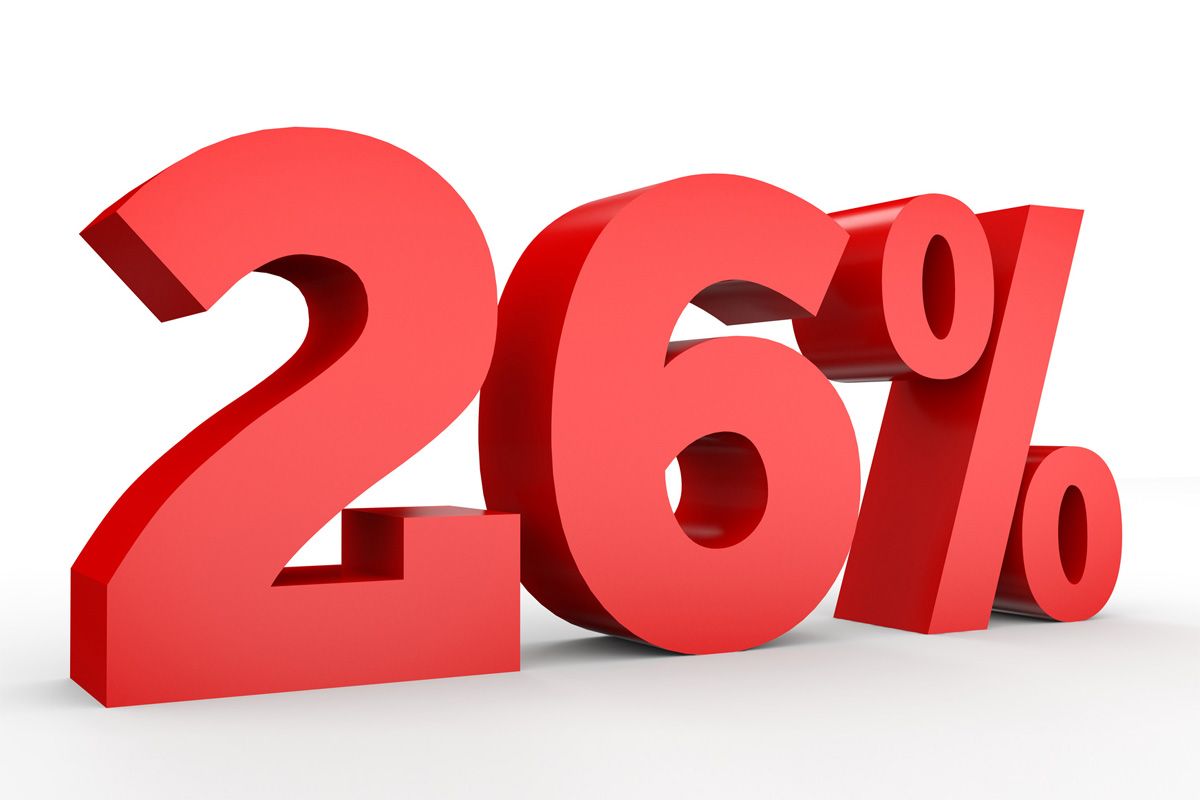
Despite these protective measures, Indian steelmakers face challenges from international trade policies. The United States has imposed a flat 26% reciprocal tariff on all Indian exports, citing high Indian tariffs on U.S. goods. This move is expected to impact key Indian export sectors, including electronics, gems and jewellery, and certain aluminium and auto parts. However, pharmaceuticals and energy products are exempt from these tariffs. In response, India is engaging in negotiations with the U.S. for a new trade deal and has expressed willingness to reduce tariffs on $23 billion worth of U.S. imports. Additionally, India is exploring opportunities to expand exports in sectors like textiles, apparel, footwear, and steel, particularly as higher tariffs are levied on Chinese goods.

The escalating trade conflict between the United States and China has introduced significant shifts in global trade dynamics, presenting both opportunities and challenges for Indian exporters. The U.S. administration’s imposition of substantial tariffs on Chinese imports has prompted China to retaliate with its own set of tariffs, affecting a broad spectrum of goods. This tit-for-tat exchange has disrupted established supply chains, leading American importers to seek alternative sources for various products.

Indian exporters are poised to benefit from this realignment, particularly in sectors where India has a competitive edge. Industries such as agriculture, engineering, textiles, chemicals, and leather are witnessing increased interest from U.S. buyers aiming to diversify their supply chains away from China. Ajay Sahai, Director General of the Federation of Indian Export Organisations , noted that U.S. buyers are approaching Indian companies with manufacturing operations in China, requesting them to supply from their Indian facilities due to the prevailing uncertainties.

The agricultural sector stands to gain notably, with products like soybeans and seafood emerging as viable alternatives to Chinese exports. Similarly, the engineering and machine tools industries are experiencing heightened demand, as American companies look to mitigate the impact of increased tariffs on Chinese machinery. The textiles and garments sector is also seeing a surge in orders, capitalizing on India’s established reputation in these markets.

However, this shift is not without its challenges. The increased tariffs on Chinese goods have led to concerns about the potential for these products to be redirected to other markets, including India, at lower prices. This scenario raises the specter of dumping, which could adversely affect domestic manufacturers. Crisil, a global analytics company, has highlighted that as the U.S. imposes higher tariffs on Chinese imports, there is a heightened possibility of these surplus goods being diverted to countries like India, potentially disrupting local industries.

In response to these developments, the Indian government is actively engaging with exporters to assess the evolving landscape and identify strategies to capitalize on emerging opportunities. Efforts are underway to enhance manufacturing capabilities, streamline regulatory processes, and improve infrastructure to better position Indian products in the global market. The government’s proactive stance aims to not only seize the openings created by the U.S.-China trade tensions but also to safeguard domestic industries from potential negative spillovers.

India is intensifying biosecurity measures across poultry farms and wildlife sanctuaries in response to the expanding reach of the H5N1 avian influenza virus, which has now affected domestic poultry, wild birds, and several mammalian species, including big cats and domestic cats.

The Ministry of Fisheries, Animal Husbandry and Dairying has issued directives to all states to bolster surveillance and implement stringent biosecurity protocols. This action follows reports of the virus infecting a diverse range of species, raising concerns about its evolving nature and potential implications for both animal and human health.

In Andhra Pradesh, eight outbreaks of highly pathogenic H5N1 bird flu were reported in farms and backyard poultry, leading to the death or culling of approximately 602,000 birds. These incidents underscore the virus’s persistent threat to the poultry industry.

The virus’s impact has extended beyond avian species. In Maharashtra, three tigers and a leopard succumbed to H5N1 at a rescue centre in Nagpur, prompting the central government to issue a red alert for zoos and animal rescue centres nationwide. Authorities have been urged to implement immediate measures to prevent further outbreaks among captive wildlife.

India’s first cases of H5N1 in domestic cats were confirmed in Madhya Pradesh’s Chhindwara district. The infected cats exhibited symptoms such as high fever, loss of appetite, and lethargy before dying within one to three days. Scientists identified 27 mutations in the virus found in these cats, highlighting the need for enhanced surveillance across domestic poultry, wild birds, and mammals, including pets and humans.

The cross-species transmission of H5N1 is not limited to India. Globally, the virus has been detected in various mammalian species, including tigers, leopards, and domestic cats, raising concerns about its ability to jump species barriers. In the United States, outbreaks have been reported among house cats, while in Canada, a teenage girl was severely affected by the virus, indicating its potential risk to human health.

In response to these developments, the Indian government is collaborating with international health organizations to monitor the situation closely. Efforts are underway to study the virus’s mutations and assess the risk of human transmission. Public health advisories have been issued, cautioning against contact with sick or dead birds and emphasizing the importance of hygiene and protective measures for those handling poultry.

By Subrata Majumder The entire world is deepening into geopolitical tensions and increasing uncertainty in trade following the announcement made by the U.S. President Donald Trump the new tariff rates on April 2. The U.S. slapped 27 percent import tariff on India. President Trump exhilarated this as “discounted replication”, despite India imposing 52 percent and […]

The United States has imposed a 26% tariff on Indian imports, intensifying trade tensions between the two nations. This measure, announced by President Donald Trump on April 2, 2025, is part of a broader strategy targeting countries with which the U.S. has significant trade deficits. The baseline 10% tariff will take effect on April 5, with the additional 16% following on April 9.

President Trump has consistently criticized India’s trade policies, labeling the nation as a “tariff king” and a “big abuser” of tariffs. The administration justifies the new tariffs by pointing to the disparity between the U.S.’s 2.5% tariff on passenger vehicle imports and India’s 70% tariff on similar American products.

Indian officials have expressed mixed reactions to the announcement. A senior government representative described the development as a “mixed bag,” emphasizing that it is not perceived as a significant setback. The commerce ministry is currently evaluating the potential impact of these tariffs on the Indian economy.

The sectors most vulnerable to the increased tariffs include pharmaceuticals, textiles, and automotive parts, which constitute a substantial portion of India’s exports to the U.S. Analysts predict that these industries may experience a decline in competitiveness within the American market, potentially leading to decreased export volumes and revenue losses.

In an effort to mitigate the impact of the tariffs and foster better trade relations, India has proposed reducing tariffs on certain U.S. agricultural products, such as almonds, cranberries, and bourbon whiskey. This initiative aims to facilitate a more favorable trade agreement between the two countries.

Despite these conciliatory efforts, the U.S. proceeded with the tariff imposition. The move has elicited concerns among Indian policymakers and industry leaders about the potential escalation of a trade war and its ramifications on the domestic economy. The Confederation of Indian Industry has urged the government to engage in diplomatic negotiations to resolve the dispute amicably.

The global community is closely monitoring the situation, as the U.S.’s tariff measures have affected multiple countries, including China, the European Union, and Japan. The European Commission has criticized the tariffs as a severe blow to the global economy, while other nations have signaled intentions to retaliate or seek negotiations.

India’s $32 billion gems and jewellery industry is facing a significant downturn following the United States’ imposition of a 26% reciprocal tariff on Indian imports. This development poses a substantial challenge to the sector, which relies heavily on the U.S. market, accounting for approximately 30% of its annual exports. The tariff, announced by President Donald Trump on April 2, 2025, is part of a broader strategy to […]

MACAU SAR – Media OutReach Newswire – 3 April 2025 – Galaxy Macau™, the world-class luxury integrated resort (hereinafter referred to as “Galaxy Macau”), offers diverse cultural experiences year-round, creating unparalleled journeys for guests from around the globe. In honor of the Songkran Festival, the traditional Thai New Year celebration, Banyan Tree Macau at Galaxy Macau will present a series of star-studded Thai culinary delights and rejuvenating […]

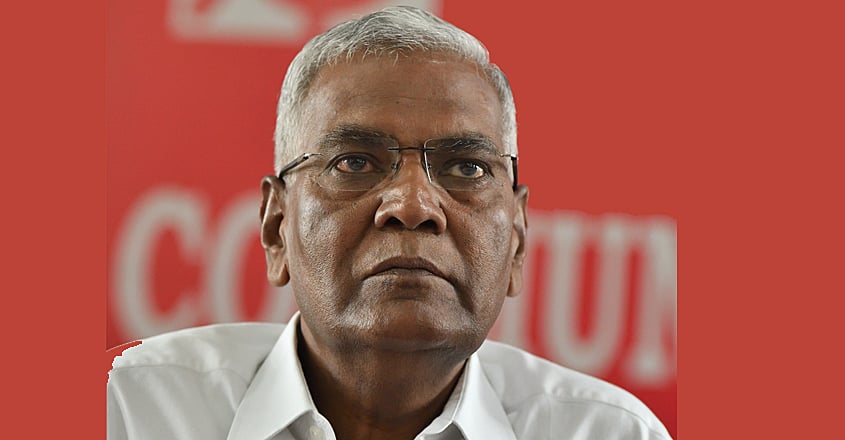
By Satyaki Chakraborty Communist Party of India (CPI) general secretary D. Raja gave a clarion call on Wednesday for the building of principled unity of all communists in India to act as the vanguard of the battle against the Narendra Modi government and the RSS-BJP led Sangh Parivar. Addressing the inaugural session of the 24th […]
By Nantoo Banerjee If in the United States, the world’s second largest federal democracy, the number of seats in the House of Representatives could remain capped at 435 since 1913, there is no reason to justify the latest delimitation exercise to freshly fix the number of seats and boundaries of territorial constituencies in each state […]

Foxconn, Apple’s primary manufacturing partner, plans to produce 25 to 30 million iPhones in India this year, more than doubling its output from the previous year. This move underscores Apple’s strategy to strengthen its manufacturing footprint in India and diversify its supply chain amid global uncertainties.

The Taiwanese contract manufacturer has been conducting trial runs at its facility in Bengaluru, Karnataka, aiming to meet Apple’s stringent quality standards and production targets. This initiative aligns with Apple’s broader objective to reduce reliance on Chinese manufacturing and mitigate risks associated with geopolitical tensions and supply chain disruptions.

Foxconn’s expansion in India is part of a larger trend of global tech companies seeking alternative manufacturing hubs. India’s Production-Linked Incentive scheme has been instrumental in attracting such investments by offering financial incentives to boost domestic manufacturing. In the fiscal year ending March 2023, Foxconn produced approximately ₹300 billion worth of iPhones, surpassing the PLI scheme’s cap of ₹200 billion, indicating the program’s success in scaling up production.

In addition to iPhone assembly, Apple is broadening its product manufacturing in India. A unit of Foxconn is set to commence the assembly of AirPods at a new factory near Hyderabad, Telangana, by early 2025, following successful trial productions. This diversification reflects Apple’s commitment to expanding its product assembly capabilities within the country.

However, the expansion has encountered challenges. Reports suggest that China is imposing restrictions on the movement of employees and specialized equipment essential for high-tech manufacturing to India and Southeast Asia. These measures appear aimed at limiting technology transfers and mitigating potential job losses, posing obstacles to Apple’s efforts to diversify its production bases.

Despite these hurdles, Apple’s manufacturing partners in India are making significant strides. Tata Electronics has acquired a 60% stake in Pegatron Technology India, which manages an iPhone plant near Chennai. This acquisition positions Tata as a formidable competitor to established players like Foxconn in the Indian iPhone manufacturing landscape.

The Indian government’s support has been pivotal in this expansion. Foxconn is establishing a mobile phone manufacturing plant in the Devanahalli Industrial Area, Bengaluru, with an investment of ₹21,911 crore. The company will receive incentives amounting to ₹6,970 crore under the Electronics System Design and Manufacturing policy, as announced by Karnataka’s Chief Minister.

India is significantly enhancing the operational capabilities of its special forces by integrating advanced technologies such as nano drones, loitering munitions, and sophisticated communication systems. This strategic initiative aims to bolster covert operations and counter-terrorism efforts, enabling deep penetration into hostile territories with heightened efficiency and precision.

The Indian Army’s Para , the Navy’s Marine Commandos , and the Air Force’s Garud Commando Force are at the forefront of this modernization drive. These elite units are being equipped with state-of-the-art surveillance tools and specialized weaponry designed to meet the demands of contemporary warfare. The incorporation of nano drones facilitates real-time intelligence gathering, allowing operatives to assess situations and execute missions with unprecedented accuracy.

Loitering munitions, often referred to as “kamikaze drones,” have emerged as a pivotal asset in this technological upgrade. These unmanned aerial vehicles can hover over target areas, identify high-value threats, and execute precision strikes, effectively neutralizing adversaries while minimizing collateral damage. The Indian Army has been actively integrating these systems into its arsenal, recognizing their potential to revolutionize battlefield tactics. Indigenous development efforts have led to the creation of loitering munitions tailored to the specific needs of India’s defense forces, reflecting a commitment to self-reliance in military technology.

In addition to aerial advancements, the deployment of midget submarines is being considered to enhance maritime special operations. These compact vessels offer stealth capabilities, enabling covert insertion and extraction of forces in littoral zones. Such assets are particularly valuable for the Navy’s MARCOS unit, which specializes in amphibious warfare and maritime counter-terrorism operations.

The Armed Forces Special Operations Division , established to foster jointness among the three services, plays a crucial role in this modernization effort. Headquartered in Bengaluru, AFSOD serves as a hub for coordinating special operations training and missions, ensuring seamless integration of new technologies across all branches. The division’s formation marks a significant step toward creating a unified command structure akin to those found in other major military powers.

Despite these advancements, the absence of a full-fledged Special Operations Command presents challenges in achieving optimal synergy among the various special forces units. The current structure relies on collaborative efforts facilitated by AFSOD, but experts argue that a dedicated command could further streamline operations and command-and-control mechanisms. Addressing this structural gap remains a subject of ongoing discussion within defense circles.

The push for technological enhancement extends beyond hardware acquisition. Comprehensive training programs are being implemented to ensure that personnel can effectively operate and integrate these advanced systems into their missions. Exercises such as “Poorvi Prahar” have been conducted along the eastern borders, where troops honed their skills with swarm drones, first-person view drones, and loitering munitions. These drills not only test the efficacy of new equipment but also refine tactics and strategies for future engagements.

India’s focus on indigenous development of defense technologies aligns with the broader “Atmanirbhar Bharat” initiative. By investing in domestic research and production capabilities, the country aims to reduce dependency on foreign suppliers and cultivate a robust defense industrial base. Companies like Kadet Defence Systems have been instrumental in this endeavor, delivering loitering aerial munitions designed and manufactured within India.

The integration of artificial intelligence and satellite communications further augments the operational effectiveness of special forces. These technologies enhance situational awareness, enable secure and rapid information exchange, and support decision-making processes in dynamic combat environments. As warfare becomes increasingly network-centric, such capabilities are indispensable for maintaining a strategic edge.


By Nitya Chakraborty The inevitable has happened. Narendra Modi government’s myopic policy on handling the interim government of Bangladesh headed by Dr. Muhammad Yunus has led this important neighbour of India into Chinese lap. The Xi Jinping-Yunus meeting held in Beijing on March 28 gave its final seal of approval to the economic strategy of […]
VISHNU RAJA
RYO YAMADA
HITORI GOTOH
IKUYO KITA