Just in:
HKGSEO Launches New SEO×GEO Dual-Engine Optimization Monthly Plan // China’s Taiwan warning tests Washington’s defence commitments // US authorities dismantle North Korean cryptocurrency deception infrastructure // Hong Kong schedules Gulf-Asia investment forum for 2027 // Iran claims six-drone operation against US radar in Bahrain // China Reconciled To U.S. Curbs On Chips Exports, Woos South Korea For Supply // Danone expands consumer insight capabilities to accelerate nutrition innovation through Southeast Asia R&I Application Lab upgrade // Microsoft restores services gradually but gives no recovery deadline // OpenAI unveils ChatGPT Wallet for agent-led purchases // JCI Names the 2026 Ten Outstanding Young Persons of the World // Hong Kong International Airport Online Shop Winter Festive Offer // IEA forecasts fourth-quarter oil surplus as Gulf shipments rebound // ADQ Aviation raises Abu Dhabi Aviation holding to 71.61% // October Food Price Shock Has Far Reaching Consequences // Salik posts Dhs1.045bn profit despite lower toll traffic // TORRAS Launches Two New iPhone Duo Cases from Its Popular Ostand Series, Addressing Foldable Phone Users’ Concerns About Difficult Stand Positioning and Scratches // Thiruvambady Devaswom hails rejection of report // EU levies definitive duties on five steel suppliers // Inpex reaffirms Gulf oil strategy despite shipping constraints // Pink Economy report puts equal rights at the heart of Thailand’s road to Bangkok WorldPride 2030 //

News related to
Indian

India stands at the cusp of an AI-driven revolution, a transformation led by its burgeoning software-as-a-service (SaaS) market and a rapidly growing talent pool in artificial intelligence. As global demand for AI-based solutions intensifies, India’s developers are crucial to harnessing this opportunity. The country’s tech landscape is expanding with AI start-ups, cutting-edge research, and AI-powered platforms, yet a significant gap remains: a shortage of highly specialized developers needed to accelerate this transformation.

The Indian SaaS sector is uniquely positioned to benefit from artificial intelligence. As businesses worldwide shift towards cloud computing and automation, Indian companies are emerging as key players in delivering scalable AI-powered solutions. Indian SaaS firms have been instrumental in providing software that caters to a wide array of industries, from healthcare to financial services, retail, and logistics. AI integration into these sectors can provide enhanced decision-making capabilities, process automation, and predictive analytics. But the key enablers for such integration are India’s developers, who must possess the requisite skills to drive innovation.

India already has a solid base of AI talent, with thousands of engineers graduating from prestigious institutions every year. These developers are skilled in areas like machine learning, natural language processing, and computer vision. However, many experts believe that a gap still exists between the number of developers available and the demand for highly specialized talent in AI development. As artificial intelligence becomes more sophisticated, businesses require developers who can design complex AI models, scale algorithms efficiently, and apply AI to solve real-world problems. Closing this gap is critical to ensuring that India remains a global leader in AI innovation.

Many challenges hinder the development of a more robust AI developer ecosystem in India. The skill gap is one of the foremost concerns, especially as AI evolves into more complex fields like deep learning, generative adversarial networks, and reinforcement learning. These advanced concepts require developers to be fluent not only in programming languages but also in mathematical modeling, data science, and statistical analysis. While India produces a significant number of developers each year, few receive formal training in such advanced AI technologies. Bridging this educational divide is essential to boosting India’s competitiveness in AI.

A lack of industry-relevant exposure for developers remains a bottleneck. Much of the AI research happening in academic institutions does not always translate into industry-ready applications. Many developers, while skilled in theory, lack practical experience with large-scale AI projects or are unfamiliar with integrating AI solutions into business ecosystems. This disconnect between academia and industry must be addressed through greater collaboration between educational institutions and the corporate sector. Providing developers with opportunities to work on real-world AI projects, whether through internships, mentorship programs, or partnerships with tech companies, is essential.

Another barrier to strengthening India’s AI developer community is the challenge of retaining talent. With the global demand for AI professionals skyrocketing, Indian developers often find themselves being recruited by foreign companies. This talent drain means that many of India’s most skilled AI developers leave the country to work on high-profile projects abroad. While this is a testament to the strength of India’s tech talent, it also creates a vacuum domestically. Indian companies must create environments that foster innovation and offer competitive compensation to keep talent from leaving. Moreover, providing opportunities for continuous learning and professional growth will ensure that developers remain engaged and invested in contributing to the AI landscape in India.

Building a strong AI developer community also requires investment in infrastructure and resources. Developing AI solutions requires access to vast amounts of data, computing power, and sophisticated tools for model building and testing. Start-ups and smaller companies, especially in the SaaS sector, may not have the necessary resources to invest in these technologies on their own. Government initiatives and public-private partnerships can help by providing grants, funding research, and setting up AI innovation hubs where developers can collaborate on projects. Creating a supportive ecosystem where developers have access to the tools they need is vital for fostering AI innovation.

One of the most promising areas of growth for India’s AI sector is the integration of AI into traditional industries like agriculture, manufacturing, and healthcare. These sectors are ripe for disruption through AI-powered technologies, whether by using predictive analytics for crop yields, automating manufacturing processes, or deploying AI-driven diagnostics in healthcare. However, for this transformation to occur, developers must be equipped to work with industry-specific data and understand the unique challenges these sectors face. Investing in upskilling programs that target AI applications in these sectors could significantly boost India’s AI capabilities and ensure that developers can build solutions tailored to the needs of these industries.

Another challenge that India’s developer community must overcome is ensuring ethical and responsible AI development. As AI becomes more pervasive, concerns about privacy, data security, and algorithmic bias have become increasingly prevalent. Developers play a crucial role in addressing these concerns by designing AI systems that are transparent, fair, and accountable. This requires a deep understanding of the ethical implications of AI and a commitment to developing technologies that benefit society as a whole. Training developers to approach AI development with these ethical considerations in mind will be key to ensuring that India leads in the responsible deployment of AI technologies.

The role of government policy in shaping India’s AI future cannot be overstated. Encouraging innovation in AI development requires regulatory frameworks that strike a balance between fostering innovation and protecting public interests. Policies that promote AI research, provide funding for start-ups, and incentivize companies to invest in AI development will help create an environment where developers can thrive. Furthermore, government support for AI education initiatives, whether through funding universities or creating AI-specific learning modules for schools, can help nurture the next generation of AI developers.

India’s strong cultural affinity for education and technology positions the country to capitalize on the AI boom, but this potential will only be realized if the developer community is nurtured and supported. The demand for AI-driven business solutions is set to grow exponentially, and the SaaS market is well-placed to ride this wave. However, without a strong developer base, India risks falling behind in the global AI race. Investing in education, infrastructure, industry collaboration, and ethical AI practices will be critical in closing the skill gap and ensuring that India can fully leverage the power of artificial intelligence.

The global AI race is intensifying, with countries around the world vying for leadership in AI innovation. While India has established itself as a key player in the global tech landscape, maintaining its edge in the AI sector will require sustained efforts to build a stronger developer ecosystem. The demand for AI professionals is increasing, and as businesses move towards more advanced AI technologies, the need for highly specialized developers will become even more pronounced.


Blackstone Inc. is preparing to launch its third Asia-focused private equity fund, with an ambitious goal of raising more than $10 billion. The move comes as the investment giant continues its aggressive expansion in Asia, particularly in key markets like Japan and India. Sources familiar with the matter indicate that Blackstone’s latest initiative underscores its growing commitment to the region, which has seen heightened interest from global investors seeking opportunities in the fast-evolving economies of Asia.

The firm’s third fund for Asia is anticipated to be one of its largest regional efforts to date, following its previous Asia funds, the last of which closed at $6.4 billion in 2020. Blackstone’s decision to target $10 billion or more signals confidence in its ability to capitalize on a range of investment opportunities across various sectors, including technology, healthcare, consumer goods, and real estate.

Asia has become an increasingly vital part of Blackstone’s global strategy, with the firm steadily building its presence across the continent. Over the past several years, Blackstone has poured resources into expanding its portfolio in Asian markets, with particular emphasis on acquiring and managing assets in Japan and India. Japan, in particular, has emerged as a focal point for the firm, with Blackstone making significant moves in the country’s real estate and corporate sectors.

India, meanwhile, continues to draw attention from private equity players due to its fast-growing economy and the increasing prominence of its tech and startup ecosystem. Blackstone’s latest fund is expected to allocate a substantial portion of its resources to investments in Indian companies, where the firm has already established a solid presence through earlier deals. The firm’s expanding footprint in India mirrors its global strategy of targeting high-growth, scalable businesses that can offer long-term returns.

Blackstone’s decision to pursue such a large fund also highlights the growing appetite for private equity in Asia, where institutional investors are seeking higher returns in the face of ongoing global economic uncertainties. With interest rates rising in Western markets and concerns over inflation, investors are increasingly looking toward Asia as a source of steady, long-term growth. Blackstone’s expertise in asset management, coupled with its deep knowledge of the region, positions it well to attract capital from both existing and new investors.

The fund comes at a time when private equity firms are witnessing increasing competition in Asia, with several global players such as KKR, Carlyle, and Bain Capital also raising significant amounts of capital to deploy in the region. The race for assets in markets like Japan, China, and Southeast Asia has intensified in recent years, as firms vie for control of lucrative businesses poised for growth amid the region’s continued economic transformation.

Despite the competition, Blackstone remains one of the largest and most influential players in the private equity space, with a long track record of successful investments in Asia. The firm has leveraged its size and global reach to secure deals that have delivered significant returns for its investors, and the latest fund is expected to follow a similar strategy, focusing on buyouts, growth equity, and strategic investments in promising sectors.

As Blackstone moves forward with its fundraising efforts, the firm is likely to benefit from its strong reputation among institutional investors, particularly those looking for exposure to Asian markets. The firm’s past performance in the region, combined with its ability to manage large-scale investments across multiple industries, is expected to attract substantial interest from investors seeking to diversify their portfolios with high-quality assets.

Blackstone’s latest Asia fund is expected to play a crucial role in the firm’s broader global strategy, which has increasingly focused on expanding its presence in fast-growing economies. With Asia playing an ever-larger role in the global economy, Blackstone’s commitment to the region signals its recognition of the long-term potential of these markets, as well as its intention to remain a dominant force in the world of private equity.

In Japan, Blackstone has made headlines with several high-profile acquisitions, including the purchase of real estate and logistics assets. The firm’s interest in Japan reflects a broader trend among global investors, who see the country’s corporate sector as ripe for restructuring and consolidation, providing opportunities for buyouts and other forms of private equity investment.

KUALA LUMPUR, MALAYSIA – Media OutReach Newswire – 2 October 2024 – Technology has changed financial markets a lot in recent years. It makes trading easier, faster, and more efficient. In this release, Octa looks at how technology is changing trading in Malaysia, Singapore and other countries in Southeast Asia. Also, Octa gives an overview of algorithmic trading, AI, blockchain, cryptocurrencies, Fintech, mobile apps, cloud tech, and […]

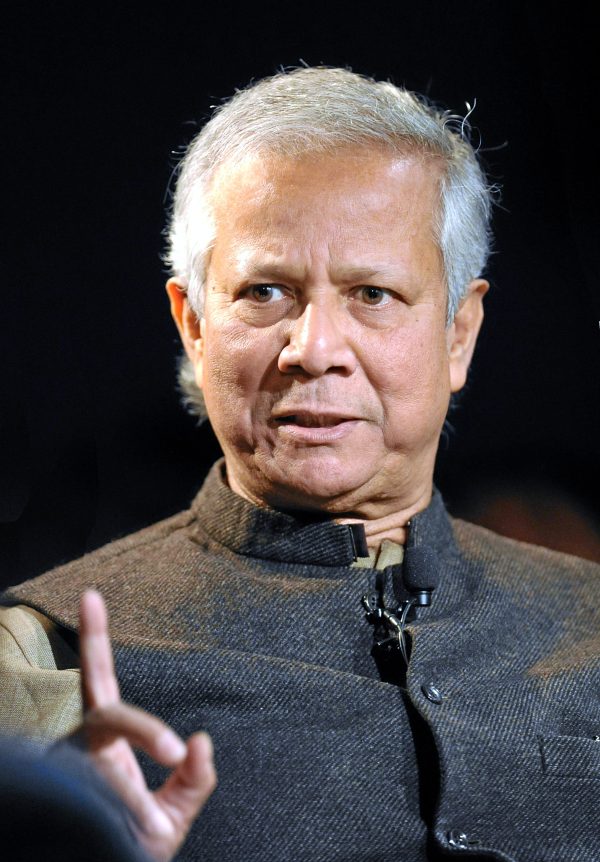
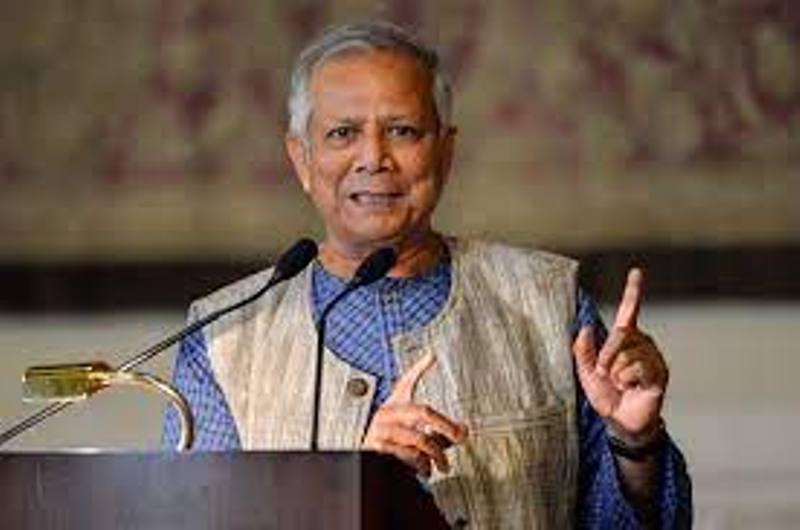
By Nitya Chakraborty In the first battle between the interim Government of Bangladesh and India in the international forum — that is the United Nations, Bangladesh interim government chief adviser Dr. Muhammad Yunus had a clear victory over Prime Minister Narendra Modi without having any one on one meeting between the two. Dr. Yunus was […]
By Rabindra Nath Sinha KOLKATA: Tripura’s most prominent TIPRA Motha leader Pradyot Kishore Manikya Debbarman (ex-royal scion) and Chakma student outfits are in limelight following their successful protests to highlight atrocities against minorities and indigenous people in Chittagong Hill Tracts (CHT) in Bangladesh. The interesting part is that Debbarman himself leads from the front but […]

Premier banking forum unites 150+ banking leaders, regulators, advisory partners, and tech visionaries from across Asia. HO CHI MINH CITY, VIETNAM – Media OutReach Newswire – 26 September 2024 – Backbase, the global leader in engagement banking successfully concluded its flagship event, ENGAGE Asia 2024, in Ho Chi Minh City on September 11-12, 2024. The event, held at Le Méridien Saigon, was attended by over 150 banking […]

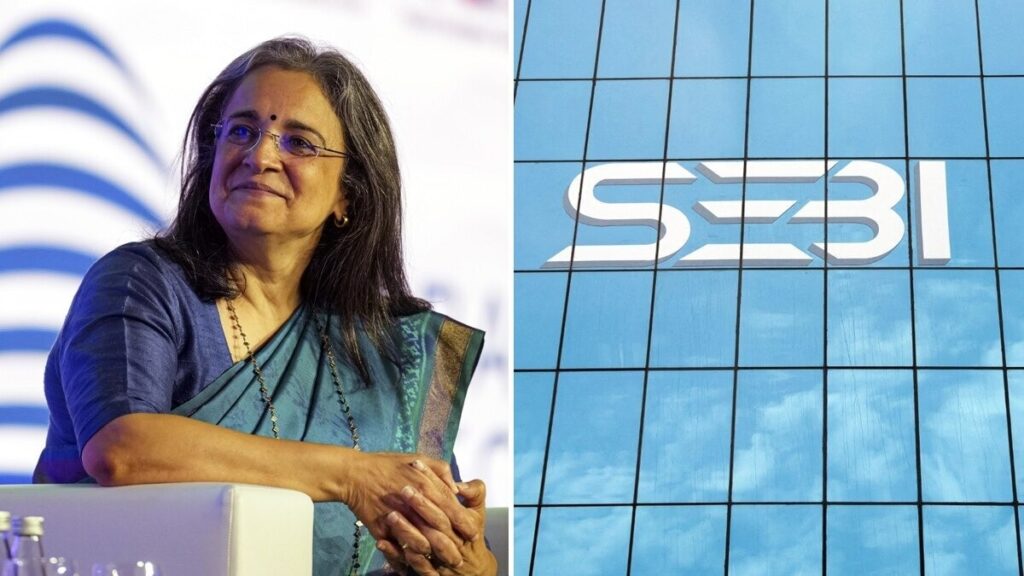
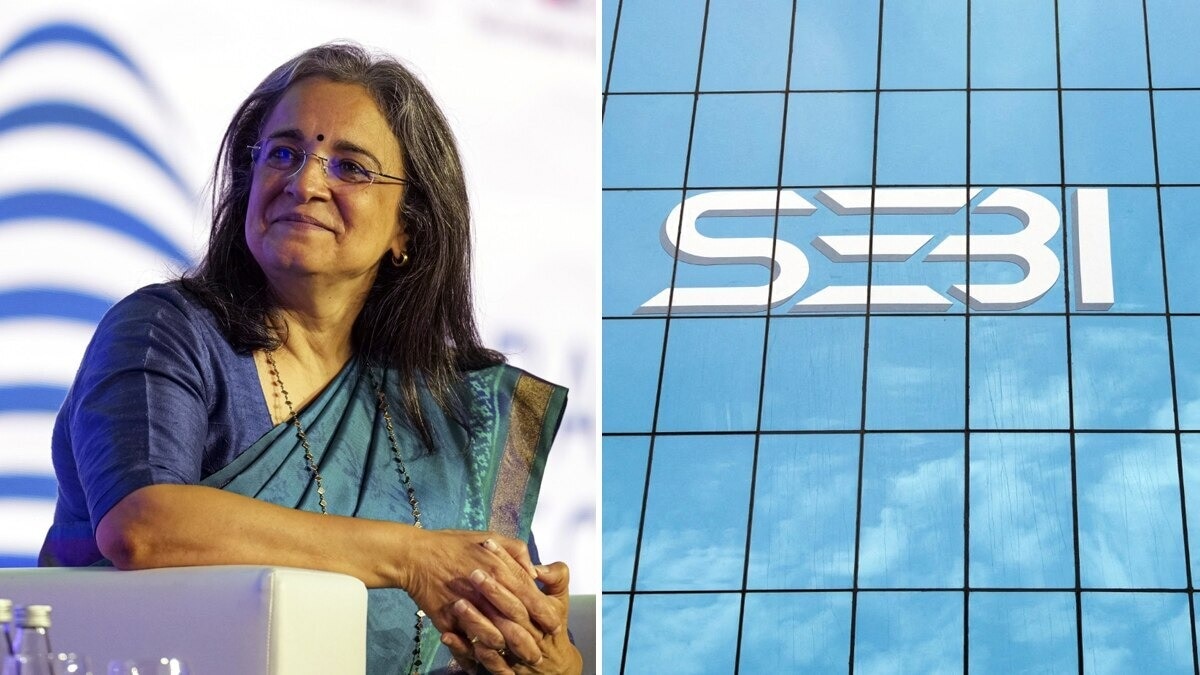
By K Raveendran SEBI chairperson Madhabi Puri Buch has revealed her mantra: regulatory humility. “Markets today are so complex; any arrogant regulator is doomed to fail,” she said addressing an event in Mumbai, held by the Association of Mutual Funds of India this week. Obviously, she has seen how a ‘friendly neighbourhood regulator’ is the […]
Advertisements

Gautam Adani’s plans to manage Kenya’s largest airport have led to growing unrest, triggering protests, legal challenges, and scrutiny in the nation’s Senate. The Indian billionaire, known for his sprawling business empire, has found his latest venture in Africa facing significant opposition, as concerns mount over the transparency of the agreement and its potential implications for Kenya’s economy.

The controversy centers on Adani Group’s proposal to take over the operations of Jomo Kenyatta International Airport (JKIA), a crucial hub in East Africa. This proposed deal, part of the company’s larger strategy to expand its airport management portfolio globally, has ignited widespread opposition in Kenya. Many argue that handing over control of such a critical national asset to a foreign entity could undermine local interests and jeopardize the country’s sovereignty.

Protests against the deal have intensified, with demonstrators calling for the government to halt the negotiations and protect national assets from foreign dominance. While the Adani Group has stated that the deal would modernize JKIA’s infrastructure and increase its capacity, critics have questioned the lack of transparency in the process and fear that the airport’s control may shift into the hands of private foreign investors without due oversight.

The public unrest surrounding the airport deal has led Kenya’s Senate to hold hearings, seeking clarity on the details of the agreement and its potential economic consequences. Senators have raised concerns about the legality of the proposed transaction, demanding to know how the deal would impact Kenya’s financial commitments and employment opportunities for locals. They argue that while foreign investment is crucial for development, deals involving key national infrastructure should be handled with utmost caution to ensure that the country does not become overly reliant on external entities.

Lawsuits have also been filed against the Adani Group and government agencies involved in the negotiations. The legal challenges cite violations of Kenyan law, particularly in relation to public procurement processes. Lawyers representing the plaintiffs claim that the government did not follow proper procedures, raising questions about the legality of the deal and its long-term impact on the country’s aviation sector.

Despite the growing opposition, the Adani Group has remained confident about the project’s potential to benefit Kenya. The company has expressed its commitment to making significant investments in upgrading JKIA’s facilities, enhancing passenger services, and turning the airport into a regional aviation hub. The group has also stressed that the partnership would create jobs for Kenyans and stimulate economic growth.

However, critics argue that the deal could lead to higher costs for travelers and airlines, as well as a reduction in local control over the airport’s operations. There are concerns that foreign investors, driven primarily by profit, might prioritize financial returns over public interest, potentially increasing tariffs and reducing the quality of service.

Adani Group’s entry into the Kenyan aviation sector is part of a broader trend of Indian conglomerates expanding their presence in Africa. With investments in multiple sectors, including infrastructure, mining, and telecommunications, Indian companies have been deepening their ties with African nations. However, these partnerships have not been without challenges, with critics warning of the risks of foreign dependency and the potential for economic imbalances.

The Kenyan government, while acknowledging the concerns raised by the public and lawmakers, has maintained that the deal with the Adani Group is still under review. Officials have emphasized the importance of foreign investment in driving development and improving infrastructure, but they also assure that the final decision will be made with Kenya’s best interests at heart.

This situation has become a significant test of Kenya’s commitment to balancing foreign investment with the protection of national assets. While the government seeks to attract international investors to fund critical projects, it must also navigate the political and legal complexities that arise from deals involving strategic national resources.

Observers have noted that the outcome of the JKIA controversy could set a precedent for how Kenya handles future agreements with foreign companies, particularly in sectors vital to the country’s development. As the Adani Group’s bid faces mounting resistance, the debate over the control of public infrastructure by foreign entities is likely to intensify, with implications not only for Kenya but for other African nations grappling with similar challenges.

For Adani, whose business empire spans across multiple industries including ports, energy, and infrastructure, the Kenyan airport deal is seen as a key part of his strategy to expand the group’s global footprint. However, the legal and political hurdles that have emerged in Kenya could pose significant obstacles to the company’s ambitions in Africa.

India’s capital markets have positioned themselves at the forefront of global initial public offerings (IPOs), achieving a remarkable total of over $12 billion in IPOs this year. This significant uptick not only showcases the country’s economic resilience but also reflects a growing confidence among investors and companies in India’s potential for growth. In the first half of the year, India eclipsed major markets like the United States […]

Sectigo, a global leader in digital certificates and Certificate Lifecycle Management (CLM), has officially opened its new office in Chennai, aiming to enhance its customer service delivery across the region. This strategic move not only strengthens Sectigo’s foothold in the rapidly growing technology sector in Chennai but also positions the company to better serve its increasing clientele in India and beyond.

The Chennai office will serve as a critical hub for Sectigo, enabling the company to offer improved technical support, sales, and customer service to its extensive portfolio of clients, which includes businesses of all sizes across various industries. The city is recognized for its robust tech ecosystem, featuring numerous IT parks and a skilled workforce, making it an ideal location for Sectigo’s expansion.

Chennai is among India’s most important technology centers, with a vibrant landscape of IT services and software development firms. The establishment of the new office aligns with the growing demand for digital security solutions as businesses increasingly rely on online transactions and digital platforms. With cyber threats becoming more sophisticated, organizations are prioritizing security measures, thereby driving the need for reliable certificate management.

In a statement during the opening ceremony, Sectigo’s executives emphasized the importance of this expansion in addressing the rising concerns over cybersecurity in the digital age. The Chennai office is expected to facilitate quicker response times and personalized service to clients, ultimately enhancing customer satisfaction.

The Indian market has become a focal point for many global tech companies, and Sectigo’s investment in Chennai signifies its commitment to harnessing the region’s potential. The decision to establish a local presence is driven by the growing adoption of cloud technologies and the shift towards digital-first strategies by businesses. As more companies migrate to cloud-based solutions, the need for secure digital identities becomes paramount, positioning Sectigo as a vital player in this landscape.

Sectigo’s expansion comes at a time when the demand for digital certificates is surging, fueled by the increasing reliance on secure online communications. The company’s comprehensive portfolio includes SSL/TLS certificates, code signing certificates, and IoT device certificates, all of which are critical in establishing trust and securing digital transactions.

The Chennai office is part of Sectigo’s broader strategy to expand its global reach while ensuring localized service. The establishment of regional offices allows Sectigo to better understand and cater to the specific needs of local markets. By leveraging Chennai’s skilled workforce, the company aims to enhance its operational efficiency and technical expertise.

Industry analysts note that the competitive landscape for digital security solutions is evolving rapidly. With the rise of cyber threats, organizations are seeking more robust and scalable solutions. Sectigo’s proactive approach to expanding its operations in key markets like India reflects an understanding of the regional dynamics and the growing demand for advanced security measures.

The Chennai office is expected to play a pivotal role in driving innovation within Sectigo, enabling the company to develop and deploy new security solutions tailored to local market needs. By collaborating with local technology firms and startups, Sectigo aims to foster a culture of innovation and leverage emerging technologies to enhance its service offerings.

This expansion not only supports Sectigo’s growth objectives but also contributes to the local economy by creating job opportunities and fostering talent development. The company plans to recruit skilled professionals from various disciplines, including cybersecurity, technical support, and sales, further bolstering Chennai’s reputation as a technology hub.

As organizations navigate the complexities of digital transformation, the demand for expert guidance in implementing effective security strategies is more critical than ever. Sectigo’s presence in Chennai positions it as a key partner for businesses looking to enhance their cybersecurity posture and protect their digital assets.

The establishment of the Chennai office is also a testament to Sectigo’s long-term vision for growth in the Asia-Pacific region. By investing in local infrastructure and resources, the company aims to create a sustainable model that not only addresses immediate customer needs but also anticipates future trends in the digital security landscape.

By Arun Kumar Shrivastav In quick-paced developments, Myanmar’s ruling junta has invited the armed rebel groups to stop fighting and participate in political talks. “We invite ethnic armed groups, terrorist insurgent groups, and terrorist PDF groups which are fighting against the state to give up terrorist fighting and communicate with us to solve political problems […]
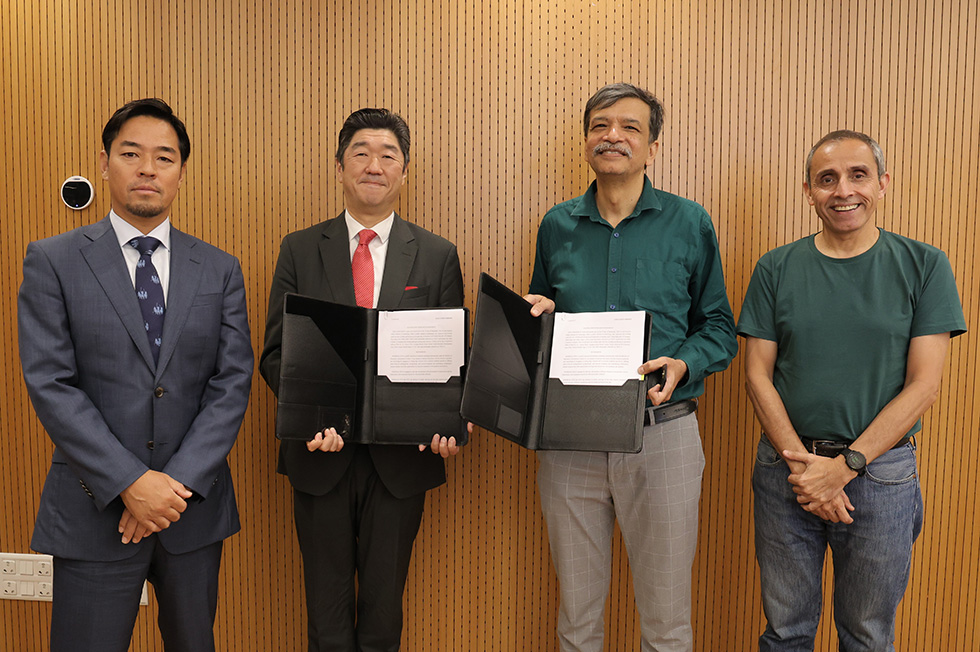

A significant collaboration between the Indian Institute of Technology Delhi (IIT Delhi) and Honda Cars India Ltd. (HCIL) is poised to reshape the future of mobility in India. The two entities have entered into a Memorandum of Understanding (MoU) aimed at advancing cooperative intelligence (CI) technologies that could pave the way for safer, more efficient transport systems. This partnership underscores the growing trend of academia-industry collaboration in the rapidly evolving field of intelligent transportation systems.

The MoU brings together the expertise of IIT Delhi’s researchers and Honda’s engineers, particularly those from HCIL and Honda R&D Co., Ltd., a subsidiary focused on research and development. The goal is to conduct joint research on CI technologies that can potentially reduce traffic collisions, enhance road safety, and enable automated driving systems. With India’s road safety record being a significant concern, such efforts to reduce human errors in driving are considered crucial for the future.

India has long struggled with high rates of traffic accidents, largely attributed to human error. The collaboration between IIT Delhi and Honda aims to address these issues through the development of advanced driver-assistance systems (ADAS) and other mobility solutions. ADAS, which involves technologies like adaptive cruise control, lane-keeping assistance, and collision avoidance systems, has the potential to significantly lower the risk of accidents and make roads safer for all users.

While Honda has been a key player in automotive innovation, this partnership marks a significant step in its efforts to explore more complex applications of artificial intelligence (AI) in driving. Honda’s engineers will work closely with IIT Delhi’s faculty and students to explore new algorithms, machine learning models, and data analytics techniques that can improve vehicle decision-making in real-time. The research will also focus on leveraging big data and connectivity technologies to anticipate traffic conditions, respond to sudden changes on the road, and ensure safer driving experiences.

IIT Delhi’s role in this collaboration is equally significant, given its strong reputation for cutting-edge research in artificial intelligence, robotics, and transportation systems. The institution’s researchers are expected to bring advanced expertise in areas like machine learning, sensor technologies, and networked vehicles. This collaboration provides a platform for academic researchers to apply theoretical knowledge to practical challenges faced by the automotive industry.

Through this MoU, both parties are set to explore the concept of cooperative intelligence, which involves enabling communication between vehicles, infrastructure, and other road users to create an interconnected transportation network. The aim is to develop intelligent transport systems that can predict traffic patterns, communicate with surrounding vehicles, and make autonomous decisions that enhance overall road safety. As automated and connected vehicles gain momentum globally, these technologies will play an essential role in the future of mobility.

Cooperative intelligence, as a concept, goes beyond traditional vehicle automation. It focuses on creating systems where vehicles not only respond to their environment but also interact with other vehicles and infrastructure to optimize the flow of traffic and prevent accidents. This vision aligns with Honda’s global initiative to develop “Safety for Everyone” technologies, which seek to eliminate road fatalities by utilizing AI and machine learning tools.

While the research aims to contribute to global advancements in automated driving, there is a particular focus on addressing India-specific challenges. Road conditions in India vary widely, with congested urban streets, rural roads, and highways posing distinct challenges for vehicles. The CI technologies developed under this MoU will need to adapt to these diverse environments. The hope is that future vehicles equipped with CI technologies will not only improve safety on India’s roads but also enhance overall driving comfort and reduce the stress associated with navigating through heavy traffic.

The collaboration also opens doors for students and researchers at IIT Delhi to gain hands-on experience working with real-world automotive challenges. By partnering with Honda, they will have the opportunity to apply their knowledge to cutting-edge projects that could have significant implications for the future of mobility. This real-world experience is expected to help prepare a new generation of engineers and researchers who can contribute to the development of safer and smarter transportation systems, both in India and globally.

As part of the agreement, IIT Delhi and Honda will jointly work on research projects and share intellectual resources. The partnership also allows for the testing and evaluation of prototypes developed as part of the research. This will ensure that the solutions developed are practical, effective, and can be scaled up for real-world application.

The MoU signifies Honda’s commitment to India, a market where it has a strong presence but faces increasing competition from both global and domestic automakers. As the automotive industry shifts towards electric vehicles (EVs) and autonomous driving technologies, partnerships like this one with IIT Delhi are crucial for staying competitive in a rapidly changing landscape. By collaborating with leading academic institutions, Honda aims to maintain its edge in innovation while contributing to the advancement of mobility technologies that are not only relevant to India but also to global markets.

An Amazon seller has filed a legal challenge against the antitrust investigations conducted by India’s Competition Commission (CCI), claiming that the probe into e-commerce giants Amazon and Flipkart is biased and unlawful. The seller, Cloudtail, a former key partner of Amazon India, argues that the watchdog’s investigation unfairly targets its business practices, while failing to take into account the competitive pressures and operational complexities of the marketplace. […]

LinkedIn has rolled out an Aadhaar-based identity verification feature for users in India, a move it claims will enhance trust on the platform by increasing profile credibility. The new feature, available through its partnership with HyperVerge, aims to reduce the number of fake or misleading accounts by verifying the authenticity of user profiles. The decision has drawn mixed reactions from netizens, with some welcoming the initiative as a step towards more secure networking, while others have expressed skepticism about its impact on privacy.

The verification process is optional and allows users to authenticate their identity by linking their Aadhaar number to their LinkedIn profile. According to LinkedIn, the feature is expected to increase profile visibility and improve networking opportunities, as verified profiles will be seen as more trustworthy by recruiters and other professionals. The company emphasized that it will not store or share the Aadhaar numbers provided during the verification process, seeking to alleviate concerns about data privacy.

This new identity verification measure comes at a time when online platforms are under increasing pressure to tackle misinformation and fraud. Fake profiles have long been an issue on professional networking sites, with users often being misled by fictitious identities. LinkedIn’s move aligns with a broader push towards greater transparency and accountability in online spaces, a trend that has gained momentum amid growing concerns over data security and the spread of misinformation.

LinkedIn’s official statement claims that verified profiles are more likely to gain visibility, with studies indicating a higher level of engagement for accounts that display some form of identity validation. According to the company, professionals who complete the verification process can expect an increase in connection requests, message replies, and overall profile views. However, the platform has also clarified that non-verified profiles will not be penalized or see any reduction in their visibility.

While some users have embraced the new feature, seeing it as a means to ensure greater professionalism on the platform, others have voiced concerns. Several netizens have questioned the necessity of Aadhaar integration, expressing unease about sharing sensitive identification details with a global platform. Privacy advocates, too, have raised alarms about potential misuse of personal data, despite LinkedIn’s assurances that the Aadhaar information will not be stored or shared.

Experts in cybersecurity have weighed in on the development, noting that while the initiative could bolster security, it also raises important questions about data protection and user consent. One leading cybersecurity analyst remarked that the decision to introduce Aadhaar-based verification should be closely scrutinized, given India’s evolving data privacy laws. The analyst added that while the feature could potentially reduce fraudulent activity, there must be stringent measures in place to ensure that users’ personal information is not exploited.

India has been a key market for LinkedIn, which counts millions of users in the country, from young professionals to seasoned executives. This large user base is also one of the reasons the company has introduced localized features in the past, including Hindi-language support and job tools specifically designed for the Indian market. The Aadhaar-linked verification is seen as the latest in this series of India-specific initiatives.

Despite LinkedIn’s efforts to position the verification feature as a tool for enhancing professional credibility, public opinion remains divided. A large segment of users, particularly those in the tech industry, has voiced support, with some commenting on social media that this step could help filter out fake profiles and create a safer networking environment. Others, however, have expressed their amusement at the notion of Aadhaar verification for a professional platform, with some questioning its relevance in boosting profile views or securing jobs.

Among the critics, concerns about the centralization of sensitive data have taken center stage. Aadhaar, India’s national biometric identification system, has been subject to controversy and legal challenges in the past, with privacy experts warning against its use in private sector applications. LinkedIn’s initiative to use Aadhaar for verification may, therefore, reignite debates over data protection and the role of private companies in handling personal information linked to government-issued identification.

Beyond the privacy concerns, the feature also raises questions about inclusivity. Not all LinkedIn users in India possess an Aadhaar card, and some critics have argued that the feature could inadvertently marginalize those who cannot or choose not to link their Aadhaar details to their professional profiles. LinkedIn has assured users that verification is entirely optional, but the perception that verified profiles may have an advantage could create pressure for professionals to participate, even if they have reservations about sharing their Aadhaar information.

Legal experts have also noted that the introduction of Aadhaar-based verification may lead to new regulatory scrutiny. While the Indian government has actively promoted Aadhaar as a secure and reliable identification system, its use by private companies has raised concerns about potential overreach. LinkedIn’s move could prompt discussions about the extent to which companies should be allowed to use government-backed ID systems for verification, and whether additional safeguards should be implemented to protect users’ privacy.

By Dr. Gyan Pathak September 25, 2024, is the tenth birth anniversary of Make in India. It was launched on September 25, 2014. PM Narendra Modi government has tried its best to promote ease of business in the country, but finding the scheme not getting desired momentum, it decriminalized 183 provisions in 2023, in the […]
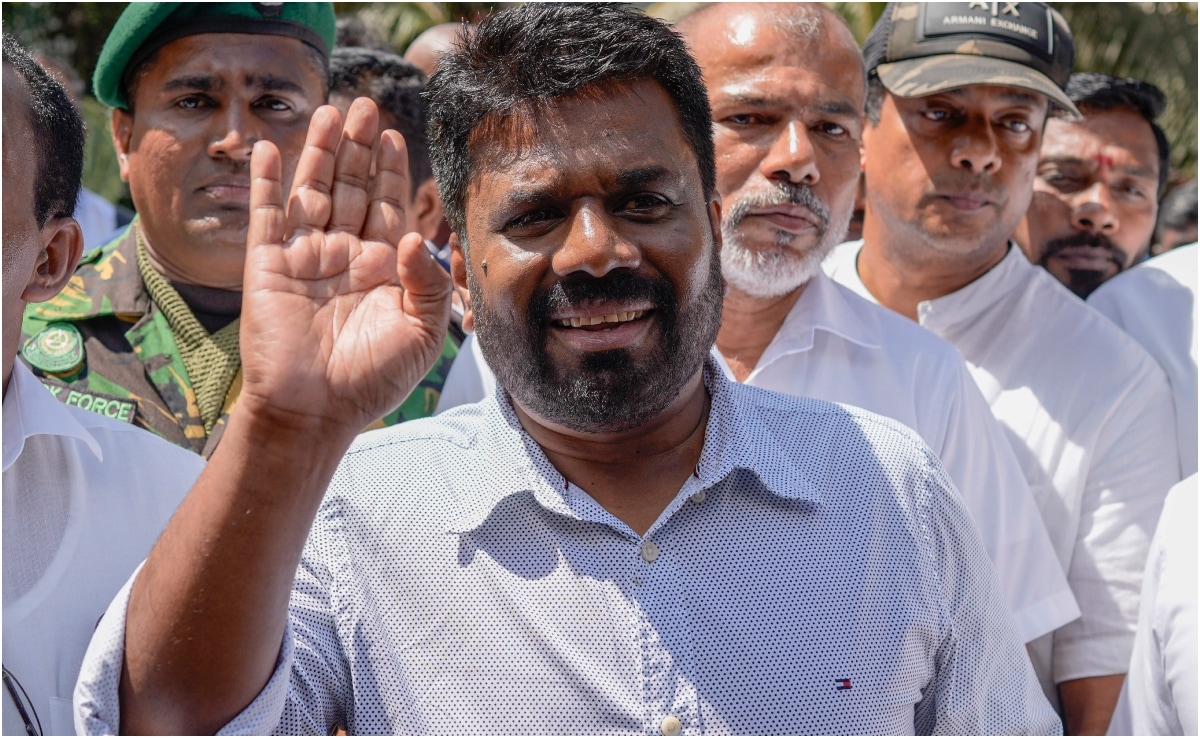
By P. Sudhir Anura Kumara Dissanayake, leader of the Janata Vimukti Perumana (JVP) and the National Peoples’ Power (an alliance of Left and progressive parties) won the presidential elections held on September 21 in Sri Lanka. He polled 57,40,179 votes (42.3 per cent) in these elections, which is a significant increase from the 4,18,553 votes […]

By Dr. Gyan Pathak Creating a bad neighbourhood is unwise, especially through totally avoidable unrestrained speeches. However, the leaders from the ruling establishment in India have been in the habit of making unrestrained speeches aimed at winning domestic elections that hurt our neighbouring countries unnecessarily worsening already strained relationships at a time when India is […]

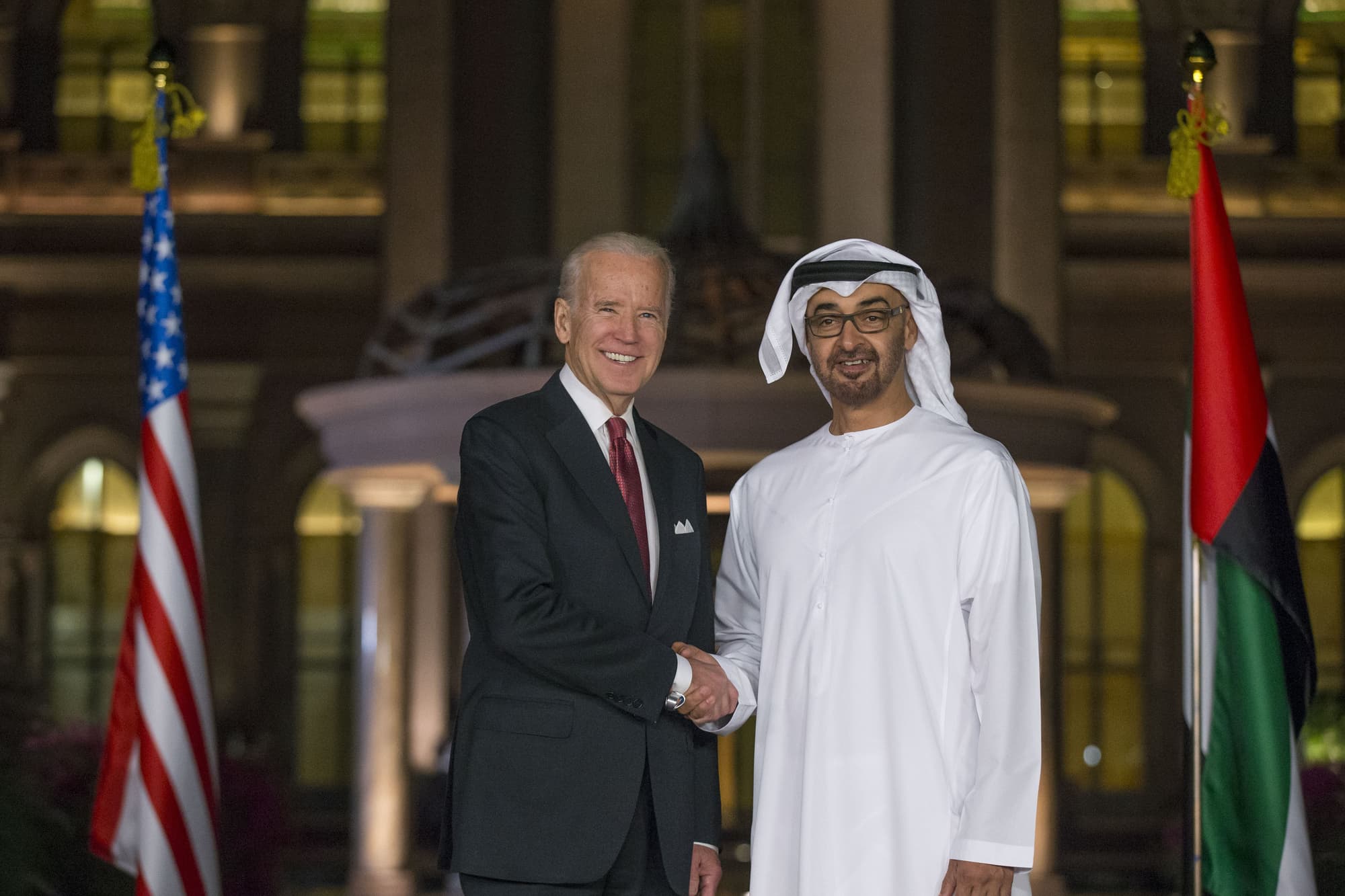
President Joe Biden has officially designated the United Arab Emirates as a major defense partner of the United States, solidifying the nation’s strategic role in the region. This move comes shortly after a similar designation was awarded to India, underscoring Washington’s efforts to build stronger alliances with Gulf and South Asian powers in the face of shifting global security dynamics. The announcement marks a significant step in US-UAE relations, enhancing defense cooperation and reaffirming the UAE’s importance in American military strategy.

The decision highlights the UAE’s evolving role as a critical player in regional security. With this designation, the UAE joins a select group of countries that enjoy preferential treatment when it comes to military cooperation with the United States. The relationship allows for greater access to advanced defense technology, streamlined military sales processes, and deeper intelligence collaboration. These developments come amid ongoing efforts by the US to recalibrate its security commitments in the Middle East, pivoting towards nations capable of contributing more significantly to their own defense.

Biden’s formal recognition of the UAE as a defense partner builds on decades of close military ties between the two nations. The UAE has long been a hub for US military operations in the region, hosting troops and serving as a staging ground for operations in neighboring conflict zones. The move is also seen as part of Washington’s broader strategy to reinforce its influence in the Gulf, where rising geopolitical tensions and the involvement of foreign powers like Russia and China continue to shape the security landscape.

For the UAE, this designation is not merely symbolic. It solidifies the nation’s status as a regional security leader and elevates its position on the global stage. It also provides the UAE with more direct access to sophisticated US defense systems, which will be critical in enhancing its defense capabilities amidst growing concerns over missile threats and other regional challenges. The UAE has long sought to upgrade its military arsenal, focusing on cutting-edge technology such as advanced fighter jets and missile defense systems. This new designation could accelerate these procurements, allowing for a faster, more seamless process.

The US government has been increasingly focused on forging deeper security ties with countries it sees as vital to countering both state and non-state actors. The UAE has been a crucial partner in US-led efforts to combat terrorism and ensure maritime security in the Gulf, particularly through its involvement in anti-piracy and anti-smuggling operations. The nation’s strategic location and military infrastructure have made it an indispensable ally in addressing threats posed by extremist groups and hostile states in the region.

Meanwhile, this development coincides with broader geopolitical shifts, as the US grapples with its role in a multipolar world. The Biden administration’s defense policy has focused on reducing its military footprint in some traditional hotspots while doubling down on partnerships that bolster regional security autonomously. The designation of both the UAE and India as major defense partners reflects a recalibrated approach to ensuring stability through cooperation, rather than direct military involvement.

The strategic importance of the UAE extends beyond the Middle East. Its influence in Africa, Central Asia, and the Indian Ocean region makes it a key player in a wider arc of geopolitical interests. With major global powers vying for influence in the Middle East, Washington’s decision to deepen its defense ties with Abu Dhabi also signals its intention to counter growing Russian and Chinese influence. China’s Belt and Road Initiative and increasing arms sales to Gulf countries, including the UAE, are clear indicators that the region is a key battleground for global influence.

The UAE’s defense relationship with the United States has grown in complexity in recent years. The two nations have regularly conducted joint military exercises, and the UAE has made substantial purchases of US-made defense equipment, including F-16 fighter jets, missile defense systems, and advanced drones. More recently, the UAE has expressed interest in acquiring next-generation US fighter jets, including the F-35, as part of its efforts to enhance its military edge. The partnership also extends to counterterrorism operations, where the two nations collaborate closely in intelligence sharing and tactical support to neutralize extremist threats.

The decision to elevate the UAE’s status comes against the backdrop of broader regional realignments. The Abraham Accords, which normalized diplomatic relations between the UAE and Israel, have reshaped the strategic landscape of the Middle East, offering new opportunities for cooperation between key US allies. This trilateral relationship between the US, UAE, and Israel is likely to deepen in the defense sphere, with potential collaborations in areas like missile defense and cybersecurity.

At the same time, the UAE faces growing security concerns closer to home. The conflict in Yemen, where the UAE has been heavily involved, continues to pose risks to regional stability. Iranian-backed Houthi rebels have launched missile and drone attacks against UAE infrastructure, raising the stakes for Abu Dhabi’s defense posture. The new designation from Washington could pave the way for more robust US support in addressing such threats, with the potential for more advanced defense systems aimed at countering missile and drone attacks.

US defense experts have praised the move, calling it a logical step in strengthening bilateral ties with a trusted partner in the Gulf. They argue that bolstering the UAE’s defense capabilities is not only in the interest of regional stability but also aligns with the US strategy of building self-reliant regional security partners. The UAE’s growing military spending and its focus on modernizing its armed forces further bolster the case for Washington’s decision.

By Nitya Chakraborty India’s neighbour Sri Lanka has elected the Marxist-Leninist leader Anura Kumara Dissanayake as the next president in the intensely contested presidential elections held on Saturday, September 21. About 75 per cent of the total of 170 million population who voted, broke away decisively from the binary of two political formations through years […]

By K Raveendran The Supreme Court of India is finds itself at the threshold of a unique opportunity to create history when a bench headed by chief justice D Y Chandrachud takes up next month a clutch of petitions seeking a review of the 2022 verdict concerning the Prevention of Money Laundering Act (PMLA). Seldom […]

President Joe Biden convened with key Indo-Pacific leaders on Saturday, reaffirming the United States’ commitment to bolstering regional maritime cooperation and countering the growing strategic influence of China. During the summit with the leaders of India, Australia, and Japan, Biden underscored the importance of the Quadrilateral Security Dialogue (Quad), a security coalition increasingly focused on ensuring the stability of the Indo-Pacific region, both economically and militarily. Biden’s […]

OYO, the global travel technology platform, has taken a significant step towards expanding its presence in the United States with its $525 million acquisition of G6 Hospitality. The deal, announced as an all-cash transaction, marks a major milestone for the Indian-founded company, which has grown substantially since its launch in the US in 2019. G6 Hospitality is the parent company of two well-known budget lodging chains, Motel 6 and Studio 6, both of which boast strong brand recognition across the US economy hotel sector.

This acquisition comes at a time when OYO is aggressively increasing its footprint in the American hospitality market. The company, which currently operates more than 320 hotels across 35 states, added nearly 100 properties to its US portfolio in 2023 alone. Its ambitious plans for 2024 include the addition of another 250 hotels, building on the momentum created by this strategic acquisition. With Motel 6 and Studio 6 brands already well-established in the US, OYO intends to leverage its technology and entrepreneurial expertise to enhance operations while retaining the iconic status of these brands.

G6 Hospitality, owned by Blackstone Real Estate since 2012, has long been a major player in the economy lodging segment. With approximately 1,400 properties in North America, it offers affordable stays to a wide range of travelers, making it a valuable asset for OYO’s portfolio. The transaction, which is expected to close in the fourth quarter of 2024, is subject to the usual regulatory approvals and closing conditions.

For OYO, this acquisition represents a key move to strengthen its foothold in the US, a market that remains pivotal for the company’s international growth strategy. According to its CEO, Ritesh Agarwal, the deal symbolizes a significant turning point for OYO as it seeks to blend the strengths of the Motel 6 and Studio 6 brands with OYO’s operational efficiency and technological prowess. Agarwal emphasized that Motel 6’s established brand identity, combined with OYO’s innovative approach to hospitality, would enable the company to chart a sustainable growth trajectory.

Since its entry into the US market, OYO has positioned itself as a tech-driven hotel company, utilizing artificial intelligence and data analytics to optimize pricing, streamline operations, and enhance customer experiences. With this acquisition, OYO plans to apply similar strategies to improve the performance of G6 Hospitality’s properties, targeting a diverse range of customers, from budget-conscious travelers to extended-stay guests.

For Blackstone Real Estate, the sale of G6 Hospitality marks the end of a 12-year ownership period during which the company implemented significant operational improvements at Motel 6 and Studio 6. Under Blackstone’s ownership, G6 Hospitality expanded its footprint and modernized many of its properties, which contributed to its resilience during challenging periods, such as the economic downturn following the COVID-19 pandemic.

The deal underscores a broader trend of consolidation within the global hospitality industry, where companies are increasingly seeking to strengthen their portfolios through strategic acquisitions. For OYO, the integration of G6 Hospitality into its growing network of hotels aligns with its mission to become a dominant player in the economy lodging sector worldwide.

As OYO embarks on this new chapter, industry observers are keenly watching how the company will navigate the complexities of integrating such a well-established brand into its operations. The Motel 6 and Studio 6 brands, known for their no-frills approach to lodging, are likely to benefit from OYO’s focus on technology and innovation, while OYO itself could gain from the vast operational experience that G6 Hospitality brings to the table.

With the US being one of OYO’s key markets, the acquisition of G6 Hospitality is expected to boost the company’s revenues and solidify its presence in North America. It also provides OYO with a platform to further diversify its offerings in the budget travel space, catering to both short-term and extended-stay customers.

A significant investment has emerged from the Vanguard Group, a leading US-based financial services company, which has acquired shares in seven Indian companies for a total value of Rs 998 crore. This move underscores Vanguard’s growing interest in the Indian market, particularly within sectors that demonstrate promising growth potential.

Among the companies receiving investment are Concord Biotech, a prominent player in the biopharmaceutical sector, and Five-Star Business Finance, known for its innovative approach to financial services. The decision to invest in these firms highlights Vanguard’s strategy of diversifying its portfolio in emerging markets, where it anticipates robust growth driven by expanding consumer bases and technological advancements.

The investment by Vanguard Group is indicative of a broader trend of increasing foreign capital inflow into India. Analysts suggest that this influx is largely driven by the country’s favorable economic conditions, which include a growing middle class, government reforms aimed at enhancing the ease of doing business, and a focus on sustainable development. The Indian government has introduced measures to attract foreign investments, including liberalizing foreign direct investment (FDI) norms across various sectors.

Concord Biotech, in particular, has gained attention for its focus on developing and manufacturing a range of biopharmaceutical products. The company’s strong track record in research and development has positioned it well to benefit from the increasing global demand for high-quality biopharmaceuticals. This sector is poised for significant expansion as healthcare needs evolve and more countries seek innovative treatments.

Similarly, Five-Star Business Finance has carved a niche in providing loans to small and medium enterprises (SMEs), which play a crucial role in India’s economy. The firm has been recognized for its robust risk management practices and a customer-centric approach that has allowed it to thrive despite the competitive landscape. The capital injection from Vanguard Group will enable Five-Star to scale its operations and enhance its offerings to a broader clientele.

The move also aligns with global trends where institutional investors are increasingly seeking opportunities in markets outside their home countries. With the Indian economy projected to continue its growth trajectory, foreign investors are keen to tap into sectors such as technology, finance, and pharmaceuticals.

The rise of digital technology in India has opened up numerous avenues for investment. Companies focusing on digital transformation, fintech solutions, and e-commerce are attracting considerable attention from foreign investors, as they promise to leverage India’s tech-savvy population. This digital boom is expected to accelerate economic growth, making India an attractive destination for foreign investment.

Furthermore, the Indian government’s commitment to enhancing infrastructure through initiatives such as the National Infrastructure Pipeline has also played a vital role in attracting foreign capital. This initiative is expected to bolster various sectors, including transportation, energy, and urban development, providing a conducive environment for business operations.

Vanguard Group’s investment strategy often involves taking significant stakes in companies that demonstrate strong fundamentals and potential for long-term growth. This approach reflects a broader trend among institutional investors, who are increasingly focused on identifying companies that can provide sustained returns in rapidly evolving markets.

As the Indian economy continues to gain momentum, the interest from major global players like Vanguard Group signifies confidence in the country’s economic prospects. The involvement of foreign investors not only brings in capital but also enhances knowledge transfer and best practices, further boosting local industries.

Investments of this magnitude are likely to encourage other foreign institutional investors to explore opportunities in India, potentially leading to a cascading effect that could benefit various sectors. This growing trend of foreign investment is crucial for sustaining India’s economic growth and achieving its development goals.

The Vanguard Group’s focus on sectors such as biotechnology and financial services aligns with global investment patterns, where investors are gravitating towards industries that are resilient and exhibit potential for growth. As the landscape of global finance evolves, such strategic investments will play a pivotal role in shaping the future of the Indian economy.

Looking ahead, the focus will be on how these investments translate into performance for the companies involved and the broader economic impact on the Indian market. The ongoing monitoring of these developments will be essential for understanding the implications for investors, policymakers, and businesses alike.

By Nitya Chakraborty The interim Government of Bangladesh headed by Dr. Muhammad Yunus is doing all the preparatory work for officially demanding the extradition from India of the ousted Prime Minister Sheikh Hasina as early as possible. Indications suggest that Dr. Yunus may mention of this demand at his address to the United Nations General […]
VISHNU RAJA
RYO YAMADA
HITORI GOTOH
IKUYO KITA
Just in:
US resumes flights after nationwide air traffic shutdown // Salik posts Dhs1.045bn profit despite lower toll traffic // EU levies definitive duties on five steel suppliers // Danone expands consumer insight capabilities to accelerate nutrition innovation through Southeast Asia R&I Application Lab upgrade // Microsoft restores services gradually but gives no recovery deadline // Hong Kong schedules Gulf-Asia investment forum for 2027 // China’s Taiwan warning tests Washington’s defence commitments // China Reconciled To U.S. Curbs On Chips Exports, Woos South Korea For Supply // Sun World Ba Den Mountain marks Vietnam Culture Day, welcoming Cambodian visitors over Bon Om Touk // The Honey Trap Is The Headline, The Chip Pipeline Is The Story // US authorities dismantle North Korean cryptocurrency deception infrastructure // BJP-sponsored school exam approval revoked // TORRAS Launches Two New iPhone Duo Cases from Its Popular Ostand Series, Addressing Foldable Phone Users’ Concerns About Difficult Stand Positioning and Scratches // Hong Kong International Airport Online Shop Winter Festive Offer // October Food Price Shock Has Far Reaching Consequences // JCI Names the 2026 Ten Outstanding Young Persons of the World // IEA forecasts fourth-quarter oil surplus as Gulf shipments rebound // Iran claims six-drone operation against US radar in Bahrain // Microsoft apologises as Outlook services recover after outage // Bahrain broadcasts nationwide safety warnings amid aerial threats //