

Sam Altman warns youth to rethink career paths in AI era

OpenAI’s chief executive Sam Altman delivered a candid message to students at the Indian Institute of Technology Delhi, telling them that conventional career guidance may be of limited value as artificial intelligence reshapes the world of work. Speaking at an interactive session in Dogra Hall, Altman said that younger generations will have to trust their own instincts and adapt to fast-changing technological landscapes rather than relying on established rules or advice from older generations. His remarks underscored a broader debate about how work, education and ambition will evolve alongside accelerating AI developments.
Addressing a packed audience, Altman said that the “biggest mistake young people make” is listening too closely to traditional wisdom on careers passed down by their elders. He acknowledged that even he did not claim to have a firm grasp on the pace of change, urging students to cultivate independent judgment and flexibility instead. “For a predictor of what the world is going to be like going forward, I don’t think you should trust me for having good intuition of the rate of change,” he said, emphasising that those entering the workforce must be prepared to navigate uncertainty and disruption.
Altman’s comments reflected a growing consensus among technology leaders that the job market and the nature of work are undergoing fundamental transformation as generative AI and automation systems become more capable. Traditional professions that once seemed secure are being rethought, while new categories of employment linked to AI development, oversight and ethical deployment are emerging. Altman’s view was echoed elsewhere at global forums where he and other AI leaders have stressed the need for adaptability, lifelong learning and creative problem-solving.
During the session at the institute, Altman clarified that while parents and mentors remain important for personal values, their career advice – rooted in past paradigms – may not offer reliable direction amid rapid technological shifts. He said young people must develop what he called “agency,” a capacity to shape their own paths, learn from failure and recalibrate as conditions evolve. “Young people always figure this out best,” he told the students, highlighting the creative energy he sees in younger cohorts.
Altman also acknowledged that the rise of artificial intelligence will entail changes in employment structures, with some roles becoming obsolete even as new opportunities are created. He stressed that preparing for the future will require calculated risk-taking and an openness to reinventing career plans rather than adhering to criteria like stability and predictability alone. His advice resonated with students grappling with how to position themselves in a world where AI tools are becoming deeply integrated into industries from healthcare to finance.
Reactions to Altman’s remarks have been varied. Some students and observers praised his emphasis on independent thought and adaptability, seeing it as realistic guidance for navigating disruption. Others questioned whether the message might undermine confidence in tried-and-tested pathways into professions such as engineering, medicine and law that have long been valued for stability and societal contribution. This tension illustrates the broader uncertainty about how best to prepare for a future shaped by rapid technological evolution.
Altman’s visit to the institute took place against the backdrop of major international discussions about the role of artificial intelligence in economic and social life. In New Delhi last month, global tech leaders and policymakers gathered for a major AI summit focused on collaboration, governance and responsible innovation. Altman’s remarks at IIT Delhi dovetail with themes emerging from those dialogues, where experts have called for societies to rethink education systems, regulatory frameworks and workforce strategies to accommodate profound shifts driven by AI capabilities.
His message to students also reflects a generational contrast in attitudes towards technology and opportunity. Younger people, he suggested, have an inherent advantage when it comes to understanding and experimenting with emerging tools and platforms. As AI becomes more pervasive, Altman said, those who can integrate machine intelligence with human creativity and judgement will be best positioned to thrive, even as older models of career guidance lose relevance.

 By Ashok Nilakantan Ayers NEW YORK: When the Supreme Court of the United States struck down Donald Trump’s sweeping global tariffs on February 20, delivering a 6–3 verdict that the International Emergency Economic Powers Act of 1977 confers no authority to impose broad-spectrum duties without Congressional approval, the most consequential reverberations were felt not in […]


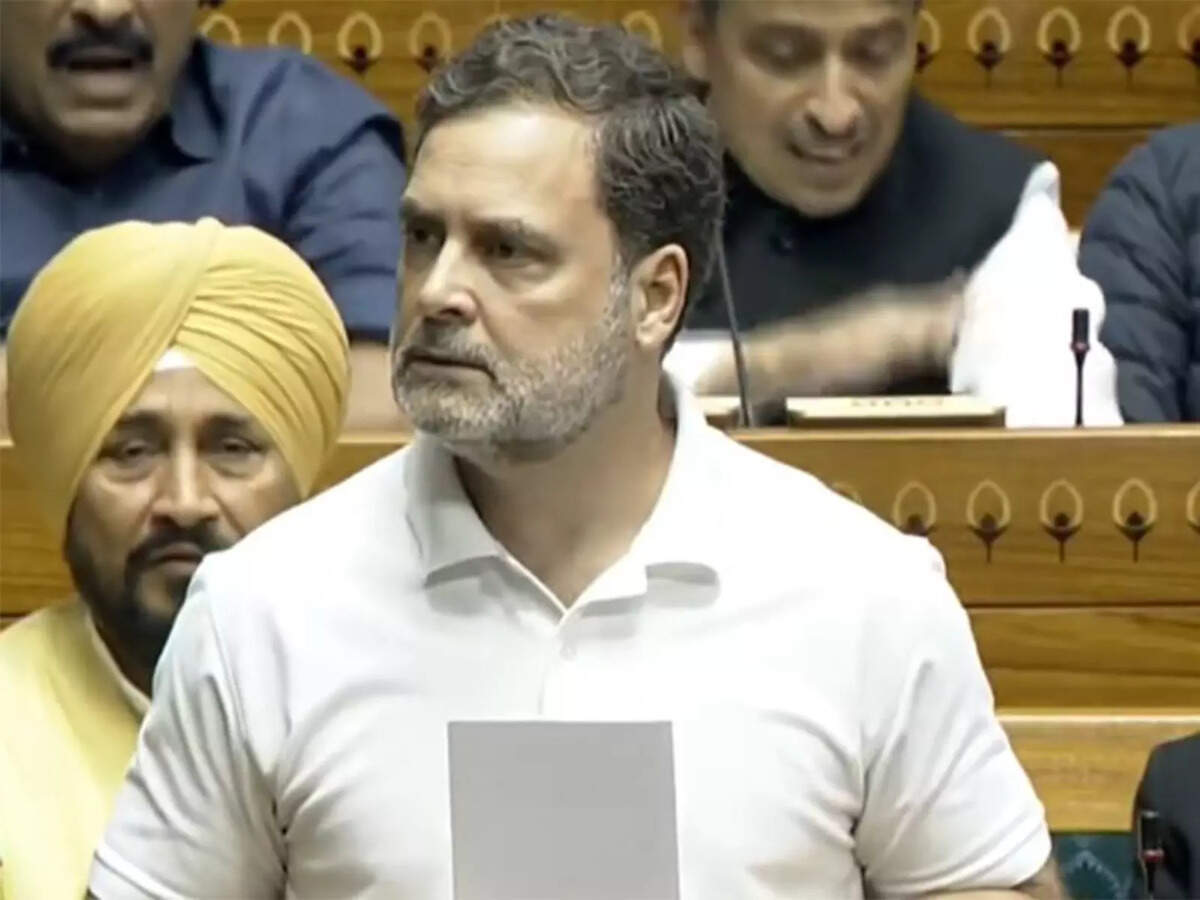
 By K Raveendran The unfolding political narrative around the Indo-US trade treaty has done more than spark debate on tariffs, market access and diplomatic alignment: it has reshaped the contours of India’s domestic political landscape, particularly by elevating Rahul Gandhi’s stature as the principal opposition leader. The Modi government has positioned the trade agreement as […]

 By Nitya Chakraborty The landslide win of the Bangladesh Nationalist Party (BNP) in the national elections in Bangladesh held on February 12 is a positive development in the geopolitics of not only South Asia, but also augurs well for the bilateral relationship between India and its eastern neighbour. BNP getting more than two-thirds of the […]
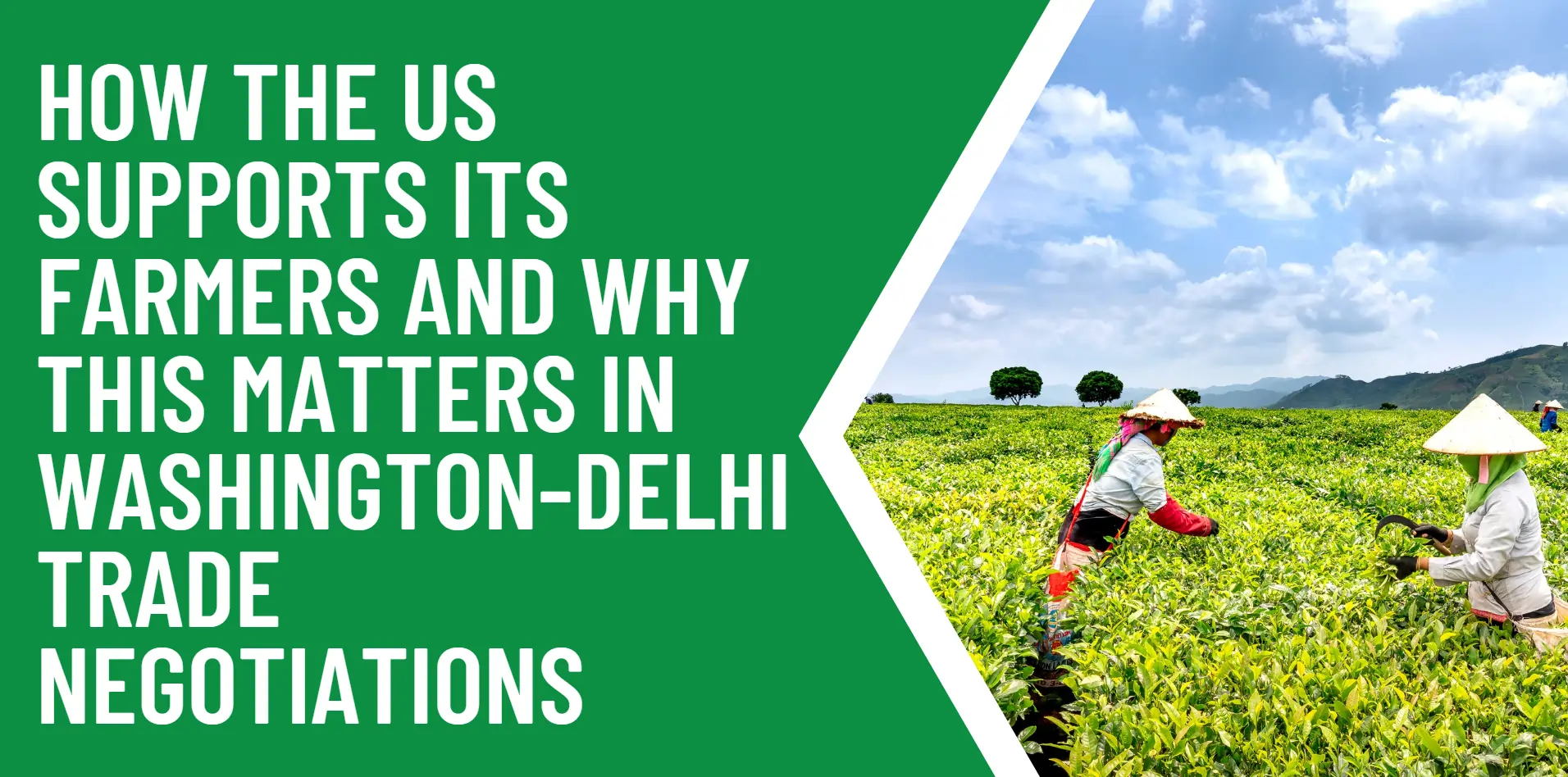
 By Nitya Chakraborty Prime Minister Narendra Modi and his ministers in the Government as also loyal experts are having a pathetic time in explaining the great benefits that the Indo-US Trade Deal are conferring to India, especially the agricultural sector which is one of the major focus area of the US President Donald Trump. Commerce […]



 By T N Ashok NEW YORK: For seven decades, American diplomats danced around Kashmir with the precision of tightrope walkers, carefully avoiding any gesture that might suggest the United States had chosen sides in South Asia’s most intractable territorial dispute. Maps were scrubbed of political meaning. Statements were lawyered into studied neutrality. From Truman to […]



