News related to
Indian

HONG KONG SAR – Media OutReach Newswire – 14 February 2025 – Generali Hong Kong has partnered with YAS to deliver innovative, customer-centric insurance solutions that adapt to modern lifestyles. This collaboration focuses on leveraging cutting-edge technology to enhance the customer experience and provide tailored protection. From left: William Lee, Co-Founder of YAS, Windian Lai, Chief Business Officer and Intermediary Management of Generali Hong Kong, Andy Ann, […]

Coinbase, a leading cryptocurrency exchange, is actively pursuing a return to the Indian market after ceasing operations over a year ago. The company is in discussions with Indian authorities, including the Financial Intelligence Unit , to secure the necessary approvals for its re-entry.

This initiative aligns with India’s ongoing reassessment of its cryptocurrency regulations, influenced by global policy shifts. Economic Affairs Secretary Ajay Seth has emphasized that India’s approach to cryptocurrencies cannot be unilateral, given their borderless nature.

In April 2022, Coinbase launched its services in India, introducing support for the Unified Payments Interface , a widely used payment system in the country. However, the National Payments Corporation of India , which oversees UPI, stated it was “not aware of any crypto exchange using UPI,” leading to the suspension of Coinbase’s services within three days. CEO Brian Armstrong later revealed that the company faced “informal pressure” from the Reserve Bank of India, resulting in the halt of operations.

Despite stringent regulations and significant trading taxes, many Indians have continued to invest in cryptocurrencies. The government imposes a 30% income tax on crypto asset trading and a 1% tax deducted at source on transactions. These measures have posed challenges for the growth of the crypto market in India.

A Coinbase spokesperson expressed optimism about the Indian market, stating that the company plans to comply with all regulatory requirements. The timeline for Coinbase’s return depends on securing approvals, including an FIU operating license.

In August 2024, Binance, one of Coinbase’s major global competitors, resumed its operations in India after registering with the FIU, setting a precedent for overseas crypto exchanges to enter the Indian market compliantly. With Binance back and other global exchanges potentially following suit, the Indian crypto sector is poised for rejuvenation.

By Nitya Chakraborty Prime Minister Narendra Modi will be meeting the United States President Donald Trump in Washington on February 13. He is going straight to U.S. on a two-day visit after completing his engagement in France on Tuesday, including co-chairing the global AI summit along with the French President Emanuel Macron. For all practical […]

India is poised to enhance its naval capabilities through a significant acquisition of 26 Rafale Marine jets from France. The French government has submitted its final price proposal to New Delhi, marking a pivotal step in the procurement process. This development coincides with National Security Advisor Ajit Doval’s scheduled visit to Paris, where the deal is expected to feature prominently in strategic discussions.

The Rafale Marine jets are intended for deployment on the INS Vikrant, India’s indigenous aircraft carrier, as well as at various naval bases. The inclusion of these advanced fighters is anticipated to significantly bolster the Indian Navy’s maritime strike capabilities. Defence sources indicate that the French side has offered a substantial price reduction following rigorous negotiations, underscoring the deepening defence collaboration between the two nations.

A French delegation recently visited New Delhi to finalise the terms of the agreement. The deal’s progression is expected to be a focal point during the India-France Strategic Dialogue, where NSA Doval will engage with his French counterparts. This dialogue aims to further solidify bilateral ties and address mutual security concerns.

India has approved specific modifications in the letter of request for the Rafale Marine jets, including the integration of the indigenous Uttam radar system. While this integration is projected to take approximately eight years and entails additional costs, it represents a significant step towards self-reliance in defence technology. Furthermore, India has requested the incorporation of homegrown weaponry, such as the Astra beyond-visual-range missiles and Rudram anti-radiation missiles, into the aircraft’s arsenal.

The pricing structure of the deal is informed by previous agreements, notably the procurement of 36 Rafale fighter jets for the Indian Air Force. Considerations include factors like inflation rates and the inclusion of specific requirements from the Indian Air Force, such as the provision of approximately 40 drop tanks and a limited number of workstations for the aircraft.

In addition to the Rafale Marine jets, India and France are finalising a deal for three additional Scorpene-class submarines. These submarines are slated to be constructed with French collaboration, further enhancing India’s underwater warfare capabilities. Both deals, collectively valued at nearly Rs 1 lakh crore, are anticipated to be concluded by the end of the current fiscal year, reflecting the robust and growing defence partnership between the two nations.

The acquisition of the Rafale Marine jets and Scorpene submarines aligns with India’s broader strategy to modernise its military assets and strengthen its defence posture in the Indo-Pacific region. As geopolitical dynamics evolve, such strategic partnerships and procurements are crucial for maintaining regional stability and safeguarding national interests.

The Rafale Marine, a naval variant of the Dassault Rafale, is renowned for its versatility and advanced combat capabilities. Equipped with state-of-the-art avionics and weapon systems, it is capable of carrying out a wide range of missions, including air superiority, ground attack, and reconnaissance. Its integration into the Indian Navy is expected to significantly enhance operational readiness and combat effectiveness.

The Scorpene-class submarines, developed by France’s Naval Group, are diesel-electric attack submarines known for their stealth and advanced sonar capabilities. The addition of three more Scorpene submarines will augment the Indian Navy’s underwater warfare strength, providing a strategic advantage in maritime operations.

By Nantoo Banerjee With Indian Rupee (INR) dwindling almost daily against US Dollar (USD), it is good the Union Budget for 2025-26 has stopped repeating on making the Indian economy a $5-trillion GDP to become the world’s third largest by the end of this year or anytime too soon. The budget also provides no indication […]

Matein Khalid The selloff in emerging markets FX before Trump granted a 30 days reprieve to Canada/Mexico on his 25% tariff threats created multiple trading opportunities. I would stay away from Mexican peso as it is easily the most liquid, most shortable currency in the EM FX constellation. The Sherlock Holmes dog that did not bark in this case was the measured ping pong on tariffs with […]

Chinese startup DeepSeek has rapidly emerged as a formidable player in the artificial intelligence sector, challenging established norms with its cost-effective AI model. Founded in 2021 by hedge fund manager Liang Wenfeng, DeepSeek developed its R1 model in just two months, utilizing Nvidia’s H800 chips and investing under $6 million—a stark contrast to the substantial budgets typically associated with AI development. citeturn0search3

The R1 model’s launch has had significant global repercussions. Downloads of DeepSeek’s app have surpassed those of OpenAI’s ChatGPT on Apple’s App Store, indicating a swift rise in user adoption. The model’s performance and affordability have prompted a reevaluation of AI development strategies worldwide, challenging the notion that advanced AI requires substantial financial and computational resources. citeturn0search0

In India, DeepSeek’s success has ignited discussions about the nation’s position in the AI landscape. Information Technology Minister Ashwini Vaishnaw praised DeepSeek’s frugal innovation, drawing parallels to India’s own AI ambitions. In March 2024, the government announced the IndiaAI mission, committing $1.25 billion to fund AI startups and develop indigenous AI infrastructure. Vaishnaw emphasized the importance of strategic investment and innovation, stating, “Some people question the amount of investments the government has committed in [the IndiaAI mission]. You have seen what DeepSeek has done? $5.5 million and a very very powerful model. Because, the use of brain.” citeturn0search0

Despite these initiatives, industry experts highlight challenges that may impede India’s ability to replicate DeepSeek’s achievements. Structural issues in education, limited funding for research and development, and a cautious investment culture are cited as significant barriers. Entrepreneur GDP noted, “You need to be able to walk before you can run. There is no protected market to practice your craft in early days. You will get replaced by American service providers as they are cheaper and better every single time.” citeturn0search5

To bridge this gap, there are calls for the establishment of a government-backed fund dedicated to AI research. GDP proposed creating an Indian equivalent of the Defense Advanced Research Projects Agency , suggesting a national program with a $3 billion budget over three years to support AI teams without immediate revenue expectations. This approach aims to foster innovation and allow for the development of competitive AI models. citeturn0search5

The global AI community is closely monitoring DeepSeek’s impact on the market. The company’s approach has not only challenged established players but also demonstrated that significant advancements in AI can be achieved with strategic investment and efficient resource utilization. As nations like India seek to bolster their AI capabilities, DeepSeek’s model offers both inspiration and a benchmark for what can be accomplished with focused effort and innovation.

Advertisements
By Nitya Chakraborty Exactly six months have passed since the installation of the interim government in Bangladesh on August 8, headed by Dr. Mohammad Yunus, three days after the ouster of the Awami League government led by former Prime Minister Sheikh Hasina. Hasina, daughter of the founder of the present Bangladesh, the late Sheikh Mujibur […]
By Satyaki Chakraborty The Communist Party of India (Marxist) has released its draft political resolution for the 24th congress of the Party to be held in Madurai in April this year. The last party congress was held in 2022 and so the coming congress held after three years, is expected to make an appraisal of […]

SHENZHEN, CHINA – Media OutReach Newswire – 6 February 2025 – Linklogis, a leading provider of technology-driven supply chain finance solutions, is pleased to announce the appointment of Matt St. Louis as Vice President of Sales & Operations for the US and UK and Milan Petrovic as Director of Sales UK. In addition to these key hires, Linklogis International, the international arm of Linklogis, has made significant […]

By Nitya Chakraborty The present euphoria among the BJP-led government ministers after the presentation of the 2025-26 budget in Parliament over the mega relief to the income tax payers of the country might be shared by the estimated one crore people in the country benefited due to the budget proposals. But in terms of its […]

Matein Khalid The ideologues of MAGA assured us that Tariff Man’s threats were pure bombast and Wall Street believed them, the reason equities and crypto went ballistic after the election of POTUS-47. Yet Trump’s tariff threats were all too real and the global markets must now pay a bitter price for history’s second worst economic own goal after Brexit. The 25% tariff on Mexico will immediately send […]

By Nantoo Banerjee It would be wrong to underplay the impact of rising foreign disinvestments from the country’s secondary market on the economy and the very stability of Indian Rupee (INR). Both the domestic economy and INR have been constantly under pressure from large deficit trade balances year after year, external borrowings, loan servicing, very […]
By Dr. Gyan Pathak Union Minister of Finance Nirmala Sitharaman has emphasized on 100 per cent skilled labour with meaningful employment; 100 per cent quality, good school education; and access to quality, affordable and comprehensive healthcare as part of Vikasit Bharat initiative in her speech while presenting Union Budget 2025-26 on February 1. However, the […]
By Nitya Chakraborty What is happening to the proposed official visit of the Russian President Vladimir Putin to India early this year? Is the Prime Minister Narendra Modi’s invitation to the Russian President to visit India given at the BRICS summit at Kazan on October 22 still valid? Doubts are being raised about the visit […]
By Dr. Nilanjan Banik The Budget deals with allocating money towards areas where the government thinks it is essential to spend, and finding out ways such as taxes, to finance it. The government primarily requires money to spend on social infrastructure (such as schools, hospitals, water, sanitation, etc.), physical infrastructure (such as railways, roads, airports, […]
NEW DELHI: Skilling and job creation will be a major theme in the Budget as government seeks to fill a critical gap and in the process boost income and demand in the economy.   Indian companies are looking for skilled workers, including at construction sites within the country, and the skilling initiative will help meet […]

Reliance Industries has unveiled plans to establish one of the world’s largest AI data centers in Jamnagar, India. The project, which is estimated to cost between $20 billion to $30 billion, is poised to become a significant player in the global data infrastructure sector. Once completed, it will boast a capacity of three gigawatts, supporting the growing demand for artificial intelligence and cloud computing services.

This initiative marks a monumental step in Reliance’s ongoing push into the technology and digital services sectors. The company, led by billionaire Mukesh Ambani, has consistently sought to diversify its business interests, expanding from its roots in petrochemicals and telecommunications into cutting-edge digital and tech infrastructure. With the world increasingly leaning towards AI-driven innovations, the proposed data center aims to cater to this global shift.

The AI data center in Jamnagar will serve as a cornerstone for Reliance’s plans to tap into the rising demand for AI processing and cloud services. As artificial intelligence and machine learning applications continue to surge across industries such as healthcare, finance, and manufacturing, the demand for high-performance computing facilities like data centers has never been higher. The facility in Jamnagar will provide cloud infrastructure to businesses and governments, both within India and globally, to power their AI-driven operations.

Reliance’s ambitious investment in the data center underscores the growing role of India in the global AI ecosystem. The country has long been recognized as a hub for IT outsourcing and software development, but the establishment of a state-of-the-art AI data center will further cement its place as a global player in the technology sector. This move also aligns with the Indian government’s Digital India initiative, which aims to boost digital infrastructure and make India a leader in emerging technologies.

The choice of Jamnagar as the site for the massive data center is strategic, as the city is located in close proximity to key infrastructure such as ports and highways. Additionally, the region offers a reliable power supply and favorable geographical conditions, both essential for the energy-intensive operations of a large-scale data center. The location also places the facility within reach of other key business hubs in Gujarat, one of India’s most industrialized states.

Reliance’s data center project is not only about advancing technology; it also represents a significant economic opportunity for the region. The construction and eventual operation of the facility will create thousands of jobs, ranging from construction workers to highly specialized engineers and IT professionals. The facility will also serve as a major hub for tech startups, enabling them to access advanced computing infrastructure without having to make the hefty investments in building their own data centers.

The massive scale of the data center is a reflection of Reliance’s confidence in the future of AI technologies and the increasing reliance on data processing and storage. With AI applications expected to grow exponentially in the coming years, the company’s investment positions it at the forefront of a digital revolution. The facility will also support a range of advanced technologies, including 5G networks, IoT , and edge computing, further enhancing its relevance in the evolving tech landscape.

One of the central features of the Jamnagar data center will be its emphasis on sustainability. Given the environmental concerns surrounding the energy consumption of data centers, Reliance has pledged to incorporate renewable energy sources into the facility’s operations. The company has made significant strides in transitioning towards green energy in its other business divisions, and the new data center will follow suit by integrating solar power and other renewable energy technologies to ensure its operations align with global sustainability standards.

While Reliance’s venture into AI and data infrastructure may initially appear as an expansion into a new market, it is deeply connected to the company’s broader strategy. As one of the largest conglomerates in India, Reliance has access to a vast array of resources, including capital, land, and talent, which gives it a distinct competitive advantage. Furthermore, the data center is expected to strengthen the company’s position within its digital ecosystem, complementing its existing ventures in e-commerce, telecommunications, and digital services.

The project will also further bolster the strength of Jio Platforms, Reliance’s telecom arm, which has emerged as a major player in India’s digital services sector. Jio has made significant strides in providing affordable internet access across the country, and the new data center will help to support its growing cloud services. The combination of Jio’s telecom infrastructure and the cutting-edge AI capabilities of the new data center will offer businesses the tools they need to take advantage of the latest technological developments.

Given the increasing demand for AI and cloud computing services, Reliance is also set to face stiff competition from both global tech giants and other regional players. Companies like Amazon Web Services, Microsoft Azure, and Google Cloud have already established a strong presence in India, and their advanced data center infrastructures are widely used by businesses in the region. However, Reliance’s significant investments in the sector, its strong regional presence, and its ability to offer tailored services to the Indian market may give it a competitive edge.


By Nitya Chakraborty Narendra Modi government is due to present its second budget in the third term of the Modi regime on February 1 in an environment of domestic downturn in GDP growth along with global uncertainty in trade due to U.S. President Donald Trump’s disruptive trade and tariff programme. Latest official data show that […]

Kick off the Year of the Snake early with iShopChangi as it rolls out a dazzling array of deals on Lunar New Year essentials. Avoid the festive frenzy and enjoy unbeatable discounts of up to 60% on everything you need to usher in prosperity and joy. From gourmet treats and traditional “Nian Huo” to spring cleaning supplies, exquisite liquors, and fashionable finds, celebrate with flair from now […]

By Nantoo Banerjee India’s net economic growth minus inflation during the current financial year may be well below the projections made by the government, the Reserve Bank and external agencies such as the International Monetary Fund (IMF), the Asian Development Bank and the World Bank. The net economic growth is calculated after subtracting the current […]
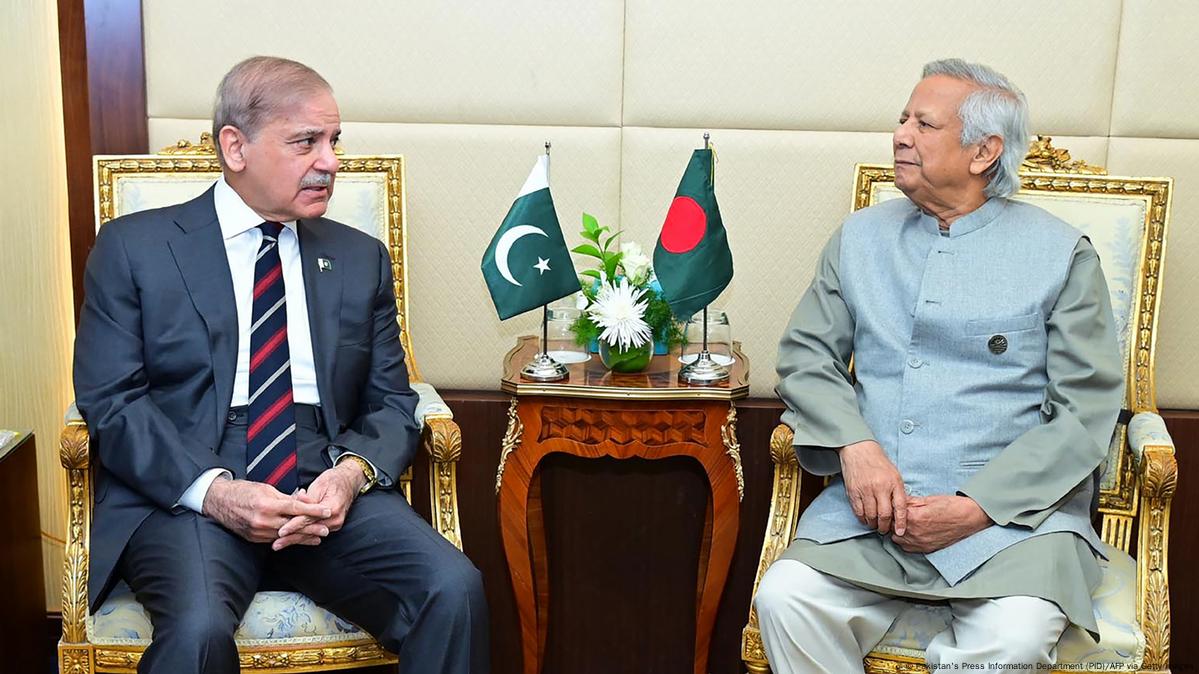
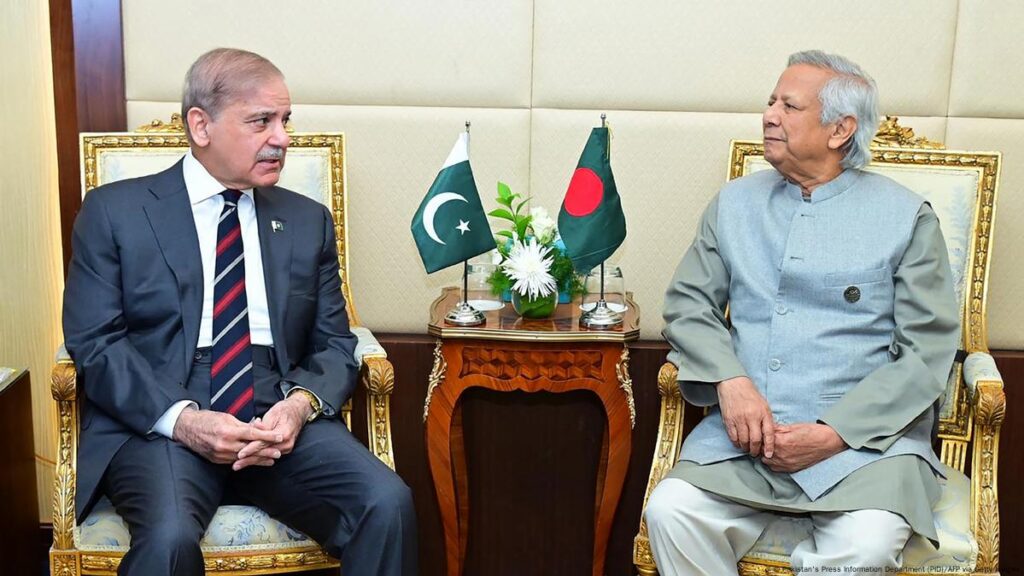
By Ashis Biswas In Bangladesh, a bunch of unelected interim ‘rulers’ led by economist Mohammad Yunus is desperately anxious to cosy up to Pakistan, from which their country had seceded violently only five decades ago. In a strange reversal of their own (instant?) history, Bangladeshis have shown an apparent inability to exist and function as […]

DP World has launched a multi-currency stablecoin aimed at transforming cross-border trade payments. This initiative seeks to reduce settlement costs, enhance transparency, and expedite transaction times for international businesses.

The company is collaborating with leading financial institutions and technology providers to address inefficiencies in traditional cross-border payment systems. By leveraging blockchain technology, DP World aims to offer a more efficient and secure alternative to conventional banking methods.

The stablecoin solution is designed to simplify and accelerate cross-border payments, ultimately helping businesses in emerging economies navigate the complexities of global trade and unlock new growth opportunities. This initiative is part of DP World’s broader strategy to offer end-to-end solutions for its customers and facilitate seamless global trade.

Sultan Ahmed bin Sulayem, DP World’s group chairman and CEO, emphasized the significance of this development, stating, “By introducing stablecoin-based payment options, we are not just addressing a critical gap in the trade ecosystem but also reaffirming our commitment to innovation and leadership in global commerce. This initiative aligns with DP World’s broader mission to enhance trade flows and economic development in regions that need it most.”

The new payment system is designed to drastically reduce settlement costs and times for cross-border transactions. For example, a textile manufacturer in Ethiopia that exports raw cotton to an Indian fabric producer currently faces significant delays in receiving payments due to the traditional correspondent banking systems, which require multiple intermediaries. This process often leads to settlement times extending over several days, or even weeks. By adopting stablecoin-based payments, DP World aims to streamline this process, reducing both the time and cost associated with cross-border transactions.

The initiative also seeks to improve financial accessibility for businesses of all sizes. In the Ethiopian example, the textile supplier faces cash flow constraints that limit its ability to scale operations or meet new orders. Similarly, the Indian fabric producer is often unsure whether shipments will be dispatched on time due to payment delays. The stablecoin solution will provide more predictable, real-time transactions that can help both businesses plan and manage their operations more efficiently.

By Satyaki Chakraborty More than six weeks have passed since the visit of Indian foreign secretary Vikram Misri to Dhaka on December 9 and his wide ranging talks with his Bangladeshi counterpart to improve the worsening bilateral relations between the two neighbouring countries. Latest indications, however, suggest that the interim government headed by Dr. Mohammad […]

VISHNU RAJA
RYO YAMADA
HITORI GOTOH
IKUYO KITA