News related to
Indian

Bengaluru-based digital payments firm Cashfree Payments has raised $53 million in a Series C funding round led by South Korean gaming giant Krafton, with participation from existing investor Apis Partners. This investment aims to accelerate Cashfree’s product development, market expansion, and global growth initiatives. Established in 2015, Cashfree Payments has become a significant player in India’s digital payments landscape, processing $80 billion annually for over 800,000 businesses. […]

Jebel Ali Free Zone has entered into a partnership with Indian multinational food brand Haldiram’s to establish one of the largest saffron processing facilities in the Gulf Cooperation Council region. The agreement was formalised during the Gulfood event in Dubai.

Scheduled to commence operations in March 2025, the facility will be managed by Kesar Expert & Packers, a company with 22 years of experience in high-quality saffron processing in India. The plant aims to obtain the globally recognised European BRCGS certification, ensuring the quality and purity of its saffron products.

Initially, the hub will process 30 metric tonnes of saffron annually, with plans to expand capacity to 100 metric tonnes over the next five years. This growth strategy will leverage the Comprehensive Economic Partnership Agreement between the UAE and India, as well as the advanced connectivity and infrastructure provided by Jebel Ali Port and Jafza.

The collaboration also explores further avenues, including expanding Haldiram’s presence in Dubai and investing in additional food processing and distribution facilities. This initiative underscores Dubai’s position as a global trade hub, bolstered by Jafza’s thriving food and beverage sector, which currently hosts over 770 companies.

This development aligns with a series of significant engagements by Indian food and beverage companies at Gulfood. Reliance Consumer Products Limited introduced its renowned brand Campa to the UAE market, marking its inaugural entry, facilitated by Abu Dhabi’s Agthia Group. Additionally, Lulu Retail has signed nine strategic memorandums of understanding with global manufacturers to enhance product offerings across the GCC and beyond. Among these agreements is the introduction of Milaf Cola, a carbonated date beverage from Saudi Arabia, to LuLu stores throughout the GCC, with future plans to enter the Indian market.

By Arun Srivastava Saffron ecosystem, especially the BJP leadership always strives to turn a Hindu festival into a political controversy. Every dispute adds to its membership and helps widen its support base. This time too they have succeeded in their move to politicize Maha Kumbh Mela. Notwithstanding stampede and death of large number of pilgrims […]

HONG KONG SAR – Media OutReach Newswire – 20 February 2025 – The Chinese University of Hong Kong (CUHK) has achieved its highest-ever rankings: 44th in the Times Higher Education (THE) World University Rankings 2025 and 36th in the QS World University Rankings 2025. Through its Faculty of Medicine, CUHK demonstrates how academic excellence translates into meaningful improvements in people’s lives. The Faculty of Medicine (CU Medicine), […]

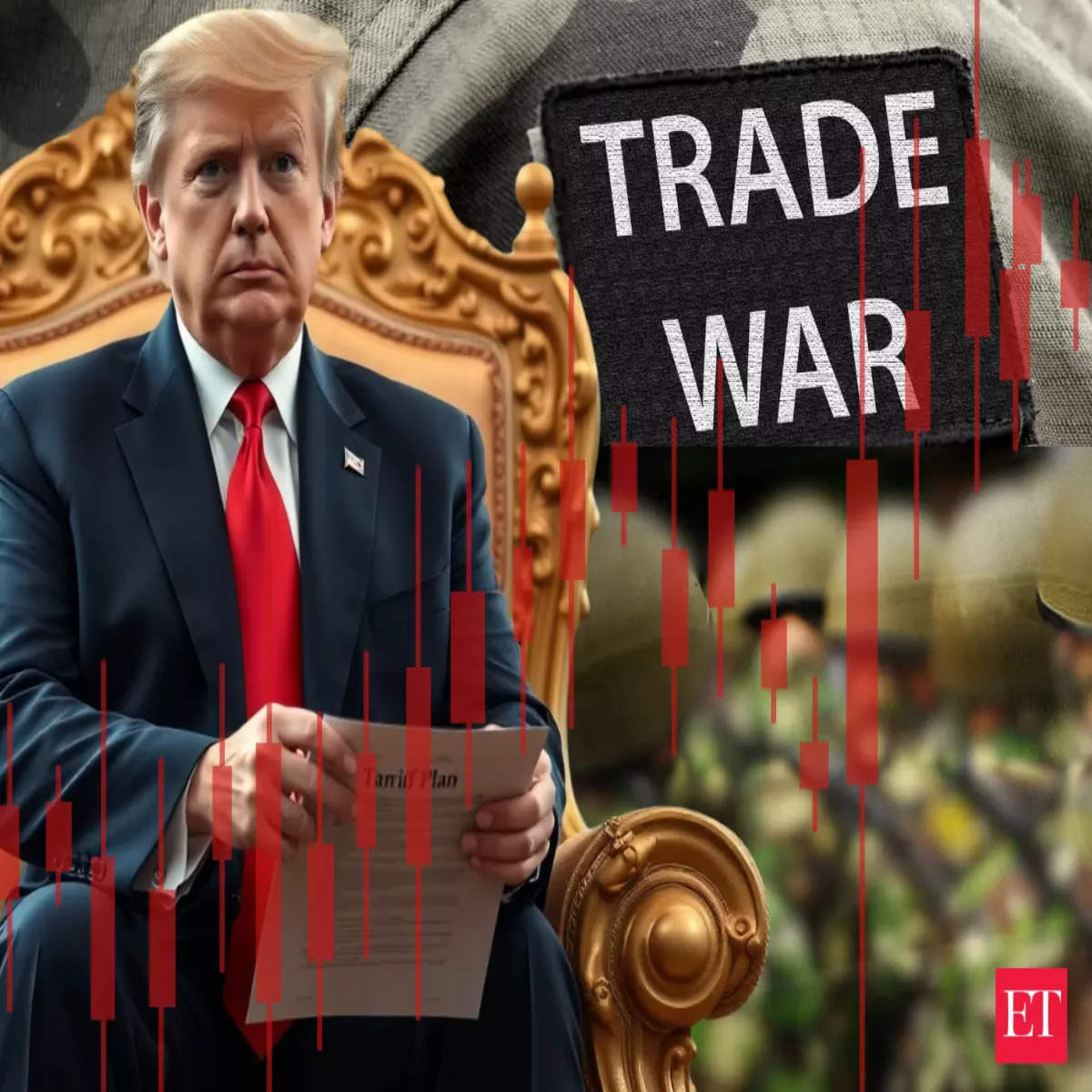
President Donald Trump has announced plans to impose tariffs of 25% or more on imported pharmaceuticals, automobiles, and semiconductors, aiming to reduce the U.S. trade deficit and bolster domestic manufacturing. The tariffs are slated for formal announcement on April 2, following a comprehensive review of trade policies concluding on April 1. This move signifies a significant shift in U.S. trade policy, as pharmaceutical products have traditionally been exempt from such tariffs under World Trade Organization rules.

The U.S. pharmaceutical market, valued at approximately $560 billion in 2024, relies heavily on imports, with around $200 billion worth of pharmaceutical products sourced from abroad. Major suppliers include Ireland, Germany, and Switzerland, which are expected to be significantly impacted by the proposed tariffs. India, another key exporter, sent pharmaceutical goods worth $8.73 billion to the U.S. in the fiscal year 2024, accounting for 31% of its total pharmaceutical exports. Following the tariff announcement, Indian pharmaceutical stocks experienced a notable decline, with the sector’s index dropping 2% to a seven-month low. Companies such as Sun Pharma and Dr. Reddy’s Laboratories saw their shares fall by 2% and 4%, respectively.

Industry experts warn that these tariffs could lead to increased drug prices for U.S. consumers and exacerbate existing medication shortages. The Healthcare Distribution Alliance , representing pharmaceutical distributors, expressed concerns that tariffs on generic drug products developed outside the U.S. could worsen shortages and elevate costs for patients, including those in Medicare and Medicaid programs. The HDA emphasized that distributors operate on low profit margins—approximately 0.3%—limiting their ability to absorb additional costs.

The global pharmaceutical supply chain is intricately linked, with many active pharmaceutical ingredients and raw materials sourced from countries like China and India. Approximately 13% of APIs used in the U.S. originate from China. Imposing tariffs on these imports could disrupt the supply chain, leading to production delays and increased manufacturing costs. Caroline Shleifer, CEO of regulatory research firm RegASK, noted that higher raw material costs are likely to cascade through the supply chain, raising overall production expenses and potentially leading to inflationary pressures in healthcare.

The proposed tariffs also pose challenges for domestic manufacturers. While the intent is to encourage companies to relocate production to the U.S., establishing new manufacturing facilities is a complex and time-consuming process. It requires significant investment in infrastructure, adherence to stringent regulatory approvals, and a skilled workforce. In the interim, consumers may face higher prices and limited access to essential medications.

The tariffs could have broader economic implications, potentially triggering retaliatory measures from affected trading partners. Such trade disputes may lead to a contraction in global trade, affecting not only the pharmaceutical industry but also other sectors interconnected through international supply chains. The uncertainty surrounding these developments has already led to volatility in global stock markets, with investors closely monitoring the situation.

DP World’s Jebel Ali Port has achieved its highest cargo volumes since 2015, handling 15.5 million twenty-foot equivalent units in 2024, an increase of 1 million TEUs from the previous year. This surge represents nearly 18% of DP World’s total global container throughput of 88.3 million TEUs for the year.

The growth in container throughput was driven by strong local and regional demand, particularly from Asia and the Indian Subcontinent. New shipping services enhanced global connectivity, and efficient operations ensured smooth cargo flow despite challenges such as the Red Sea crisis.

Breakbulk cargo also experienced significant growth, surging by 23% year-on-year to reach 5.4 million metric tonnes , marking the second-highest performance in nearly a decade. This increase was fueled by the region’s investments in infrastructure, renewable energy, and industrial development. Jebel Ali handled large shipments of wind turbines, solar panels, heavy machinery, and construction materials, with imports constituting 80% of total shipments. Outbound shipments were led by sugar, iron, and steel.

Abdulla Bin Damithan, CEO and Managing Director of DP World GCC, stated, “This performance reflects the strength of our world-class ports and logistics infrastructure. The 15.5 million TEUs handled at Jebel Ali in 2024, along with the strong growth in breakbulk cargo, show our capacity to meet increasing demand in both sectors.”

DP World’s global operations have also seen remarkable growth. The Posorja terminal in Ecuador reported an 87% increase in volume, handling nearly 1 million TEUs. Other terminals, including San Antonio in Chile, Yarimca in Türkiye, Chennai in India, Callao in Peru, Antwerp in Belgium, and London Gateway in the UK, experienced double-digit growth. The company’s global container terminal capacity has now surpassed 100 million TEUs annually.

Sultan Ahmed bin Sulayem, Group Chairman and CEO of DP World, commented, “During the last 10 years, we have invested more than $11 billion in world-class ports and logistics infrastructure to make trade flow. This record performance is further evidence that our long-term investment is providing the right services for our customers in the right places.”

By Swarati Sabhapandit SOCIAL media influencer Ranveer Allahabadia’s question to a contestant on the online show ‘India’s Got Latent’ has attracted not only public outrage, but systematic response from various State authorities. By mid-February, the Maharashtra Cyber Department had filed a First Information Report (‘FIR’) against Allahabadia, comedian Samay Raina, and other artists from the […]
Advertisements
By Sushil Kutty In a special gesture Prime Minister Narendra Modi went to the Indira Gandhi International Airport on Monday and received the Amir of the State of Qatar, Sheikh Tamim Bin Hamad Al Thani. And in another special gesture, because the Amir is extraordinarily tall, security personnel assigned to stand at guard at the […]
By Dr. Gyan Pathak The data that PM Narendra Modi government has been churning out since 2014 have always been a suspect. Now, by no less a person than PM Narendra Modi’s own Economic Advisor has indicated that many of the data earlier produced even under the Modi regime were “influenced” while chiefly targeting the […]

Prointek, a prominent player in the interactive technology and unified communication sectors, has officially opened its latest manufacturing facility in Greater Noida, marking a significant step towards bolstering India’s self-reliance in high-tech production. This new facility, strategically located in the National Capital Region, is expected to not only increase the company’s production capacity but also enhance its contribution to the rapidly expanding sector.

The 250,000-square-foot plant, which has been in development for several months, will focus on the production of a variety of interactive displays and unified communication solutions. The facility is a response to the growing demand for high-quality tech products that support modern communication systems, particularly as businesses and educational institutions continue to embrace digital transformation.

Prointek’s expansion aligns with the government’s ongoing push for “Atmanirbhar Bharat” , which encourages domestic manufacturing and aims to reduce dependency on foreign imports. By investing in local production capabilities, Prointek seeks to not only cater to the local market but also expand its presence globally, making the plant a crucial element in the company’s long-term strategy.

The company’s expansion is poised to have a significant impact on the regional economy as well. The facility is expected to create numerous job opportunities, both in the manufacturing sector and in associated roles such as research and development, logistics, and sales. Local suppliers of materials and components are also likely to benefit from the enhanced production activity, fostering growth in ancillary industries.

Prointek’s decision to build the facility in Greater Noida reflects the area’s attractiveness for tech-focused investments. The region has become a hub for IT and electronics manufacturing, with proximity to Delhi and well-established infrastructure facilitating easier access to global markets. The presence of skilled labour and a supportive business environment has also made Greater Noida an ideal location for such expansions.

The new manufacturing plant will primarily focus on producing cutting-edge interactive displays, smartboards, and video conferencing systems. These products are highly sought after in various sectors, including education, corporate communications, government services, and healthcare. As hybrid work models and remote learning continue to gain popularity, the demand for advanced technology solutions that bridge physical and virtual spaces has seen substantial growth.

In line with its commitment to sustainability, Prointek has incorporated green technologies into the facility’s design and operations. The plant is equipped with energy-efficient systems and has adopted a zero-waste policy, reflecting the company’s dedication to minimizing its environmental footprint while meeting the demands of the digital age. This move positions Prointek as a leader in eco-conscious manufacturing practices within the technology sector.

The expansion is not only about increasing production capacity but also about enhancing the company’s research and development efforts. Prointek plans to leverage the new facility as a hub for innovation, where cutting-edge technologies can be developed to meet the evolving needs of global markets. With a growing focus on artificial intelligence and machine learning in interactive systems, the company aims to integrate these technologies into its products to provide more dynamic and user-friendly solutions.

Prointek’s growth trajectory has been impressive, with the company already enjoying a strong presence in key international markets. The establishment of the Greater Noida facility is expected to strengthen its competitive edge, enabling the company to meet increasing demand across the globe. As technology continues to play an integral role in communication and business operations, Prointek’s commitment to quality and innovation positions it for continued success.

This move comes at a time when the Indian government is actively encouraging foreign direct investment and supporting the growth of the manufacturing sector through initiatives such as the Production Linked Incentive scheme. These policies are designed to attract global tech companies and encourage domestic companies like Prointek to expand their capabilities. The opening of the new facility is likely to act as a catalyst for further investments in India’s tech manufacturing space.

The growth of Prointek’s operations in India reflects the broader trend of tech companies increasing their local manufacturing presence. This shift is driven by various factors, including the desire to mitigate supply chain risks, reduce lead times, and take advantage of the favourable business environment in India. The opening of Prointek’s plant is a clear indication that India is becoming an increasingly important player in the global tech manufacturing landscape.

Industry analysts expect that Prointek’s new facility will further strengthen India’s position in the global technology market. As more companies follow suit and ramp up domestic manufacturing capabilities, India could become a key hub for the production of high-tech products, offering a competitive alternative to traditional manufacturing centres in Asia and beyond.

By L S Herdenia BHOPAL: Bhopal is decorating itself to accord warn welcome to over 100 big industrial magnets who will be in the capital city to attend Madhya Pradesh government sponsored Industrial Summit. The Summit will be inaugurated by the Prime Minister Narendra Modi on February 24. Nearly a hundred distinguished industrialists and chiefs […]

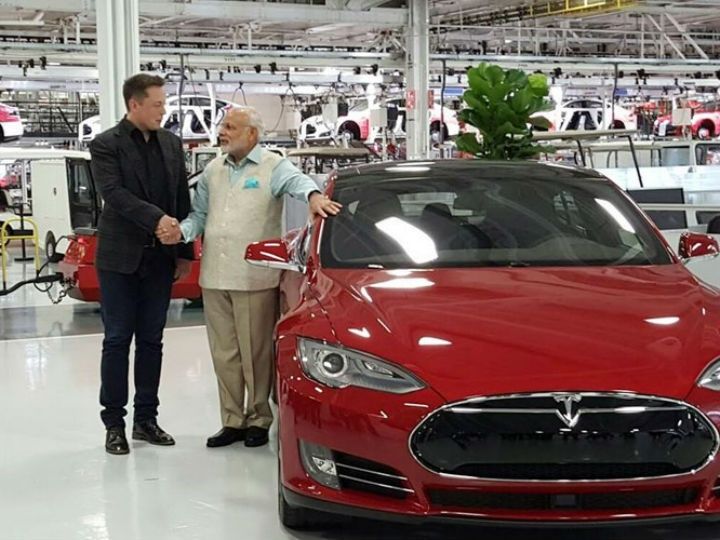
Tesla Inc. has made a significant move towards entering the Indian market, as evidenced by a surge in job openings across key locations like Mumbai and Delhi. The company is currently seeking to fill 13 roles, spanning customer-facing and back-end positions, marking a clear commitment to establishing a foothold in India’s growing electric vehicle sector.

The announcement comes after Elon Musk’s high-profile meeting with Prime Minister Narendra Modi, a discussion that appears to have catalysed Tesla’s decision to pursue expansion in the region. The timing of this strategic move is especially relevant given the recent developments in India’s trade policies, with the government reducing import duties on luxury cars, a measure that could provide Tesla with a more favourable environment for operations.

India’s electric vehicle market, while still in its infancy compared to China’s, is poised for considerable growth. The country’s rapid urbanisation, increased government focus on sustainability, and rising interest in eco-friendly transportation solutions position it as a key player in the global EV landscape. Tesla, with its reputation for high-performance, premium EVs, stands to benefit from these trends.

Tesla’s recruitment efforts are seen as an indication of the company’s intention to tap into the vast potential of India’s automotive sector. The roles available span various areas, including technical support and operations, aimed at building the company’s infrastructure in the region. This is not the first time Tesla has shown interest in India; however, the recent policy changes have provided a more favourable environment for international companies looking to expand their operations.

Prime Minister Modi’s engagement with Elon Musk is likely to have been a pivotal factor in advancing Tesla’s plans for India. During the meeting, both parties discussed ways to enhance cooperation, particularly in sectors such as renewable energy and electric vehicles. Tesla’s entry into India aligns with the government’s push to reduce carbon emissions and transition towards sustainable energy solutions.

The reduction in import duties on luxury vehicles is a significant policy shift that could greatly benefit Tesla’s plans. Previously, India imposed high import duties on foreign-made vehicles, making it challenging for companies like Tesla to price their products competitively in the local market. The recent reduction, part of a broader effort to stimulate the EV sector, is seen as a move to attract global automakers. Tesla, which manufactures its vehicles primarily in the United States, is expected to benefit from these lower tariffs, potentially making its vehicles more affordable for Indian consumers.

India’s EV market, while smaller than China’s, is growing at a rapid pace. The country’s government has set ambitious targets for electric vehicle adoption, with a focus on reducing air pollution and decreasing dependence on imported oil. The Indian government has also introduced several incentives to promote the sale and manufacturing of electric vehicles, including subsidies for EV buyers and manufacturers, as well as tax exemptions for charging infrastructure.

Despite these encouraging trends, Tesla will face stiff competition in the Indian market. Homegrown automakers, such as Tata Motors and Mahindra & Mahindra, have already established themselves as key players in the EV sector, offering affordable electric cars that cater to Indian consumers’ needs. Additionally, the infrastructure for electric vehicles in India remains underdeveloped in many regions, with limited charging stations and a lack of widespread awareness among consumers about EV technology.

Nevertheless, Tesla’s brand recognition and technological expertise are expected to give it an edge in the Indian market. The company’s high-performance vehicles, coupled with its focus on sustainable energy solutions, could appeal to India’s growing middle and upper classes, who are increasingly concerned with environmental issues. Additionally, Tesla’s potential to create local manufacturing jobs and contribute to India’s green energy goals may help the company secure government support.

Tesla’s entry into India also signals the increasing importance of emerging markets in the global automotive industry. As more companies look to expand beyond their traditional markets in North America and Europe, countries like India and China are becoming central to the automotive industry’s future growth. India, with its large population, growing middle class, and rising environmental awareness, presents a significant opportunity for Tesla to expand its global footprint.

By Kunal Bose The world, much to its disappointment, is seeing the United States of America, which is the world largest economy and mightiest military power, rapidly embracing raw, unrestrained capitalism under the newly inaugurated second-term Presidency of Donald John Trump abandoning all traces of egalitarianism. Induction of Tesla chairman Elon Musk to head the […]
By Satyaki Chakraborty The anti-discrimination students body which pioneered the massive upsurge in Bangladesh last year leading to the fall of the Awami League government on August 5 and abdication of the then Prime Minister Sheikh Hasina to India, is set to float their new political party with specific programme and constitution by the end […]

A team of scientists from Bengaluru has developed a cutting-edge catalyst that could significantly enhance the production of green hydrogen, offering a promising solution for a cleaner energy future. Green hydrogen, produced by splitting water into hydrogen and oxygen using renewable electricity in a process called electrolysis, has emerged as one of the most sought-after clean fuels to decarbonise various sectors, including transport and heavy industry. The […]

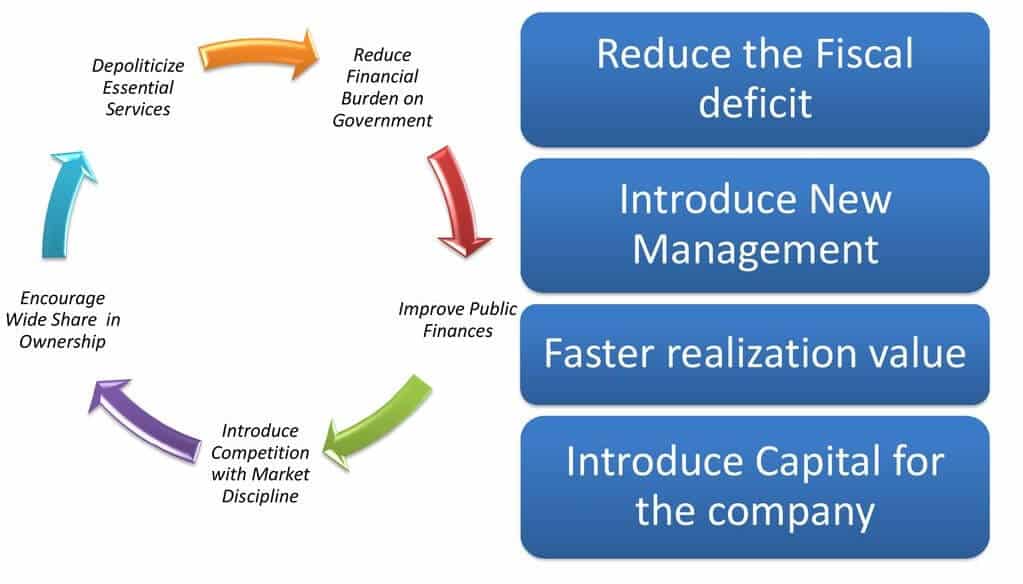
By Nantoo Banerjee The government disinvestment in India’s state-controlled enterprises is always welcome if it is aimed to make them professionally managed entities for faster growth. Unfortunately, the haphazard disinvestments in public sector enterprises (PSE) by the government seem to have only a single purpose — financing part of the annual union budget deficit. The […]

A looming tariff threat from the United States is casting a shadow over multiple sectors in India, including automobiles, textiles, and footwear, with analysts warning that potential hikes in import duties could disrupt trade and economic growth. This growing concern comes amid rising trade tensions between the two countries, which have led to a heightened focus on the viability of Indian exports in the face of stricter US trade policies.

The US administration has indicated that it might impose higher tariffs on goods from India, a move that could significantly affect industries critical to the Indian economy. With the US being one of India’s largest trading partners, the prospect of tariffs on goods such as cars, clothing, and shoes is troubling for manufacturers and exporters alike. According to recent reports, India’s automotive and textile sectors have been identified as particularly vulnerable due to their significant export volumes to the US market.

The automotive sector, which includes both luxury cars and compact vehicles, stands to lose billions of dollars in export revenue should tariffs increase. India is home to several global automotive manufacturers, including Maruti Suzuki, Tata Motors, and Mahindra & Mahindra, which export a substantial number of vehicles to the US. A tariff hike could render these products less competitive, pushing US-based consumers towards locally manufactured or cheaper imported alternatives from other countries. In 2023, India exported nearly $2 billion worth of cars to the US, a figure that could shrink under new tariffs.

Similarly, the textiles industry, another key player in India’s export economy, faces a turbulent future if tariffs are raised. India is the world’s second-largest producer of textiles, with a significant portion of its products headed to the US market. The US is a vital customer for Indian textiles, including apparel, fabrics, and home furnishings. Analysts argue that any increase in tariffs could lead to a decline in demand, as US buyers might seek more affordable alternatives from other suppliers, particularly from countries that currently benefit from lower trade barriers.

The footwear sector is also at risk, with India exporting a wide range of footwear items to the US. Footwear exports have been a growing part of India’s manufacturing output, with the US accounting for a major portion of this trade. A tariff increase could significantly affect manufacturers, especially small and medium enterprises , which depend heavily on the US market for revenue. These companies may struggle to absorb the additional costs imposed by tariffs, leading to potential price hikes or a reduction in exports.

The looming tariff threat is not just about trade barriers; it also reflects broader geopolitical concerns. Trade relations between the US and India have been increasingly strained due to disagreements over various trade practices, including market access, intellectual property rights, and agricultural policies. The US has expressed dissatisfaction with India’s protectionist policies, and this discontent has translated into the threat of tariffs. However, the issue is not only about trade; it also touches on political relations, with both countries vying for greater economic influence in the region.

Trade experts suggest that India could be facing a period of heightened vulnerability, especially as the US underlines its “America First” policy, prioritising domestic industries and reducing reliance on imports. While India has sought to diversify its trade partnerships and strengthen ties with other countries, including the European Union and Japan, the US remains a key economic player. This makes the potential for increased tariffs particularly damaging for India, especially in light of its ambition to boost exports and achieve a higher growth trajectory.

In response to the threat of higher tariffs, the Indian government has ramped up efforts to protect its domestic industries by exploring alternative markets and seeking to negotiate more favourable trade terms with the US. The government has also engaged in diplomatic efforts to reduce trade tensions, hoping to find common ground on issues that could benefit both nations. However, some experts are sceptical about the immediate impact of these negotiations, given the political climate and the US’s growing tendency to assert its economic interests.

The potential consequences of these tariffs extend beyond individual industries. Analysts caution that a tariff hike could lead to inflationary pressures within India, as businesses may pass on the additional costs to consumers. This, in turn, could affect consumer spending and dampen overall economic activity. Moreover, sectors like automotive manufacturing and textiles are major sources of employment, and any disruption in these industries could result in significant job losses, further straining India’s labour market.

For now, industry stakeholders are watching closely as developments unfold. The automotive sector is exploring strategies to mitigate the impact of potential tariffs, including shifting production to other countries or adjusting product lines to cater to the changing demands of US consumers. Similarly, the textiles industry is focusing on increasing its competitive edge by diversifying its offerings and tapping into non-US markets. However, these measures may not be enough to offset the damage caused by a sharp rise in tariffs, which could push both sectors to reconsider their overall export strategies.


By K Raveendran The Indo-US joint declaration presents a striking imbalance, appearing more as a dictated statement than a mutually crafted agreement. The document is overwhelmingly skewed in favour of the United States, particularly in the domain of defence procurement, where it reads less like a diplomatic understanding and more like a sales pitch for […]
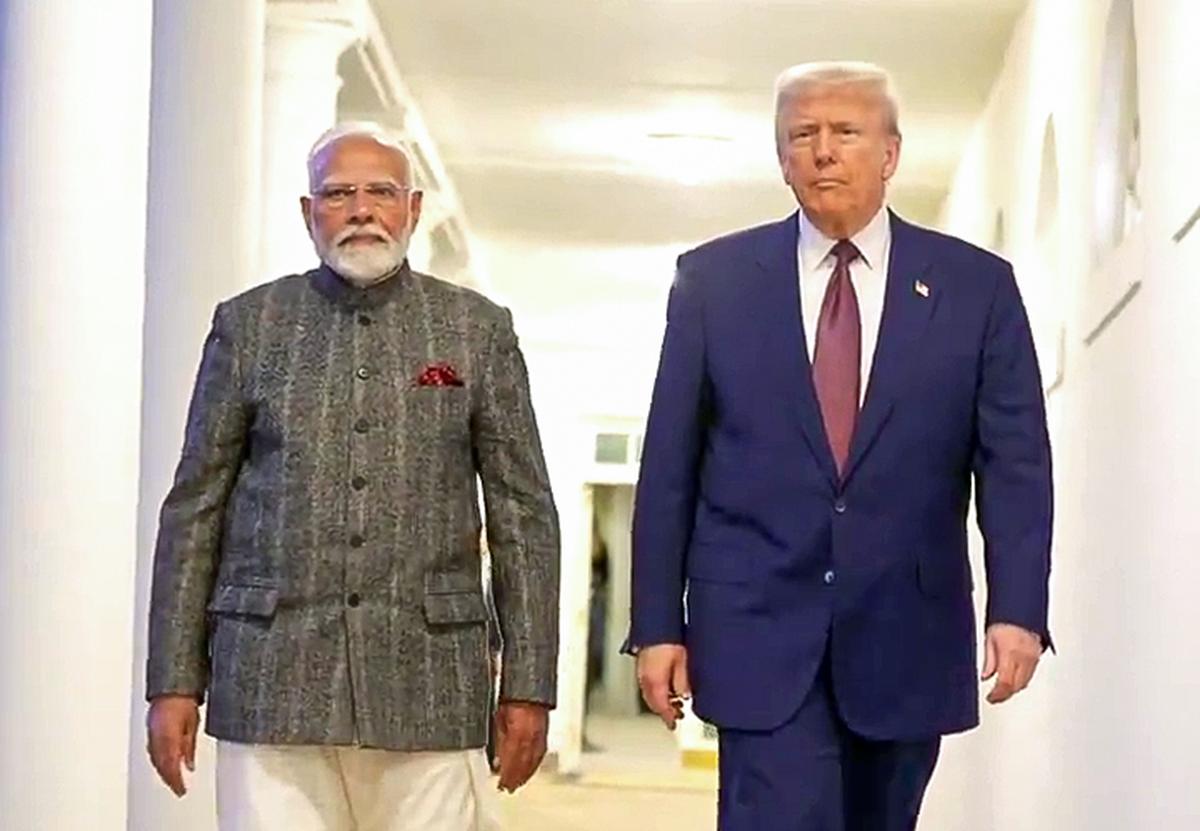
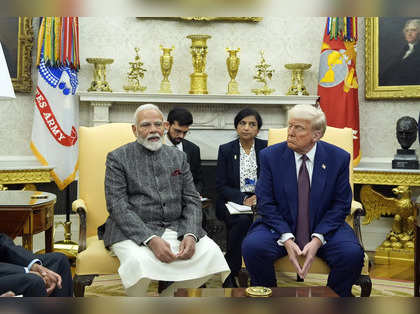
By Nitya Chakraborty The outcome of Prime Minister Narendra Modi’s meeting with the U.S. President Donald Trump in White House on February 13 may have its impact on the interim government of Bangladesh headed by Dr. Mohammad Yunus, who is in power since August 8, 2024 in the wake of the ouster of Sheikh Hasina […]
Exotel, a prominent cloud-based customer engagement platform, has entered into a strategic partnership with Knowmax, an AI-driven knowledge management provider, aiming to revolutionize customer experience operations. This collaboration seeks to enhance query resolution efficiency and bolster agent productivity by integrating Exotel’s communication solutions with Knowmax’s intelligent knowledge management system. The alliance is poised to offer enterprises seamless access to actionable insights, thereby optimizing customer interactions across various […]

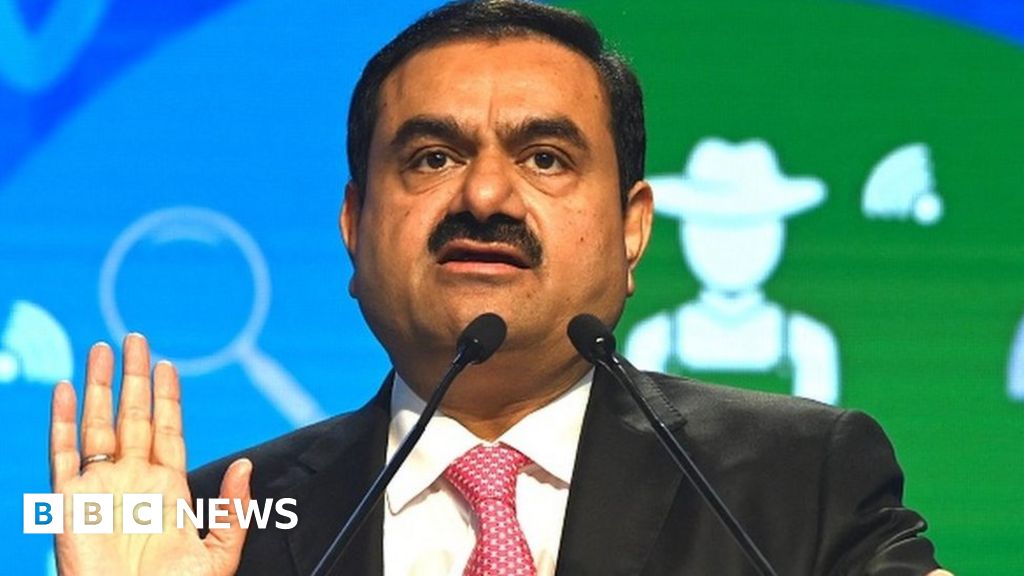
By Sushil Kutty The only time Prime Minister Narendra Modi lost his equilibrium at the joint press conference with President Donald Trump was when a journalist asked Modi if “Adani” had come up for discussion in the talks with President Trump. Visibly disturbed, Prime Minister told the journalist tersely that when two countries held talks, […]

Matein Khalid V.S. Naipaul once said that ancestral memories are like “trap doors to a bottomless past”. This was my first thought when I heard about the death of HH Prince Karim Aga Khan, the 49th Imam Zaman of Islam’s Ismaili sect and unquestionably the world leader who has inspired me most in my lifetime. I am not an Ismaili. In fact, my direct ancestor, the Mukhi […]

By T N Ashok WASHINGTON: Indian Prime Minister Narendra Modi’s visit the United States is more significant than ever at a time when the geo-political situation is fast changing, and new leaders take over in many countries. Modi’s scheduled meeting with US President Donald Trump on Thursday in White House offered positive results for the […]

HONG KONG SAR – Media OutReach Newswire – 14 February 2025 – Generali Hong Kong has partnered with YAS to deliver innovative, customer-centric insurance solutions that adapt to modern lifestyles. This collaboration focuses on leveraging cutting-edge technology to enhance the customer experience and provide tailored protection. From left: William Lee, Co-Founder of YAS, Windian Lai, Chief Business Officer and Intermediary Management of Generali Hong Kong, Andy Ann, […]

VISHNU RAJA
RYO YAMADA
HITORI GOTOH
IKUYO KITA