News related to
Indian

Cancer awareness campaign completes 10 years Manju Ramanan “In a world full of entertainment events, it is always a gratifying challenge to venture into an event that inspires and empowers all. The Beyond October Cancer Campaign that I started in 2014 as a Can Defeat Cancer Campaign is just that,” says Manju Ramanan, a journalist, author and Founder of the Beyond October Cancer Campaign. The platform exclusive to […]

NINGBO, CHINA – Media OutReach Newswire – 29 October 2024 – The highly anticipated 9th Zhejiang Book Fair and the 2024 Maritime Silk Road Culture and Tourism Expo, also known as the 2024 Ningbo International Tourism Expo (referred to as the “Maritime Silk Road culture and tourism grand expo”), officially kicked off in Ningbo, east China’s Zhejiang Province on the October 25. During the expo, the Ningbo […]

By Nantoo Banerjee Domestic issues often override international commitments in diplomacy. China’s preference of Kamala Harris to Donald Trump as the next US president may look unusual but not entirely illogical from the world’s second largest economy’s business point of view. China may not mind if such a possibility could enhance diplomatic discomfort to its […]

Amid growing environmental threats, BRICS leaders are pushing for urgent measures to combat land degradation, a phenomenon severely impacting ecosystems and communities worldwide. The upcoming UN Land Degradation and Drought conference, scheduled for early next year, aims to align global efforts to curb the increasing degradation of arable lands, which jeopardizes food security, contributes to climate change, and drives displacement. A 2022 report by the UN Convention […]

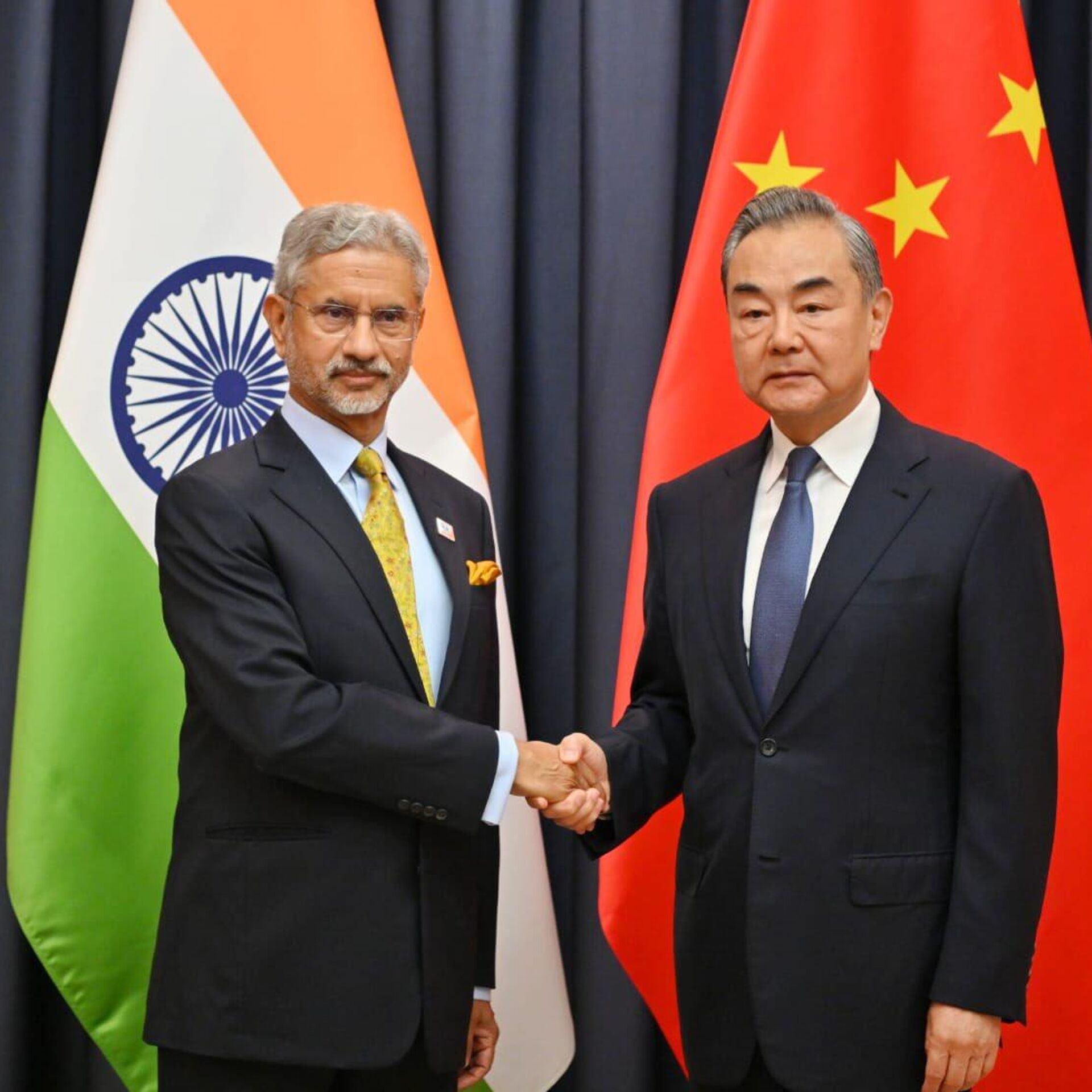
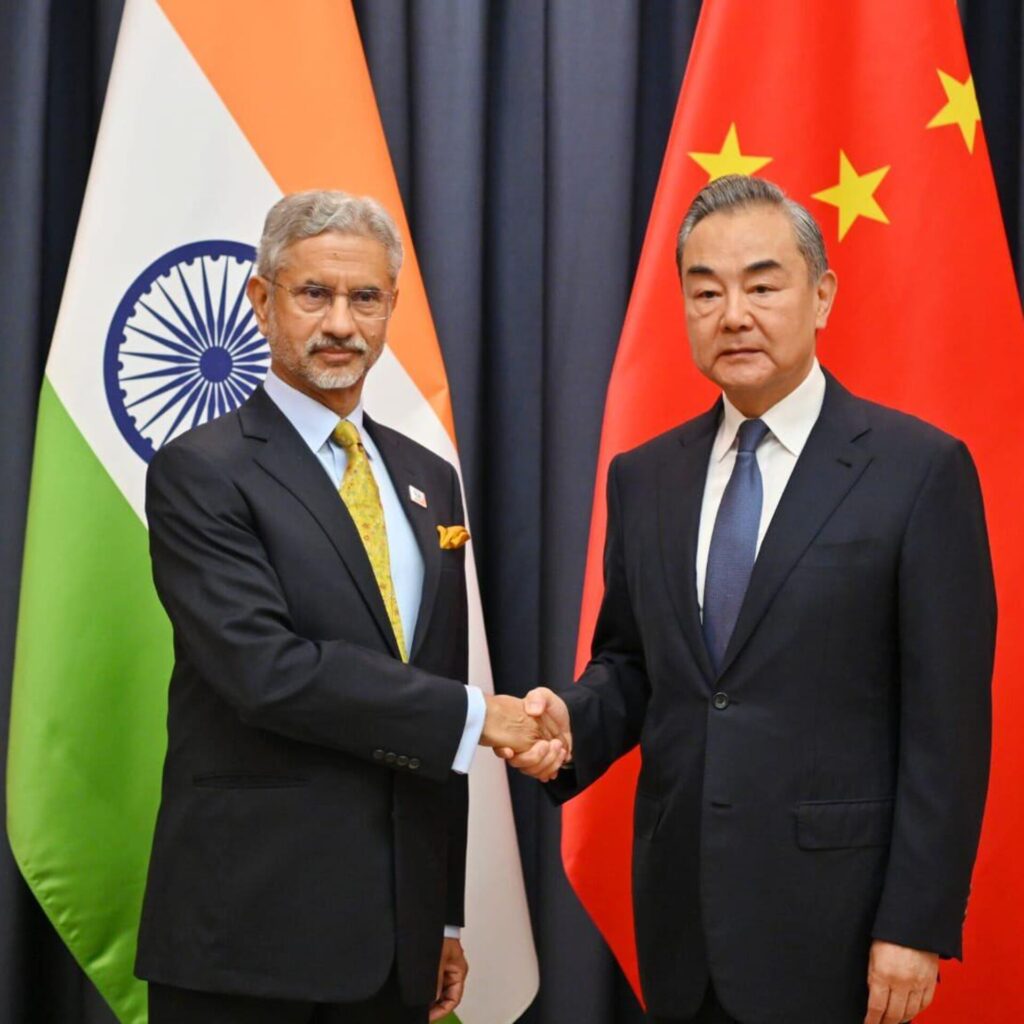
By Anjan Roy Although ice has apparently been broken between India and China over conflicts and confrontations in Demchok and Depsang areas in eastern Ladakh, tensions have not been eliminated fully. The hurriedly announced agreement, in the hours before BRICS summit in Russia’s Kazan on October 22-24, was directed more at the international audiences than […]

Ledger, a leading cryptocurrency security company, is setting its sights on expanding into the Middle East and India, identifying both regions as ripe for growth in the digital asset sector. During a recent industry conference, Ledger’s CEO, Pascal Gauthier, articulated the company’s strategy to capitalize on the increasing interest in cryptocurrencies and the demand for secure storage solutions. He emphasized that the company’s commitment to enhancing security measures aligns with the burgeoning crypto market in these regions.

Gauthier noted that the Middle East, with its rapidly evolving financial landscape and the region’s growing acceptance of digital currencies, presents a significant opportunity for Ledger. Countries like the United Arab Emirates and Saudi Arabia are making strides in blockchain technology and regulatory frameworks that support cryptocurrency activities. This shift is encouraging local businesses and consumers to explore digital assets, prompting the need for reliable security solutions to protect their investments.

India, on the other hand, has seen a marked increase in cryptocurrency adoption despite regulatory uncertainties. The country’s young, tech-savvy population is driving a surge in digital asset investments, with several startups focusing on providing crypto-related services. Gauthier indicated that Ledger’s expansion into India would cater to this increasing demand for secure crypto storage, especially among individuals seeking to invest in digital currencies amidst a landscape that has faced both regulatory challenges and opportunities.

Gauthier’s remarks come at a time when major players in the tech and finance sectors are recognizing the potential of the crypto market in these regions. The UAE has launched initiatives like the Dubai Multi Commodities Centre, which aims to foster a conducive environment for crypto businesses. Additionally, the recent formation of regulatory bodies in the Gulf states is paving the way for more structured engagement with cryptocurrencies.

Industry experts believe that Ledger’s expansion plans will not only enhance the company’s market presence but also contribute to the broader acceptance of cryptocurrencies in the region. The availability of secure hardware wallets is crucial for building consumer confidence in digital assets, especially in markets where scams and security breaches have raised concerns.

As Ledger ramps up its efforts, it is also likely to face competition from other firms looking to establish themselves in these emerging markets. The rise of local competitors offering similar security solutions could challenge Ledger’s market share. However, the company’s established reputation and commitment to innovation may position it favorably against such challenges.

To further bolster its market strategy, Ledger is expected to engage in partnerships with local financial institutions and technology firms. Collaborating with existing players in the market will enhance its distribution channels and brand recognition, facilitating smoother entry into the Middle East and Indian markets. This approach will allow Ledger to tailor its offerings to meet local consumer preferences and regulatory requirements.

The growing trend of integrating blockchain technology in various sectors, including finance, supply chain, and healthcare, is also playing a pivotal role in shaping Ledger’s expansion strategy. As businesses in these regions seek to harness the benefits of blockchain, there will be an increasing demand for secure crypto management solutions, which Ledger is well-positioned to provide.

Education and awareness surrounding cryptocurrency and blockchain technology are essential for fostering a supportive environment for digital assets. Ledger plans to invest in initiatives aimed at educating potential customers about the importance of security in the crypto space. By conducting workshops and seminars, the company aims to demystify cryptocurrencies and promote responsible investing practices.

Consumer sentiment in both the Middle East and India towards digital currencies is changing. The potential for high returns has drawn many investors, despite the associated risks. As governments in these regions begin to provide clearer regulatory guidelines, the influx of institutional investors is also anticipated, further legitimizing the crypto market. Ledger’s expansion aligns with this trend, as the demand for secure storage solutions will grow alongside institutional interest.

The company’s product line, which includes hardware wallets and other security solutions, is continually evolving to meet the diverse needs of consumers. This adaptability will be key in navigating the unique challenges and opportunities presented by the Middle East and Indian markets.

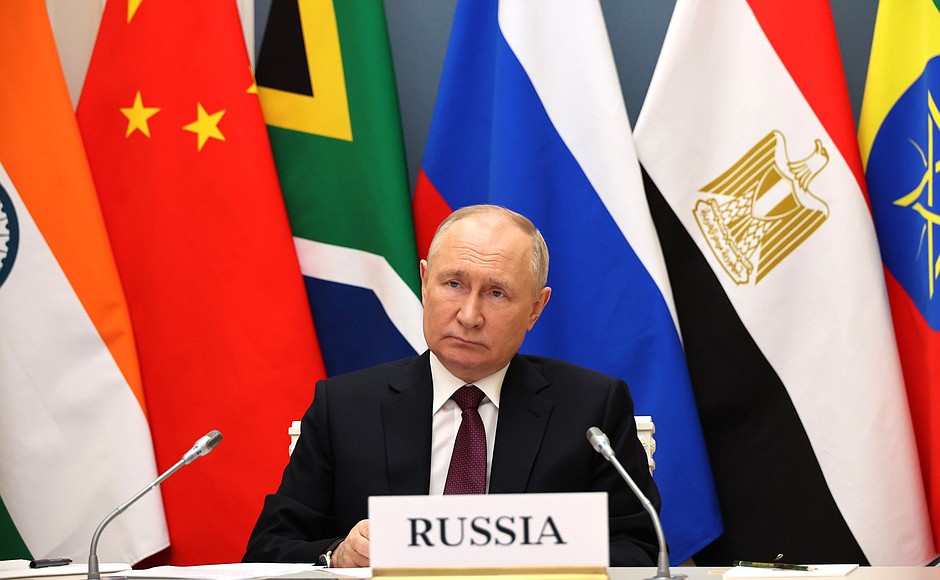
Amid rising geopolitical tensions and ongoing economic sanctions from Western nations, Russia has intensified its push for a clearing and depository system among BRICS nations—an alliance comprising Brazil, Russia, India, China, and South Africa. This initiative aims to facilitate intra-BRICS trade and investment by creating alternative mechanisms that would reduce reliance on Western financial systems, particularly the U.S. dollar.

The call for such a system has gained momentum during discussions at the BRICS summit held in Johannesburg earlier this year, where leaders explored strategies to enhance economic collaboration and safeguard member countries from external economic pressures. Russian President Vladimir Putin, emphasizing the need for financial sovereignty, outlined how a dedicated clearing system would not only streamline trade among BRICS nations but also insulate them from unpredictable sanctions imposed by Western governments.

The financial architecture proposed includes a shared clearing platform that would allow member states to transact in their local currencies. This system is expected to alleviate the costs associated with currency conversion and reduce exposure to fluctuations in the dollar’s value. The depository system would enable BRICS countries to hold reserves and facilitate investments without the involvement of Western banking systems, which often serve as gatekeepers for international trade and finance.

As part of this initiative, the Russian government has engaged with various BRICS member states to discuss technical and regulatory frameworks necessary for establishing this new financial infrastructure. Recent engagements include high-level talks with Chinese and Indian officials, where they explored the operational aspects of the proposed clearinghouse. Both countries have expressed interest, seeing the potential benefits of minimizing their dollar dependency amid geopolitical tensions with the West.

Analysts note that this initiative comes at a time when BRICS countries are seeking to redefine their positions in global trade and finance. The bloc has increasingly advocated for a multipolar world order, aiming to challenge the dominance of the United States and its allies in international financial institutions. The proposed clearing and depository system aligns with these aspirations, reflecting a broader trend of economic diversification and regional integration among non-Western nations.

While the technical implementation of this system remains in preliminary discussions, there are significant challenges to overcome. These include the establishment of common regulatory standards, addressing concerns about currency stability among member states, and ensuring the system’s resilience against external shocks. Moreover, skepticism persists regarding the political will of member nations to fully commit to this initiative, particularly given the varying degrees of economic interdependence and political alignment among them.

Experts predict that the success of the BRICS clearing and depository system will hinge on several factors, including the resolution of these technical challenges and the ongoing commitment of member states to foster economic collaboration. The establishment of a robust framework that can operate independently of Western financial institutions will require significant investments in infrastructure and regulatory harmonization.

In parallel to these discussions, Brazil and China have initiated bilateral agreements to promote trade in their local currencies, signaling a growing trend among BRICS nations to seek alternatives to the dollar. This move underscores the urgency felt by member states to enhance their economic resilience and foster greater autonomy in global markets.

The backdrop of escalating tensions between Russia and Western nations adds a layer of urgency to these discussions. Sanctions targeting Russia have intensified following its military actions in Ukraine, prompting a reevaluation of its economic relationships globally. Russia’s outreach to BRICS allies is not merely strategic; it is also a pragmatic response to the constraints imposed by Western financial measures.

While the BRICS clearing system remains in its conceptual phase, the desire among member nations for a more independent financial architecture reflects a significant shift in global economic dynamics. As emerging economies seek to forge stronger ties and reduce their vulnerabilities, the success of this initiative could have profound implications for the future of international trade and finance.

Several countries, including South Africa and India, have indicated their support for exploring mechanisms to facilitate trade in local currencies. Such support could provide the momentum needed to advance the technical discussions into actionable plans. If successful, this could mark a pivotal moment for BRICS as it seeks to position itself as a counterbalance to Western hegemony in global economic governance.

Advertisements
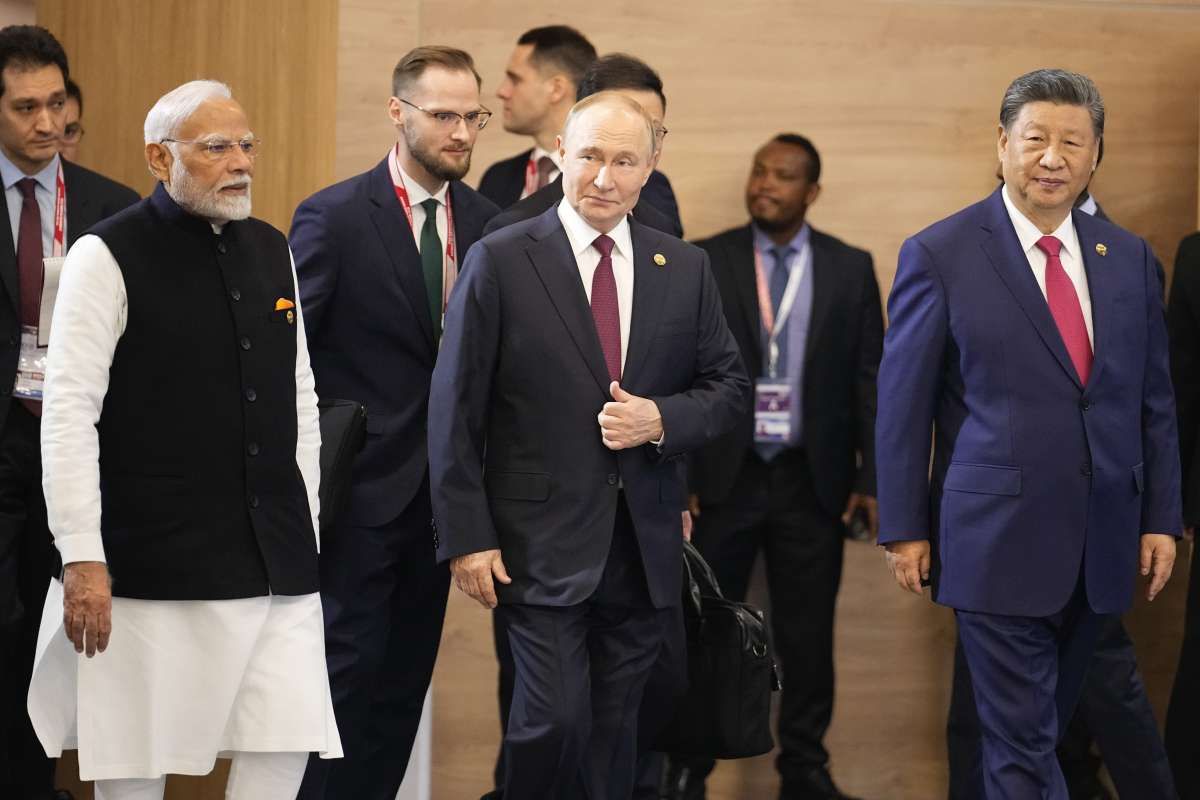
By Nitya Chakraborty The one-hour meeting between the Indian Prime Minister Narendra Modi and the Chinese President Xi Jinping on October 23 on the side lines of the BRICS summit at Kazan, has signalled a breakthrough in the bilateral relations between the two largest nations of Asia and the world. What was of significance of […]
  By K Raveendran Successive pronouncements by the Supreme Court have revealed a growing judicial sense against the potential for abuse in the draconian anti- money laundering laws. This has an important bearing on the pending petitions for the review of the apex courts verdict in the 2022 verdict by a three-member bench upholding all […]
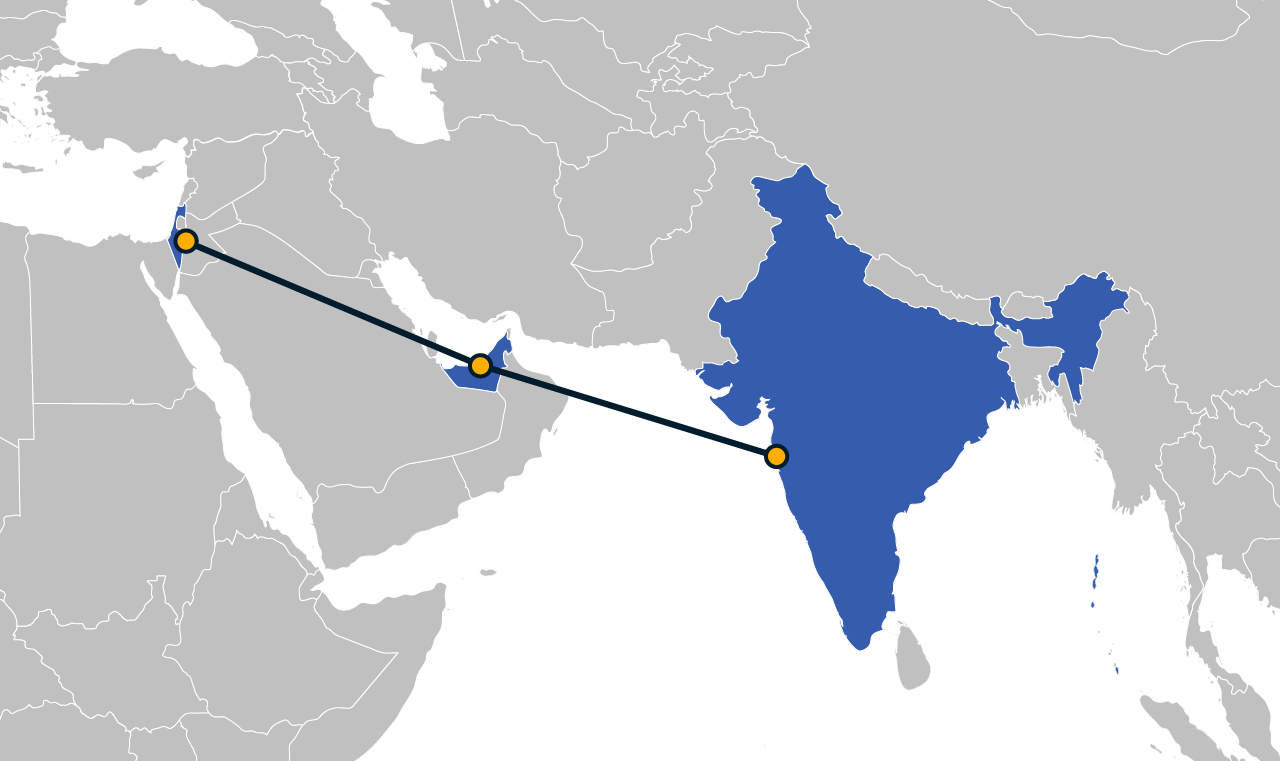
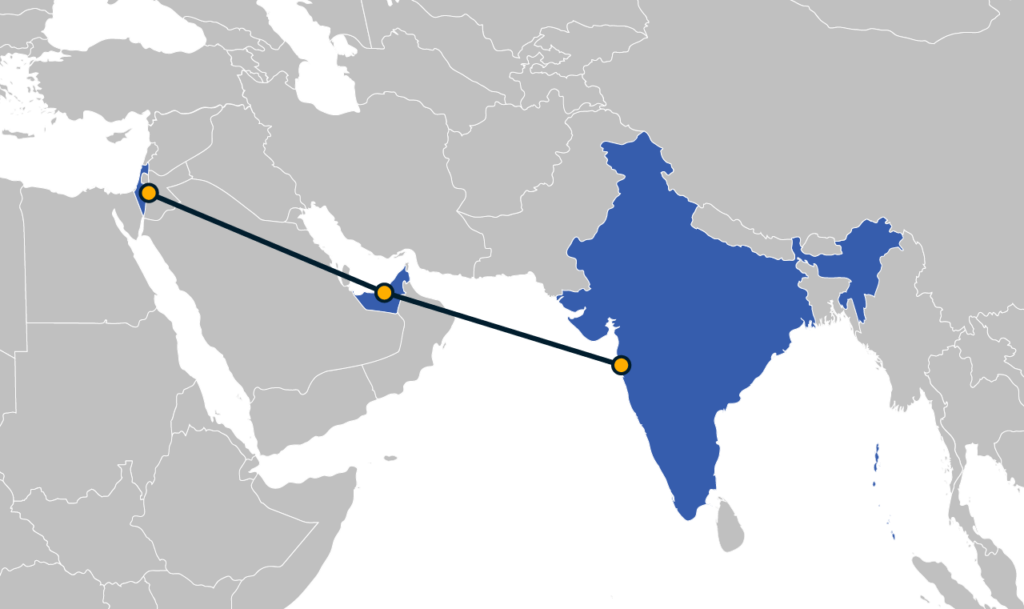
By Nantoo Banerjee It is good to note that the proposed India-UAE food corridor has already roped in a third partner, Israel. The project is expected to eventually involve the United States as well. The US was a key initiator of the historic four-nation I2U2 virtual summit in July 2022 bringing together leaders of India, […]
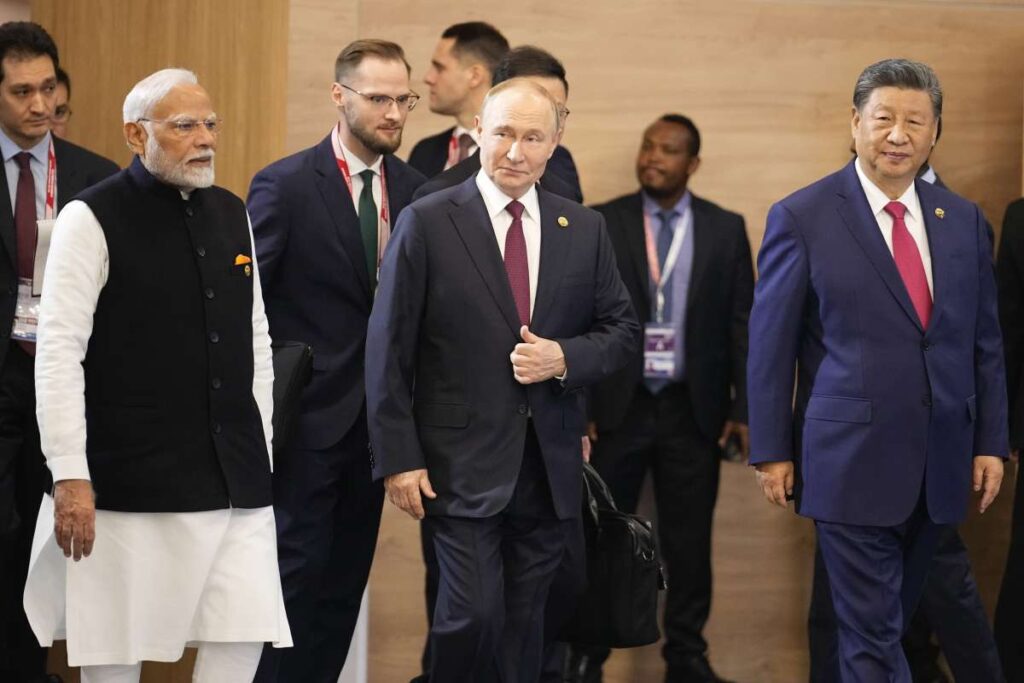
By Nitya Chakraborty Prime Minister Narendra Modi is attending the summit of the expanded BRICS block at Tatarstan city of Kazan in Russia on October 22 to 24 to be hosted by President Putin. This summit is of crucial importance for both the Indian PM as also the President Putin. Narendra Modi is attending it […]

Lake Shore India Advisory, supported by the Abu Dhabi Investment Authority (ADIA), has successfully raised $143 million in a green loan to expand its Viviana Mall in Mumbai. This move aligns with the growing trend of sustainable financing in the commercial real estate sector, with the funds earmarked for eco-friendly upgrades to the shopping complex, a critical step in enhancing its green credentials. The mall, situated in […]

By Nitya Chakraborty The allegation by the Canadian Prime Minister Justine Trudeau involving Indian diplomats of the high commission in the killing of the Sikh extremist Canadian citizen, Hardeep Singh Nijjar, last year and also in the assassination attempt on another Sikh lawyer G S Pannun in USA, has created a storm in the global […]

Online shoppers in the region expect to have more flexible and convenient delivery options, with a preference for home delivery Survey respondents claim quicker delivery times and real-time tracking tend to improve their online shopping experience Fear of fraud is a barrier of cross-border online purchase SINGAPORE – Media OutReach Newswire – 18 October 2024 – Asia Pacific online shoppers are prioritizing flexible delivery options and free […]

By Nitya Chakraborty Bangladesh is the diplomatic battleground of two super powers USA and China since the interim Government took over power on August 9 this year following the ouster of the Sheikh Hasina led Awami League regime on August 5 last. In the last five weeks of the new government led by Chief Adviser […]

Concerns over increasing precious metal exports from the United Arab Emirates to India have sparked discussions between officials from both nations. As the UAE has emerged as a crucial hub for gold trading, India’s government is seeking measures to regulate the flow of these metals, which have seen a substantial rise in volume and value. The issue gained traction following the report that India had imposed a […]

KUALA LUMPUR, MALAYSIA – Media OutReach Newswire – 16 October 2024 – The U.S. dollar holds significant sway over global markets, particularly for traders in India and Southeast Asia. This release highlights the critical importance of monitoring the dollar’s value and explores how its fluctuations affect currency pairs, commodity prices, and market strategies in the region. The U.S. dollar’s dominance in global trade and finance is unparalleled. […]

The Academy will offer programmes with cross-cultural industry experiences to empower students and executives for success in the global business arena. MUMBAI, INDIA – Media OutReach Newswire – 15 October 2024 – The Singapore University of Social Sciences (SUSS) and Think Education Advisory Services LLP (TE) today launched the SUSS Success Academy in Mumbai, creating new learning experiences and real-world training opportunities for students in Singapore and […]

By Nitya Chakraborty The U.S. Presidential elections on November 5 have assumed unusual significance in the shaping up of the future of Bangladesh which is presently ruled by an interim government headed by the Nobel Laureate Dr. Muhammad Yunus. In the last two weeks, hectic activities were on in both Dhaka as well as in […]

A video that recently resurfaced online has reignited concerns over the alleged tampering of Amul ice cream, sparking a wave of misinformation and public debate. The Gujarat Cooperative Milk Marketing Federation (GCMMF), which oversees the Amul brand, has swiftly denied any wrongdoing, reaffirming its commitment to maintaining the highest standards of product quality.

The video, originally circulated years ago, made its way back onto social media, accusing Amul of using non-vegetarian ingredients in its ice cream, particularly an emulsifier labeled as E-471, which the rumors claimed was derived from animal fat. This allegation triggered alarm among various communities, as Amul is widely known and trusted as a brand that delivers purely vegetarian products.

To quell the situation, R S Sodhi, Managing Director of GCMMF, issued an official statement through both video and print channels, dismissing the claims as false and malicious. Sodhi clarified that the emulsifier in question is derived from 100% plant-based oils, such as those from soybean, sunflower, or palm, which are commonly used in the food industry. He emphasized that Amul’s products adhere to strict vegetarian sourcing, aligning with the trust placed in the brand by millions of consumers across the country.

The controversy over the emulsifier is not new. Various food products globally use E-471, which can be derived from either plant or animal sources. The persistence of these rumors, despite clarification, appears to be part of a targeted misinformation campaign, with vested interests aiming to damage the reputation of one of India’s most beloved dairy brands. The swift public relations response by Amul underscores the company’s proactive stance in maintaining consumer trust and protecting its brand integrity.

The original video that caused the uproar showed alleged tampering of Amul’s ice cream packaging and implied that animal-based ingredients were being used, which stirred strong reactions, particularly among those adhering to vegetarian or religious dietary restrictions. However, GCMMF countered the claims, explaining that all processes in its manufacturing chain are transparent, strictly regulated, and in line with the company’s commitment to high-quality dairy production.

Social media platforms have played a central role in the spread of these allegations, prompting a range of reactions from consumers. While some voiced concerns about product safety, others came to the defense of the brand, highlighting their long-standing loyalty to Amul and dismissing the video as another attempt to mislead the public. Various users have expressed their unwavering trust in Amul, calling it a cornerstone of the Indian dairy industry. Many pointed out that Amul, as a cooperative, represents the interests of millions of farmers, making it an ethical brand focused on delivering value to both producers and consumers.

The controversy has led to renewed discussions about how easily misinformation spreads on social media, and the role of companies in actively addressing public concerns. Amul’s rapid response has been seen as a strategic effort to maintain consumer confidence amid growing digital challenges. Sodhi also urged the public to be cautious about believing unverified information circulating online, stressing the importance of relying on credible sources for product information.

Adani Group, led by billionaire Gautam Adani, is reportedly engaged in discussions with a Middle Eastern sovereign wealth fund to secure a significant investment in its airport business. The move is seen as part of the conglomerate’s broader strategy to raise up to $1 billion to fund its airports division. These talks come at a critical juncture as Adani seeks to solidify its position in India’s infrastructure and aviation sector while addressing concerns over its debt levels.

Adani Airports, a subsidiary of the Adani Group, currently operates several major airports across India. It has been aggressively expanding its footprint in the country’s aviation industry, holding stakes in seven airports, including those in Mumbai, Ahmedabad, and Lucknow. This push into the airport sector is part of the group’s broader goal to diversify its operations and strengthen its presence in infrastructure, energy, and transportation. Airports have become a key focus area for Adani in recent years, reflecting the company’s long-term bet on India’s growing demand for air travel and infrastructure development.

Reports suggest that the potential deal with the Middle Eastern sovereign wealth fund could result in a capital injection that would help Adani Airports scale up its operations, reduce its debt burden, and maintain financial stability. While the identity of the sovereign wealth fund has not been publicly disclosed, sources familiar with the matter indicate that the discussions are at an advanced stage. The potential investment is expected to bolster Adani’s ability to meet its expansion goals and improve its financial health, particularly after facing scrutiny over its leverage levels following a short-seller report earlier this year.

The interest from the sovereign wealth fund also signals the growing appetite among Gulf-based investors to participate in India’s infrastructure growth. The Middle East, particularly countries like the United Arab Emirates and Saudi Arabia, has increasingly turned its attention to the Indian market, recognizing the long-term potential in sectors such as energy, logistics, and aviation. Adani’s airport business, with its strategic portfolio of assets, is an attractive proposition for investors seeking exposure to India’s booming aviation industry and infrastructure projects.

For the Adani Group, securing this investment would mark a significant milestone. The company has been under pressure to demonstrate its ability to navigate financial challenges while continuing its rapid expansion across key sectors. Earlier in 2023, Adani’s financial dealings came under intense global scrutiny after a report by the U.S.-based short seller Hindenburg Research accused the group of stock manipulation and accounting fraud. The allegations triggered a sharp decline in Adani’s share prices and forced the group to undertake damage control efforts, including scaling back its capital expenditure plans and repaying debt to allay investor concerns.

Despite these challenges, the group has maintained its aggressive growth trajectory, particularly in sectors like airports, ports, power generation, and renewable energy. Adani Airports, in particular, has been a core element of the company’s infrastructure portfolio, with the group committing substantial resources to transform its airport assets into world-class aviation hubs. The airport business is seen as a long-term growth driver for Adani, especially as India continues to witness strong growth in air passenger traffic. Pre-pandemic projections had anticipated India to become the world’s third-largest aviation market by 2025, and the post-pandemic recovery has further fueled optimism about the sector’s prospects.

Adani’s push for fresh capital comes as the Indian government intensifies its focus on modernizing and expanding the country’s airport infrastructure to meet growing demand. The government has introduced several policy reforms aimed at attracting private investment in the aviation sector, including public-private partnerships and airport privatization initiatives. Adani’s airports division has been a major beneficiary of these reforms, having won competitive bids to operate several airports under long-term concession agreements.

This potential $1 billion capital raise aligns with the company’s broader strategy of attracting foreign investments to support its infrastructure ambitions. In recent years, the Adani Group has successfully secured investments from global players, including a $6 billion investment from TotalEnergies for its renewable energy business. By bringing in a strategic partner for its airport business, Adani aims to replicate this success in aviation, further boosting its ability to scale up operations and enhance the efficiency of its airport assets.

The timing of these negotiations also coincides with increasing interest from international investors in India’s growing aviation market. India is expected to witness a rapid increase in air traffic over the next decade, driven by rising middle-class incomes, urbanization, and increased business travel. With this backdrop, Adani’s airport business is poised to capture a significant share of this growth, particularly as the company continues to expand its airport operations and invest in modernizing its existing assets.

While the final terms of the deal are yet to be finalized, industry analysts believe that the investment from the Middle Eastern sovereign wealth fund could serve as a crucial catalyst for Adani’s airport ambitions. The deal would provide much-needed liquidity to the group and enhance its ability to fund future airport projects, including terminal expansions, new runway constructions, and modernization efforts at its airports.


Plans to enhance India’s maritime defense have taken a significant step forward with the announcement of the construction of two nuclear-powered submarines and the acquisition of 31 long-range drones. This move aims to bolster India’s strategic deterrence and address regional security concerns, particularly in the context of rising tensions with China.

The estimated investment for this defense initiative is around 350 billion rupees, equivalent to approximately $4.2 billion. Senior officials, familiar with the defense procurement process, confirmed that this decision aligns with India’s broader efforts to modernize its armed forces and enhance its naval capabilities.

The construction of the submarines will take place at the prestigious Hindustan Shipyard Limited in Visakhapatnam. This shipyard has been instrumental in India’s defense manufacturing capabilities and represents a significant leap forward in the country’s indigenous defense production. By building these submarines locally, India aims to reduce its dependence on foreign defense technology and strengthen its self-reliance in defense manufacturing.

The nuclear submarines, equipped with advanced stealth technologies, will enhance India’s strategic deterrent capability. These vessels will allow for prolonged underwater operations, significantly increasing the reach and flexibility of India’s navy in the Indian Ocean Region (IOR). Experts believe that the introduction of nuclear-powered submarines will provide India with a credible second-strike capability, thereby strengthening its position in regional security dynamics.

In addition to the submarines, the procurement of 31 US-made long-range drones marks another critical aspect of this defense strategy. These drones are designed for reconnaissance and surveillance operations, enhancing India’s intelligence-gathering capabilities. The drones are expected to operate alongside the Indian Navy’s existing fleet, providing real-time situational awareness in crucial maritime areas.

This procurement follows a series of high-level discussions between India and the United States, aimed at deepening defense cooperation and fostering greater interoperability between the two countries’ armed forces. The introduction of these drones is seen as a vital component of India’s efforts to modernize its military infrastructure and improve its capabilities in the face of emerging threats.

India’s decision to enhance its naval capabilities comes amid escalating tensions in the Indo-Pacific region. China’s growing assertiveness in the South China Sea and its expanding naval presence have raised concerns among its neighbors, including India. In response, India has been actively working to strengthen its defense partnerships with like-minded countries, such as the United States, Japan, and Australia, as part of the Quadrilateral Security Dialogue (Quad).

India’s commitment to strengthening its naval capabilities reflects a broader trend among nations in the region to invest in advanced military technologies. Countries such as Japan and Australia have also announced plans to enhance their naval forces in response to regional security challenges, underscoring the strategic importance of maritime security in the Indo-Pacific.

The move to construct nuclear submarines and acquire long-range drones aligns with India’s defense policy, which emphasizes a proactive approach to safeguarding its national interests. Defense experts argue that these developments will enable India to project power more effectively in the Indian Ocean, where it faces challenges from not only China but also from non-state actors engaged in maritime terrorism and piracy.

India’s push to develop indigenous defense capabilities has been a longstanding objective of the government. Initiatives such as “Make in India” aim to promote domestic defense manufacturing and reduce reliance on imports. The new submarines and drones are expected to incorporate advanced technologies and systems developed by Indian defense research organizations, further enhancing the country’s technological prowess.

As India embarks on this ambitious defense program, it will face challenges related to cost overruns, project timelines, and technological integration. Successful execution will depend on collaboration between various stakeholders, including the government, defense contractors, and research institutions. Additionally, ensuring the timely delivery of these submarines and drones will be critical to meeting the operational needs of the Indian Navy.

M A Hossain The upcoming US presidential election on November 5, 2024, carries significant implications for the entire world, including Bangladesh’s political landscape. With the recent ouster of Prime Minister Sheikh Hasina and her fleeing the country thus taking refuge in India, Bangladesh stands at a political crossroads, facing unprecedented geopolitical pressures. An intriguing aspect of this shift is the waning interest of foreign lobbyists in Washington, […]

A groundbreaking initiative named BharatGen has been launched by the Government of India, aiming to harness artificial intelligence to improve public service delivery across the country. This innovative project is touted as the first government-backed AI initiative in India, set to create advanced multilingual and multimodal models tailored for diverse public sector applications. BharatGen is designed to address challenges in government services by leveraging AI technology to facilitate better communication and accessibility for citizens, especially those from marginalized communities.

The initiative’s unveiling coincides with a broader trend where governments globally are increasingly adopting AI solutions to enhance efficiency and citizen engagement. BharatGen is expected to serve as a significant leap in this direction, promoting the development of AI applications that cater specifically to the linguistic and cultural diversity of India. By utilizing machine learning and natural language processing, BharatGen aims to create tools that can interact in various regional languages, thus broadening the reach of governmental services to every corner of the nation.

As part of its implementation strategy, BharatGen will focus on several key areas, including healthcare, education, and welfare programs. The initiative will foster the development of AI systems capable of assisting citizens in navigating government services, accessing critical information, and receiving personalized support. This is particularly crucial in a country like India, where language barriers often hinder effective communication between citizens and public institutions.

The initiative has garnered attention not only for its ambitious goals but also for the strategic partnerships it is forming with leading tech companies and research institutions. Collaborations with renowned AI researchers and organizations are aimed at ensuring that BharatGen’s models are developed using the best practices and cutting-edge technologies available. This approach underscores the Indian government’s commitment to establishing a robust AI ecosystem that encourages innovation while prioritizing ethical considerations and data privacy.

Experts have noted that the implementation of BharatGen is timely, given the accelerating pace of digital transformation in public services. As citizens increasingly rely on digital platforms for accessing information and services, BharatGen stands to facilitate a seamless interaction experience. By integrating AI technologies into government frameworks, the initiative is poised to reduce response times, minimize bureaucratic hurdles, and enhance the overall efficiency of public service delivery.

However, the path to effective implementation is not without challenges. Concerns regarding data privacy, algorithmic bias, and transparency in AI systems have been raised by various stakeholders, including civil society organizations and technology experts. To address these issues, the government has emphasized its commitment to developing ethical guidelines that govern the use of AI in public services. These guidelines will focus on ensuring fairness, accountability, and transparency, thereby building public trust in the initiative.

BharatGen will serve as a model for future AI initiatives in other sectors, potentially inspiring similar projects in agriculture, transportation, and urban planning. By showcasing the potential of AI to tackle complex societal issues, the initiative may pave the way for an array of AI applications tailored to India’s unique needs.

In a statement during the launch event, the Minister of Electronics and Information Technology highlighted the transformative potential of BharatGen, stating that the initiative aims to empower citizens by making government services more accessible and responsive. He remarked that the integration of AI technologies in public services is not just about efficiency but also about ensuring that no citizen is left behind in the digital era.

The launch of BharatGen has received a warm reception from various sectors, with many viewing it as a significant step toward modernizing public service delivery in India. Technology enthusiasts and policy analysts have expressed optimism regarding the initiative’s potential impact, emphasizing that successful implementation could lead to substantial improvements in citizen satisfaction and engagement with government services.

The initiative is expected to contribute to India’s positioning as a global leader in AI technology. By prioritizing the development of homegrown AI solutions, BharatGen aligns with the national vision of fostering a self-reliant and technologically advanced society. This vision is supported by initiatives such as the Digital India campaign, which aims to transform India into a digitally empowered society and knowledge economy.

As BharatGen embarks on its journey, the emphasis will be on iterative development and continuous feedback from users. The government plans to establish mechanisms for gathering public input on the effectiveness of AI applications and to make necessary adjustments based on user experiences. This feedback loop is essential for refining the models and ensuring that they remain relevant to the evolving needs of citizens.

VISHNU RAJA
RYO YAMADA
HITORI GOTOH
IKUYO KITA