By Nantoo Banerjee The central excise duty cut on petrol and diesel oil to help petro-fuel producers and marketeers partly cover their losses on account of the rising crude oil import prices is an internal government matter. It is not meant to have any impact on retail prices which continue to be very high and […]
Electronic interference that had scrambled vessel tracking across the Persian Gulf eased over the weekend, allowing ships stranded in the war-affected waterway to show positions closer to their true locations and giving operators a clearer picture of navigation risks in one of the world’s most important energy corridors. Maritime security guidance issued on 29 March said GNSS, GPS and AIS disruption had moderated over the previous 24 […]
Foreign visitors to India will have to complete a digital e-Arrival Card before landing from April 1, 2026, marking the end of the paper disembarkation card that travellers had long filled out on board or at immigration counters. The move is part of a wider technology-led overhaul of border processing that authorities say is aimed at cutting queues, improving data accuracy and giving immigration officers faster access to passenger information.
The e-Arrival Card is submitted online through the official Indian Visa Online portal, the Bureau of Immigration platform or the government’s Indian Visa Su-Swagatam mobile app. The current official guidance says the form must be completed within 72 hours before arrival and is for arrival information only, not a visa. Travellers are asked to provide passport details, travel information, contact particulars, purpose of visit and their address in India, after which a digital confirmation is generated for presentation on arrival.
The April 1 deadline is not the start of the digital system itself but the point at which the physical card is being withdrawn after a transition period. Government-linked notices issued through overseas missions said the digital disembarkation process had already come into force on October 1, 2025, while paper cards would continue temporarily for as long as six months or until further notice. An immigration advisory published this week by Fragomen, citing a government announcement, said physical cards would be permanently discontinued from April 1, 2026.
That chronology matters because it shows India is not unveiling a wholly new border form overnight, but completing a staged shift towards paperless arrival processing. The official visa portal now prominently carries a notice that foreigners and OCI card holders can complete and submit the e-Arrival Card online within 72 hours before arrival through approved government channels. That wording suggests authorities are folding the form more tightly into the wider immigration and visa network rather than treating it as a stand-alone travel add-on.
The policy aligns with a broader expansion of the Immigration, Visa, Foreigners Registration and Tracking scheme, or IVF-RT, which the Union Cabinet has approved for another five years through March 2031 with an outlay of Rs 1,800 crore. Officials have described the plan as a way to link visa issuance, immigration records, travel history and foreigner registration databases so that decisions at entry and exit points rely less on fragmented manual checks and more on integrated digital records.
For travellers, the most immediate consequence is procedural rather than legal. The e-Arrival Card does not replace a visa, e-Visa or other entry authorisation. It supplements them. A visitor who already holds valid travel permission for India will still need to file the digital arrival declaration in the permitted time window. That means airlines, travel agents, business mobility firms and universities handling international arrivals are likely to spend the next few days reminding passengers that a boarding document and an arrival declaration are now separate steps in the journey.
The government’s pitch is built around speed and visibility. Digital pre-submission allows immigration systems to receive data before a flight lands, which can reduce form-filling bottlenecks at the airport and improve risk screening. Industry specialists tracking mobility rules say the change also gives authorities stronger data control and supports more real-time monitoring of foreign arrivals. That mirrors a global pattern in which governments are replacing handwritten landing cards with app-based or portal-based pre-arrival disclosures.
There are, however, operational questions that matter for passengers. Official pages make clear that the form should be completed within 72 hours of arrival, yet some secondary reports have described slightly different timelines or suggested varying treatment of QR code presentation depending on when the form is filed. The most reliable course for travellers is therefore to follow the instructions displayed on the official government portal or app at the time of submission, rather than relying on social media summaries or copied advisories.
Another area requiring care is who exactly falls under the rule. The current official portal text explicitly refers to foreigners and OCI card holders being able to submit the e-Arrival Card, while some earlier mission notices had described OCI holders as exempt before later updates changed that position. For foreign visitors travelling on tourist, business, student or other visas, the direction is straightforward: the digital arrival filing now sits at the centre of entry processing.
“Culinary Capital” Title Reaffirmed with Over 200 Restaurants Listed in Internationally Acclaimed Gourmet Guides
HONG KONG SAR – Media OutReach Newswire – 28 March 2026 – Following last year’s “The World’s 50 Best Bars” Award Ceremony in Hong Kong, the Hong Kong Tourism Board (HKTB) this year brought the “Asia’s 50 Best Restaurants 2026” Awards Ceremony to Hong Kong for the first time. The event today (25 March) brought together over 1,000 culinary industry representatives, renowned chefs and media worldwide. Top local Cantonese restaurant The Chairman and contemporary Cantonese restaurant Wing secured first and second places respectively on the Asia’s 50 Best Restaurants 2026 list, once again highlighting the leading position of Hong Kong’s dining scene in Asia.
HKTB Chairman Dr Peter Lam said: “We extend our sincere gratitude to the Asia’s 50 Best Restaurants team for selecting Hong Kong for the first time as the host city for the Awards Ceremony. This international award recognises the outstanding achievements of the culinary sector. I am very proud of Hong Kong’s remarkable accomplishments in this year’s Awards. Together with the ‘MICHELIN Guide Hong Kong Macau 2026’ and ‘The Black Pearl Restaurant Guide’, over 200 restaurants have been listed in these internationally acclaimed gourmet guides, reaffirming Hong Kong’s position as a “Culinary Capital” in Asia. We are delighted to welcome the esteemed Asian chefs and other culinary professionals attending the Awards Ceremony to Hong Kong, and we warmly invite everyone to explore the city’s unique and diverse gastronomic charm by following the master chefs’ curated recommendations featured in the citywide ‘Taste Hong Kong’ Gourmet Guide.”
Hong Kong Tourism Board (HKTB) Chairman Dr Peter Lam speaks on stage at the Asia’s 50 Best Restaurants 2026 Awards Ceremony.
Danny Yip, owner of The Chairman, said “Being named The Best Restaurant in Asia for the second time is a huge honour for our entire team, and to achieve it here in Hong Kong makes it even more meaningful. This recognition — as well as the strong results for the city on this year’s list — reflects the depth and diversity that define Hong Kong’s dining culture today. It’s a privilege to represent our city in this way and to continue sharing the traditions and stories that shape our cuisine.”
Hong Kong Tourism Board (HKTB) Chairman Dr Peter Lam, left, and Danny Yip from top local Cantonese restaurant The Chairman, winner of the first place award, at the Asia’s 50 Best Restaurants 2026 Awards.
Hong Kong Leads Asia Culinary Landscape with Two Restaurants in the Top Three
Together with the previously announced extended list of Asia’s 50 Best Restaurants (51th – 100th), a total of ten Hong Kong restaurants were recommended in the Asian edition of the prestigious list. These include six restaurants in the top 50: while The Chairman and Wing topped the list at first and second spots, Neighborhood (No. 24), Estro (No. 32), Caprice (No. 35), and Mono (No.46) stayed strong on the list. Four other restaurants were also feature in the extended list, namely Ta Vie (No. 68), Vea (No. 70), Andō (No. 88), and Amber (No. 90). With this stellar performance, Hong Kong reaffirming its leading position in the regional culinary scene. The winning restaurants cover a diverse range of cuisines, demonstrating Hong Kong’s unique appeal as a melting pot of global flavours and a hub for star-rated dining establishments.
In the recently announced “Black Pearl Restaurant Guide”, the number of Hong Kong entries increased to 39, up from last year, including four first-time entries – Mosu Hong Kong, founded by three-Michelin-star South Korean chef Sung Anh; Jee, a Cantonese-French fusion restaurant; contemporary Indian restaurant Leela, and Cantonese fine-dining establishment Man Ho Chinese Restaurant. In addition, homegrown chef Vicky Cheng of Chinese-French restaurant VEA, and Terry Ho, Chef de Cuisine of French restaurant Amber, received the Master Chef Award and the Young Chef Award respectively in the Black Pearl Restaurant Guide, affirming the distinguished reputation of Hong Kong’s culinary talent in the Asian dining scene. In the “MICHELIN Guide Hong Kong Macau 2026”, more Hong Kong establishments were awarded MICHELIN stars than in the previous year, bringing a total to 77 Michelin-starred restaurants in one destination, further demonstrating the world-class standard of the city’s culinary scene.
Top Asian Chefs and Global Media Gather in Hong Kong to Experience the City’s Culinary
Wong Lung-to, Executive Chef of Forum Restaurant, left, leads a dim sum workshop organised by Hong Kong Tourism Board (HKTB) during the Asia’s 50 Best Restaurants 2026.
Chef Grégoire Michaud from Bakehouse leads an egg tart baking workshop, which is one of the recommended pastry shops under Taste Hong Kong, during the Asia’s 50 Best Restaurants 2026 Awards.
Capitalising on the opportunity presented by major culinary event being hosted in Hong Kong, HKTB arranged exchanges between leading Asian chefs and renowned local culinary talent, enabling them to experience the city’s diverse gastronomic offerings and produce promotional videos dedicated to “Taste Hong Kong”. In addition, HKTB leveraged its global network to invite media representatives from the Chinese Mainland, Taiwan, South Korea, Southeast Asia and other key markets to visit Hong Kong. In addition to attending the award ceremony for media coverage of the event, HKTB curated a series of immersive culinary experiences to fully showcase Hong Kong’s unique charm as a Culinary Capital.
Highlights of the itinerary included engaging with local master chef Vicky Cheng to gain firsthand insight into his exceptional culinary skills and cooking philosophy; participating in a dim sum workshop led by master chef Wong Lung-to, Executive Chef of Forum Restaurant, to learn how to make classic Cantonese dim sum such as siu mai (Cantonese pork dumplings) and har gow (shrimp dumplings); and joining an egg tart baking workshop. Media representatives were also invited to dine at several listed restaurants and visit emerging bars to experience Hong Kong’s diverse food and beverage culture in full. Through in-depth media coverage, the media trip will help promote Hong Kong’s distinctive culinary appeal to audiences worldwide, attracting more visitors to explore “Taste Hong Kong” and further consolidating the city’s status as a Culinary Capital.
11 Exclusive Collaborative Signature Sessions around the Awards Ceremony to Share Hong Kong’s Gastronomic Experiences
From left, representatives from restaurants Estro, Baan Tepa, Born, Labyrinth, Eatanic Garden, Crony and Gaggan collaborate at one of several Signature Sessions.
From left, representatives from restaurants Louise, Odette and Villa Aida collaborate at one of several Signature Sessions.
To encourage locals and visitors to immerse themselves in the vibrant atmosphere surrounding the award ceremony, HKTB partnered with the organiser for the first time this year to invite 40 internationally renowned and local award-winning restaurants to present 11 limitedtime collaborative Signature Sessions covering various global cuisines, bringing multiple tasting surprises to locals and visitors. The events attracted many locals and visitors, allowing everyone to experience the charm of global cuisines converging in Hong Kong at a single table.
Popular Variety Shows Drive Tourism and Encourage Visitors to Experience Hong Kong’s Diverse Culinary Delights through “Taste Hong Kong”
In line with the “Taste Hong Kong” Gourmet Guide launched in January, which covers all neighbourhoods across the city and features chef-recommended restaurants, HKTB has stepped up its promotional efforts in key source markets, such as the Chinese Mainland, Taiwan, New Zealand, South Korea and Southeast Asia. By collaborating with popular local food variety shows, HKTB showcased Hong Kong’s diverse dining culture to wider audiences, further enhancing international interest in Hong Kong’s culinary tourism.
In the Chinese Mainland, HKTB promoted culinary travel to Hong Kong through a Chinese New Year food programme on Shenzhen Satellite TV, with master chefs introducing restaurants recommended in the Guide and visiting specialty streets such as “Dried Seafood Street” and Shanghai Street, locally known as “Kitchenware Street”, to explore the charm of Hong Kong’s neighbourhoods. HKTB also partnered with New Zealand’s popular programme Seven Sharp, inviting media to visit Sham Shui Po to taste authentic local snacks, such as pineapple buns, milk tea, tofu pudding and dumplings, and to dine at a time-honoured Western restaurant to sample Swiss chicken wings and soufflé, showcasing Hong Kong’s diverse food culture. In addition, HKTB collaborated with Taiwan’s Super Taste, South Korea’s Boss in the Mirror, and multiple travel and food programmes in Thailand and the Philippines, featuring visits to recommended restaurants and exchanges with local master chefs. Through the broad influence of these variety shows, HKTB is actively showcasing the unique charm of “Taste Hong Kong”, attracting more visitors to embark on a culinary journey in Hong Kong.
The team from top local Cantonese restaurant The Chairman accept the top prize on stage at the Asia’s 50 Best Restaurants 2026 Awards.
By Arun Srivastava The Naxalite movement, originating from a 1967 peasant uprising in Naxalbari, West Bengal, has witnessed numerous “twists and turns,” evolving from a localized armed insurrection into a fragmented insurgency and, in recent years, a shrinking threat experiencing mass surrenders and gruesome killings of cadres by the security forces. But one evolution is […]
Innomotics wins several orders to provide motor and drive technology for turbine replacement projects, totaling a volume in the higher double-digit million EUR range
Environmental, operational and financial benefits for many industries and industrial applications
Geographic diversity underlines market potential
NUREMBERG, GERMANY – Newsaktuell – 26 March 2026 – Innomotics, a globally leading supplier of electric motor and large drive systems, has won several major orders for turbine replacement projects on nearly every continent. The total volume for all orders is in the higher double-digit million EUR range.
The Innomotics HV Series HS-modyn built at Dynamowerk in Berlin, setting standards when it comes to the availability of compressor drives: due to the unique rotor design it has the highest degree of reliability and minimum maintenance costs./Innomotics
With increased electrification of industrial applications, significant operational cost efficiency and CO₂ reduction can be gained by changing existing turbines with an electric drive system, the so-called Turbine Replacement Technology. This can be used for high-speed pump applications (centrifugal pumps) as well as for high-power compressor systems in refineries, petrochemicals, or oil and gas.
Especially the need for supplying large-scale turbine driven boiler feed pump applications in power plants with high voltage motors becomes increasingly important, as it significantly saves energy consumption, CO₂ and operational costs.
The transition to electric drive technology for rotating equipment is an important part of the overall plant electrification and decarbonization pathway, reducing the use of costly and environmentally harmful carbon fuels.
By sourcing the power from a renewable source such as wind, solar or hydro, CO₂ emissions can be practically eliminated. This is especially relevant for energy-intensive industries and industrial applications. Beyond ecological aspects, the use of high-speed motor systems offers significant benefits to customers, such as increasing efficiency, reducing operational costs and maintenance requirements as well as easy construction and start-up.
“Replacing existing gas and steam turbines with electrical motor and drive systems is a complex task. Thanks to our highly motivated and skilled team, Innomotics is thought leader and pace setter for turbine replacement technology for more than 25 years now and with more than 70 Turbine Replacement projects globally realized. Our outstanding portfolio sets standards: The reliability and availability of our advanced High-speed High Voltage Motor system technology is unrivaled in the field, due to our unique rotor design. Additionally, our Medium Voltage Drive technology includes extended redundancy measures such as cell by-pass systems for maximum uptime”, says Michael Reichle, CEO of Innomotics.
Operators of turbine-driven systems currently face high operational costs, which can be significantly reduced or even eliminated through turbine replacement technology. For example, in a project with Repsol in Spain, Innomotics helped avoid 68,000 tons of CO₂ emissions per year and reduce energy consumption by around 25 percent.
Recently awarded Turbine Replacement Projects
Electric Drive Upgrade for INA Refinery in Croatia: INA is modernizing its refinery in Rijeka to improve efficiency and reduce emissions. As part of this transformation, steam turbines used to operate compressors are being replaced with electric drive systems. This reduces reliance on fossil fuels, lowers maintenance requirements, and increases overall energy efficiency.
To implement this upgrade within an operating refinery, INA partnered with Innomotics and Siemens Energy. The project includes four electric drive train systems, combining HV and HS-Modyn motors ranging from 1.8 MW to 6 MW with Innomotics Perfect Harmony GH180 variable frequency drives.
The solution ensures high reliability through redundant system design and enables fast installation on existing foundations with minimal construction effort. As a result, INA reduced significantly CO₂ emissions by 96,000 tons, reduced operating costs, total high-pressure steam production reduced by around 25%, and improved availability.
Turbine Replacement Technology for Repsol Industrial Complex in Spain: Repsol has electrified a gas compressor at its Puertollano Industrial Complex by replacing a steam turbine with an electric motor solution from Innomotics. This upgrade improves energy efficiency by 25 percent and reduces CO₂ emissions by approximately 68,000 tons per year. The solution includes a High Voltage Motor combined with a Perfect Harmony GH180 Medium Voltage Drive, delivering 8.25 MW at 5,800 rpm. Designed for high reliability and continuous operation, the system enables maintenance intervals of up to five years. With this electrification project, Repsol strengthens its commitment to achieving net zero emissions by 2050 while significantly improving operational efficiency and system availability.
Turbine Replacement Technology for Chemicals Park in the Netherlands: The owner and operator of a chemicals park in the Netherlands aims to accelerate the energy transition of the Dutch chemical industry. One of their three major goals is to achieve net zero emissions within ten years. Therefore, Innomotics was awarded for a turbine replacement project in a propylene plant. The order amounts a considerable value for Innomotics and includes a 25MW as well as an 8.6MW high-speed induction motor together with two Innomotics Medium Voltage GH150 drives. The order also includes comprehensive services.
Turbine Replacement Technology for Power Plants in Republic of Korea: A Korean energy producer and provider awarded Innomotics an order to replace the previous turbine technology with a 12.5MW electric Innomotics High-speed High Voltage Motor and Medium Voltage Drives. With that replacement the company benefits from higher energy efficiency of at least 20 percent and the associated energy savings as well as reduced CO₂ emissions. The Innomotics solution therefore contributes directly to the customer’s net zero carbon strategy. The parallel operation of three Medium Voltage Drives ensures a particularly uninterrupted and stable power supply.
Turbine Replacement for a propane dehydrogenation (PDH) plant in Spain: At the top of its agenda, a German chemicals and plastics giant, has placed the motto: “Net Zero Emissions by 2050”. One measure the company takes accordingly is replacing steam production at co-generation plants with heat pumps and e-driven compressors. Therefore, the Spanish site, has started a turbine replacement project in their propylene production at a propane dehydrogenation (PDH) plant. The order for Innomotics amounts to a double digit million Euros and includes a 23.3MW High-speed High Voltage induction motor, together with a Medium Voltage Drives and a converter transformer.
Turbine Replacement for Indian natural gas company: Furthermore, Innomotics has won a pilot order to replace one out of eight installed gas turbines for a state-owned energy corporation in the state of Madhya Pradesh (India). This order creates a new benchmark in the gas turbine replacement market to the extent that the proposed solution will consist of an Innomotics High Voltage HV-M Motor, together with a gearbox and an Innomotics Medium Voltage Drive instead of a High-speed High Voltage Motor system.
Arabian Post Staff -Dubai Etihad Airways has launched its first direct service to Charlotte, marking a strategic expansion into the southeastern United States as the Abu Dhabi-based carrier seeks to strengthen transatlantic connectivity and tap into a growing business travel market. The inaugural flight landed at Charlotte Douglas International Airport on March 20, operated by the Airbus A350-1000, one of the airline’s most advanced long-haul aircraft. The […]
By Nitya Chakraborty It is a history of twists and turns in India-China economic relations for decades. The same is being repeated now as India after taking special measures to make Chinese direct investment easier and agreeing to start border trade from three points in this country from June this year, is faced with the […]
By Nantoo Banerjee With the US-Israel military conflict against Iran continuing through the fourth week, severely disrupting global supply of oil and gas, petro-fuel prices may shoot up to record highs this year threatening economic stability across the world. India’s economy, which is 90 percent import dependent on oil, may be among the worst hit. […]
Two Indian-flagged liquefied petroleum gas carriers are navigating the Strait of Hormuz along a route close to Iran’s coastline, according to ship-tracking data, underscoring a cautious approach by operators as geopolitical tensions continue to shape shipping decisions in one of the world’s most critical energy corridors.
The vessels, loaded with LPG cargoes, are following a path similar to that taken by earlier ships that received clearance to transit the narrow waterway. Industry observers say hugging the Iranian side of the strait may reflect efforts to minimise exposure to potential risks amid heightened scrutiny of maritime movements in the region. The Strait of Hormuz, through which a significant share of global oil and gas exports passes, has long been vulnerable to disruption during periods of political friction.
Shipping analysts note that the altered routing strategy has become more visible as operators weigh safety considerations against the need to maintain steady energy flows. The decision to steer closer to Iran’s coast does not necessarily indicate a change in official navigation guidelines but highlights the adaptability of commercial shipping in response to perceived threats. Maritime insurers and charterers have been closely monitoring developments, with premiums and risk assessments adjusting in line with evolving conditions.
India’s reliance on imported LPG has grown steadily over the past decade, driven by expanding domestic consumption and government-backed programmes aimed at increasing access to cleaner cooking fuels. As a result, uninterrupted maritime supply chains are critical for meeting demand. The movement of Indian-flagged vessels through Hormuz carries added significance given the country’s position as a major energy importer and its exposure to volatility in global shipping lanes.
The route taken by these vessels follows earlier transits that were understood to have been cleared through established maritime coordination channels. While no formal restrictions have been imposed on passage through the strait, heightened alert levels in surrounding waters have prompted shipowners to adopt precautionary measures. These include adjustments to sailing speeds, increased onboard vigilance, and coordination with naval authorities in the region.
Tensions in West Asia have periodically raised concerns about the security of shipping through Hormuz. Episodes involving vessel seizures, drone activity, and naval manoeuvres have reinforced the strategic sensitivity of the waterway. Although large-scale disruptions have been avoided, even limited incidents can have ripple effects across global energy markets, influencing freight rates, insurance costs, and delivery schedules.
Market participants indicate that LPG shipments have remained largely uninterrupted, but logistical complexities have increased. Charter rates for gas carriers have shown signs of volatility, reflecting both demand dynamics and risk premiums associated with transiting high-risk zones. Traders and refiners are factoring in longer voyage times and potential delays when planning cargo movements.
Officials and industry executives emphasise that international maritime law guarantees freedom of navigation through straits used for international transit, including Hormuz. However, the practical execution of that principle often depends on the prevailing security environment. Naval patrols by regional and international forces continue to play a role in deterring threats and ensuring safe passage for commercial vessels.
Energy analysts point out that India sources LPG from multiple suppliers, including producers in West Asia and beyond, making the Hormuz route indispensable. Any sustained disruption could have implications for domestic supply chains, pricing, and inventory management. At the same time, diversification strategies, including alternative sourcing and storage capacity expansion, are being explored to mitigate potential risks.
The movement of the two LPG carriers also reflects broader trends in global shipping behaviour, where operators increasingly rely on real-time intelligence and data analytics to inform routing decisions. Advances in vessel tracking and communication technologies have enhanced situational awareness, enabling more responsive navigation strategies in sensitive regions.
Shipping companies have also strengthened coordination with flag states and port authorities to ensure compliance with safety advisories and regulatory requirements. Crew training and contingency planning have gained prominence, with a focus on preparedness for a range of scenarios, from mechanical issues to security incidents.
By Nantoo Banerjee Notwithstanding the assurance given in Parliament last week by Union Petroleum and Natural Gas Minister Hardeep Singh Puri on India’s ‘robust’ energy supplies, fuel and gas prices in the country are expected to shoot up soon in keeping with the global trend. The minister’s statement appears to be substantially political having little […]
Arabian Post Staff -Dubai Firefighters and emergency teams contained a blaze in the emirate of Fujairah after debris from an intercepted drone fell in the area on Saturday, authorities said, with no injuries reported. Officials confirmed that air-defence systems intercepted the unmanned aerial vehicle before it reached its intended target, but fragments from the interception landed on the ground and ignited a fire. Civil defence crews responded […]
New Delhi has pressed Tehran to allow more India-bound vessels to cross the Strait of Hormuz after two liquefied petroleum gas carriers carrying critical fuel supplies cleared the strategic waterway, highlighting the vulnerability of energy flows through one of the world’s most important maritime chokepoints.
Officials confirmed that two Indian-flagged LPG carriers, Shivalik and Nanda Devi, passed through the strait with cargo bound for ports in Gujarat, transporting roughly 92,700 tonnes of cooking gas. The shipments represent more than a day’s requirement for household LPG consumption, providing partial relief amid tightening supplies.
Government representatives indicated that discussions with Iranian authorities are continuing to secure safe transit for additional tankers waiting in the Persian Gulf. More than twenty vessels carrying crude oil and gas destined for India have been held up near the waterway during the standoff, raising concerns over prolonged disruptions to fuel deliveries.
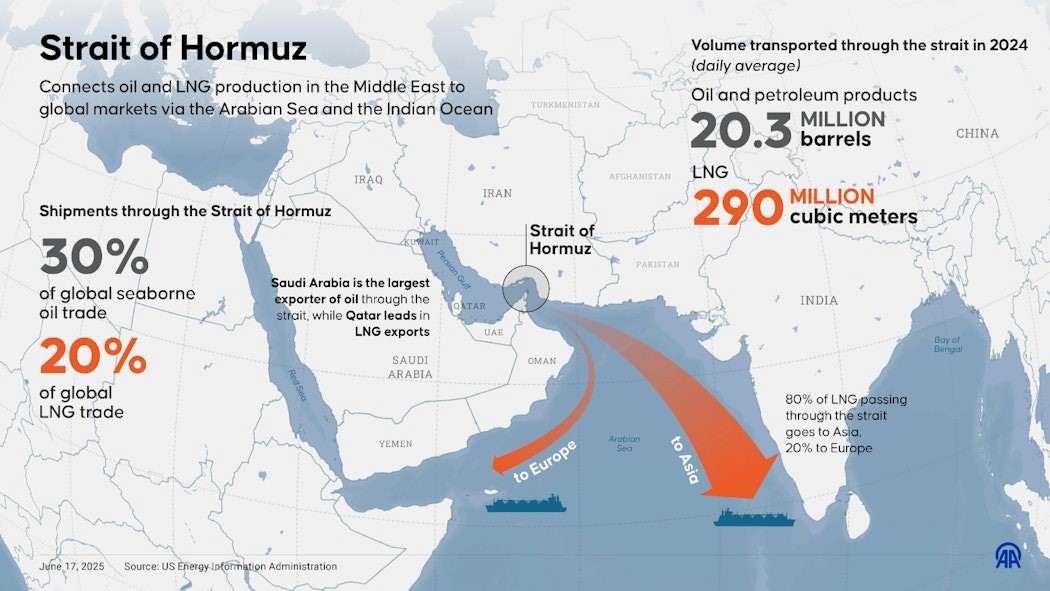
The Strait of Hormuz, situated between Iran and Oman, handles about a fifth of global oil and liquefied natural gas shipments. Any disturbance along this narrow corridor has the potential to reverberate across global energy markets and shipping routes. Escalating tensions across West Asia have already led to attacks on several vessels and heightened security risks for commercial shipping in the region.
Iran’s decision to permit the two LPG carriers to sail through the strait marked an exception to restrictions imposed after military action targeting Iranian infrastructure triggered a broader confrontation. Tehran has maintained that vessels from most countries can navigate the passage but warned that ships from states viewed as hostile could face restrictions or heightened scrutiny.
Diplomatic engagement between New Delhi and Tehran played a role in securing the initial transit. Conversations between Prime Minister Narendra Modi and Iran’s president Masoud Pezeshkian, along with discussions between foreign ministers, focused on safeguarding energy shipments and the safety of nationals in the conflict-affected region.
India depends heavily on Middle Eastern suppliers for its energy needs. About 90 per cent of the country’s imported LPG originates from the region, while a substantial share of crude oil imports also passes through the Strait of Hormuz. That reliance has made the stability of the shipping lane central to the country’s energy security strategy.
Officials from the shipping ministry confirmed that Indian authorities are coordinating with regional partners and monitoring maritime traffic closely. Naval vessels deployed in the Gulf under Operation Sankalp have been keeping watch over merchant ships heading towards the subcontinent, providing situational awareness and escort support where necessary.
Energy analysts say the partial reopening of the route for Indian cargo illustrates the delicate balance between geopolitical confrontation and commercial necessity. Countries reliant on Gulf hydrocarbons have sought diplomatic channels to keep trade flowing even as military tensions complicate navigation in the region.
Oil markets reacted sharply to the conflict surrounding the strait, with benchmark crude prices surging amid fears of prolonged disruption to supply. Traders remain wary that even isolated incidents could affect tanker movements through the corridor, where narrow shipping lanes and heavy traffic leave little room for error.
The two LPG carriers now sailing toward the western coast highlight the importance of maintaining uninterrupted access to the strait. With domestic demand for cooking gas remaining high, authorities have prioritised household supply chains while assessing contingency measures for industrial users if shipments continue to face delays.
Shipping industry figures note that vessels have increasingly adopted precautionary routes or delayed departures until security conditions improve. Insurance costs for tankers operating in the Gulf have also climbed, reflecting the heightened risk environment created by missile strikes, drone attacks and naval deployments in surrounding waters.
Strategic calculations extend beyond immediate fuel deliveries. India has been strengthening diplomatic engagement with Gulf producers and maritime partners to ensure continued energy access during periods of instability. The country has also expanded storage capacity and diversified crude sources over the past decade to mitigate supply shocks.
Even with those measures, the Strait of Hormuz remains a critical artery for trade between the Gulf and Asia. Any sustained restriction would affect not only India but also large importers such as China, Japan and South Korea, which depend on the same route for oil and gas shipments.
By R. Suryamurthy Few economic variables carry the political volatility of oil prices in India. When global crude rises, inflation anxieties spread quickly across households, transport costs ripple through supply chains, and governments scramble to contain the political fallout. Yet the latest oil shock — triggered by tensions involving the US-Israel-Iran war— has exposed a […]
By Nantoo Banerjee The all-out war in West Asia, involving the US-Israel combine and Iran and covering 10 countries in the region, is expected to have a big economic backlash on India. At stake are India’s $120-billion trade in this region, huge oil imports, overall balance of payments, inflow of external investments, foreign repatriation and […]
Government officials confirmed that a warship from Iran was granted permission to dock at a naval facility in Kochi shortly before another vessel from the same flotilla was sunk by a United States submarine in the Indian Ocean, an episode that has drawn global attention to maritime diplomacy and escalating naval tensions around South Asia.
The vessel, identified as IRIS Lavan, sought permission to enter Kochi harbour citing technical problems while sailing in the region. Authorities approved the request, allowing the ship and its crew to remain at the naval base as a humanitarian measure after Tehran asked for urgent assistance. Around 183 sailors from the ship were accommodated at naval facilities after the vessel reached the port.
The docking occurred against the backdrop of a widening military confrontation involving Washington and Tehran. Only days later, the Iranian frigate IRIS Dena was torpedoed by a United States submarine near the southern coast of Sri Lanka, killing at least 87 sailors and triggering a rescue operation by Sri Lankan authorities.
Officials explained that the decision to allow the Iranian ship to dock was based on established maritime norms requiring assistance to vessels in distress. External affairs minister Subrahmanyam Jaishankar said the vessel had asked for access to a port and authorities responded on humanitarian grounds.
The IRIS Dena had been returning from international naval events hosted along the eastern seaboard, including a fleet review and exercises involving several foreign navies. The frigate, part of Iran’s Moudge-class warship programme, had previously participated in naval engagements aimed at expanding cooperation between regional maritime forces.
Military analysts say the sequence of events highlights how the expanding confrontation between Iran and the United States is spilling into waters far from the Persian Gulf. The submarine strike on the Dena marked one of the rare occasions in modern naval warfare when a surface warship was destroyed by a torpedo attack launched from a submarine.
According to defence officials and maritime observers, the attack occurred about 40 nautical miles off Sri Lanka’s coast near Galle. A distress signal transmitted from the frigate prompted an immediate search and rescue operation by the Sri Lanka Navy and Air Force, which recovered survivors and bodies from the water.
The episode has placed India’s maritime diplomacy under scrutiny as regional tensions intensify. Authorities emphasised that the docking of the Iranian vessel was not connected to the military escalation and was conducted in line with international maritime conventions governing emergency access to ports.
Diplomats familiar with the situation indicated that Tehran had contacted authorities seeking temporary refuge for one of its ships after mechanical problems developed during its voyage in the Indian Ocean. Permission was granted for the vessel to dock in Kochi while the crew remained under naval supervision.
Another Iranian vessel operating in the region also encountered difficulties. The ship IRIS Bushehr reported engine trouble while sailing near Sri Lanka’s exclusive economic zone, prompting authorities there to escort it to harbour and relocate more than 200 sailors to a naval facility near Colombo.
The developments illustrate the complex position regional governments face as the confrontation between Washington and Tehran spreads beyond West Asia. Both powers maintain strategic ties with several countries around the Indian Ocean, leaving governments to balance diplomatic relations while responding to humanitarian requests at sea.
Strategic experts note that the Indian Ocean has long served as a vital corridor for energy shipments and naval deployments. The presence of Iranian vessels in the region had increased in recent years as Tehran attempted to demonstrate blue-water naval capabilities and deepen engagement with foreign maritime forces.
The Dena itself had previously taken part in international naval gatherings designed to encourage cooperation on maritime security, anti-piracy operations and humanitarian missions. Participation in those exercises underscored Iran’s attempt to portray its navy as an active participant in multinational maritime dialogue.
However, the destruction of the frigate has underscored how quickly cooperative settings can give way to confrontation during geopolitical crises. Analysts say the use of a submarine-launched torpedo against a warship outside the immediate conflict zone represents a striking demonstration of undersea warfare capabilities.
United States defence officials described the strike as a legitimate military action against an enemy naval vessel. Some legal experts have argued that attacking a military ship is permissible under the laws of armed conflict, though debate has emerged over the circumstances surrounding the incident and the obligations to rescue survivors.
Iranian authorities condemned the attack as an act of aggression and demanded the return of the bodies of sailors who died when the frigate sank. The incident has intensified diplomatic friction while raising questions about maritime security in waters linking the Middle East, South Asia and Southeast Asia.
By Nitya Chakraborty The resounding victory of the Gen Z supported Rashtriya Swatantra Party (RSP) in the March 5 general elections in Nepal is a game changer not only in the political history of this tiny Himalayan nation but also in the evolving polity of South Asia. Nepal is now the second country in South […]
Matein Khalid The geopolitical convulsion in Iran has led to panic buying in Brent crude as Saudi Arabia’s largest refinery Ras Tanura and Qatar’s LNG mega complex at Ras Laffan shut production even as tanker traffic in the Straits of Hormuz comes to a halt amid soaring war risk, insurance premia, IRGC attacks on oil tankers and a 3X spike in VLCC/LNG freight costs. This is a […]
Arabian Post Staff -Dubai Tehran has reopened the Strait of Hormuz to limited maritime traffic but declared that only Chinese ships may pass through the strategic waterway, warning that any other vessel attempting an unauthorised crossing could face military action as the war between Iran, the United States and Israel entered its fifth day. Iranian authorities said the decision to permit Chinese vessels was a “gesture of […]
Landmark agreements, product unveilings and policy signals at the IESA Vision Summit 2026 have sharpened the country’s bid to emerge as a significant player in the global semiconductor value chain, as industry leaders and policymakers mapped out the next phase of chip manufacturing, design and talent expansion. Held against a backdrop of supply chain realignment and geopolitical competition in advanced technologies, the annual gathering of the India […]
Stock markets across India tumbled sharply as escalating conflict involving the United States, Israel and Iran heightened geopolitical risks and rattled investor confidence. The benchmark Sensex plunged by more than 1,000 points, slipping beneath the 81,000 mark, while the Nifty 50 index lost upwards of 300 points, breaching the crucial 25,000 support level as traders moved out of riskier assets. Over two trading sessions, equities have shed value significantly, wiping out approximately ₹11 lakh crore in market capitalisation, underlining how swiftly global geopolitics can translate into domestic financial stress.
The sell-off was driven by escalating military strikes between the United States and Israel against Iran, which led to the death of Iran’s Supreme Leader and triggered retaliatory actions across the region. This surge in hostilities has directly affected energy markets, pushing Brent crude oil prices upwards as disruptions along the Strait of Hormuz — a vital chokepoint for roughly a fifth of global oil shipments — raised concerns about supply. Higher oil prices have increased input costs for energy-importing economies and amplified inflationary pressures, prompting investors to reassess risk assets.
The immediate impact on Indian markets was stark. On Monday, the Sensex closed more than 1.3 per cent lower, its lowest finish in nearly six months, while the volatility index jumped sharply, reflecting heightened unease among traders. Nifty 50’s weakness on the trading floor mirrored broader pressure across key sectors, with energy, infrastructure and export-linked stocks bearing the brunt as sentiment deteriorated. Safe-haven assets such as gold saw notable gains as buyers sought refuge from equity market turmoil.
Analysts point out that crude oil’s swift ascent — fuelled by concerns over prolonged conflict and chokepoint disruptions — directly affects inflation and corporate margins. India imports a significant share of its crude from the Middle East, meaning sustained higher oil prices could widen the current account deficit and constrain monetary policy flexibility. As the cost of imported fuel rises, transport and manufacturing sectors may face margin pressure, posing broader economic challenges.
Sector-specific reactions were evident as aviation and consumer discretionary firms underperformed sharply, enduring heavier selling than other segments. Airlines canceling or rerouting flights due to closed Middle Eastern airspace compounded operational uncertainties for carriers with significant exposure to that region. By contrast, stocks of certain energy producers saw modest strength, as rising oil benchmarks can enhance their near-term earnings prospects.
Foreign institutional investors have been net sellers, exacerbating downward pressure on domestic bourses. Data from market intermediaries show significant outflows amid rising global risk aversion, with liquidity flowing into traditional safe havens including U. S. Treasuries and precious metals. This rotation underscores how geopolitical stress can quickly reframe investment priorities, often to the detriment of emerging market equities.
Currency markets reflected the strain, with the rupee depreciating against major currencies as capital outflows intensified. A weaker rupee further amplifies the impact of higher crude prices, raising import bills and potentially catalysing inflation. Bond markets reacted in kind, with yields on government securities climbing as investors demanded higher compensation for perceived risk and inflation expectations shifted.
Corporate India is also grappling with broader trade and supply chain disruptions. Chambers of commerce and industry bodies have flagged operational headwinds for exporters and manufacturers due to heightened shipping costs and logistical bottlenecks triggered by the conflict. Industries dependent on Middle East trade corridors or commodities now expect cost pressures and delivery delays that could dampen growth prospects over the quarter.
Global markets have not been immune to the fallout. European indices also slid as energy prices climbed and investor risk appetite waned, while U. S. equity futures oscillated amid mixed signals from corporate earnings and macroeconomic data. The global ripple effect highlights how interconnected financial systems are with geopolitical developments, where shocks in one region can quickly transmit across borders.
Arabian Post Staff -Dubai Major airports across the Gulf and wider Middle East continued to experience widespread flight cancellations and operational standstills as the airspace turmoil triggered by intensified military strikes on Iran extended into Monday. Key civil aviation hubs, including Dubai International, Abu Dhabi’s Zayed International and Doha’s Hamad International, remained shut or under severe restrictions, disrupting global air traffic flows and stranding tens of thousands […]
By Ashok Nilakantan Ayers NEW YORK: When Narendra Modi walked into the Knesset and told Israel’s parliament during his visit to Israel on February 25-26, that “peace and stability in West Asia are directly linked to India’s security,” he was doing more than delivering a diplomatic courtesy. He was planting a flag. India, under its […]
How the UAE Education System Works: Regulators, Curricula, Inspections and School Types The United Arab Emirates is home to one of the most diverse and rapidly expanding education sectors in the world. With over 600 private schools spread across seven emirates, families relocating to the country are met with a system that can feel overwhelming at first glance. Multiple regulators, 17 different curricula, and three distinct school […]







 By R. Suryamurthy Few economic variables carry the political volatility of oil prices in India. When global crude rises, inflation anxieties spread quickly across households, transport costs ripple through supply chains, and governments scramble to contain the political fallout. Yet the latest oil shock — triggered by tensions involving the US-Israel-Iran war— has exposed a […]