News related to
Indian

By P. Sudhir The US President Donald Trump, in his first address to the US Congress following his election, has threatened to impose tariffs on countries that he considers are taking advantage of US trade policies. In his list is India, along with Canada, Mexico, China, Brazil and the European Union. Trump has repeatedly named […]

A U.S. bankruptcy court has found Byju Raveendran, founder of Indian ed-tech giant Byju’s, complicit in fraudulent financial activities, marking a significant escalation in the company’s ongoing legal and financial challenges.

The court determined that Raveendran, along with his brother Riju Ravindran and entities associated with Byju’s, orchestrated the unauthorized transfer of $533 million from Byju’s Alpha, a U.S.-based subsidiary, to Camshaft Capital Management, a hedge fund with dubious credentials. Camshaft, managed by a high school dropout lacking formal investment experience, was characterized by the court as a “sham” entity, raising serious concerns about the legitimacy of the transactions.

This ruling stems from a broader legal dispute between Byju’s and its lenders over a $1.2 billion term loan. Lenders initiated legal action following Byju’s alleged defaults on payment obligations and delays in financial disclosures. The unauthorized fund transfers were uncovered during these proceedings, leading to allegations of fraudulent conduct against the company’s leadership.

The court’s findings highlight a series of “badges of fraud,” including the concealment of funds and breach of fiduciary duties by the company’s directors. These actions have not only violated legal and ethical standards but have also severely undermined the trust of investors and stakeholders in the company’s governance.

Byju’s, once valued at $22 billion, has experienced a dramatic decline amid these controversies. The company’s aggressive expansion during the pandemic, fueled by substantial investments, has come under scrutiny as financial instability and governance issues have surfaced. The post-pandemic economic shift, characterized by rising interest rates, has further exacerbated the company’s challenges, leading to funding shortages and legal battles.

The repercussions of the court’s decision are far-reaching. Byju’s now faces intensified scrutiny from regulatory authorities, investors, and the broader public. The company’s reputation, once a beacon of India’s burgeoning ed-tech sector, has been tarnished, raising questions about its future viability and the potential impact on its extensive user base.

In response to the ruling, Byju’s leadership has maintained their stance of denying any wrongdoing. However, the court’s findings present a formidable challenge to this narrative, placing the onus on the company’s executives to address these serious allegations transparently and effectively.

The situation has also had a profound impact on Byju’s employees. Reports indicate widespread anxiety among the workforce, with many facing delayed salaries and uncertain job security. The company’s insolvency proceedings have further fueled concerns, prompting discussions about potential protests and legal actions by affected employees.

Investors, too, are reevaluating their positions. The exodus of prominent board members and auditors, coupled with the court’s recent findings, has led to a crisis of confidence. The company’s valuation has plummeted, and its ability to secure future funding is in jeopardy. This scenario underscores the critical importance of robust corporate governance and ethical financial practices in maintaining investor trust and ensuring long-term sustainability.

The court has yet to determine the specific damages to be awarded to the lenders. This pending decision adds another layer of uncertainty to Byju’s financial outlook. The company’s ability to navigate these legal and financial challenges will be crucial in determining its future trajectory and its role in the global ed-tech landscape.

This case serves as a cautionary tale for startups and investors alike. It highlights the potential pitfalls of rapid expansion without adequate oversight and the dangers of compromising ethical standards for short-term gains. As the ed-tech industry continues to evolve, the Byju’s saga underscores the necessity for transparency, accountability, and prudent financial management.

The coming months will be critical for Byju’s as it seeks to restore credibility and stabilize its operations. Stakeholders will be closely monitoring the company’s actions, looking for signs of meaningful reforms and a commitment to rectifying past missteps. The outcome of this situation will have significant implications not only for Byju’s but also for the broader perception of India’s startup ecosystem on the global stage.

In light of these developments, industry observers are advocating for stronger regulatory frameworks to prevent similar occurrences in the future. There is a growing consensus that while innovation and growth are essential, they must be balanced with responsibility and integrity to ensure sustainable success.

HYDERABAD, INDIA – Media OutReach Newswire – 12 March 2025 – This Holi, 1win brightened celebrations across India, bringing light, color, and community togetherness to thousands. As part of the “1win We Care. We Share” initiative, 1win distributed special Holi kits filled with vibrant powders, traditional sweets, and branded gifts, ensuring that more people could fully experience the spirit of the festival. Holi with 1win is all […]

By K Raveendran President Trump’s repeated assertions that India has agreed to reduce tariffs “way down” have sparked a predictable wave of denials from New Delhi, underscoring the fraught and often opaque nature of trade negotiations between the two countries. While Trump’s tendency to make exaggerated or even unverified claims is well-known, in this particular […]

The United States has intensified its criticism of India’s trade policies, highlighting substantial tariffs imposed on American products. White House Press Secretary Karoline Leavitt underscored these concerns during a press briefing, emphasizing the challenges faced by U.S. exporters in penetrating the Indian market.

Leavitt pointed out that India levies a 150% tariff on American alcohol, significantly hindering the export of products like Kentucky bourbon. Additionally, she noted a 100% tariff on U.S. agricultural goods entering India. These steep tariffs, according to Leavitt, exemplify the broader issues of trade imbalances that the current administration aims to address.

The U.S. administration’s stance is rooted in a commitment to reciprocity and equitable trade practices. President Donald Trump has been vocal about the need for fair treatment of American businesses and workers, criticizing countries that impose disproportionately high tariffs on U.S. goods. In the same briefing, Leavitt also highlighted Canada’s nearly 300% tariff on American cheese and butter, further illustrating the administration’s concerns over global trade practices.

The issue of tariffs has been a recurring theme in U.S.-India trade relations. President Trump has previously labeled India as the “tariff king,” citing its average tariffs on imports as significantly higher compared to other nations. This characterization underscores the administration’s frustration with India’s protectionist measures, which are seen as barriers to U.S. exports.

In response to these concerns, Indian Prime Minister Narendra Modi has initiated steps to reduce tariffs on certain products. Ahead of his visit to Washington, India announced reductions in tariffs on items such as smartphone components and electric-vehicle batteries. These measures aim to strengthen bilateral ties and potentially avert punitive reciprocal tariffs from the U.S. However, many of these tariff reductions are offset by other taxes, and key imports from the U.S. continue to face relatively high tariffs.

The economic implications of these tariffs are significant. For instance, Citi Research estimates that India could lose $7 billion annually if the U.S. proceeds with its proposed reciprocal tariff measures. This potential loss underscores the high stakes involved in the ongoing trade negotiations between the two countries.

The U.S. administration’s concerns are not limited to India. President Trump has also criticized other nations, including Japan, for imposing high tariffs on specific U.S. products. For example, Japan’s tariffs on rice imports stand at 700%, further complicating the global trade landscape.

In an effort to address these disparities, President Trump has announced plans to implement reciprocal tariffs on countries with high value-added taxes or other trade barriers. This policy aims to counteract what the administration perceives as unfair advantages held by countries with high VAT systems, which can act as de facto tariffs on U.S. goods.

The proposed reciprocal tariffs are part of a broader strategy to create a more balanced trade environment for American companies. The administration’s goal is to ensure that U.S. businesses can compete on a level playing field in the global market. While specific details of the reciprocal tariff plan are still being finalized, the administration has indicated that implementation could begin in the coming weeks or months.

The U.S. has also expressed concerns about India’s high average applied Most Favored Nation tariff on agricultural goods, which stands at 39%, compared to the U.S. average of 5%. Additionally, India imposes a 100% tariff on U.S. motorcycles, while the U.S. charges only a 2.4% tariff on Indian motorcycles. These disparities further contribute to the administration’s push for more equitable trade practices.

The ongoing trade tensions have prompted high-level discussions between the two nations. Indian Commerce Minister Piyush Goyal recently visited Washington to negotiate a trade agreement following President Trump’s threat of reciprocal tariffs. These negotiations are part of a broader realignment in India’s trade strategy, as the country also seeks to restart trade talks with the UK and the European Union.

However, significant challenges remain. India’s protectionist stance, particularly in the agricultural sector, poses notable obstacles to reaching a comprehensive trade agreement. The Modi government faces political sensitivities in liberalizing sectors like agriculture, highlighted by past resistance to international trade agreements and farming reforms. Analysts foresee difficult negotiations, especially regarding U.S. demands for market access in agriculture and other sensitive areas.

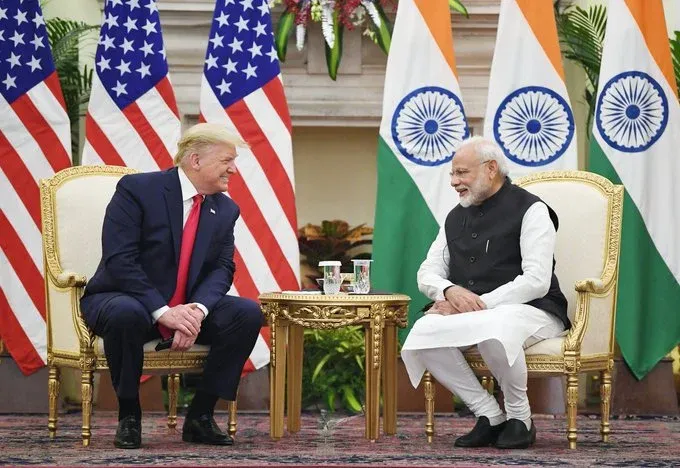
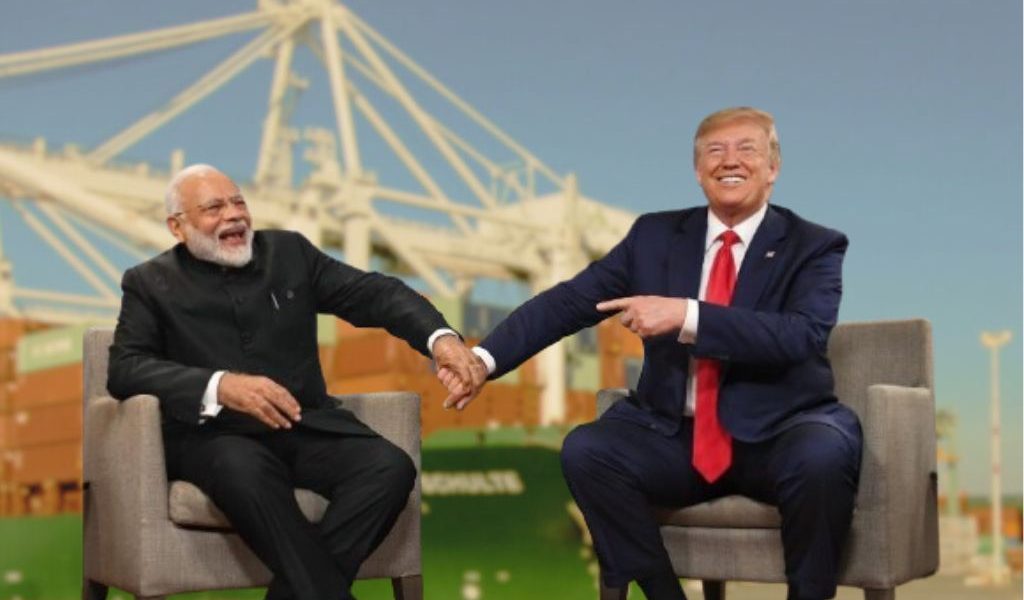
The personal rapport between President Trump and Prime Minister Modi could play a pivotal role in these negotiations. Both leaders have expressed a desire to strengthen bilateral ties and expand economic cooperation. However, balancing domestic political considerations with international trade demands will be crucial in determining the outcome of these discussions.

As the April 2 deadline for the implementation of U.S. reciprocal tariffs approaches, the urgency for a resolution intensifies. Both nations stand to gain from a mutually beneficial agreement that addresses tariff disparities and promotes fair trade practices. The coming weeks will be critical in shaping the future trajectory of U.S.-India trade relations.

Coinbase Global Inc., a leading U.S.-based cryptocurrency exchange, has officially registered with India’s Financial Intelligence Unit , enabling the company to offer crypto trading services within the country. This strategic move marks Coinbase’s re-entry into the Indian market after it suspended operations in 2022 due to regulatory challenges.

The company plans to launch its initial retail services later this year, followed by the introduction of additional investment products. John O’Loghlen, Coinbase’s Regional Managing Director for Asia Pacific, expressed enthusiasm about the expansion, stating, “India represents one of the most exciting market opportunities in the world today, and we’re proud to deepen our investment here in full compliance with local regulations.”

This development comes at a time when interest in cryptocurrencies has surged among young Indians, many of whom are exploring crypto trading as a means to supplement their incomes. The Indian market already hosts several crypto exchanges, including CoinDCX, Binance, and KuCoin, indicating a competitive environment for Coinbase’s return.

Under Indian law, virtual digital asset service providers are required to register with the FIU and comply with anti-money laundering regulations. Despite a 30% tax on crypto trading gains, which is among the highest globally, the Indian government has yet to outline comprehensive regulations for the asset class. The country’s stance on cryptocurrencies is currently under review, influenced by global regulatory shifts and recent U.S. policy changes.

Coinbase’s re-entry into India signifies a notable shift in the country’s approach to digital currencies. Previously, the Reserve Bank of India had expressed strong opposition to cryptocurrencies, leading to a challenging environment for crypto exchanges. However, the recent dismissal of a lawsuit against Coinbase by U.S. market regulators, coupled with President Donald Trump’s support for cryptocurrencies, appears to have influenced India’s regulatory landscape, making it more conducive for exchanges like Coinbase to operate.

The Indian crypto market is estimated at $2.6 billion and is expected to grow annually by 18%. This growth potential, along with the increasing enthusiasm among young traders, presents a significant opportunity for Coinbase. The company’s commitment to complying with local regulations and its strategic plan to roll out services gradually demonstrate a measured approach to capturing this market.

Coinbase’s registration with the FIU not only allows it to offer trading services but also underscores its dedication to adhering to India’s anti-money laundering and counter-terrorism financing laws. This compliance is crucial for building trust with Indian regulators and users, who have been cautious about the risks associated with cryptocurrencies.

Wipro GE Healthcare has unveiled the Versana Premier R3, an advanced ultrasound system integrating artificial intelligence to enhance diagnostic accuracy and streamline clinical workflows. This state-of-the-art device aligns with the ‘Make in India’ initiative, being manufactured at the company’s production-linked incentive factory in Bengaluru.

The Versana Premier R3 represents a significant advancement in medical imaging technology. By incorporating AI-driven productivity tools, the system optimizes dynamic tissue imaging and assists in precise volume calculations, thereby improving overall workflow efficiency. These features are designed to support clinicians in delivering more accurate and timely diagnoses, ultimately enhancing patient outcomes.

Chaitanya Sarawate, Managing Director of Wipro GE Healthcare South Asia, emphasized the company’s dedication to AI advancements: “At Wipro GE Healthcare, we continue to make advancements in AI, investing in foundation models that can help enhance precision care, ease clinical workflows, and enable better patient outcomes. AI is central to building a future where healthcare is personalized, preventive, and affordable. The launch of our Versana Premier R3 is yet another testament to our commitment towards the delivery of ‘Made in India MedTech – for India and the world.'”

Anup Kumar, Business Head of Ultrasound at Wipro GE Healthcare, highlighted the system’s potential impact: “We are very proud to launch the Versana Premier R3, our state-of-the-art ‘Made in India’ ultrasound system. With the growing NCD burden in the country, there is a pressing need for advanced patient-centric technologies that can provide faster, personalized, and more accurate diagnosis. Powered by AI, Versana Premier R3 delivers exceptional image clarity and versatile organ scanning, enhancing diagnostic precision and empowering clinicians to make timely and well-informed decisions.”

The introduction of the Versana Premier R3 comes at a critical time, as India faces a rising burden of non-communicable diseases . The country’s vast population necessitates advanced diagnostic technologies to manage and mitigate these health challenges effectively. The system’s AI capabilities are expected to play a pivotal role in this regard, enabling healthcare providers to offer more precise, personalized, and preventive care.

A recent report by PwC indicates that 57% of healthcare providers in India have already integrated AI into their operations, surpassing global adoption rates. This growing embrace of artificial intelligence underscores the significance of the Versana Premier R3 in meeting the country’s evolving healthcare demands.

The system’s ‘VisionBoost architecture’ and 8-million-channel digital processing deliver exceptional image clarity. With compatibility for 23 different probes, the Versana Premier R3 offers dynamic organ scanning capabilities, enhancing diagnostic precision and empowering clinicians to make timely and well-informed decisions.

Wipro GE Healthcare has been at the forefront of the ‘Make in India – for India and the world’ initiative, manufacturing state-of-the-art medical technologies domestically. The company’s PLI factory in Bengaluru has previously developed revolutionary products such as the Revolution Aspire CT system and the Optima IGS320 AI-enabled Cath Lab. In a further commitment to India’s healthcare industry, Wipro GE Healthcare recently announced an investment exceeding INR 8,000 crore over the next five years.

The Versana Premier R3’s AI-driven features are designed to assist even less experienced practitioners in performing high-quality scans, thereby democratizing access to advanced diagnostic tools. This aligns with global trends where AI is being leveraged to empower general practitioners and other healthcare providers to perform scans more quickly and reliably, saving clinical and operational time and effort.

In addition to enhancing diagnostic capabilities, the Versana Premier R3 is equipped with a self-learning onboarding tool. This feature supports skill development among clinicians, enabling them to adapt quickly to new workflows and improve their diagnostic capabilities. Such tools are particularly valuable in low-resource settings, where access to specialized training may be limited.

The integration of AI in ultrasound technology is not unique to Wipro GE Healthcare. Other companies, such as EchoNous, are also bringing premium ultrasound technology together with industry-leading AI to transform point-of-care ultrasound and make results more accessible for providers and patients alike. This trend reflects a broader movement in the medical technology industry towards incorporating AI to improve diagnostic accuracy and efficiency.

The launch of the Versana Premier R3 is expected to have a significant impact on India’s healthcare infrastructure. By providing clinicians with advanced tools to diagnose and monitor various health conditions more effectively, the system contributes to the broader transformation of the medical diagnostics landscape. This aligns with the global shift towards personalized and preventive healthcare, where early detection and timely intervention are crucial.

Wipro GE Healthcare’s commitment to innovation and quality is evident in the development of the Versana Premier R3. The company’s focus on integrating advanced technologies into their products ensures that healthcare providers have access to the best tools available, ultimately benefiting patients through improved care.

The introduction of the Versana Premier R3 also highlights the importance of local manufacturing in the medical technology sector. By producing the system domestically, Wipro GE Healthcare not only supports the ‘Make in India’ initiative but also ensures that the technology is tailored to meet the specific needs of the Indian healthcare system.


Advertisements
By Dr. Sobhanlal Datta Gupta A controversy has erupted centring around CPI(M)’s position expressed in the Draft Political Resolution for the ensuing 24th Party Congress that the present Narendra Modi Government is not fascist, but marked by fascist tendencies. This stand has been subjected to criticisms by other Left parties on the ground that this […]


Startups in India’s deep-tech and semiconductor sectors are increasingly positioning themselves as key players in the global technological race. With innovations spanning automotive semiconductors, AI-driven edge computing, and secure connectivity solutions, these startups are poised to lead the next wave of technological advancement.

The role of India’s emerging deep-tech ecosystem is gaining global recognition, especially in fields where cutting-edge technology is required to meet the rapidly evolving demands of industries. Notably, companies in the semiconductor sector are contributing significantly to the development of next-generation automotive systems. These systems rely heavily on semiconductor components to enable functions like autonomous driving, safety features, and advanced in-car connectivity, all of which are in high demand globally.

NXP Semiconductors, a global leader in semiconductor solutions, has highlighted the critical role India’s deep-tech startups are playing in this technological transformation. According to NXP executives, Indian startups are at the forefront of developing innovative solutions that can cater to the evolving needs of the automotive industry. “India’s deep-tech ecosystem is thriving, particularly in the semiconductor space, which is foundational for automotive technologies,” stated an NXP spokesperson. These startups are not only serving the domestic market but are also well-positioned to tap into the vast global market for automotive semiconductors.

India’s progress in automotive technology is attributed to a blend of innovation, government support, and a rapidly growing pool of highly skilled engineers and entrepreneurs. The country’s focus on fostering startups through initiatives like the ‘Startup India’ programme has provided a conducive environment for these companies to flourish. Additionally, the Indian government’s emphasis on expanding its semiconductor manufacturing capabilities has laid the foundation for more home-grown innovations in this sector.

While the automotive sector is receiving significant attention, Indian startups are also making strides in other high-growth sectors like AI-driven edge computing. These technologies are revolutionizing industries by enabling faster data processing at the source of data generation, as opposed to relying solely on cloud infrastructure. The ability to process data at the edge, especially in real-time applications such as smart cities and industrial IoT , is proving to be a game-changer. Indian startups are developing solutions that make edge computing more scalable, efficient, and secure, which is crucial for industries that demand low-latency operations and enhanced security.

India’s deep-tech startups are playing a vital role in advancing secure connectivity solutions, an area that has seen increasing demand with the rise of the Internet of Things and the digitalisation of services. In an era where data security is paramount, these companies are creating cutting-edge technologies to secure communications and data transmissions across various platforms. The emphasis on cybersecurity and secure communication protocols is vital in safeguarding critical infrastructure, especially with industries such as healthcare, finance, and defence becoming more interconnected.

Industry leaders believe that the synergy between India’s deep-tech startups and the government’s efforts to boost innovation will create a strong foundation for India’s dominance in these high-tech sectors. A key component of this success lies in the startups’ ability to develop customised solutions for both domestic and international markets. This is where their deep understanding of local challenges combined with global aspirations gives them a competitive edge.

With significant investments flowing into the country’s startup ecosystem, especially in semiconductors, AI, and edge computing, the outlook for India’s deep-tech sector is promising. The advent of 5G technology, in particular, is expected to further accelerate demand for these innovative solutions, particularly in automotive, smart cities, and industrial sectors. The country’s deep-tech startups are expected to play an instrumental role in the development and deployment of 5G-enabled technologies, which will provide them with more opportunities to scale globally.

India’s push towards developing indigenous semiconductor manufacturing capabilities has also opened doors for local companies to cater to the international semiconductor market. The government has actively sought to reduce India’s reliance on imported semiconductors, which has led to a surge in the development of local semiconductor fabs and research and development facilities. With global supply chains under pressure due to geopolitical factors, the demand for domestic semiconductor solutions has risen sharply. Indian startups are emerging as key players in this sector, meeting both the needs of the domestic market and providing competitive alternatives to global suppliers.

Experts predict that Indian deep-tech startups are not only set to lead in traditional areas like automotive and semiconductor technologies but are also likely to make breakthroughs in emerging fields such as quantum computing, robotics, and biotechnology. With the convergence of AI, machine learning, and quantum technologies, Indian startups are uniquely positioned to innovate at the intersection of these fields, driving future technological revolutions.

One of the challenges Indian startups face, however, is the scaling-up process. While the innovation coming out of India is impressive, the ability to scale these technologies globally remains a complex task. To overcome these challenges, Indian startups are increasingly collaborating with global players and securing strategic partnerships that help them expand their reach and capabilities. These partnerships also provide them with access to crucial markets and resources, enabling them to scale their solutions faster and more efficiently.

Matein Khalid Some guy wrote to me that I was bearish for 4-years. Poppycock! In mid-Jan, I wrote a bullish analysis of Prologis (PLD), the world’s largest industrial REIT. PLD was 105 then and 124 now. An 18% return in 6-weeks is a gift for those with the IQ to grasp my logic. Which poor Densa could not. What about VNO at 18, Citi at 60, Wells […]

By Nantoo Banerjee If the United States of America is the provider of the largest trade surplus to India year after year, there is no reason for India to impose unreasonable tariffs on merchandise imported from its best trading partner. In fact, the import tariff should not be allowed to be a bone of contention […]

The longstanding business model of India’s information technology industry is facing obsolescence due to the rapid advancements in artificial intelligence , according to industry leaders. At the recent Nasscom Technology and Leadership Forum in Mumbai, HCL Technologies’ CEO, C Vijayakumar, emphasized the urgency for IT companies to adopt a “paranoid” mindset to remain relevant and drive growth.

Vijayakumar highlighted that the traditional model, characterized by a linear scaling of revenues and personnel over the past three decades, is now ripe for disruption. He revealed that HCL has been challenging its teams to achieve double the revenue with half the workforce, leveraging AI-driven automation to enhance productivity. This approach underscores the necessity for the industry to rethink its operations in the face of AI’s transformative potential.

Echoing this sentiment, Infosys CEO Salil Parekh concurred on the need for vigilance to stay relevant in the evolving landscape. He noted that a significant portion of the industry operates on input-based models and stressed the importance of transitioning to output and platform-based services. Parekh emphasized that AI is a massive productivity development tool, bringing in new work that otherwise wouldn’t have been possible.

The rise of generative AI technologies, which can automate tasks such as code generation, has been identified as a significant factor disrupting current business models. Vijayakumar pointed out that AI’s impact is considerably different from past technological shifts like cloud computing and digitization, necessitating proactive measures including the creation of new revenue streams and business ventures. For instance, generative AI can greatly enhance productivity by accelerating project timelines, exemplified by a potential reduction of a billion-dollar, five-year tech program to three and a half years.

To mitigate dependency on external models and geopolitical risks, Vijayakumar advocated for Indian tech firms to invest in building their own language models, citing the decreasing costs of setting up training infrastructure. This move could offer a long-term competitive advantage as costs decrease. Infosys has already taken steps in this direction by launching an open-source responsible AI toolkit to enhance trust and transparency in AI, furthering its commitment to creating an inclusive AI ecosystem that ensures safety, security, privacy, and fairness.

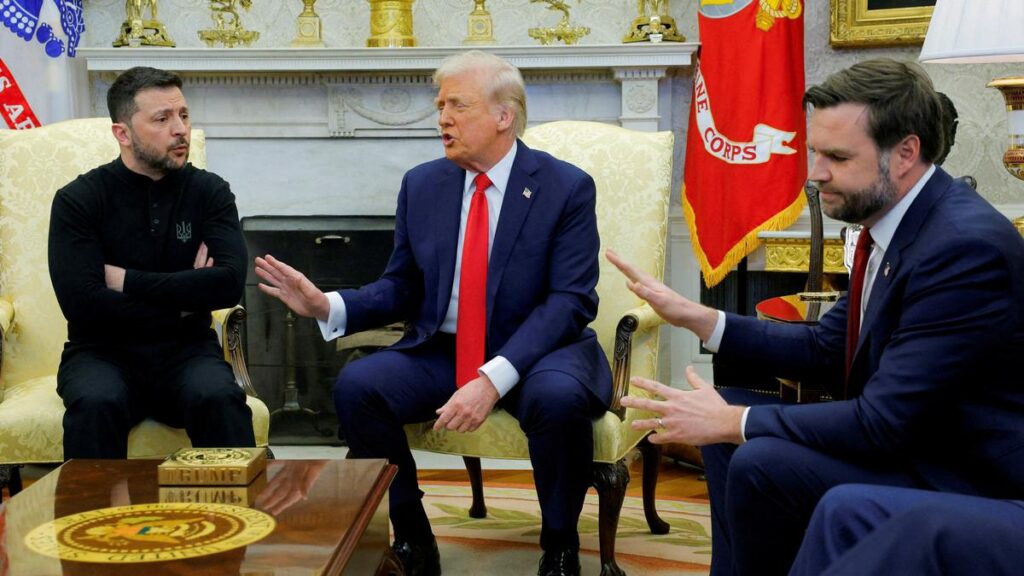
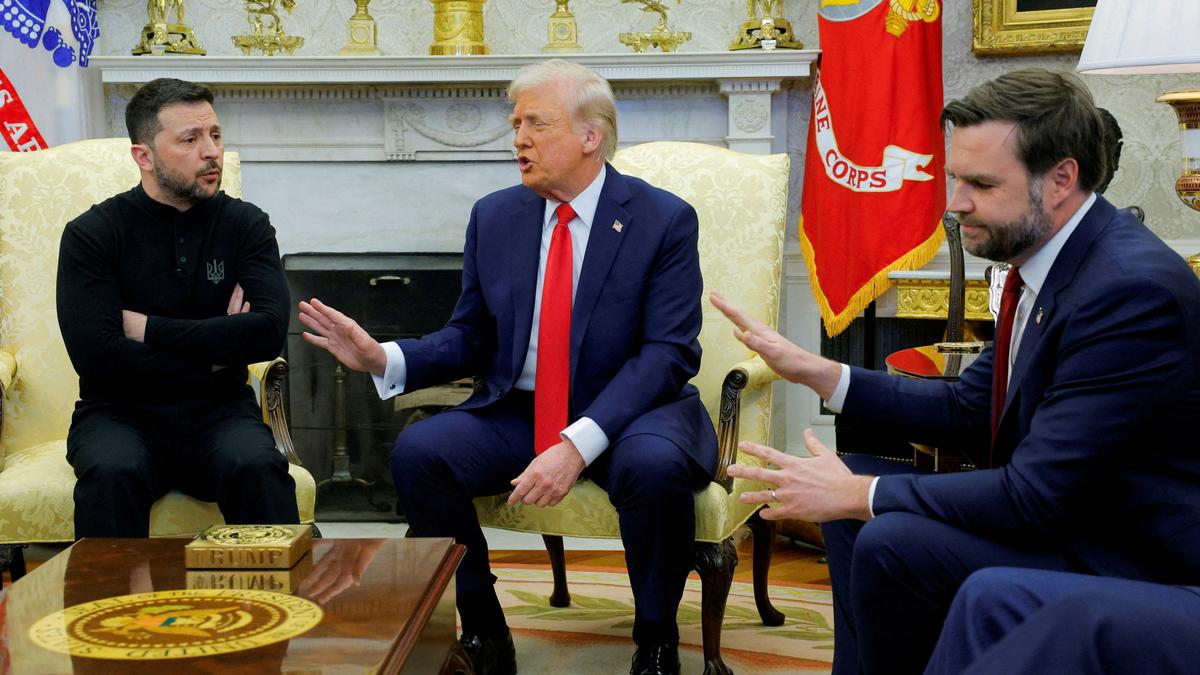
By Nitya Chakraborty Is the global geopolitics moving a full circle after 80 years since the end of the Second World War in 1945? The question is now extremely relevant after the world saw on Friday in TV channels the unprecedented spat between the United States president Donald Trump and the Ukrainian president Volodymyr Zelenskyy. […]


Abu Dhabi National Oil Company has formalised a 15-year sales and purchase agreement with Japan’s Osaka Gas, committing to supply up to 0.8 million tonnes per annum of liquefied natural gas from its Ruwais LNG project. This definitive contract transitions a prior heads-of-agreement into a binding commitment, marking the inaugural long-term LNG supply arrangement between the two corporations. The Ruwais LNG facility, currently under development in Al […]

By Nitya Chakraborty Democratic rights activist Jagdeep S. Chhokar in his recent piece in the news portal The Wire mentions of his four conclusions on the state of Indian polity in the present stage after the BJP sweep in Delhi assembly polls. His four concluding points are- first, the BJP is almost achieving an opposition-free […]

Matein Khalid Had Warren Buffett, oracle of Omaha, been born North Indian, he would have summarized Wall Street’s temper tantrum since last Friday with his famous observation “only when the tide goes out do you discover who’s been swimming nanga punga (naked)”. When history’s most iconic value investor ran up $300 billion in cash, I knew that the tide had run out for this deliciously profitable but […]

Cryptocurrency exchange Bybit has secured in-principle approval from the United Arab Emirates’ Securities and Commodities Authority to establish a virtual asset platform within the country. This significant regulatory milestone positions Bybit closer to obtaining a full operational license, enabling the firm to offer a comprehensive range of digital asset services to both retail and institutional clients in the UAE.

The approval, dated 18 February 2025, arrives at a pivotal moment for Bybit. On 21 February, the exchange experienced a substantial security breach, resulting in the loss of approximately $1.4 billion in digital assets. The incident, among the largest in cryptocurrency history, occurred during a transfer between Bybit’s cold and hot wallets. Despite this setback, the SCA’s in-principle approval underscores confidence in Bybit’s commitment to regulatory compliance and operational resilience.

Ben Zhou, co-founder and CEO of Bybit, expressed gratitude for the SCA’s decision, stating, “We are honored to have received the in-principle approval from the SCA. This approval marks a crucial step in our journey to providing secure and transparent crypto trading solutions.” Zhou emphasized Bybit’s dedication to collaborating with regulators to foster a compliant and innovative digital asset ecosystem for investors in the UAE.

The UAE has been proactive in positioning itself as a global hub for cryptocurrency and blockchain innovation. Bybit’s regulatory progress aligns with the nation’s forward-thinking stance on digital assets, aiming to create a secure and compliant environment for trading activities. The SCA’s approval of Bybit is indicative of the UAE’s commitment to attracting reputable crypto platforms and fostering a robust digital economy.

In addition to its advancements in the UAE, Bybit is actively expanding its regulatory footprint worldwide. The exchange has secured approvals in several key markets, including India, Georgia, Kazakhstan, and Turkey. Notably, on 25 February 2025, Bybit announced its re-entry into the Indian market after successfully registering with the Financial Intelligence Unit . This move followed a temporary suspension due to compliance issues, during which Bybit paid a $1 million penalty for operating without proper registration. The exchange has since aligned with Indian regulatory standards, resuming full services for existing users and gradually onboarding new clients.

However, Bybit’s global expansion has not been without challenges. In late 2024, the exchange temporarily adjusted its operations within the European Economic Area to comply with the region’s Markets in Crypto-Assets regulations. This decision reflects Bybit’s commitment to adhering to varying regulatory landscapes and ensuring compliance across jurisdictions.

The recent security breach has also prompted scrutiny from regulatory bodies. In Japan, the Financial Services Agency has urged major app stores to delist Bybit and other unregistered crypto exchanges, citing concerns over unlicensed operations and potential risks to investors. This development highlights the importance of robust security measures and regulatory compliance as Bybit continues its global expansion.

In response to the security incident, Bybit has taken steps to mitigate the impact on its users. The exchange has replaced the stolen Ether to ensure that customer funds remain unaffected. This action demonstrates Bybit’s commitment to maintaining user trust and upholding the integrity of its platform.

The cryptocurrency market has been closely monitoring Bybit’s developments, especially in light of the recent security breach. Market analysts suggest that while the in-principle approval from the SCA is a positive development, Bybit’s ability to enhance its security infrastructure and navigate complex regulatory environments will be critical to its sustained growth and reputation.

India has inaugurated its first hyperloop test track, a 422-meter facility developed by the Indian Institute of Technology Madras in collaboration with the Ministry of Railways. This significant milestone aims to revolutionize high-speed transportation in the country, potentially reducing travel times between major cities to mere minutes.

The hyperloop concept, first proposed by Elon Musk in 2013, envisions passenger pods traveling through low-pressure tubes at speeds exceeding 1,000 km/h. The completion of this test track at IIT Madras marks India’s commitment to exploring this cutting-edge technology. The facility, located on the IIT Madras campus in Chennai, serves as a critical platform for testing and refining hyperloop systems.

Union Minister for Railways, Electronics, and Information Technology, Ashwini Vaishnaw, announced an additional grant of $1 million to IIT Madras for the continued development of the hyperloop project. This funding follows two previous grants of the same amount, underscoring the government’s dedication to advancing this transformative mode of transport. Speaking at the closing ceremony of the Global Hyperloop Competition 2025, held at the Discovery Campus in Thaiyur, Vaishnaw emphasized the importance of this investment in propelling India’s transportation infrastructure into the future.

The hyperloop system promises to drastically cut travel times between major urban centers. For instance, the distance between Delhi and Jaipur, approximately 300 kilometers, could be traversed in less than 30 minutes using this technology. Similarly, routes like Mumbai to Delhi and Bengaluru to Chennai could see travel times reduced to a fraction of current durations. Such advancements not only enhance passenger convenience but also have the potential to boost economic activities by facilitating faster movement of goods and people.

The Ministry of Railways is also exploring the development of a 50-kilometer commercial hyperloop corridor, which would be the world’s longest test track of its kind. This initiative aims to assess the feasibility of integrating hyperloop technology into India’s existing transportation network. The proposed corridor is expected to serve as a prototype for future commercial hyperloop routes, setting the stage for a new era of high-speed travel in the country.

IIT Madras has been at the forefront of hyperloop research in India. The institute’s Avishkar Hyperloop team has been actively involved in developing scalable and efficient hyperloop technologies. Their efforts have garnered international recognition, positioning India as a significant player in the global pursuit of ultra-fast transportation solutions. The team’s work focuses on creating cost-effective and energy-efficient systems tailored to India’s unique geographic and demographic challenges.

The hyperloop project aligns with India’s broader strategy to modernize its transportation infrastructure. The government has been prioritizing investments in railway modernization, with plans to expand the 68,000-kilometer rail network and introduce 400 high-speed Vande Bharat trains by 2027. The integration of hyperloop technology is seen as a complementary effort to these initiatives, offering an alternative mode of transport that could alleviate congestion on traditional rail and road networks.

However, the implementation of hyperloop systems is not without challenges. High capital expenditure, land acquisition hurdles, and the need for rigorous safety standards pose significant obstacles. Moreover, the technology is still in its nascent stages globally, with no fully operational commercial hyperloop systems to date. Despite these challenges, India’s proactive approach, exemplified by the IIT Madras test track and continued governmental support, reflects a strong commitment to overcoming these barriers and pioneering the future of transportation.

By Sushil Kutty External Affairs Minister S Jaishankar never seems to finish his thoughts. People might mistake him to be a hesitant hacker. But that isn’t the case. EAM Jaishankar is the second longest serving foreign minister after Jawaharlal Nehru, who kept the external affairs portfolio with him, for the entirety of his tenure as […]


Cryptocurrency exchange Bybit has reinstated its full suite of services in India following successful registration with the country’s Financial Intelligence Unit . As of 25 February 2025, existing users can once again open new trades and access all products, with new user onboarding set to commence gradually.

This development comes after Bybit faced regulatory challenges earlier this year. On 31 January 2025, the FIU-IND imposed a fine of ₹9.27 crore on Bybit for operating without the necessary authorization under the Prevention of Money Laundering Act . In response, Bybit suspended its services in the country to address compliance concerns and worked diligently to align its operations with local regulations.

Bybit’s return to the Indian market is significant, considering the country’s growing interest in cryptocurrency trading. With over 60 million users worldwide, Bybit’s reinstatement offers Indian traders renewed access to a global platform, potentially enhancing the local crypto trading landscape.

However, Bybit’s resurgence in India is not without challenges. On 21 February 2025, the exchange experienced a significant security breach, with over $1.4 billion in Ether-related tokens stolen. The North Korean-affiliated Lazarus Group has been identified as the perpetrator of this heist, marking it as one of the largest recorded crypto thefts to date. Despite this setback, Bybit’s swift action to restore services underscores its commitment to security and compliance.

The broader cryptocurrency market has been experiencing fluctuations. Bitcoin is currently trading at $88,774, reflecting a decrease of 3.41% from the previous close. Ethereum stands at $2,487.72, down 0.64%, while Binance Coin has seen a rise of 2.53%, now priced at $624.42. These movements indicate a dynamic market environment, influenced by various global events and regulatory developments.

Bybit’s proactive measures to comply with Indian regulations and its prompt response to security incidents highlight the exchange’s dedication to providing a secure and compliant trading environment. As the cryptocurrency landscape continues to evolve, such efforts are crucial in fostering trust and reliability among users and regulators alike.

In the context of India’s regulatory framework, Bybit’s successful registration with the FIU-IND sets a precedent for other cryptocurrency exchanges aiming to operate in the region. It emphasizes the importance of adhering to local laws and regulations to ensure uninterrupted services and maintain user trust.

SINGAPORE and ANAHEIM, USA – Media Outreach Newswire – 25 February 2025 – Allwin Medical Devices Inc. (“Allwin”), a leading manufacturer of a wide range of medical devices addressing women’s health (IVF), urology, gastroenterology and interventional radiology has partnered with Esco, a leading global provider of life sciences equipment that serves multiple global markets including the in vitro fertilization (IVF) market, via a strategic partnership. Financial terms […]

India’s technology sector is poised to exceed the $300 billion revenue mark in the 2025-26 financial year, reflecting a 6% growth over the previous fiscal year, according to the National Association of Software and Service Companies . In the 2024-25 fiscal year, the industry experienced a 5.1% increase, adding $13.8 billion to reach a total of $282.6 billion. This upward trajectory underscores the sector’s resilience and its pivotal role in the nation’s economic landscape.

The tech industry’s contribution to India’s Gross Domestic Product stands at 7.3%, highlighting its significant impact on the economy. Export revenues have been a major driver of this growth, with projections indicating a 4.6% rise to $224.4 billion in 2024-25, up from $214.4 billion in the prior year. Notably, for the first time, export revenues are evenly split between multinational corporations and Indian IT firms, each contributing $112 billion. This balance reflects a harmonious coexistence and collaboration between global entities and domestic service providers.

On the domestic front, the sector witnessed a 7% growth, reaching $58 billion in revenue during the same period. This expansion is attributed to increased digital adoption across various industries within the country, driven by a surge in demand for emerging technologies and digital solutions.

Employment within the tech sector has also seen a positive trend. In the 2024-25 fiscal year, the industry added approximately 126,000 new jobs, bringing the total workforce to 5.8 million. This growth in employment is a testament to the sector’s expanding operations and its commitment to nurturing talent. Looking ahead, the industry is expected to continue its hiring momentum, with projections suggesting a 15-20% increase in job opportunities across various industries in 2025. Roles specializing in artificial intelligence and machine learning are anticipated to see a 30-35% surge in demand, reflecting the global shift towards these advanced technologies.

The adoption of AI is particularly noteworthy. India’s AI market is projected to reach $17 billion by 2027, driven by proactive integration of AI across sectors. The government’s investment of $1.25 billion in the “IndiaAI Mission” aims to bolster AI infrastructure and public sector applications, positioning the country as a significant player in the global AI arena. Major corporations, such as Reliance Industries with its “JioBrain” AI suite, are leading the charge in leveraging AI to revolutionize various industries.

India’s economy could face a reduction of up to 0.6% in its Gross Domestic Product due to proposed tariff increases by the United States, according to a recent analysis by Goldman Sachs. The financial institution’s report highlights the potential economic repercussions for India if the US implements higher tariffs on imported goods.

The analysis outlines three potential scenarios under the US administration’s “Fair and Reciprocal Plan”: country-level reciprocity, product-level reciprocity, and inclusion of non-tariff barriers. In the country-level reciprocity scenario, the US would elevate tariffs on all imports from a specific nation to match the average tariff differential. For India, this could mean an increase of approximately 6.5 percentage points in effective US tariff rates on Indian imports. The product-level reciprocity approach would involve matching tariffs on individual products, potentially leading to an 11.5 percentage point rise in tariffs on Indian goods. The inclusion of non-tariff barriers, such as administrative hurdles and import licensing requirements, presents a more complex scenario, making precise impact assessments challenging.

Goldman Sachs’ report emphasizes that India’s export exposure to the US is relatively modest, with exports to the US accounting for about 2% of India’s GDP in 2023. However, when considering indirect exposure through exports to other countries reliant on US demand, India’s domestic activity exposure rises to approximately 4% of GDP. This broader exposure suggests that the potential impact on India’s GDP growth could range from 0.1 to 0.6 percentage points, depending on the specific tariff measures implemented.

The bilateral trade relationship between India and the US has seen significant growth over the past decade. India’s goods trade surplus with the US expanded from $17 billion in the fiscal year 2014 to $35 billion in fiscal year 2024. This increase is largely attributed to a surge in exports of electronic items, bolstered by initiatives like the Production-Linked Incentive scheme introduced in 2020.

Despite the potential challenges posed by increased US tariffs, India’s central bank governor, Shaktikanta Das, has expressed confidence in the country’s economic resilience. He highlighted India’s substantial foreign exchange reserves, amounting to $676 billion, and the robust growth trajectory of the economy as key factors that equip the nation to navigate global disruptions, including those arising from protectionist trade policies.

The US administration’s move towards implementing reciprocal tariffs is part of a broader strategy to address perceived trade imbalances. A memo signed by President Donald Trump directs the Commerce Department and the US Trade Representative to develop plans for adjusting tariff rates to mirror those imposed by trading partners. These measures are set to be introduced gradually over the coming weeks and months, with an initial focus on countries maintaining significant trade surpluses with the US or those engaged in practices deemed unfair.

While the intended goal of these tariffs is to protect domestic industries and reduce trade deficits, there are concerns about potential unintended consequences. Analysts warn that such measures could lead to increased costs for consumers and businesses, supply chain disruptions, and retaliatory actions from affected trading partners, potentially escalating into broader trade conflicts.

By Nantoo Banerjee India, the world’s second most preferred destination of illegal migrants, has a lot to learn from the United States about how the latter has been handling the situation in recent years. Although US President Donald Trump is lately hogging the limelight for forcing illegal immigrants out of the country, such deportations are […]

VISHNU RAJA
RYO YAMADA
HITORI GOTOH
IKUYO KITA