News related to
Indian

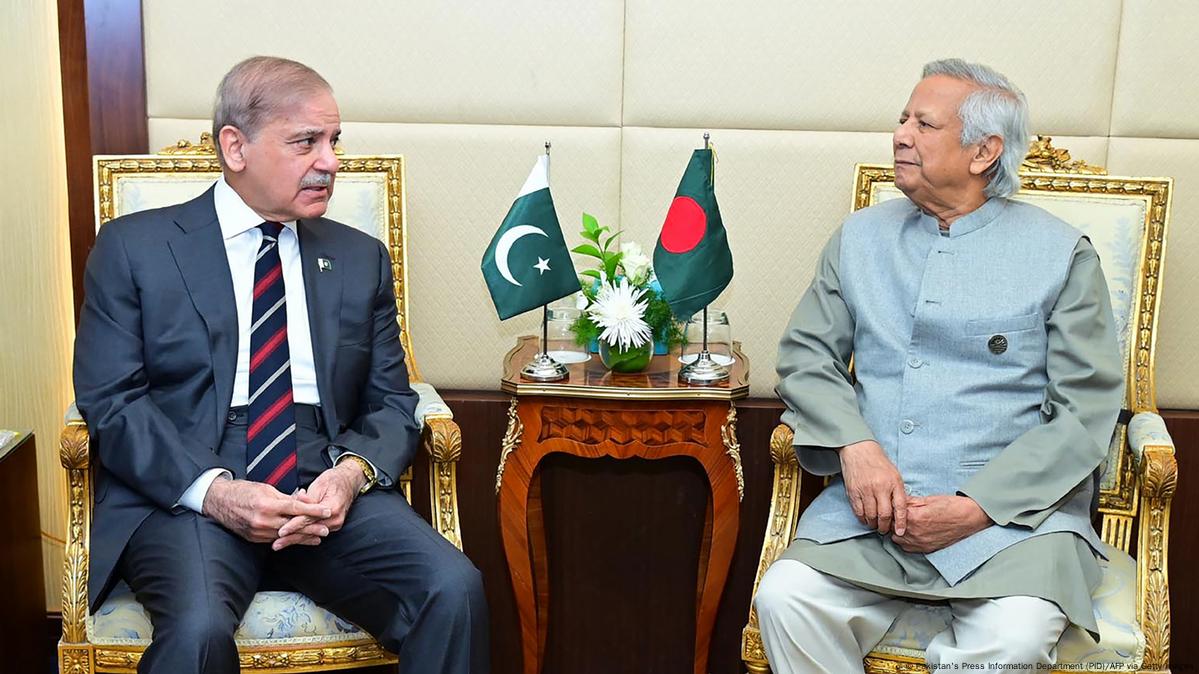
By Satyaki Chakraborty More than six weeks have passed since the visit of Indian foreign secretary Vikram Misri to Dhaka on December 9 and his wide ranging talks with his Bangladeshi counterpart to improve the worsening bilateral relations between the two neighbouring countries. Latest indications, however, suggest that the interim government headed by Dr. Mohammad […]
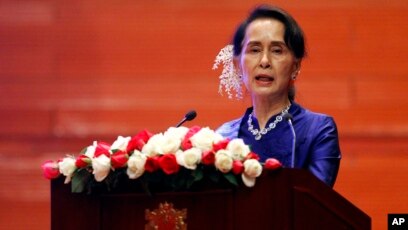
By Satyaki Chakraborty China has scored a major diplomatic victory in Myanmar by helping the conclusion of a truce between the ruling military junta and the Myanmar National Democratic Alliance Army (MNDAA) in the provinces bordering China. The MNDAA rebels took control of large areas around the border by driving out the junta troops last […]

From Hong Kong to Florence, FabriX continues to tour Europe after Paris Fashion Week FW2024, debuting at Pitti Immagine Uomo 2025 with the world’s first Fashion AR kiosk Cross-disciplinary tech trailblazers Avery Dennison, Genesis-One and ZERO10 continue to propel digital fashion further and beyond Featuring digital fashion creations from a full squad of 10 Hong Kong and international designers Full launch of men’s fashion to the gaming […]

By Nantoo Banerjee Indians are travelling abroad like never before. Last year, over 30 million Indians travelled abroad, mostly on leisure trips. The number is nearly 15 percent more than that in 2023. The total expenditure rose by 25 percent. Rich and upper middle-class Indians are also increasingly sending their children for foreign studies. Over […]
By Anjan Roy The recent volatility in the exchange rate of the Indian rupee against the US dollar has given rise to a debate on how the central bank should react to the situation of progressive depreciation of the national currency. To wit, the rupee appears to hit 90 to a dollar in no time, […]
By Anjan Roy Controversial equity research firm, Hindenburg, has closed down, all of a sudden. Disbanding the operations, the firm’s founder and short-seller said that this “was only chapter of his life” not the only one. The news of Hindenburg closure immediately had a political twist in India. While, the ruling BJP had suggested that […]

NEW DELHI, INDIA – Media OutReach Newswire – 18 January 2025 – VinFast officially announces its first electric vehicles for the Indian market at the Bharat Mobility Global Expo 2025. The Vietnamese Nasdaq-listed automaker introduced two all-electric B-segment and C-segment SUVs, the VF 6 and VF 7, demonstrating its commitment to the market with high-quality, smart, and modern products. VinFast India officially launched at the Bharat Mobility […]

Advertisements
By Dr. Gyan Pathak January 16, 2025 was celebrated by Union Government of India as National Startup Day, which was followed by a boasting that India with more than 1.59 lakh startups has now firmly established itself as the third-largest startup ecosystem in the world. The claim was on the rise of numbers, while in […]

Emaar Properties, Dubai’s largest real estate developer, is in discussions with several Indian entities, notably the Adani Group, to divest a portion of its Indian operations. The company has not disclosed specific details regarding the valuation or terms of the potential transaction. This development follows reports indicating that Adani Realty, the real estate division of Indian billionaire Gautam Adani’s conglomerate, is in advanced talks to acquire a […]

With alcohol sales in both the U.S. and China experiencing a decline, global spirits giants Diageo and Pernod Ricard are shifting their focus to the South Asian market, specifically targeting a new generation of drinkers. Both companies, recognized for their premium brands such as Johnnie Walker, Guinness, and Chivas Regal, have identified India and neighboring countries as pivotal in their plans for growth. This region, with its expanding middle class and evolving consumer behavior, presents an untapped opportunity to offset the challenges they face in more established markets.

In the U.S., consumption of alcohol has been on a downward trajectory for years, as changing social attitudes and concerns about health have altered traditional drinking habits. A similar trend is observed in China, where alcohol consumption has slowed amid an economic downturn and increasing government pressure against excessive drinking. The shift in consumer preferences in these regions has led Diageo and Pernod Ricard to recalibrate their strategies and focus more heavily on markets with burgeoning potential.

India, in particular, stands out as a key market for these companies, with its large, young population and rising disposable income. A growing number of millennials and Generation Z consumers are becoming more interested in Western-style alcoholic beverages, which has spurred the development of tailored marketing campaigns. Diageo and Pernod Ricard are not only aiming to introduce their premium brands but also creating a cultural shift toward drinking in social settings and a higher acceptance of international alcoholic beverages.

While the alcohol market in India is still highly regulated, with state-level restrictions and varying taxes across regions, the demand for spirits, especially whisky, is substantial. Whisky remains the preferred alcoholic drink in the country, and international brands have found a niche within this preference. Both Diageo and Pernod Ricard have been ramping up their investments in the subcontinent, focusing on establishing a foothold in India’s rapidly growing urban centers.

Pernod Ricard, for example, has introduced a wide range of products tailored to local tastes while maintaining the global appeal of its brands. The company’s strategy has been to offer products at different price points, allowing them to target both the premium and mass markets. Similarly, Diageo’s Johnnie Walker has launched region-specific campaigns that cater to India’s burgeoning demand for luxury spirits while also targeting younger drinkers through social media platforms.

One of the biggest advantages for both companies is the growing number of young consumers who are eager to experiment with new tastes and experiences. This demographic is highly active on digital platforms, where global trends in fashion, food, and drink have a quicker impact. Social media marketing has proven effective in India, with influencers and brand ambassadors reaching millions of consumers daily. Diageo and Pernod Ricard have capitalized on this trend, using digital media to promote their products and tap into the aspirational mindset of Indian youth.

In addition to traditional retail outlets, the rise of e-commerce in India has provided another channel for alcohol sales. Platforms such as Amazon and local players like BigBasket now offer alcohol delivery in select regions, expanding the accessibility of international spirits. The availability of premium alcohol through these channels aligns with a shift in consumption patterns, where convenience is as important as quality. With more consumers preferring to shop online, Diageo and Pernod Ricard are ensuring their products are visible and accessible in the digital marketplace.

While the potential in India is significant, it comes with its challenges. Cultural norms around drinking vary widely across the country, and alcohol consumption is still taboo in some communities. Moreover, navigating the labyrinth of state-imposed regulations presents an ongoing hurdle for both Diageo and Pernod Ricard. The two companies have had to collaborate with local distributors and build relationships with regional governments to ensure that their products meet regulatory standards and can be sold across the diverse Indian market.

Beyond India, the broader South Asian market, which includes countries like Pakistan, Bangladesh, and Sri Lanka, also holds promise for growth. However, these nations present their own unique set of challenges. In Pakistan, for instance, where alcohol is heavily restricted, the market for foreign spirits is limited to the non-Muslim population and expatriates. Nevertheless, these markets are still considered important in the long-term strategy of Diageo and Pernod Ricard as they seek to diversify their consumer base.

To further boost their presence, both companies are also exploring opportunities in the craft beverage sector. Craft spirits have been gaining traction in urban areas in India and other parts of South Asia, where consumers are looking for unique and locally inspired flavors. Diageo’s push into craft gin and local distillery partnerships is part of a broader strategy to cater to the growing interest in premium and artisanal drinks. Pernod Ricard has followed suit by promoting craft options and expanding its portfolio to include Indian-made liquors, creating products that blend traditional flavors with modern drinking preferences.

ANDERNACH, GERMANY – Newsaktuell – 14 January 2025 – LTS LOHMANN Therapie-Systeme AG (“LTS”), a leading pharmaceutical technology company, is proud to announces its selection as a Concept Stage winner for two projects in the #PatchForwardPrize, a $50 million challenge by the Biomedical Advanced Research and Development Authority (BARDA) to advance microneedle patch-based RNA vaccine technologies. LTS’ proprietary dissolvable microneedle array patch technology with mRNA vaccines aims […]

By Nantoo Banerjee There seems to exist a method in US President-elect Donald Trump’s madness when he talks about his desire to annex Canada and Greenland, and renaming the Gulf of Mexico among others. A US annexation of Canada is possible through a treaty between the two countries involving the British Monarch, or a referendum […]

Dubai’s private education sector has achieved a notable milestone, with student enrolment increasing by 6% in the 2024-25 academic year, reaching a total of 387,441 students across 227 private schools. This growth underscores the city’s commitment to providing diverse and high-quality educational options to its expanding and diverse population. In alignment with Dubai’s Education Strategy E33, which aims to establish at least 100 new private schools by […]

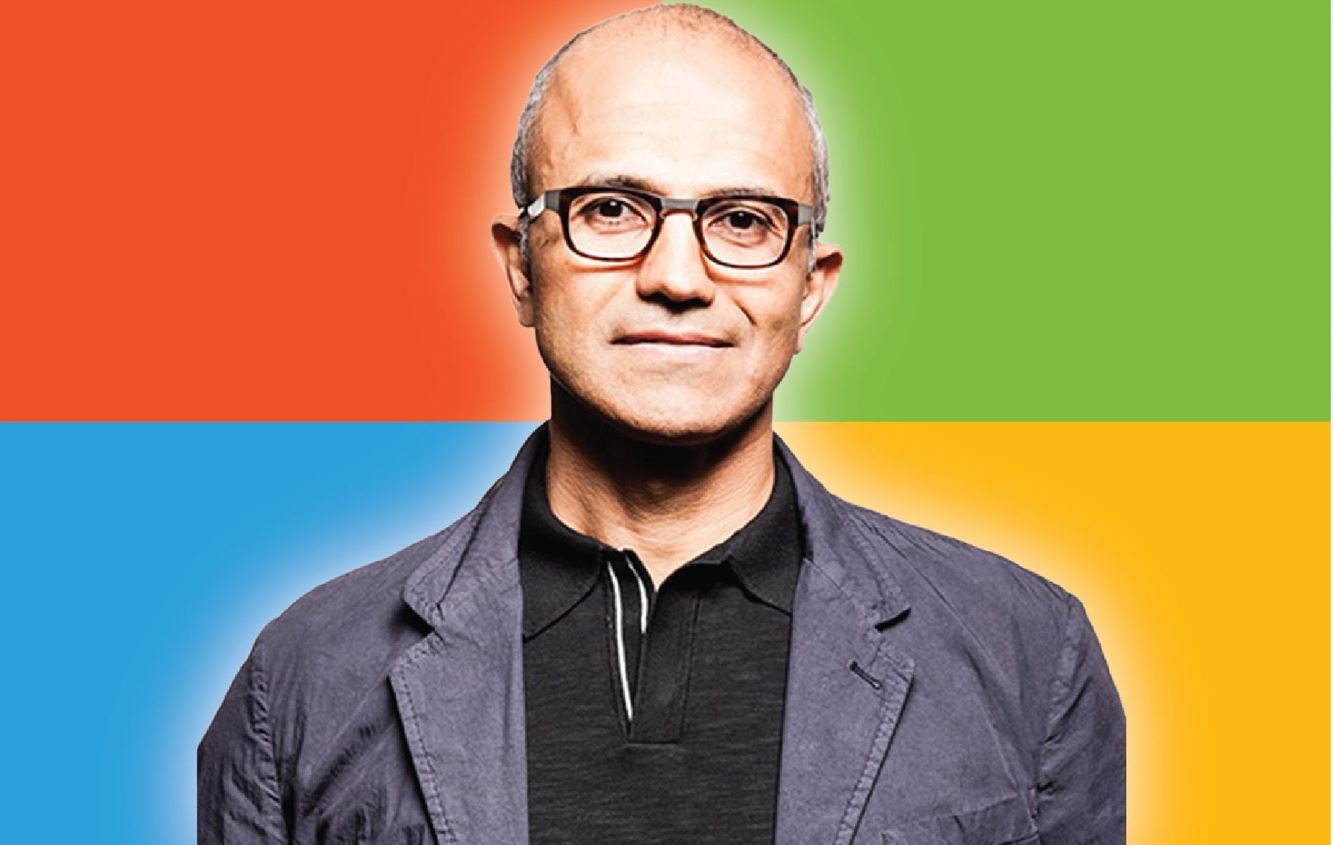
By K Raveendran Microsoft’s deepening engagement with India is both a strategic imperative and a reflection of its renewed focus on emerging technologies under the leadership of Satya Nadella. Nadella’s connection to India goes beyond his heritage; his initiatives underscore a profound appreciation for the country’s pivotal role in shaping the future of technology. As […]
By Dr. Gyan Pathak Prioritizing employment generation and increasing funds for employment guarantee schemes have unquestionably emerged as the top priority during pre-budget consultations of Union Minister of Finance Nirmala Sitharaman for the Union Budget 2025-26, both with the Central Trade Unions (CTUs) and India Inc. The confederation of Indian Industry (CII) urged the Union […]

As India becomes the world’s fastest growing major diamond jewellery market, industry leaders De Beers Group and GJEPC will collaborate to support the gem and jewellery trade with education and promotional assets to support the natural diamond narrative MUMBAI, INDIA – Media OutReach Newswire – 9 January 2025 – De Beers Group, the world’s leading diamond company, and the Gem & Jewellery Export Promotion Council (GJEPC), India’s […]

By K Raveendran As we enter 2025, the accelerating proliferation of artificial intelligence (AI) is poised to reshape the global landscape in ways akin to the transformational impact the internet had in the late 20th century. Within the first few days of the year, AI-driven technology stocks have seen substantial surges, with shares of major […]

Emirati billionaire Hussain Sajwani has pledged to invest $20 billion in the U.S. data center industry, a move announced alongside President-elect Donald Trump at his Mar-a-Lago residence in Palm Beach, Florida.

Sajwani, chairman of Dubai-based DAMAC Properties, expressed his intention to potentially exceed the $20 billion investment, contingent upon favorable market conditions. This substantial commitment underscores the growing demand for data infrastructure to support advancements in artificial intelligence and cloud services.

DAMAC Properties, under Sajwani’s leadership, has a history of collaboration with the Trump Organization, notably developing the Trump International Golf Club in Dubai, which opened in 2017. Sajwani’s relationship with Trump has been well-documented, with the two families sharing both business and personal ties.

The announcement comes amid a surge in investments in AI technology and the necessary infrastructure to support it. Since the introduction of OpenAI’s ChatGPT in late 2022, there has been a significant increase in funding directed toward generative AI technology and the infrastructure required to support it. For instance, Microsoft announced plans to invest approximately $80 billion this fiscal year to expand its AI capacity.

President-elect Trump has emphasized his commitment to bolstering domestic industries and attracting foreign investment. During his campaign, he proposed higher tariffs on Chinese goods to limit China’s access to advanced data center technology. The announcement of Sajwani’s investment aligns with Trump’s economic agenda, aiming to stimulate job creation and technological advancement within the United States.

However, it’s worth noting that not all previously announced investments have come to fruition. Early in his first term, Trump announced a $10 billion investment by Foxconn in a Wisconsin factory, which promised thousands of jobs but was largely abandoned. Despite such precedents, the current investment climate, particularly in AI and data infrastructure, appears more robust, with multiple tech giants committing substantial funds to expand their capabilities.

Sajwani’s investment is expected to focus on the construction of data centers across various U.S. states, including Texas, Arizona, Oklahoma, Ohio, Illinois, Louisiana, Michigan, and Indiana. These facilities will play a crucial role in supporting the growing demands of AI applications and cloud computing services.

The U.S. data center industry has been experiencing significant growth, with estimates suggesting that the country could attract up to $1 trillion in data center investments over the next five years. Sajwani’s commitment represents a notable contribution to this expanding sector, highlighting the increasing importance of data infrastructure in the digital economy.

In addition to his ventures in real estate and data centers, Sajwani has diversified his business interests through his private investment firm, which acquired Italian fashion group Roberto Cavalli in 2019. He has also invested in luxury developments in London, including the Versace-branded DAMAC Tower in Nine Elms.

The collaboration between Sajwani and Trump has not been without scrutiny. Their business dealings have raised questions about potential conflicts of interest, given Trump’s political position and the international scope of their ventures. Nonetheless, both parties have maintained that their relationship is strictly professional, centered around mutually beneficial business opportunities.

As the U.S. continues to tighten restrictions on the export of AI chips to China, investments like Sajwani’s are seen as strategic moves to bolster domestic technological infrastructure. The Biden administration had previously implemented measures to limit China’s access to advanced AI technology, a stance that President-elect Trump appears poised to continue with key appointments in his administration.

Sajwani’s commitment to investing in U.S. data centers reflects a broader trend of international investors recognizing the potential of the American technology sector. With the increasing integration of AI and cloud services into various industries, the demand for robust data infrastructure is set to rise, making such investments both timely and strategically significant.

The announcement has been met with optimism from industry analysts, who view it as a positive indicator of continued growth and innovation in the U.S. technology sector. As these data centers become operational, they are expected to create numerous job opportunities and contribute to the advancement of AI and cloud computing technologies.

While the full impact of Sajwani’s investment will unfold over the coming years, its alignment with current technological trends and economic policies suggests a significant boost to the U.S. data center industry. As the digital economy expands, the importance of such infrastructure investments cannot be overstated, positioning the United States as a continued leader in technological innovation.


By Nantoo Banerjee The slump in India’s GDP growth rate is understandable. Contrary to the government claims, the job market is down. The income growth, in general, is shrinking. A vast section of consumers are not spending enough, except for wage goods or daily dire necessities, as their real income is not growing. The FMCG […]
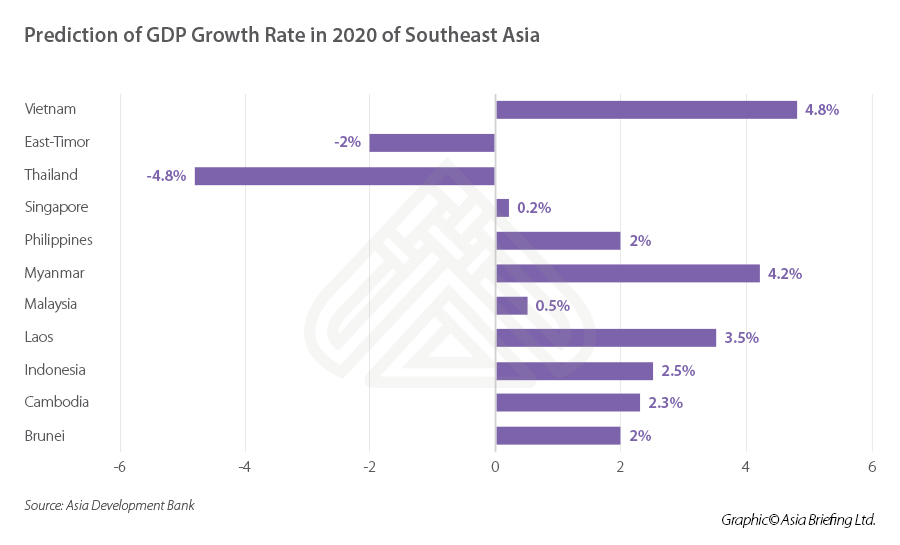
By Nitya Chakraborty from Hanoi Vietnam, the Communist nation with nearly 10 crore population is presently the focus of the big investors of the world including the USA as the nation’s leadership has made a miracle in building a highly skilled youth brigade along with the creation of an investment climate which can compete with […]

Matein Khalid It is an ironic twist of history that the world’s largest Muslim country, an archipelago of 18,000 islands, whose ancient Sumatran kings once funded countless monasteries/temples at Nalanda, the Harvard/Oxford of Vedic India two millennia ago. Sumatra was then known as the kingdom of Srivijaya when Mauryan India’s ruler was Ashoka, imperator of the Magadan superstate. Fast forward 22 centuries and the two best performing […]

By Nitya Chakraborty The New Year 2025 has started in the backdrop of the restoration of the ruling party BJP’s confidence following its electoral successes in the state assembly elections in Maharashtra and Haryana and completely overshadowing the Samajwadi Party in the assembly by polls in Uttar Pradesh. The Party leadership of the BJP and […]
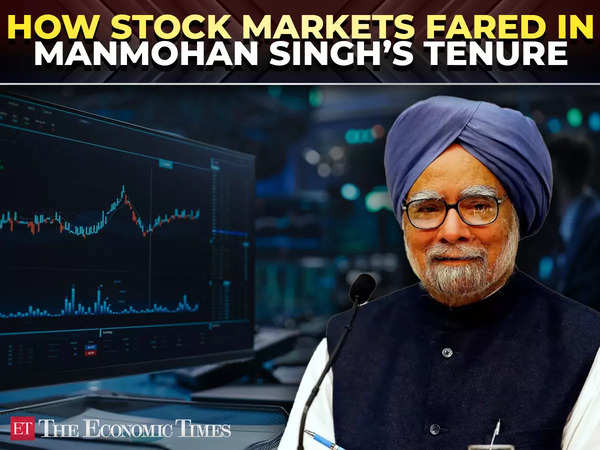
By Anjan Roy Thirty-three years are half a lifetime. Thirty-three years ago, Dr Manmohan Singh stepped into a high-profile limelight, well after his formal retirement from a senior government job. When he died last Friday at the age of 92, he was considered India’s greatest finance minister and the architect of India’s modern economy. There […]

Geopolitical tensions in the Middle East are intensifying, raising alarms about the stability of global oil supplies. Recent Israeli airstrikes targeting Yemen’s Houthi rebels have exacerbated fears of disruptions in the region’s critical oil flow. These developments have led to a surge in oil prices, with Brent crude reaching $75.98 per barrel and U.S. West Texas Intermediate climbing to $72.30.

The Middle East remains a pivotal hub for global oil production and exportation. Conflicts involving key players such as Israel, Iran, and Yemen have historically had significant implications for oil markets. The latest Israeli military actions against Houthi positions in Yemen have intensified concerns about the security of oil shipments through the Red Sea, a vital artery for global energy supplies.

Market analysts are closely monitoring these geopolitical developments. Bart Melek, a market strategist, emphasized the potential risks to oil shipments, noting that any escalation could lead to substantial disruptions in supply chains. Such disruptions can have cascading effects on global markets, influencing everything from fuel prices to broader economic indicators.

In response to the potential shortfall in oil supplies, particularly from Russia, Indian state refiners are exploring alternative sources. Companies like Indian Oil Corp, Bharat Petroleum Corp, and Hindustan Petroleum are considering purchasing spot crude from Middle Eastern suppliers to compensate for the deficit. This strategic move underscores the interconnectedness of global oil markets and how regional conflicts can prompt shifts in trade patterns.

The geopolitical landscape’s volatility has also prompted energy consultancies to reassess risk assessments. Rapidan Energy Group, for instance, has highlighted the increasing concerns that fresh tensions in the Middle East threaten to curtail vital energy resources. Such analyses are crucial for stakeholders aiming to navigate the complexities of the current energy market.

VISHNU RAJA
RYO YAMADA
HITORI GOTOH
IKUYO KITA