News related to
Indian

India defeated Pakistan in the Asia Cup final in Dubai, but it was the trophy presentation that has reverberated across cricketing circles. Indian players refused to accept the trophy or medals from Mohsin Naqvi, the head of the Pakistan Cricket Board and President of the Asian Cricket Council, turning what should have been a moment of celebration into a publicly charged standoff.

Tensions ripple beyond the pitch because of this act. Through the refusal, both nations have set what analysts say is a dangerous template where political grievances eclipse sport itself. The decision to rebuff a symbolic handover, traditionally steeped in sporting civility, signals that future India-Pakistan fixtures may be shaped less by cricketing merit than by national narratives.

The refusal drew immediate attention. India’s captain, Suryakumar Yadav, lamented that his team was denied the rightful moment of recognition. Across national media, voices questioned the boundaries between patriotism and play. In Pakistan, captain Salman Ali Agha accused India of disrespecting the spirit of cricket, while insisting that gestures made behind closed doors had been misrepresented.

For India, the refusal came after repeated snubs in the tournament — players declined to shake hands with their Pakistani counterparts. The Board of Control for Cricket in India confirmed that the team had resolved not to accept the trophy from Naqvi. The BCCI plans to lodge a formal protest at the upcoming ICC meeting.

Observers see this as the collapse of the practice known as “cricket diplomacy” — the idea that cricketing encounters might ease broader geopolitical tensions. Analysts warn that once such norms crumble, they are difficult to resurrect. The absence of handshakes, the broken presentation protocol, and accusations of politicisation all feed into a narrative that cricket is simply another front in the bilateral rivalry.

This is not the first time politics has shadowed India-Pakistan cricket, but few moments match the clarity of this rupture. Political polarisation in both countries has long influenced bilateral relations, and the 2025 military flare-ups between them have deepened fissures. Some critics argue that the match-day conduct was unavoidable given the broader climate of hostility. Others contend that the sanctity of the game deserves insulation from statecraft.

Stakeholders are now walking a tightrope. The ACC must decide whether to uphold its leadership’s neutrality or face accusations of bias. The ICC will be pressured to weigh in — either by endorsing standards that separate sport from politics or by allowing countries to redefine the conduct of play. Grassroots cricket lovers, meanwhile, worry that the spectacle of national identities may overshadow the joy of the game itself.

Arcapita Group Holdings has divested nine industrial real estate assets totalling 1.5 million square feet in Indianapolis, Indiana, to logistics specialist Capital Partners. The firm described the transaction as a key value realisation under challenging market conditions. The assets comprised a diverse mix of office, flex, and distribution facilities. Throughout the holding period, the portfolio generated steady income and delivered “meaningful value appreciation”, according to Arcapita’s statement. […]

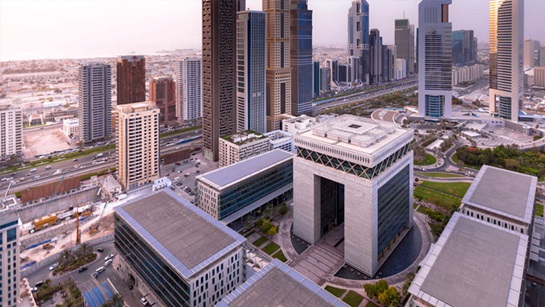
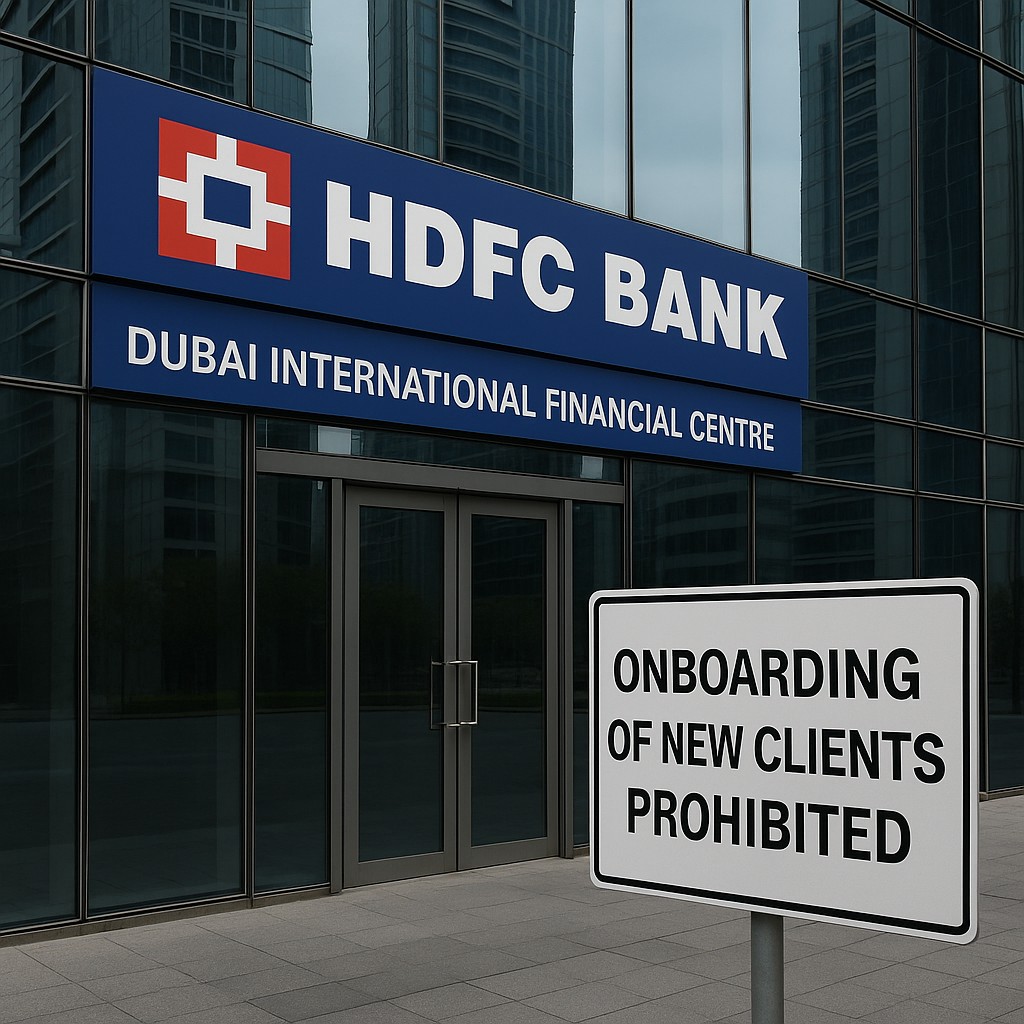
Dubai’s financial regulator has barred HDFC Bank’s Dubai International Financial Centre branch from soliciting, onboarding or servicing new clients, citing compliance lapses.

The order, issued by the Dubai Financial Services Authority and effective from 26 September, remains in force “until otherwise amended or revoked,” the bank stated. HDFC said it is taking steps to comply with the directive while engaging with the DFSA to address concerns.

HDFC clarified that the restriction does not apply to existing clients of the DIFC branch, nor to those who had already been offered services prior to the notice. As of 23 September, the branch had 1,489 customers, including joint holders.

According to HDFC, the bank does not expect this to materially affect its overall operations or financial position, noting that the Dubai branch’s business is not significant relative to its global activities.

The DFSA’s decision notice accuses the branch of servicing clients who were not properly onboarded, deficiencies in client onboarding processes, and other unspecified compliance shortcomings. The prohibition extends to advising on financial products, arranging deals, extending credit, custodial services, and financial promotions for new clients.

Analysts point to a backdrop of scrutiny over HDFC’s role in selling risky instruments—particularly Credit Suisse additional tier-1 bonds—to retail investors in the UAE. Those clients accused the bank of misclassification and inadequate risk disclosures. Investor accounts allege that KYC records were manipulated to designate them as “professional clients,” a requirement under DIFC rules for high-risk products.

Some UAE-based investors welcomed the DFSA’s move but urged stronger action, stating the suspension of new client intake is a limited measure given potential damage already done.

HDFC has a broader international presence including representative offices in Abu Dhabi, Kenya, London and Singapore, and branches in Bahrain and Hong Kong. The bank faces parallel scrutiny in India regarding related sales practices, prompting investigations by Indian enforcement agencies.

As the DFSA and HDFC engage in remediation talks, markets will closely watch whether the regulator escalates sanctions or lifts the ban after compliance is demonstrated.

By K Raveendran The global oil market is once again caught between geopolitics and fundamentals, as a new set of developments forces traders, producers, and consumers to recalibrate expectations. With the United States and the European Union signalling a hardening of positions on Russian oil, and with the Middle East simmering in heightened tensions, Brent […]

The article World Oil Flows At A Critical Juncture As India, US Try To Hammer Out A Deal appeared first on Latest India news, analysis and reports on Newspack by India Press Agency).

The Dubai Financial Services Authority has issued a decision notice barring HDFC Bank’s Dubai International Financial Centre branch from onboarding or engaging new clients, citing deficiencies in its onboarding procedures and promotional practices.

Under the DFSA’s directive dated 25 September 2025, the branch is prohibited from soliciting or conducting any business with clients who had not already completed the onboarding process by that date. The restrictions span across a range of financial services: advising on financial products, arranging investment deals, arranging or advising credit, custody services, and engaging in financial promotions.

HDFC Bank has confirmed the measure, stating the branch’s Dubai operations are not “material to [the] overall business or financial position.” It said it has initiated steps to engage with the DFSA and address the regulator’s concerns.

Existing customers of the DIFC branch remain unaffected by the decision, and clients who had already been offered services may still be served.

The DFSA’s public register confirms the restrictions imposed on HDFC DIFC under Article 75 of the Regulatory Law 2004.

Concern over HDFC’s UAE operations has been mounting since investigations linked to the mis-selling of Credit Suisse Additional Tier-1 bonds surfaced. High-net-worth non-resident Indian investors alleged that HDFC’s UAE arms had pushed leveraged exposure to these risky instruments without adequate disclosure. When Credit Suisse’s AT1 bonds were written down in 2023, several clients in the Middle East faced losses and margin calls.

Regulatory scrutiny has coalesced around whether the branch’s client onboarding systems sufficiently aligned with the stricter DIFC regime for assessing and classifying “professional clients.”

Observers note that the regulatory move at HDFC’s DIFC arm fits a broader trend in the UAE: ensuring that financial institutions operating in its free zones adhere to rigorous compliance standards. While the central bank has in recent months fined other banks and suspended new customer intake over Sharia or anti-money laundering violations, this is a rare case targeting the onboarding practices of a foreign bank’s offshore branch.

Market analysts suggest the restriction could dampen HDFC’s ambitions in the Gulf region. The DIFC branch caters largely to high-net-worth and institutional clients, a growing segment across the Middle East.

Analysts also note that, though the branch is currently a limited part of HDFC’s global footprint, reputational damage and extended regulatory enforcement could constrict cross-border investment programmes tied to its UAE hub.

HDFC’s next steps include formal remediation under DFSA oversight, and the bank will need to demonstrate that its compliance and client due diligence processes meet the regulator’s expectations. Meanwhile, the directive will remain active until the DFSA issues a written amendment or revocation.

The Union Cabinet has cleared a major scheme under the Department of Scientific and Industrial Research and the Council of Scientific and Industrial Research to infuse ₹2,277.397 crore into capacity building and human resource development in science and technology over the 2021–22 to 2025–26 span.

The “Capacity Building and Human Resource Development ” scheme will be implemented by CSIR and will extend support to research and development institutions, national laboratories, Institutes of National Importance, Institutes of Eminence and universities across the country. It aims to nurture talent in fields spanning science, technology, engineering, medicine and mathematics.

Officials describe the initiative as a strategic instrument to shore up India’s research ecosystem. It offers four sub-programmes: doctoral and postdoctoral fellowships; an extramural research scheme including Emeritus and Bhatnagar Fellowships; awards for scientific excellence; and grants to promote travel and symposia.

Science and Technology Minister Jitendra Singh stated that the scheme will “strengthen the research and development ecosystem by training researchers, nurturing scientific talent and promoting innovation to build a future-ready India.” Under this plan, promising scientists will receive institutional support through mentoring, infrastructure access and networking opportunities.

The government places renewed emphasis on bridging gaps in the researcher base. India currently ranks 39th in the Global Innovation Index, and the authorities expect the new scheme to push that further upward. Higher numbers of researchers per million population, more publications, and stronger institutional linkages are cited as expected outcomes.

Within CSIR, the umbrella programme is designed to consolidate scattered efforts and reduce duplication. Many laboratories and institutes already run fellowships or grant schemes; under CBHRD, these are to be aligned, coordinated and accelerated. CSIR is now in its 84th year of operation and oversees the umbrella scheme.

One critical ambition is to stem brain drain, particularly among early-stage researchers. The fellowship provisions and funding for travel and international collaboration are meant to give Indian-based scientists incentives to stay. Experts in the policy space note that merit, institutional support and continuity of funding will be decisive in preventing talent outflow.

A potential challenge lies in implementation. Institutions in more remote or underserved regions may lack existing capacity in infrastructure or mentoring frameworks. Ensuring equitable distribution of resources will test administrative agility. Monitoring and evaluation mechanisms will be crucial to track how funds are deployed and whether intended outcomes are achieved.

Beyond the scheme, India is deploying complementary initiatives. For example, the National Quantum Mission—approved earlier—allocates over ₹6,000 crore to develop quantum technology capabilities from 2023 to 2031. This too hinges on a pool of highly qualified researchers and labs equipped for frontier science.

The CBHRD scheme also dovetails with India’s Sustainable Development Goals in science and technology, aiming to boost research intensity and capacity across states and institutions. Coordinated investments and policy coherence may drive systemic transformation in the scientific sector.

Critics caution that past announcements in the research domain often fall short in sustaining funding beyond initial phases. Long-term maintenance, recurring costs, infrastructure upkeep and human capital churn are likely stress points. The success of this scheme will depend on consistent funding flows, institutional accountability, and adaptability.

India has engaged with Washington over the U. S. decision to impose a one-time $100,000 fee on new H-1B visa applications, warning that the move threatens the mobility of skilled professionals and could strain bilateral trade ties.

The External Affairs Ministry affirmed it would continue talks with relevant stakeholders in the United States, emphasising that talent exchange has underpinned innovation and growth in both economies. The government noted that the new rule may disproportionately affect Indian nationals, since they constitute a significant share of the H-1B pool.

The White House announced that the fee will apply only to fresh petitions filed from September 21, 2025 onwards, not to renewals or existing visa holders. The administration framed this shift as part of efforts to prevent misuse of the visa system and prioritise higher-wage, high-skilled cases.

India’s reaction underscores deep concerns within its technology sector—many firms rely on U. S. operations staffed via H-1B sponsorship. Analysts estimate that the fee hike could reduce IT margins by 4–13 percent depending on visa intensity, while Indian IT stocks saw steep declines following the announcement.

At the same time, India is navigating friction on trade. U. S. tariffs levied on Indian goods—particularly a 50 percent cumulative duty tied to India’s oil imports from Russia—are already under scrutiny in bilateral talks. Officials assert that the visa and trade issues will be addressed as interconnected elements of the broader U. S.–India partnership.

During meetings on the sidelines of the U. N. General Assembly, India’s Foreign Minister and Commerce Minister held discussions with their U. S. counterparts, reinforcing that continued engagement is essential to manage tensions. The Indian side has also said that relevant domestic departments are evaluating options concerning the impact of the tariffs.

Despite the pushback, some U. S. industry figures support the new fee. Leaders at firms such as Nvidia, OpenAI and Netflix have welcomed the shift as a mechanism to prioritise high-value talent. Others, including JPMorgan’s CEO, have warned it risks driving skilled workers to competing nations. U. S. medical associations are lobbying for exemptions, arguing that the steep cost could impede physician recruitment, particularly in underserved areas.

India’s Finance Ministry has called for heightened monitoring of the economic fallout, citing possible impacts on remittance inflows and service exports. The ministry has described the short term as manageable but warned of long-term risks if the regime remains in place.

Within India’s tech industry, there has been a strategic pivot. Companies have invested over $1 billion in onshore training and hiring in the U. S., reducing dependence on H-1B deployment. Industry bodies argue that this shift could help absorb the shock should visa access tighten further.

Still, experts caution that such mitigation has limits. Smaller firms and startups that depend on cross-border talent mobility may feel the squeeze most acutely. Some analysts suggest that alternative destinations, including Canada, South Korea and the UK, may be more appealing to Indian professionals seeking global opportunities.

Advertisements

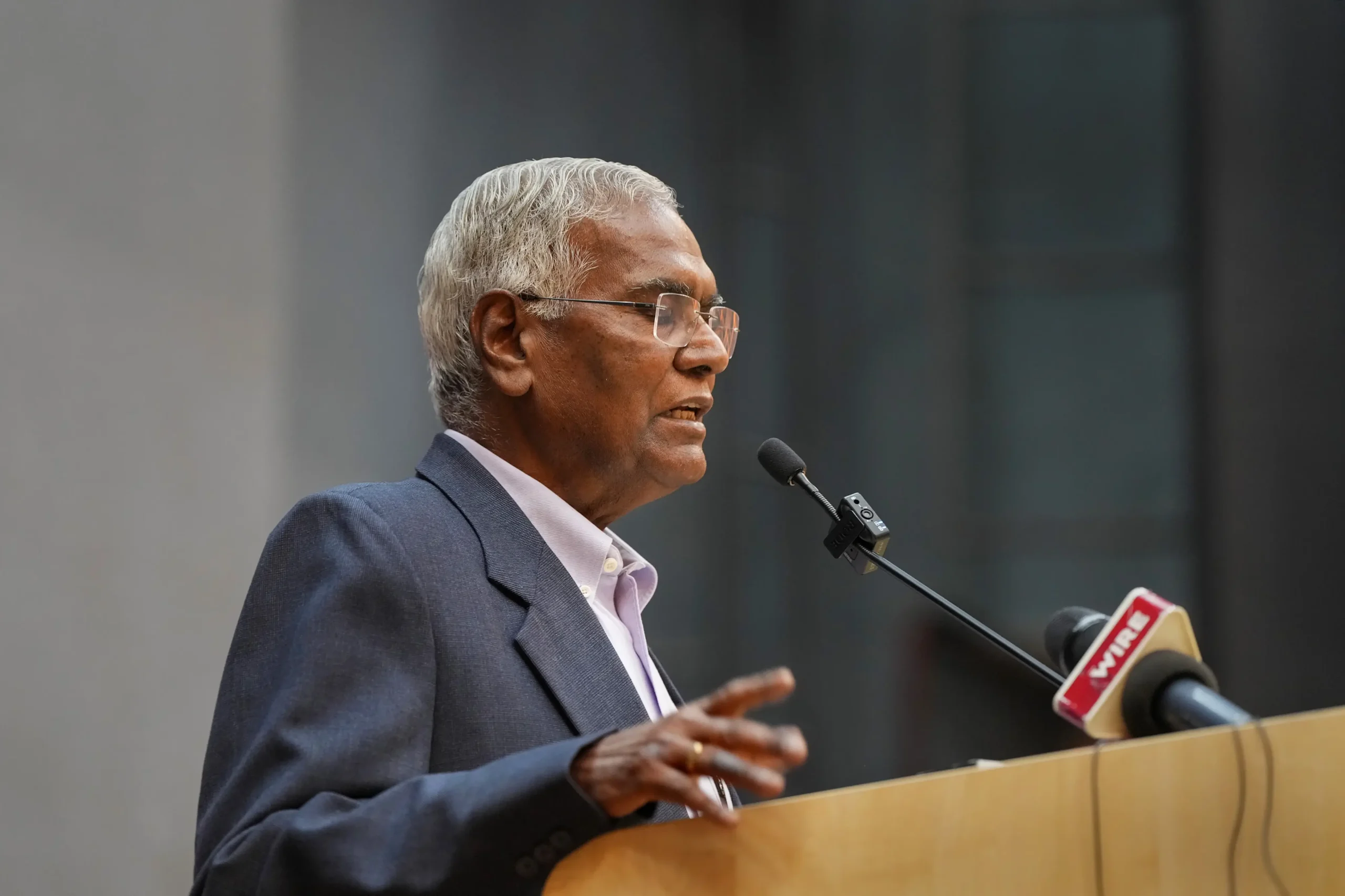
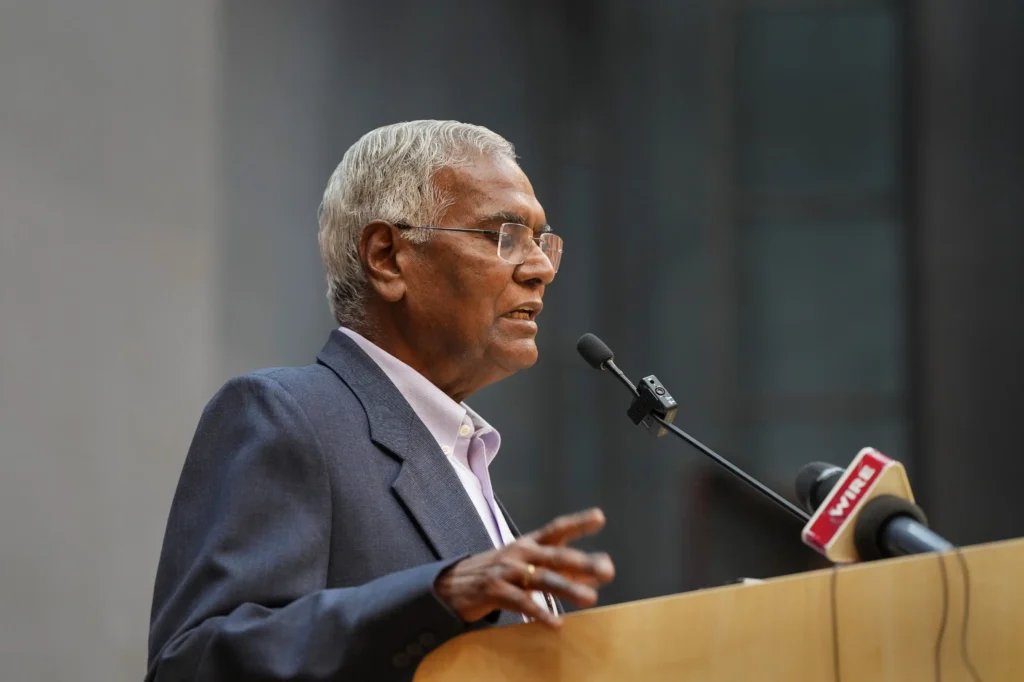
By Satyaki Chakraborty The Communist Party of India(CPI) concluded its five day Party Congress at Chandigarh on September 25 reelecting D. Raja as the general secretary of the CPI for another three year term. Raja is the first dalit leader to head the CPI in 2019 after the then party secretary S Sudhakar Reddy sought […]

The article CPI’s 25th Party Congress Elects D Raja As The General Secretary For The Third Time appeared first on Latest India news, analysis and reports on Newspack by India Press Agency).

The Indian rupee plunged to a lifetime low of ₹88.7975 per US dollar, sliding about 0.5 per cent on the day as fears over a sharp hike in U. S. H-1B visa fees rallied selling pressure across foreign exchange markets. Intervention by the Reserve Bank of India failed to staunch the slide fully, leaving the currency exposed amid faltering capital inflows and heightened external risks.

Markets pointed to the visa fee jump as a critical trigger. The Trump administration’s new proclamation imposes a $100,000 application cost on fresh H-1B visa petitions, vastly above its prior range, and is widely seen as a threat to remittance flows and the earnings outlook for India’s technology exporters. Meanwhile, persistent foreign portfolio outflows and U. S. tariff tensions on Indian goods compounded downward pressure.

Analysts estimate that remittances from the U. S. account for roughly 3.4 per cent of India’s GDP, making any disruption in the flow of workers and repatriated funds significant for the external balance. The visa change, if sustained, could erode that buffer. Traders now widely expect the rupee’s trajectory to remain weak in the coming weeks unless policy tailwinds emerge.

Speculation is building that the RBI sold dollars via state banks in the ₹88.50 zone to support the rupee, but the support was limited. While intervention took multiple forms—spot market, non-deliverable forwards and futures—the central bank appears to be managing volatility more than defending a fixed exchange rate. Some market participants view the decline as partly calibrated and allowable, until macro fundamentals justify a reversal.

Data from the RBI’s monthly bulletin show that in July alone, the central bank sold a net $2.54 billion in the spot foreign exchange market. It held forward dollar sales of about $57.85 billion at the end of July—suggesting pre-emptive hedging and reserve deployment to offset pressure. The use of forward sales is a tool to mitigate speculative demand and signal resolve.

U. S. rate expectations and the global dollar trajectory also weigh heavily. The U. S. dollar index remains firm, underpinning strength in emerging market currency pairs’ downside. Weakness in India’s export performance and looming protectionist measures add to caution. In September to date, foreign investors withdrew over $1 billion from Indian equities, pushing year-to-date outflows to roughly $16 billion.

Technology stocks bore the brunt of the rupee stress. With margins threatened by the visa fee shock, several large IT firms are already budgeting for higher immigration costs. Estimates place incremental fee burdens between $150 million and $550 million for major firms, depending on visa volumes and contract structures.

The Indian government mounted a diplomatic push in response, deploying a high-level delegation to Washington to discuss the visa fee policy and broader trade concerns. Delhi has warned of “humanitarian consequences,” arguing that abrupt changes in visa costs risk disrupting families and the livelihood of highly skilled professionals. In public remarks, Commerce Minister Piyush Goyal and other officials have insisted that they will press for reversals or carveouts.

White House sources clarified that the $100,000 fee will apply only to new applications, not renewals or current visa holders—a move that soothed some immediate concerns in the IT industry. That assurance has allowed short-term relief in some quarters, though uncertainty lingers over enforcement guidelines and compliance timelines.

Exports of gasoline and diesel from India have climbed to multi-year highs in 2025, pushed by expanded refinery output, elevated ethanol blending, and weakening domestic demand during the monsoon season. Analysts expect gasoil shipments to reach 610,000–630,000 barrels per day, according to Wood Mackenzie, while Kpler forecasts hover nearer 560,000 bpd.

Heightened crude processing capacity has enabled major refiners such as Reliance Industries and Mangalore Refinery and Petrochemicals Ltd to divert more fuel into exports. Gasoline exports are estimated at about 400,000 bpd this year, supported by the country’s adoption of 20 % ethanol blending in petrol—a marked rise from 12 % in 2023.

Much of India’s diesel is now bound for Europe, where supply may tighten later this year due to refinery maintenance across the Middle East and Europe. The shift is occurring as the European Union phases in restrictions on refined petroleum imports derived from Russian crude, which clears the way for alternative sources. In August alone, India’s diesel exports to Europe surged by 137 % year-on-year, reaching 242,000 bpd.

India’s push into export markets is aided by discounts on Russian crude supplied during Western sanctions, allowing refiners to maintain margins even as exports grow. The increase in export volumes comes despite diplomatic criticism from Washington, which questions the use of discounted crude for profit. India asserts that its procurement practices stabilise global fuel markets rather than distort them.

Domestically, the monsoon period has dampened fuel demand, helping free up surplus supply for export. In parallel, Indian refiners have managed fewer unscheduled maintenance shutdowns, keeping plants operating near capacity. Wood Mackenzie anticipates India’s crude processing will increase by 130,000 to 160,000 bpd in 2025, reaching around 5.51 million bpd.

The higher share of ethanol in petrol has been key to redirecting conventional fuel toward exports. As of August, India achieved a 19.8 % ethanol blend—putting the country on track for its 20 % target. To facilitate further expansion of cleaner fuels, the Directorate General of Foreign Trade has also authorised exports of second-generation ethanol, subject to certification and authorisation.

Europe’s transition away from Russian-derived refined products leaves a strategic opening for India. Saudi Arabia’s refined product shipments are projected to dip by about 300,000 bpd in October–November due to maintenance of several Aramco plants, creating additional export opportunities for Indian producers.

Yet the surge is not without complexity. In April 2025, India’s diesel exports hit their lowest point in over a decade, dropping to an estimated 1.15 million metric tons amid refinery maintenance at the Jamnagar complex. That earlier slump underscores the delicate balance between sustaining export momentum and managing domestic operations.

Simultaneously, India is also redirecting surplus rice stocks toward ethanol production to bolster blending targets. The government has allocated 5.2 million metric tons of rice for biofuel conversion—a move that helps ease pressure on grain reserves while reinforcing fuel strategy.

By Nitya Chakraborty India’s South Asia diplomacy is proving a disaster as the neighbouring countries of the South Asian Association of Regional Cooperation (SAARC) are discussing in details the issue of the revival of SAARC which has been lying inactive in the political arena since 2016 due to India’s decision not to deal with Pakistan […]

The article How Narendra Modi’s Ego Has Destroyed India’s South Asian Diplomacy In The Recent Past? appeared first on Latest India news, analysis and reports on Newspack by India Press Agency).

By Dr. Gyan Pathak Ban order on caste based political rallies issued by the Uttar Pradesh government on September 21, 2025 has significantly raised the political heat in the state, since it is likely to impact all political parties and political alliances,.. Nevertheless, the BJP led government under Chief Minister Yogi Adityanath has opted for […]

The article Ban On Caste Based Political Rallies Raises Political Heat In Uttar Pradesh appeared first on Latest India news, analysis and reports on Newspack by India Press Agency).

Ottawa has rejected about 80% of visa applications from Indian students this year, marking the highest refusal rate in over a decade, according to data from Immigration, Refugees and Citizenship Canada and other analyses. The drop in approvals reflects sweeping policy changes by Canadian authorities, including increased financial requirements and tighter scrutiny of student credentials.

IRCC numbers show that during January to April, only 43% of study permit applications were approved overall. In contrast, work permit applications saw about a 69% approval rate in the same period.

Indian applicants have borne the brunt of this shift. BorderPass data cited by multiple outlets reports that in the second quarter alone, four out of five Indian student permit applications were refused. Canada has also raised the proof-of-funds requirement: as of September 1, international students must now show CA$22,895 in financial backing.

Educators and students are reacting to this change as more than procedural. The 2025 cap on study permits stands at 437,000—roughly 10% below the 2024 level. Countries such as Germany are emerging as preferred alternatives: surveys and reports indicate its share of Indian student interest has climbed to about 31%, overtaking Canada. Canada’s popularity among Indian applicants has reportedly fallen from 18% in 2022 to 9% in 2024.

Officials justify the stricter stance by pointing to domestic strains. Housing shortages, stretched infrastructure, political pressure to prioritise local talent, and concerns about fraudulent college admissions have all been cited. IRCC and immigration experts say increasing financial thresholds, more detailed study plans and higher language standards are among the new hurdles for applicants.

The effects are being felt sharply. Indian students, many of whom viewed study in Canada as a pathway to permanent residence, are reassessing options. Families facing sunk costs in application fees, language tests, travel, and preparations are now especially vulnerable. Educational institutions that depend on international tuition are also under pressure. Smaller colleges in particular fear that fewer foreign students will hurt viability.

Empowering residents and patients with details on calorie count and macronutrients for every dish SINGAPORE – Media OutReach Newswire – 21 September 2025 – Today, NHG Health and Tanoto Foundation jointly launched a cookbook titled, ‘I Can’t Believe It Tastes So Good’ – featuring 100 healthy recipes inspired by Chinese, Malay, Indian, Western and other cuisines, a nod to Singapore’s rich cultural diversity as the nation celebrates […]

By T N Ashok The Trump administration’s latest immigration directive has stunned employers, foreign workers, and higher-education leaders alike: a $100,000 surcharge on each H-1B visa application, announced by executive order on 19 September 2025. What might appear on the surface as a routine adjustment to visa fees is, in reality, a dramatic escalation in […]


The article Trump’s $100,000 H-1B Visa Fee Redefines U.S. Liberal Immigration Policy appeared first on Latest India news, analysis and reports on IPA Newspack.

UAE–India non-oil trade reached US$37.6 billion in the first half of 2025, marking a 33.9 per cent increase over the same period last year, the UAE’s Minister of Foreign Trade, Dr Thani bin Ahmed Al Zeyoudi, announced. This growth is seen as firm evidence that both countries are on track to meet their shared goal of US$100 billion in annual non-oil trade by 2030. Dr Al Zeyoudi […]

By D Raja The Twenty-Fifth Congress of the Communist Party of India will convene in Chandigarh from September 21, 2025, at Suravaram Sudhakar Reddy Nagar (Kisan Bhawan). We gather at a moment of extraordinary circumstances. Punjab is reeling under devastating floods. Fields are submerged, homes are damaged, and livelihoods are disrupted. Yet, our comrades in […]

The article Why The 25th Congress Of CPI On September 21-25 In Chandigarh Is Significant In Indian Politics? appeared first on Latest India news, analysis and reports on IPA Newspack.

Emaar Properties has confirmed that it will not sell a stake in its Indian subsidiary, instead shifting its strategy to explore joint ventures with major real estate players, including the Adani Group. The clarification was issued through a statement to the Dubai Financial Market, where Emaar is listed.

Earlier this year, Emaar acknowledged talks with Indian groups such as Adani over a possible stake sale of Emaar India. Those negotiations had garnered attention amid reports that Adani Realty was close to acquiring a majority share for around $1.4 billion.

Emaar’s latest statement emphasised that no sale is under consideration. Instead, the company is evaluating joint venture opportunities with several large real estate firms in India. Adani Group is named among those potential partners.

The real estate firm’s move comes after the earlier sale discussions faltered due to disagreements over valuation. Adani Realty and Emaar were unable to reach a consensus, leading to a stall in the effort to finalise transaction terms.

Financially, Emaar India posted net losses after tax for the fiscal year ending 31 March 2024, amounting to about ₹1,340.8 million. That compares with total revenues of approximately ₹29,137 million for the same year; in the previous year revenues had stood at roughly ₹18,319 million.

Meanwhile, Emaar Properties globally has reported strong operational performance. For 2024, it achieved property sales of nearly Dh70 billion, a rise of some 72 per cent over 2023. Revenue backlogs—sales booked but not yet recognised as revenue—exceeded Dh110 billion, providing a cushion for future earnings. Net profit before tax grew by about 25 per cent to Dh18.9 billion.

By Sushil Kutty Ahead of the expansion of SIR to the rest of the Union of States, the Election Commission of India has rejected Leader of Opposition Rahul Gandhi’s fresh charge on Thursday against CEC Gyanesh Kumar as ‘baseless’. “Allegations made by Shri Rahul Gandhi are incorrect and baseless. No deletion of any vote can […]

The article CEC Officially Refutes Fresh Allegations By Rahul Gandhi Against Him On Vote Chori appeared first on Latest India news, analysis and reports on IPA Newspack.

/India Press Agency/

By Nitya Chakraborty Prime Minister Narendra Modi has stepped into his 75th year on Wednesday, September 17.His birthday is being celebrated by the BJP nationally. The significance is much more as PM’s 75th birthday celebrations have coincided with the centenary programmes on the founding of the RSS in 1925.On October 2 this year, Vijaya Dasami […]

The article Decoding Prime Minister Narendra Modi As A Political Leader On His 75th Birthday appeared first on Latest India news, analysis and reports on IPA Newspack.

Prosus NV has raised its holding in Urban Company Ltd to 7.35 per cent, after acquiring roughly an additional 4 percentage points by investing about $139 million, ahead of the home services startup’s Initial Public Offering. This move positions Prosus as one of Urban Company’s largest shareholders and signals strong institutional faith in the firm’s prospects.

Urban Company’s IPO drew overwhelming demand — it was subscribed over 103 times — and its shares listed at a premium of about 57.5 per cent over the issue price on the National Stock Exchange, opening at ₹162.25 versus the ₹103 issue price. The listing surged the company’s market valuation to nearly $2.8 billion.

According to Ashutosh Sharma, head of Prosus India Ecosystem, the firm increased its stake during the IPO allotment. Prosus first backed Urban Company in 2021; this latest acquisition underscores its continued appetite for stakes in Indian startups with domestic consumer and service-led business models.

Urban Company, founded in 2014 by Abhiraj Singh Bhal, Varun Khaitan, and Raghav Chandra, operates across home services such as beauty, cleaning, appliance repair and plumbing. It has expanded into over 50 cities in India and also operates in international markets including UAE and Singapore. The company reported strong financial performance in its fiscal year ending 2025, with revenue growth of around 36 per cent year-on-year and its first net profit of approximately ₹239–₹240 crore.

Investor enthusiasm was evident in the IPO process. Qualified Institutional Buyers led the subscription with particularly strong bids. The grey market premium, which reflects expectations ahead of listing, had risen to over 50 per cent above the issue price, signalling investor confidence in an upward listing trajectory.

Prosus’s move comes amid a broader trend of institutional investors increasing their exposure to Indian startups ahead of IPOs, particularly those in consumer-facing, service-oriented sectors. Earlier urban and tech-led listings have attracted robust demand, and IPOs that show solid unit economics—strong margins, revenue growth, steps toward profit—are being favoured by capital.

Urban Company’s stock market debut saw a steep rise: the shares not only opened with a 57.5 per cent premium on NSE, but trading surged further, reflecting both investor optimism and perceived underpricing in its IPO offer.

Prosus, headquartered in the Netherlands and known for its early stake in Tencent Holdings, has invested over $8-9 billion in the Indian startup ecosystem. It has backed firms such as Swiggy, Meesho, and PayU. Its amplified investment in Urban Company exemplifies a strategy of anchoring bets on firms that combine growth potential with improving financial metrics.

Matein Khalid Mauritius, an island archipelago state in the Indian ocean, has long maintained extensive economic and cultural ties with the GCC. Thanks to tax treaties with India, Mauritius is a favourite domicile for wealthy Indian expatriate residents of the UAE and Saudi Arabia. GCC citizens and residents are prominent investors in some of Africa’s most expensive luxury beach resorts located in the island nation, where property […]

Arabian Post Staff India’s Rana Group has launched Erisha Smart Manufacturing Hub that will see the development of 150 large industries with an investment outlay of US$10 billion (Dh3.7 billion) at Al Ghail Industrial Area in Ras Al Khaimah, UAE, in the next five years. Rana Group has recently signed an agreement with Ras Al Khaimah Economic Zones (RAKEZ) to acquire the license and the industrial plots […]

By Nantoo Banerjee Union Labour and Employment Minister Mansukh Mandaviya’s recent claim of the country’s unemployment rate being the lowest among the G20 nations at two percent seems to lack credibility as per the records available with various government and non-government agencies connected with the matter. Mandaviya’s reference to India’s low unemployment rate came during […]
VISHNU RAJA
RYO YAMADA
HITORI GOTOH
IKUYO KITA