Just in:
EU levies definitive duties on five steel suppliers // Ukraine faces $32.6 billion financing gap amid legislative delays // Mangroves Documentary Premieres, Exploring How Cities and Wetlands Coexist // Microsoft restores cloud services after gateway software failure // Takaichi exchanges greetings with Chinese minister at Manila summit // Pink Economy report puts equal rights at the heart of Thailand’s road to Bangkok WorldPride 2030 // Danone expands consumer insight capabilities to accelerate nutrition innovation through Southeast Asia R&I Application Lab upgrade // Google identifies autonomous AI systems conducting vulnerability attacks // Broermann Medical Innovation Award 2026: Three Pioneers of Modern Obesity and Diabetes Therapies Honored // Ramayana triggers high tourist traffic to Jatayu rock centre // Mangroves Documentary Premieres, Exploring How Cities and Wetlands Coexist // UK privacy regulator flags GTA 6 phishing threats // Hong Kong schedules Gulf-Asia investment forum for 2027 // Mubadala and Centerbridge secure £1.17bn Canaccord wealth agreement // Mexican journalists demand accountability after Acapulco reporter killed // Govt offers talks to protesting teachers after CM signal // First Abu Dhabi Bank proposes AED15 billion share sale // Bora Group 3Q26: Revenue and Net Income Expansion Continues U.S. Manufacturing and Biologics Footprint Complete; Margin Expansion to Follow as Utilization Improves // ASEAN adopts binding pact on regional digital commerce // Row over Sabarimala toilet disruption //

News related to
Indian

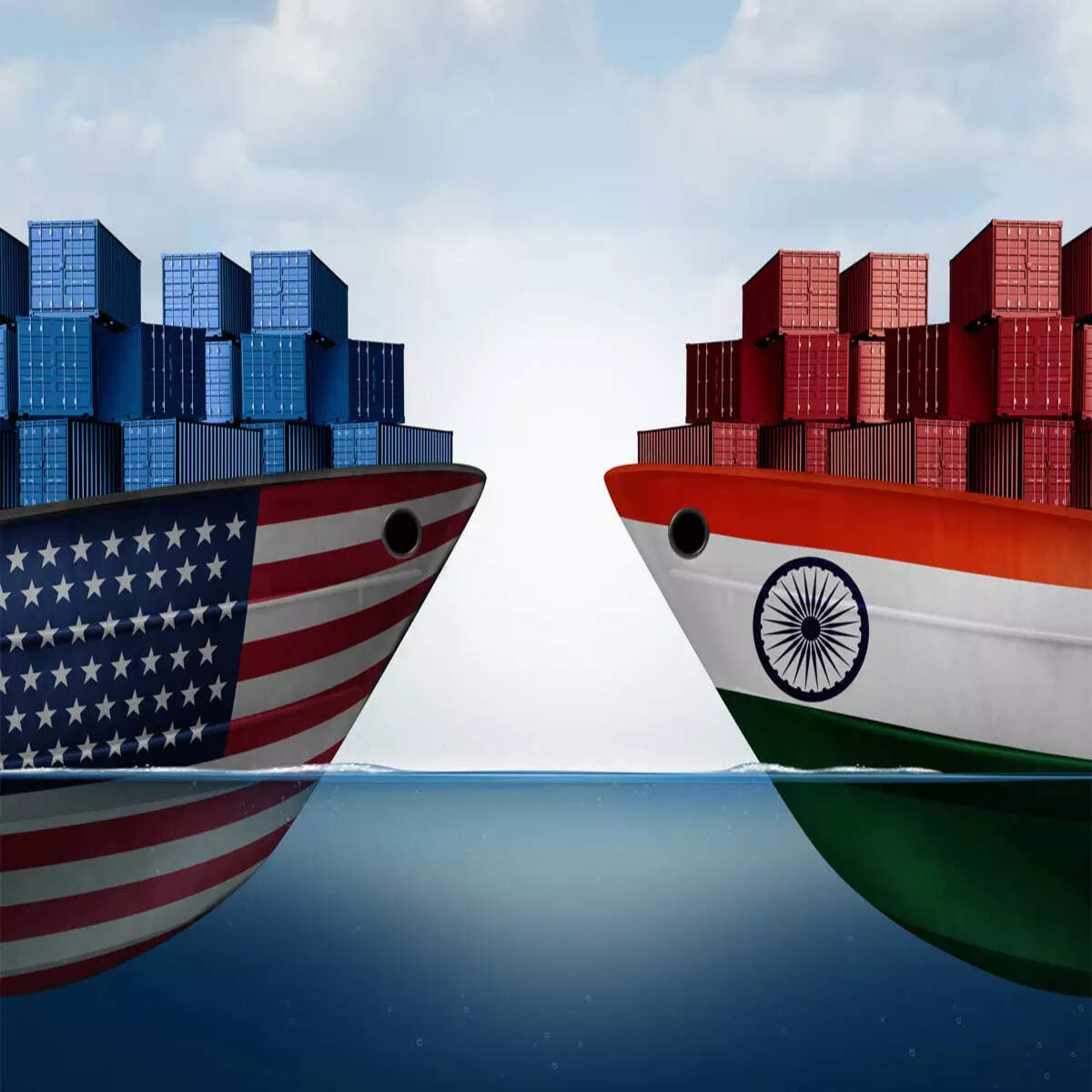
A surge in U. S. import duties has swiftly altered the economic landscape, with substantive implications for oil markets, trade dynamics and strategic alliances. U. S. President Donald Trump has enacted additional tariffs of up to 50 percent on imports from India in response to New Delhi’s continued purchases of discounted Russian crude. The escalation, applied in two stages and bringing tariffs from 25 percent to 50 percent, took effect on Wednesday, disrupting both markets and diplomatic ties.

Oil prices slipped as traders absorbed the news, with crude extending its decline as markets weighed the ripple effects of the heightened tariffs. The move is expected to erode India’s export earnings while simultaneously undermining the financial benefit of cheaper Russian oil.

Analysts calculate that India has saved around $17 billion by ramping up imports of Russian crude since early 2022. Now, with the tariffs in place, export revenues could shrink by more than $37 billion this fiscal year—nearly halving the gains previously made in energy procurement. The most vulnerable sectors include labour-intensive industries such as textiles, gems, jewellery, seafood and organic chemicals, where job losses may be significant.

New Delhi has resisted external pressure to cease its oil trade with Russia, citing national interest and energy security. Refiners and government officials have indicated that the message from the centre is clear: strategic autonomy takes precedence over commercial coercion. At the same time, discussions are in progress through virtual channels, encompassing trade, energy and critical mineral collaboration.

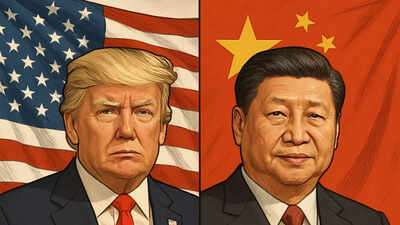
The tariffs are not only triggering economic recalibration but also intensify diplomatic friction. Experts warn this could become the most serious crisis in U. S.–India relations in decades. The uneven application—targeting India while China remains largely exempt—has heightened perceptions of hypocrisy and could push India closer to alternative partners such as Russia or China.

Domestic responses are underway. Authorities are exploring measures to cushion the blow, such as reducing tax burdens, providing credit support to exporters, and diversifying trade destinations towards Latin America, Africa, Southeast Asia and the EU. On the U. S. side, certain sectors—including pharmaceuticals and electronics—remain exempt from the higher tariffs, partly shielding U. S. companies such as Apple which have investments in Indian manufacturing.

Currency markets and investor sentiment reacted sharply, with Indian stock indices tumbling as concerns mounted over export disruption and broader economic repercussions.

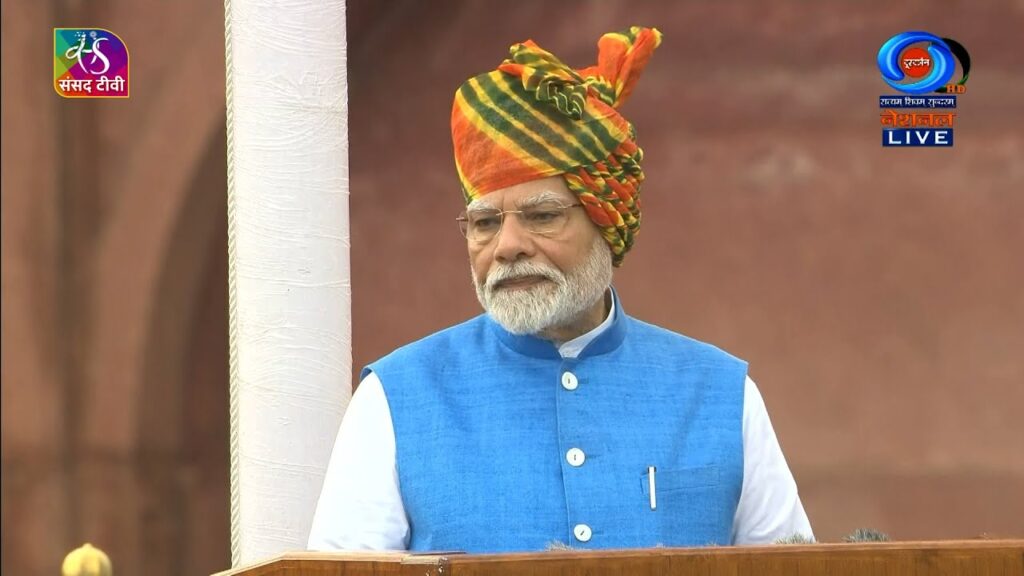
By Nitya Chakraborty Prime Minister Narendra Modi will be facing his major test in diplomacy at the coming summit of the Shanghai Cooperation Organisation (SCO) to be held in Tianjin in China on August 31 and September 1 this year. The SCO meet will be hosted by Chinese President Xi Jinping and will be attended […]

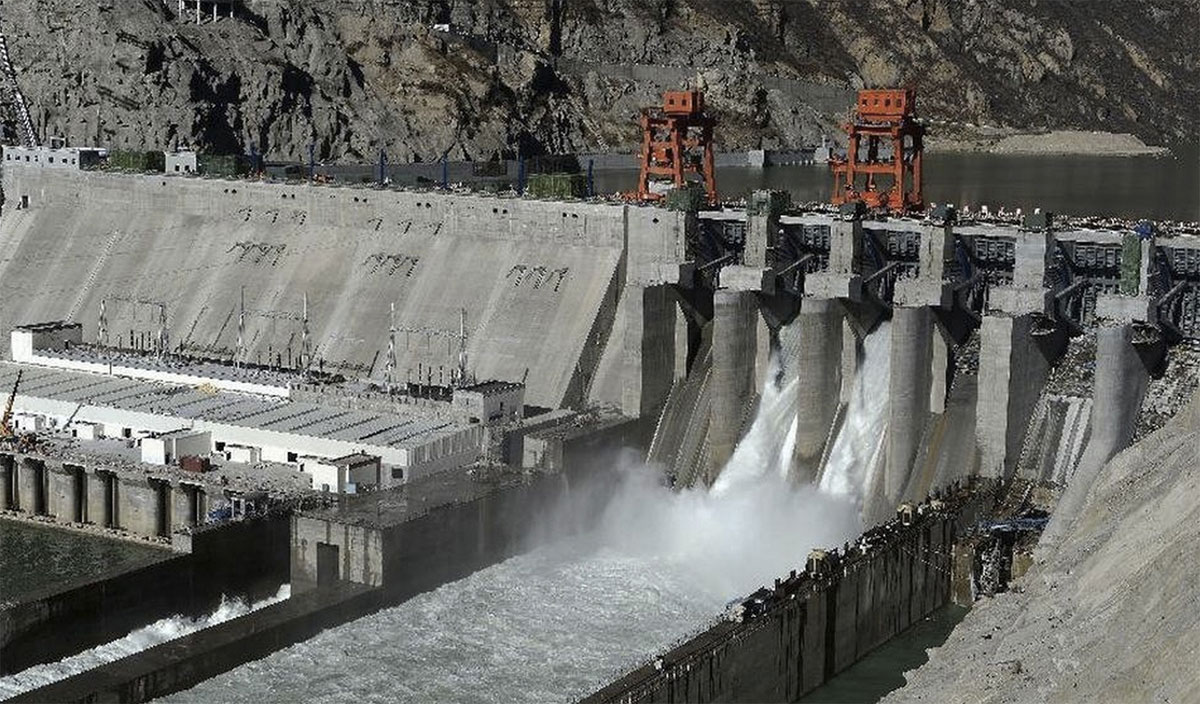
China has officially launched the construction of a massive hydropower project along the Yarlung Tsangpo river, known as the Brahmaputra in India. This new initiative, expected to be one of the largest of its kind globally, has ignited significant debate over its environmental, geopolitical, and economic implications. The hydropower station is a crucial part of China’s long-term strategy to increase its control over water resources in the region and boost its energy supply.

Located in Tibet, the project is designed to harness the Yarlung Tsangpo’s potential as a major energy source. The proposed mega-dam is anticipated to produce electricity on an unprecedented scale, contributing to China’s ambitious goal of transitioning to cleaner energy. However, experts warn that the dam could have wide-ranging effects on the downstream nations—particularly India and Bangladesh—which rely on the river for water and agricultural needs.

The Yarlung Tsangpo originates in the Tibetan Plateau before flowing southward into India and Bangladesh, making it a critical water source for millions of people. The river’s significance has led to increasing tensions between China and its neighbours. India, for instance, has raised concerns over Beijing’s unilateral control over the river’s upstream resources, which could result in reduced water flow for Indian states like Arunachal Pradesh and Assam. This could severely impact agriculture, water supply, and biodiversity in the region.

China, on the other hand, justifies the project as an essential component of its energy diversification plan and a step towards ensuring a sustainable future. The dam is expected to meet growing energy demands, particularly in Tibet and other western provinces. The country has already constructed several smaller dams on the river, and the new project will dwarf them in terms of capacity. However, this unprecedented scale has raised alarms among environmental groups who argue that the dam could lead to severe ecological disruption.

One major concern is the impact on the fragile ecosystem surrounding the Yarlung Tsangpo, which is home to a variety of endangered species, including the Tibetan antelope and snow leopard. The dam will alter the flow of the river, potentially threatening the habitats of these species and disrupting the delicate balance of the ecosystem. Further, large-scale water diversion for hydropower could lead to changes in sediment flow, which may erode downstream landscapes, damage fertile agricultural land, and affect the livelihoods of millions of people.

Experts also warn that the construction of the dam could have a devastating impact on the lower riparian states in South Asia. Bangladesh, for example, is already grappling with water scarcity issues, and any reduction in the flow of the Brahmaputra could worsen the country’s challenges. Furthermore, the dam’s potential to alter seasonal flooding patterns could increase the likelihood of both droughts and devastating floods in the region, exacerbating the socio-economic instability of affected areas.

The project has raised diplomatic tensions between China and India. Relations between the two countries have been strained in recent years, with territorial disputes and military standoffs adding to the complexity of the situation. The Yarlung Tsangpo project further complicates these dynamics, with India voicing concerns over China’s increasing control over vital river systems. Although Beijing claims that the project will not harm neighbouring countries, it has not provided detailed assessments of the dam’s potential downstream effects, leaving a sense of uncertainty and mistrust.

China’s actions have triggered calls for international cooperation and regulation regarding transboundary rivers. Critics argue that there is a need for a multilateral framework to manage shared water resources, particularly in areas like the Himalayas, where multiple countries depend on rivers originating in one nation. The lack of transparency around the environmental impact assessments for such large-scale projects has also raised concerns within the global community, with some advocating for stronger environmental safeguards.

Snowflake, the leading cloud data platform, has inaugurated a new office at The Square, Vittal Mallya Road in Bengaluru, further solidifying its presence in one of India’s largest technology hubs. The move follows the company’s expansion into Mumbai earlier, reflecting its commitment to establishing a robust footprint in the country.

The new Bengaluru office aims to be a hub for innovation, with a focus on data and artificial intelligence. Snowflake intends to foster collaboration between local and global teams to leverage the rapidly growing talent pool in the region. The company is not only seeking to tap into India’s burgeoning tech ecosystem but also to cultivate a work environment where data professionals and engineers can develop solutions that drive both local and global customer impact.

Bengaluru, known as India’s Silicon Valley, is home to a vast number of technology firms, startups, and innovation centres. As one of the leading tech cities globally, it offers an abundance of skilled professionals and a vibrant startup ecosystem. Snowflake’s decision to expand in Bengaluru underscores its confidence in the Indian market and the country’s crucial role in its global growth strategy.

The new office will serve as a centre of excellence, enabling Snowflake to provide tailored data solutions to clients across various sectors, including finance, retail, healthcare, and technology. It will also act as a research and development hub, working closely with Snowflake’s global teams to accelerate the delivery of cutting-edge products and services. This move aligns with Snowflake’s broader strategy of capitalising on AI, machine learning, and advanced data analytics to deliver transformative results for businesses around the world.

Snowflake’s expansion is a part of a broader trend where global tech giants are increasingly looking towards India as a critical location for their growth and innovation. India’s talent pool, particularly in software development, data science, and AI, continues to be one of the main driving forces for international firms seeking to innovate and build scalable solutions. The Bengaluru office will further enhance Snowflake’s ability to tap into this wealth of expertise and cater to the growing demand for advanced data solutions in the region.

The company’s expansion is also expected to create significant job opportunities, not just in data engineering and analytics but across various domains, from sales and marketing to customer support. By strengthening its local presence, Snowflake plans to build stronger relationships with its clients and partners in the region, which will be essential as it looks to further integrate itself into the local tech ecosystem.

In addition to providing innovative solutions for businesses, Snowflake’s new office will serve as a training ground for local talent. With a strong focus on learning and development, the company intends to upskill its employees and equip them with the necessary skills to tackle emerging data challenges. The office will also act as a key centre for Snowflake’s efforts in advancing data security and privacy, two areas that are increasingly top-of-mind for organisations operating in the cloud.

By Nantoo Banerjee Notwithstanding India’s current trade tariff spat with the United States, India should apply caution to further open up imports from China with which it already suffers from massive trade deficits – nearly $100 billion last year when China had severely cut down imports from India. The latter should also avoid the Chinese […]
By K Raveendran Indian epics tell us that aggression should never be turned against the weak is a lesson etched into the Mahabharata. Karna, remorseful after joining in the humiliation of Draupadi, admitted the shame of deploying power in the wrong direction. Draupadi in that moment represented not just women, but the principle of protecting […]

Amazon has approached the Commerce Ministry with a proposal to modify foreign direct investment rules by creating a carve-out for export transactions. The company is requesting permission to purchase goods directly from Indian sellers for overseas sales, a departure from the longstanding policy that restricts foreign e-commerce firms to pure marketplace operations.

The policy currently prohibits platforms like Amazon and Walmart-owned Flipkart from holding inventory or selling directly to consumers, aiming to protect small retailers by ensuring a level playing field. Amazon’s pitch emphasises that an export exemption would benefit small Indian sellers by streamlining customs procedures and improving access to international markets. The company adds that it has facilitated US$13 billion in cumulative exporter earnings since 2015 and targets US$80 billion by 2030.

From the Commerce Ministry’s internal documents, it is clear that no decision has been made yet. Any policy adjustment must strictly safeguard the domestic retail market by clearly delineating goods intended solely for export from those that could be sold locally.

The move faces strong resistance. Three industry groups, representing small retailers, voiced concerns during the meeting that Amazon—and Flipkart, which also attended—would gain unfair advantages through preferential arrangements and heavy discounting, further marginalising small businesses.

Amazon and Flipkart did not offer comment at the time, and the Commerce Ministry has not yet responded publicly to media queries.

This development takes place against the backdrop of India’s rapidly expanding e-commerce space, valued at approximately US$125 billion in 2024 and projected to swell to US$345 billion by 2030. Meanwhile, foreign e-commerce operators, particularly U. S.-based Amazon and Flipkart, have long contended that the inventory-based model they use globally is impeded in India by FDI restrictions—restrictions designed to prevent foreign platforms from influencing pricing or favouring affiliated sellers.

Amazon’s request interlinks with broader efforts in the export ecosystem. Earlier this month, the Federation of Indian Export Organisations agreed to sign an MoU with Amazon to support exporters via cross-border e-commerce, including training, compliance assistance and market access support.

The issue also ties into wider trade dynamics. U. S.–India trade tensions remain unresolved, and Amazon’s proposal adds complexity to ongoing discussions. Modifying FDI norms for the export segment could influence negotiations and set precedents for how e-commerce platforms operate within the country.

As exporters grapple with global headwinds, including rising tariffs in key sectors, the government is evaluating how regulatory changes could facilitate global access without dismantling protections for domestic retail.

Advertisements

OpenAI has announced plans to establish its first office in New Delhi, marking a significant step in the company’s expanding global footprint. The move underscores the growing importance of India to the AI research and development community. It follows a recent surge in OpenAI’s user base in the country, where its language model, ChatGPT, has gained significant traction among businesses, developers, and students.

India’s burgeoning tech ecosystem, combined with its large, diverse user base, makes it an ideal location for OpenAI’s expansion efforts. As the company seeks to strengthen its presence in Asia, New Delhi was chosen due to its strategic positioning within the country’s technology and policy landscape. The office will serve as a key hub for local operations, focusing on developing partnerships with Indian firms and educational institutions, while also engaging with policymakers around AI regulation.

One of the driving factors behind OpenAI’s decision is India’s rapidly growing demand for advanced AI solutions. Indian businesses, particularly in sectors like healthcare, finance, and e-commerce, have increasingly turned to AI tools to enhance productivity and deliver personalised services. OpenAI’s language models, including ChatGPT, are already being integrated into a variety of applications across these industries, signalling a shift towards AI-driven business solutions.

The launch of a new, affordable subscription plan for ChatGPT earlier this week is also indicative of OpenAI’s commitment to making its technology more accessible. At just $4.60 per month, the plan is the most affordable option offered by the company thus far and is expected to further drive the adoption of its models in India. By reducing the cost barrier, OpenAI hopes to democratise access to its technology, allowing a wider range of users to benefit from its capabilities.

OpenAI’s arrival in India also comes at a time when the country is increasingly positioning itself as a leader in AI innovation. The Indian government has been exploring various initiatives to foster the development and responsible deployment of artificial intelligence, aiming to tap into its potential to fuel economic growth and tackle societal challenges. India’s National Strategy for Artificial Intelligence, announced in 2018, has laid out a roadmap for harnessing AI for public good, and OpenAI’s presence is expected to complement these efforts.

However, OpenAI’s expansion into the Indian market is not without its challenges. India’s regulatory environment surrounding AI is still evolving, with concerns around data privacy, ethics, and the potential for job displacement. OpenAI will likely have to navigate these regulatory hurdles as it looks to deepen its engagement with the country. While the Indian government has expressed support for AI innovation, it has also emphasised the need for safeguards to ensure that AI technologies are used responsibly and ethically.

By Arun Srivastava The bill to remove a prime minister, chief minister or any other minister in jail for 30 days, without conviction is awell-designed plot to accomplish the RSS-BJP mission of pushing India to one nation-one party rule. This is one of the alternate choices like the SIR to have saffron idea turn into […]
By Nitya Chakraborty India-China political relations have started improving giving all the indications that the leaderships of the two countries with the largest population in the world, are ready for building stable relationship after an uneasy period of five years since the Galwan killings on the border in 2020 in which 20 Indian soldiers lost […]

China has lifted export restrictions on rare earth minerals and fertilisers to India, easing supply pressures across high-tech, agricultural, and infrastructure sectors. The curbs, linked to national security concerns amid lingering border tensions, were rescinded following high-level diplomacy. Indian supplies of essential rare earth magnets—vital for electronics, renewable energy, and defence manufacturing—along with fertilisers and tunnel-boring equipment, are now poised to increase.

Lines of communication between the two capitals have reopened. During the latest India-China border talks, Chinese officials pledged to address New Delhi’s urgent demands, including expedited access to these items. Rare earth exports to India were previously down by 58 per cent compared to January levels, signalling a serious disruption for industries dependent on these critical inputs.

Manufacturing sectors—spanning automobiles, electronics, renewable energy, and defence—stand to benefit directly. These industries were particularly vulnerable due to India’s heavy reliance on Chinese rare earths and fertilisers; the absence of domestic magnet production compounded the supply gap despite India holding the world’s fifth-largest rare earth reserves.

Officials confirmed that China has begun implementing the export changes, with shipments of fertilisers, rare earth magnets, and tunnel-boring machines already underway. The commitments were made by a visiting Chinese Foreign Minister during discussions with Indian counterparts, setting the stage for smoother deliveries ahead of an upcoming high-level summit.

This trade shift follows months of disruption. Earlier in the year, China imposed stringent licensing requirements and delays on rare earth exports—especially seven heavy rare earth elements—affecting global supply chains. That move had compounded export issues affecting not only India but also manufacturers in Europe and the United States, underlining the strategic importance of rare earth materials.

On the fertiliser front, China had halted exports of specialty fertilisers for several months, causing concern across India’s high-value agriculture sector. Indian agribusinesses endured supply constraints as processes such as inspections and inspections delays were used to restrict deliveries. India responded with a resilient mix of domestic ramp-ups, diversification of import sources, and building strategic stockpiles—mitigation that has now yielded tangible benefits.

Diplomatic analysts interpret China’s decision as a calibrated move toward stabilising bilateral trade, particularly ahead of expected discussions at an international summit. While the easing of restrictions is welcomed, longstanding geopolitical mistrust and unresolved border issues suggest that the normalization remains cautious. This trade reprieve signals a pragmatic shift, but not a full thaw in relations.

India, meanwhile, is accelerating its critical minerals strategy. Domestic initiatives—including exploration incentives, production-linked schemes, and global partnerships—are being fast-tracked to reduce strategic dependencies. The National Critical Mineral Mission, launched earlier this year, continues to mobilise efforts across the supply chain, while overseas resource acquisitions and collaborations are gaining momentum.

Kotak Mahindra International Limited, a subsidiary of Kotak Mahindra Bank, has made a significant stride in expanding its footprint in the UAE’s financial sector. The firm has officially received a licence from the Securities and Commodities Authority, granting it the ability to manage investments and portfolios within the emirate’s capital markets. This makes KMIL the first Indian financial institution to obtain such a licence, opening the door to a wider range of investment opportunities in the region.

The SCA’s approval allows KMIL to operate in a competitive, high-growth financial market that is rapidly evolving. As a result, the firm is now positioned to offer both retail and institutional clients a broader spectrum of services, ranging from portfolio management to investment advisory. This move is expected to enhance the firm’s existing capabilities and leverage the UAE’s status as a global financial hub.

KMIL’s entry into the UAE market signifies a strategic effort to tap into the growing demand for professional investment services in the region, especially as the Middle East continues to be a lucrative market for global financial players. The UAE’s business environment is becoming more conducive to foreign investments, with its forward-thinking regulatory framework and attractive tax incentives drawing a significant number of international financial institutions.

The SCA’s move to issue such licences aligns with the UAE’s broader economic diversification strategy. By encouraging international firms to set up operations in the country, the UAE government aims to fortify its capital markets and establish itself as a leading financial centre in the region. The decision also underlines the country’s commitment to maintaining a stable and robust regulatory environment for financial services.

Kotak Mahindra’s strategic expansion comes at a time when global interest in the UAE’s financial markets is surging. The country’s strategic location, tax-friendly policies, and world-class infrastructure have led to an influx of capital from around the world, positioning it as an ideal base for firms like Kotak Mahindra International to service clients in both the Gulf Cooperation Council region and beyond.

The company’s move also reflects a growing trend of Indian financial institutions seeking to diversify their portfolios and expand internationally. With this licence, Kotak Mahindra International joins a select group of global players that have made the UAE their home for managing investments and portfolios. This development underscores the increasing prominence of the UAE as a financial epicentre.

KMIL’s parent company, Kotak Mahindra Bank, has long been a key player in India’s banking and financial services landscape. With its new licence, the bank’s international arm can now offer its expertise to a new set of clientele while taking advantage of the burgeoning investment opportunities in the Middle East. The UAE’s progressive economic policies and its positioning as a global financial hub make it an attractive destination for firms looking to serve the broader Middle Eastern, African, and Southeast Asian markets.

Industry experts note that the SCA’s licence is a vital step in enhancing the overall appeal of the UAE’s financial services sector. The SCA, tasked with overseeing the functioning of capital markets, is committed to fostering a conducive environment for businesses to thrive. By offering such licences to international firms, the authority is sending a strong signal about its readiness to support the financial community and encourage further investments into the UAE economy.

By Nantoo Banerjee Come August 27, the picture of the Indo-US trade may show a considerable change. India’s merchandise exports to the US will be generally subjected to a 50 percent import tax from that date. A few categories, including drugs and pharmaceuticals, have been exempted. The reason advanced by US President Donald Trump for […]


Samsung has commenced local production of laptops in India, marking a significant shift in its manufacturing strategy. The move follows growing trends in the global tech industry, where companies are increasingly decentralising their manufacturing to cater to regional markets and mitigate supply chain risks. The tech giant’s decision to set up its laptop assembly line in India comes as part of a broader push to diversify its production capabilities and tap into the country’s emerging manufacturing ecosystem.

The new facility, which is located in Noida, is expected to meet rising demand for Samsung laptops in India and other parts of Asia. The plant will focus on assembling a range of models, from entry-level to premium devices, with an emphasis on enhancing the supply of high-performance laptops. By doing so, Samsung aims to capitalise on the Indian government’s incentive schemes aimed at boosting local manufacturing and creating jobs in the sector.

India has become an increasingly attractive destination for global manufacturers due to its robust infrastructure, competitive labour costs, and a growing pool of skilled engineers and technicians. Samsung’s decision to invest in local laptop production highlights the country’s status as a strategic hub for tech companies looking to scale operations. The move also aligns with the Indian government’s vision of becoming a global manufacturing leader under the “Make in India” initiative, which encourages foreign companies to establish production bases in the country.

The South Korean company has been investing heavily in India over the past few years, with a significant focus on expanding its footprint in consumer electronics, particularly smartphones. The expansion of laptop production further strengthens its position in the Indian market, where the demand for personal computing devices has been steadily increasing. India, with its young population and rapid digitalisation, presents a lucrative market for tech companies. By establishing local manufacturing units, Samsung can not only meet this demand more effectively but also potentially lower the cost of its devices by reducing import duties and other logistical expenses.

Samsung’s Noida plant will be equipped with advanced manufacturing technology, allowing the company to ensure that its laptops meet international quality standards. The facility is expected to produce several million units annually, with an eye on both the domestic and export markets. This localisation strategy is expected to significantly cut down on shipping costs and delivery times, giving Samsung a competitive edge over other international brands that continue to import their devices into the country.

The move comes at a time when India is becoming increasingly attractive to global technology firms. Companies like Apple, Dell, and HP have already ramped up their manufacturing presence in India in recent years. India’s well-established electronics sector, supported by the government’s push to improve infrastructure and streamline regulatory processes, has led to a surge in foreign direct investment in the country’s tech manufacturing ecosystem.

Samsung’s expansion into laptop production also reflects the growing importance of India in the global supply chain. The country’s status as a low-cost production base, combined with its large consumer market, makes it an attractive location for companies looking to avoid the risks associated with heavy dependence on single countries, such as China. By shifting some of its manufacturing operations to India, Samsung can reduce its exposure to potential disruptions in China, which has long been the dominant player in global electronics manufacturing.

This shift is also likely to have broader implications for the Indian tech industry. With global giants like Samsung setting up local production lines, it is expected that the country will see an increase in the number of skilled jobs in the tech sector. Additionally, the growing demand for locally manufactured devices may spur innovation in the country’s tech ecosystem, encouraging the development of homegrown talent and technologies. This would not only strengthen India’s position as a manufacturing hub but also lay the foundation for the growth of its own tech startups.

Dubai’s Burj Khalifa illuminated the night sky on Friday, August 15, 2025, with the vibrant hues of the Indian flag—saffron, white, and green—to commemorate India’s 79th Independence Day. The world’s tallest building became a beacon of unity and cultural pride, drawing large crowds of Indian expatriates and residents who gathered to witness the spectacular light show.

The Indian Consulate in Dubai confirmed that the display commenced at 7:50 PM local time, marking the occasion with a visual tribute that resonated deeply with the Indian community in the UAE. The illumination was accompanied by the instrumental rendition of India’s national anthem, “Jana Gana Mana,” amplifying the emotional significance of the moment.

Spectators, many of whom were capturing the event on their smartphones, expressed their pride and joy through cheers and applause. The display not only celebrated India’s independence but also underscored the strong and enduring ties between India and the United Arab Emirates. Social media platforms were abuzz with videos and messages, with many sharing the experience and extending their Independence Day wishes.

The Burj Khalifa’s annual tribute to India’s Independence Day has become a cherished tradition, symbolising the deep-rooted friendship between the two nations. This gesture is part of a broader initiative where the UAE’s landmarks light up in the colours of various countries’ flags to honour their national days, reflecting the UAE’s commitment to fostering international camaraderie and cultural appreciation.

In addition to the Burj Khalifa’s illumination, the Indian missions in the UAE organised flag-hoisting ceremonies and cultural events to mark the day. The Indian Consulate in Dubai held its flag-hoisting ceremony at 6:30 AM, while the Indian Embassy in Abu Dhabi conducted theirs at 7:15 AM, accommodating the early morning hours to avoid the intense summer heat. These ceremonies were attended by members of the Indian community, dignitaries, and friends of India, all coming together to celebrate the nation’s journey towards independence and its achievements over the years.

The celebrations were further enriched by cultural performances showcasing India’s diverse heritage, including traditional dances, music, and art exhibitions. These events provided an opportunity for attendees to connect with their cultural roots and share in the collective pride of India’s progress and unity.

By R. Suryamurthy When Prime Minister Narendra Modi ascends the Red Fort on August 15 to deliver his Independence Day address, the nation will be listening for the usual rhetoric of progress, resilience, and pride. This year, the subtext must be different. With a possible face-off with U.S. President Donald Trump looming at next month’s […]
By Nitya Chakraborty The India-US trade war over Donald Trump’s 50 per cent tariff on Indian exports to the USA with effect from August 27 this year has assumed a major political dimension linking the political future of both Indian Prime Minister Narendra Modi and the United States President Donald Trump. For Narendra Modi, the […]

By Salah Uddin Shoaib Choudhury          (Approx. 705 words) In 2003, Washington justified its invasion of Iraq by claiming Saddam Hussein had Weapons of Mass Destruction and ties to Al Qaeda. These allegations -later proven false – enabled the toppling of Iraq’s leadership, replacing it with an externally controlled regime of opportunists and mercenaries. Iraq’s sovereignty was dismantled, and its oil wealth looted under the watch of the US […]

India’s diplomatic ties with the United States have been significantly shaped by the evolving political landscape under former President Donald Trump. According to a US academic, India has paid a steep price due to Trump’s pursuit of a Nobel Peace Prize, which may have undermined its broader geopolitical interests. The scholar argues that Trump’s overtures to India during his tenure were often overshadowed by his personal ambitions […]

By Ashok Nilakantan Ayer When the U.S. President Donald Trump slapped heavy tariffs on a range of Indian goods this month, Prime Minister Narendra Modi responded almost immediately with quiet contingency planning: supply a targeted, limited financial backstop to exporters and small manufacturers whose cash flows are being squeezed by sudden loss of competitiveness in […]

Dr Divya Malhotra Across Europe, the United States, and even parts of Asia, Jewish communities and Israeli citizens are facing a wave of renewed hostility, not because of their religion, but because of Israeli government’s devastating actions in Gaza. What began as a war of self-defense following the October 2023 Hamas attacks has transformed into a prolonged humanitarian catastrophe. With over 50,000 Palestinians killed, Gaza is not […]

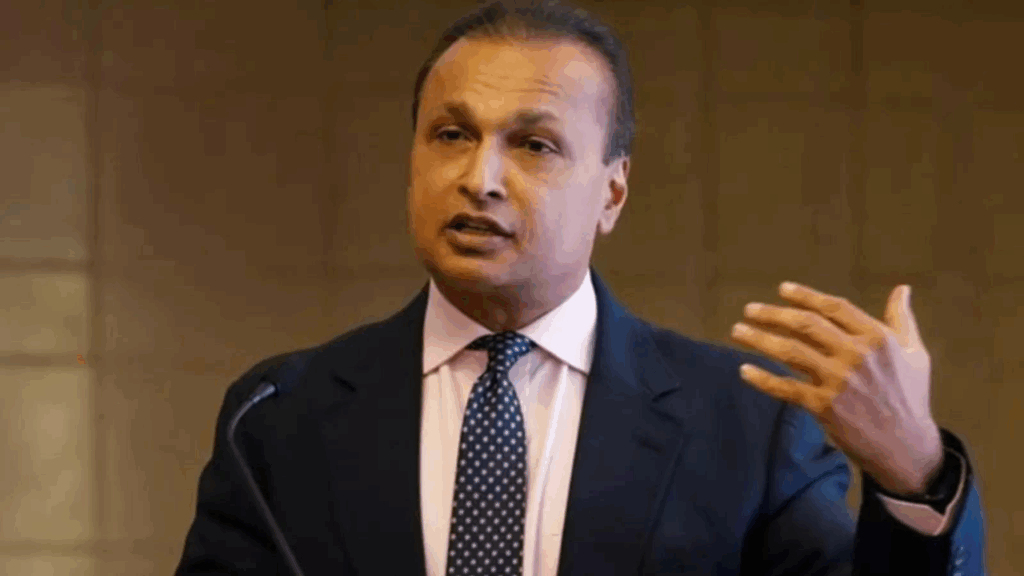
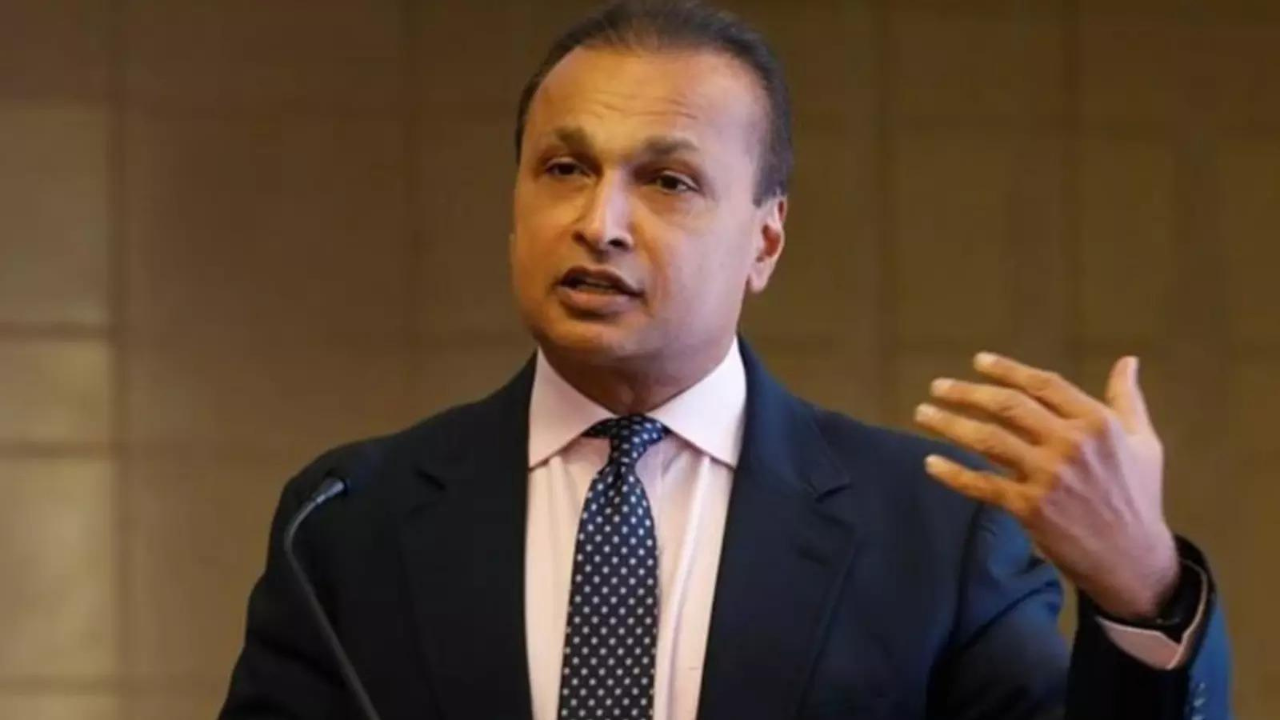
By Nantoo Banerjee The regular news feed by India’s Enforcement Directorate on alleged massive money laundering by the Reliance Anil Ambani Group (RAAG), which is also known as the Anil Dhirubhai Ambani Group (ADAG), seems to have been designed more to create an abominable sensation around the flamboyant entrepreneur than any other serious purpose. The […]

The Gulf region is fast becoming a significant alternative hub for Indian jewellery manufacturing and exports, spurred by rising trade tensions between the US and India. Experts point to the growing challenges faced by Indian jewellers, particularly as American tariffs on Indian imports climb in response to geopolitical factors, including India’s continued oil purchases from Russia.

The latest move by the US, led by an executive order from President Donald Trump, has intensified trade uncertainties. The executive order, signed on Wednesday, introduces a hefty 25 per cent tariff on Indian goods, with specific implications for the jewellery sector. This tariff hike, effective in three weeks, increases the overall tariff burden on Indian imports to 50 per cent—one of the highest rates the US has imposed on its trading partners.

For years, India has been the global leader in jewellery manufacturing, with a robust presence in the international market, particularly in the US. However, the imposition of punitive tariffs has forced many Indian jewellers to rethink their export strategies. The Gulf region, traditionally a key market for Indian gold and precious stones, is now gaining prominence as a strategic manufacturing base, offering a more favourable trade environment.

The decision to shift operations to the Gulf is driven by a combination of factors, including the region’s strategic geographic position and its trade agreements with major markets. Countries like the UAE and Bahrain have long been involved in the jewellery trade, but as tariffs increase on Indian exports to the US, their roles are now being redefined. Experts suggest that the Gulf’s advanced infrastructure, coupled with an array of free trade agreements, makes it an attractive destination for manufacturing and re-exporting high-end jewellery to global markets, including the US.

The Dubai Gold and Jewellery Group, one of the region’s leading jewellery trade bodies, has welcomed the shift, noting the opportunities it presents for growth. The UAE, in particular, has developed an attractive ecosystem for jewellery manufacturers, offering tax incentives, access to advanced technology, and a well-established logistics network. These benefits make it an appealing alternative for Indian jewellers seeking to bypass the punitive tariffs imposed by the US.

India’s reliance on the US market for jewellery exports, particularly in the high-end sector, has been significant. However, as the tariff burden becomes heavier, companies are exploring alternatives that provide both cost-effectiveness and access to lucrative international markets. Several large manufacturers have already established bases in the UAE, with plans to expand their operations further into the region.

A noteworthy trend is the increasing collaboration between Indian and Gulf-based jewellery firms. These partnerships are focused on expanding manufacturing capabilities while reducing reliance on traditional export routes. The UAE, with its business-friendly policies, is proving to be an ideal locale for jewellery production, particularly for smaller-scale businesses that are unable to absorb the full impact of the US tariffs.

One of the key drivers of this shift is the growing US demand for luxury goods, including jewellery. The tariff hike, while discouraging direct exports from India, has not dampened the appetite for high-quality jewellery. Instead, it has prompted companies to explore alternative routes to meet this demand. Experts point out that the Gulf provides a strategic advantage for such businesses, offering them the flexibility to maintain their competitive edge without the added burden of trade barriers.

The Gulf’s importance in the global jewellery trade has long been overlooked in favour of established centres like India. However, as geopolitical tensions continue to shape trade flows, the region’s position as a central player in the jewellery manufacturing process is becoming more evident. Industry insiders predict that over the next few years, the Gulf’s jewellery manufacturing and export capabilities will only grow stronger, reshaping the global jewellery supply chain.

For Indian jewellery manufacturers, the shift to the Gulf represents a broader strategy to diversify their risk exposure. By establishing a presence in markets that are less susceptible to abrupt policy changes, Indian companies are better positioned to mitigate the impact of volatile geopolitical situations. The expansion of Gulf-based jewellery production also ensures that India maintains a foothold in the lucrative US market, even as tariffs continue to escalate.

By Nitya Chakraborty The stage is finally set. U.S. President Donald Trump will be meeting the Russian President Vladimir Putin in Alaska in USA on August 15 to discuss the Ukraine war issue and bring about a settlement for facilitating a long term solution. If a framework of a solution is reached, President Putin will […]
VISHNU RAJA
RYO YAMADA
HITORI GOTOH
IKUYO KITA
Just in:
Bankrupt Indian Business Barons Mostly Live Life King-Size // Broermann Medical Innovation Award 2026: Three Pioneers of Modern Obesity and Diabetes Therapies Honored // Ramayana triggers high tourist traffic to Jatayu rock centre // Hong Kong International Airport Online Shop Winter Festive Offer // Mangroves Documentary Premieres, Exploring How Cities and Wetlands Coexist // Regulator demands answers on controversial power deal // Google identifies autonomous AI systems conducting vulnerability attacks // Ukraine faces $32.6 billion financing gap amid legislative delays // Mangroves Documentary Premieres, Exploring How Cities and Wetlands Coexist // Danone expands consumer insight capabilities to accelerate nutrition innovation through Southeast Asia R&I Application Lab upgrade // Govt offers talks to protesting teachers after CM signal // First Abu Dhabi Bank proposes AED15 billion share sale // ASEAN adopts binding pact on regional digital commerce // Mexican journalists demand accountability after Acapulco reporter killed // EU levies definitive duties on five steel suppliers // Over 360 electricity distribution professionals meet in Seoul for CIRED’s first major event in the Asia-Pacific region // Pink Economy report puts equal rights at the heart of Thailand’s road to Bangkok WorldPride 2030 // Fraudsters register brand lookalikes within a day // Takaichi exchanges greetings with Chinese minister at Manila summit // Mubadala and Centerbridge secure £1.17bn Canaccord wealth agreement //