News related to
Indian

By Nantoo Banerjee The regular news feed by India’s Enforcement Directorate on alleged massive money laundering by the Reliance Anil Ambani Group (RAAG), which is also known as the Anil Dhirubhai Ambani Group (ADAG), seems to have been designed more to create an abominable sensation around the flamboyant entrepreneur than any other serious purpose. The […]

The Gulf region is fast becoming a significant alternative hub for Indian jewellery manufacturing and exports, spurred by rising trade tensions between the US and India. Experts point to the growing challenges faced by Indian jewellers, particularly as American tariffs on Indian imports climb in response to geopolitical factors, including India’s continued oil purchases from Russia.

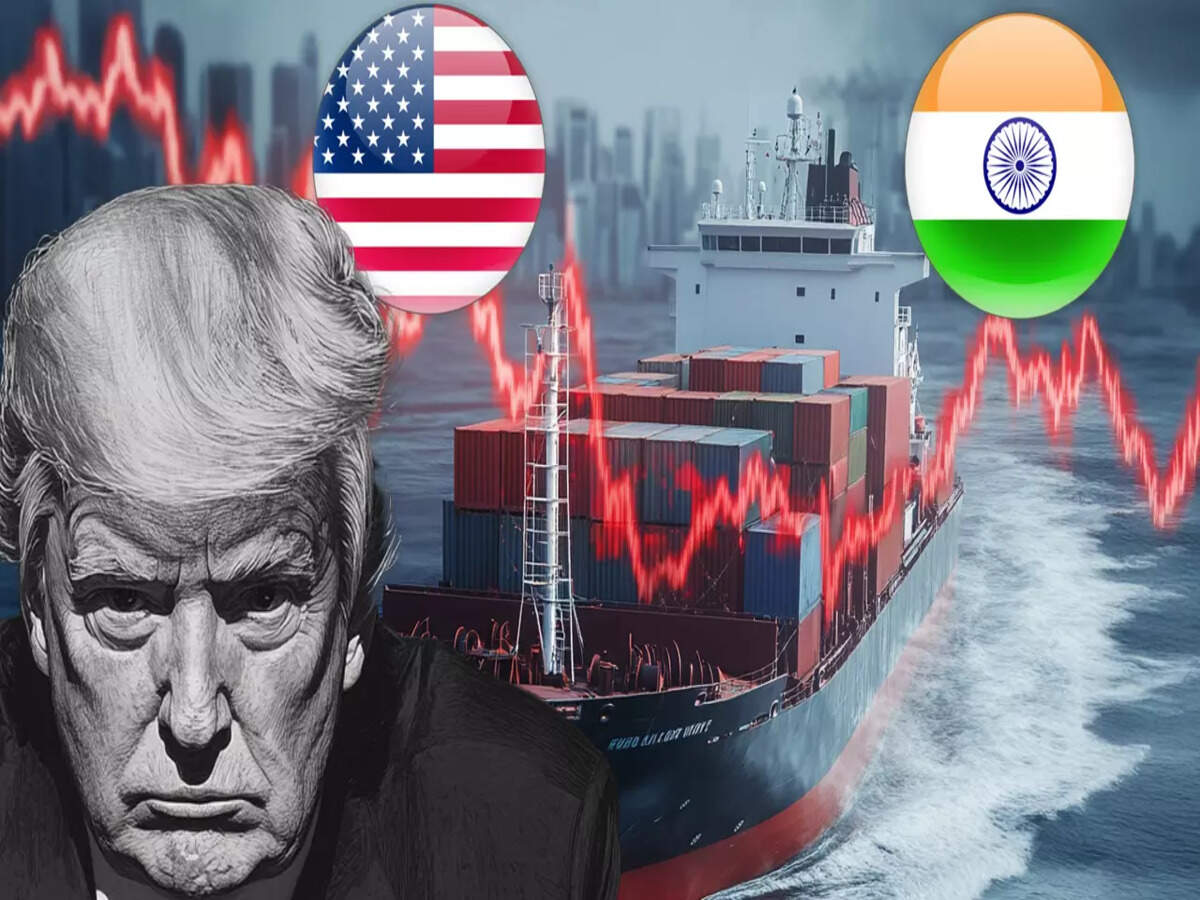
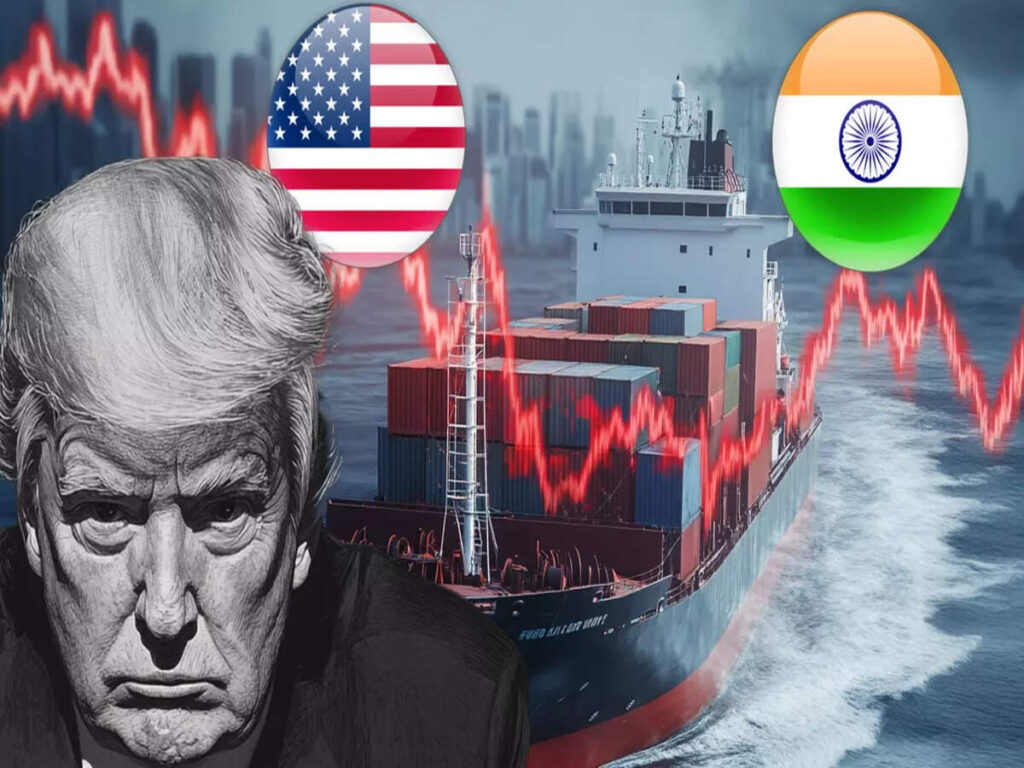
The latest move by the US, led by an executive order from President Donald Trump, has intensified trade uncertainties. The executive order, signed on Wednesday, introduces a hefty 25 per cent tariff on Indian goods, with specific implications for the jewellery sector. This tariff hike, effective in three weeks, increases the overall tariff burden on Indian imports to 50 per cent—one of the highest rates the US has imposed on its trading partners.

For years, India has been the global leader in jewellery manufacturing, with a robust presence in the international market, particularly in the US. However, the imposition of punitive tariffs has forced many Indian jewellers to rethink their export strategies. The Gulf region, traditionally a key market for Indian gold and precious stones, is now gaining prominence as a strategic manufacturing base, offering a more favourable trade environment.

The decision to shift operations to the Gulf is driven by a combination of factors, including the region’s strategic geographic position and its trade agreements with major markets. Countries like the UAE and Bahrain have long been involved in the jewellery trade, but as tariffs increase on Indian exports to the US, their roles are now being redefined. Experts suggest that the Gulf’s advanced infrastructure, coupled with an array of free trade agreements, makes it an attractive destination for manufacturing and re-exporting high-end jewellery to global markets, including the US.

The Dubai Gold and Jewellery Group, one of the region’s leading jewellery trade bodies, has welcomed the shift, noting the opportunities it presents for growth. The UAE, in particular, has developed an attractive ecosystem for jewellery manufacturers, offering tax incentives, access to advanced technology, and a well-established logistics network. These benefits make it an appealing alternative for Indian jewellers seeking to bypass the punitive tariffs imposed by the US.

India’s reliance on the US market for jewellery exports, particularly in the high-end sector, has been significant. However, as the tariff burden becomes heavier, companies are exploring alternatives that provide both cost-effectiveness and access to lucrative international markets. Several large manufacturers have already established bases in the UAE, with plans to expand their operations further into the region.

A noteworthy trend is the increasing collaboration between Indian and Gulf-based jewellery firms. These partnerships are focused on expanding manufacturing capabilities while reducing reliance on traditional export routes. The UAE, with its business-friendly policies, is proving to be an ideal locale for jewellery production, particularly for smaller-scale businesses that are unable to absorb the full impact of the US tariffs.

One of the key drivers of this shift is the growing US demand for luxury goods, including jewellery. The tariff hike, while discouraging direct exports from India, has not dampened the appetite for high-quality jewellery. Instead, it has prompted companies to explore alternative routes to meet this demand. Experts point out that the Gulf provides a strategic advantage for such businesses, offering them the flexibility to maintain their competitive edge without the added burden of trade barriers.

The Gulf’s importance in the global jewellery trade has long been overlooked in favour of established centres like India. However, as geopolitical tensions continue to shape trade flows, the region’s position as a central player in the jewellery manufacturing process is becoming more evident. Industry insiders predict that over the next few years, the Gulf’s jewellery manufacturing and export capabilities will only grow stronger, reshaping the global jewellery supply chain.

For Indian jewellery manufacturers, the shift to the Gulf represents a broader strategy to diversify their risk exposure. By establishing a presence in markets that are less susceptible to abrupt policy changes, Indian companies are better positioned to mitigate the impact of volatile geopolitical situations. The expansion of Gulf-based jewellery production also ensures that India maintains a foothold in the lucrative US market, even as tariffs continue to escalate.

By Nitya Chakraborty The stage is finally set. U.S. President Donald Trump will be meeting the Russian President Vladimir Putin in Alaska in USA on August 15 to discuss the Ukraine war issue and bring about a settlement for facilitating a long term solution. If a framework of a solution is reached, President Putin will […]

Reliance Industries, one of India’s largest conglomerates, faces significant decisions about its oil sourcing strategy amid increasing pressure from the United States to reduce its reliance on Russian crude. The Indian government, which became a major purchaser of seaborne Russian oil following Moscow’s 2022 invasion of Ukraine, is now under mounting diplomatic pressure from Washington to cut its energy ties with Russia. The shift in policy would have substantial implications for the global oil market and India’s refining industry.

Reliance, which operates the world’s largest refining complex in Jamnagar, Gujarat, is central to this decision. With the capacity to process 1.4 million barrels per day, Reliance’s massive refining operation plays a pivotal role in India’s energy landscape. Historically, the company has sourced significant volumes of Russian crude oil, a practice that began in earnest after the geopolitical upheaval caused by Russia’s invasion.

However, as the US ramps up its diplomatic efforts, India faces a delicate balancing act. Although India has repeatedly asserted its right to make independent decisions on energy imports, the US has been clear in its stance, urging the country to align with Western sanctions that limit Russian energy purchases. Washington’s pressure is focused not only on the political ramifications but also on the global strategy to curtail Moscow’s economic resilience through these sanctions.

Energy trade sources indicate that should Reliance cease purchasing Russian crude, the company would likely revert to Middle Eastern suppliers. The Middle East’s geographical proximity to India and its robust oil production capabilities make it an ideal alternative for Reliance’s vast refining operations. As global oil markets fluctuate, the alignment with Middle Eastern suppliers could allow Reliance to maintain its production capacity without significant disruptions.

Industry experts note that the Organisation of the Petroleum Exporting Countries has been adjusting its output to accommodate changing demand patterns. OPEC’s decision to unwind its voluntary cuts has already resulted in increased crude oil production, providing more flexibility to companies like Reliance. This additional supply from the Middle East would likely ease the transition if Reliance moves away from Russian crude, experts suggest.

Nevertheless, shifting reliance back to Middle Eastern oil is not without its own set of challenges. While this move might reduce geopolitical tensions, it would also expose Reliance and other Indian refiners to fluctuations in Middle Eastern production and pricing. Additionally, the cost dynamics could differ, especially given the complexities of supply chain logistics, transportation costs, and currency fluctuations that could affect the price of crude oil sourced from the Gulf.

For India, the implications go beyond just the refiners. The country’s broader energy strategy could come under scrutiny as it seeks to maintain a balance between meeting domestic demand and adhering to international diplomatic pressures. As a major energy consumer, India has long sought to diversify its sources of crude oil to ensure stable supply chains, and the shifting sands of global politics only heighten the complexity of these decisions.

The pushback from Russia, meanwhile, is likely to become more pronounced. Moscow’s strategy in the face of sanctions has been to maintain its role in global energy markets by finding alternative buyers, including India and China, for its oil exports. With the growing Western pressure, Russia is expected to explore additional avenues for securing energy trade relationships, potentially targeting markets in Asia that are less susceptible to US-led sanctions.

Adnoc Gas has entered into a strategic partnership with Hindustan Petroleum Corporation Limited for the supply of liquefied natural gas over the next decade. The Heads of Agreement signed between the two companies commits Adnoc Gas to deliver 0.5 million metric tonnes per annum of LNG to HPCL for a 10-year term, further enhancing its presence in the high-demand Asian LNG market. This deal not only signifies […]

By Nitya Chakraborty The additional 25 per cent tariff on Indian exports to the USA announced by President Donald Trump to be effective from August 27, has led to an intense ideological and political battle within RSS, the BJP as also among the industrialist friends of Prime Minister Narendra Modi who are active members of […]

KUALA LUMPUR, MALAYSIA – Media OutReach Newswire – 8 August 2025 – Octa Broker is providing an in-depth overview of the week’s key events and actionable insights to help traders navigate this high-stakes environment with confidence. July was a relatively quiet month for gold, at least by the recent standards. XAUUSD, the primary financial instrument for trading bullion, fluctuated in a very narrow 30-dollar range between roughly […]

Advertisements
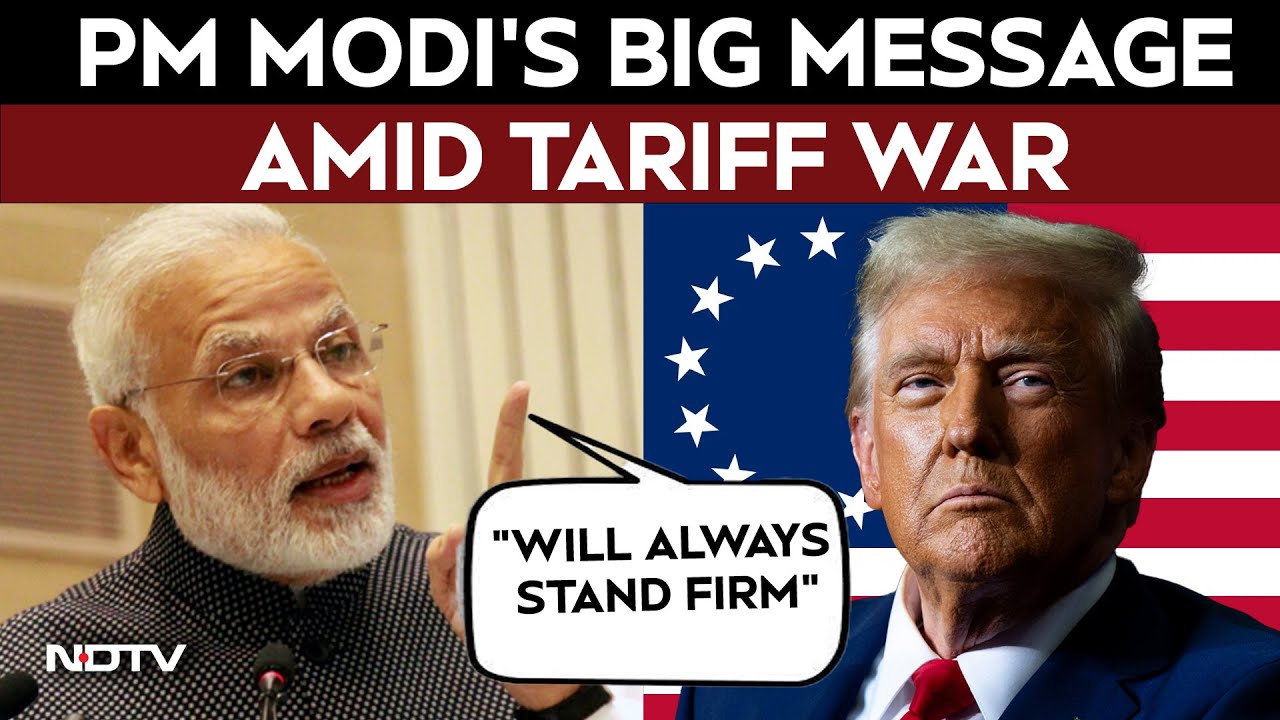
By R. Suryamurthy Prime Minister Narendra Modi’s declaration that he is willing to “pay a heavy price” to stand by Indian farmers in the face of escalating U.S. trade tariffs has captured headlines—but not necessarily for the right reasons. It is a speech crafted more for the political stage than the policy war room. Beneath […]

The Open Source Summit India 2025 marks a significant milestone for Linux Foundation India, celebrating a year of growth, new partnerships, and a strengthened commitment to the country’s burgeoning open-source ecosystem. With a focus on key sectors such as agriculture, finance, manufacturing, and AI, the foundation is poised to play a pivotal role in advancing digital transformation across multiple industries. The summit, held in Bengaluru, serves as […]

Arabian Post Staff -Dubai FBS, a prominent global trading company, has suspended its operations in India, citing increasing regulatory challenges. The decision to cease trading activities follows growing concerns from Indian authorities regarding the company’s compliance with local financial regulations and its failure to meet the standards set by the Securities and Exchange Board of India. The move has raised questions about the country’s rapidly evolving regulatory […]

By Nitya Chakraborty Bangladesh is finally going for national elections in February 2026 ending all speculations in the political circles in Dhaka in the last one year since the abdication of the earlier Prime Minister Sheikh Hasina from power on August 5, 2024. Chief Adviser of the interim government Dr. Muhammad Yunus announced the elections […]

The Indian real estate market is under increasing pressure, with housing sales plummeting by 20% in major metropolitan areas. Data from ANAROCK reveals that only 96,285 homes were sold in Q2 2025, a sharp decline from 120,335 sales recorded in the same period the previous year. The downturn highlights a growing sense of buyer hesitancy, fuelled by external factors like tariffs imposed by the Trump administration, which have disrupted market stability.

A significant driver of the decline is the mounting uncertainty surrounding global trade dynamics, particularly the new 25% tariffs on key imports. These tariffs are expected to have a ripple effect on several sectors, including real estate, with the affordable housing market feeling the brunt. The tariffs impact micro, small, and medium enterprises —a key demographic for the affordable housing segment—further limiting purchasing power in this sector.

The sharp drop in home sales comes amid skyrocketing property prices. According to ANAROCK, the average price of residential properties in the seven largest Indian cities has increased by 39% over the past two years. Prices jumped from INR 6,470 per square foot in Q2 2023 to INR 8,990 per square foot in Q2 2025. The rapid price surge is another contributing factor to the decline in transactions, as many potential homebuyers are now priced out of the market, especially in the affordable housing sector.

Amid this turbulence, the Reserve Bank of India has opted to maintain its current repo rate at 5.5%, a move that has been closely scrutinised by both the real estate and finance sectors. Analysts had speculated that a rate cut could help rejuvenate the housing market by lowering mortgage rates, especially for those looking to buy within the affordable segment. However, the RBI has opted for caution, mindful of the ongoing global trade tensions and the potential ripple effects on the Indian economy.

Despite the market challenges, there is still hope that long-term confidence in the Indian real estate sector may prevent further deterioration. While short-term factors like interest rates and tariffs play a critical role, a segment of buyers continues to prioritise long-term investment in property. Experts suggest that the market may see a resurgence, particularly if developers introduce more flexible payment schemes and attractive offers during the upcoming festive season. These strategies could help ease affordability concerns and stimulate demand, especially in an environment where many buyers are seeking stability rather than short-term savings.

For developers, the key to weathering the current storm lies in balancing price sensitivity with buyer confidence. Offering more affordable housing options, particularly in emerging suburbs and tier-2 cities, may provide a strategic path forward. As large-scale developers attempt to retain buyer interest, creative financing options, including extended payment plans and discounts, could be key in sustaining sales. However, the central government and the RBI’s policy decisions in the coming months will remain critical to shaping the trajectory of the sector.

India’s efforts to strengthen ties with the United States are facing significant hurdles due to key staffing gaps within President Donald Trump’s administration. Diplomatic engagement between the two countries has been hindered as vital foreign policy roles in Washington remain vacant, impacting India’s ability to effectively navigate the US political landscape.

Over the past few months, Indian officials have expressed concerns regarding the lack of permanent appointments in crucial diplomatic positions, including roles at the Department of State and the National Security Council. The vacancies have caused delays in ongoing discussions on key issues such as trade, defence cooperation, and counterterrorism. Despite a shared interest in expanding bilateral relations, the absence of key decision-makers has created a diplomatic impasse, making it increasingly difficult for Indian diplomats to secure face-to-face meetings with senior US officials.

The US has traditionally relied on a network of ambassadors and senior officials to manage foreign policy and maintain smooth relations with global partners. However, under the Trump administration, numerous diplomatic posts remain unfilled, including positions critical to managing India-US relations. These gaps have left many key policy decisions in limbo, complicating efforts to address pressing global challenges, including the Indo-Pacific security framework and trade negotiations.

India, in particular, has been affected by this lack of political continuity. For instance, while the US has reaffirmed its commitment to strengthening defence and economic ties with India, the absence of a US ambassador to India and a permanent Assistant Secretary of State for South and Central Asia has made it difficult to reach concrete agreements. Without these senior officials in place, policy coordination becomes more fragmented, forcing Indian officials to engage with temporary appointees who lack the authority to make significant policy changes.

Indian diplomats have found it especially challenging to build rapport with the Trump administration, which has demonstrated a preference for unconventional approaches to diplomacy. The absence of a steady stream of high-level communication has left gaps in the continuity of US policy towards India, further complicating efforts to resolve existing tensions, such as trade disputes and visa restrictions.

While India has attempted to address these challenges through alternative channels, such as the strategic dialogue and consultations with lower-ranking officials, these engagements have failed to produce the desired outcomes. For example, discussions aimed at resolving trade imbalances and the reduction of tariffs have stalled, with both sides unable to reach an agreement due to a lack of dedicated leadership on either side.

The Indian government, under Prime Minister Narendra Modi, has worked to bolster its position in the global order by forging closer ties with the US. However, without the necessary diplomatic infrastructure in place, India has been forced to wait for the completion of staffing appointments in the Trump administration before advancing critical bilateral agendas. While there has been progress in areas such as defence cooperation, the lack of substantive discussions on trade and technology has caused frustration in New Delhi.

At the heart of this diplomatic challenge is the ongoing uncertainty surrounding the US administration’s foreign policy direction. As key positions remain vacant, the White House’s ability to provide a cohesive strategy on international affairs has been compromised, particularly in its dealings with major global powers like India. This vacuum has also complicated the Trump administration’s broader efforts to pivot its foreign policy towards the Indo-Pacific region, an area of strategic interest to both the US and India.

India’s strategic priorities have been clear: maintaining a robust relationship with the US while balancing its growing ties with China and Russia. As India seeks to navigate these complex geopolitical waters, the Trump administration’s staffing issues continue to be a major stumbling block. The lack of clear leadership in critical areas of US foreign policy has left many in India questioning the future trajectory of their relationship with Washington.

The growing importance of economic and technological collaboration between the two countries has intensified the urgency for resolution. As the US and India aim to establish a more comprehensive partnership, delays in staffing appointments are causing significant setbacks in addressing mutual concerns in areas such as cybersecurity, trade, and investment.

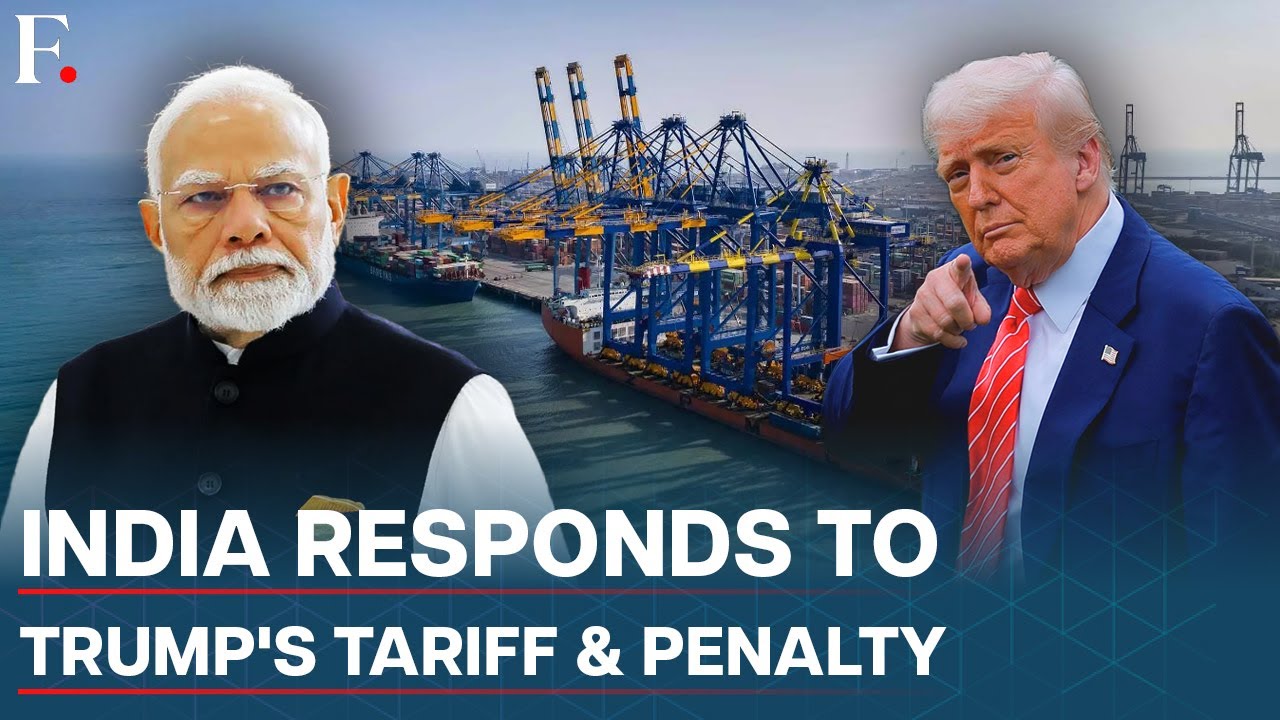
US President Donald Trump has announced plans to significantly raise tariffs on exports from India, citing the country’s oil purchases from Russia as the primary reason for the move. The statement marks an escalation in tensions between the two countries, with both sides having clashed over trade policies and geopolitical issues in recent years.

Trump’s remarks, made on social media, have ignited a strong response from New Delhi, which views the threat as unjustified and damaging to its economic interests. The US President criticized India’s ongoing imports of Russian crude oil, calling the move a betrayal, as the West intensifies efforts to isolate Moscow over its invasion of Ukraine. He pointed out that India’s purchases were then being resold on the international market for profits, further compounding the situation.

The US government has consistently condemned the sale of Russian oil to countries that are still buying from Moscow amid global sanctions designed to cripple the Russian economy. These sanctions, which were imposed by the US and its allies in response to Russia’s aggressive actions in Ukraine, have led to a complex diplomatic web, with several nations, including India, caught in the middle.

While the US and European Union have significantly reduced their oil imports from Russia, countries like India and China have stepped in to fill the gap, buying discounted crude oil from Moscow. India, in particular, has ramped up its purchases of Russian energy, a decision that is seen by many as a strategic move to secure energy resources at lower costs. These purchases have helped India maintain its economic growth amidst the energy price crisis exacerbated by the war in Ukraine.

The announcement by Trump that tariffs on Indian goods would be substantially raised could have serious repercussions for trade between the two nations. India is one of the United States’ largest trading partners, and any significant tariffs would undoubtedly affect a range of industries, from agriculture to technology. In 2022, the bilateral trade between the two countries surpassed $150 billion, with India exporting a wide array of goods to the US, including textiles, chemicals, and pharmaceuticals.

The Indian government, however, has rejected Trump’s claims, arguing that its oil purchases from Russia are in line with its energy security needs and do not violate any international laws. New Delhi has maintained a neutral stance on the war in Ukraine, calling for dialogue and diplomacy to resolve the crisis rather than escalating sanctions and pressure on Russia.

India’s position reflects a broader strategy of balancing its foreign relations with both the West and Russia. While it maintains strong ties with the US and Europe, it also values its long-standing relationship with Russia, particularly in defense and energy sectors. Over the years, Russia has been a reliable supplier of defense equipment to India, a factor that continues to shape India’s foreign policy decisions.

The economic impact of higher tariffs could have a ripple effect on both countries’ economies. India could face higher costs for its exports to the US, which might lead to inflationary pressures within certain sectors. For the US, such tariffs could result in higher prices for American consumers on imported goods, potentially exacerbating inflation at a time when the country is already grappling with economic challenges.

The political fallout from Trump’s threat to raise tariffs could further complicate efforts to resolve trade disputes between the US and India. Both nations have been working on strengthening their strategic and economic ties, but issues like tariffs and energy trade could undermine this progress. Negotiations over trade deals, such as the proposed free trade agreement, may now face significant hurdles as both sides dig in their heels.

The decision to increase tariffs on India could also have wider implications for the global economy. It might set a precedent for other nations to retaliate against countries purchasing Russian oil, particularly those in the Global South who have not been willing to fully sever their economic ties with Moscow. This could potentially fragment the global energy market even further, making it harder for countries to secure stable and affordable energy supplies.

This development highlights the growing division between the US-led West and countries that have opted to remain neutral or continue engaging with Russia. As the war in Ukraine shows no sign of abating, the economic and diplomatic repercussions of these decisions are likely to continue shaping global relations for the foreseeable future.

By Nantoo Banerjee US President Donald Trump is becoming increasingly unpredictable, if not crazy, with his freakish combination of styles to deal with countries and issues – from trade to diplomacy. The 25 percent import tariff on India since last Friday may not considerably hurt India’s export trade with the US, but it threatens to […]

The Indian government has launched a substantial ₹1 lakh crore initiative aimed at advancing research and development in DeepTech sectors, which include artificial intelligence, biotechnology, and clean energy. The move seeks to position India at the forefront of technological innovation while addressing pressing global challenges, such as climate change and health issues, through groundbreaking advancements.

The scheme, which is the largest of its kind in the country, provides financial support through low-interest loans and grants to organisations engaged in pioneering research within these high-tech fields. This initiative is designed to fuel India’s transition to a knowledge-based economy, empowering domestic companies to compete on the global stage.

The programme has been met with widespread enthusiasm across industries, particularly for its potential to create high-skilled jobs and promote sustainable growth. Industry experts believe that the government’s focus on DeepTech will provide the necessary infrastructure for start-ups and established companies to undertake transformative research, particularly in AI and biotechnology, areas that are expected to revolutionise industries globally.

The scheme is structured to benefit both large-scale enterprises and smaller start-ups, ensuring a wide distribution of opportunities across the technology ecosystem. By offering loans with highly favourable interest rates, the government is incentivising private investment in research and innovation. These funds can be used for a variety of purposes, including product development, infrastructure creation, and collaboration with academic institutions. The emphasis on clean energy projects is particularly timely, given the global push towards sustainability and reducing carbon footprints.

Aimed at fostering a more robust R&D culture, this initiative also ties into broader national objectives, such as strengthening India’s technological independence and making strides towards self-reliance. By facilitating the creation of homegrown technologies, the government hopes to reduce the nation’s dependence on foreign technologies and build a self-sustaining innovation ecosystem.

The programme is expected to bring a ripple effect, spurring greater investment in the country’s deep-tech space. This comes at a time when global investors are showing increasing interest in emerging markets like India, particularly in sectors that address environmental concerns and healthcare challenges. Experts suggest that this initiative could make India a major player in AI, clean energy, and biotech, which have seen explosive growth globally.

This initiative builds upon earlier steps taken by the government to boost technological innovation. A notable example is the government’s push for AI adoption across industries, with initiatives such as the National AI Strategy. Moreover, India’s growing digital infrastructure, which includes expanding internet access and cloud capabilities, is seen as a foundation for the country to lead in cutting-edge research and development.

With AI poised to reshape industries such as healthcare, agriculture, and education, the government’s focus on AI-driven projects through this scheme could significantly enhance the country’s global competitiveness. For example, AI technologies are expected to play a critical role in optimising supply chains, improving healthcare diagnostics, and even contributing to smarter urban planning and infrastructure.

Similarly, India’s biotechnology sector, which has been a cornerstone of the nation’s medical advancements, stands to benefit enormously from the new scheme. Biotechnology holds promise for breakthroughs in disease treatment, diagnostics, and sustainable agricultural practices. With government backing, researchers and innovators will have access to the necessary resources to push the boundaries of what is currently possible in life sciences.

The clean energy component of the scheme is particularly crucial in the context of global environmental concerns. India, as one of the world’s largest emitters of carbon dioxide, has made ambitious commitments to reduce its carbon footprint, and this initiative is aligned with those goals. By providing financial incentives for renewable energy projects, including solar, wind, and hydrogen energy, the government is fostering an ecosystem conducive to green innovation.

The scheme also complements India’s broader economic reforms aimed at boosting manufacturing and technological self-sufficiency under the “Make in India” programme. By nurturing DeepTech innovation, India could develop indigenous solutions that cater not just to domestic needs but also to international markets, enhancing its stature as a hub for cutting-edge technology.

As part of its effort to ensure the programme’s success, the government is also facilitating partnerships between industry players and academia. This collaborative approach is intended to strengthen the research base and bridge the gap between innovation and practical application. Partnerships with international research bodies are also expected to enhance India’s global position in deep-tech innovation.


OPEC+ members are poised to approve a significant increase in oil output at a crucial meeting scheduled for Sunday. Sources indicate that the group will likely raise production, though discussions are still ongoing over the exact size of the hike for September. The decision follows rising concerns about global oil supplies and the potential for further disruptions from Russia. This move comes as the international community grapples […]

Despite mounting international tensions and growing calls for sanctions, India has confirmed its commitment to continuing oil purchases from Russia. The decision, which has drawn both support and criticism, comes in the face of strong opposition from Western powers, particularly the United States.

India’s robust relationship with Russia, especially in energy sectors, remains central to its strategy to ensure energy security amid global market volatility. While the United States has intensified its warnings against increasing trade with Russia, citing geopolitical risks and the ongoing war in Ukraine, Indian officials assert that the decision aligns with the country’s broader economic interests and long-term energy goals.

The timing of the announcement comes as global oil prices continue to fluctuate, driven by factors ranging from OPEC+ production cuts to the ripple effects of the Russia-Ukraine conflict. With Russia now facing significant sanctions from the West, including oil price caps and restrictions on exports, India has emerged as one of the largest buyers of Russian crude oil, navigating complex international pressures while keeping its energy needs in focus.

India’s oil imports from Russia soared in the wake of the war in Ukraine, particularly after Western nations moved to isolate Moscow from the global market. The country, which historically sourced much of its oil from the Middle East, found Russian oil a lucrative alternative as Western sanctions created discounts, allowing India to tap into a relatively cheap energy supply.

Russia, in turn, welcomed the partnership, as it opened new markets and ensured continued demand for its oil. According to official sources, Russia’s increased sales to India, and other non-Western nations, helped offset some of the lost revenue due to sanctions.

India’s government, however, has been careful to position its stance within a framework of neutrality. Public statements highlight that the nation’s energy decisions are based on its own national interest, focusing primarily on economic stability and the welfare of its people. Officials have also pointed out that India is among the world’s most energy-hungry nations and needs to secure a steady and affordable supply of oil to support its growing population and economic expansion.

Internationally, this trade has sparked debates over the moral and strategic implications of engaging with Russia. Critics argue that by maintaining ties with Russia, India risks undermining global efforts to isolate Moscow, particularly as Western governments seek to enforce stricter sanctions. They point out the tensions between India’s non-alignment policy and its deepening economic relationship with a nation under international scrutiny.

On the other hand, some argue that India’s approach reflects a pragmatic understanding of its own strategic priorities, particularly the need to balance international relationships with domestic requirements. With rising fuel costs and inflation becoming pressing issues for many nations, securing affordable energy resources has become a matter of national security.

India’s oil trade with Russia, however, is not without its challenges. Western nations have long pressured India to reduce its dependence on Russian energy. The Biden administration, particularly, has warned that India’s continued imports could strain relations, especially as the US seeks to maintain solidarity with its European allies in pressuring Russia. Washington’s position on the matter is clear: nations that continue to do business with Russia will face consequences, with potential impacts on trade and geopolitical ties.

Yet, India’s economic and geopolitical imperatives make it unlikely to back down. As part of the BRICS group, which also includes Brazil, Russia, China, and South Africa, India has voiced its commitment to a multipolar world order where nations can pursue their own economic paths, free from external coercion. India has also consistently argued for the need for dialogue and peaceful resolution in the Russia-Ukraine conflict, advocating for diplomacy over military escalation.

The ongoing conflict has undeniably reshaped global energy dynamics, forcing countries to reassess their energy strategies and alignments. While India’s stance has garnered significant attention, its broader approach is seen as part of an evolving foreign policy that seeks to advance national interests without being swayed by external pressures.

By K Raveendran Donald Trump’s aggressive tariff regime, launched under the guise of bolstering American strength and reclaiming lost economic ground, has triggered a worldwide response that may ultimately defeat the very goal it seeks to achieve. Framed as a nationalist project to assert America’s economic primacy, the tariff war has turned out to be […]
By Nitya Chakraborty It is not a cliché to say that our powerful Prime Minister Narendra Modi’s moment truth has arrived after 11 years of ruling the country as the unchallenged leader. The 25 per cent tariff hike on Indian exports announced by the United States President Donald Trump on Wednesday and taking effect from […]
By Dr. Nilanjan Banik Before the August 1 deadline, the U.S. President Donald Trump decided to impose a 25% tariff on Indian exports. He also talked about an additional penalty on Indian exports, which could go up to100% as a surcharge, targeting countries that continue trading oil with Russia. Trump seems to care less about […]

The UAE India Business Council has reaffirmed its collaboration with Expand North Star, marking a significant milestone in fostering cross-border innovation and entrepreneurship. This renewed partnership, now in its second consecutive year, highlights the UAE’s ongoing commitment to positioning itself as a global leader in the startup ecosystem.

Expand North Star, the world’s largest event dedicated to startups and investors, serves as a critical platform for innovation, providing entrepreneurs and investors with opportunities to forge strategic partnerships and explore new ventures. The event, which has grown significantly since its inception, attracts top-tier startups, venture capitalists, and industry leaders from around the globe. Through this renewed alliance, the UIBC-UC aims to amplify the UAE’s role as a hub for high-growth startups, particularly those looking to expand into the MENA region.

The UIBC-UC, a prominent organisation that promotes business ties between the UAE and India, has become instrumental in strengthening the bilateral relations between the two countries, especially in the realm of entrepreneurship and innovation. By partnering with Expand North Star, the council seeks to enhance access to resources, networks, and investment opportunities for startups and entrepreneurs from both nations.

The UAE has been at the forefront of creating a conducive environment for startups, with government-backed initiatives and policies designed to support innovation. Initiatives such as the Dubai Future Foundation, the Mohammed bin Rashid Innovation Fund, and various free zones dedicated to tech startups have positioned the Emirates as an attractive destination for entrepreneurs. The country’s emphasis on digital transformation, coupled with its strategic location between Europe, Africa, and Asia, provides an ideal platform for businesses to scale internationally.

For India, which boasts one of the world’s largest startup ecosystems, the partnership with Expand North Star offers immense potential for collaboration. Indian entrepreneurs, especially those in tech and fintech, have been increasingly looking towards international markets, and the UAE presents a strong opportunity due to its thriving business climate and connectivity. The renewal of this partnership with Expand North Star will undoubtedly encourage more Indian startups to engage with the UAE market and beyond.

The annual event itself is a significant gathering of key players from the global startup and venture capital scenes. This year’s edition is expected to feature prominent speakers, thought leaders, and investors, all aiming to inspire innovation and growth. Attendees will have the chance to network, share ideas, and discuss investment opportunities in sectors such as fintech, healthtech, and green energy – industries that have been gaining momentum in both the UAE and India.

For the UAE, the collaboration with Expand North Star is also part of its broader economic diversification strategy, which seeks to reduce dependence on traditional industries such as oil and gas. By fostering a dynamic and diverse entrepreneurial landscape, the UAE aims to build a sustainable economy driven by innovation. The UAE has seen substantial growth in its startup ecosystem, with a surge in venture capital investments and the launch of several unicorns in recent years. The nation’s commitment to fostering a vibrant startup environment has been instrumental in attracting foreign investors and top-tier talent from around the world.

At the same time, India’s startups are increasingly gaining recognition on the global stage, with many successful exits, IPOs, and growing international footprints. The country’s growing focus on entrepreneurship, combined with a large and diverse consumer base, makes it an ideal partner for the UAE in terms of business and innovation. The collaboration between the UAE and India, therefore, holds significant promise for further enhancing their economic ties and enabling knowledge exchange between the two nations.

The Securities and Exchange Board of India has escalated its investigation into the trading activities of Jane Street, a global proprietary trading firm, as part of a broader probe into alleged market manipulation. The regulatory body has now requested trading data from several Indian stock exchanges, further deepening its scrutiny of the firm’s involvement in the country’s financial markets.

SEBI’s action stems from claims that Jane Street engaged in manipulation of stock indices through derivative positions. This move follows a regulatory ban imposed on the firm in early July, which temporarily barred it from conducting any trading activities in Indian markets. The ban was issued after SEBI’s preliminary findings suggested that Jane Street had used complex strategies to artificially influence the performance of key stock indices.

As part of the ongoing investigation, SEBI is focusing on obtaining detailed trading records from exchanges including the Bombay Stock Exchange and the National Stock Exchange of India. The goal is to determine whether the firm’s activities, particularly its use of derivatives, involved any illegal practices that could have distorted market prices or harmed retail investors.

Industry experts suggest that the regulator’s heightened interest in Jane Street reflects a broader concern about the role of large institutional traders in shaping market dynamics. Derivative positions, often leveraged and high-risk, can be used to exert significant influence on the underlying stocks, especially in a market as liquid as India’s. By examining data from exchanges, SEBI aims to clarify the extent of Jane Street’s trading strategies and assess whether they align with Indian securities laws.

The investigation is seen as a key test of SEBI’s ability to enforce its regulations on foreign firms operating in India’s rapidly growing financial markets. Despite the firm’s global operations, Jane Street has a significant presence in India, with its trading strategies often tied to the country’s major stock indices. The firm’s complex use of derivatives, particularly index futures, has drawn scrutiny from both regulators and market participants, who have raised concerns about potential market distortion.

Jane Street, which is based in the United States, has yet to publicly comment on SEBI’s request for trading data or the investigation itself. The firm has previously maintained that its activities are compliant with global market regulations, including those in India. However, the SEBI inquiry underscores growing concerns among global regulators about the tactics employed by large-scale traders in emerging markets.

The investigation into Jane Street is part of a broader initiative by SEBI to strengthen its oversight of foreign investment in India. Over the past few years, SEBI has been increasingly focused on improving market transparency and curbing potential manipulative practices, particularly in high-frequency trading and derivative markets. While foreign firms play an essential role in providing liquidity to Indian markets, their influence has raised alarms about potential market imbalances.

Market analysts point out that the use of derivatives and other sophisticated financial instruments by international trading firms has brought India into closer alignment with global financial markets. However, the rise of algorithmic and high-frequency trading has led to concerns over market stability, especially in volatile times. In response, SEBI has ramped up its efforts to ensure that such trading does not compromise the fairness or integrity of the market.

In the wake of SEBI’s actions, some market participants have called for more stringent regulations governing the use of derivatives in India. While derivatives are legal and widely used, their impact on the underlying markets can sometimes be opaque, especially when large institutional players use them in tandem with other strategies to influence stock movements. Calls for greater transparency and stricter enforcement mechanisms are expected to intensify as the investigation continues.

The timing of SEBI’s investigation is significant, as it comes at a time of heightened global scrutiny on market manipulation and the role of high-frequency traders. In the wake of high-profile cases involving market abuses in other jurisdictions, regulators are under pressure to ensure that trading practices do not undermine investor confidence or market integrity.

By Nitya Chakraborty Prime Minister Narendra Modi in his long reply to the discussion in Lok Sabha on Operation Sindoor on Tuesday night skillfully avoided the issue of any mediation by the U.S. President Donald Trump by stating that no world leader told India to stop Operation Sindoor. His refrain was that Pakistan DGMO came […]

VISHNU RAJA
RYO YAMADA
HITORI GOTOH
IKUYO KITA